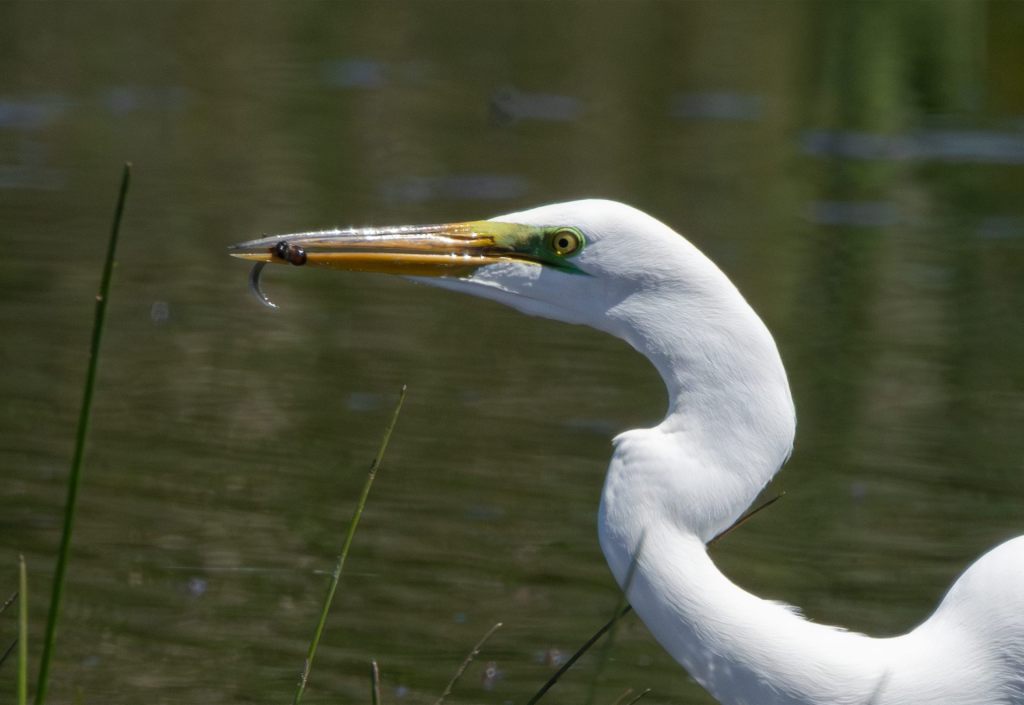
Over the past week or so I was lucky enough to visit a handful of different locations to watch birds. Almost 500 different bird species have been found in Humboldt County, some residents, some rarities, some seasonal migrants. This number is attributable to the diversity of habitats we enjoy and our position along major migratory routes.
Location #1: I take the liberty of including my yard, technically in the flood zone, as part of the riparian zone just outside my back door. Location #2: A short drive away is the Community Park, once a marshy area that was drained for agriculture long ago. The open grassland and mixed woodland host an amazing variety of birds, most of whom are busy nesting just now. Location #3: A longer drive north is a gem of a refuge, the Humboldt Bay National Wildlife Refuge, where the bay sends tidal tentacles of water inland along sloughs and estuaries and a single vista can turn up ducks, shorebirds and waders, songbirds, and raptors.
Riverside
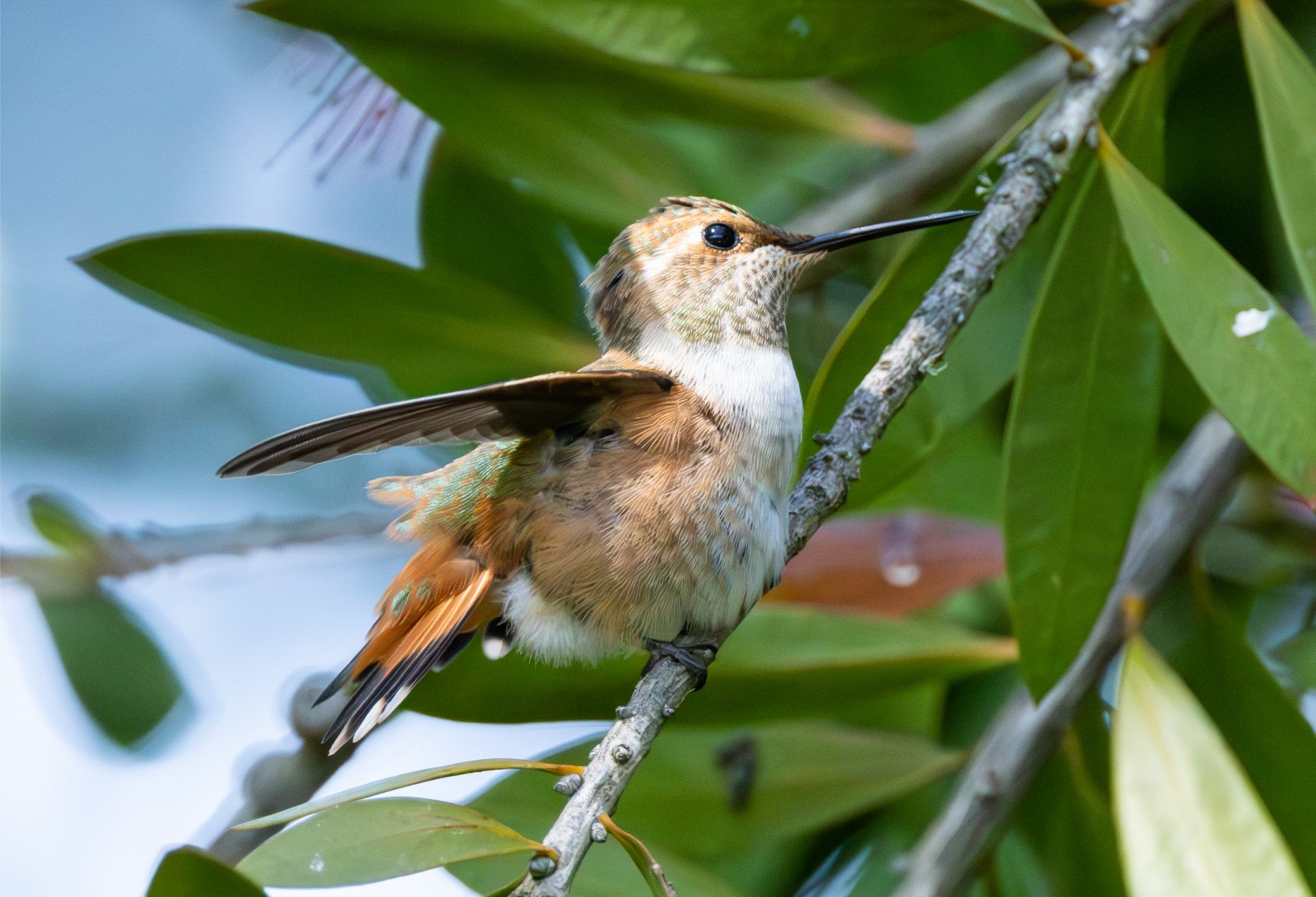
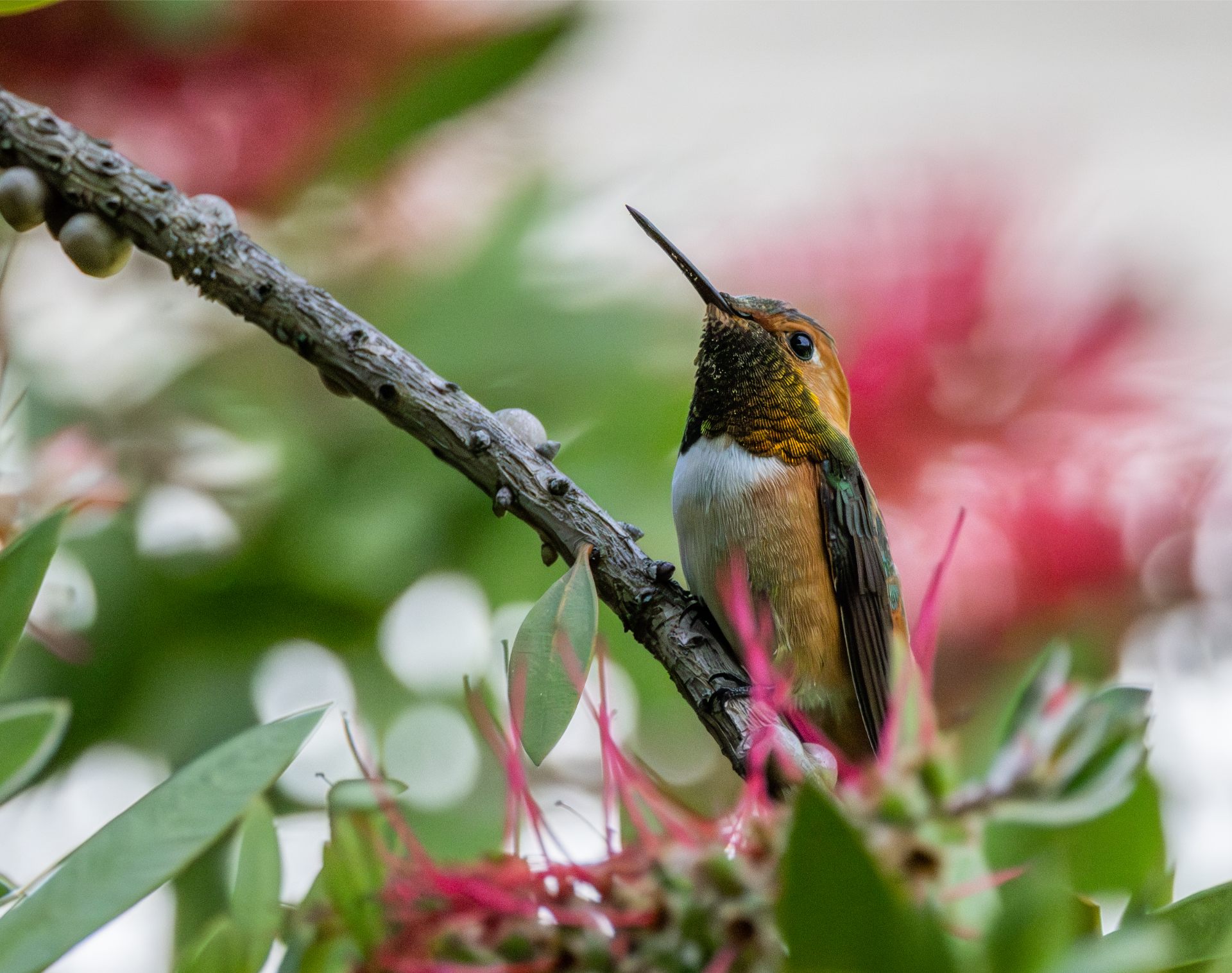
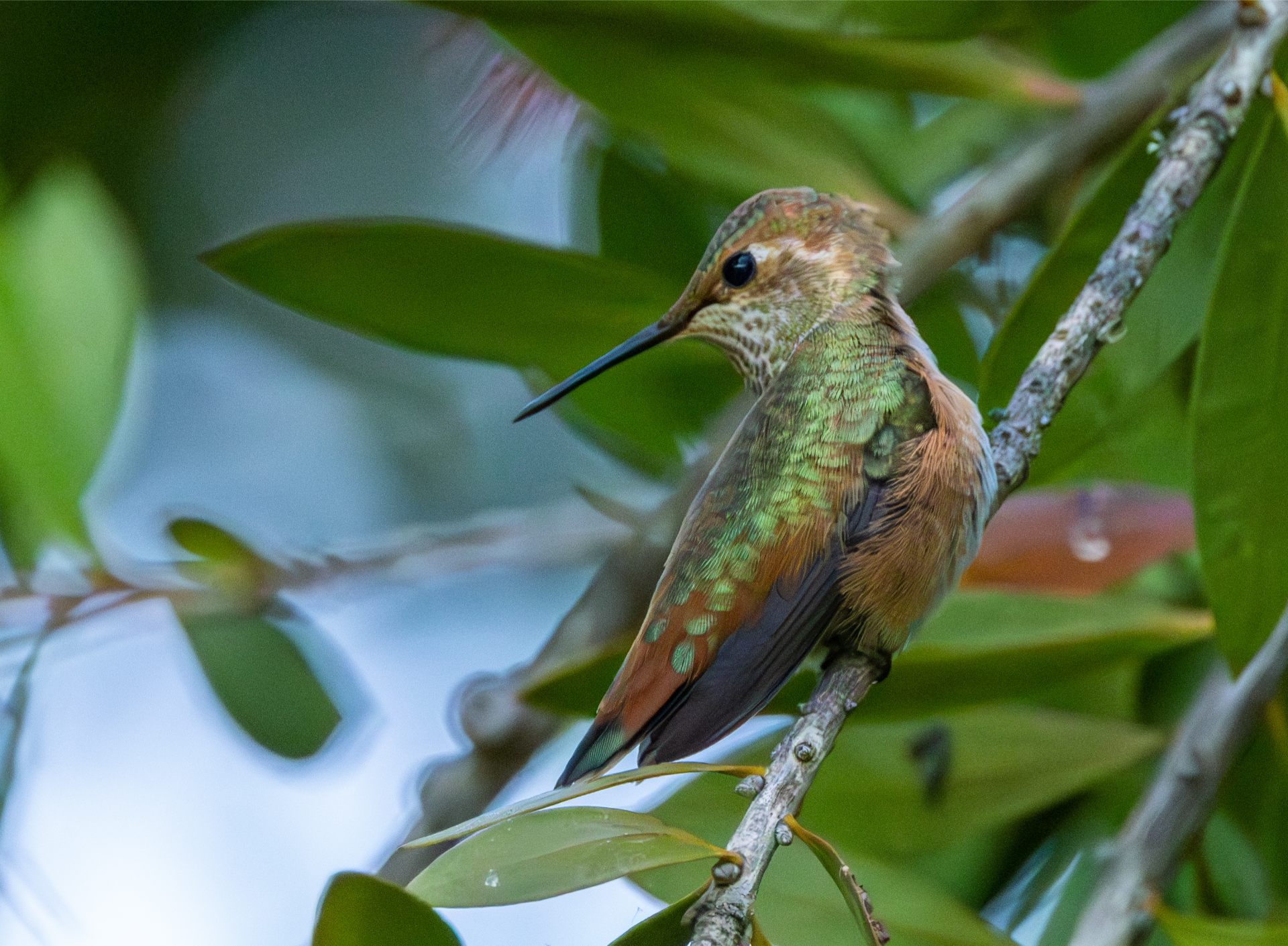
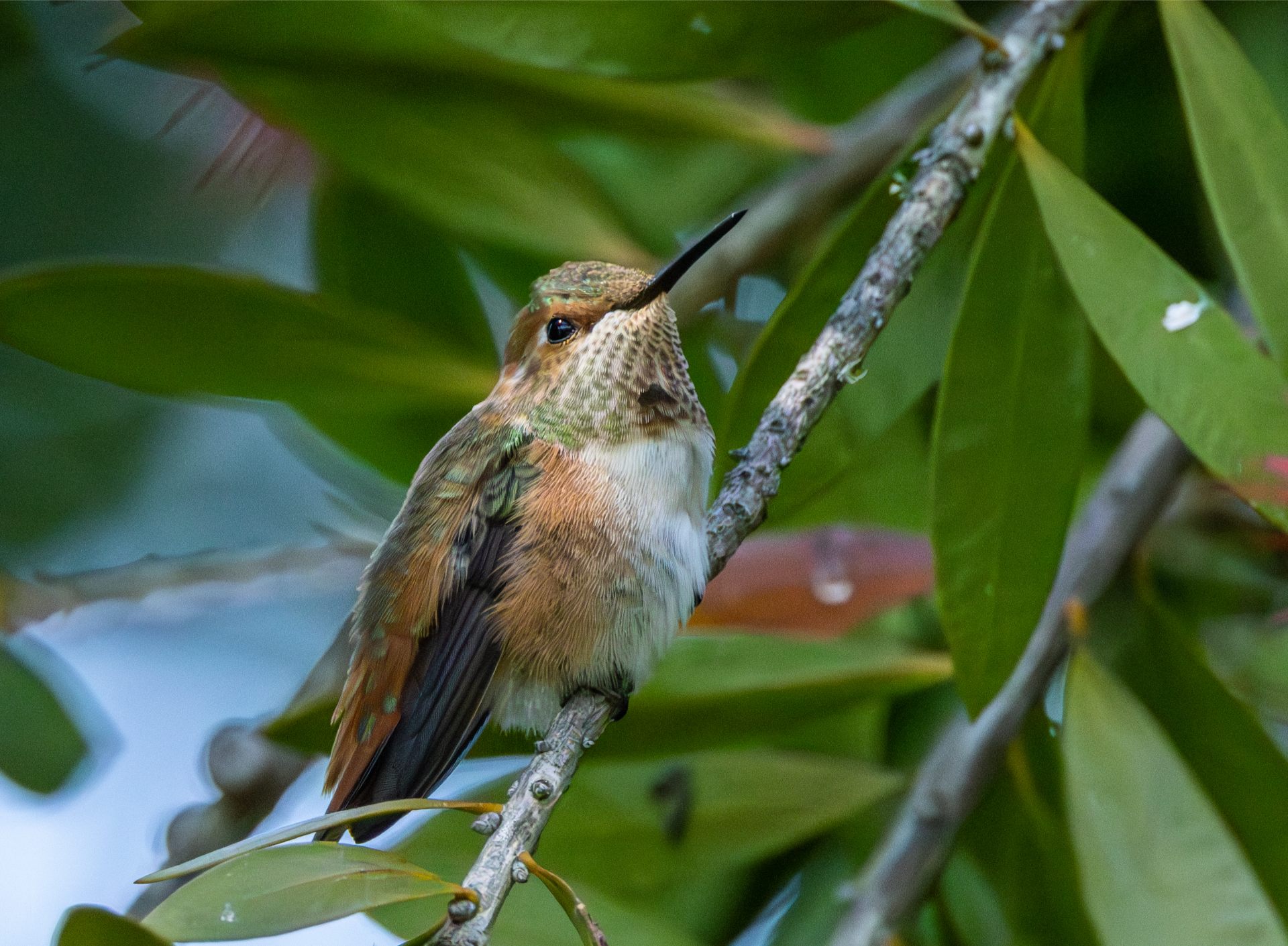
Allen’s Hummingbirds migrate to our area each year, arriving in the late winter, to raise their families. They make the long trip from their central Mexico wintering grounds in about a month’s time. This is a male.
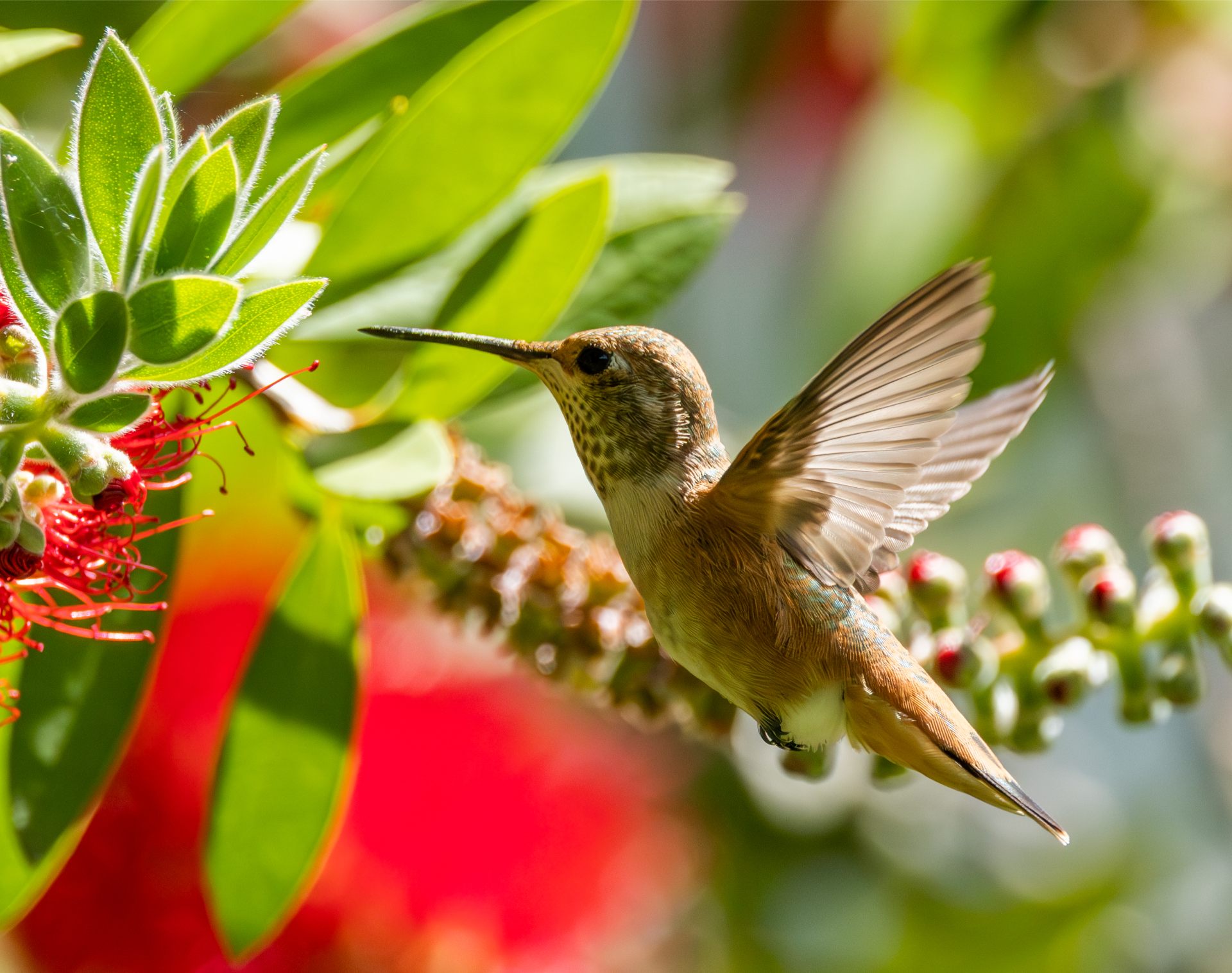
Allen’s Hummingbirds are almost impossible to distinguish from Rufous Hummingbirds. Both can have varying amounts of green and orange coloring on their backs. I wait until later in the spring when Rufous have passed through to breed in the far north. Then I know it is Allen’s who remain in my yard to raise their families. This is a female.
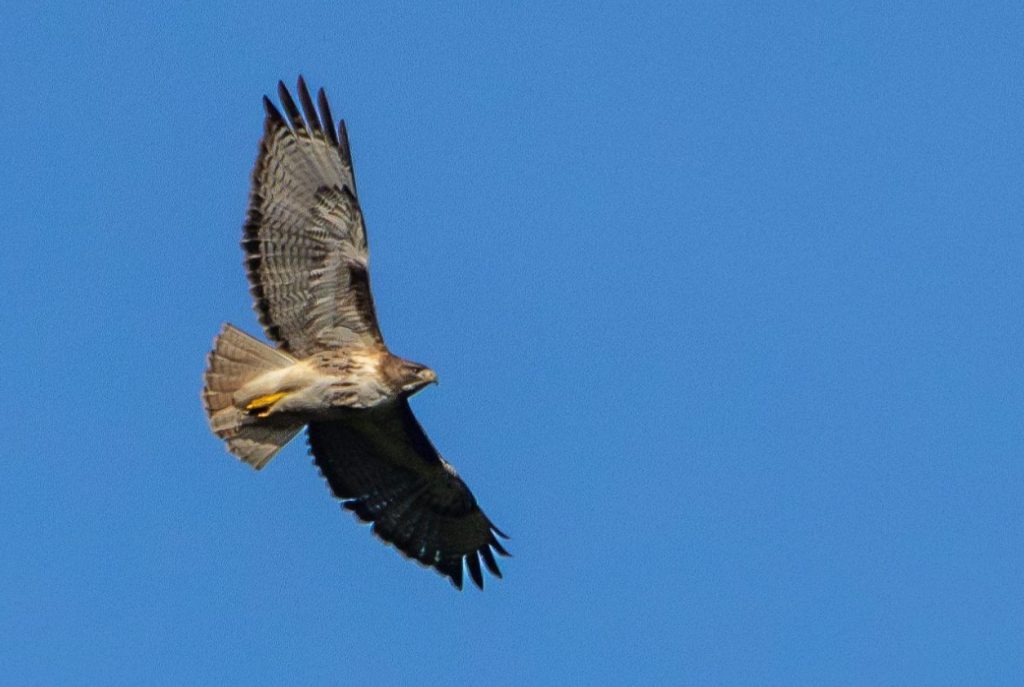
A year round resident, this Red-tailed Hawk is one of a pair I have watched for many seasons.
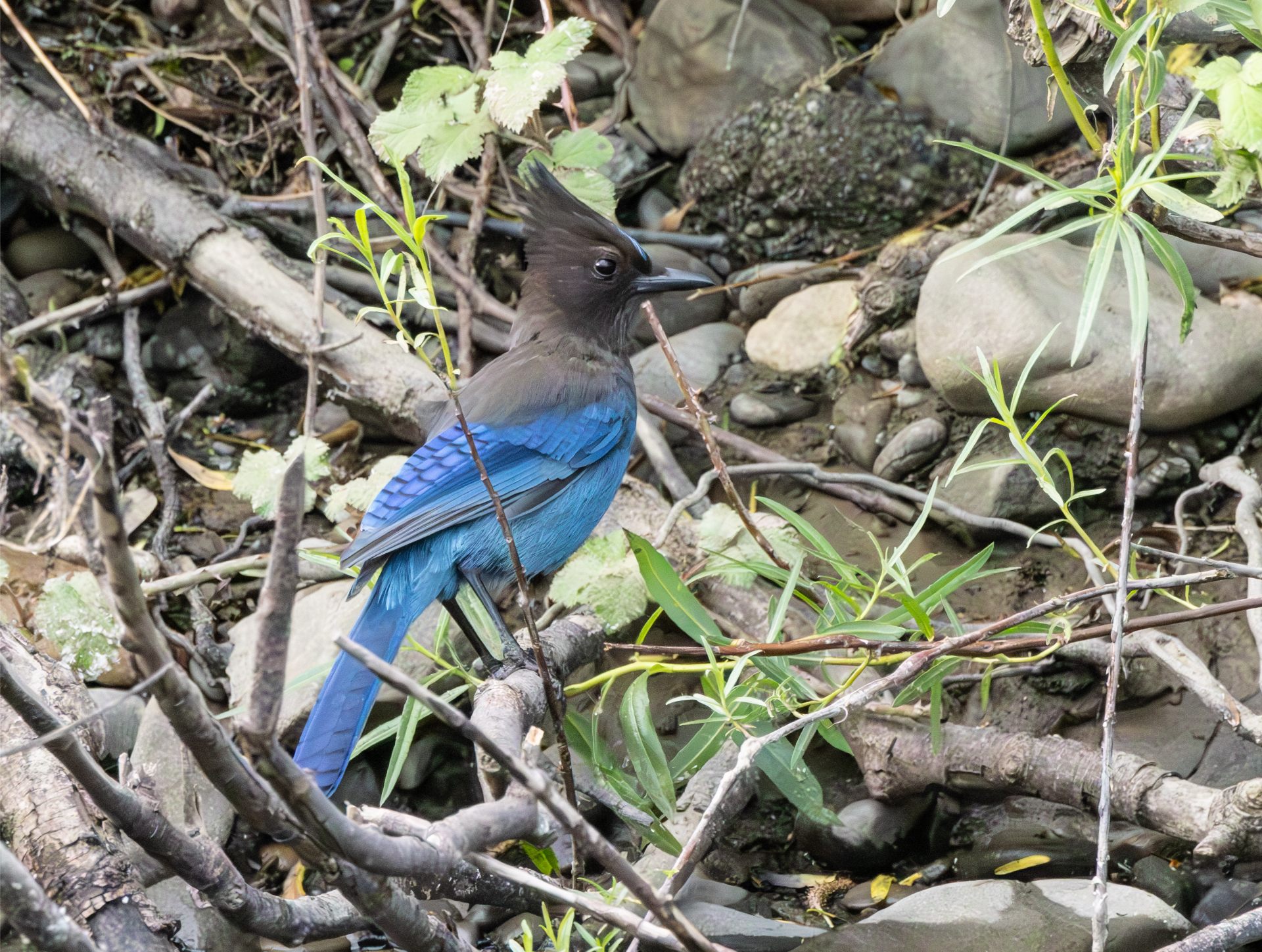
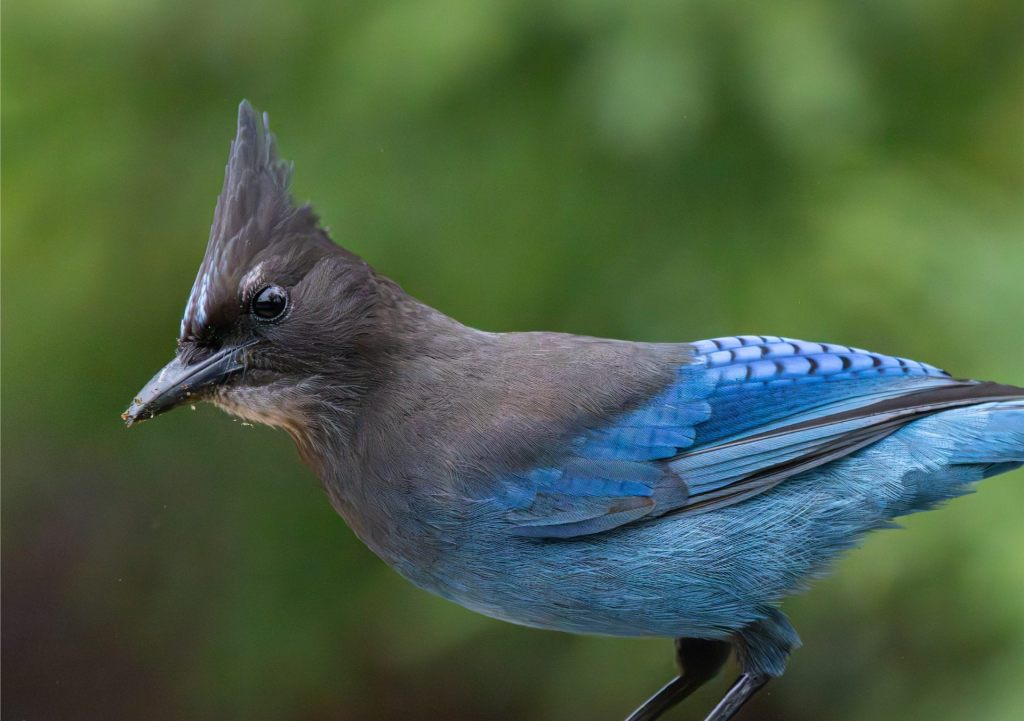
This Steller’s Jay was making its way along the water’s edge, foraging for food, turning over leaves and poking its bill into crevices.
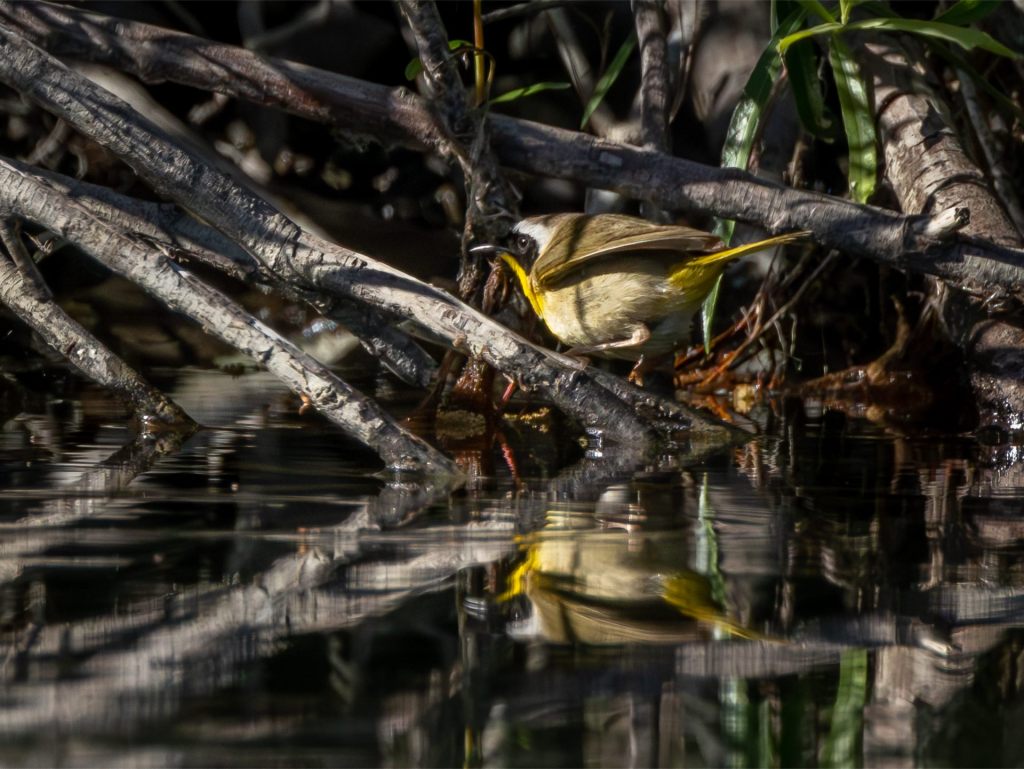
When Yellow-breasted Chats arrive from their wintering grounds each spring, they settle into the exact same riverside location every year. Their vocalizations range from loud cries and chatters to rhythmic scolds and include an uncharacteristic soft gentle buzz they use to communicate with their young.
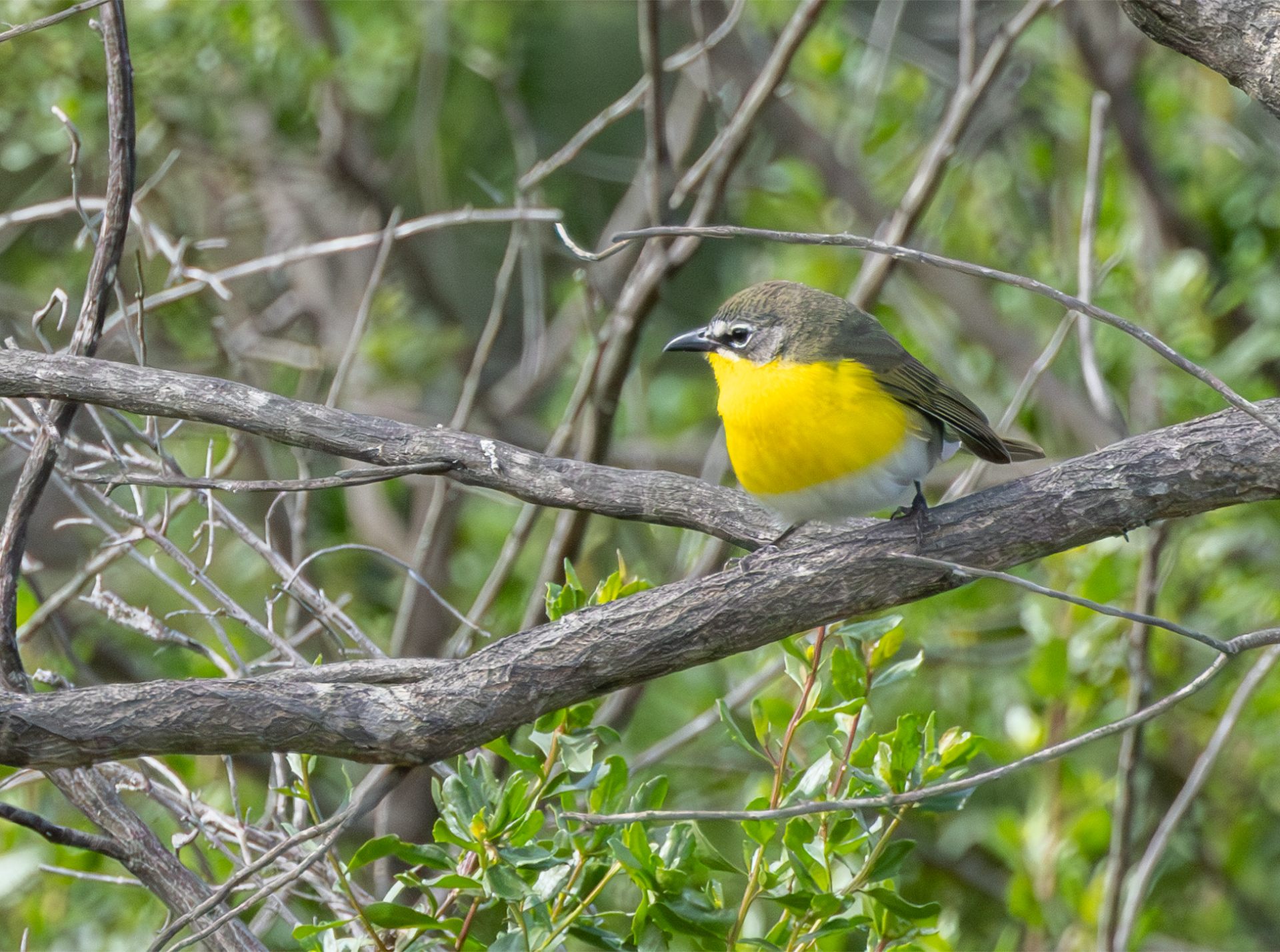
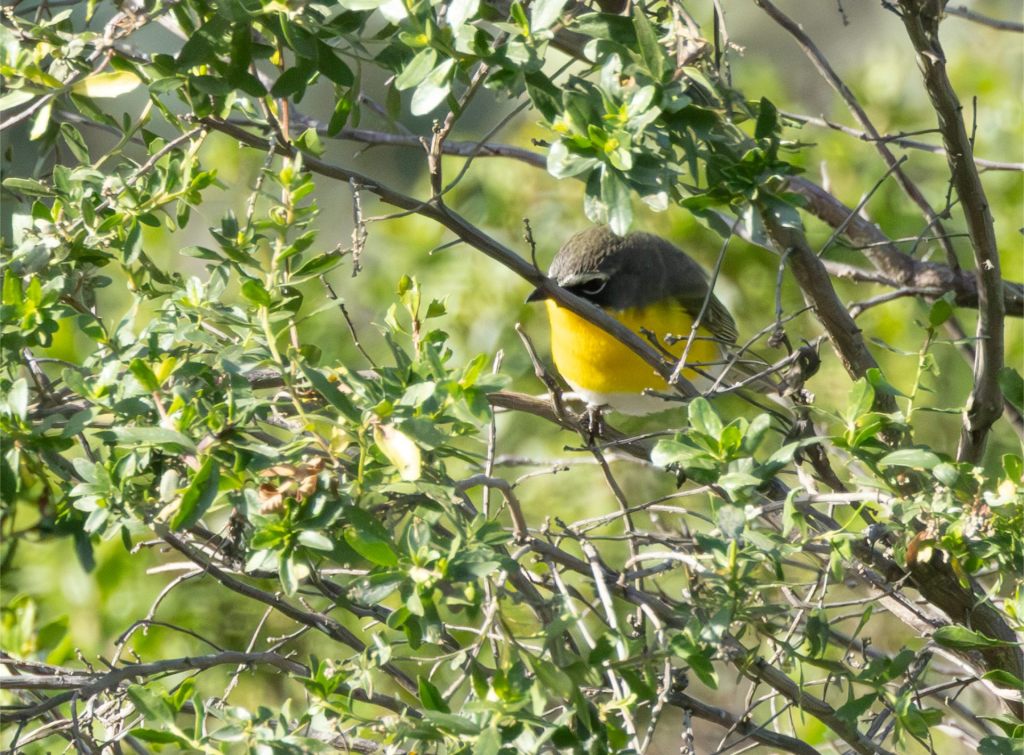
Chats can easily be heard when they are present, but they tend to make their distinctive noise from hiding places deep in the riverside brush.
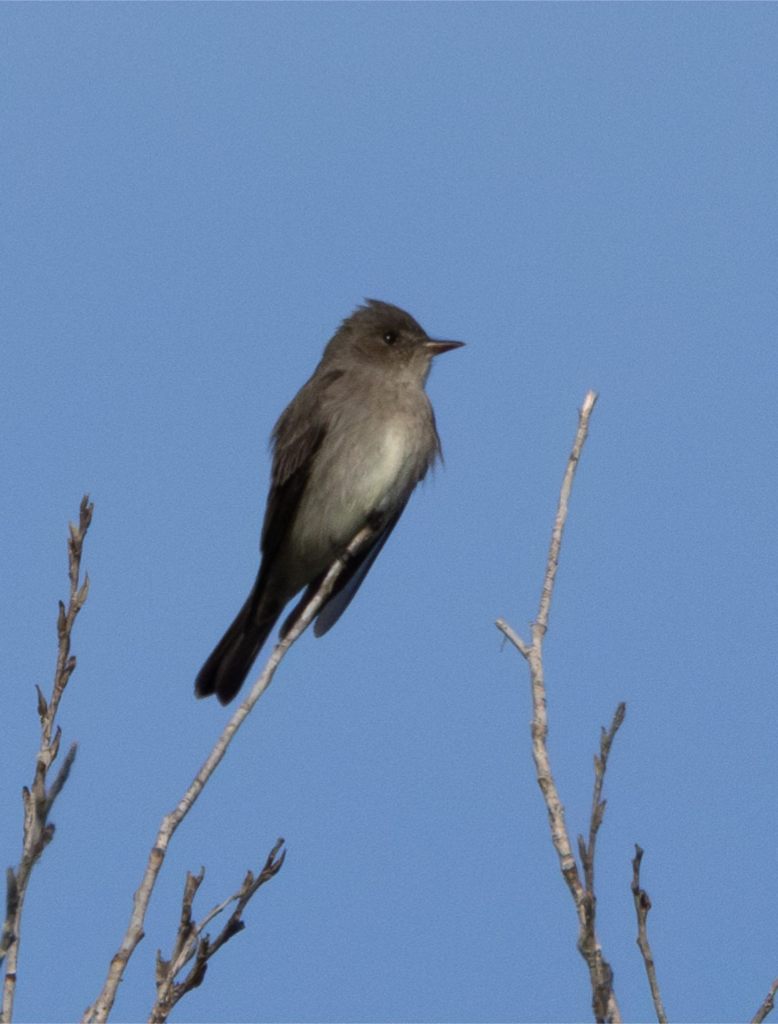
This Western Wood Pewee is one of the last migrants to arrive alongside the river each spring. A drab-looking flycatcher known for its short legs perches high above the river and catches insects on the wing. It repeats its long buzzy call a bit monotonously.
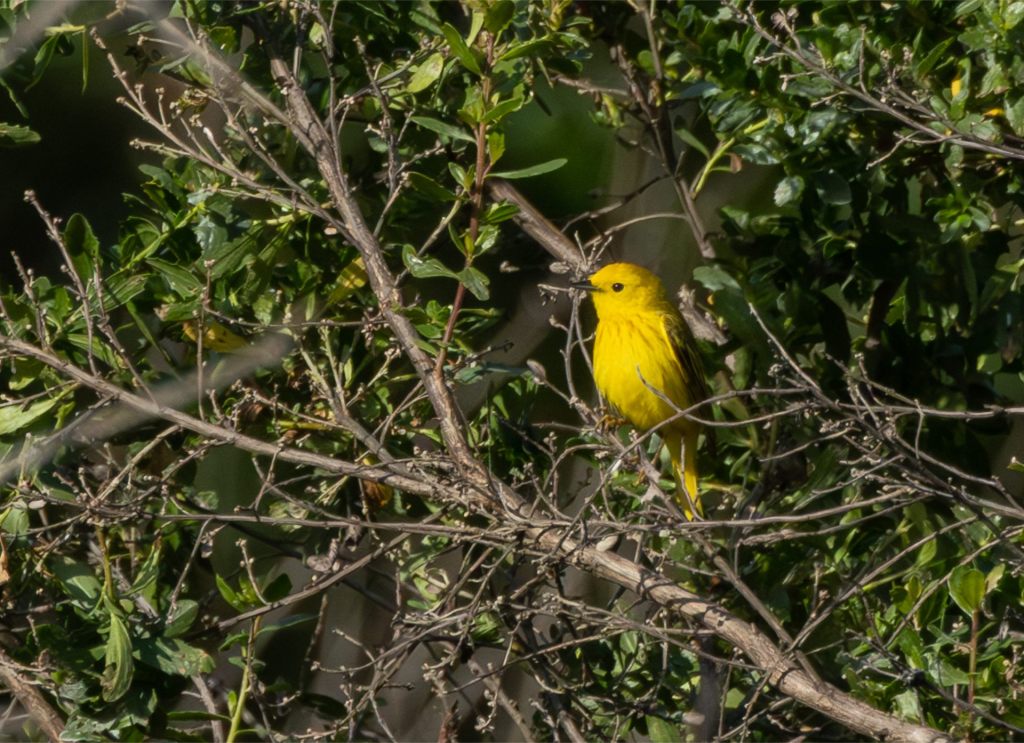
It’s not often that a Yellow Warbler sits still long enough to have its photo taken. This beautiful male paused just long enough while catching the warmth of the early sun. Yellow Warblers are one of the most widespread summer visitors all across North America.
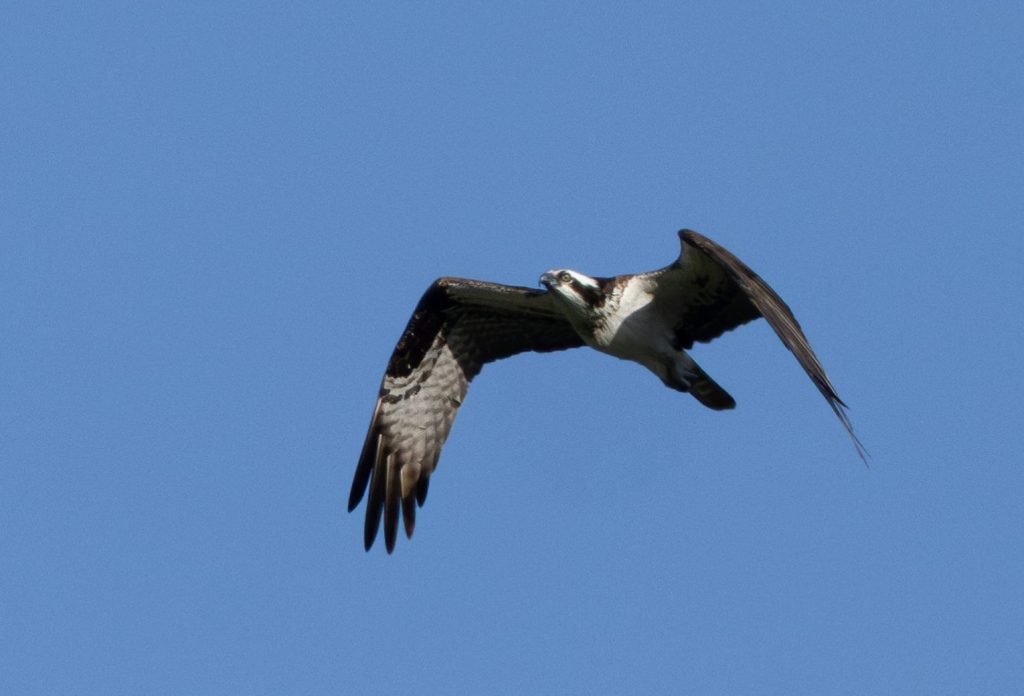
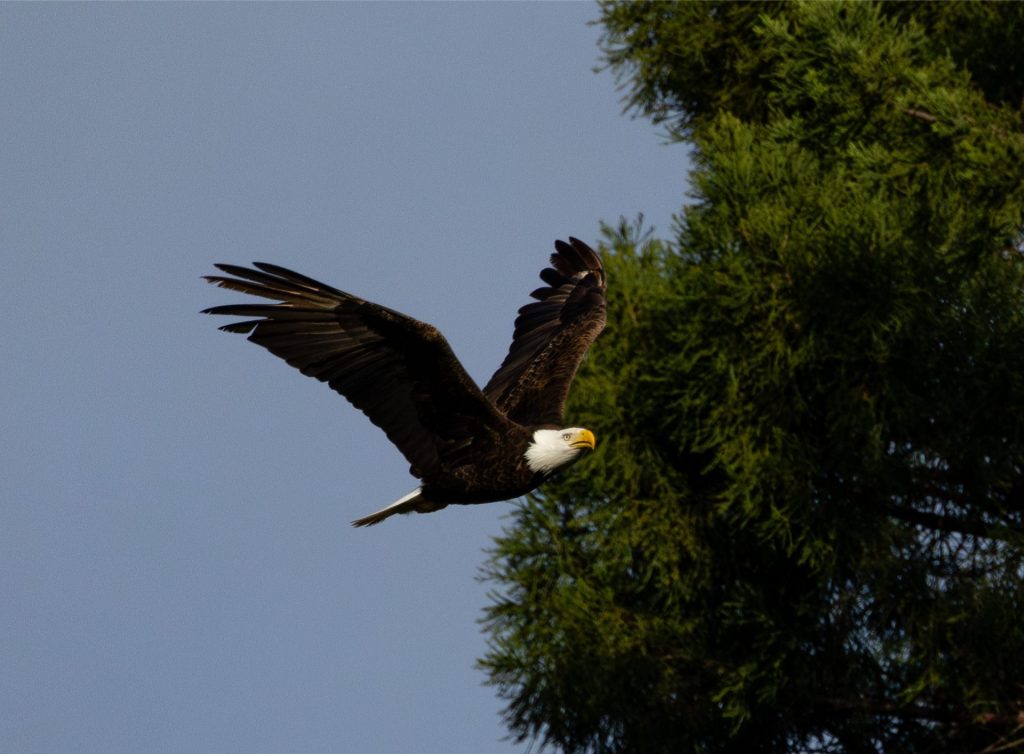
Osprey migrate here from points south, arriving in about April every year. They build huge stick nests at the top of snags or on platforms provided by humans. They dive into the water talons first to catch fish and far too often they are robbed of their hard won meal by an opportunistic Bald Eagle.
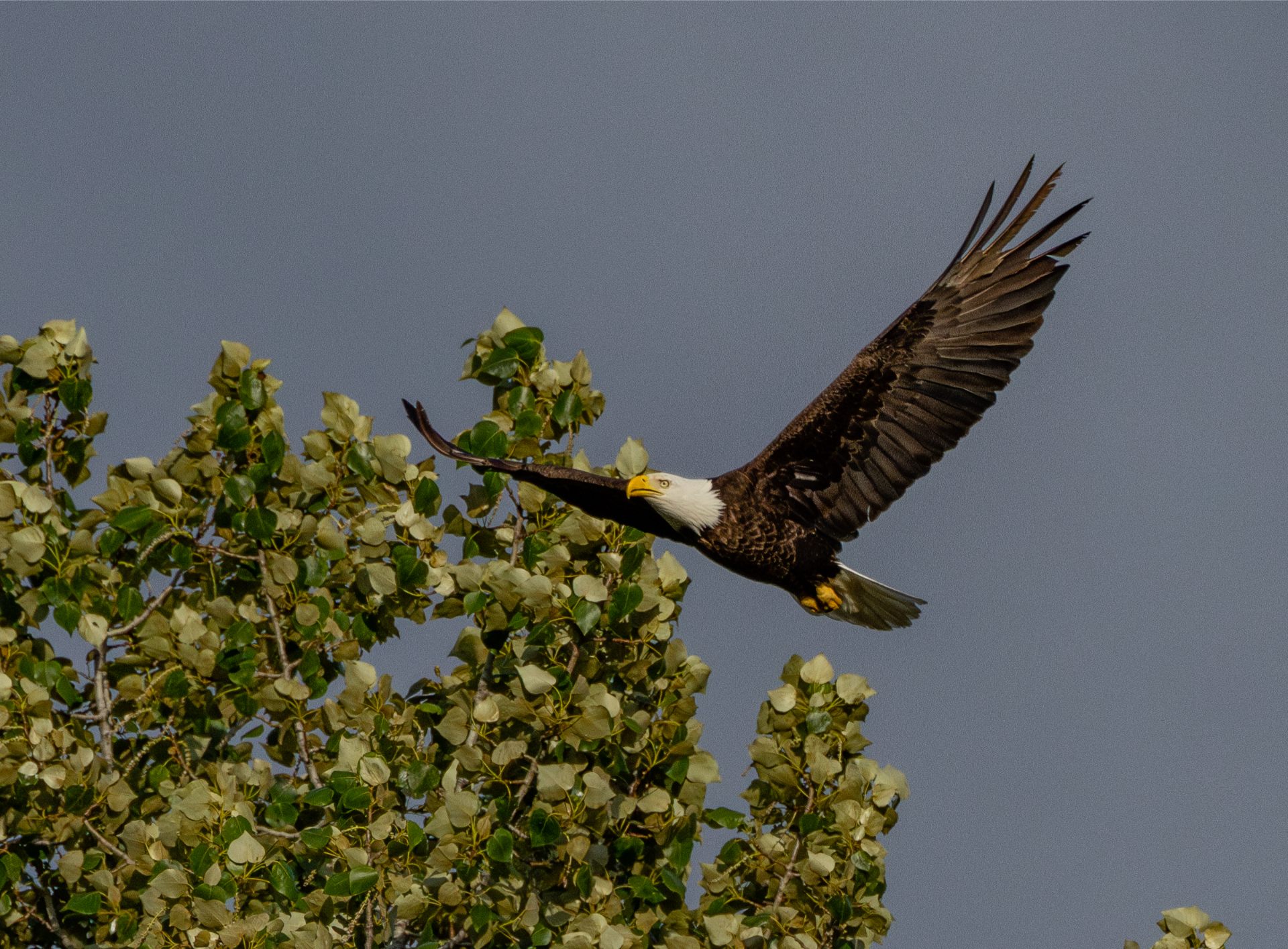
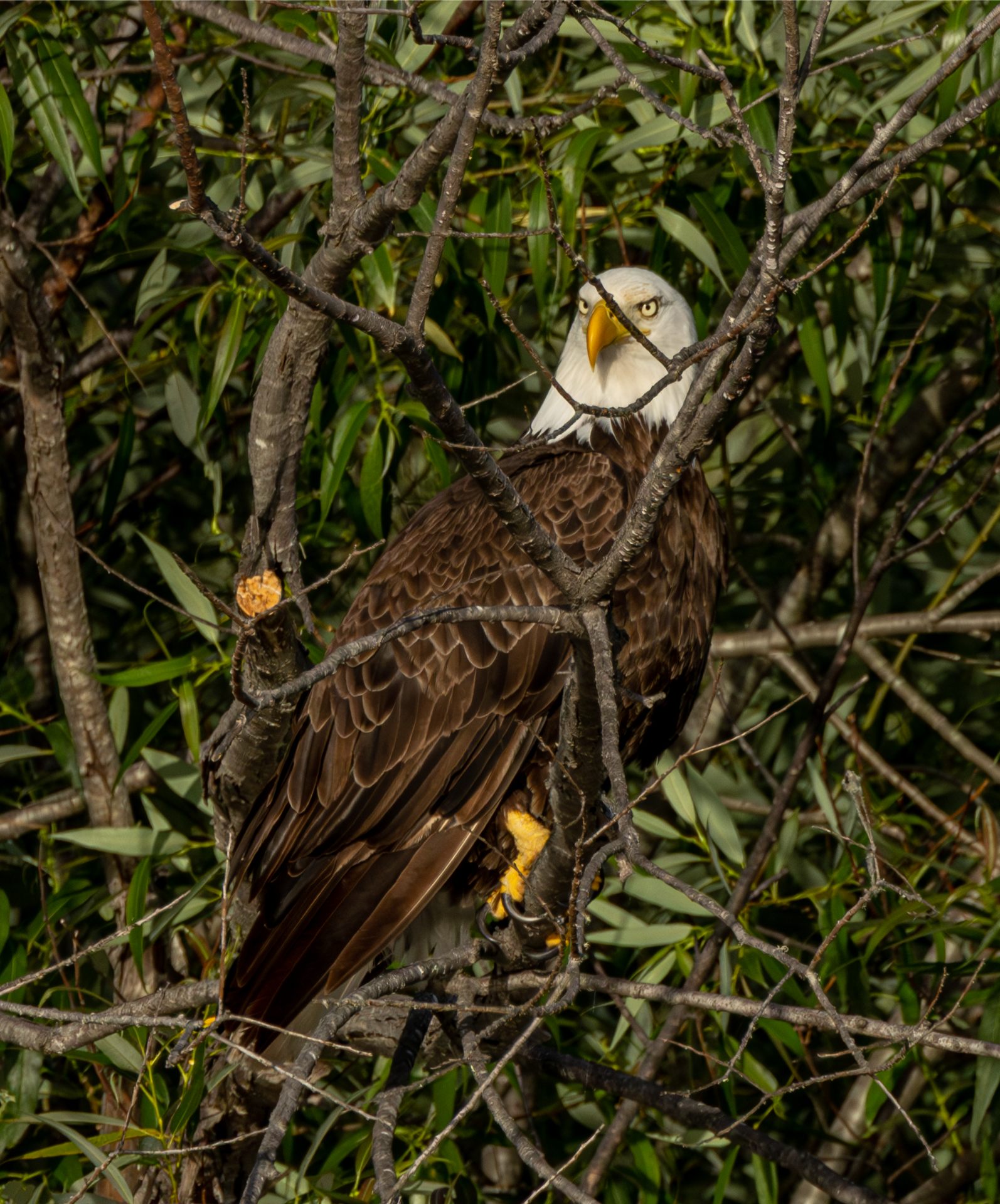
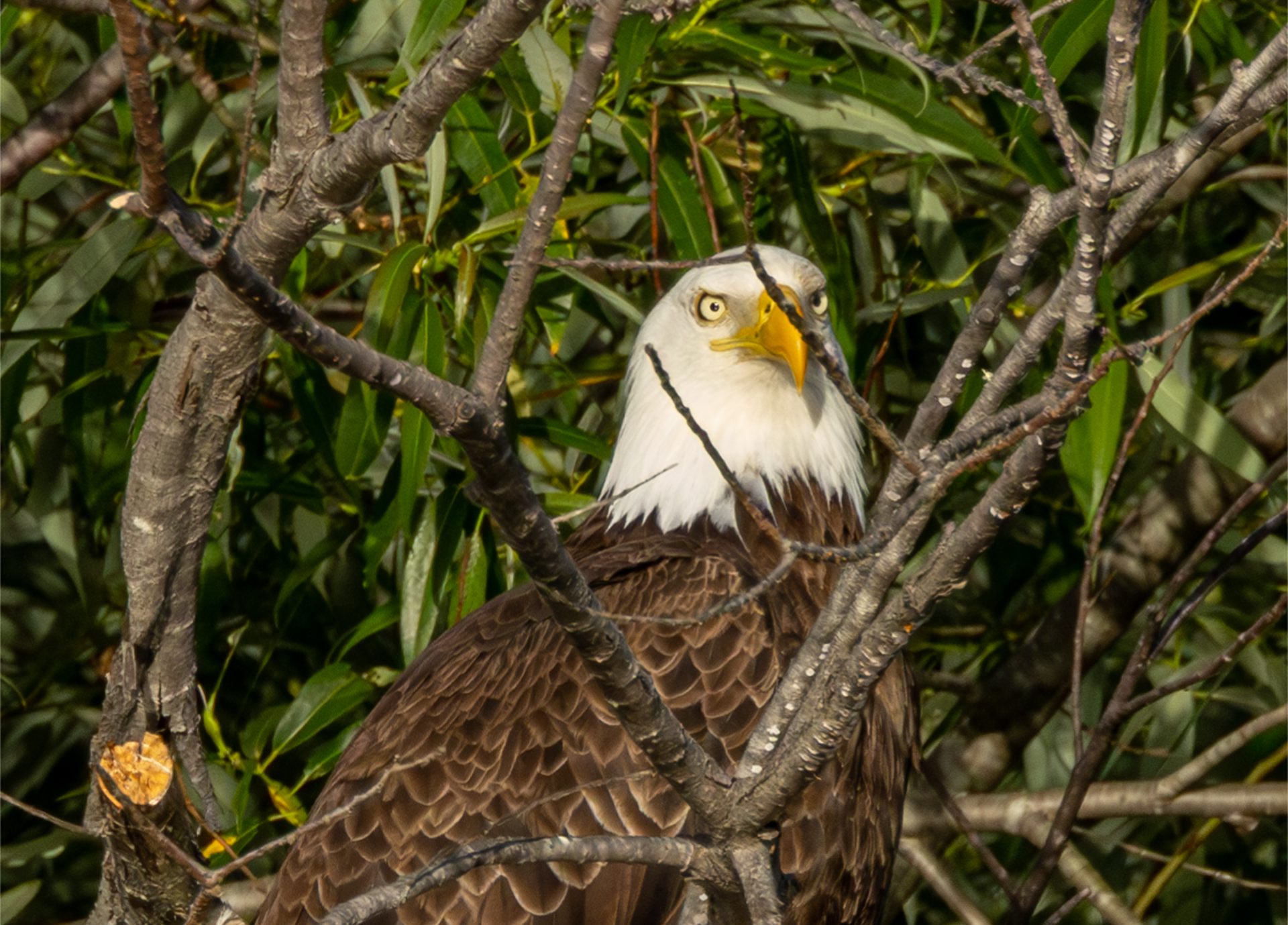
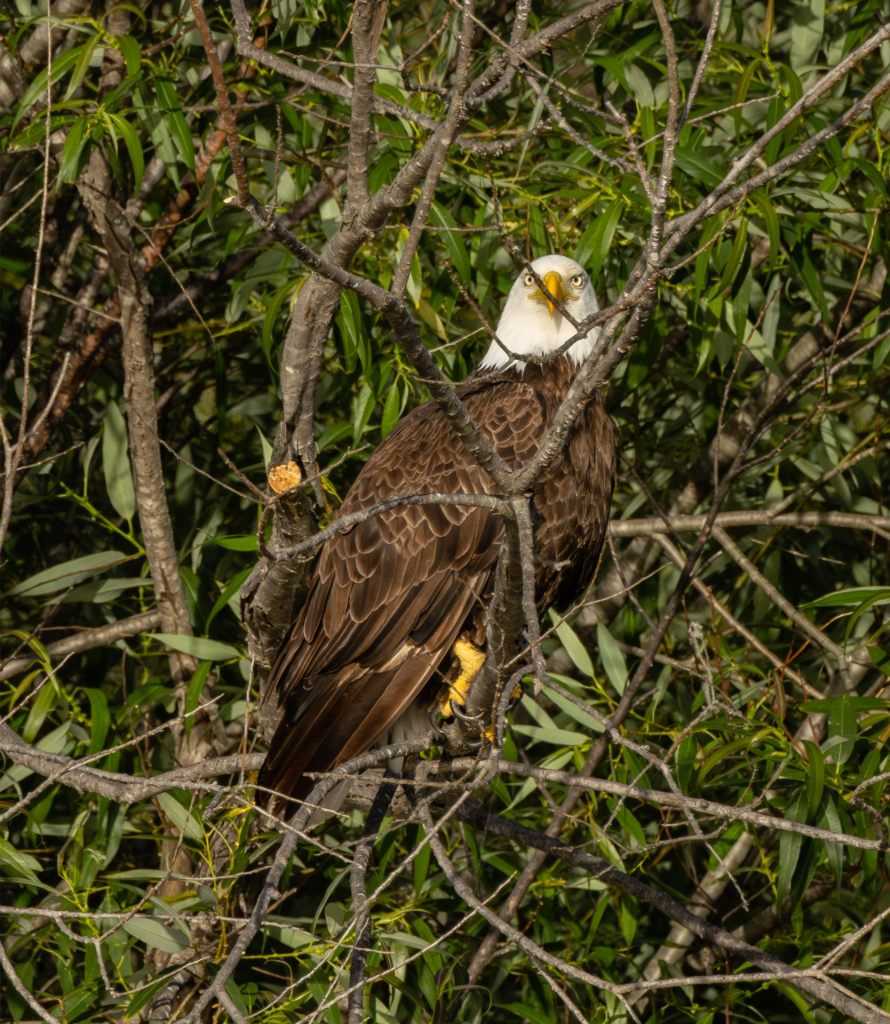
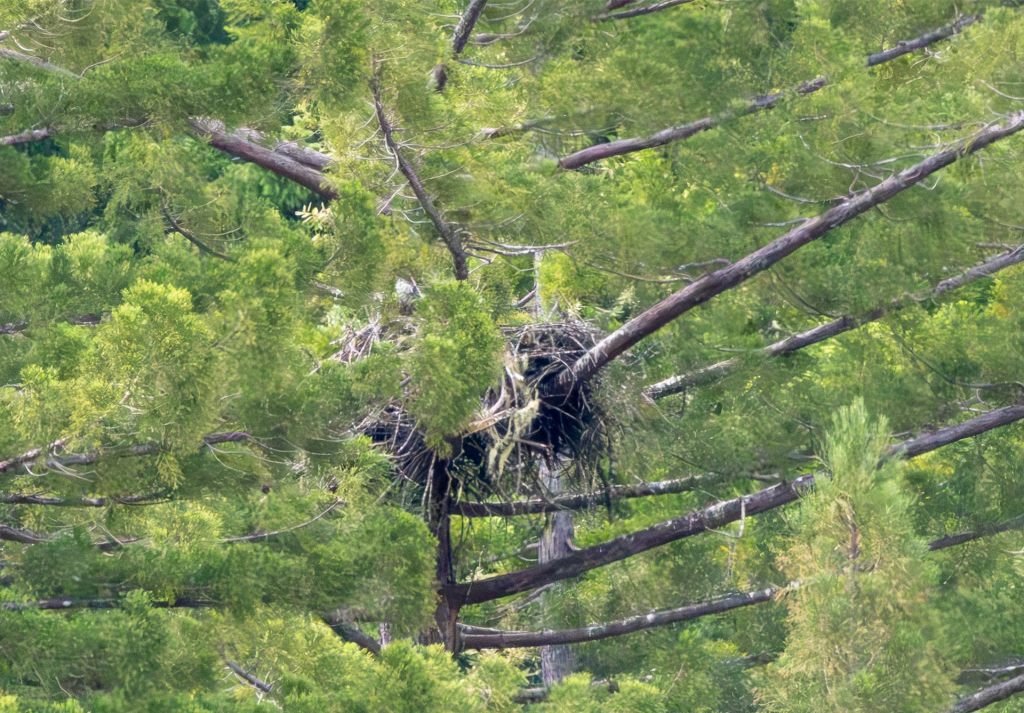
A rare close up look at a Bald Eagle right in my backyard made me wonder if this is one of the Benbow nest parents. The nest is only a couple miles upstream.
The Eagle may have been hiding at the river’s edge in hopes that an Osprey would happen by with its catch.
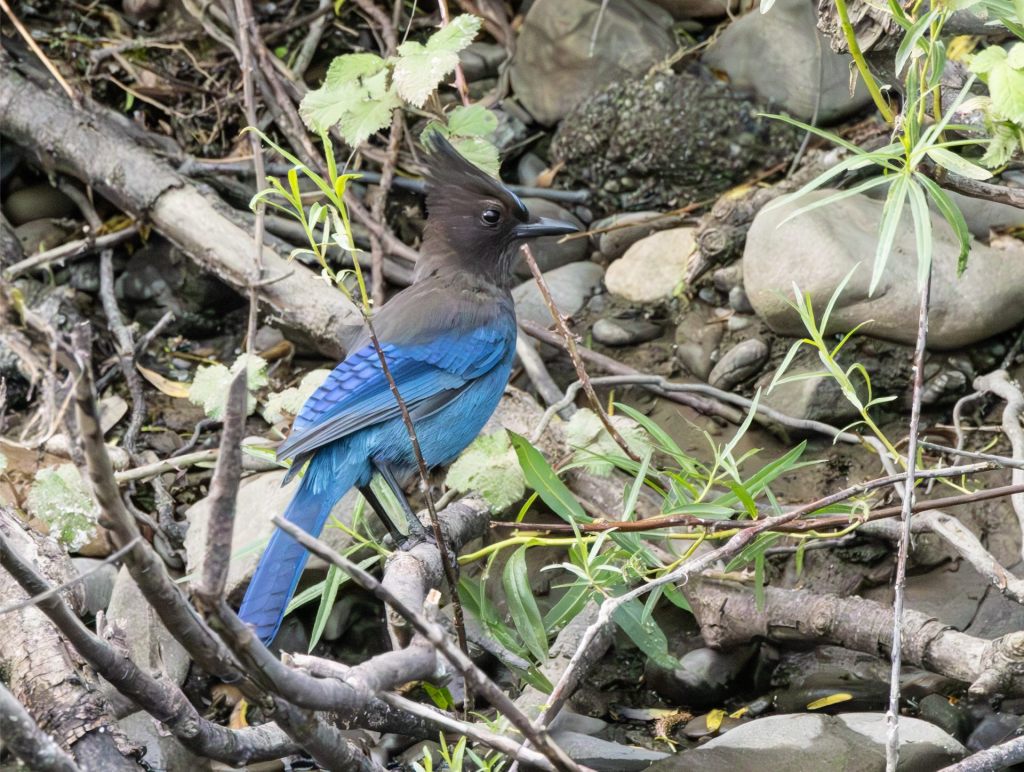
This Steller’s Jay was moving along the water’s edge foraging for food, turning over leaves and poking its bill into crevices.
Spotted Sandpipers live by the river all year, but they are fewer in the winter, when they lose their spots. No matter the season, they never stop bobbing their tails up and down. This one finds a nice meal in the video below.
There is a day every spring when I hear the first song of the newly arrived Black-headed Grosbeak and the world feels a little lighter. The video below shows a young male Grosbeak moving along the river’s edge, singing and listening to the sounds of other birds. At the start of the last clip, the Grosbeak listens to the sound of a Chat nearby before beginning his song.
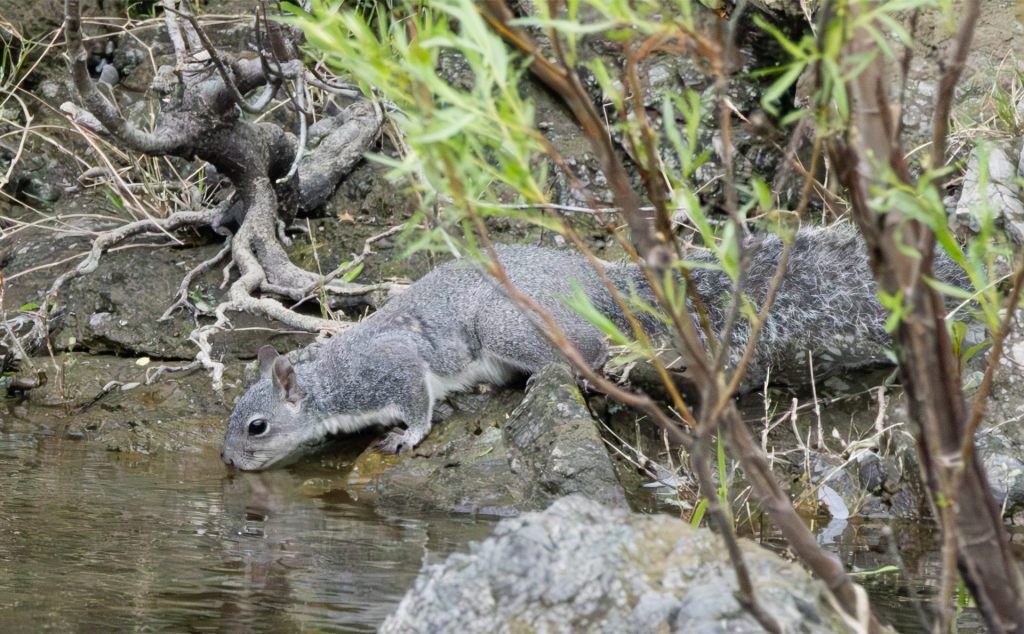
A Walk in the Park
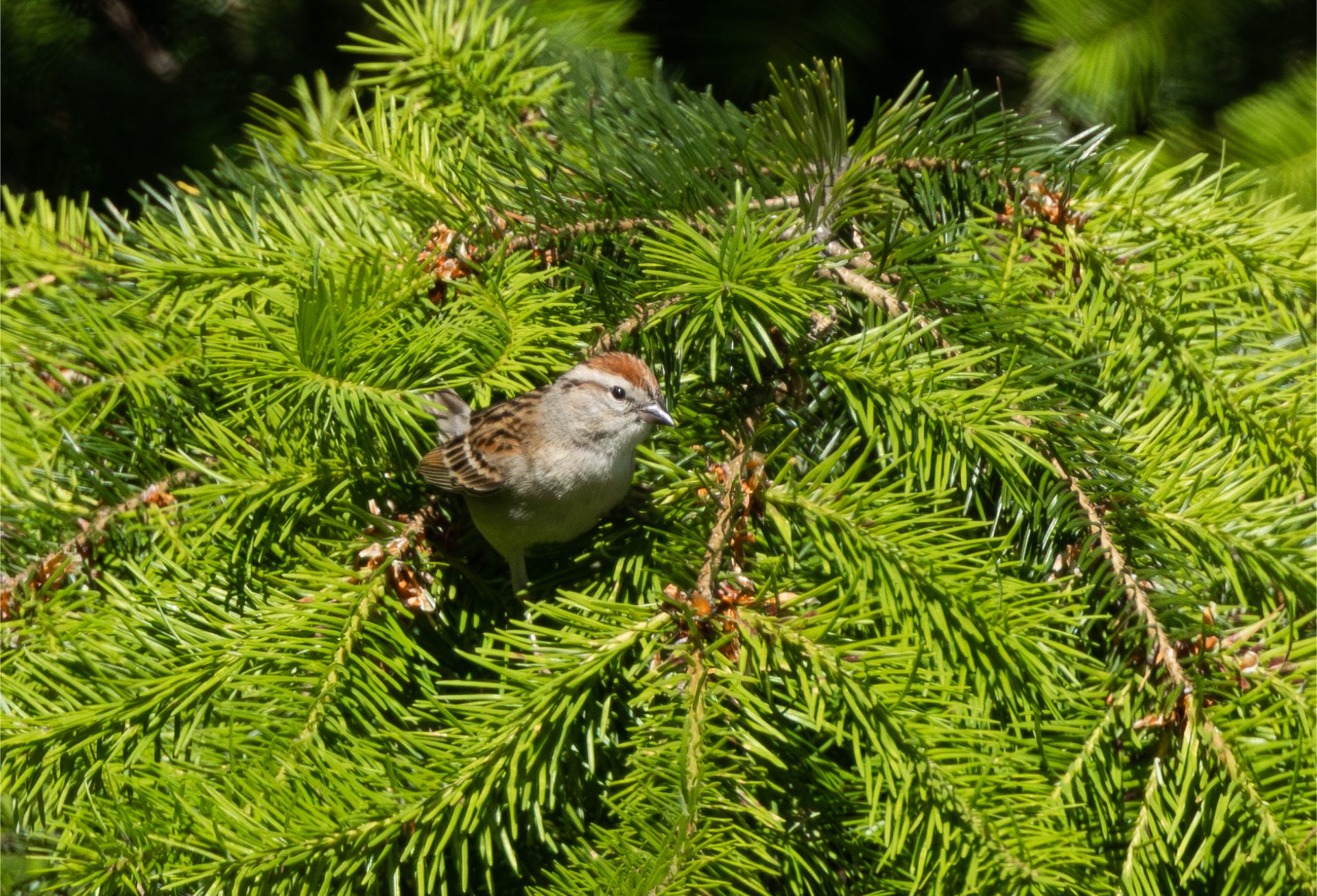
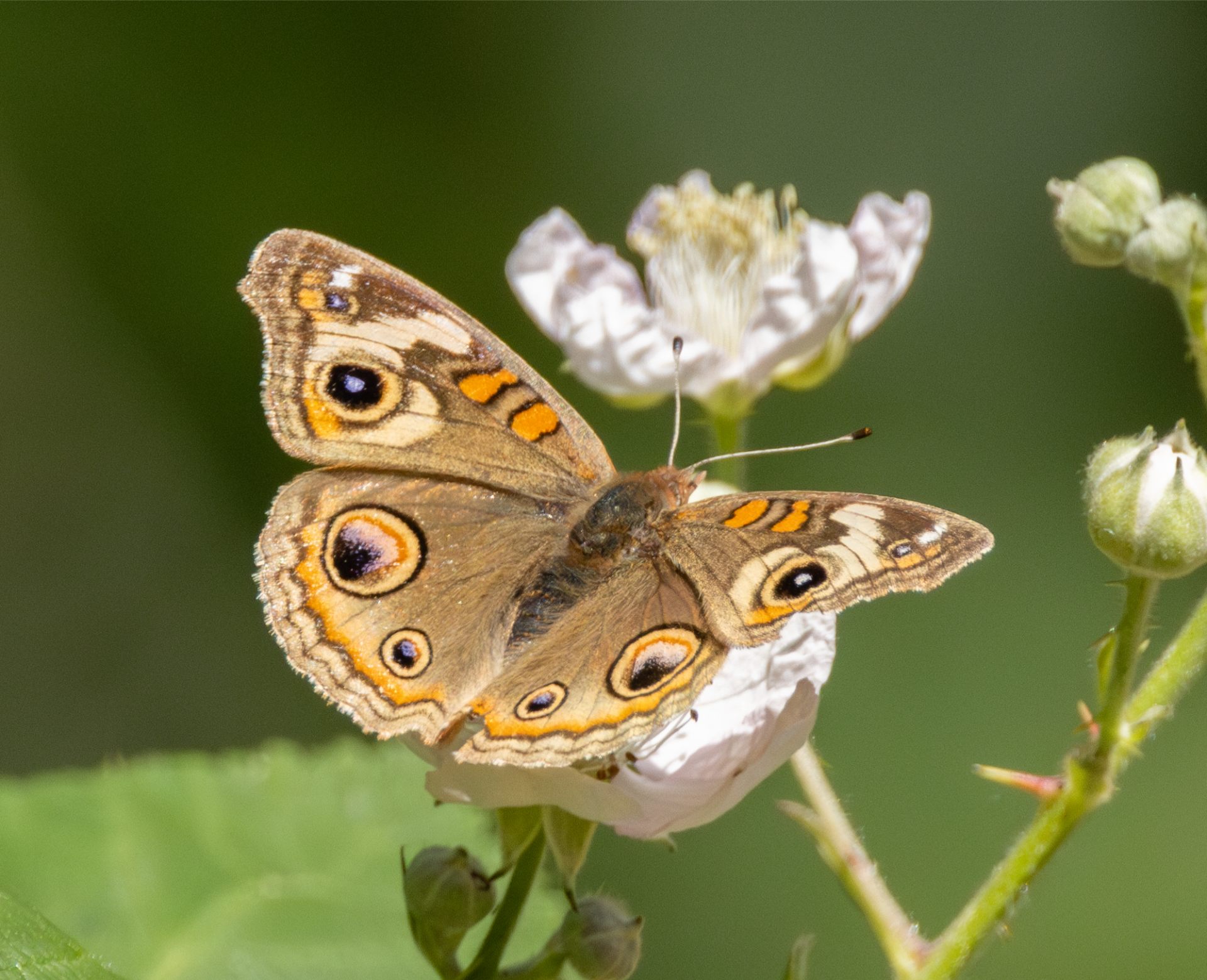
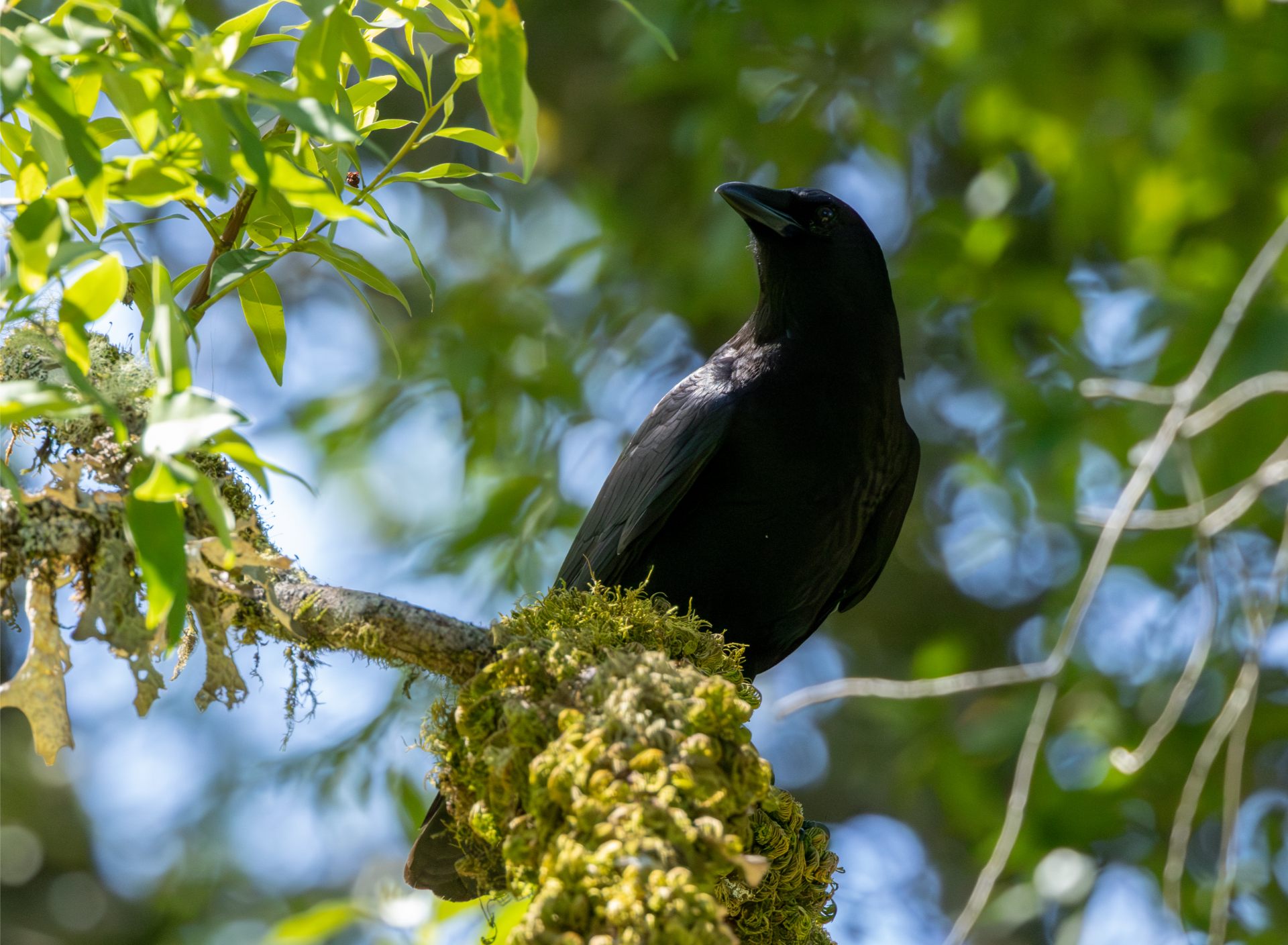
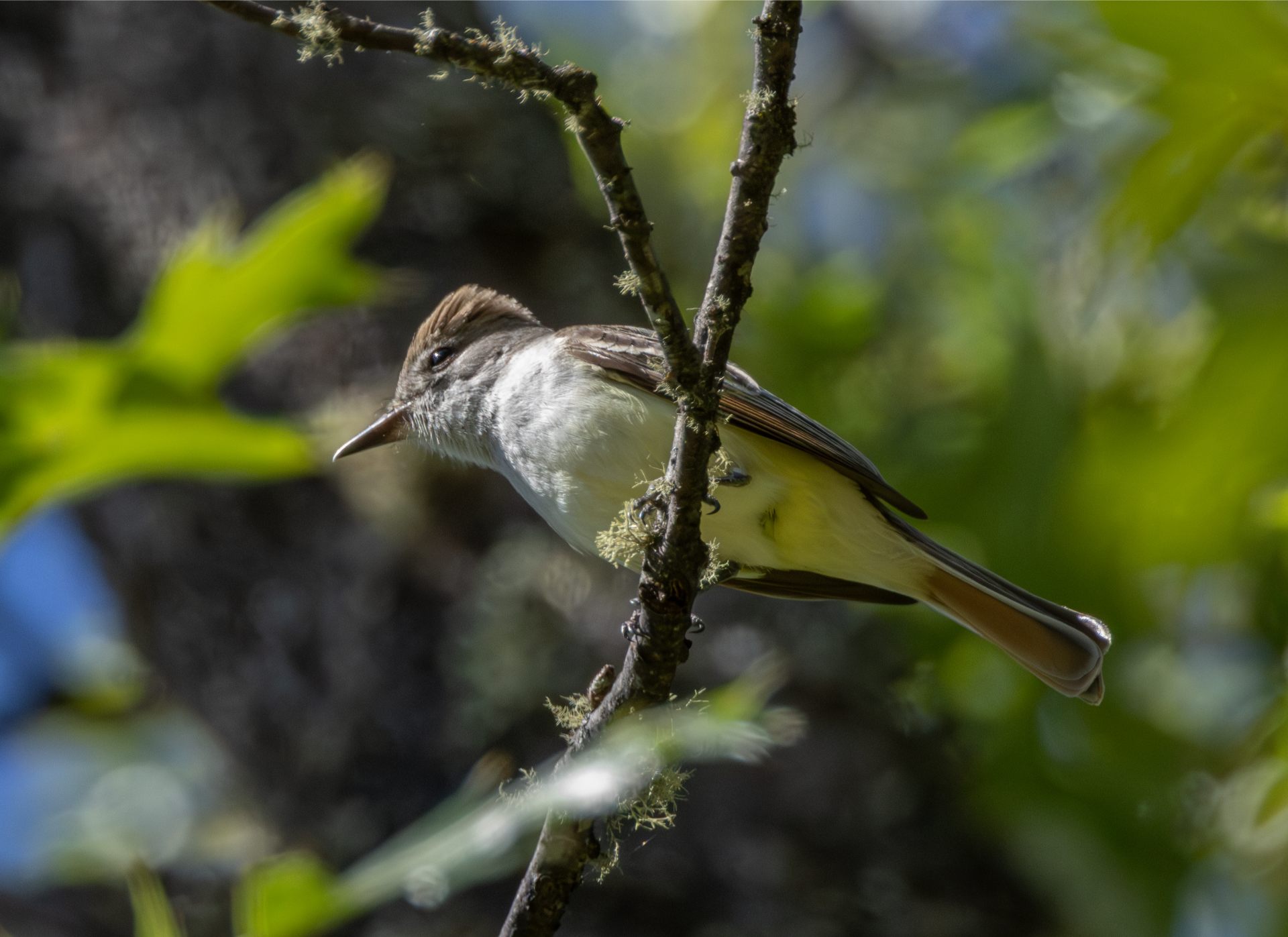
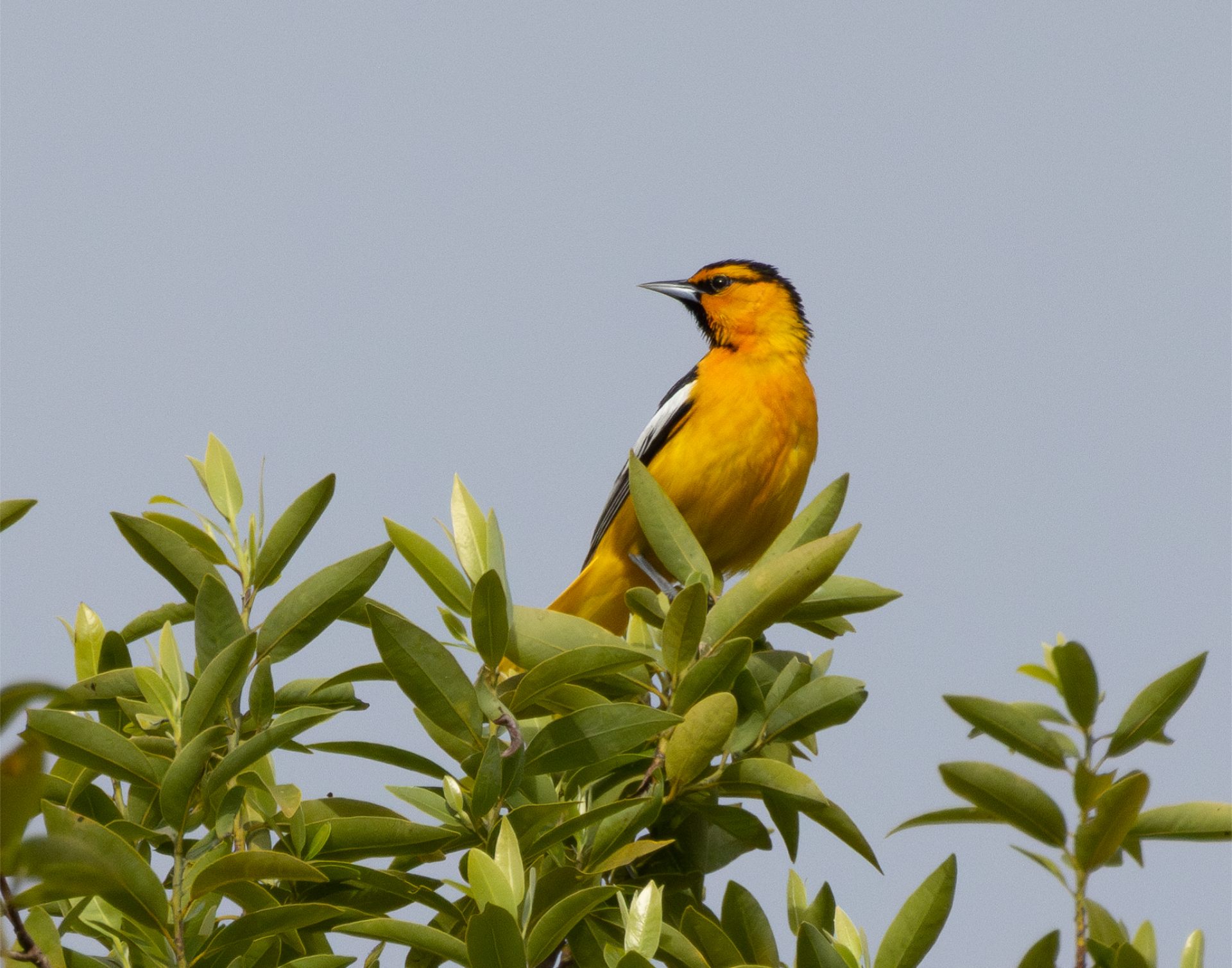
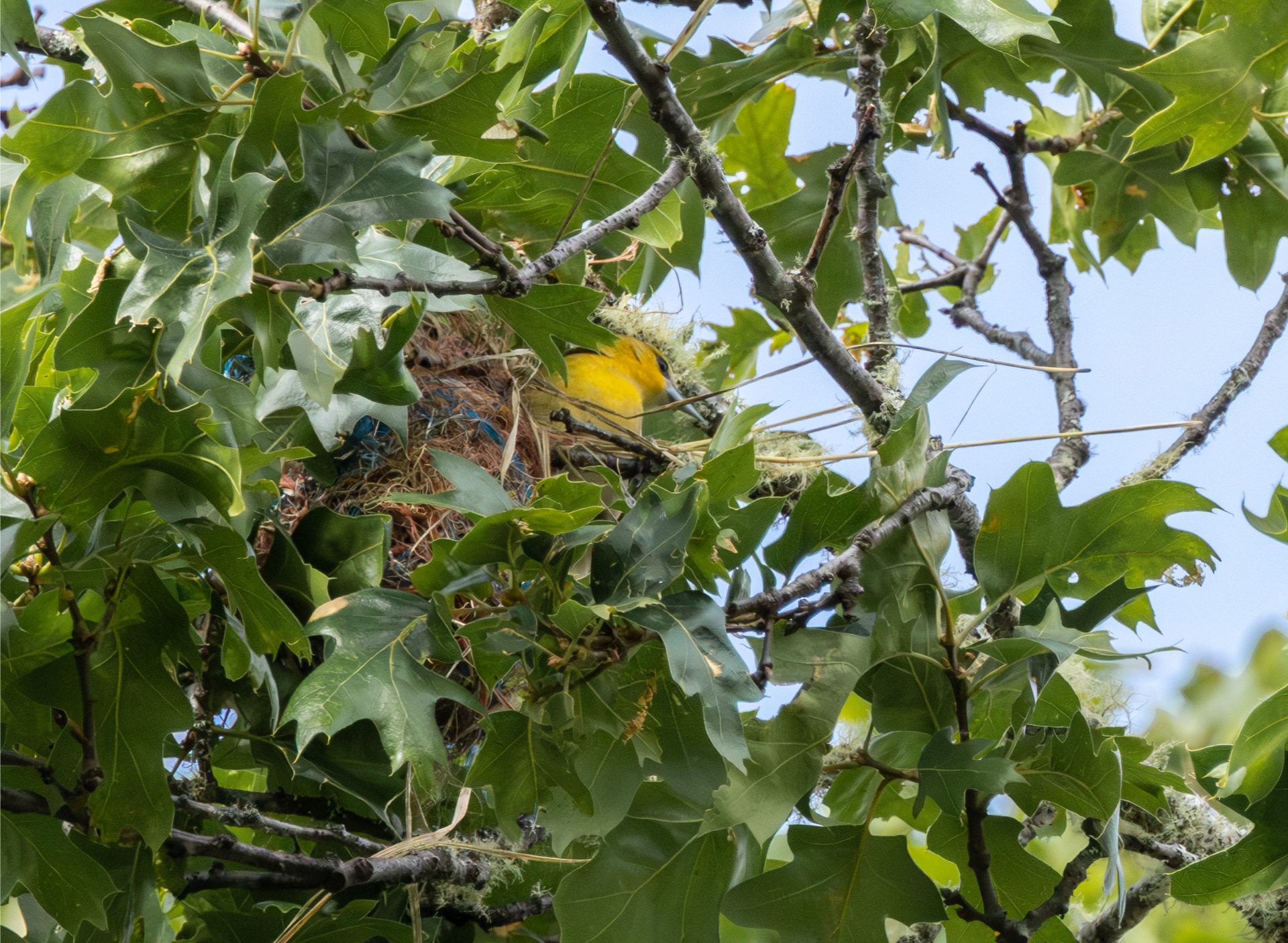
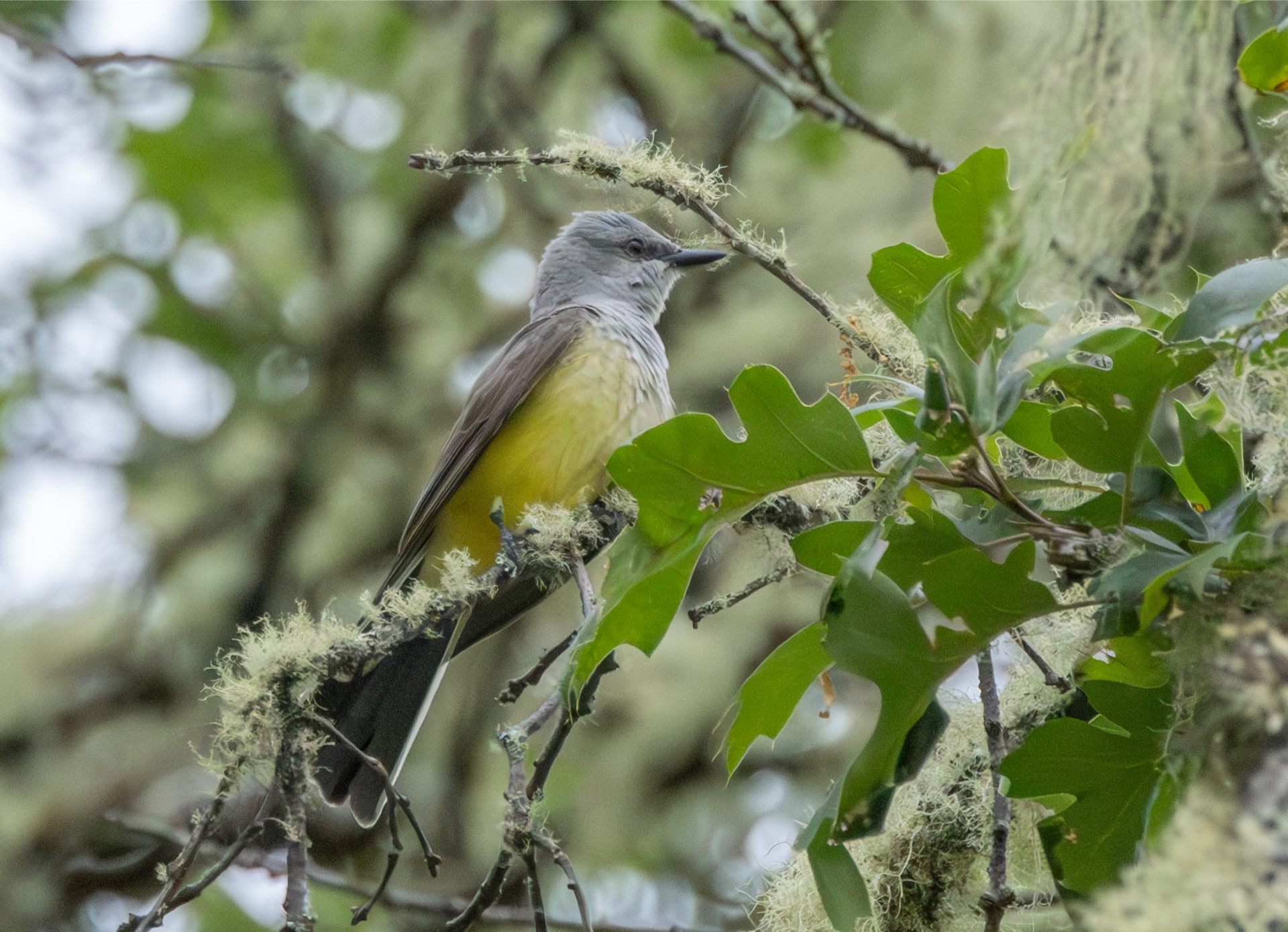
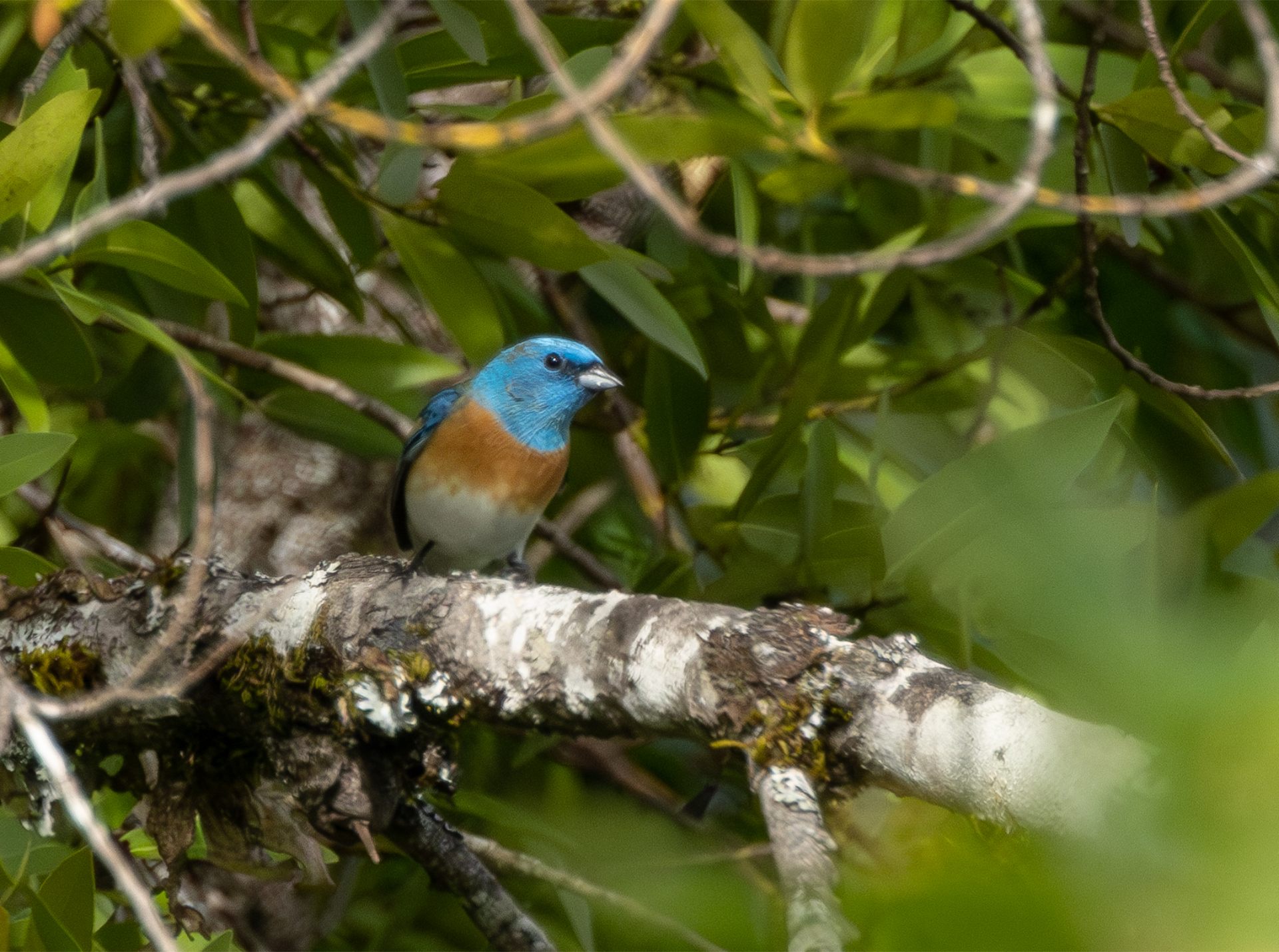
Lazuli Buntings are filling the park with their song and the males are showing off their brilliant blue color.
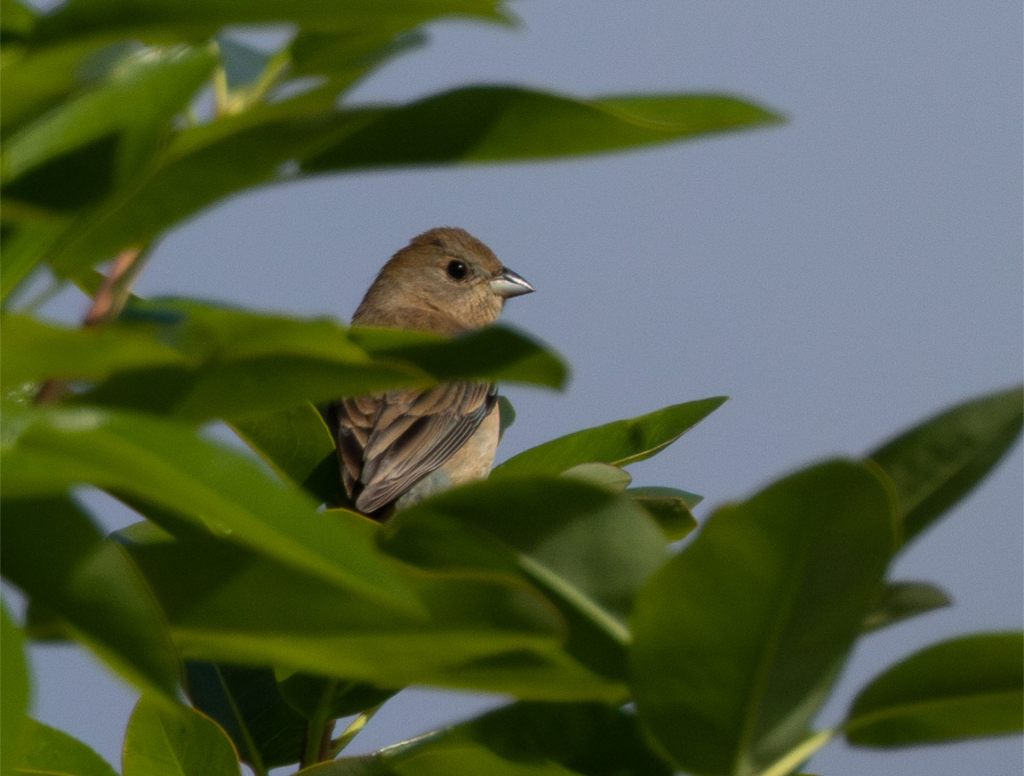
This is a female Lazuli Buting, seldom seen, and well camouflaged compared to her mate.
Taking Refuge
A rare bird, the Common Gallinule, has been visiting the refuge since early May and has been easy to see from under this gazebo. It didn’t appear the day I stopped by, but while hopefully waiting for it I noticed this Black Phoebe tending her nest in the ceiling of the gazebo.
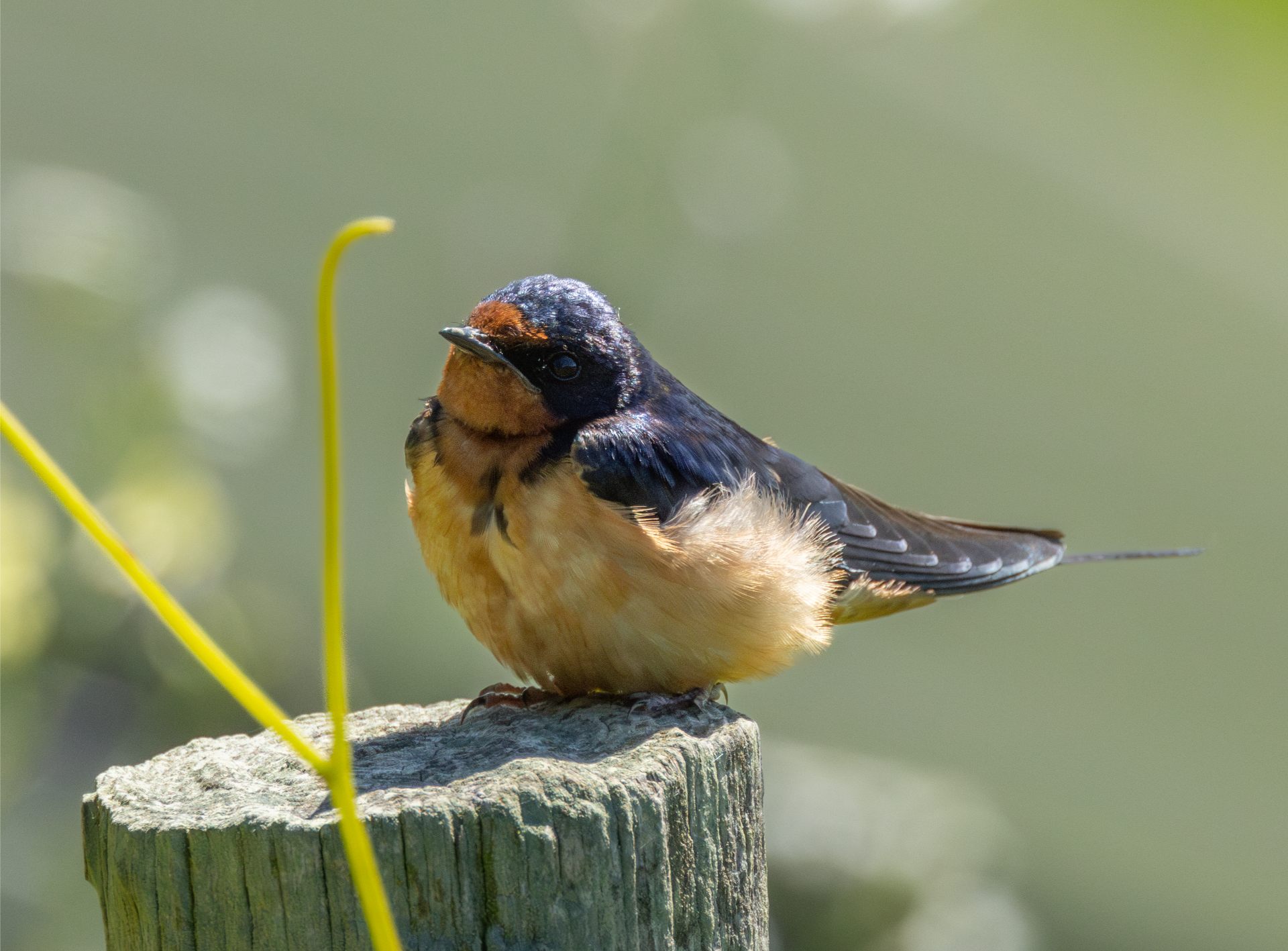
Barn Swallow hunting for insects on the wing.
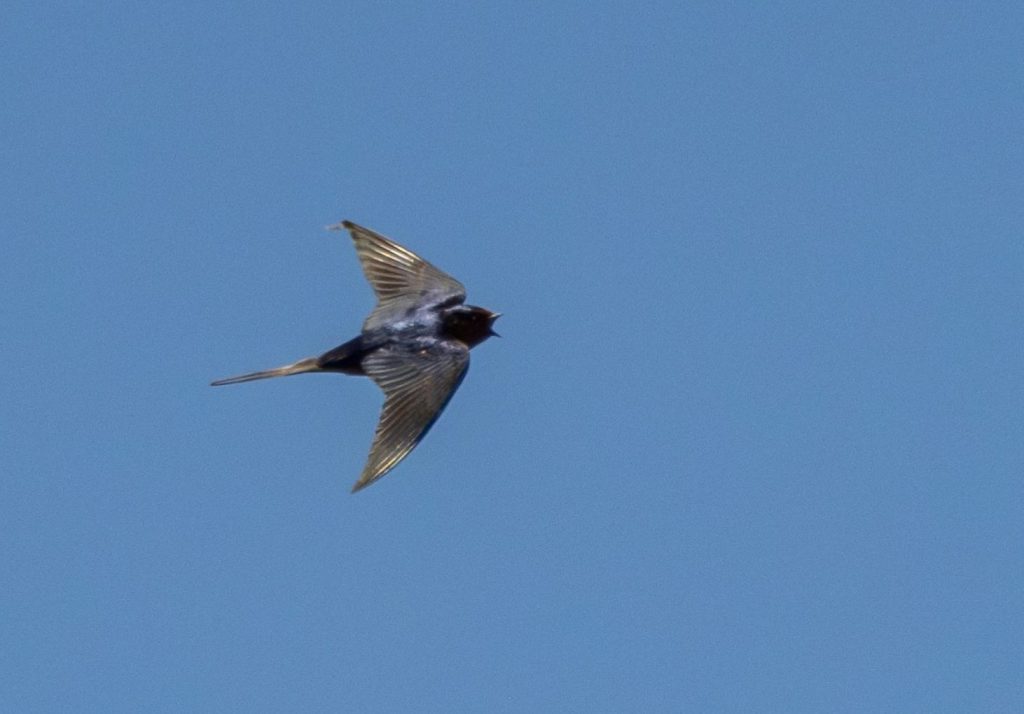
Barn Swallow portrait.
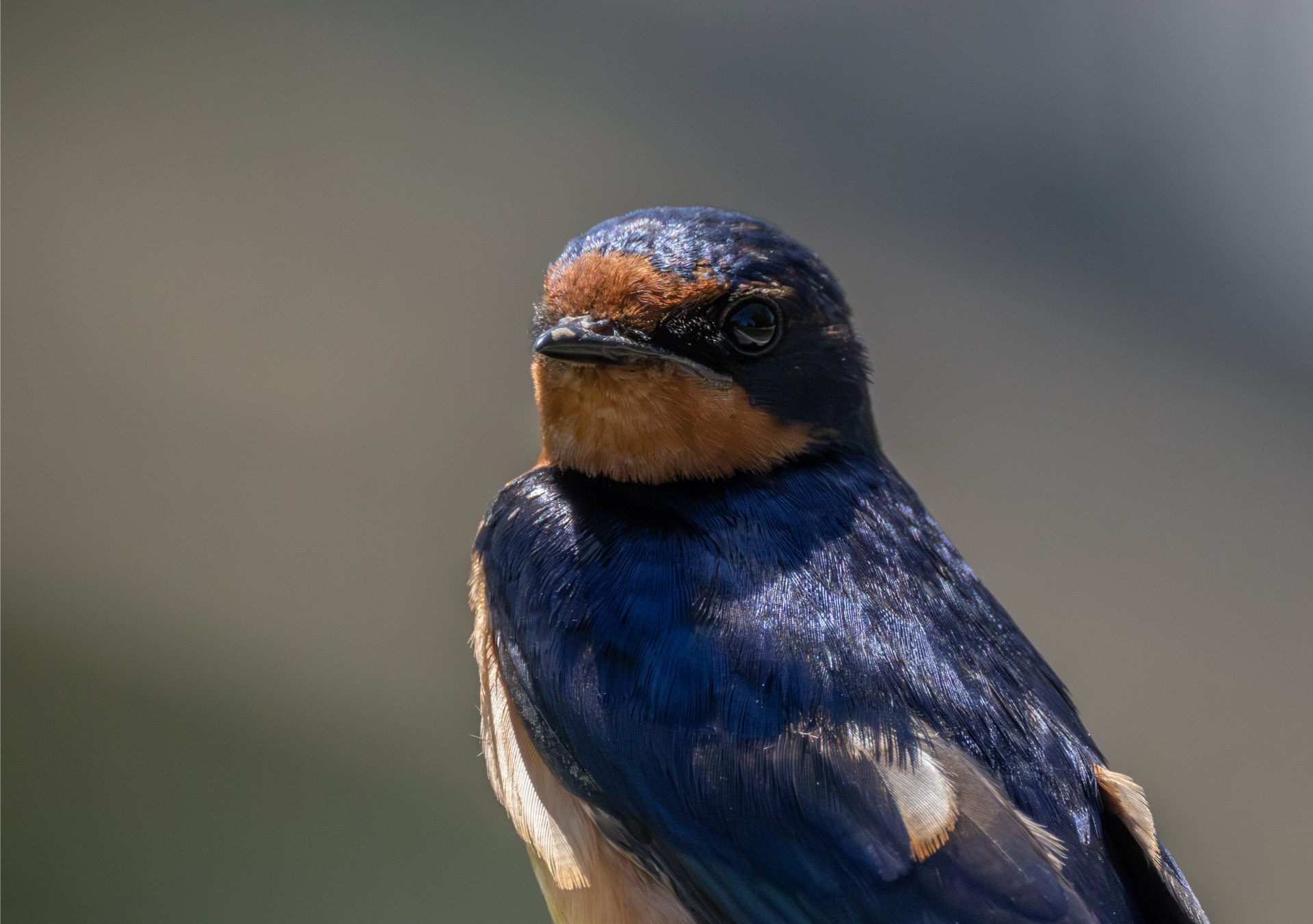
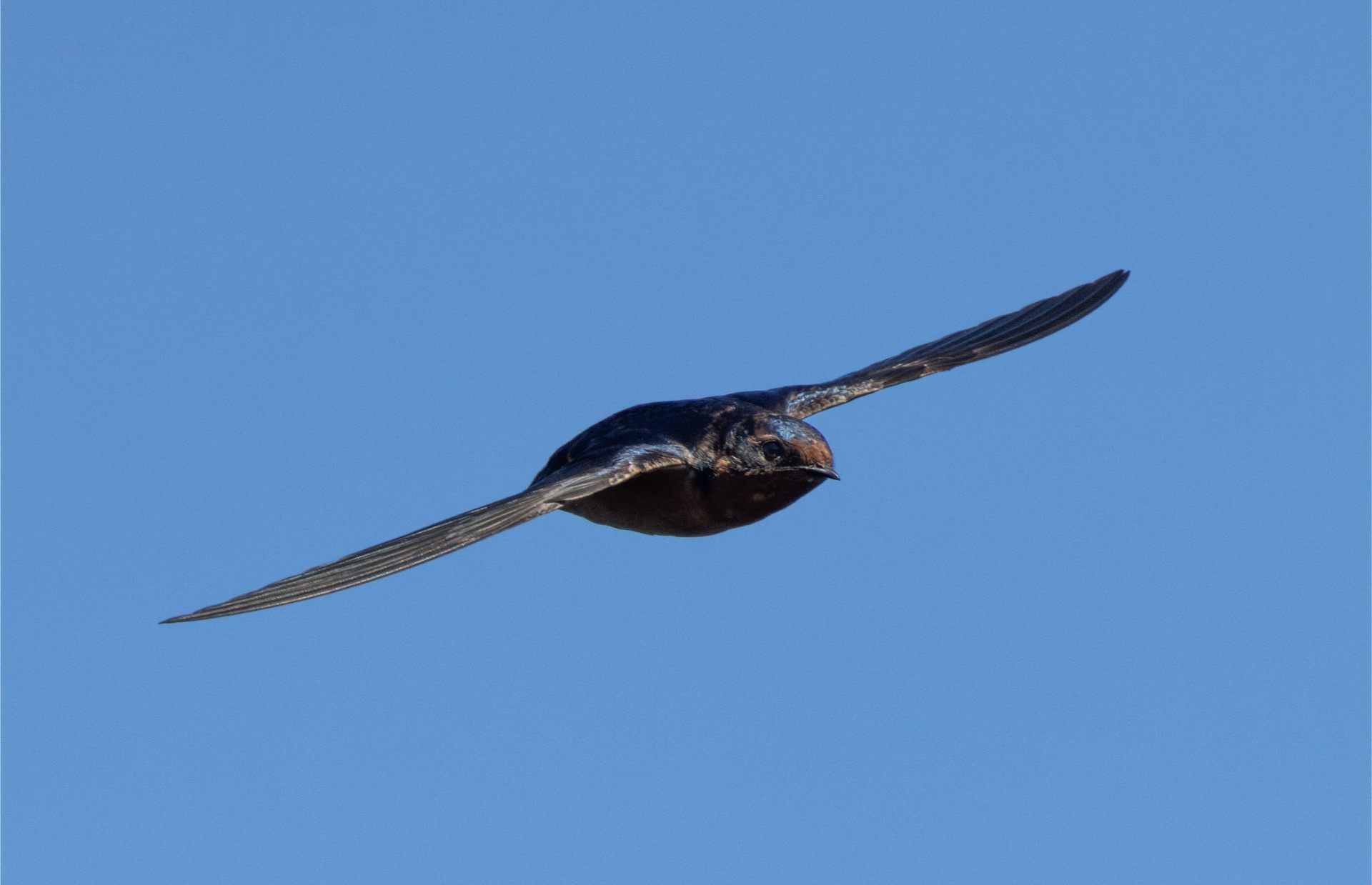
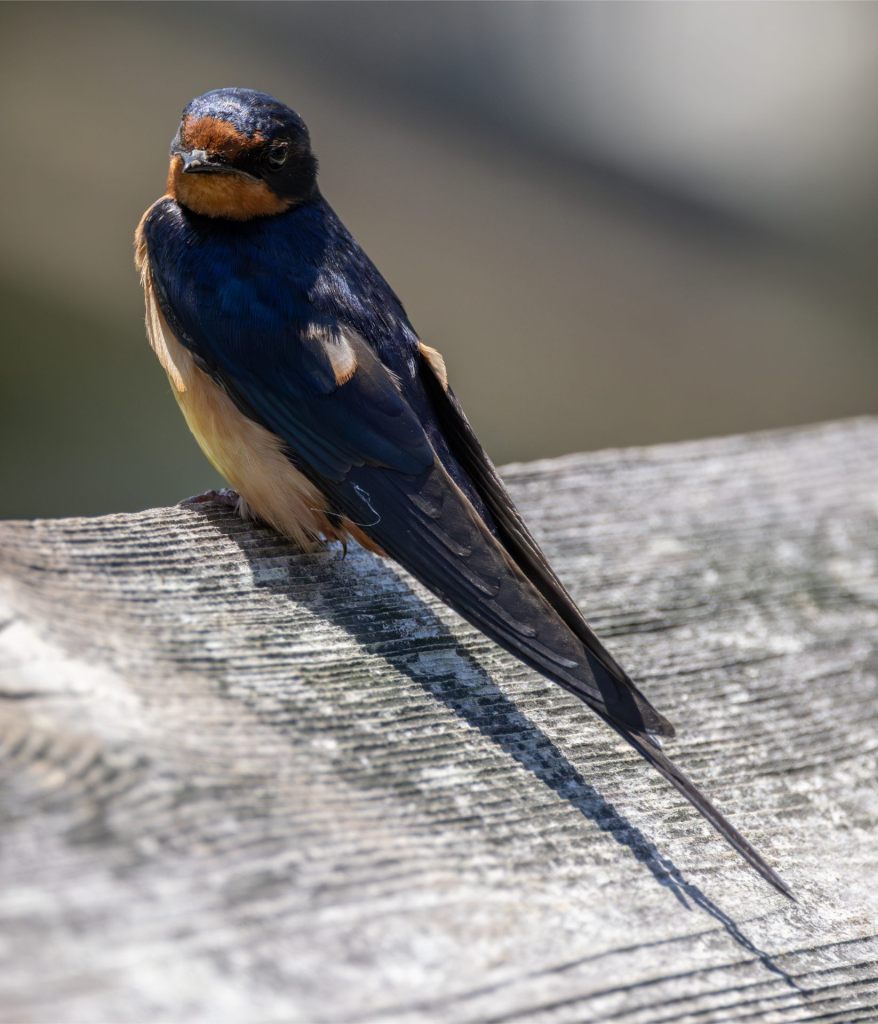
Long wings and even longer tail of the Barn Swallow
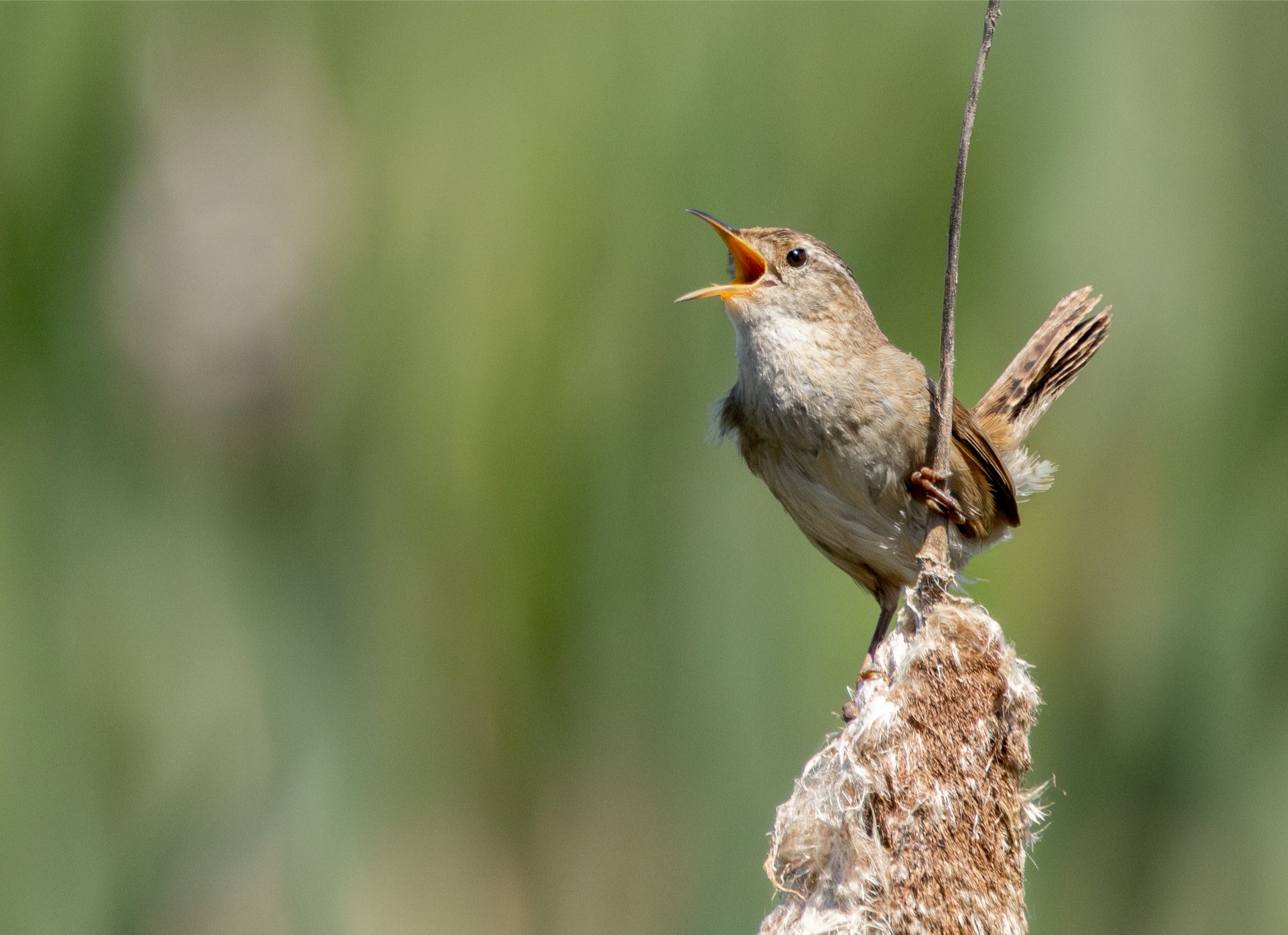
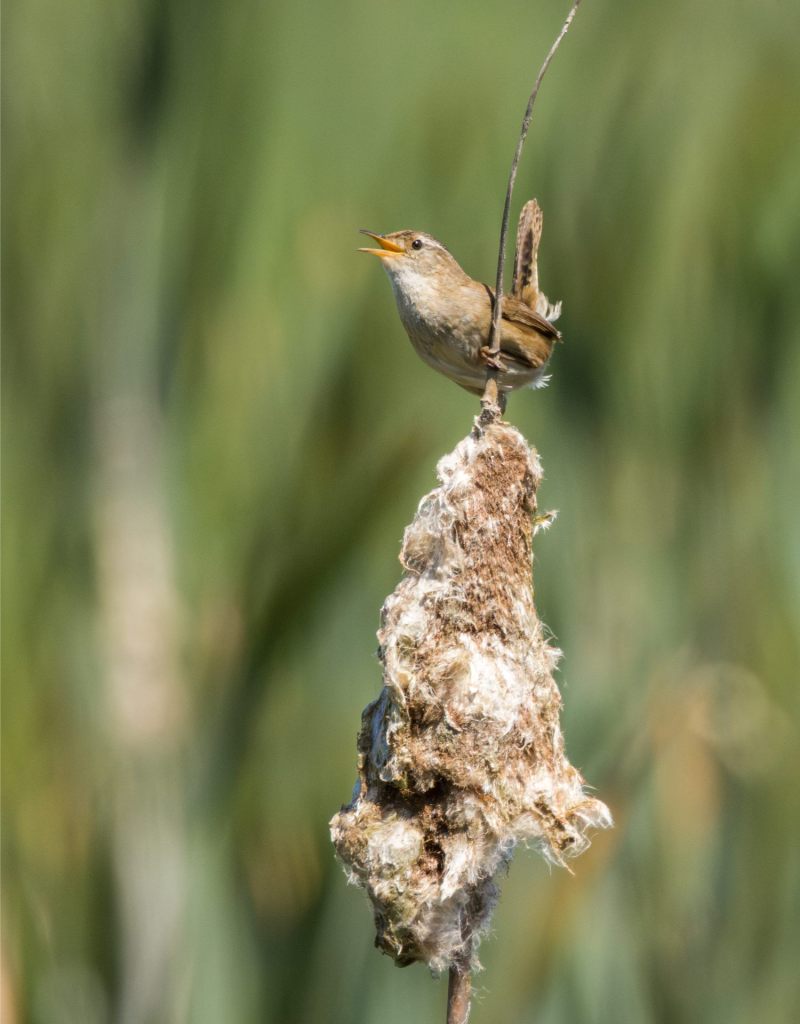
Heard more often than seen, this Marsh Wren made a brief appearance above the sea of cattails bordering the water at the refuge.
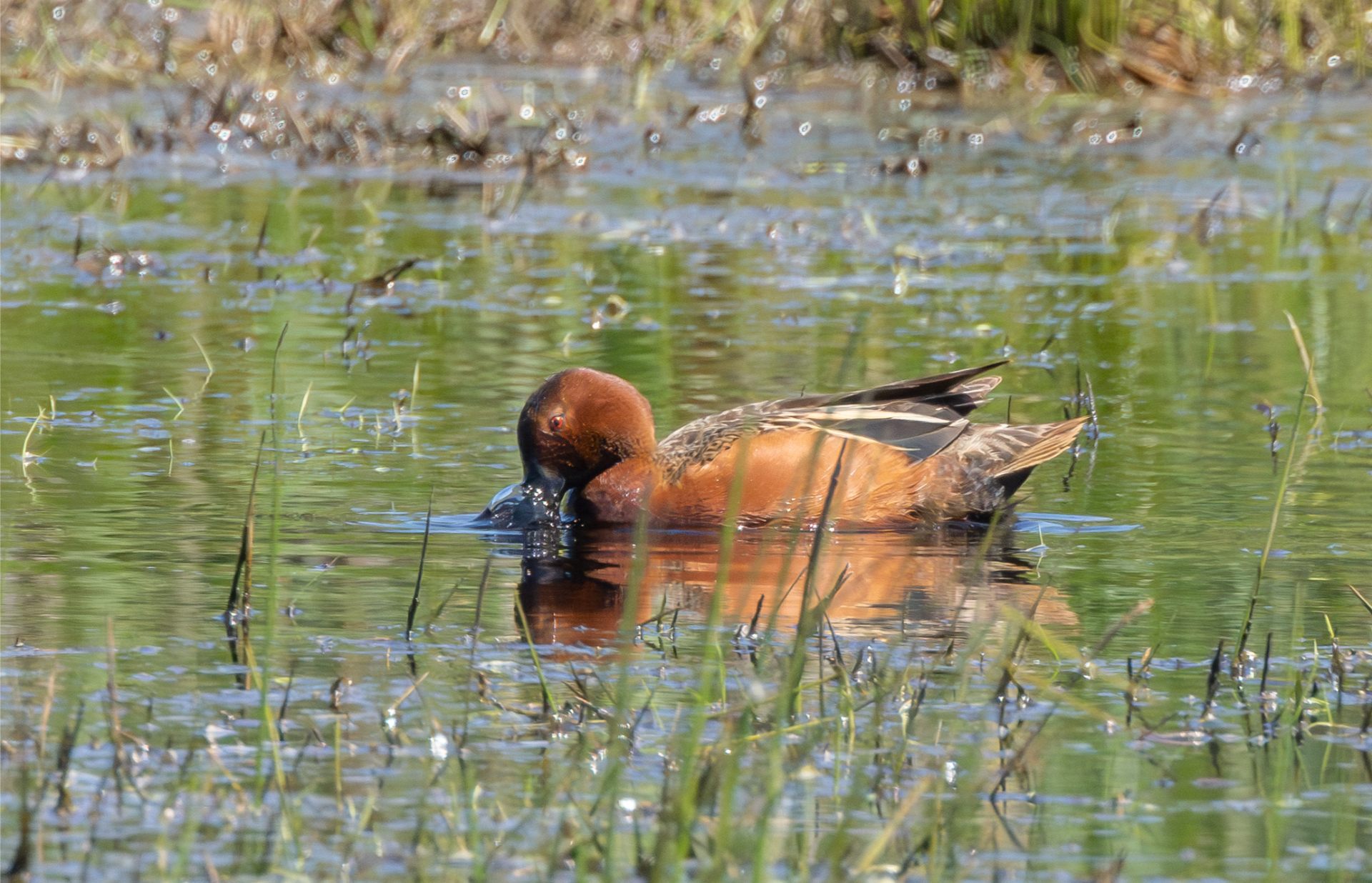
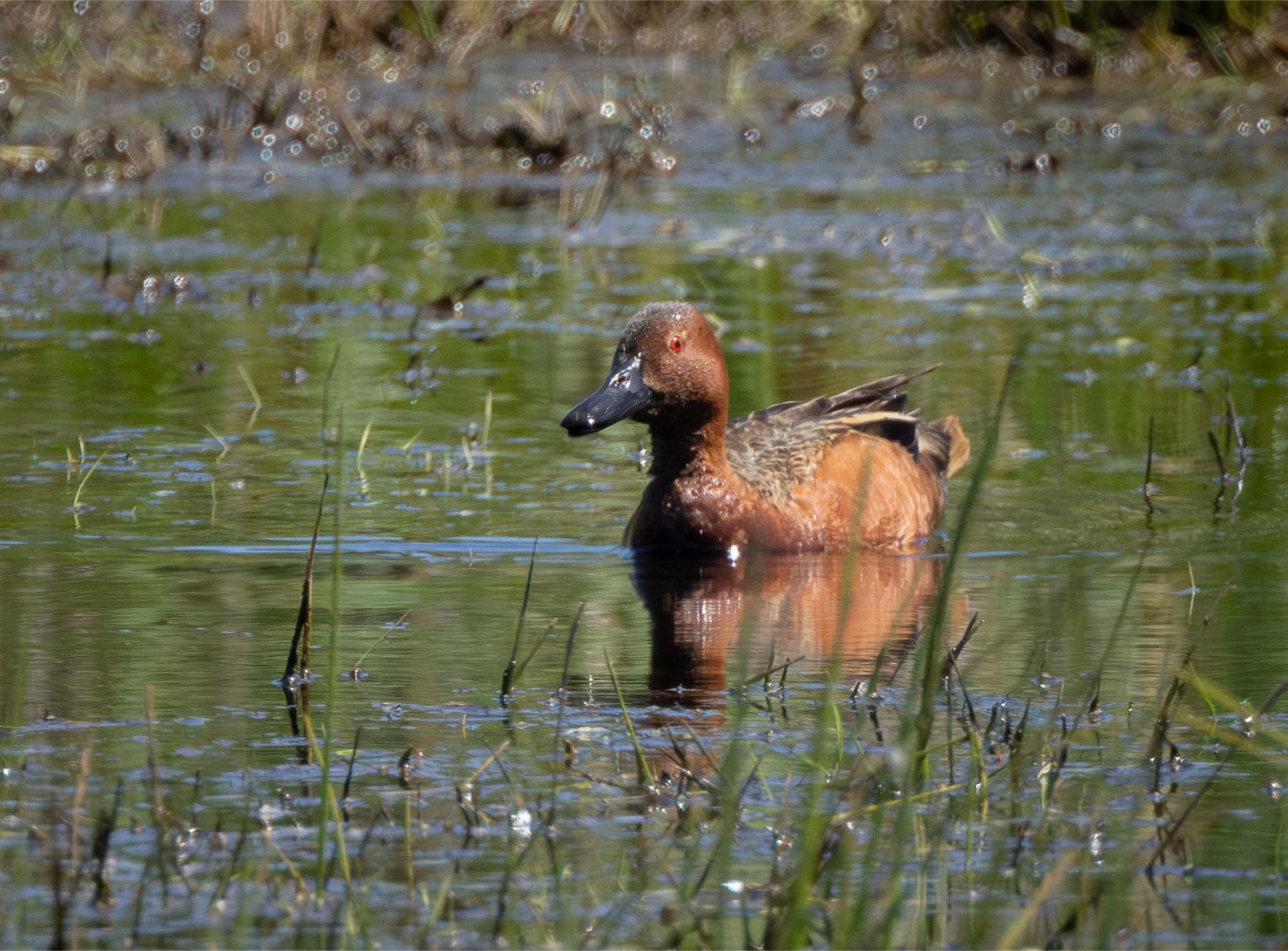
Cinnamon Teals are unmistakable with their rich coloring.
This beautiful duck can be seen year round in Humboldt.
/





Leave a comment