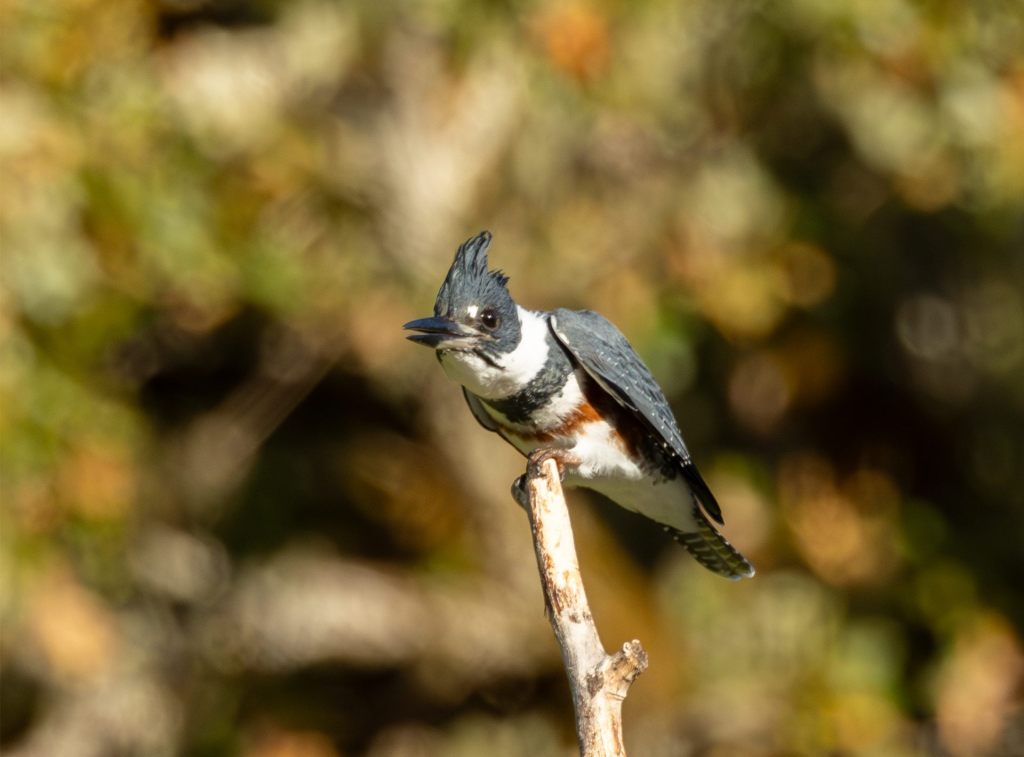
Autumn was no longer fooling around in the second half of October. The subtle blush of oaks, the not so subtle turning of willow leaves to gold punctuated days so crisp and clear that the extreme heat of just a couple weeks ago felt like ancient history.

The Tsuchinshan comet had us mesmerized for a few evenings and I’m pretty sure I’m not the only one who was glad we could just call it Atlas as it whizzed by on its 80,000 year cycle through the cosmic neighborhood.
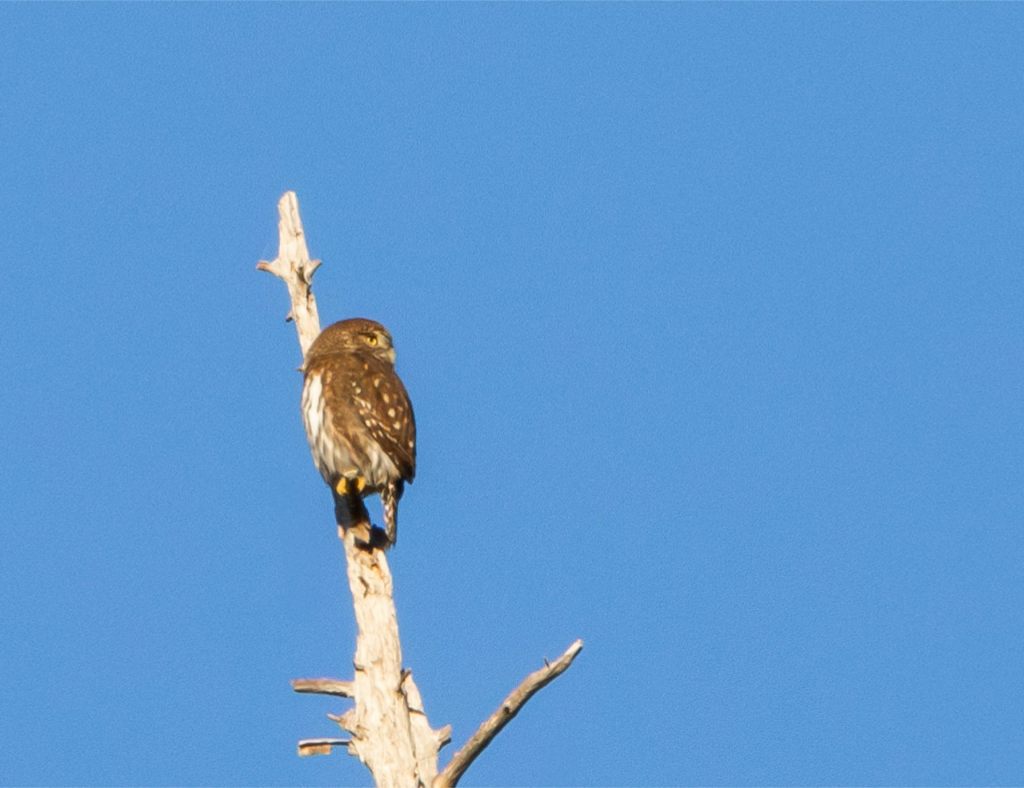
The most unusual visitor to my little river community during this time was a Northern Pygmy Owl. This tiny owl weighs in at just over 2 ounces with a total length of 6-7 inches. It lacks the facial disc and asymmetrically placed ears most owls need to hear better in the dark perhaps because it is a diurnal hunter. It specializes in songbird prey and can take a bird three times its size, sometimes caching its leftovers in tree hollows. The snag this owl perched in was too far away to give quality images, but a visit this special still deserves to be recorded.


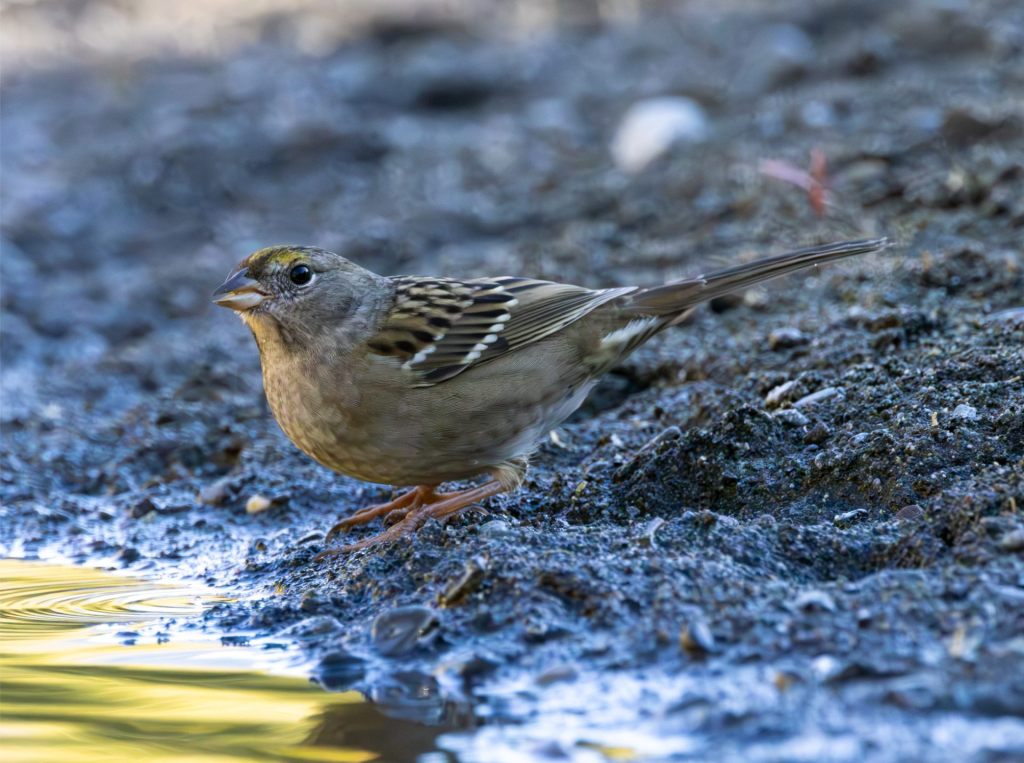
I usually hear the song of Golden-crowned Sparrows each fall before I see one. Remembering that they have arrived here after a long journey from their breeding grounds in the far north, it seems fitting that the song has a weariness to its sound, a slow descending tone.
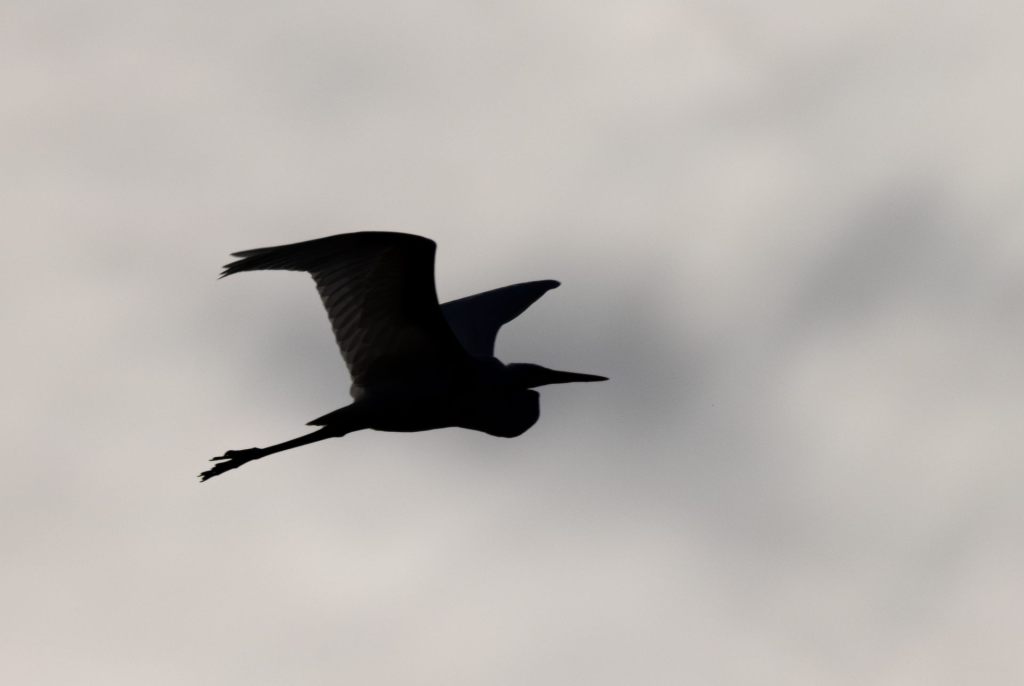
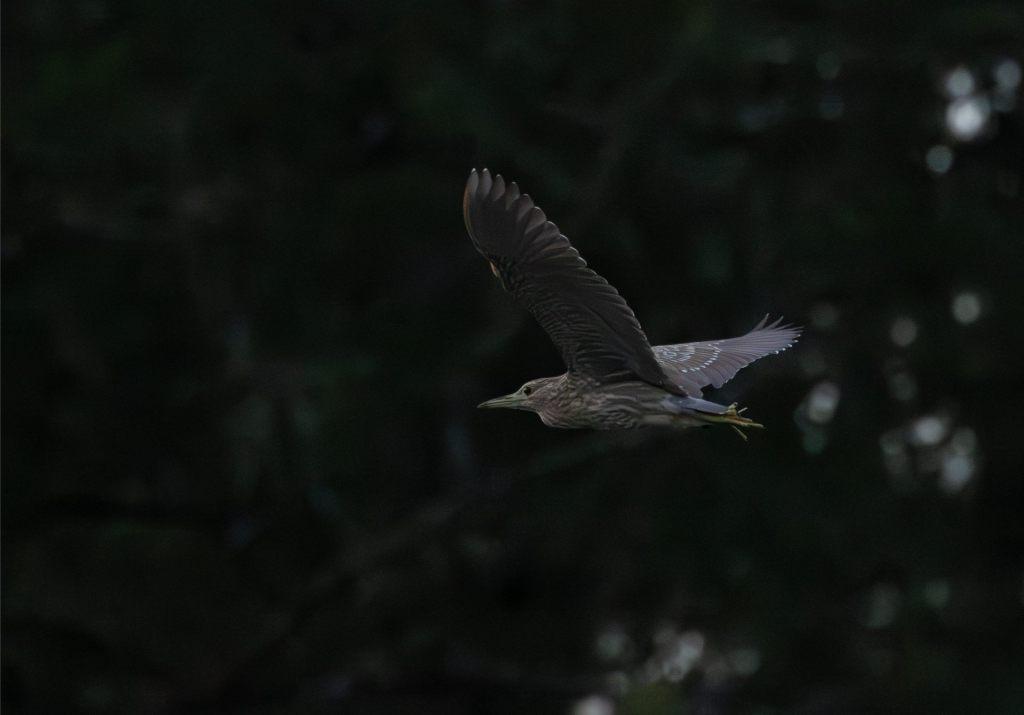
Young herons and egrets starting their adult lives began showing up at the river.

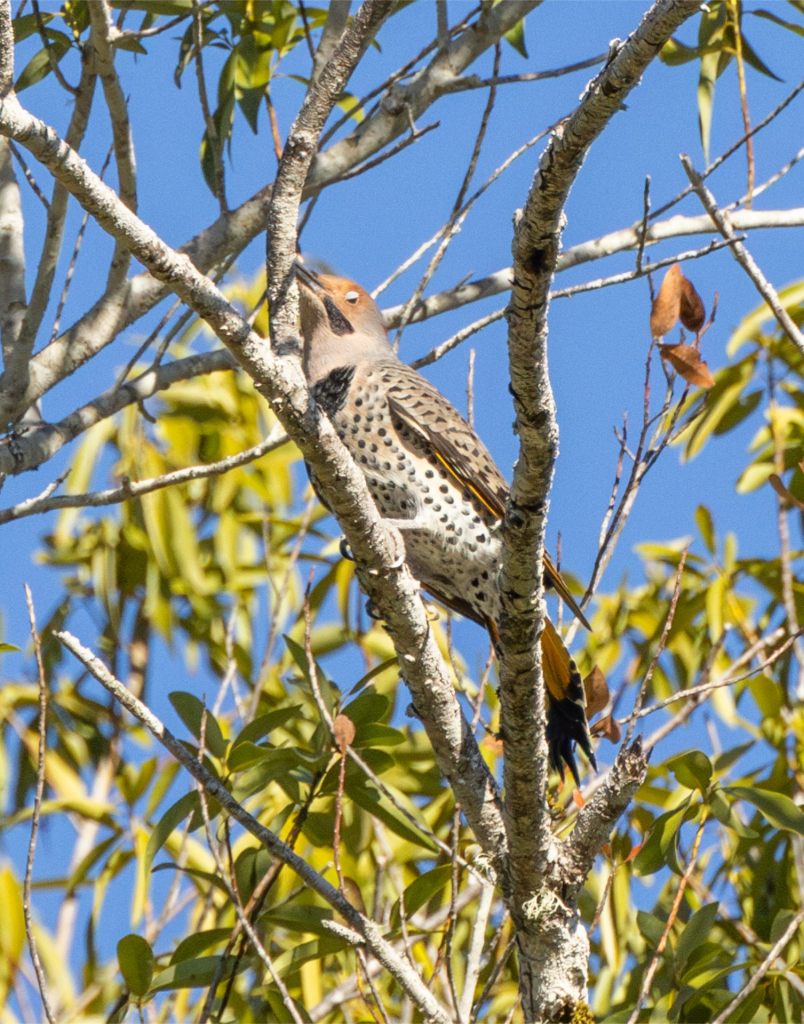
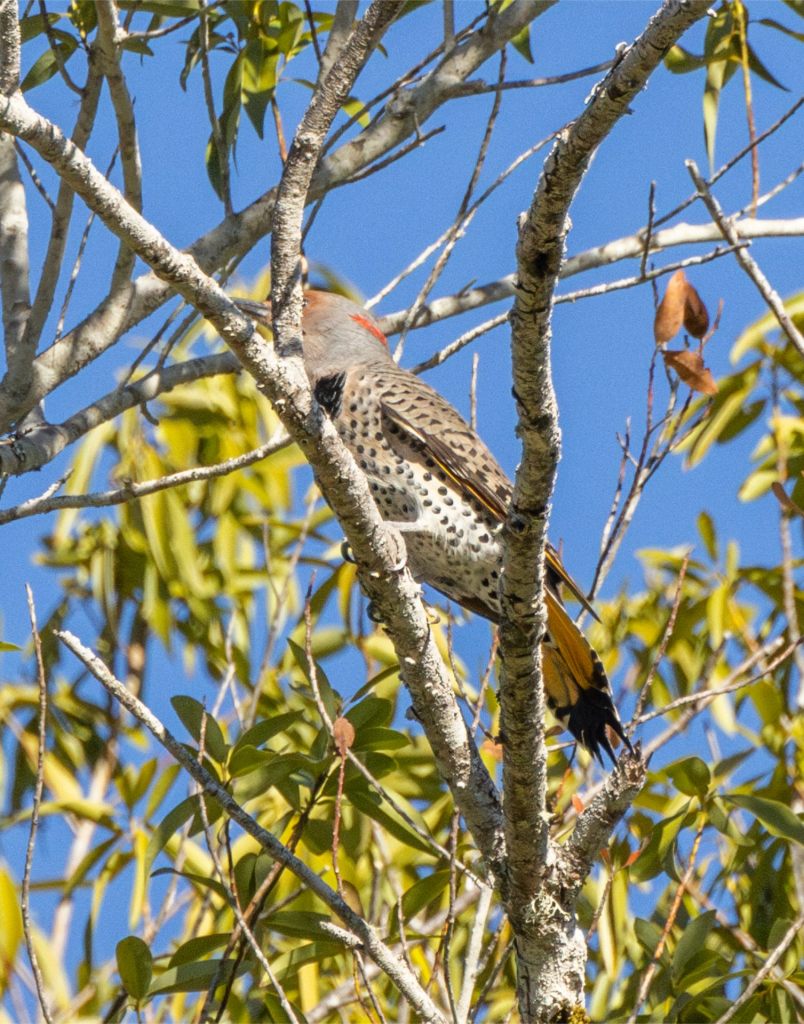
Less common locally than the “red-shafted” Northern Flicker, this “yellow-shafted” male has been hanging around and showing itself pretty regularly.
When I was a kid, Turkey Vultures completely disappeared from Humboldt every winter, migrating south to warmer climes. Gradually that has changed. At first they still disappeared from southern Humboldt, but a few stuck around in the Humboldt Bay area where winter temperatures are milder and there is less heavy rain than in SoHum. Then we started seeing just a few down here over the winter, and now they are quite commonly seen all winter in many areas of Humboldt County. Climate change? Migratory patterns of many bird species have changed in ways we probably don’t yet fully understand as the weather becomes less predictable.
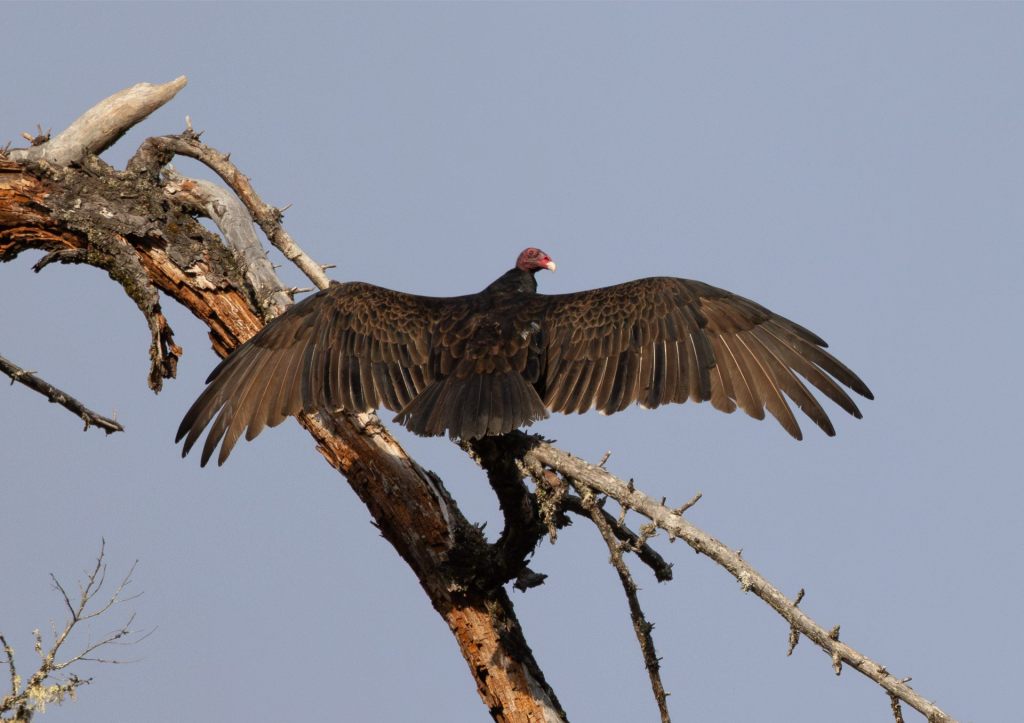
However, I have seen a few large groups migrating south high in the sky these past few weeks. This is called “leap-frogging” when a species overlaps a local population to migrate past where the locals remain. When you see vultures in flight closer to the ground, looking for food or maybe just enjoying what looks like effortless time on the wing, they circle, glide, and swoop, sometimes pausing in a tree to groom or take sun with wings spread wide, and sometimes riding thermals upward accompanied by Ravens or Red-tailed hawks, they seem relaxed, almost casual in their movement. Surely, a knowing patience is pragmatic for a creature whose next meal will be provided by the death or left-behind remains of another. But these groups of migrators seemed by contrast purposeful and businesslike as they soared together high above where food might be spotted. Their eyes on the prize of a mild winter, I wondered how far they travel in a day.

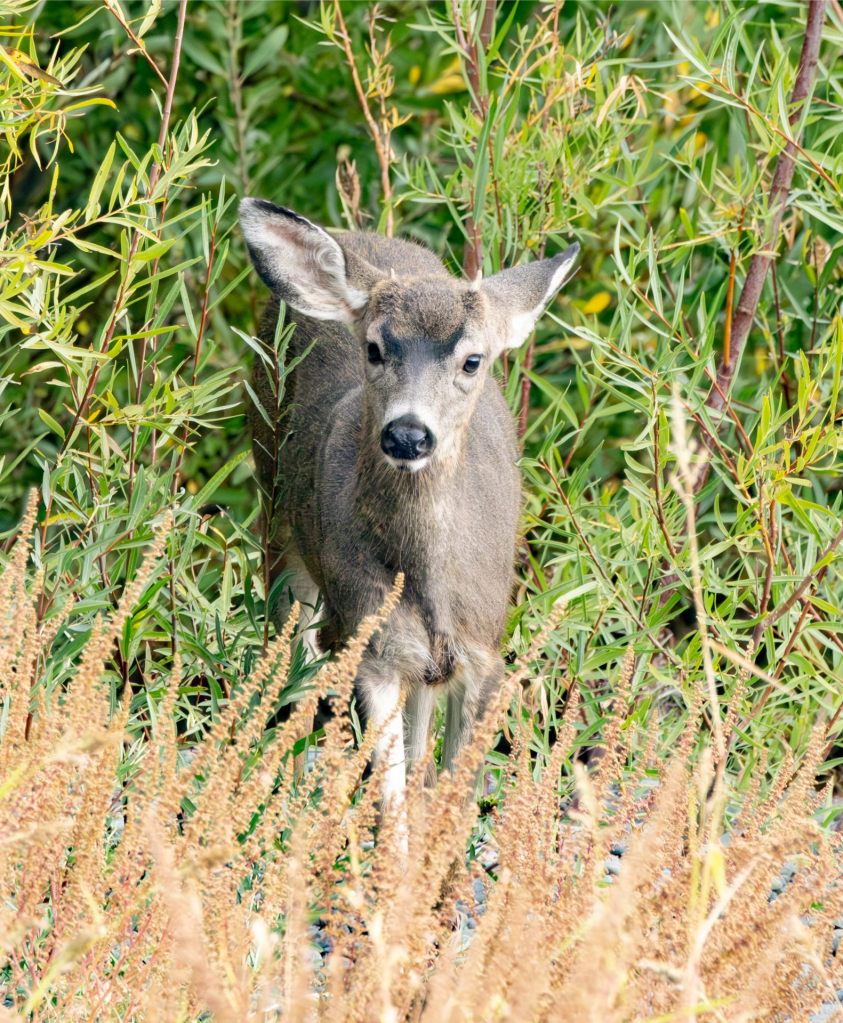
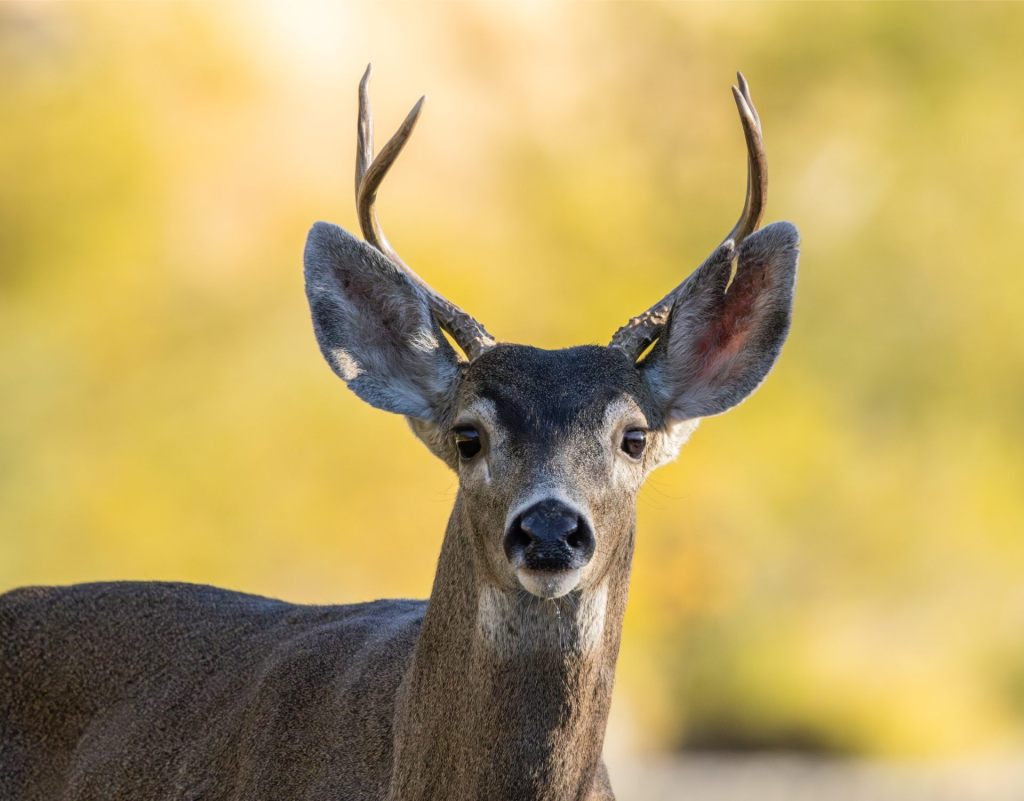
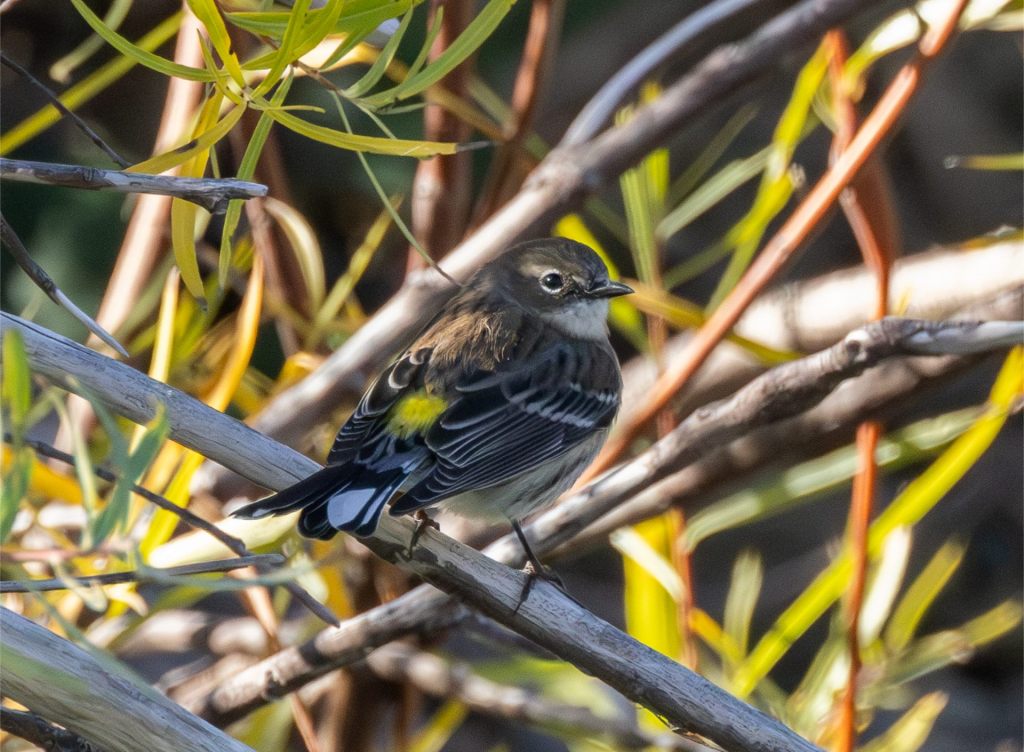
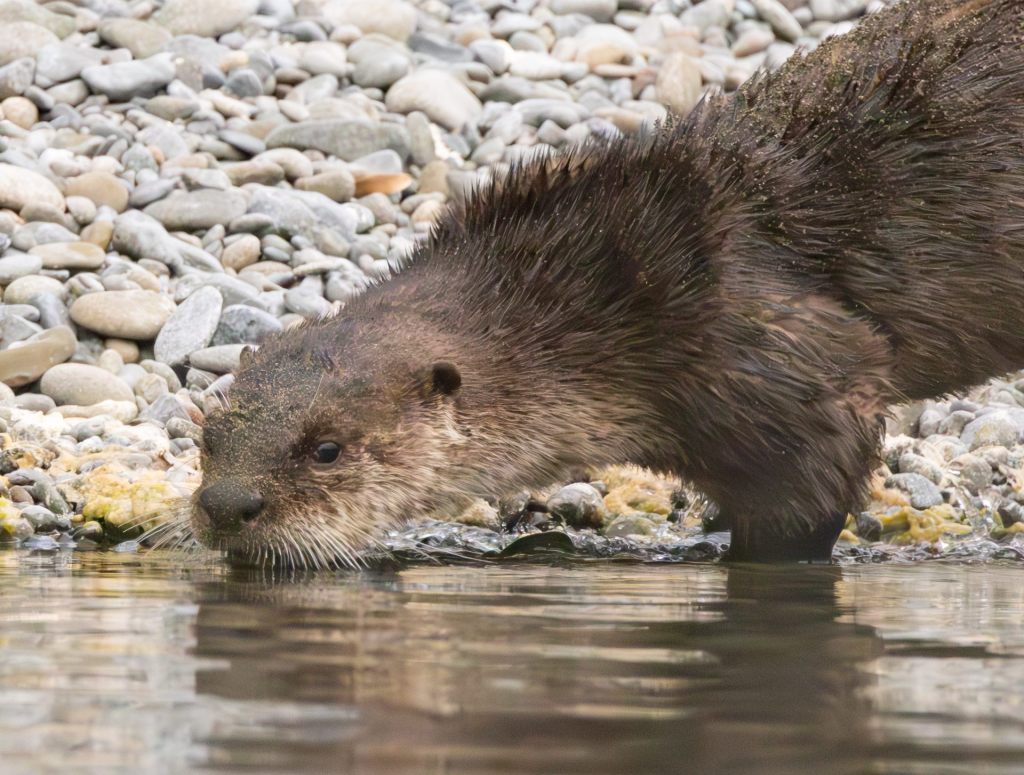
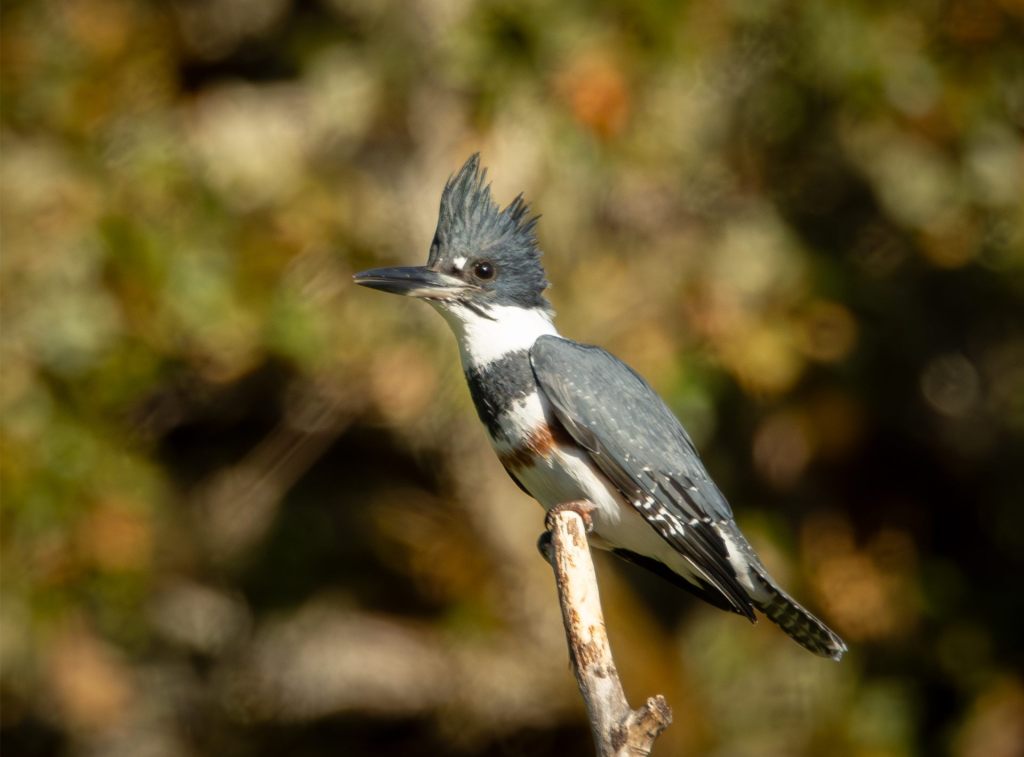
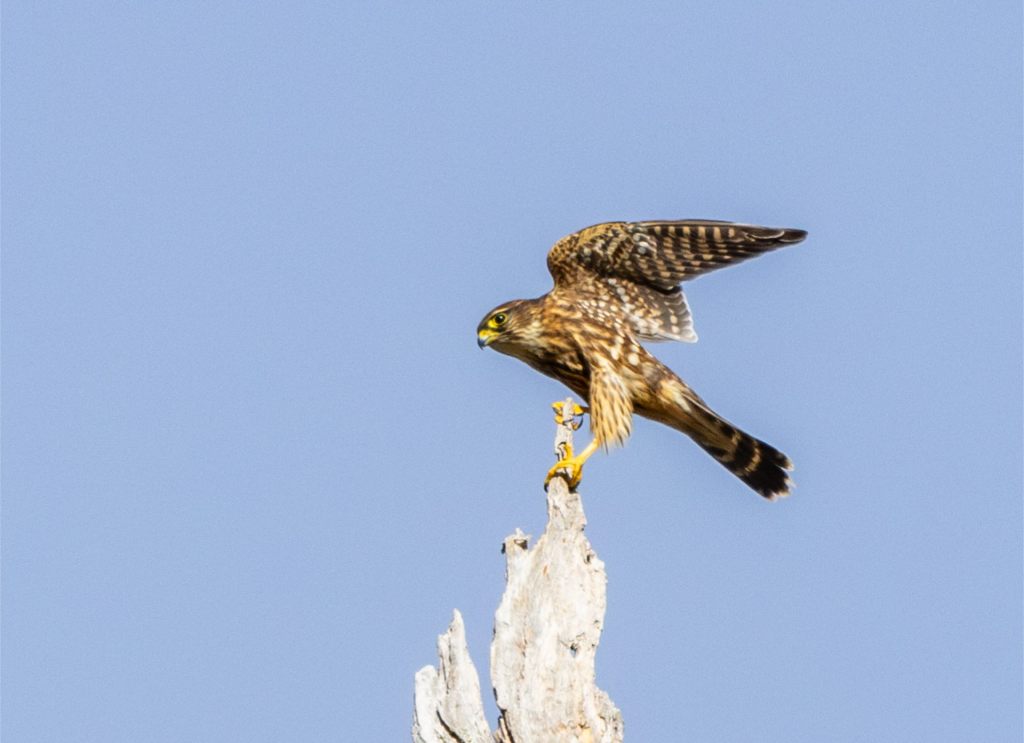
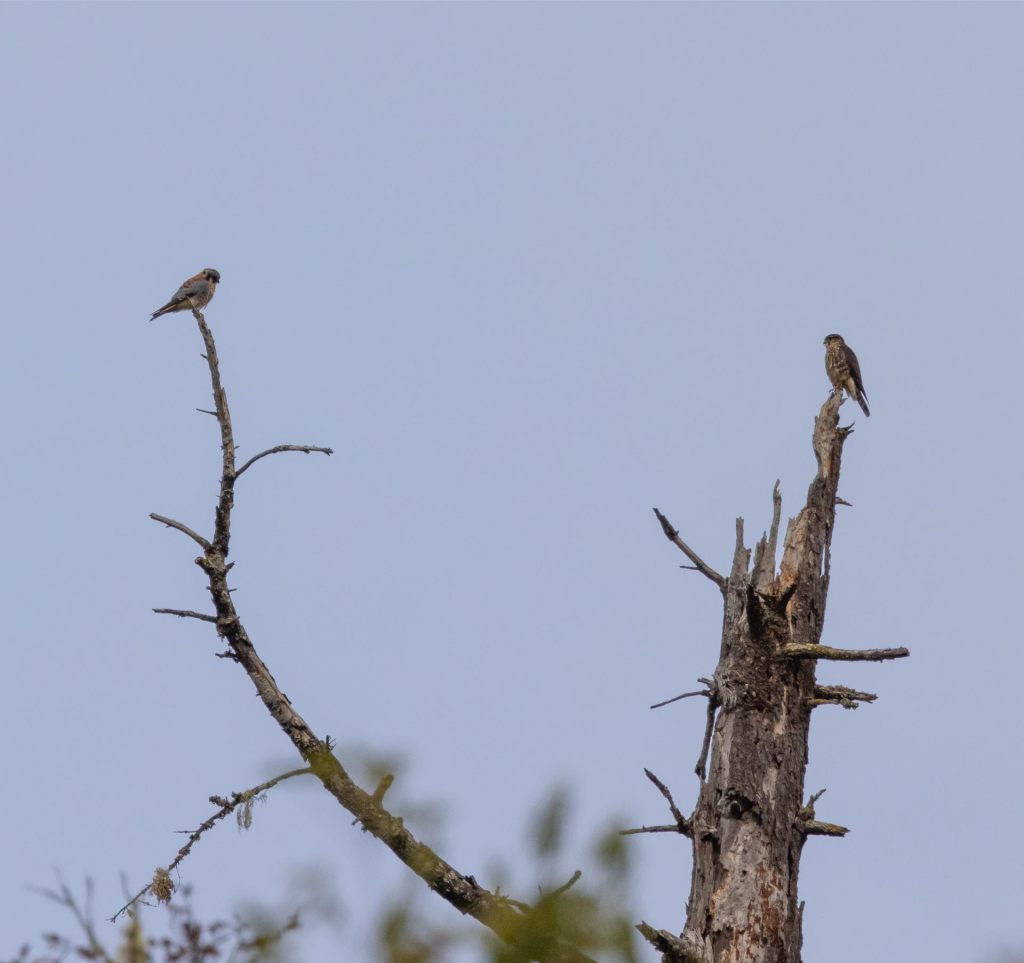
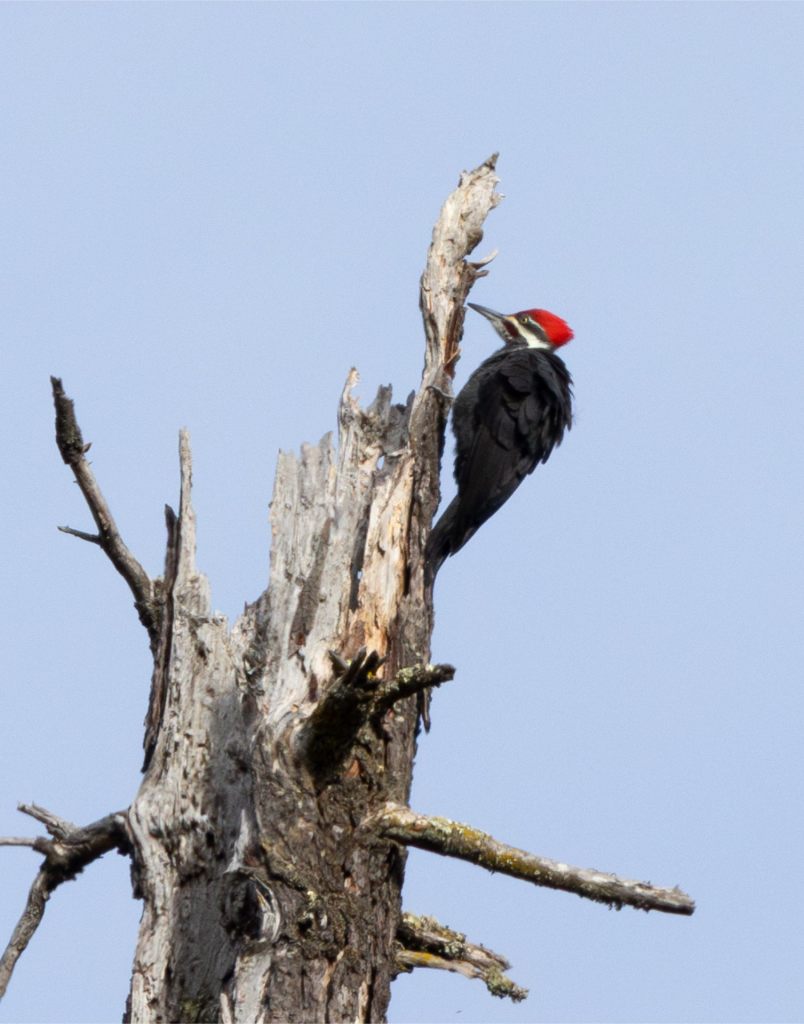
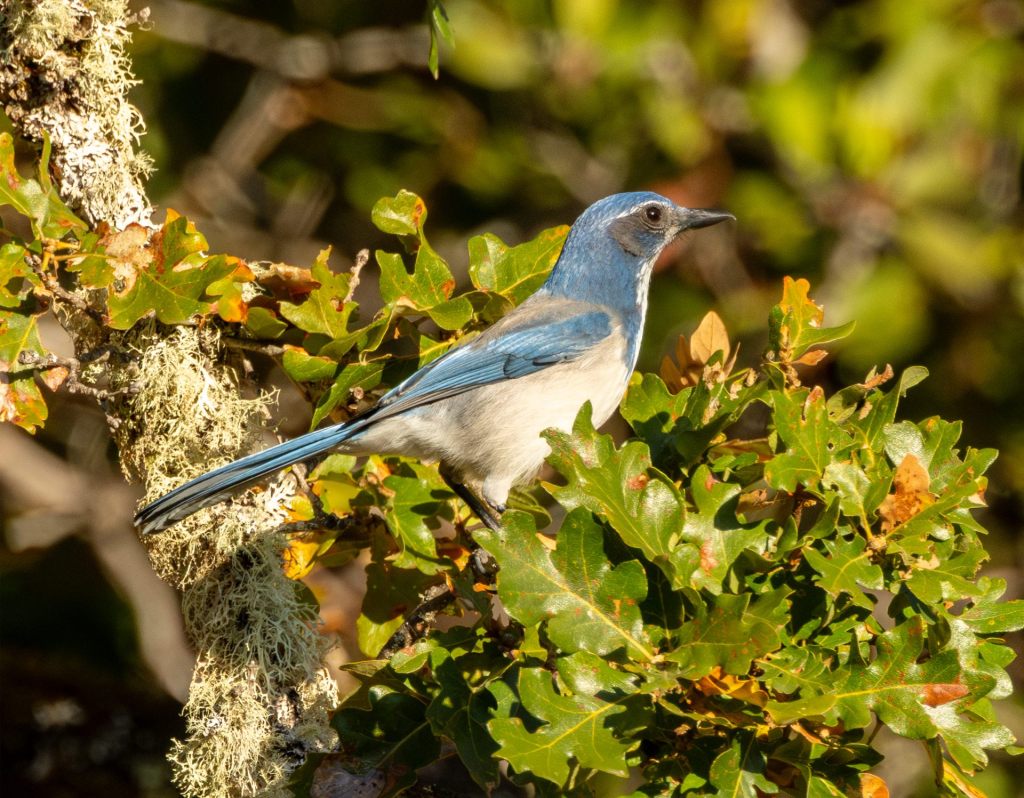
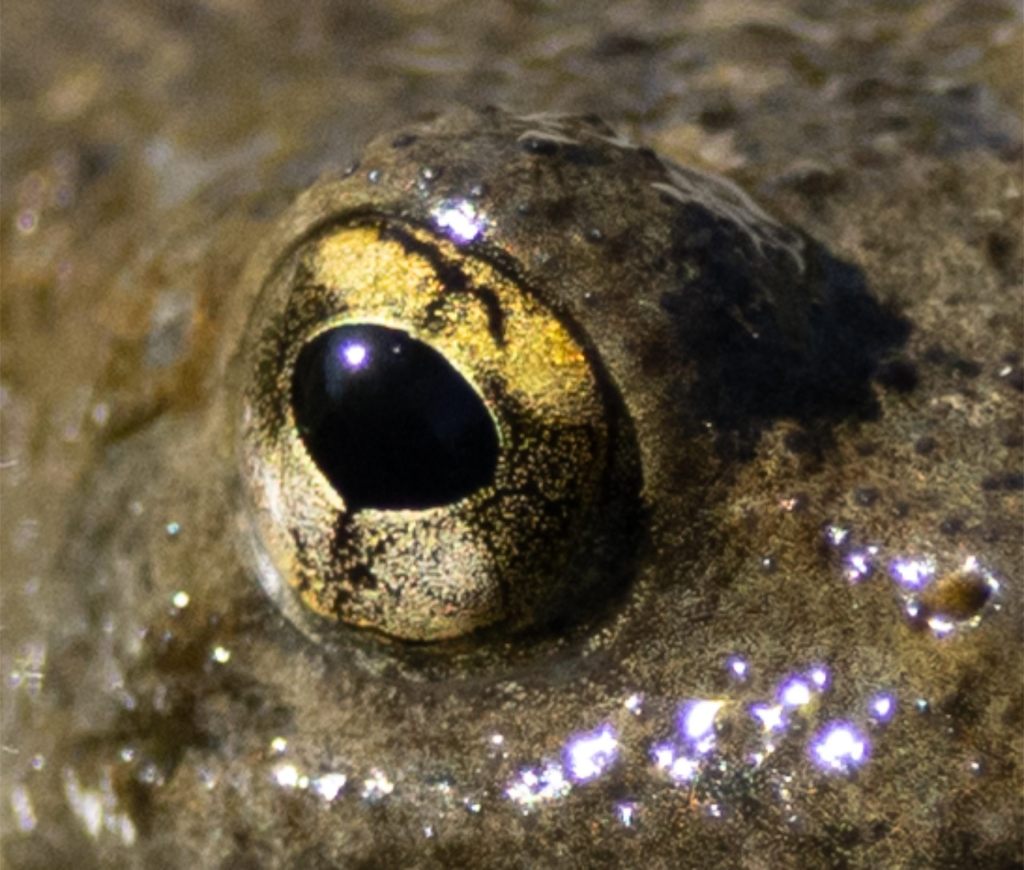
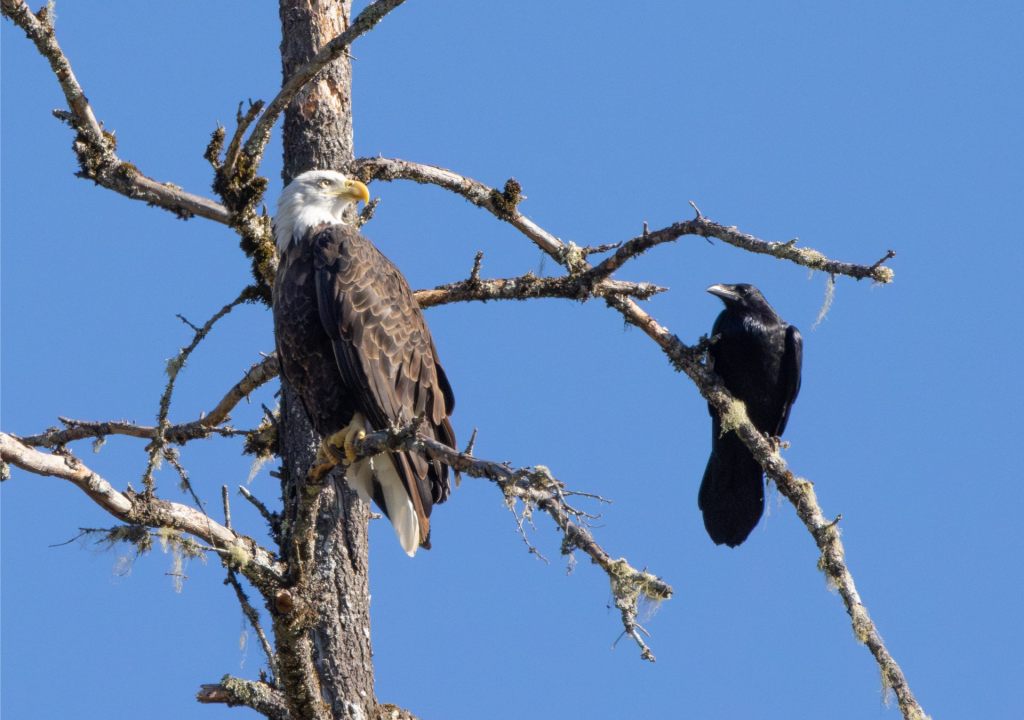
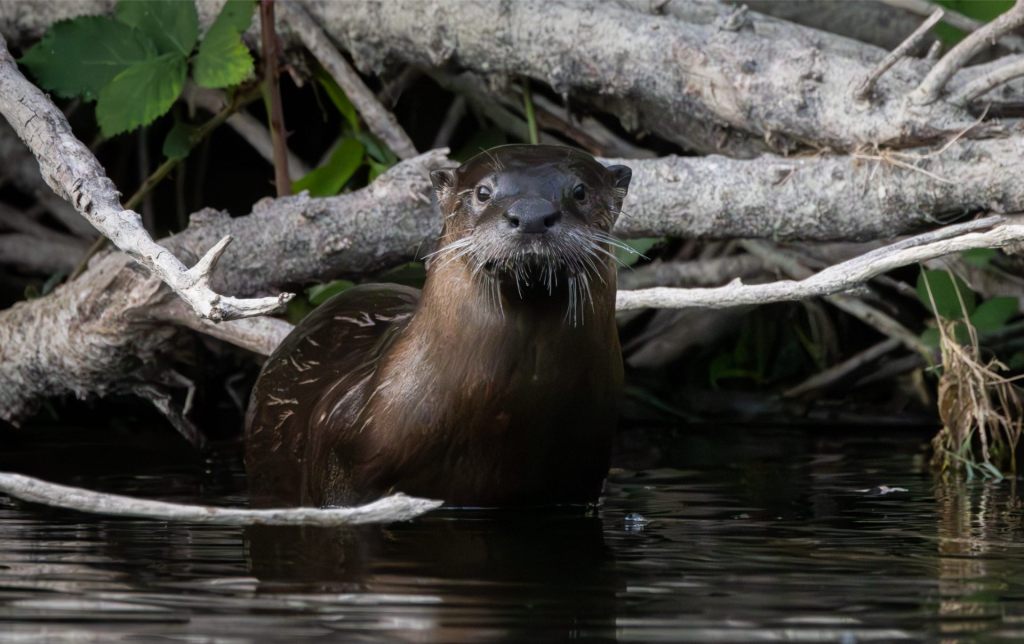
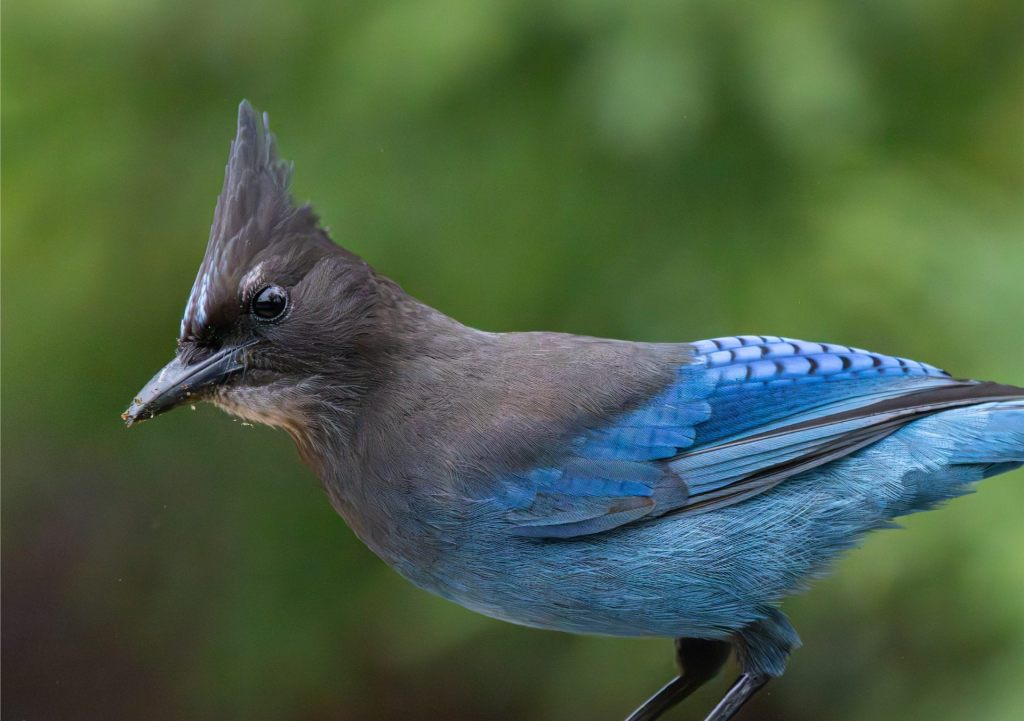
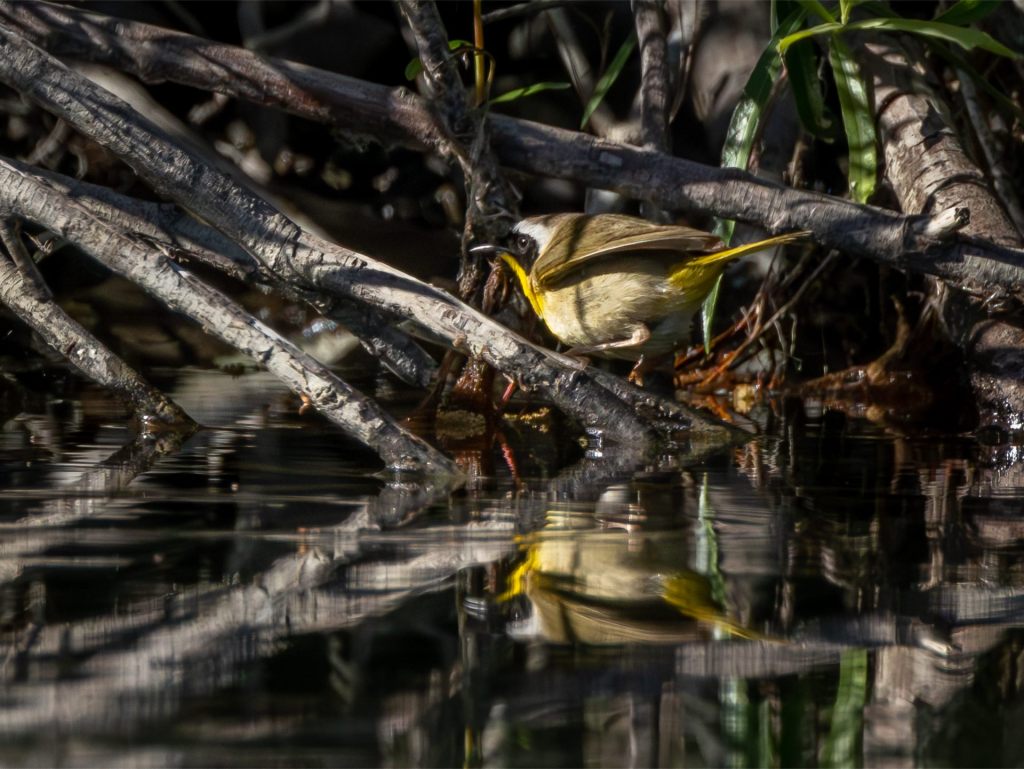
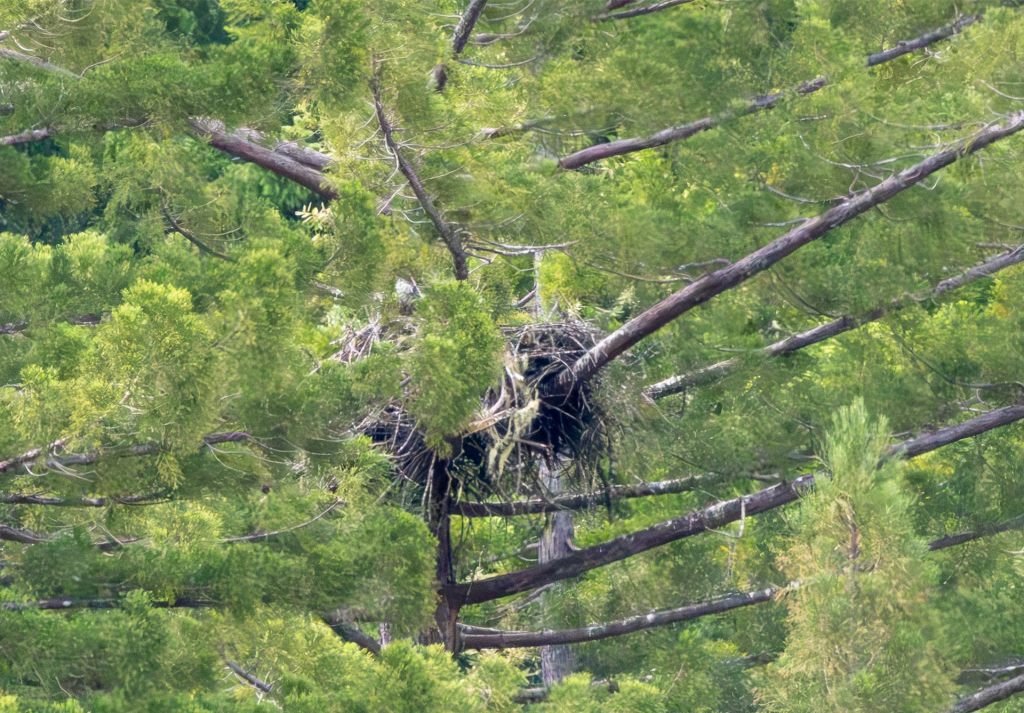
Below is a selection of other creatures seen by the river in late October.






Leave a comment