This is a collection of pics and videos of the abundant life along the South Fork of the Eel over the first eight weeks or so of fall, 2026. Many pics are documentary quality, included just to convey the incredible variety we get to savor. This is a long post, so make yourself comfy, and enjoy.
Fishing Buddies
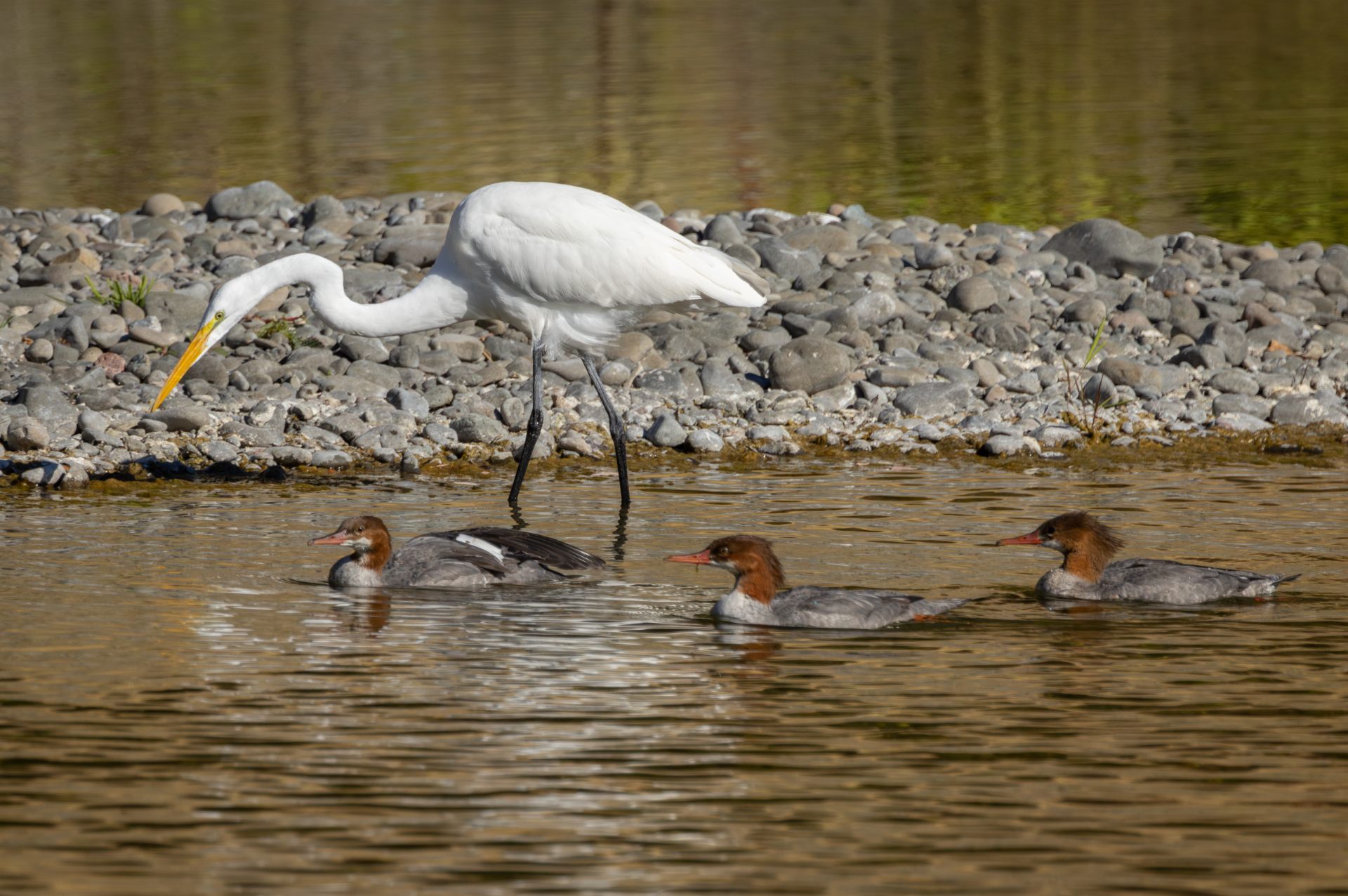
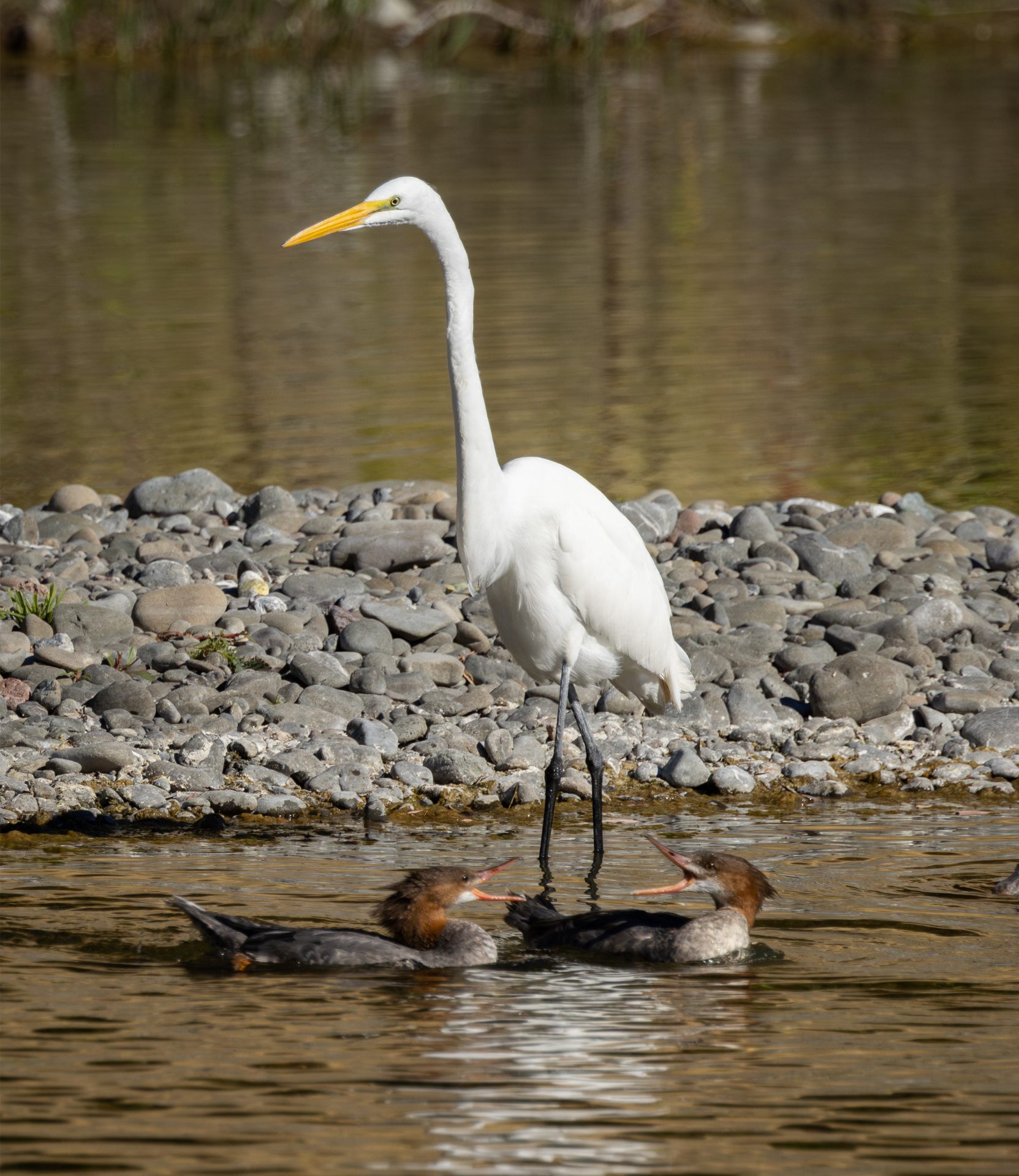
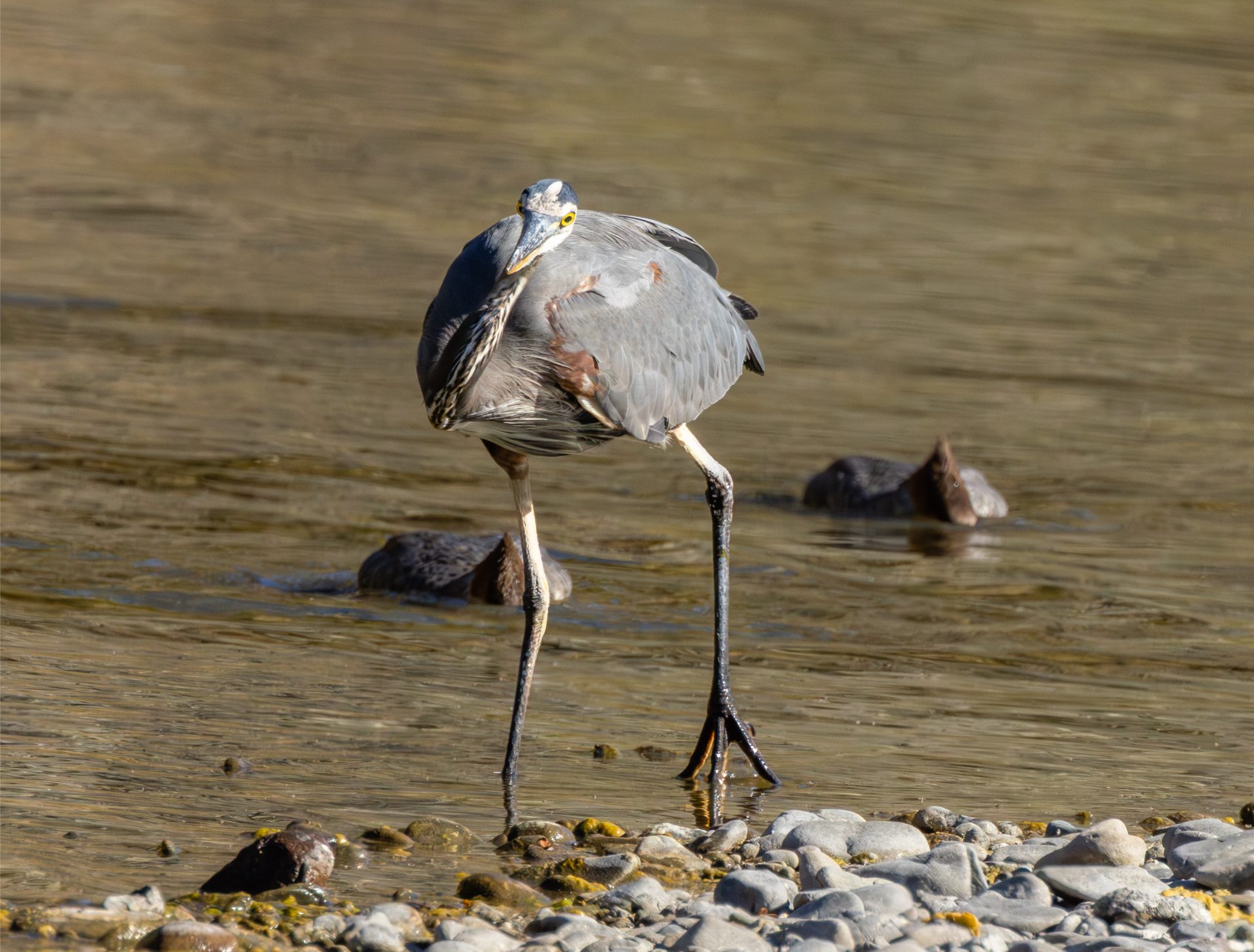
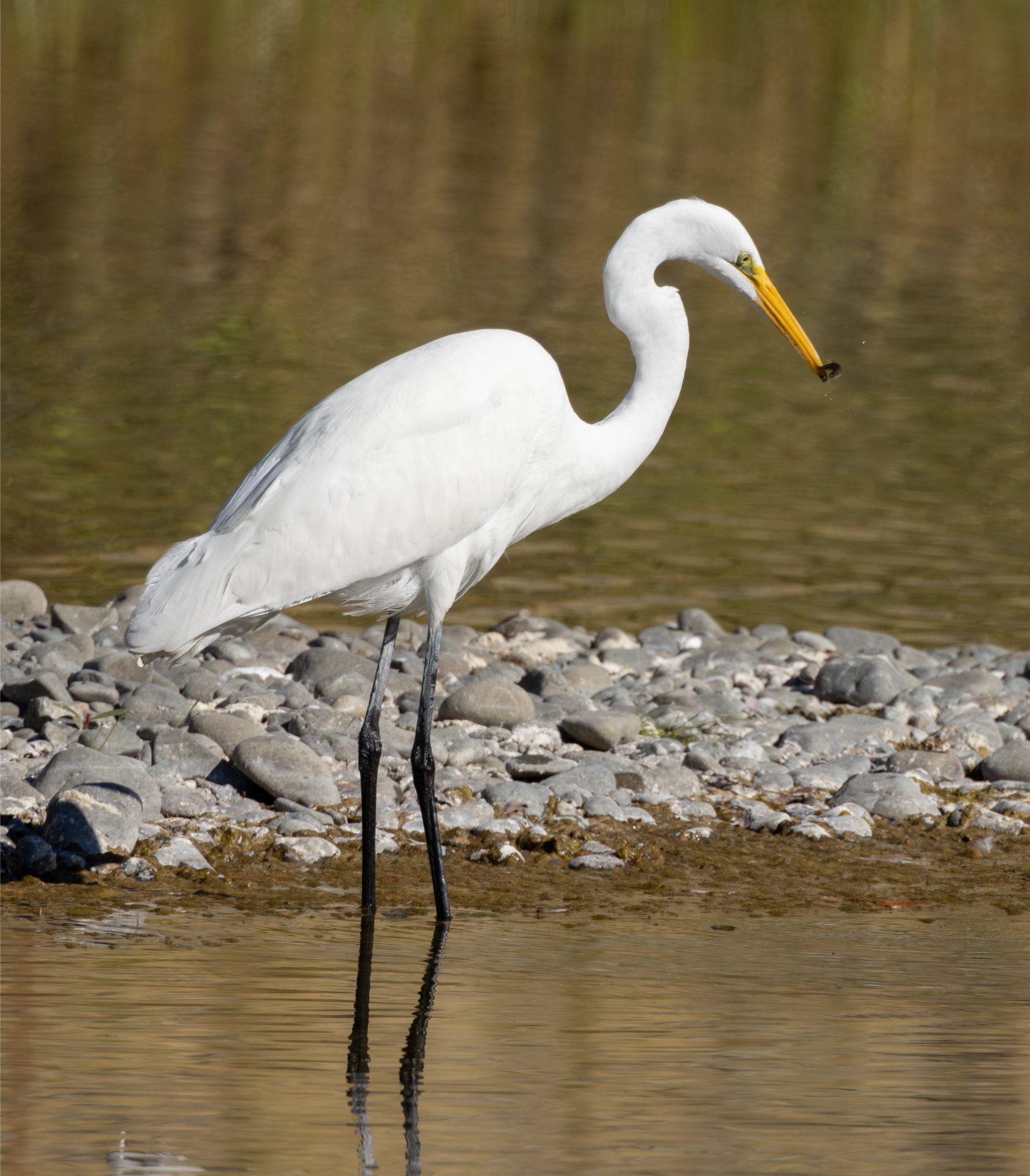
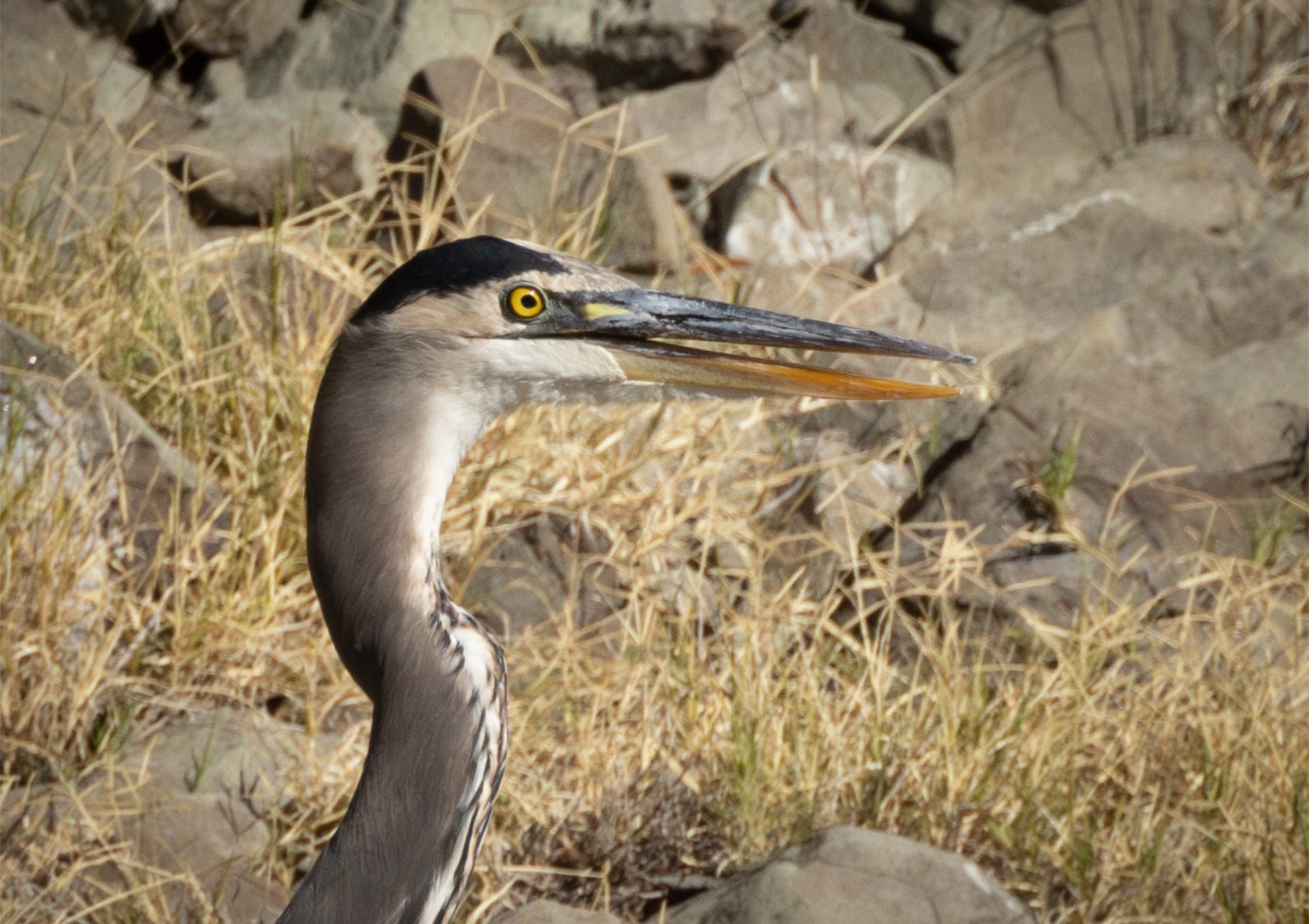
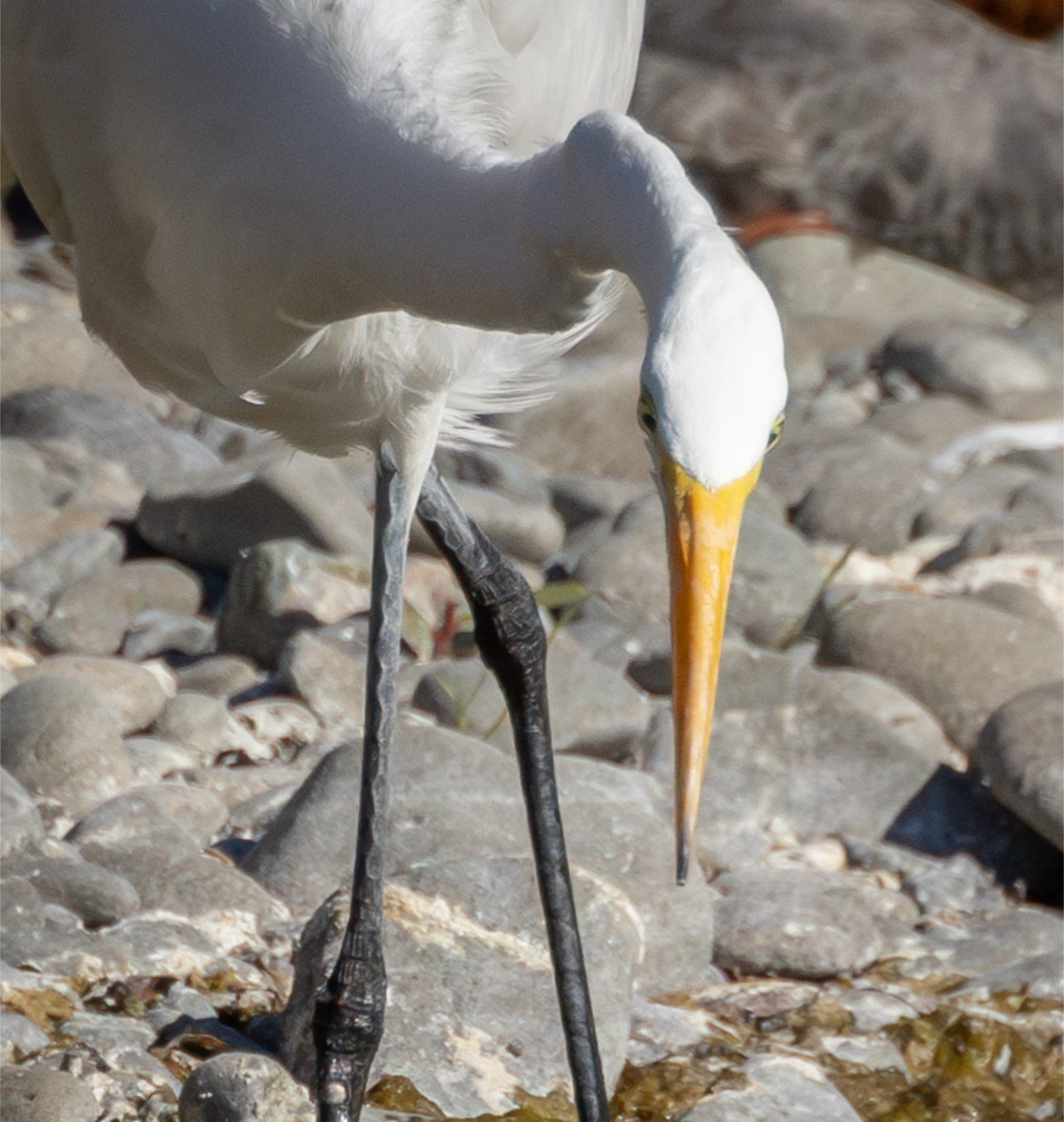
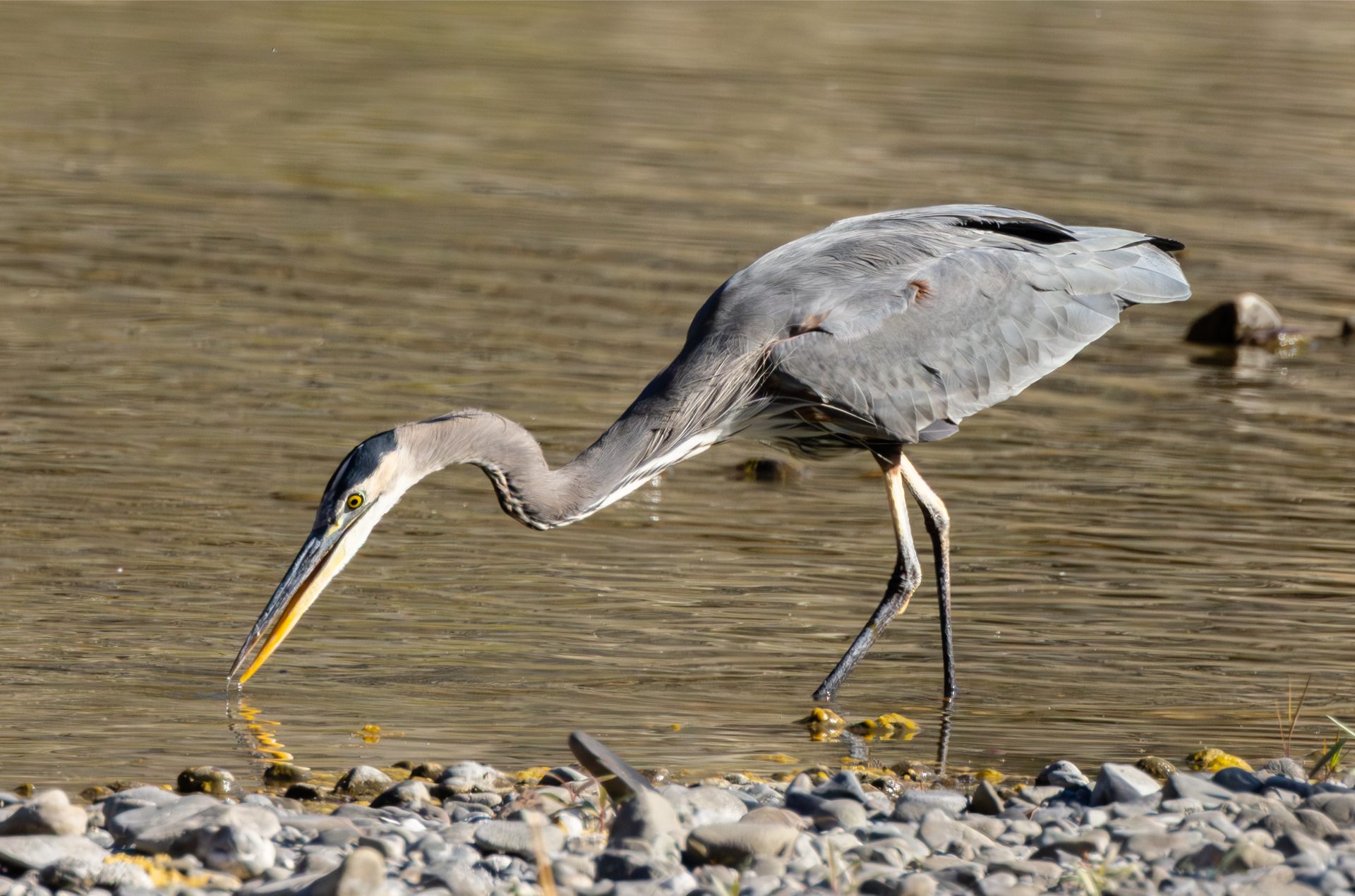
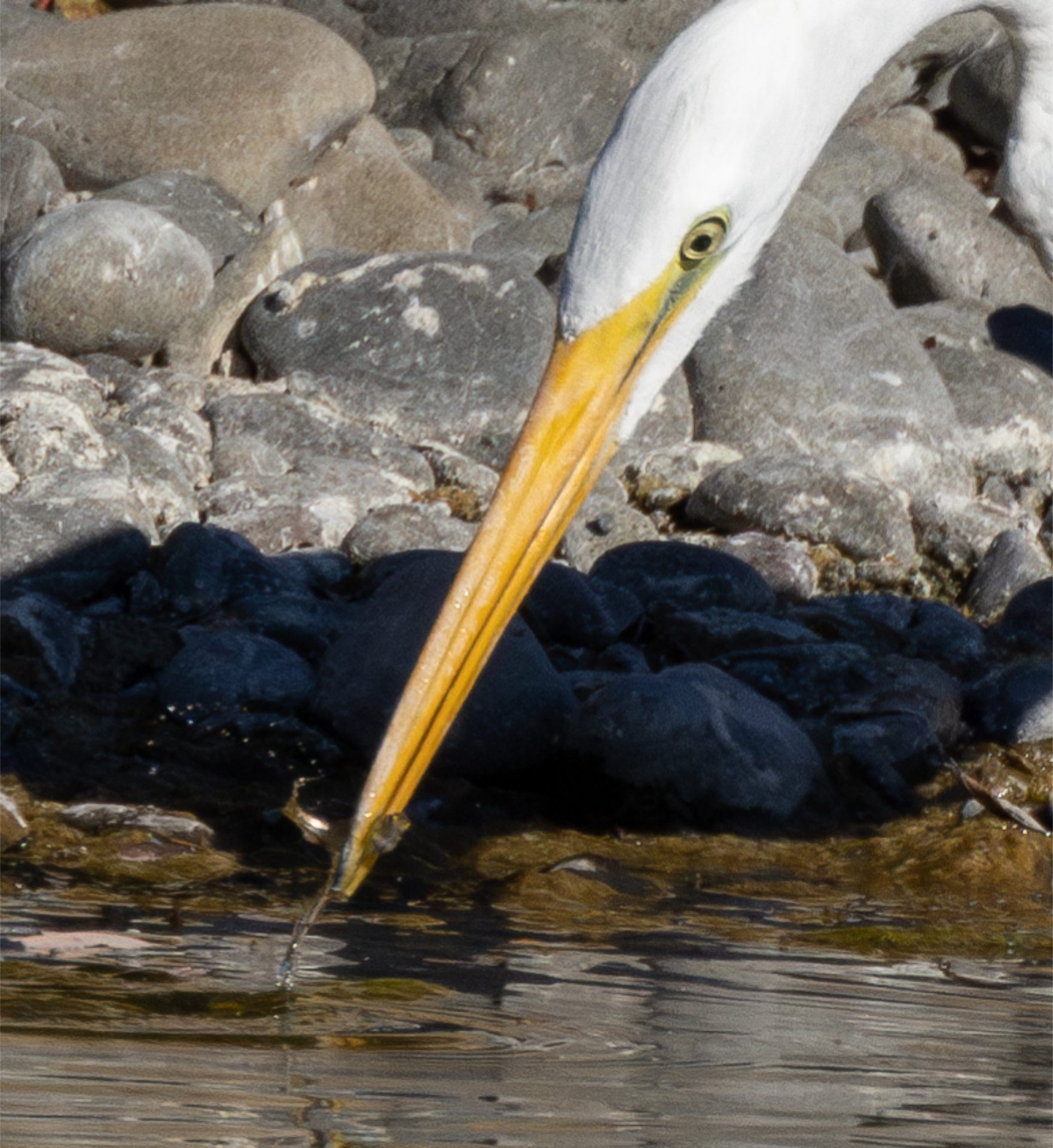
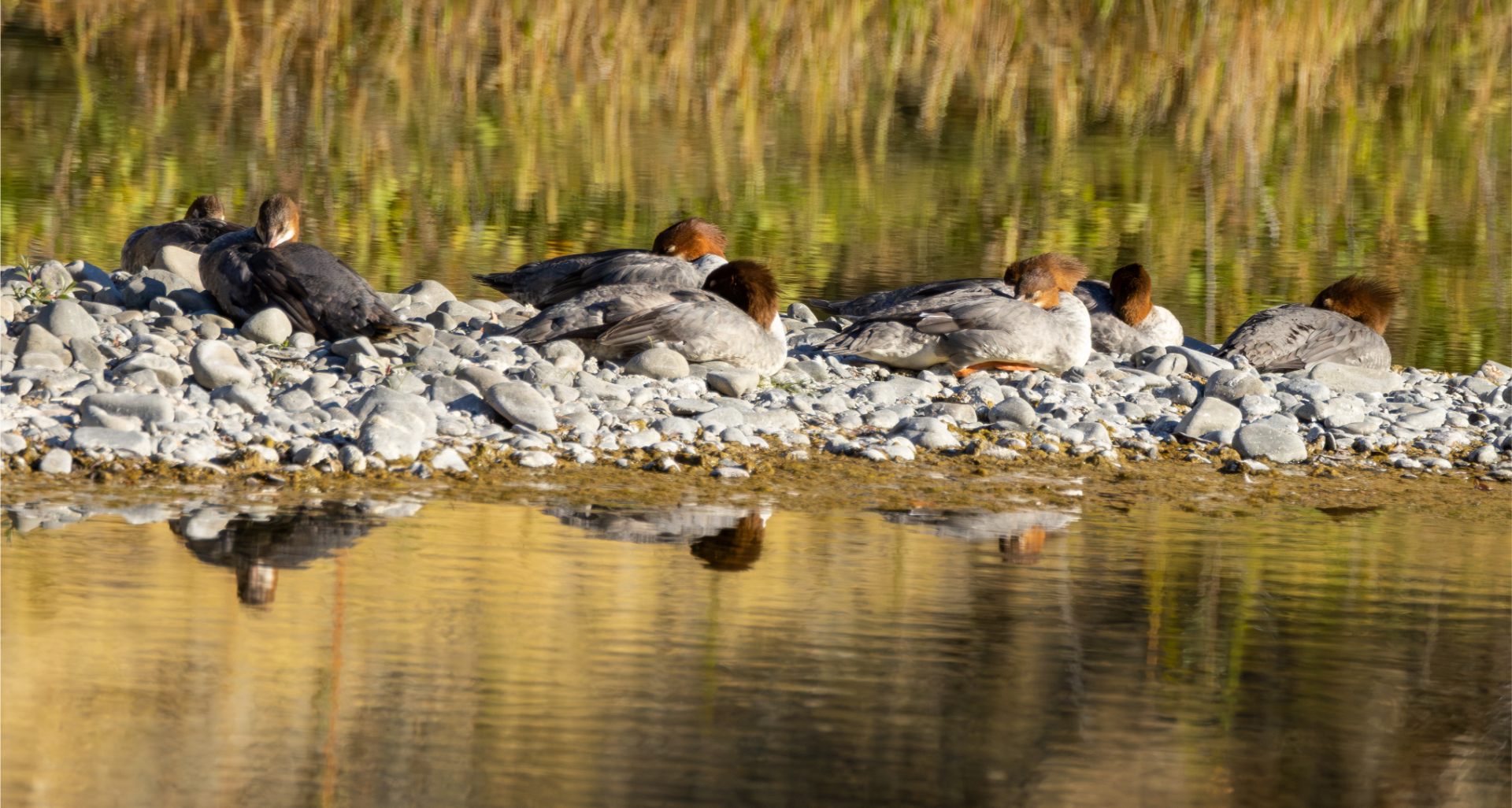
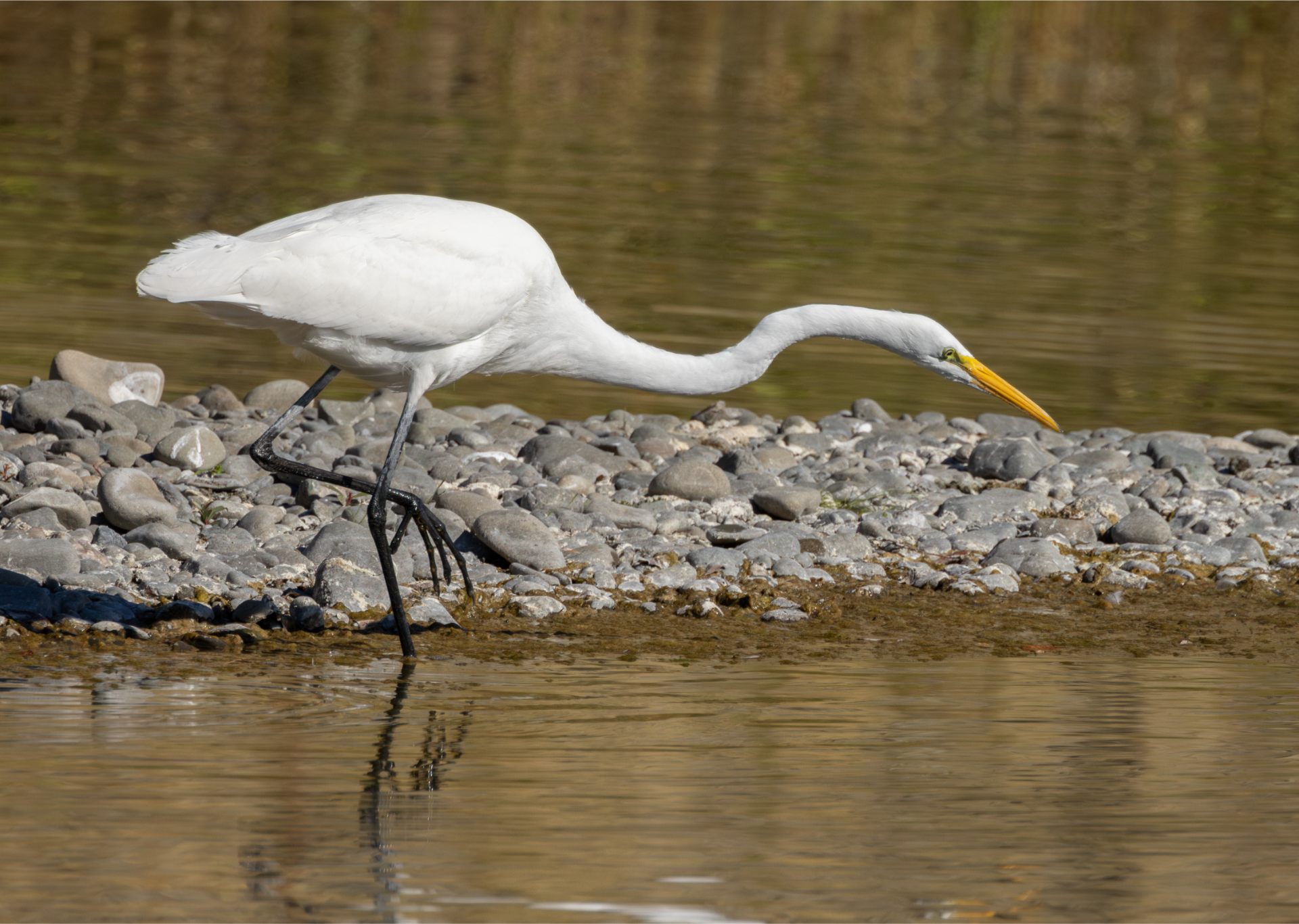
I noticed several times that Great Egrets and Great Blue Herons got clues from Common Mergansers as to where the fishing might be good.
Common Mergansers seem to drive the fish into a compact bunch, and then the Egret had an easier time plucking its prey out of the water.Common Mergansers in a brief squabble at the feet of the EgretGreat Blue Heron contorting its neck to look for prey. The Mergansers behind form a kind of water plow, likely driving the fish toward the heron.A catch is madeHeron vocalizingOn the huntAbout to make a catchA tiny snack is caughtMergansers at restPoised for the strike.
The video shows how the Mergansers and Egret and Heron sometimes work together to corral the fish
The Air Show
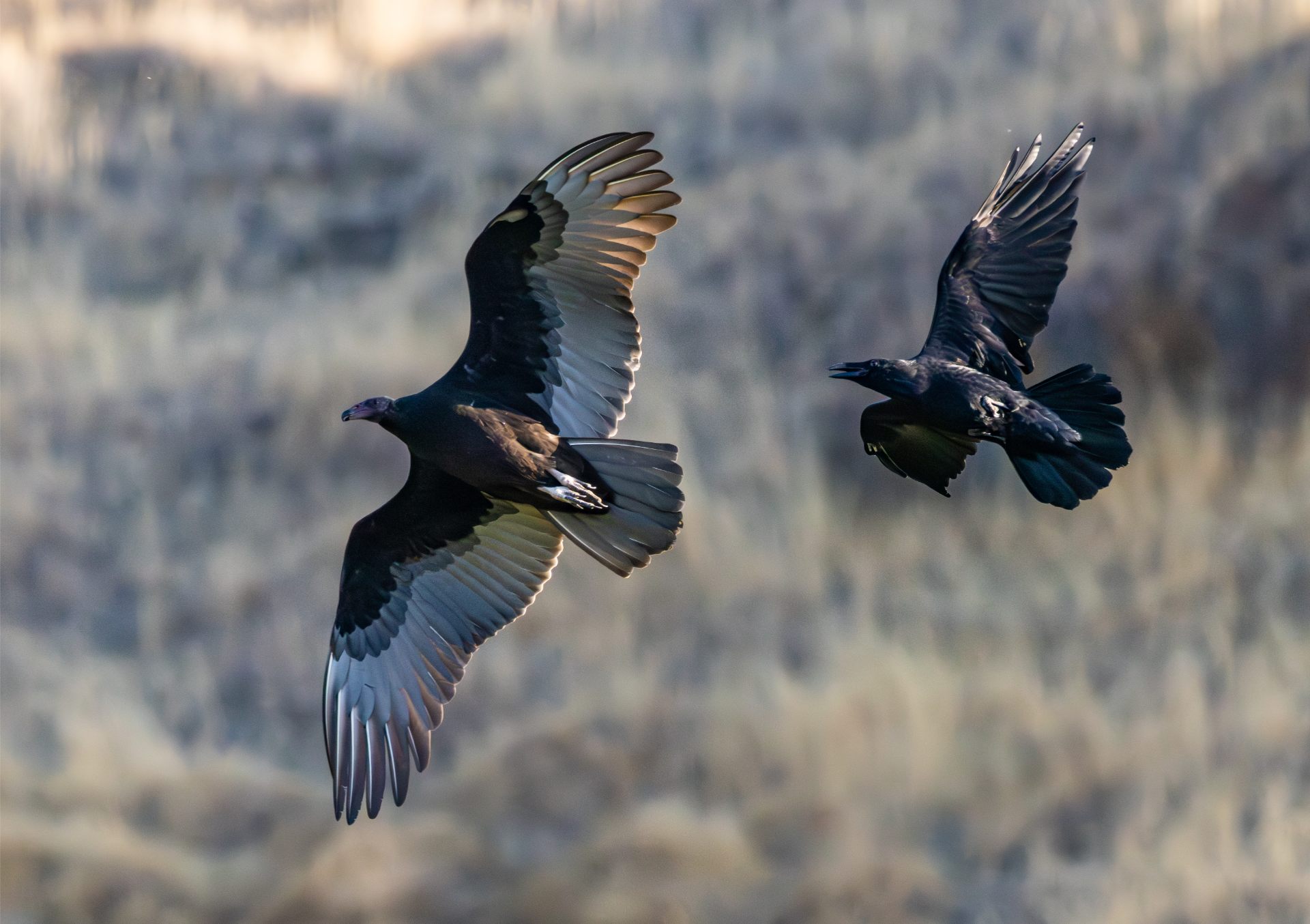
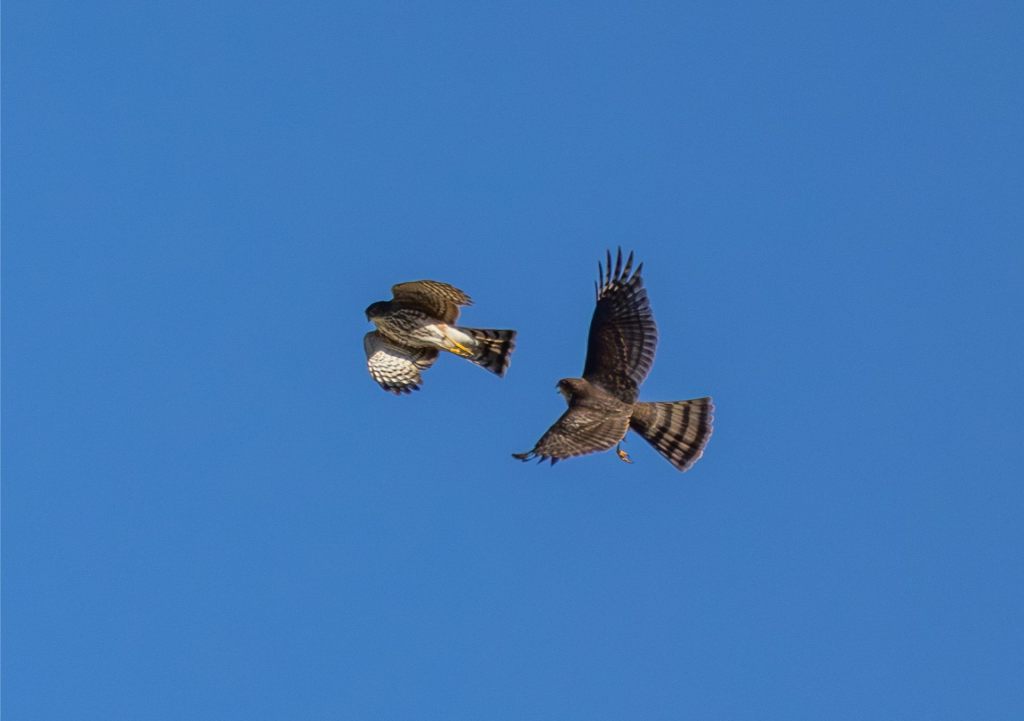
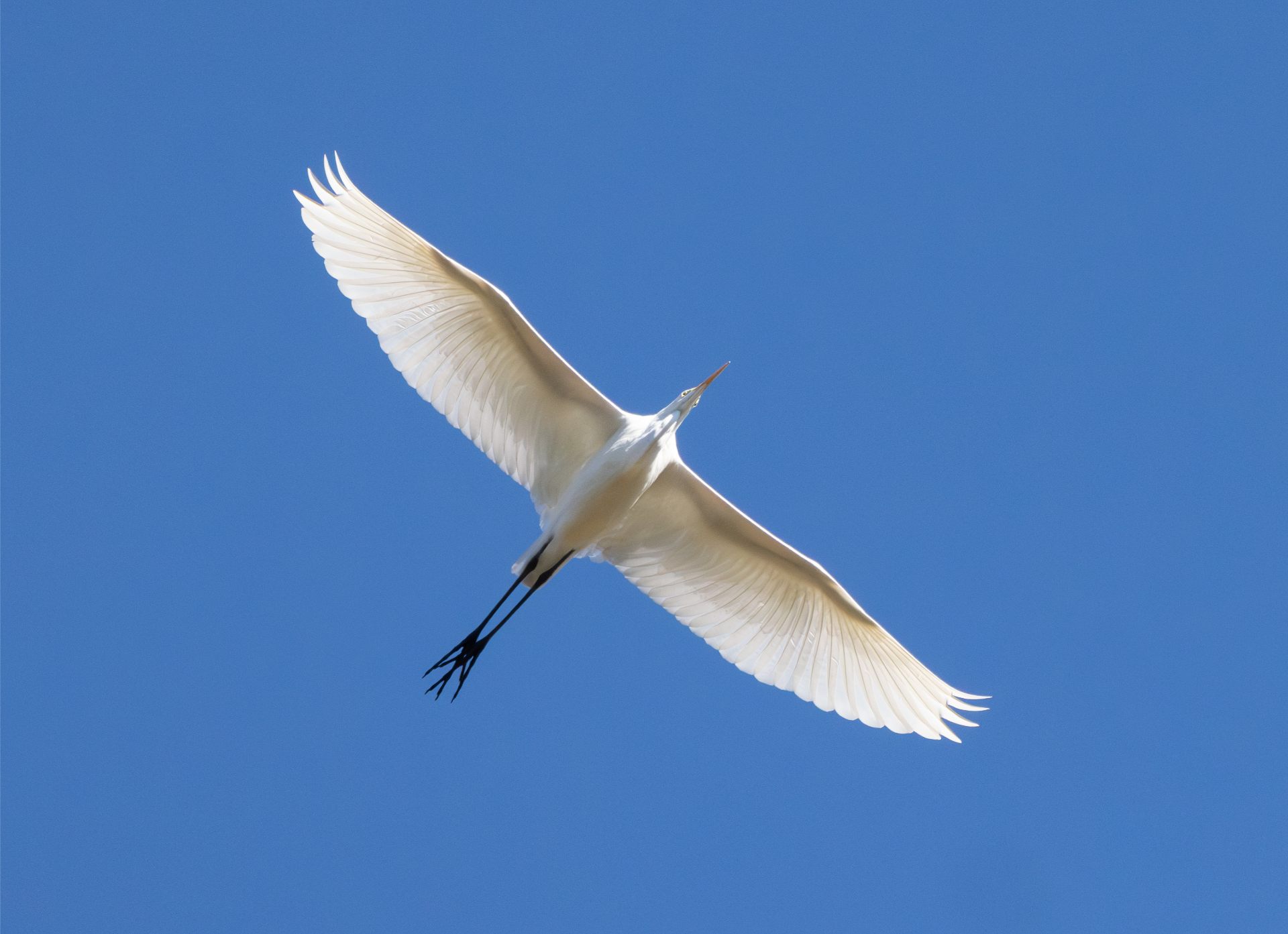
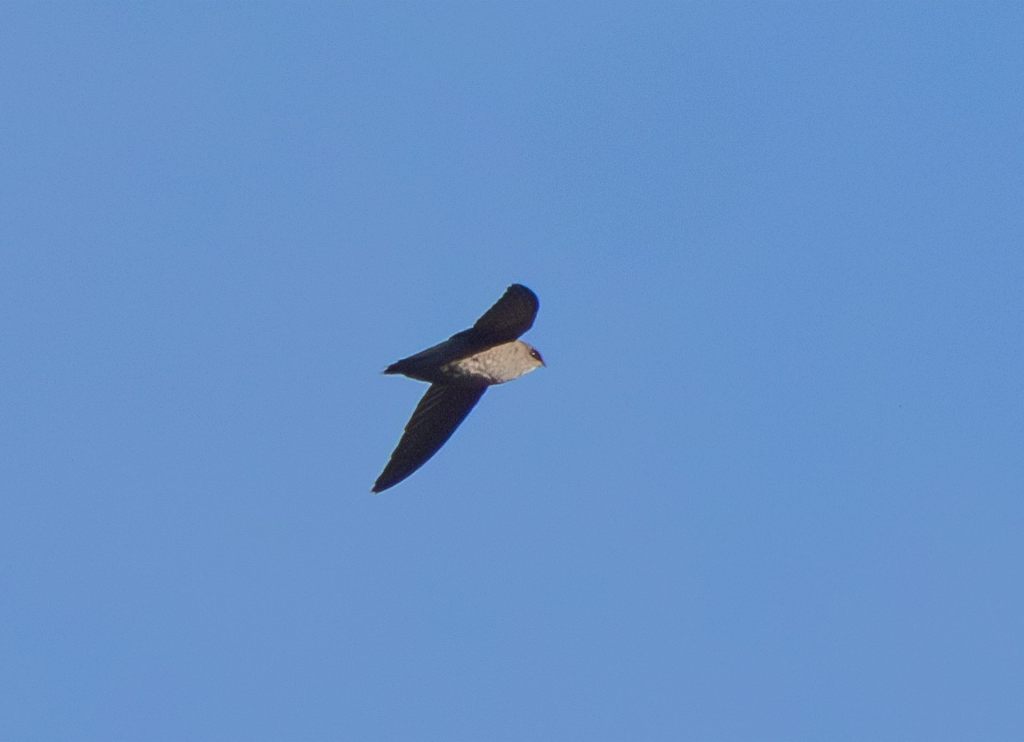
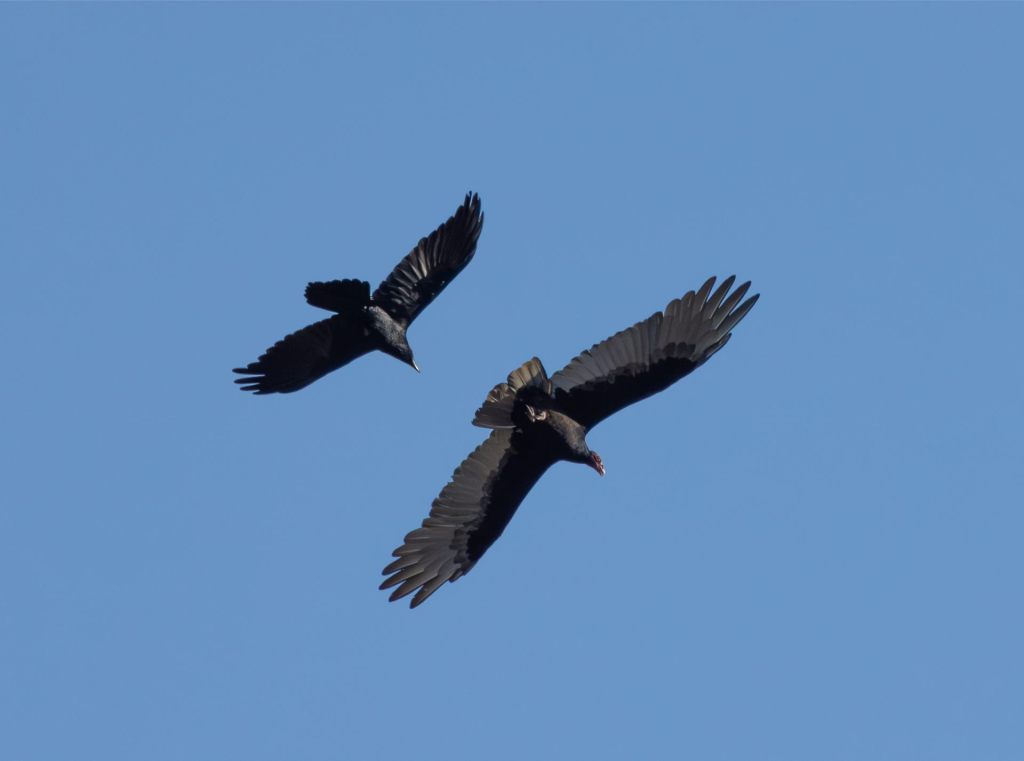
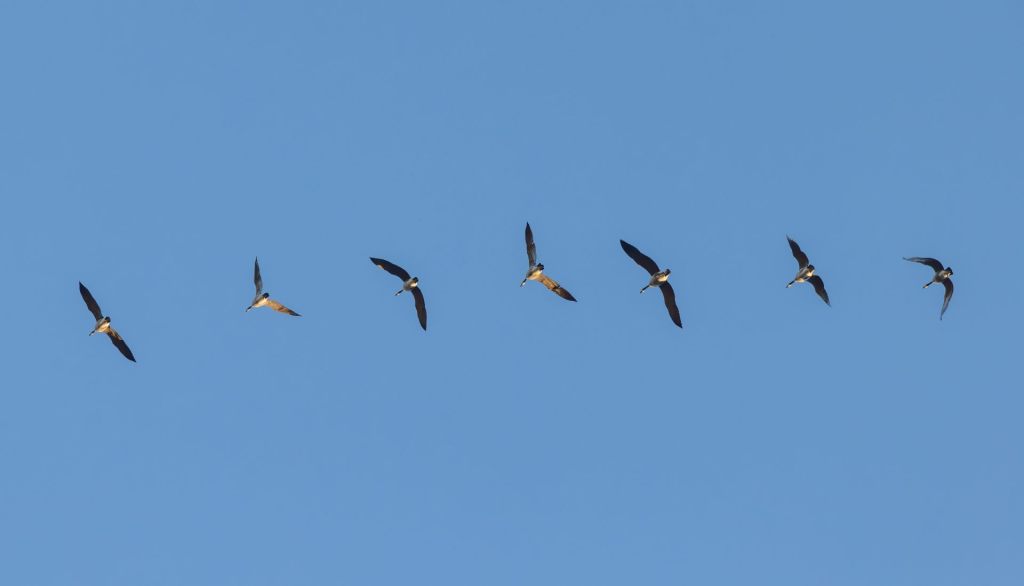
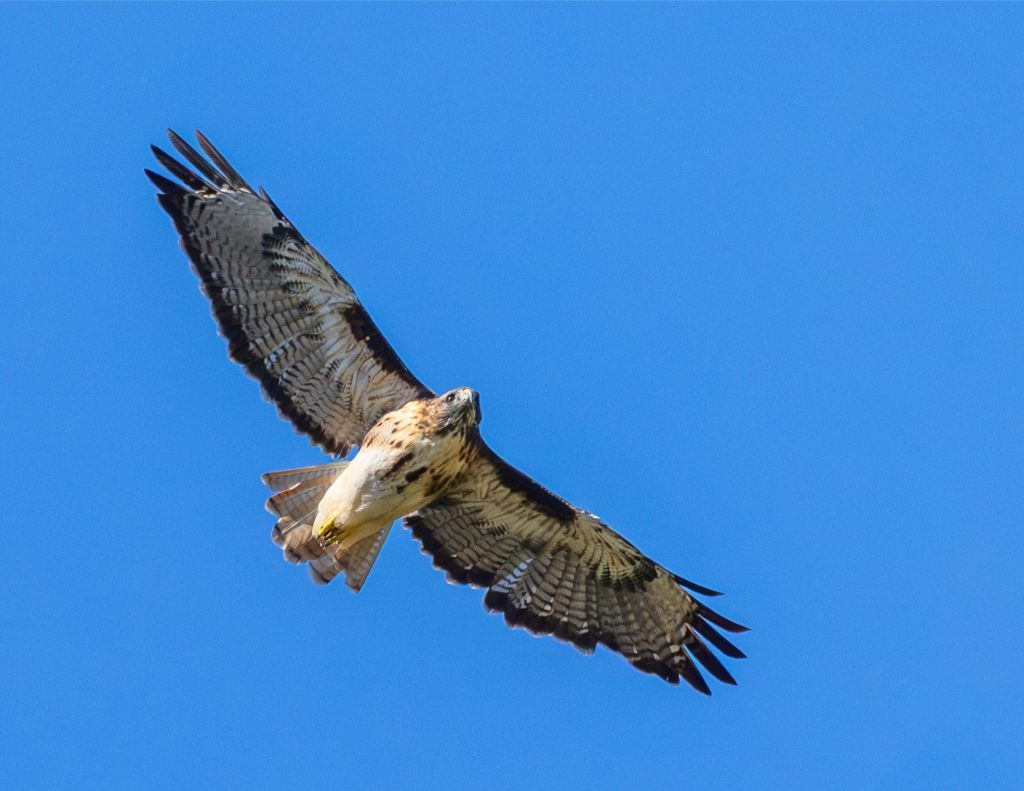
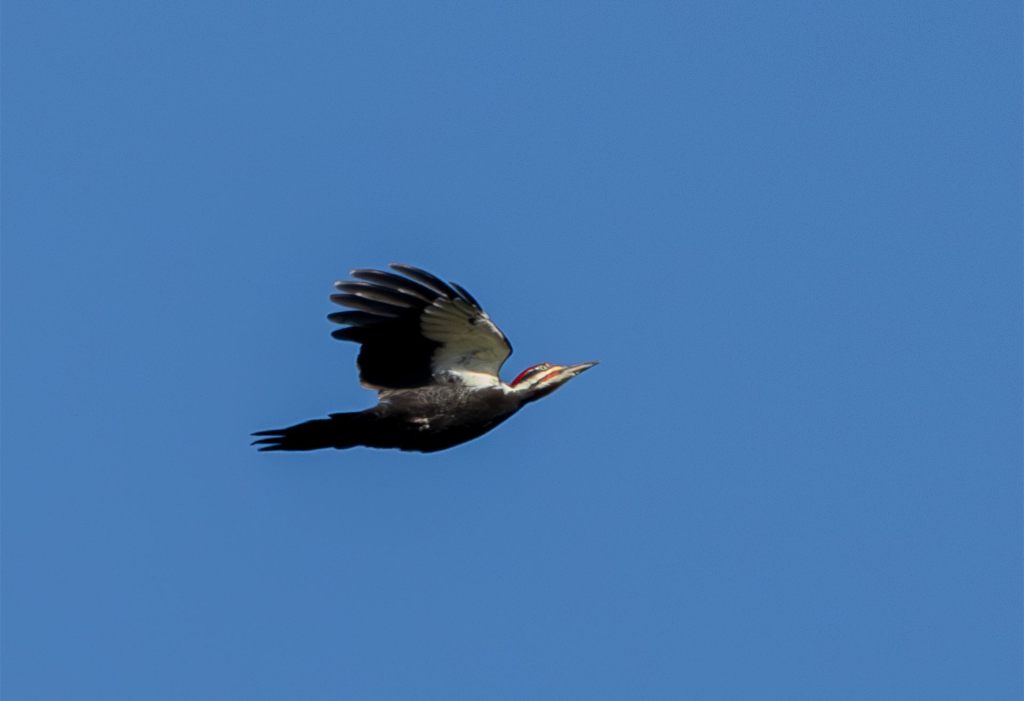
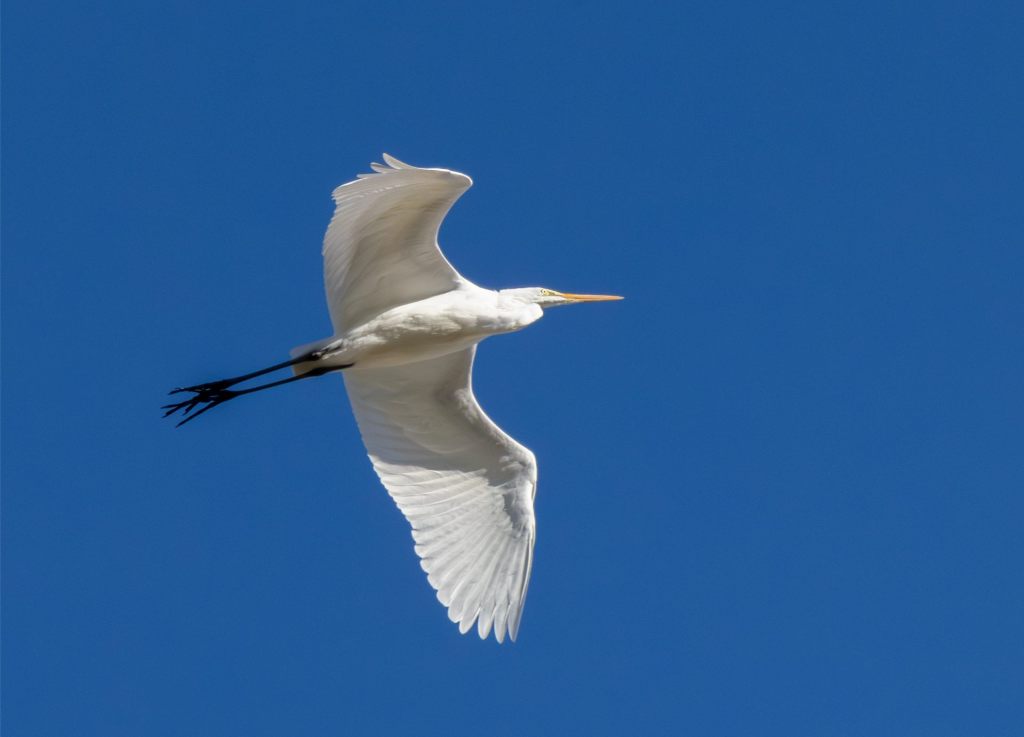
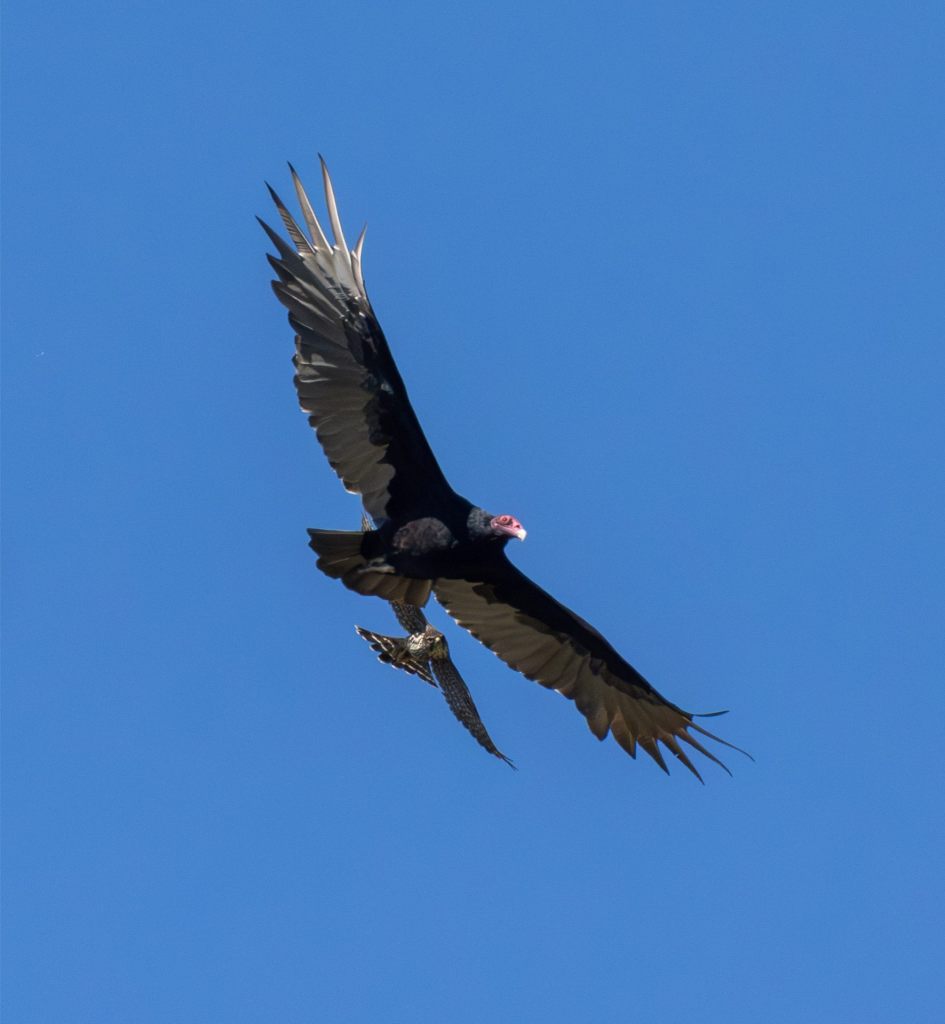
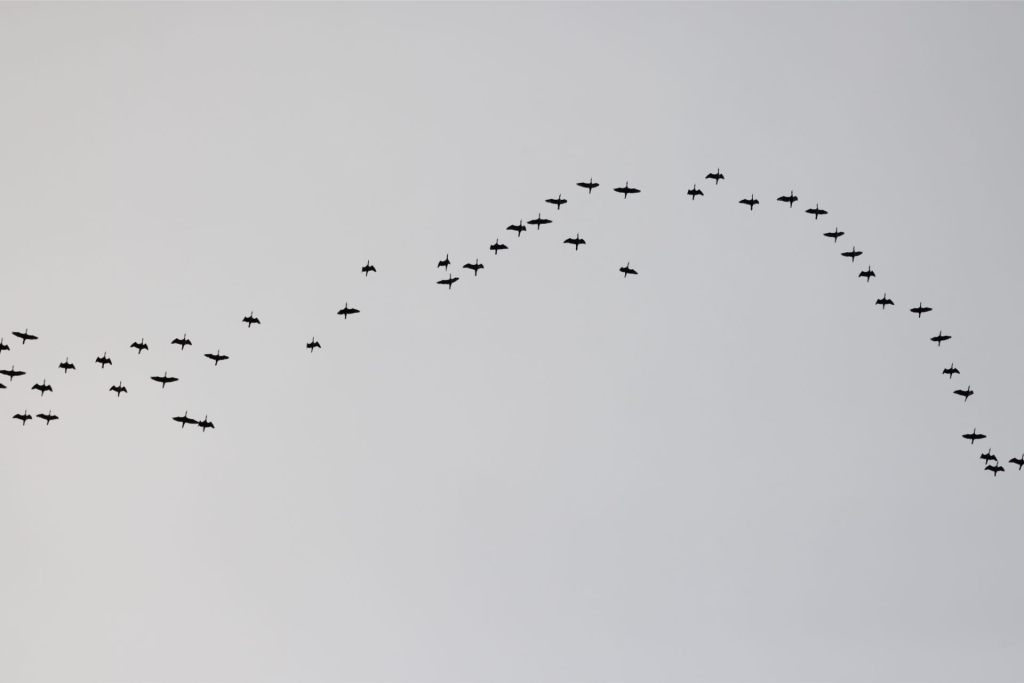
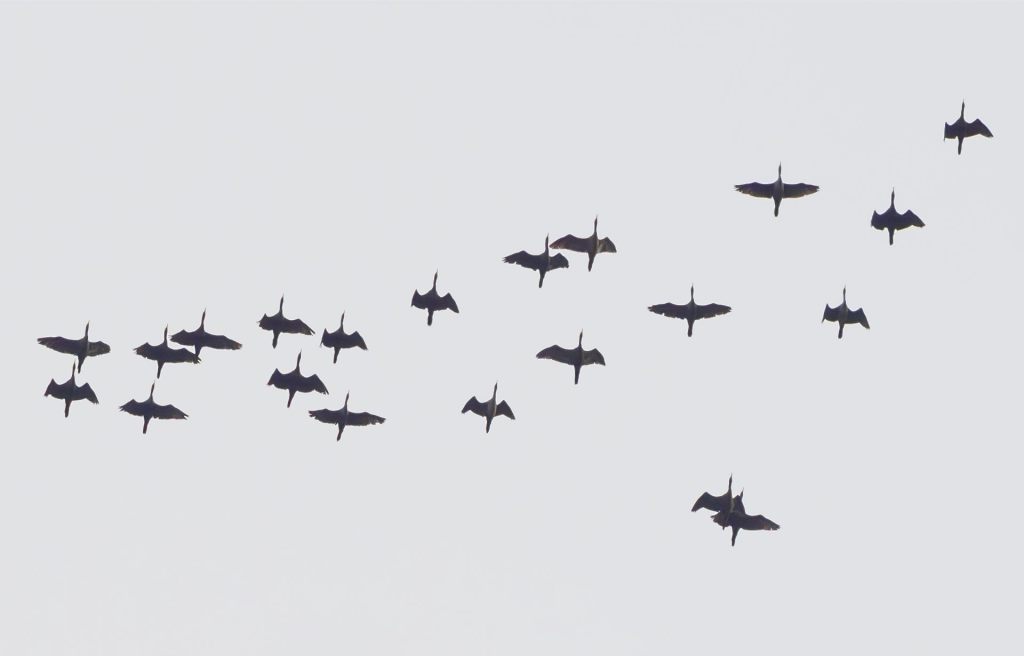
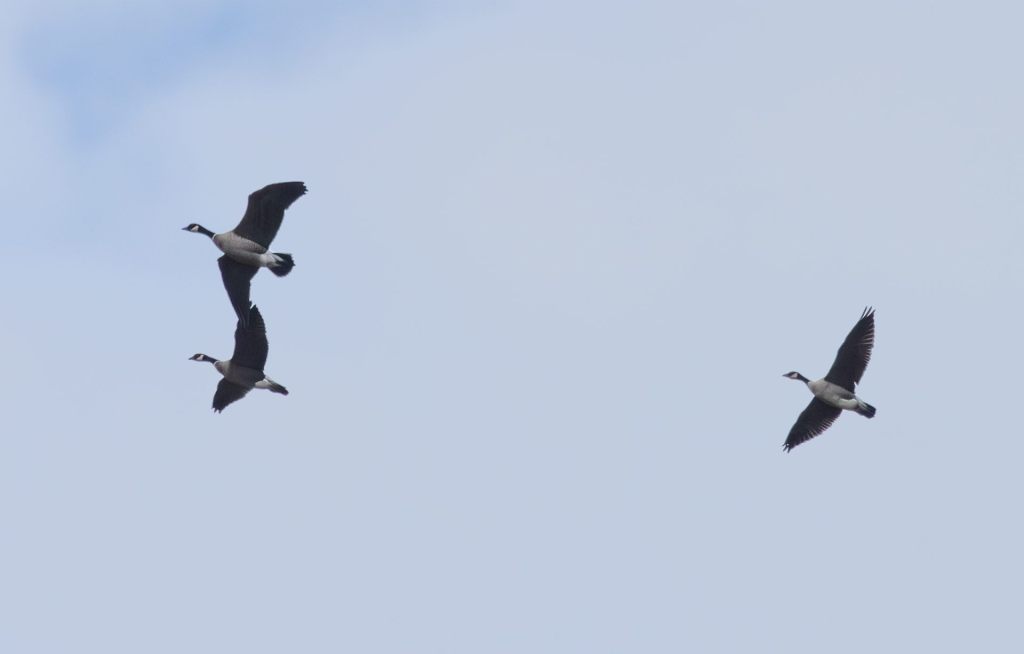
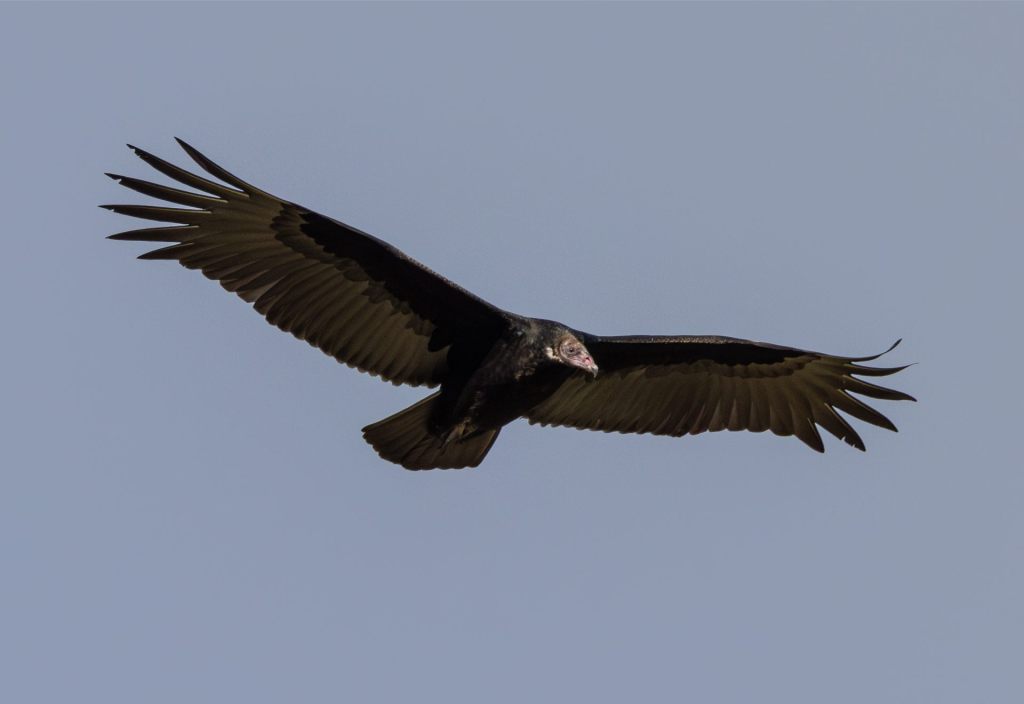
Common Ravens make great sport out of harassing young Turkey VulturesTwo immature Sharp-shinned Hawks building skillsas they chase each other aroundGreat Egret directly overheadVaux’s swift, a tiny bullet of a bird who cannot walk, and does everything on the wing.More harassment of a young Turkey VultureCanada Geese in migration formationRed-tailed hawkPileated WoodpeckerGreat EgretA young Merlin chasing a Turkey VultureMigration formation: Look closely, these are not geese.Long tails, and long skinny bills, plus complete silence, indicate these are Double-crested Cormorants.Cackling Geese are smaller than Canadas, have a white collar showing at the base of the shorter neck, and make a high-pitched “cackling” sound as they fly.
Strangers in a Strange Land
While not technically rare, these species are uncommon in our area.
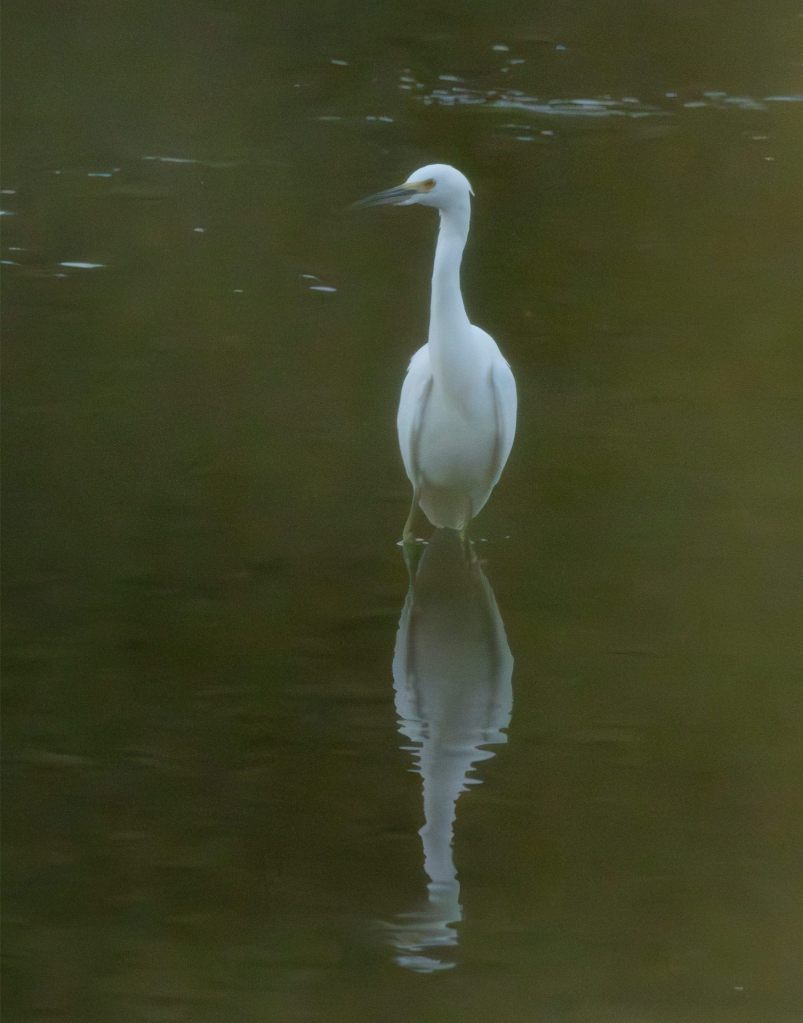
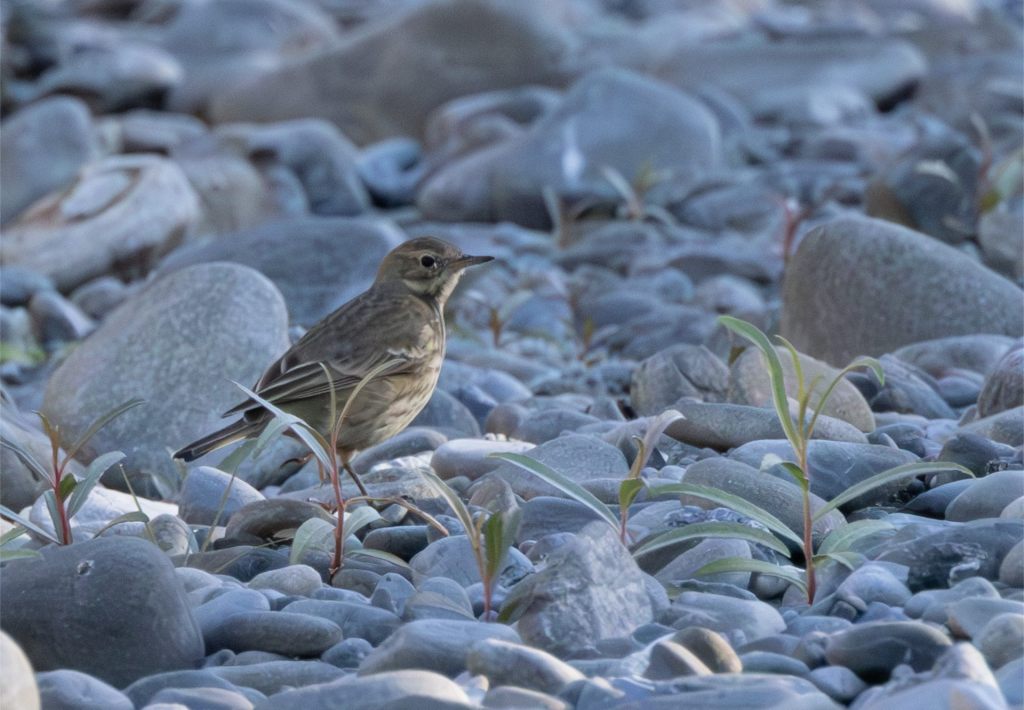
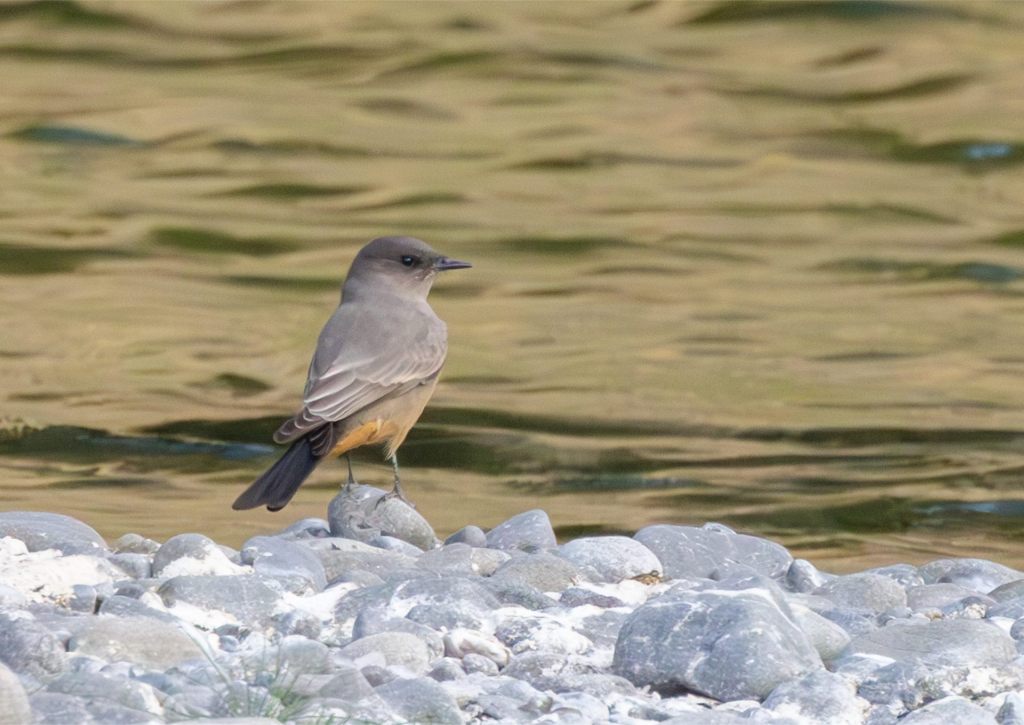
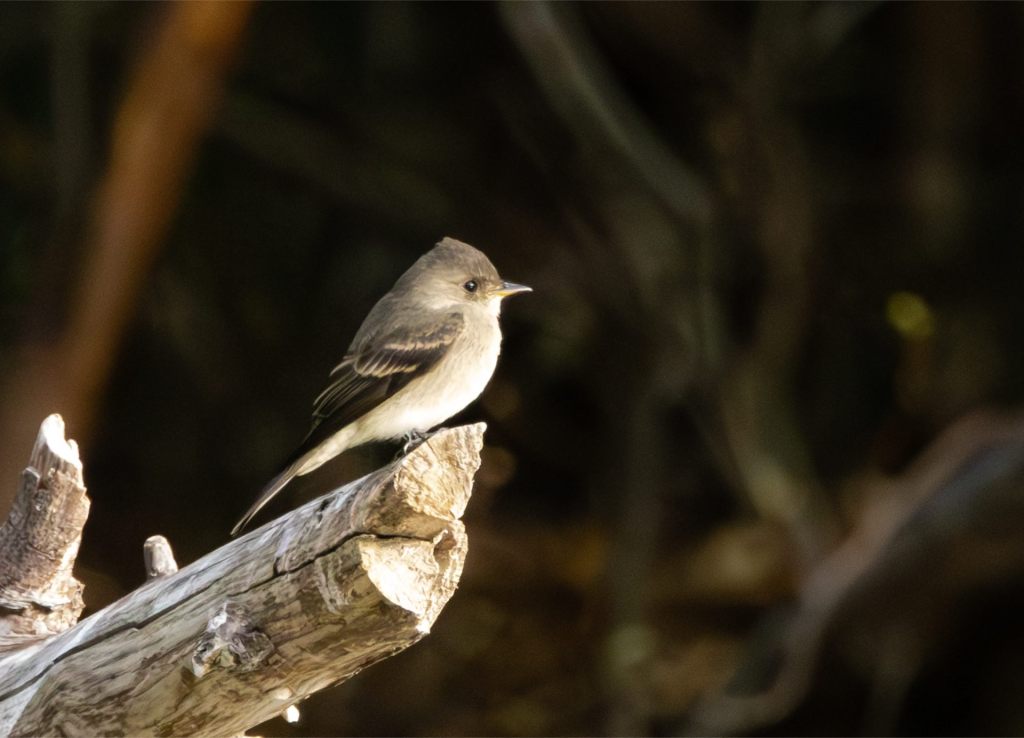
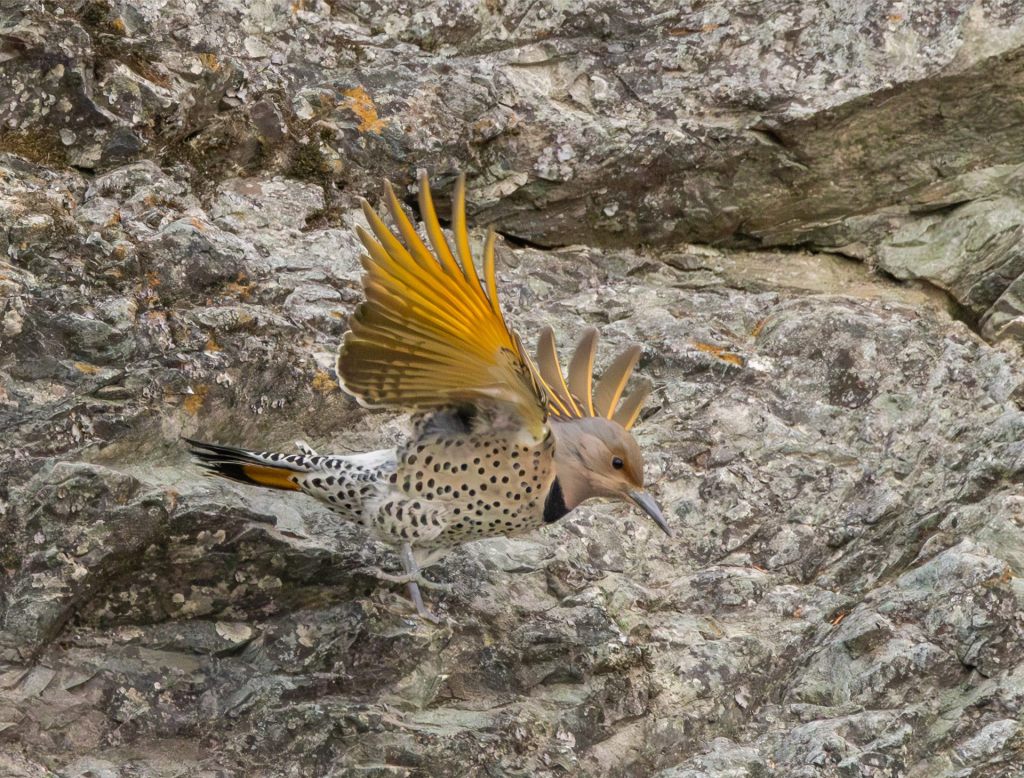
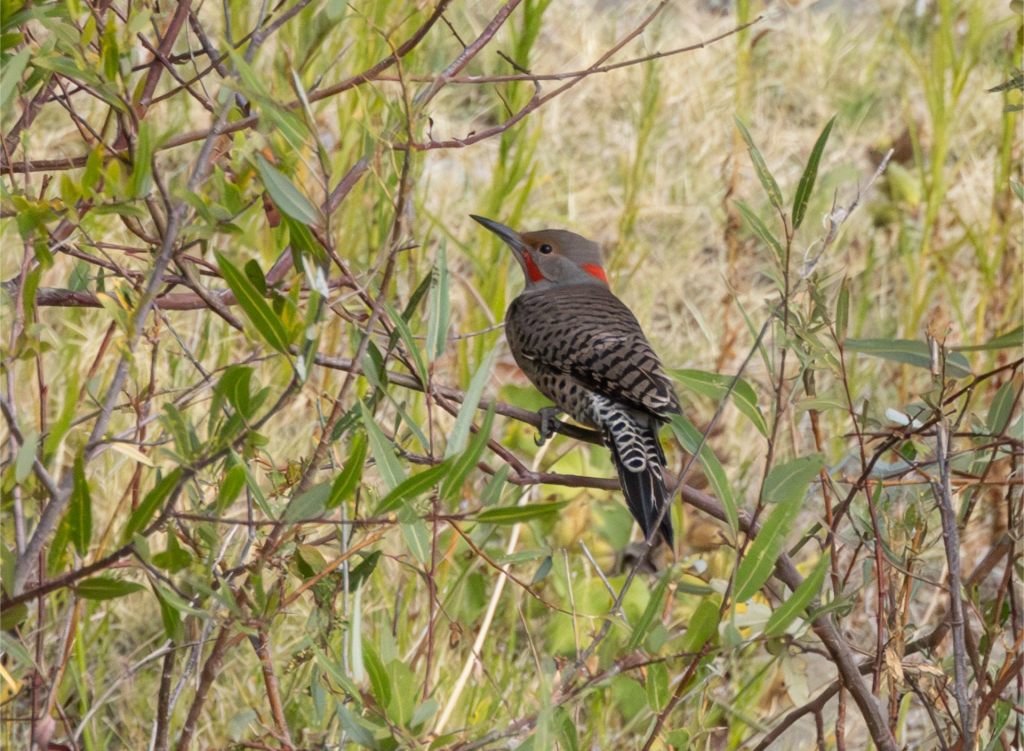
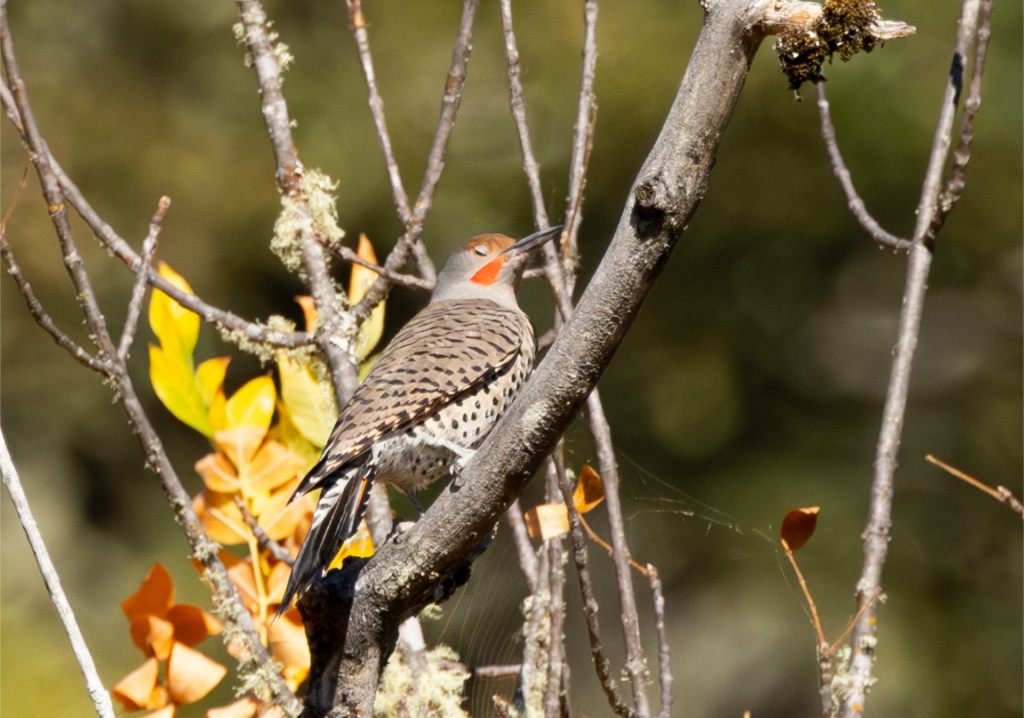
Snowy Egrets are much smaller than Great Egrets, are more active in their fishing practices, and have a black bill and orange feet.Once quite regularly seen along the river, American Pipits have become increasingly uncommon in the last few years.Say’s Phoebeis an uncommon winter visitor to our area.Willow Flycatchers show up at the river very briefly each early fall as they disperse from their breeding areasThis is a Northern Flicker. She has the “yellow-shafted” trait, unlike what we normally see around here, the “red-shafted.” This one is an “intergrade”, a hybrid of true red-shafted and yellow-shafted as she has traits of both varieties. If she were a full yellow-shafted she would have a red chevron on the back of her neck. This is another intergrade flicker, this time a male who has red shafts but also the red Chevron on the nape, typically a trait of the yellow-shafted.
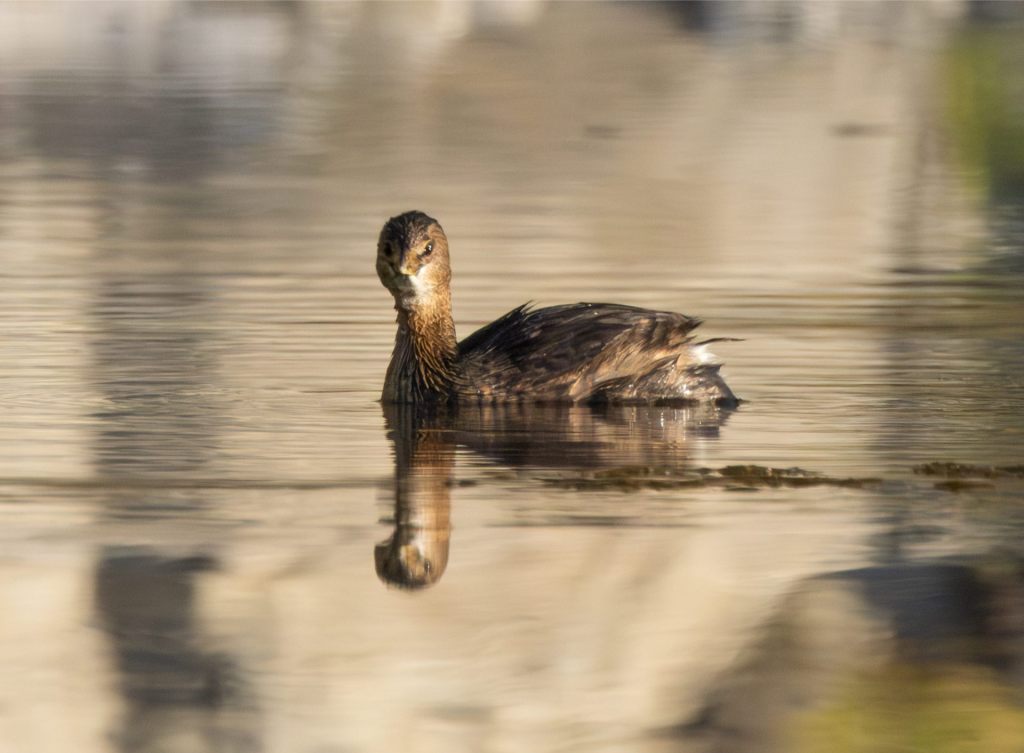
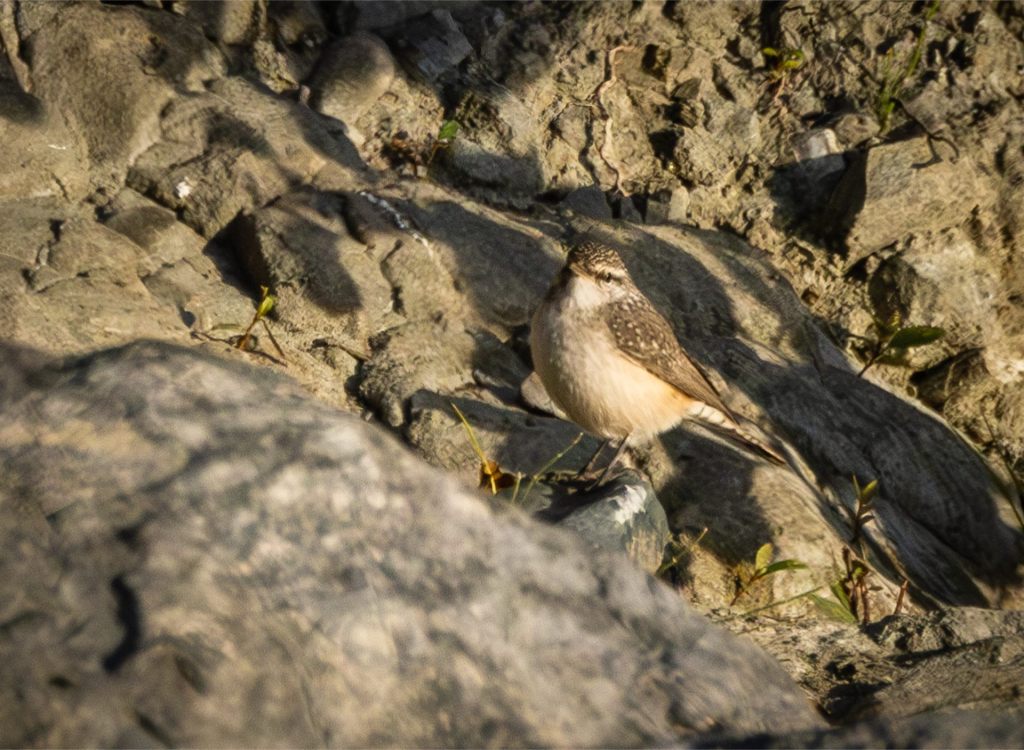
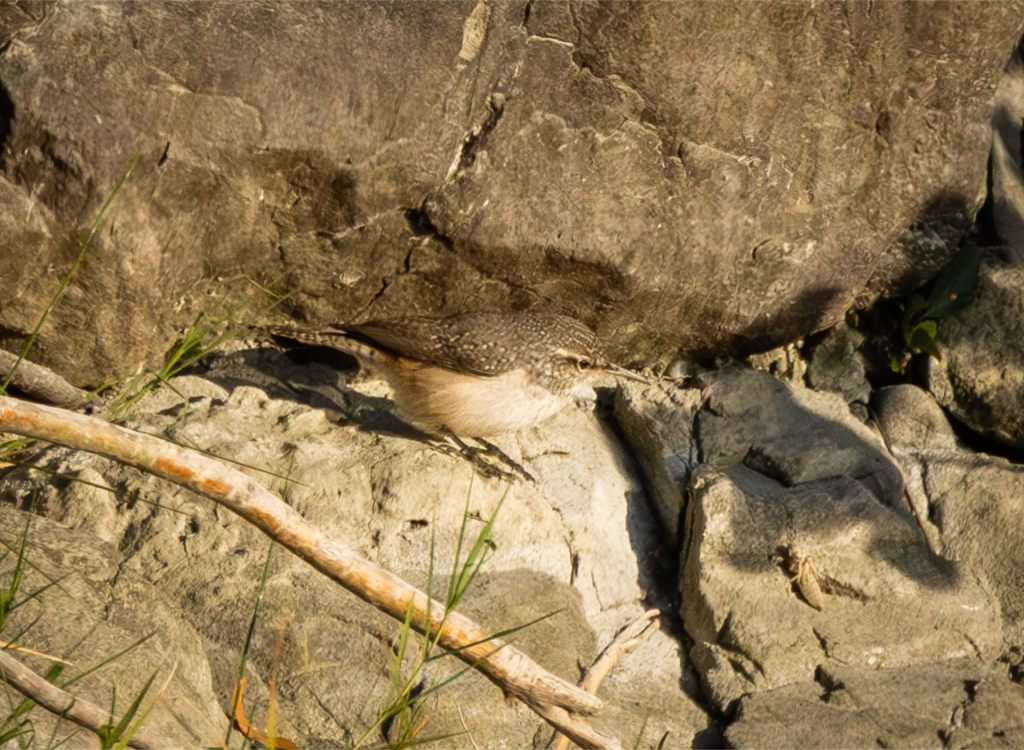
Pied-billed Grebe was around for a few days.Rock Wrenwas a surprise to see by the river. It’s the first one I’ve ever seen here. Rock Wren
Short video shows Rock Wren foraging for food beside the river
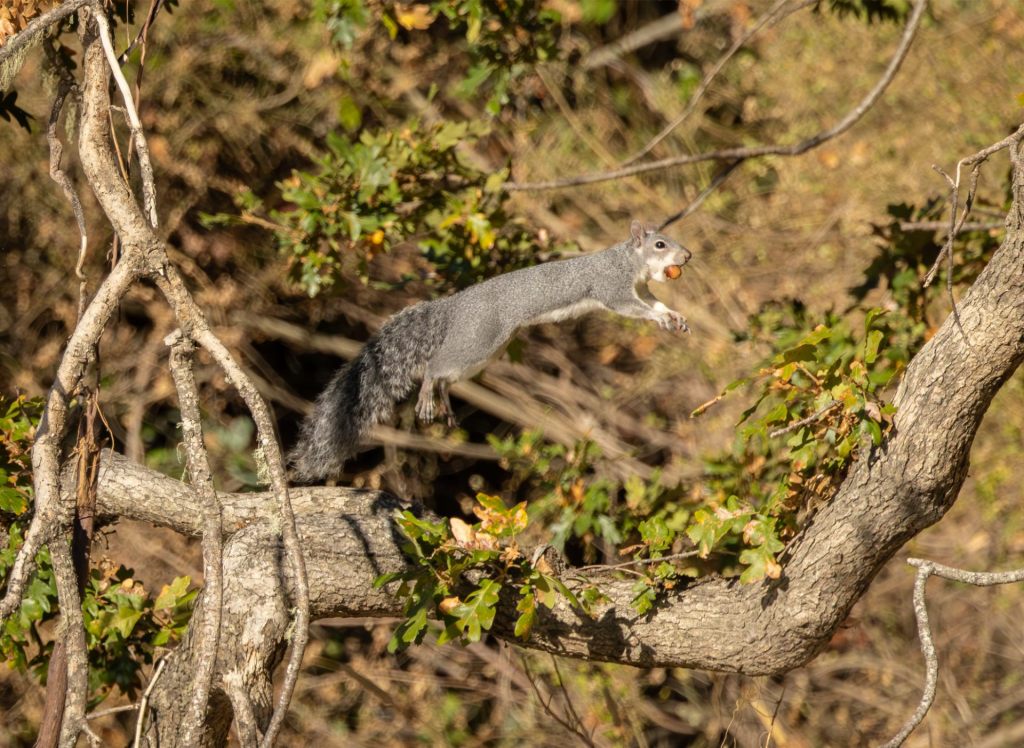
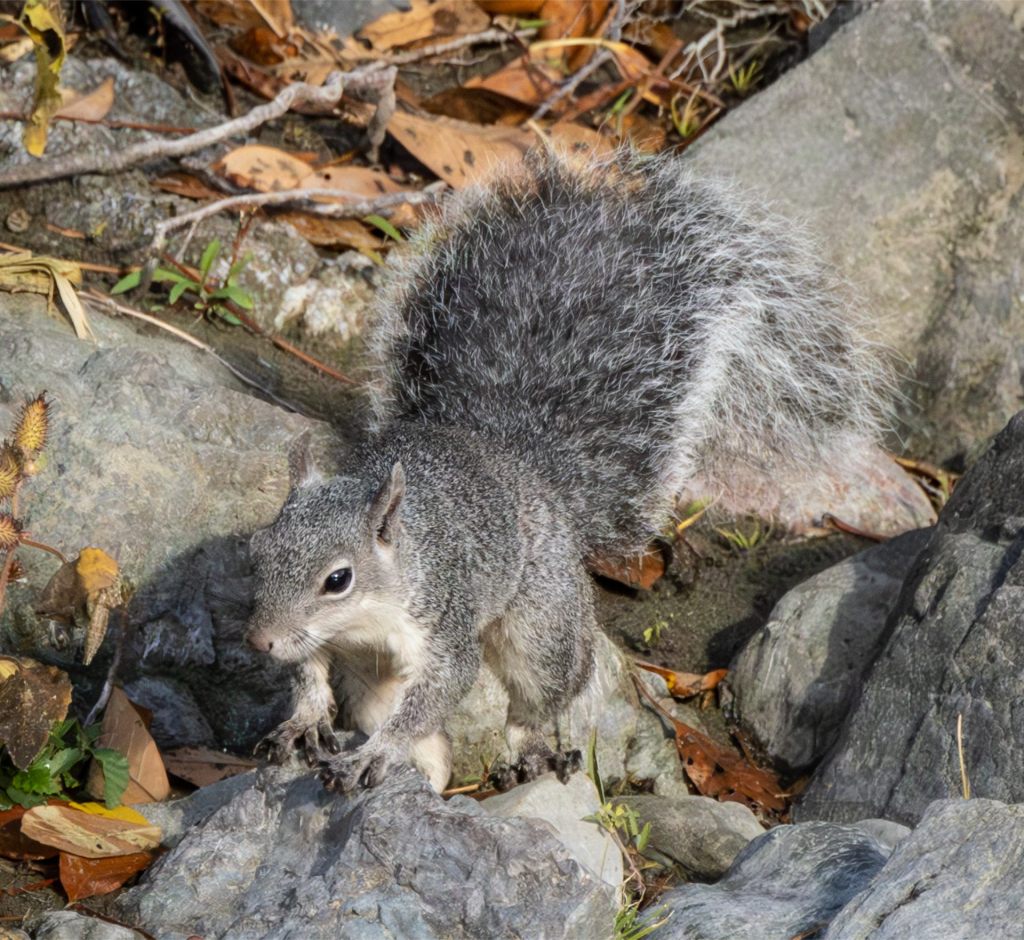
California Gray Squirrel
Squirrels are busy stashing acorns
An acrobatic leap on the way to a caching spotSquirrel making its way to the river for a drink
Video showing squirrel behavior near the river
Raptors
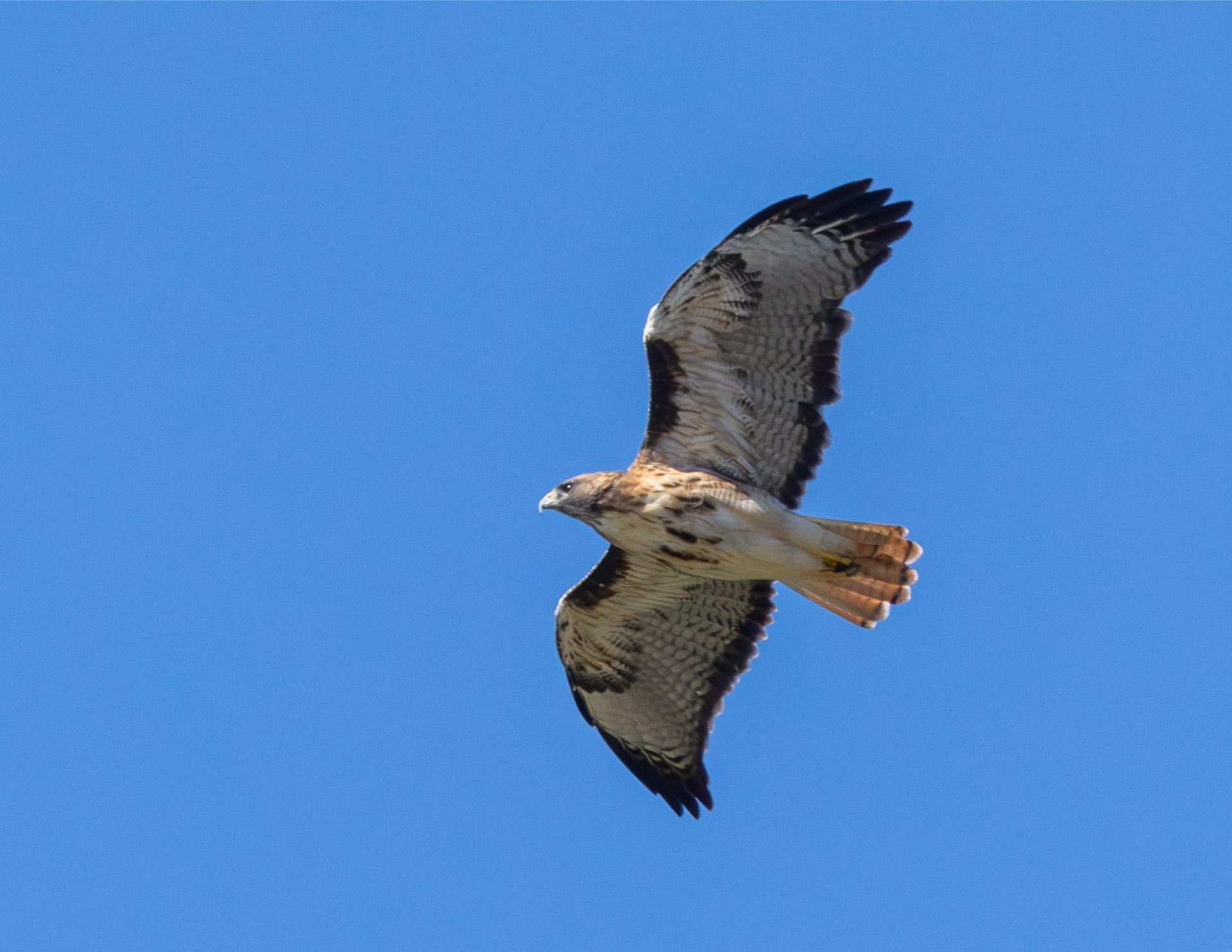
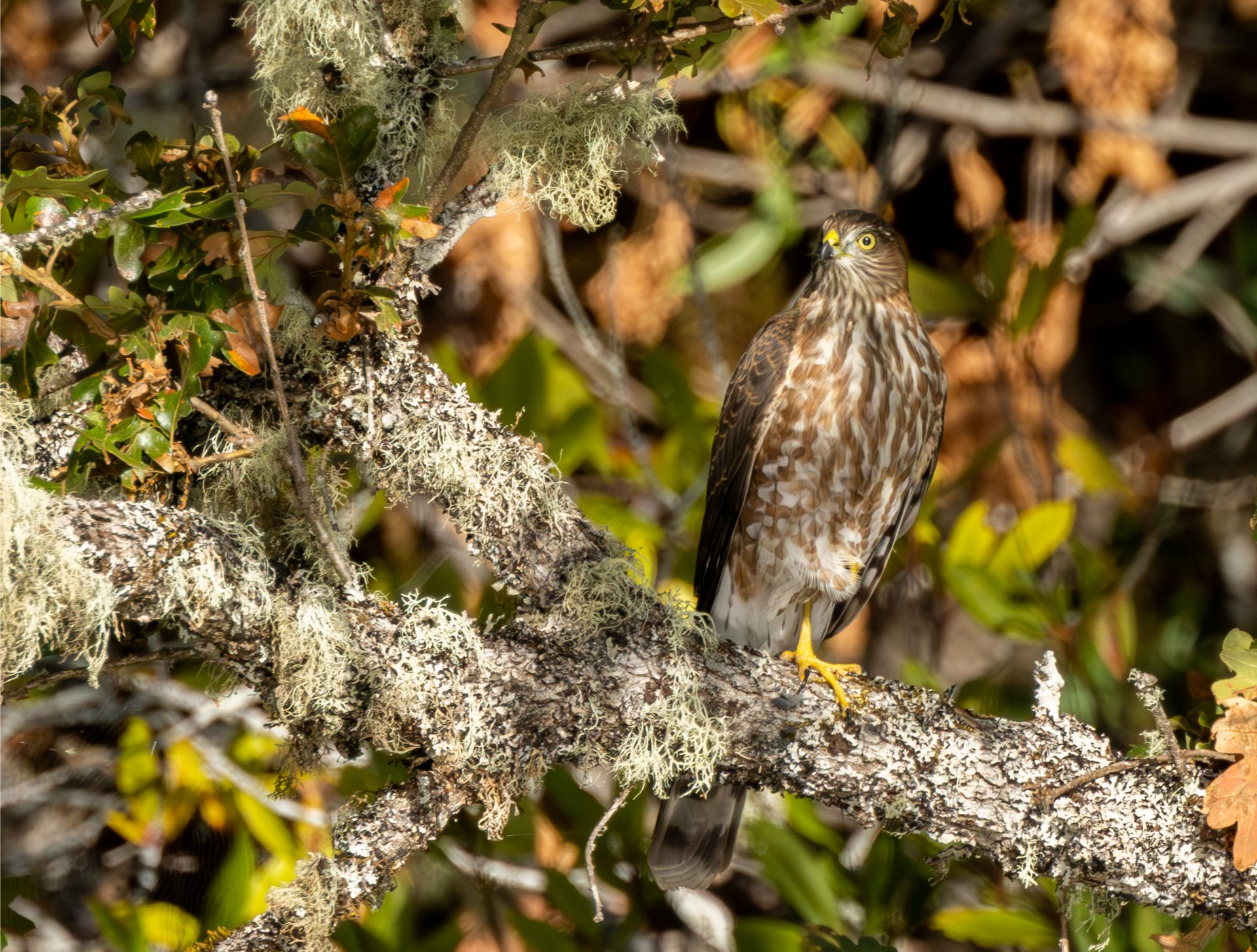
Red-tailed Hawk. I believe this is the dad of a pair that breeds nearby every year.Sharp-shinned Hawk, immature
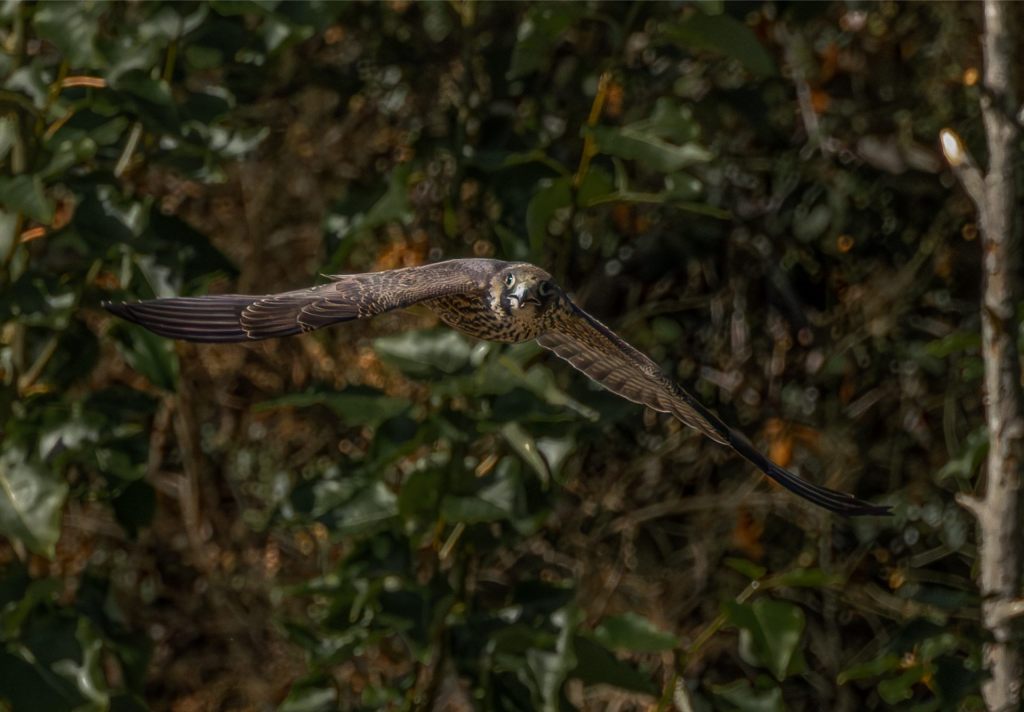
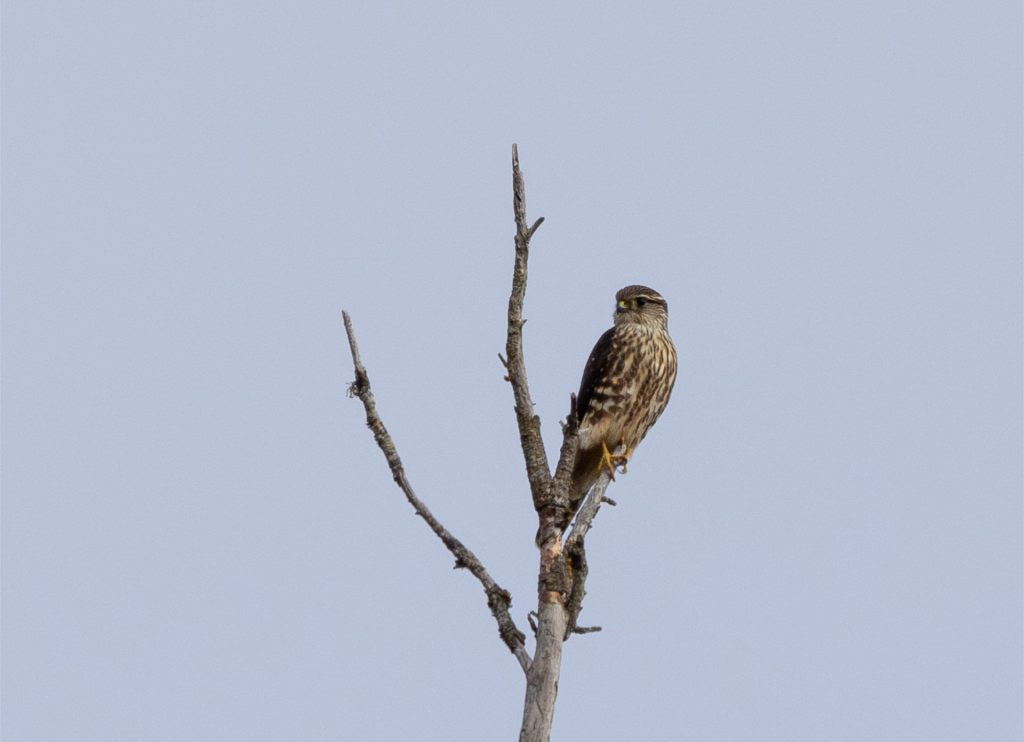
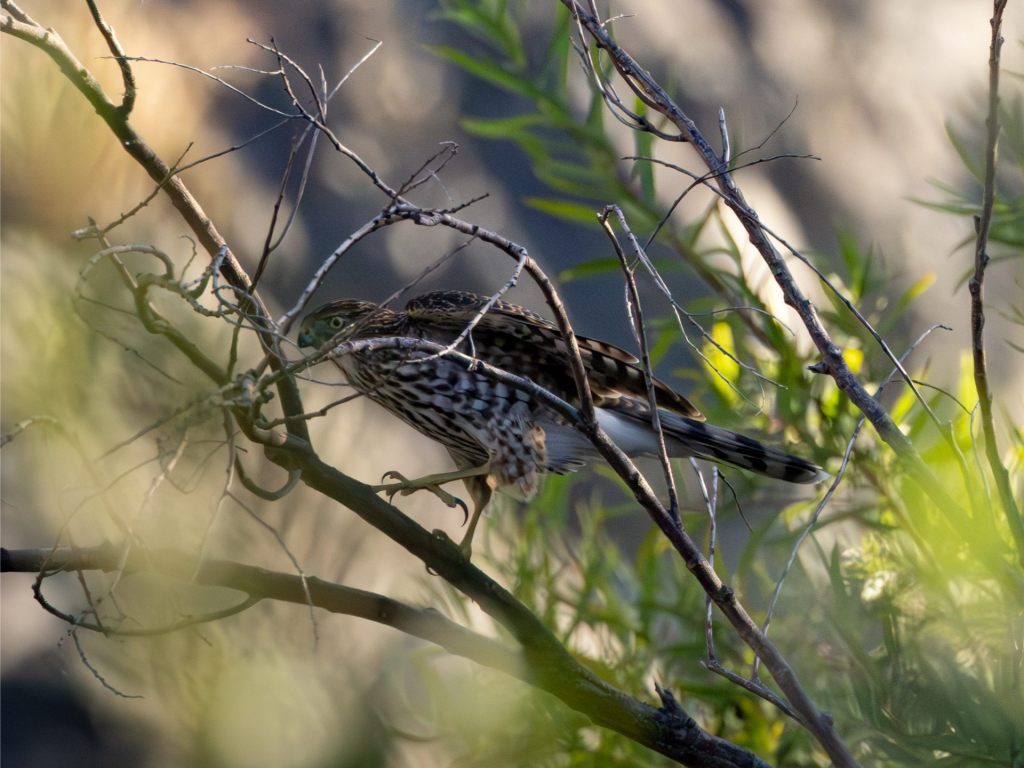
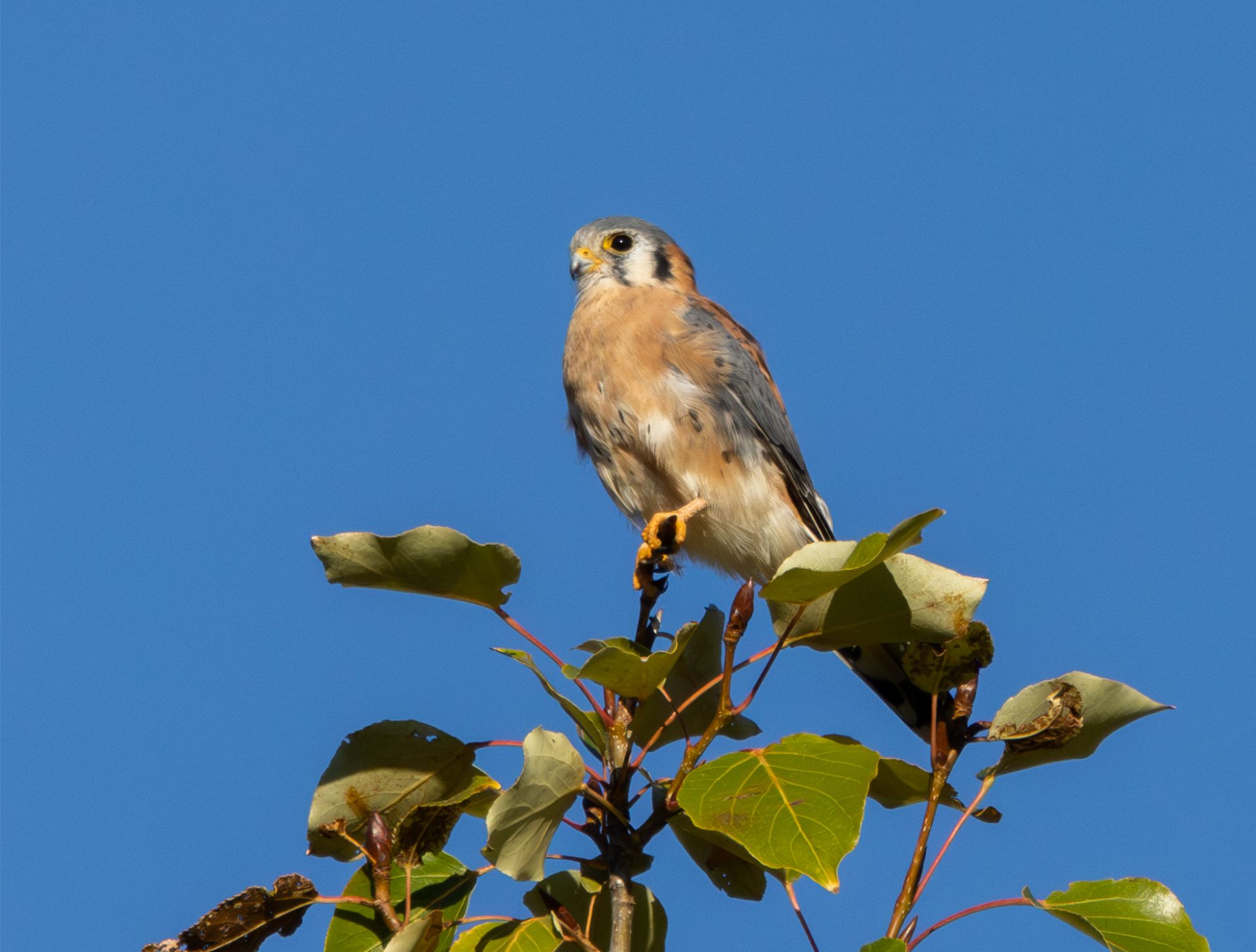
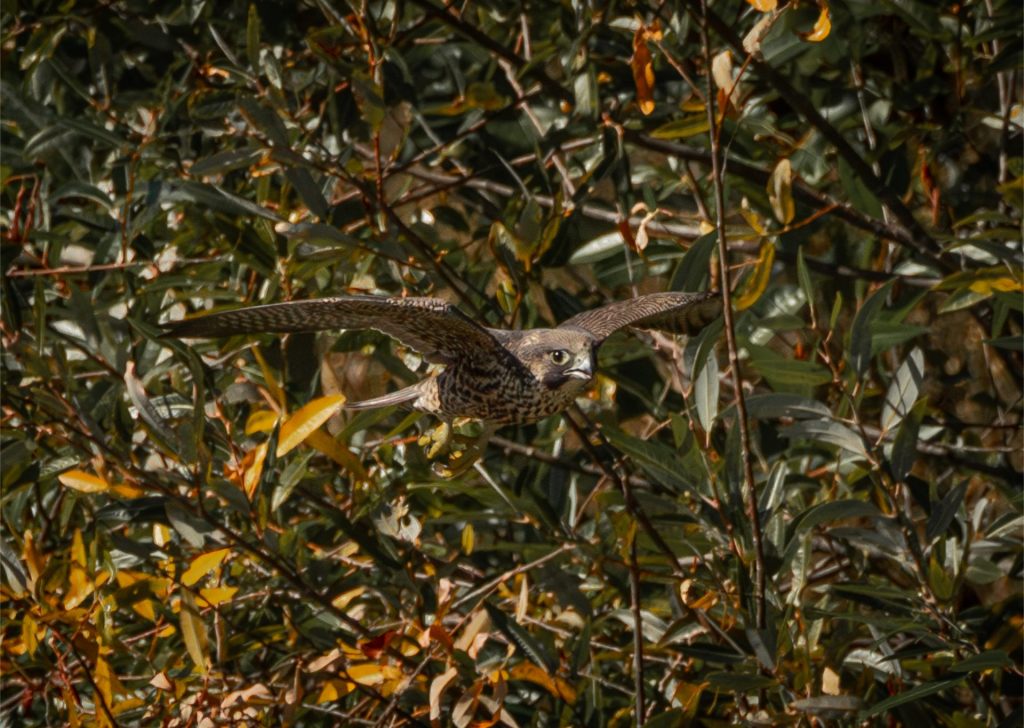
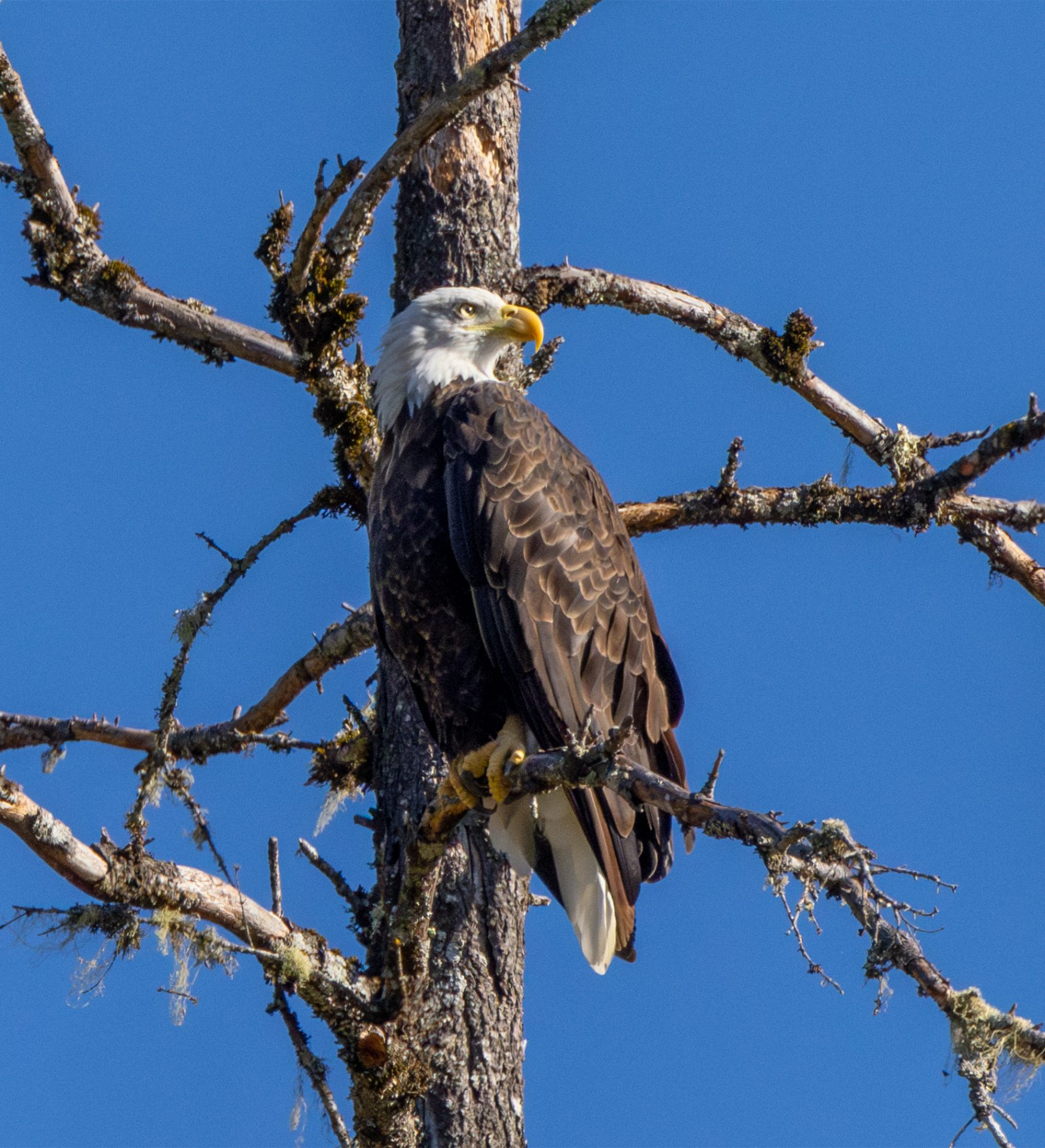
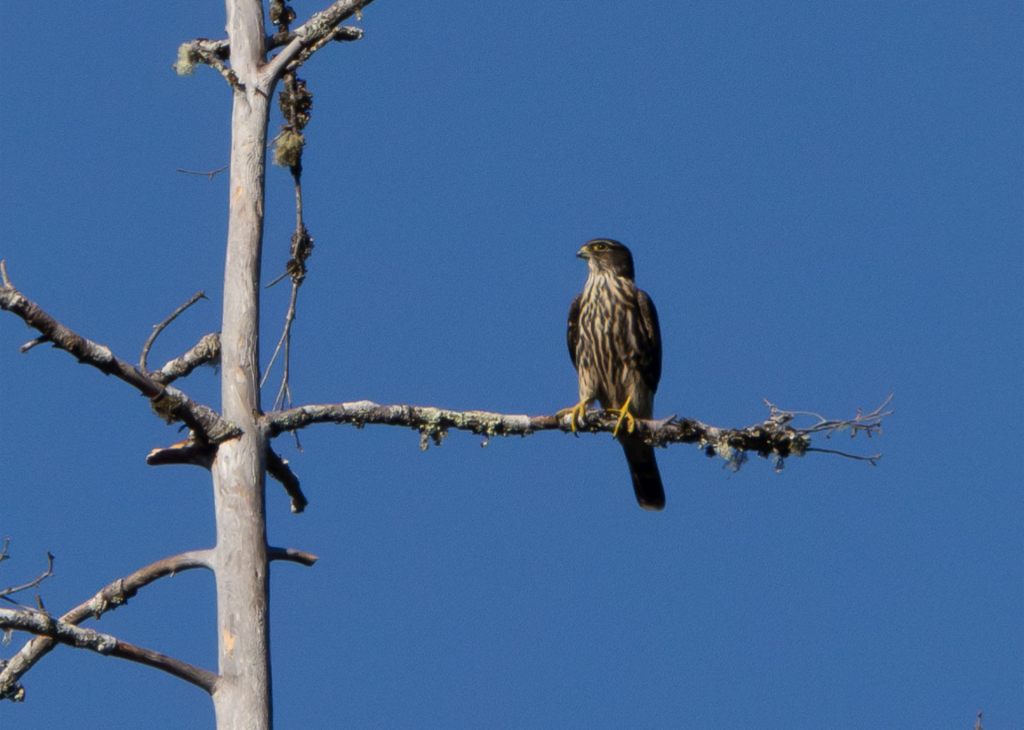
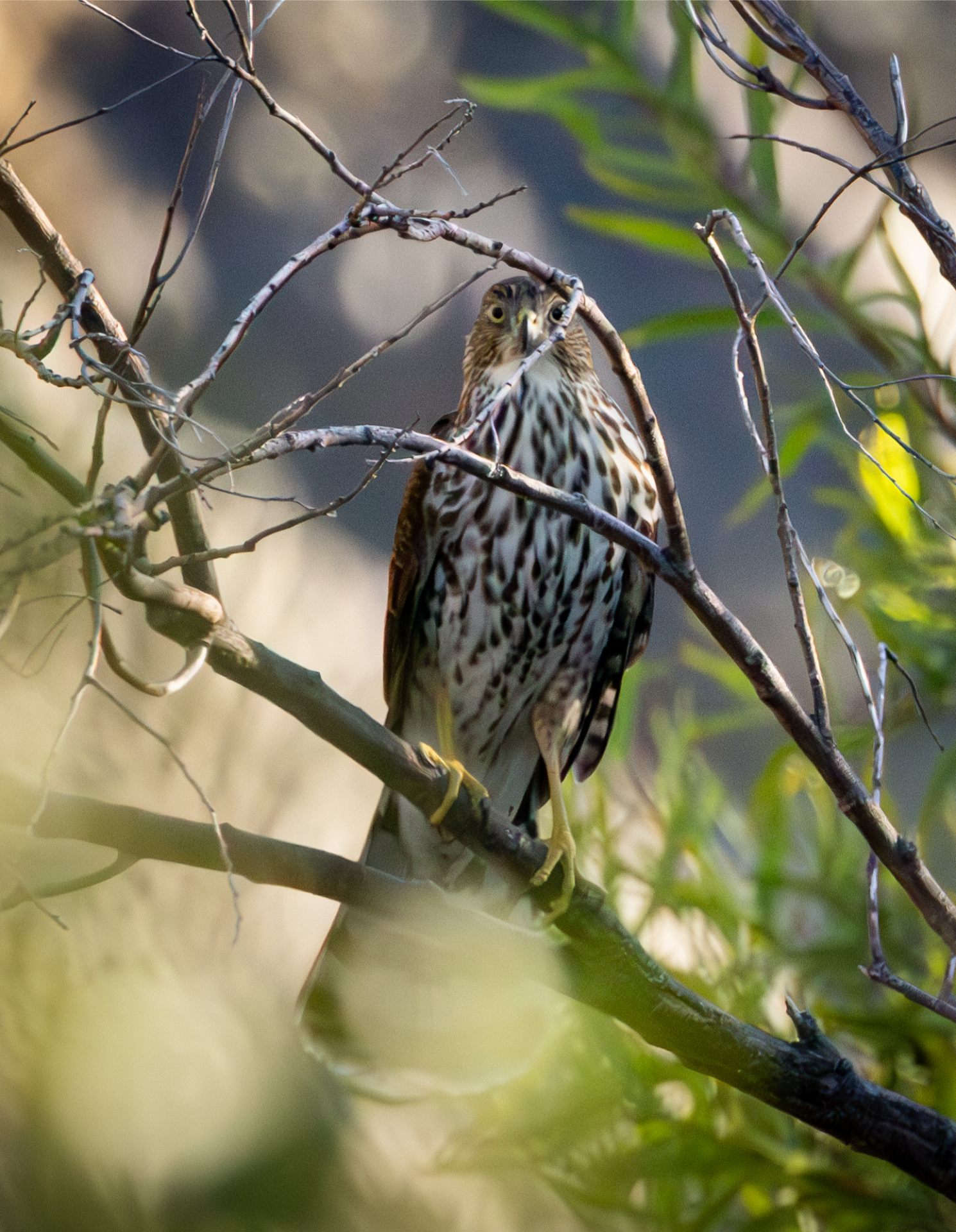
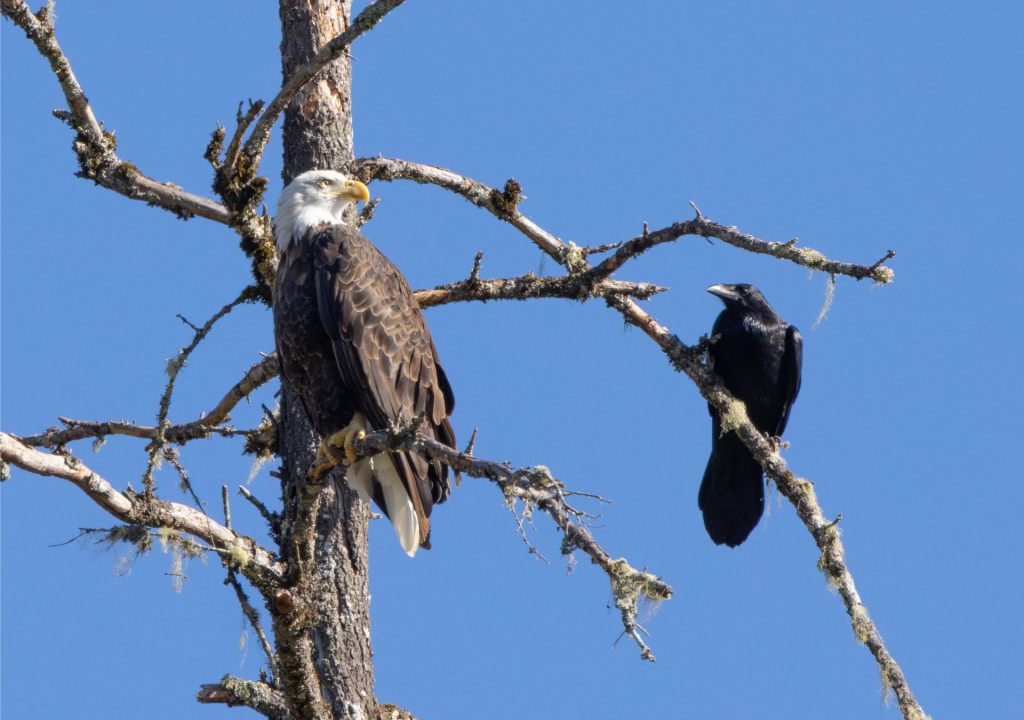
This immature Peregrine Falcon caused quite a stir among the Ravens when it showed up.This Merlin was one of three different Merlins I have seen this fall. They are our second smallest falcon.This immature Cooper’s Hawk had just taken a swipe at a Black-tailed Jackrabbit next to the river. It is just learning how to hunt.Male American Kestrel, our smallest falcon.Immature Peregrine FalconBald Eagle stopped by for a brief visit.Merlin. Falcons give the best side-eye.Immature Cooper’s Hawk
Arrivals and Departures
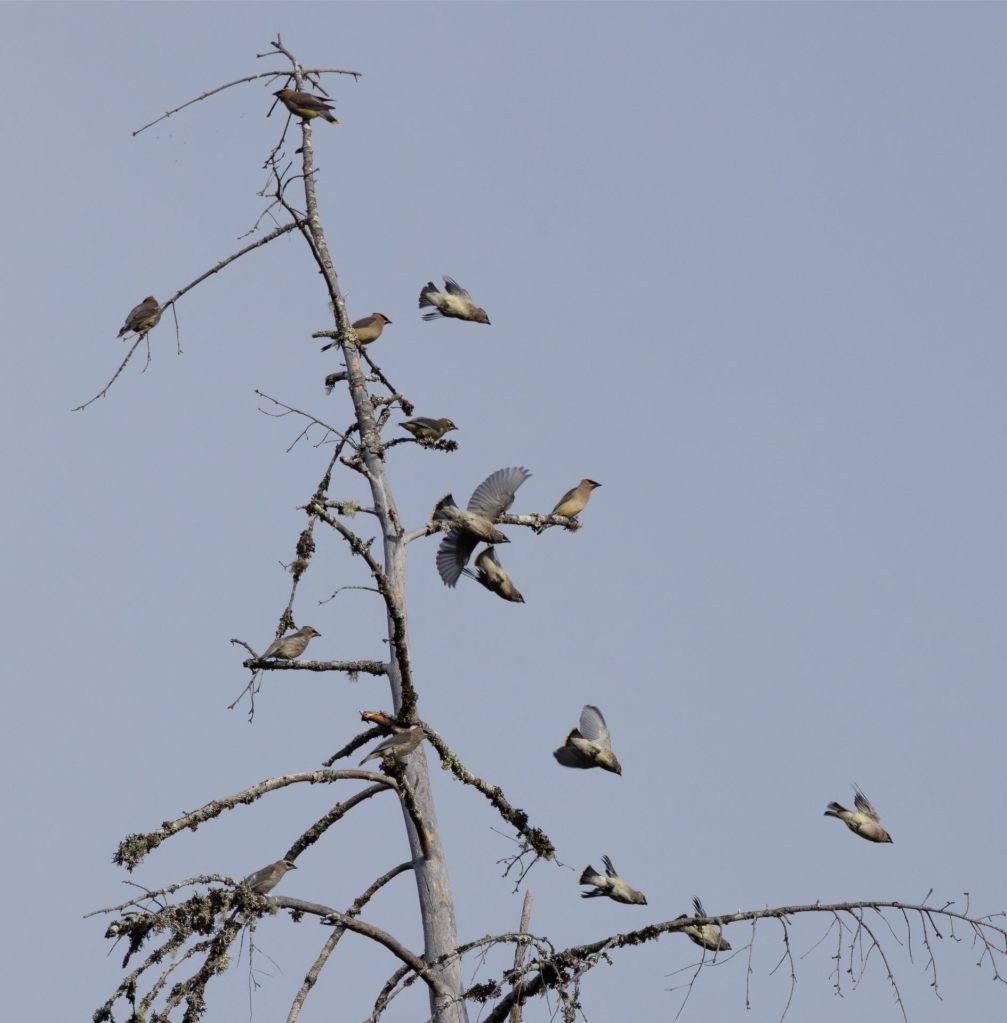
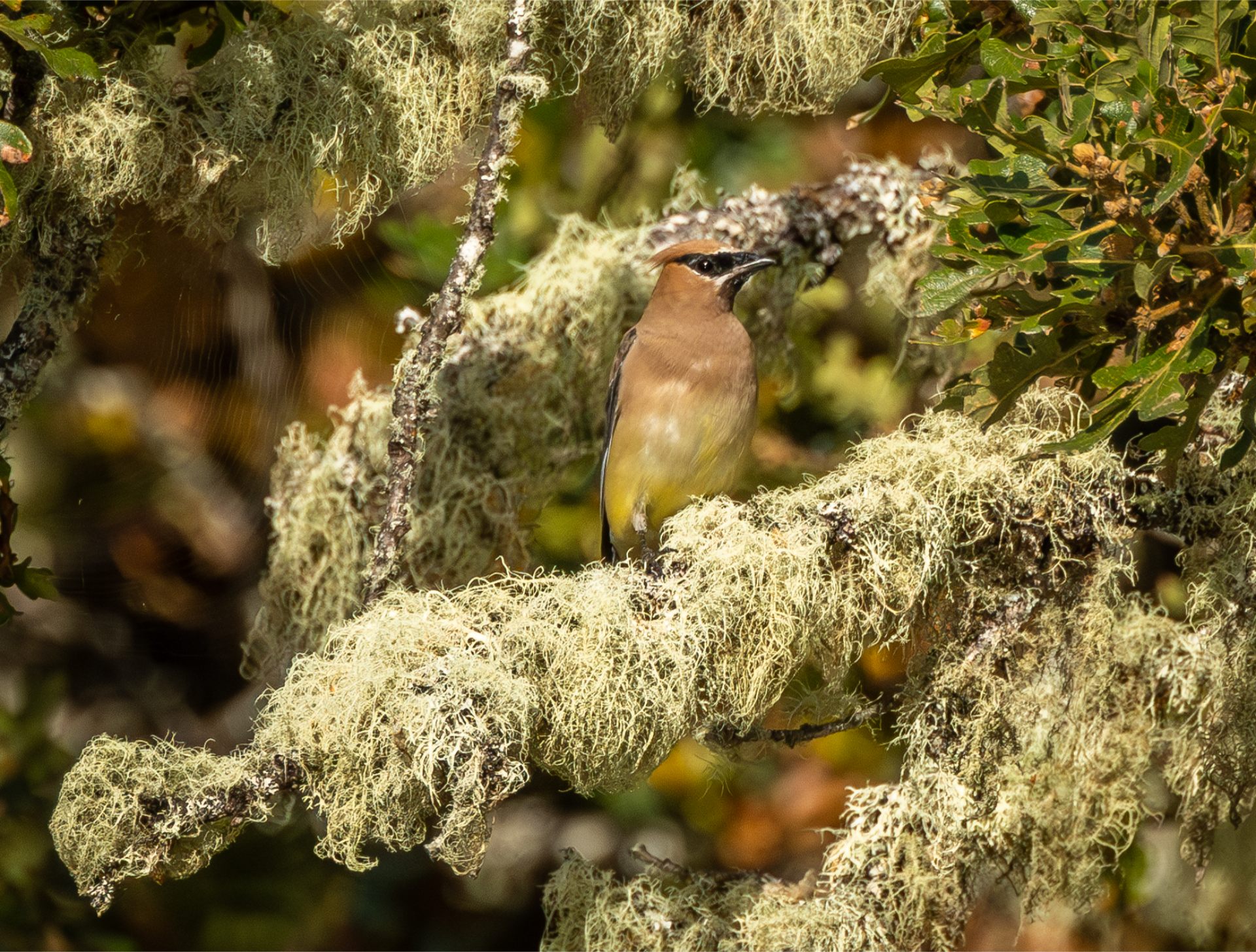
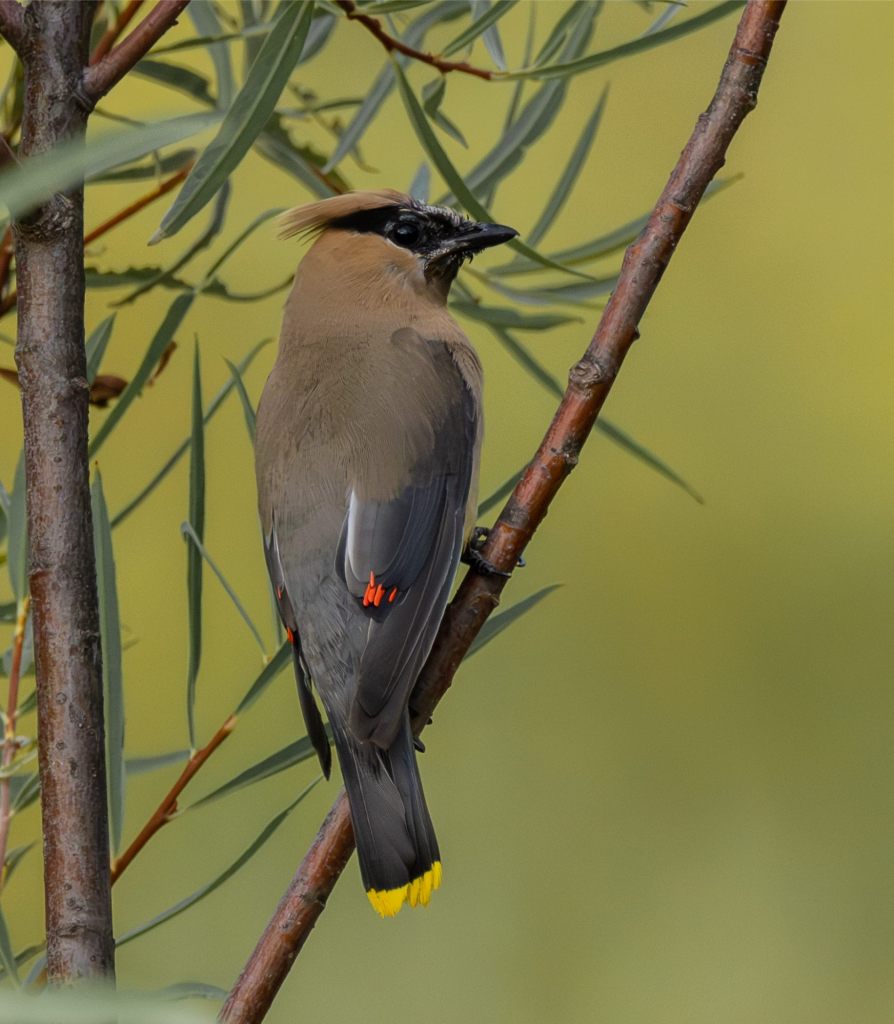
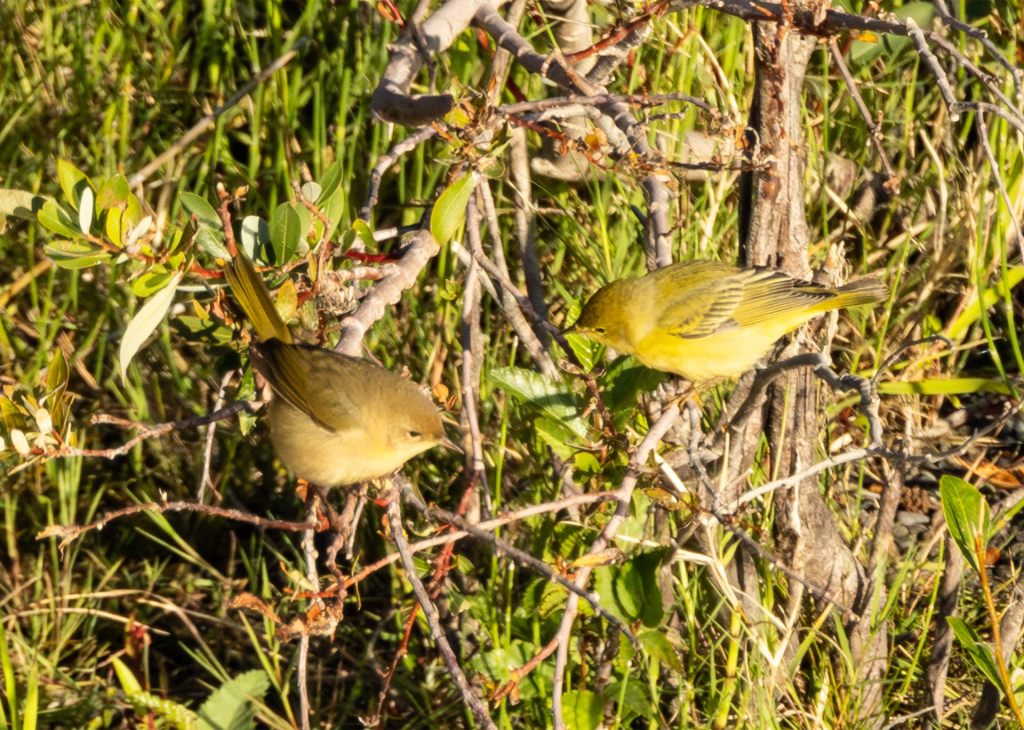
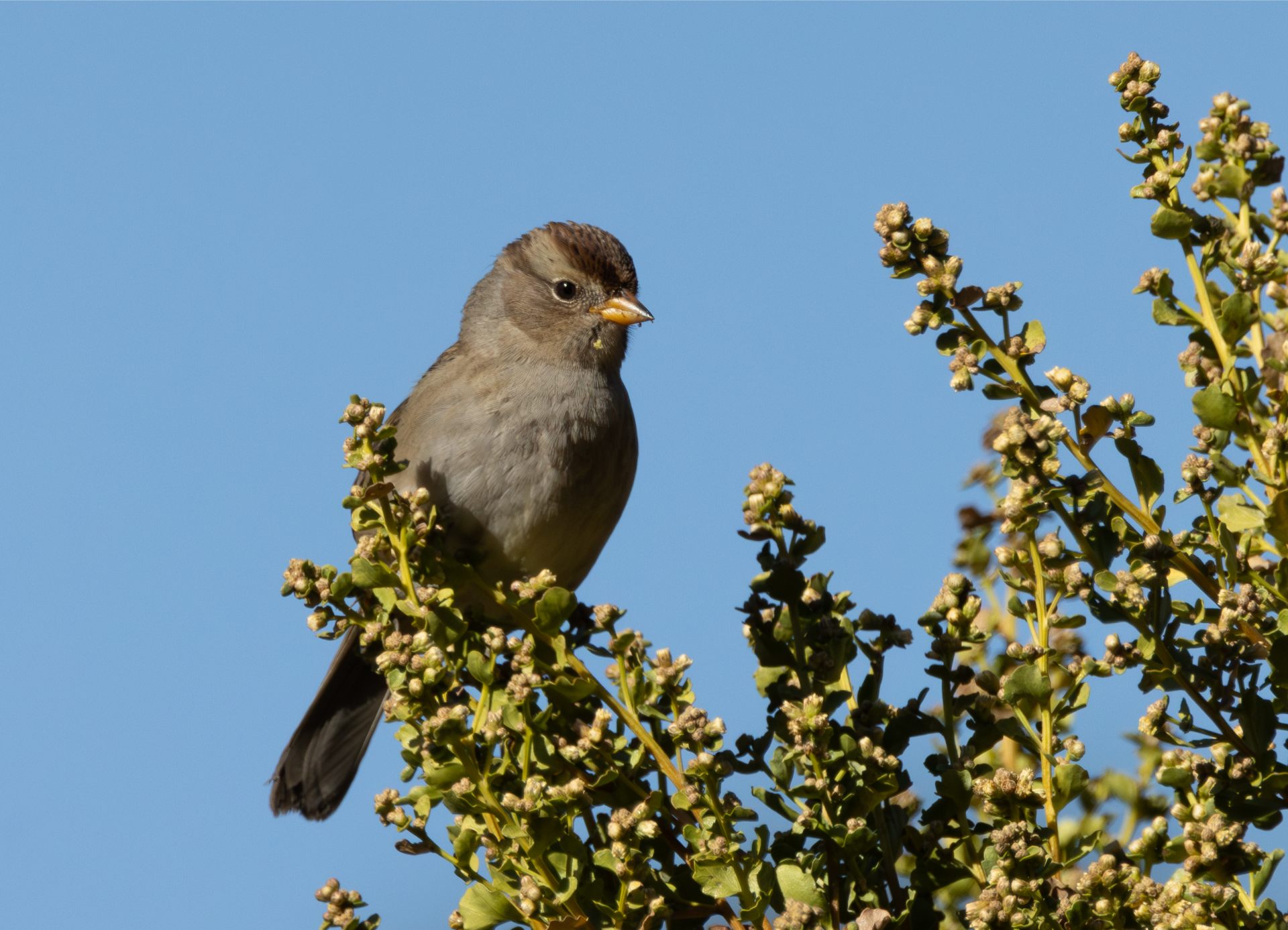
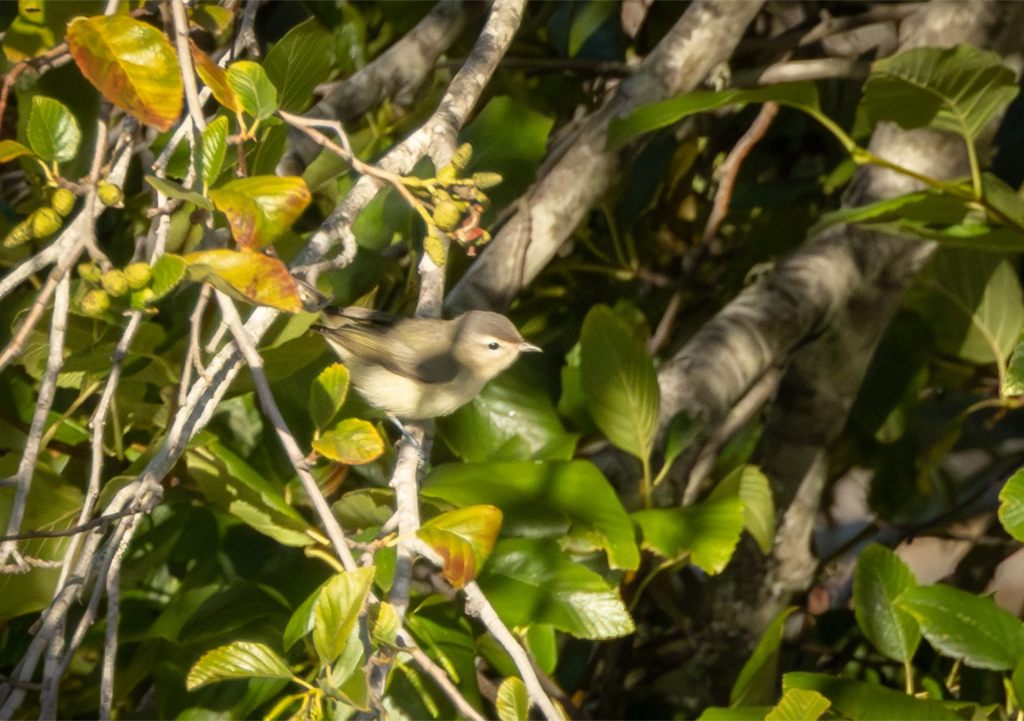
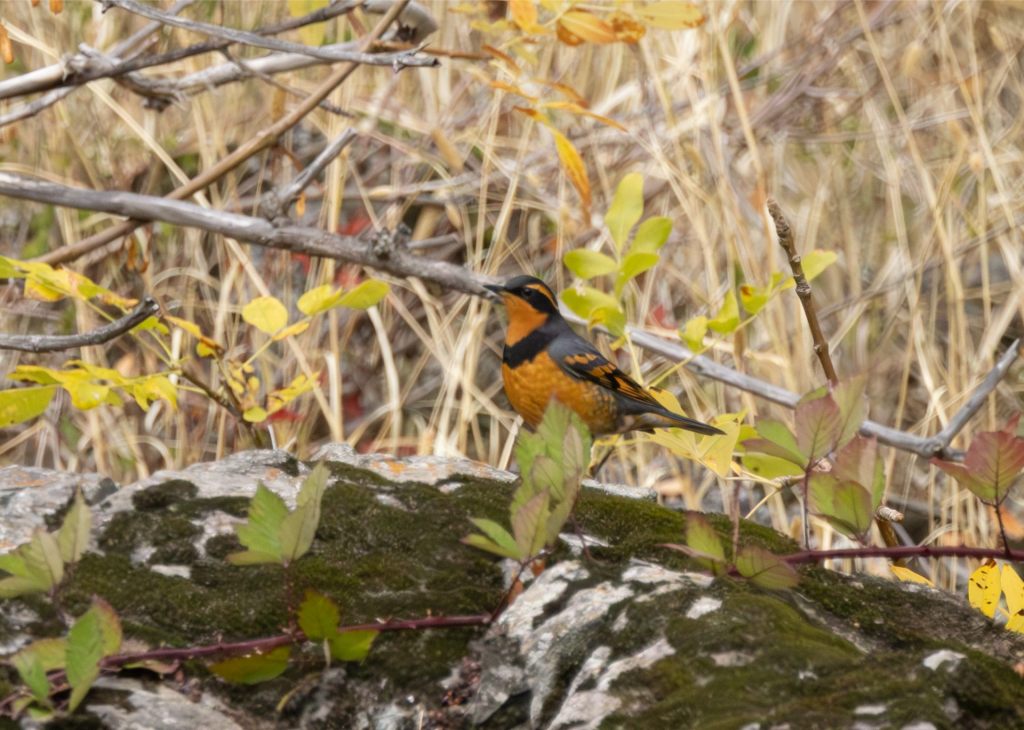
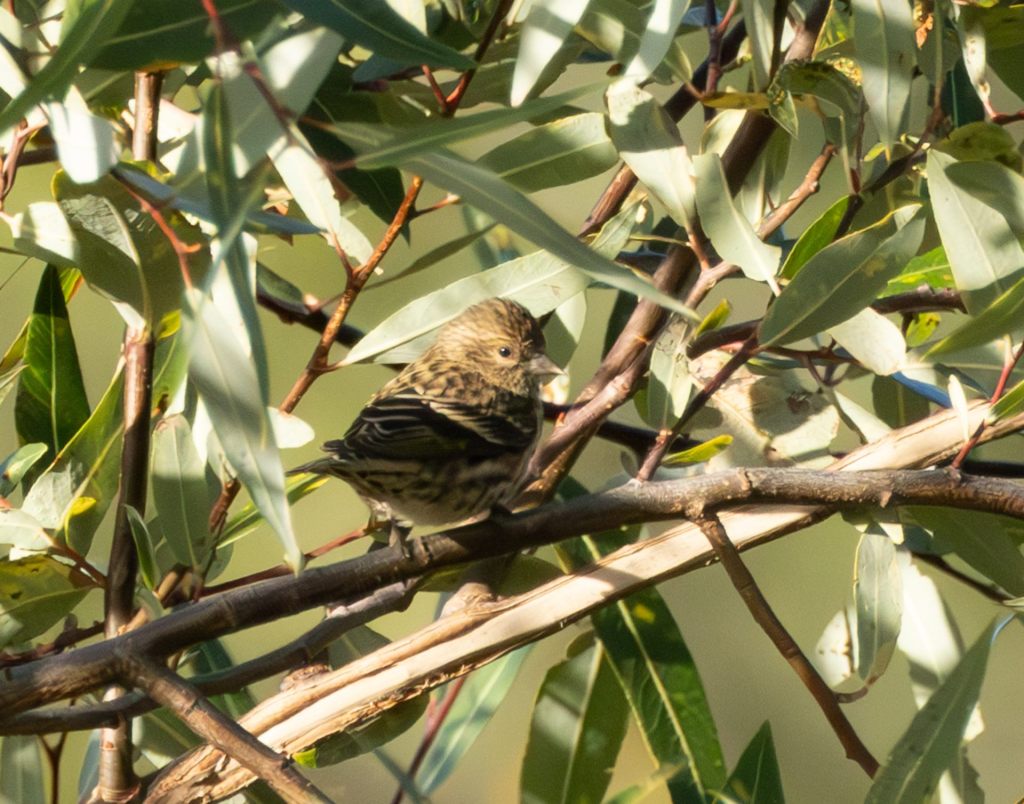
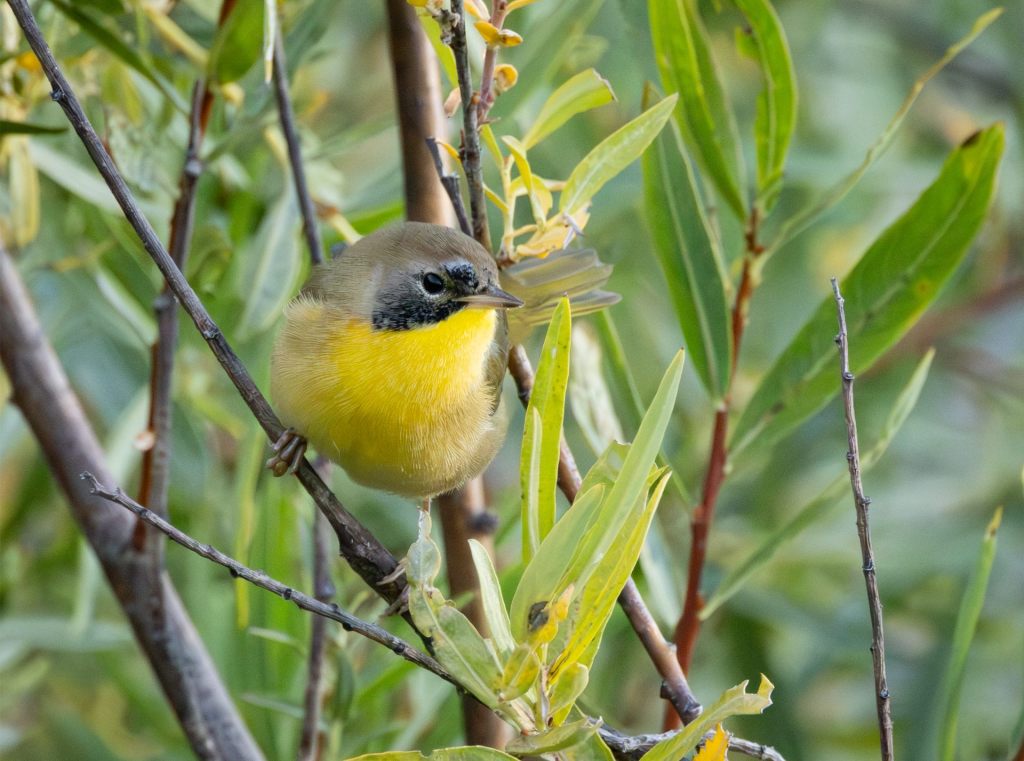
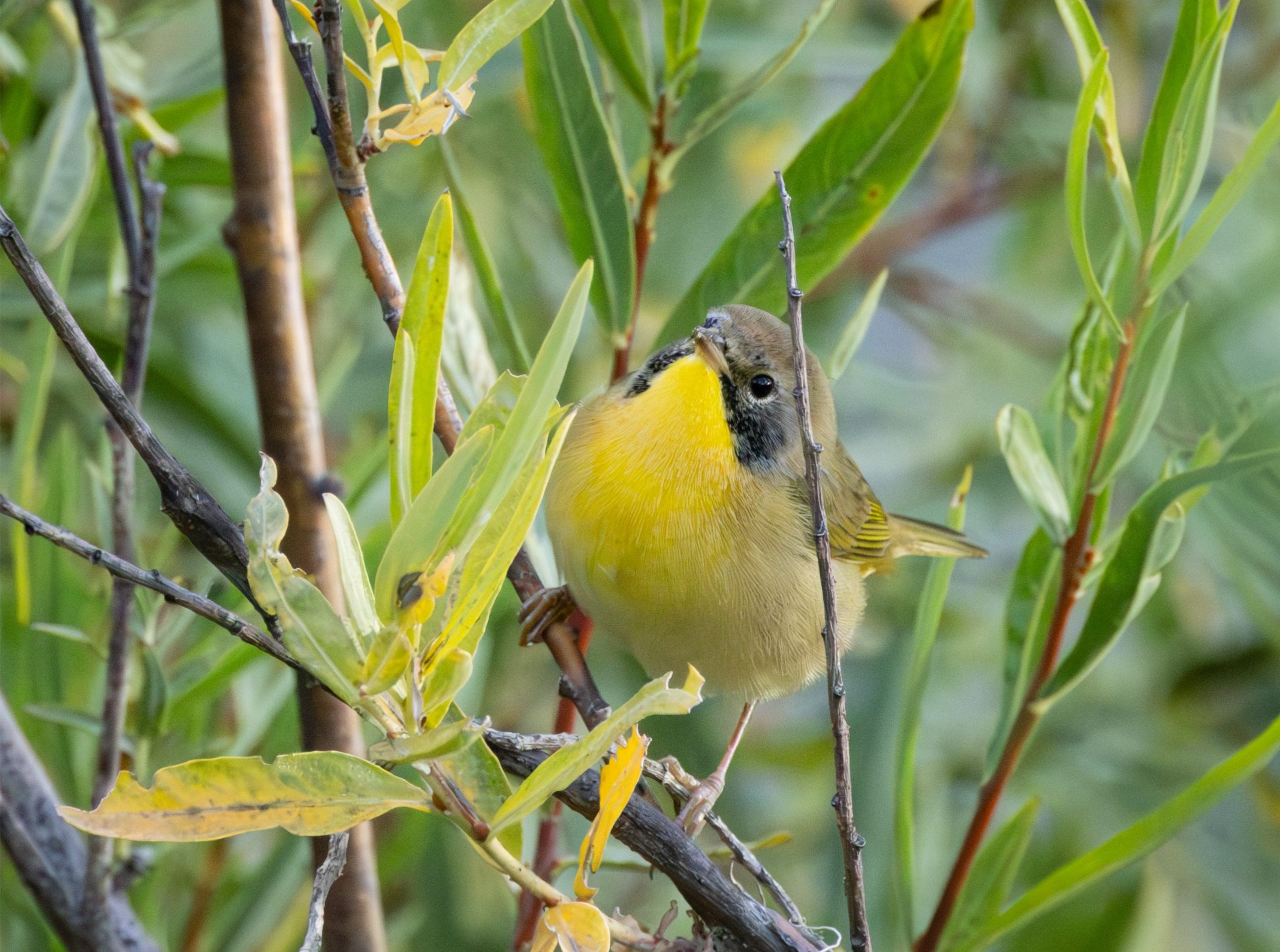
Cedar Waxwings come through in big groups each fall, feasting on berries and insects.Cedar WaxwingCedar Waxwing showing the red waxy feather tips the bird is named for. The tips increase as the bird ages and may be a kind of waxwing status symbol, leading more mature birds to choose other mature birds as mates.Two species of warbler who stay a little later than some other neo-tropical migrants. Common Yellow throat female on the left and Yellow Warbler female on the right.Immature White-crowned Sparrow has arrived for the winter from breeding groundsto the north.This Western Warbling Vireo is another neo-tropical migrant who stays around a bit later after breeding nearbyOne of my favorite winter arrivals is the Varied ThrushPine Siskins are unpredictable irruptive winter visitors. Some years we don’t see them, other years they are everywhere. A small member of the finch family, I have been seeing numerous flocks of siskins moving through this fall
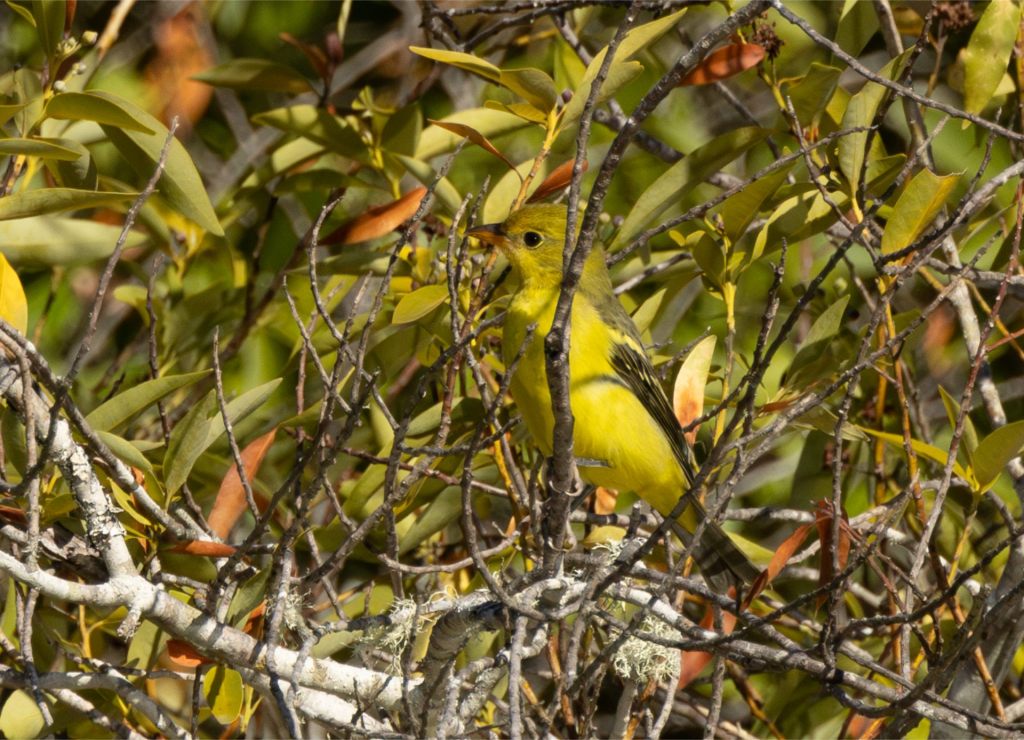
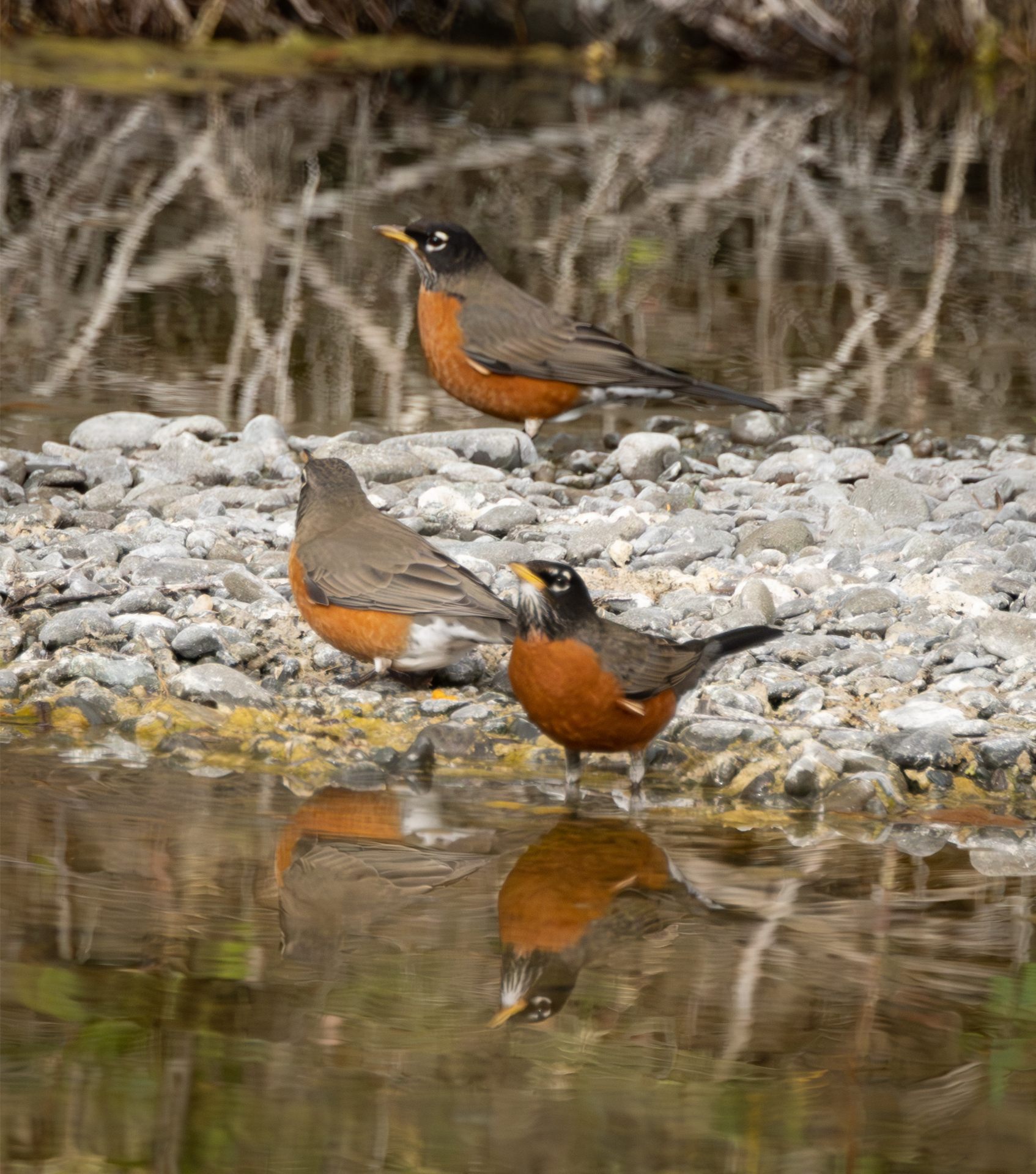
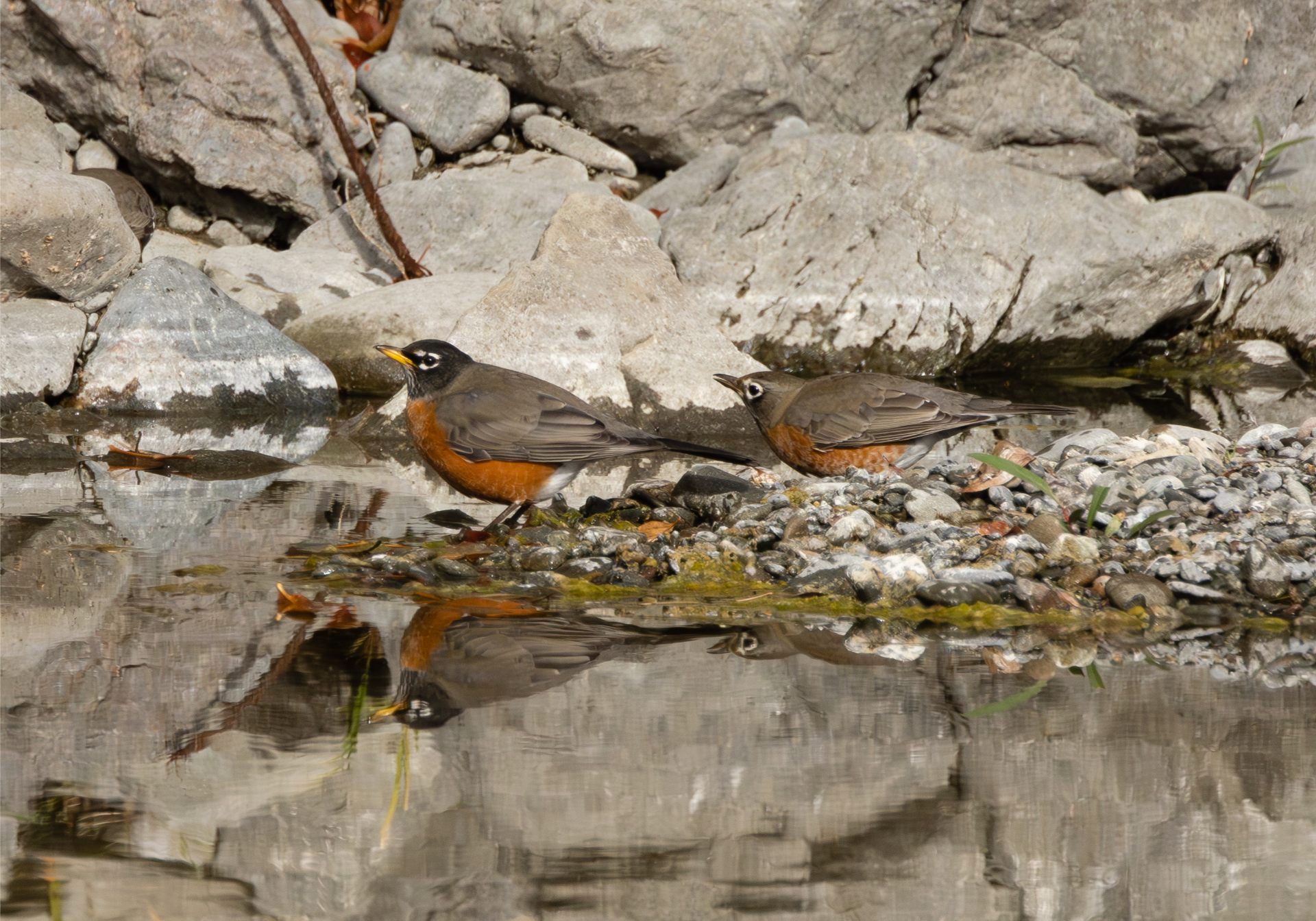
Another neo-tropical migrant that stays late is the Western Tanager. American Robins have been arriving by the hundreds over the past couple weeks. The red berries produced by toyon and madrone are a favorite food. The berries are abundant this year, and the Robins have taken notice.American Robins. I wonder if the bird on the right is immature as it’s in the “begging for food” posture, seemingly being ignored by the adult on the left.
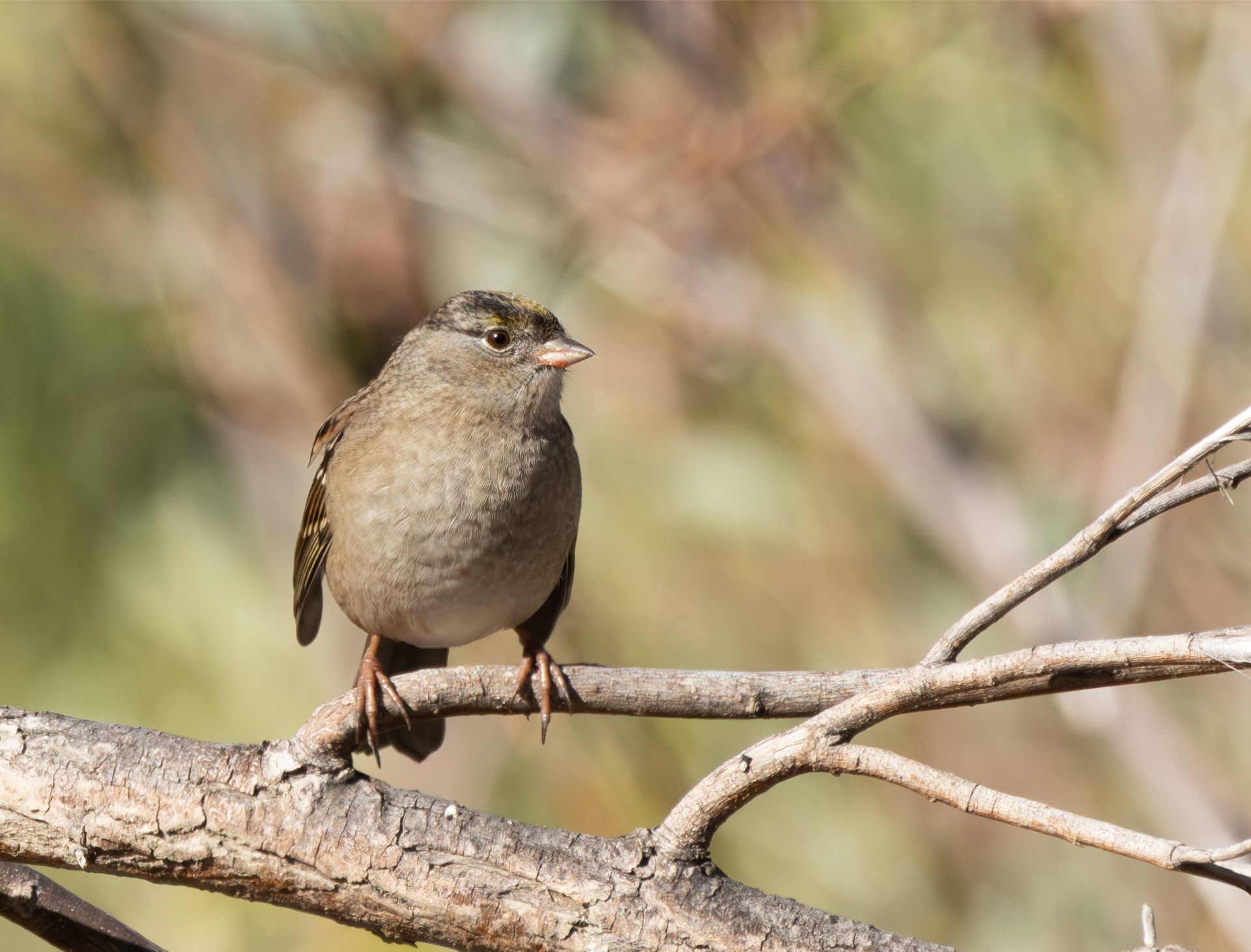
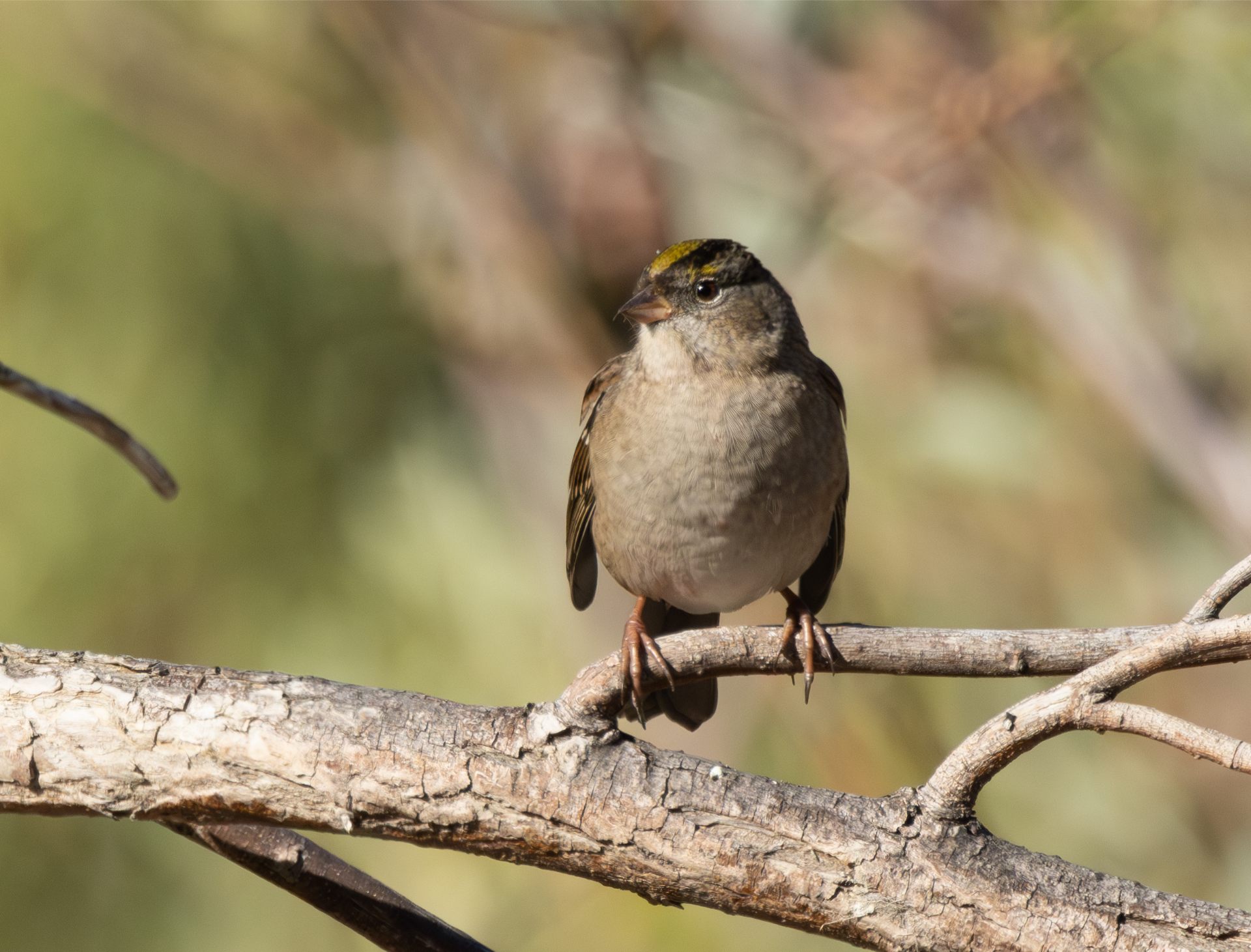
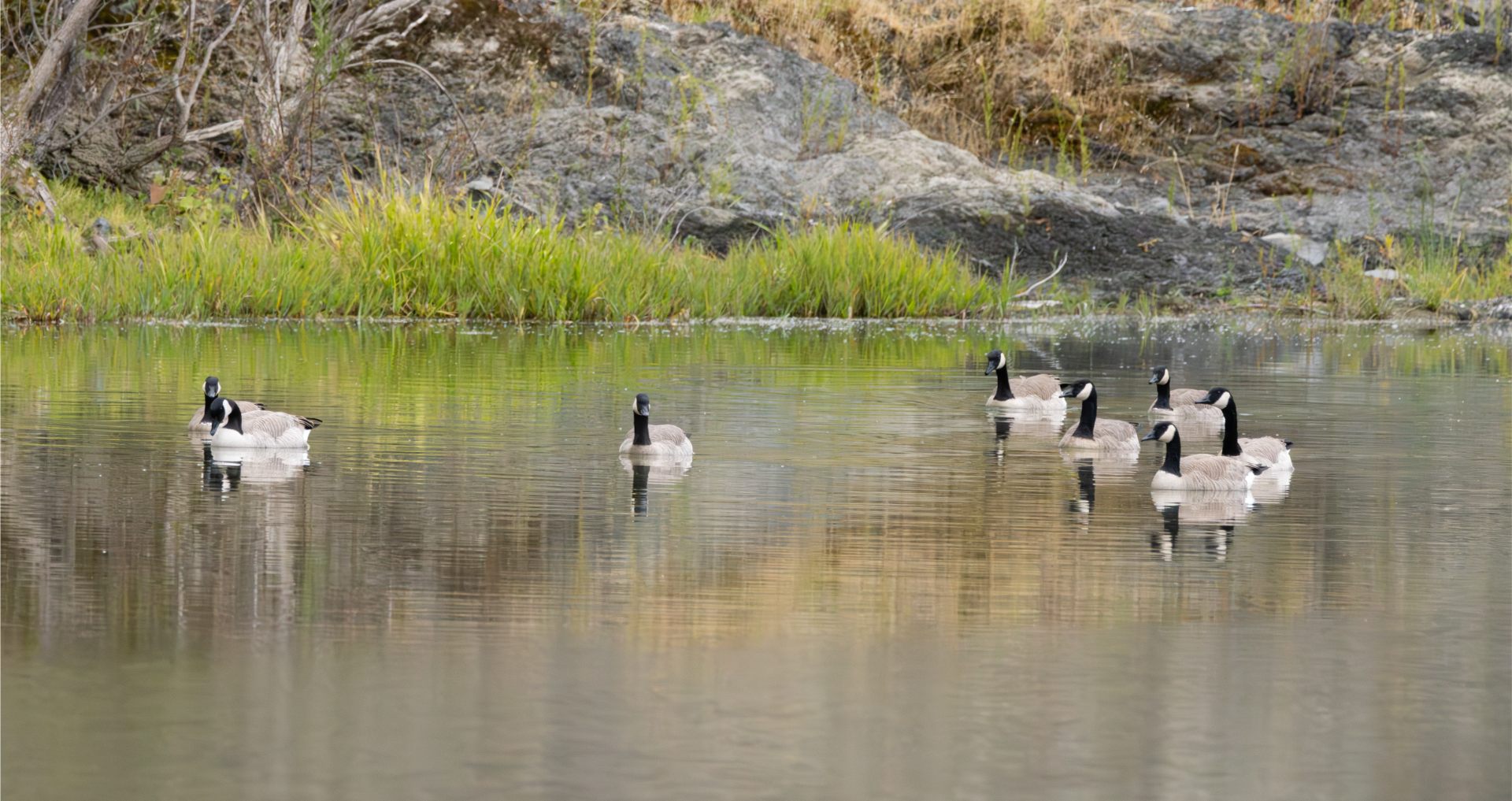
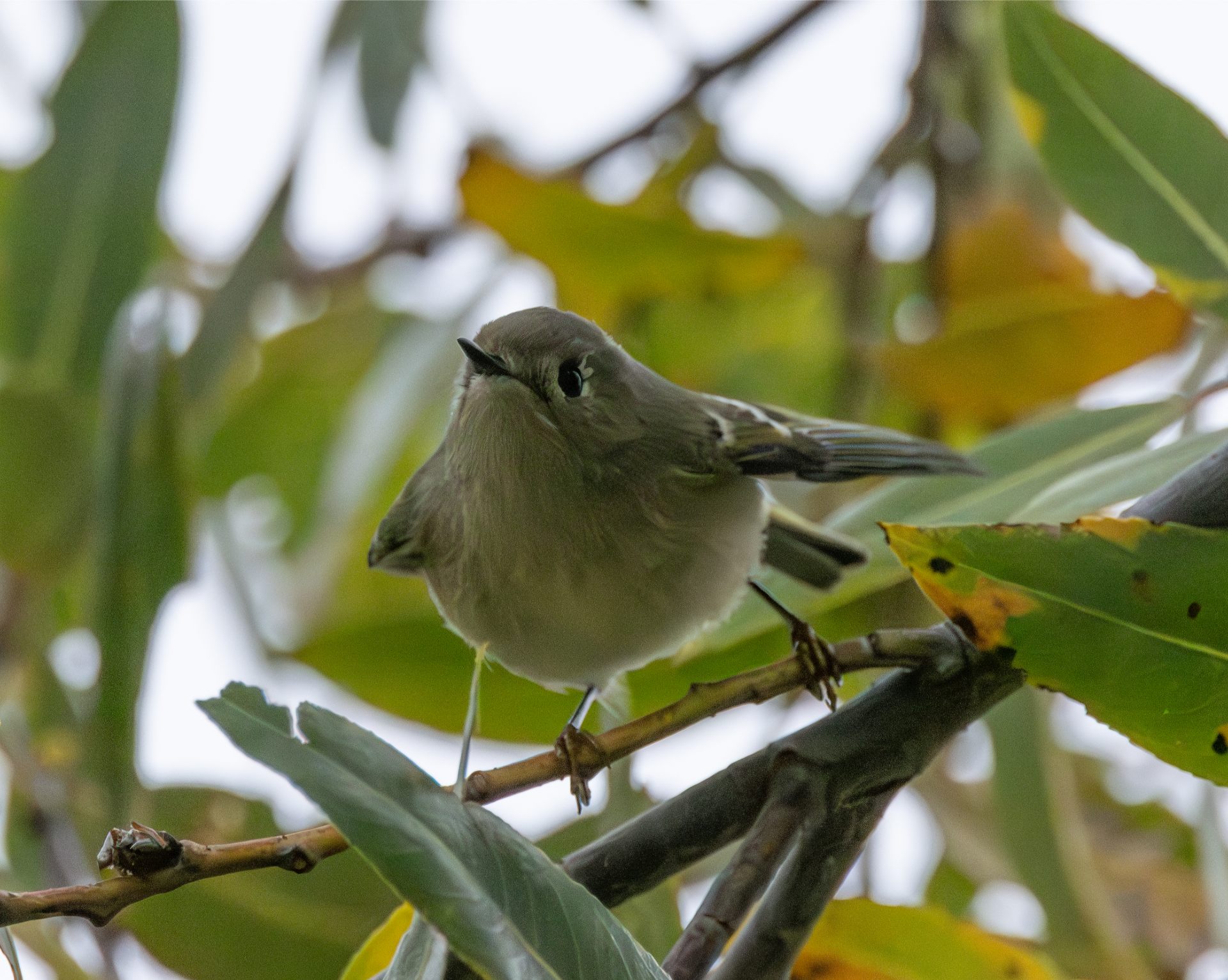
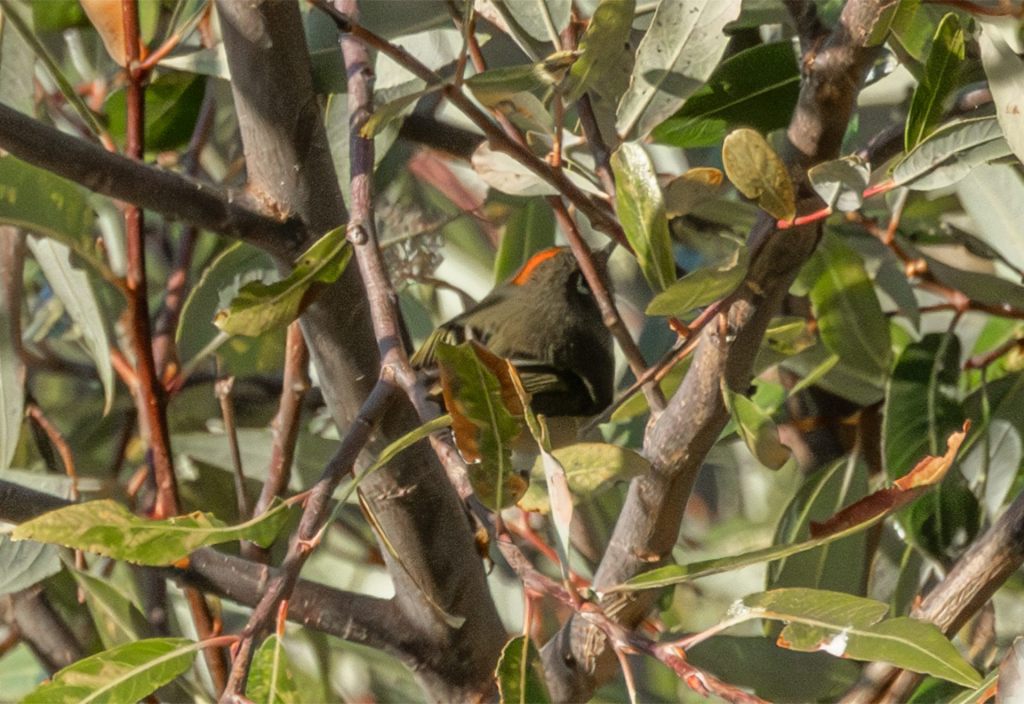
Young Common Yellowthroat male was likely hatched nearby and has by now made his first migratory flight at least hundreds of miles south.Immature Common Yellowthroat maleGolden-crowned Sparrow has flownhere from far north breeding grounds. Their song sounds, appropriately enough, like a weary sigh. Mature Golden-crowned Sparrow, recently arrived for the winter.Group of Canada Geese. They may be resting from their long migration journeyTiny Ruby-crowned Kinglets are often heard before they are seen when they arrive for the winter. Their “electric typewriter” sound is distinctive. They weigh between 5 and 10 grams.It is rare to get a glimpse of the male’s Ruby crown, most often displayed when the bird is excited or agitated
Video gives an idea of how fast these tiny Ruby-crowned Kinglets flit about as they hunt for insects
Band-tailed Pigeon Invasion
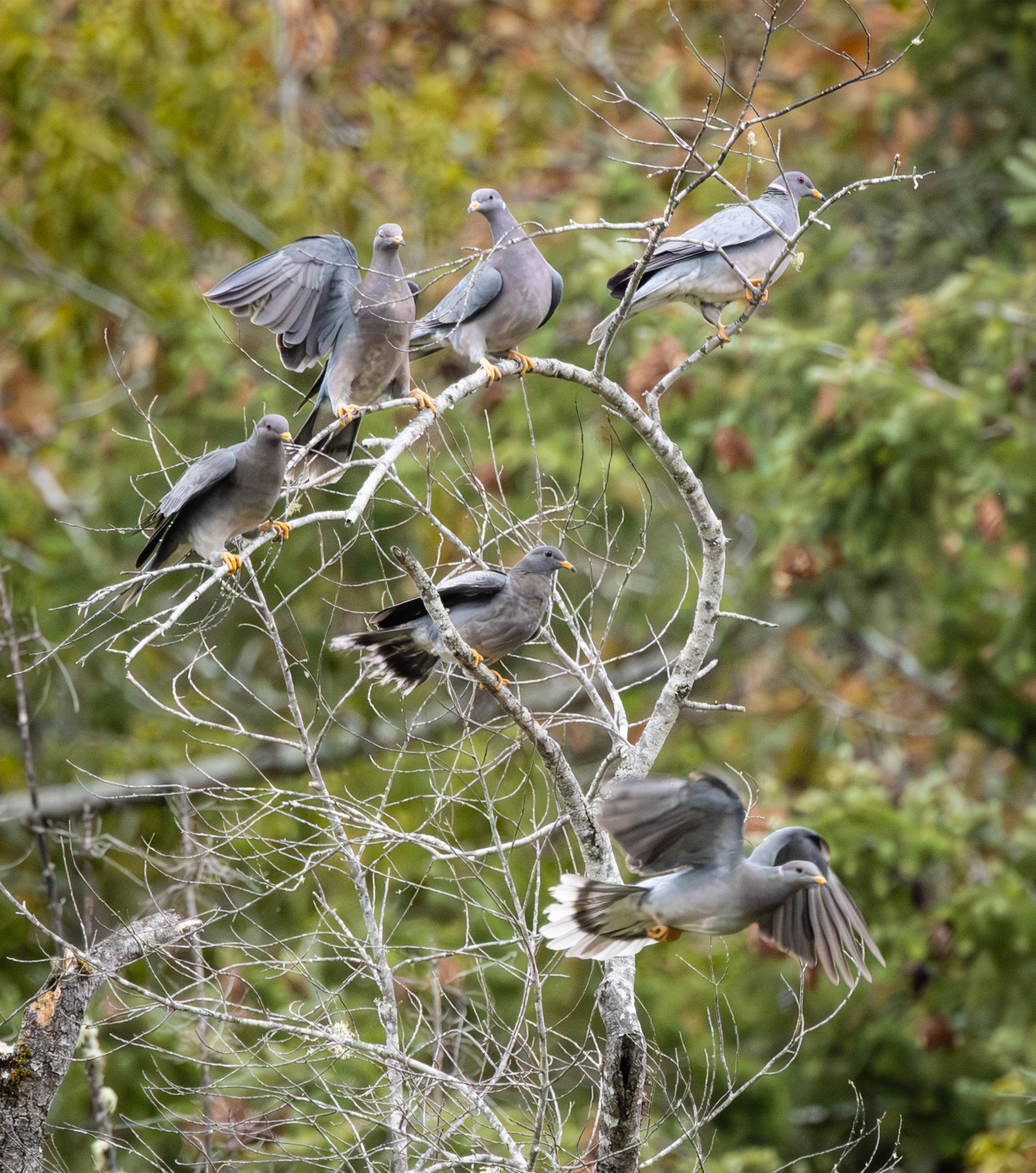
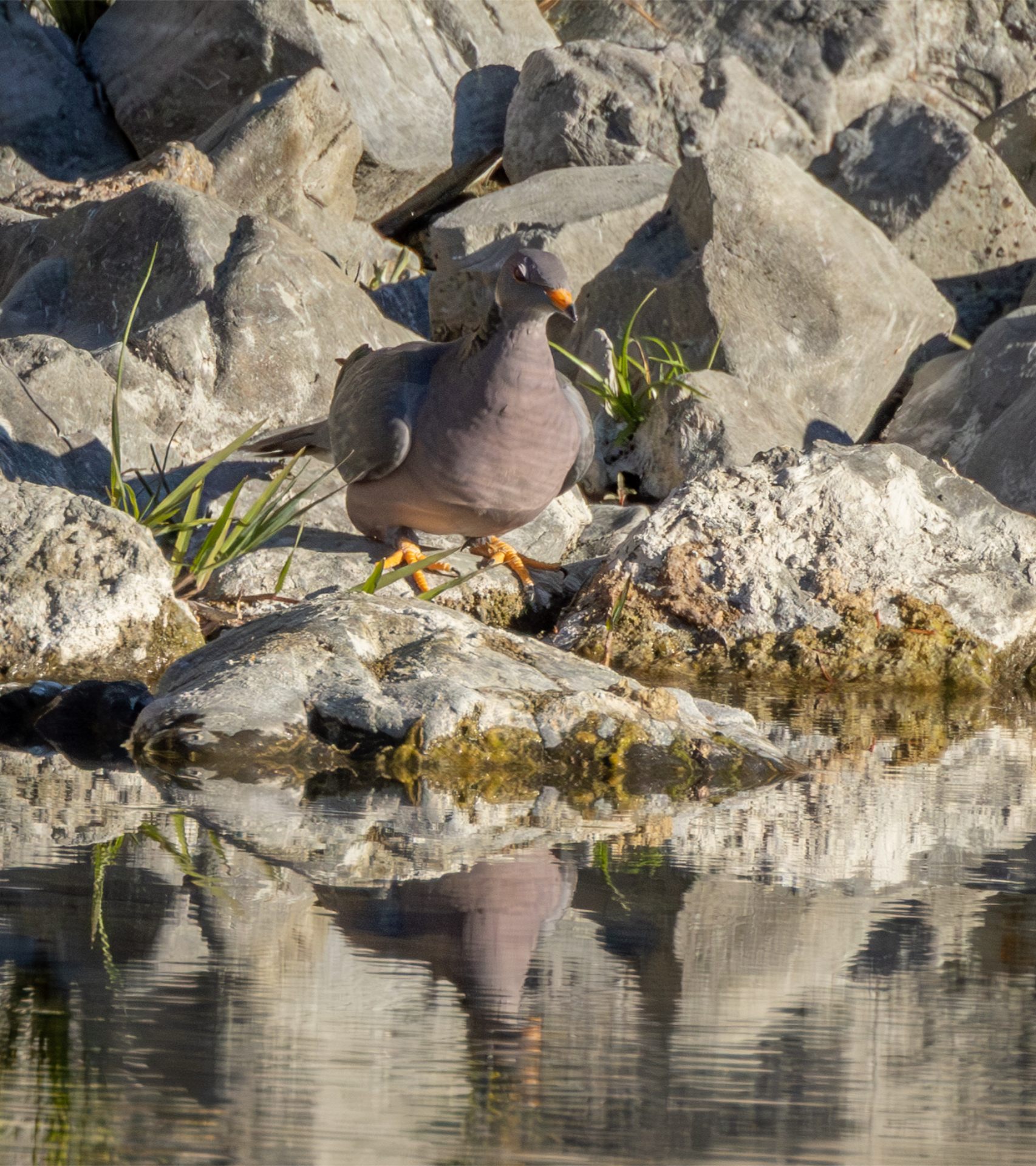
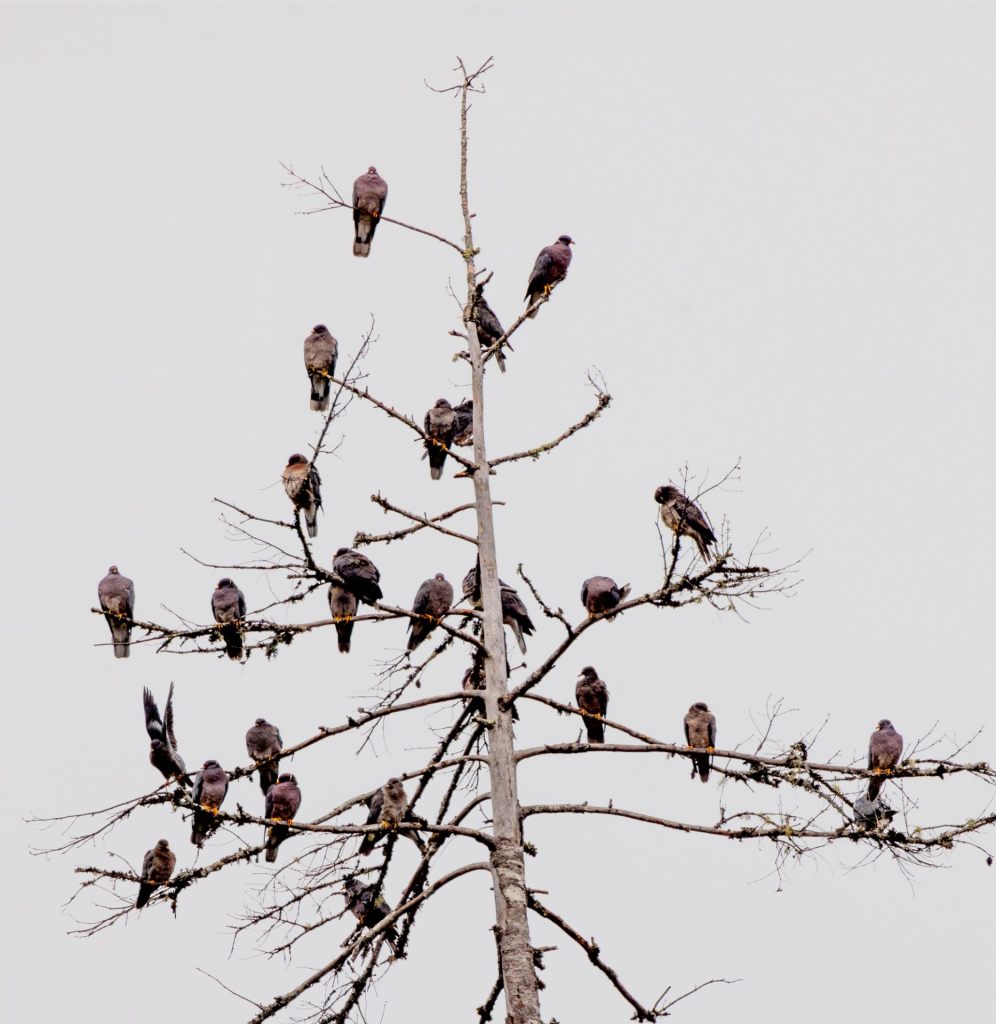
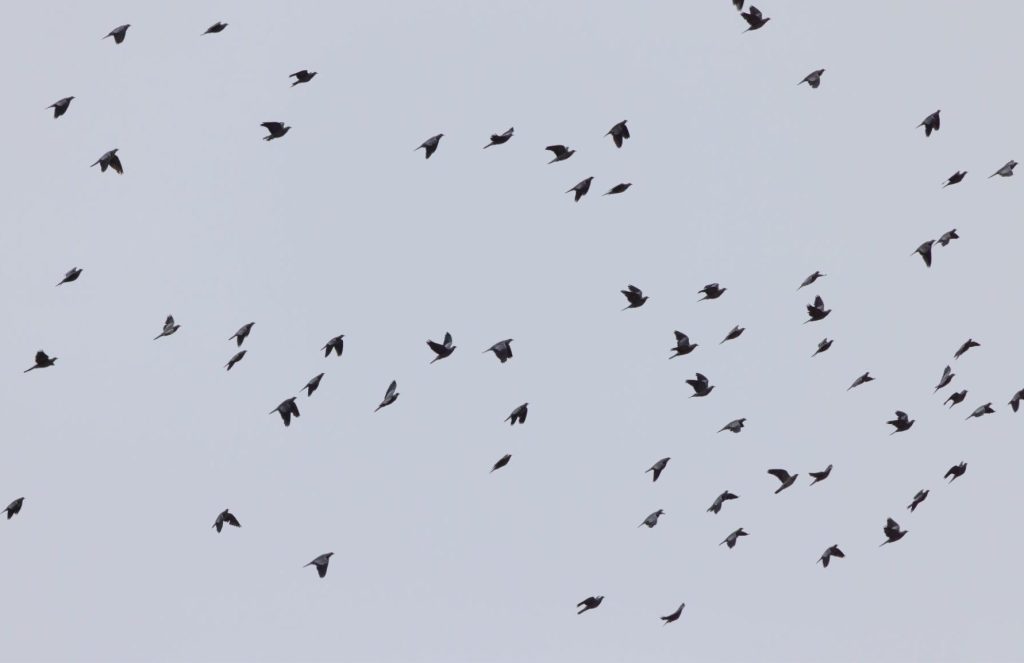
One morning last week I estimated that about 500 Band-tailed Pigeons were making their way through the area on their migratory route south. A contingent of a hundred or so rested over the South Fork of the Eel and slowly, tentatively made their way down to the water for a drink.
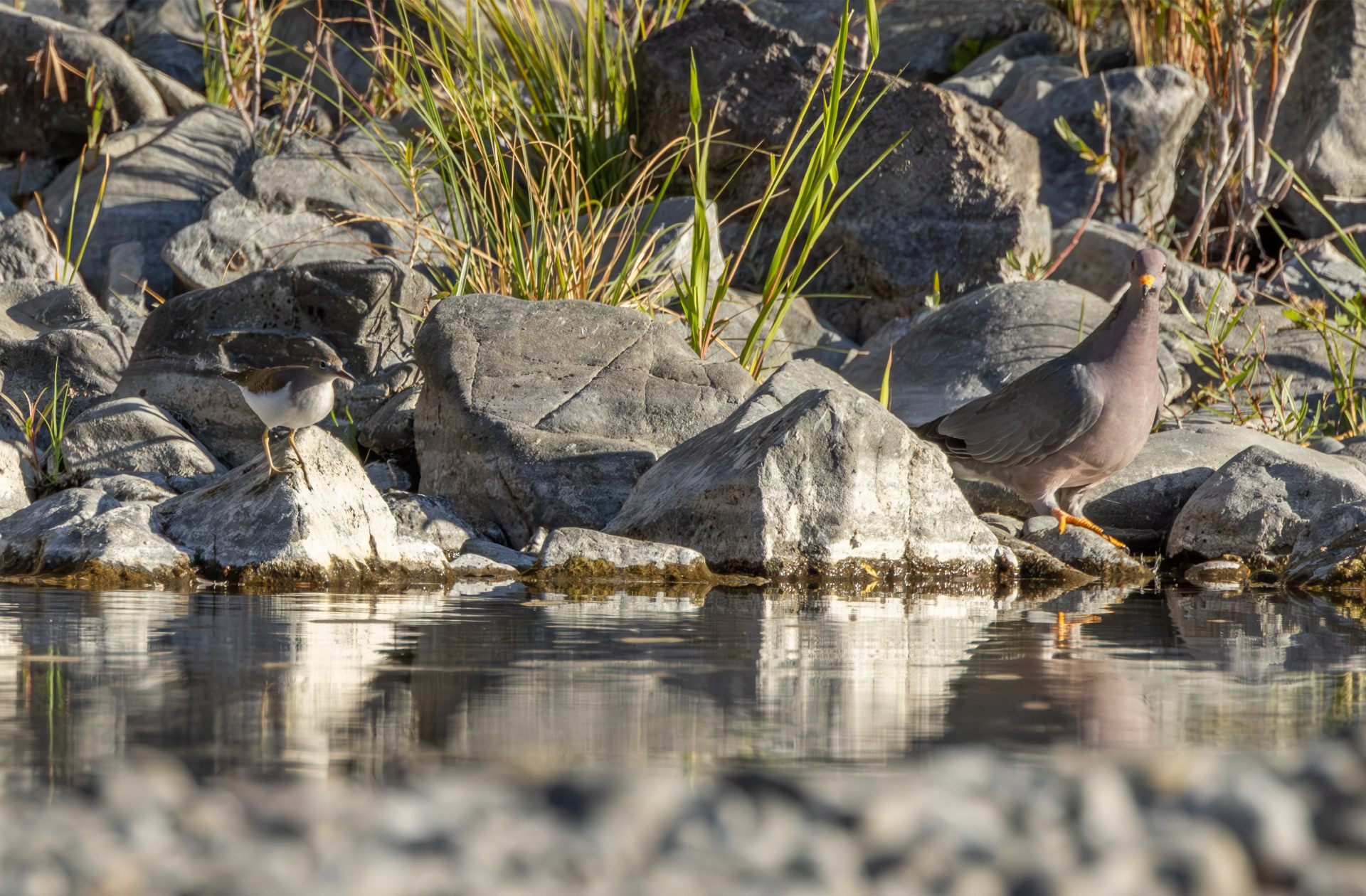
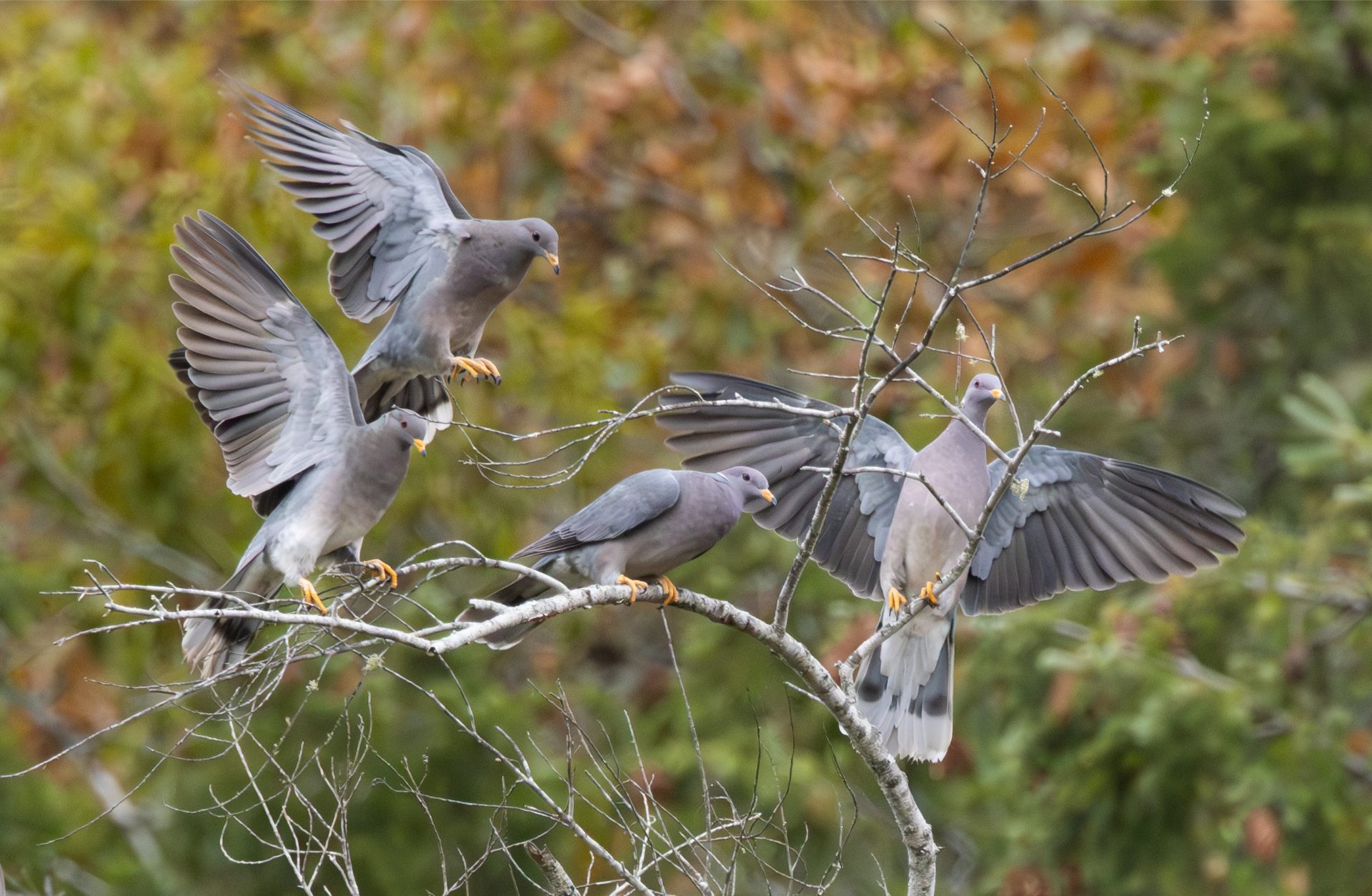
Band-tailed Pigeons are our largest member of the dove family.Band-tailed Pigeon at the water.Band-tails fill a bare treeBoth birds in this frame are well-camouflaged, Spotted Sandpiper on the left, Band-tail on the rightBand-tails have beautiful subtle coloring ranging from lavender to pale grayBand-tailed Pigeons fill the sky.
Shenanigans
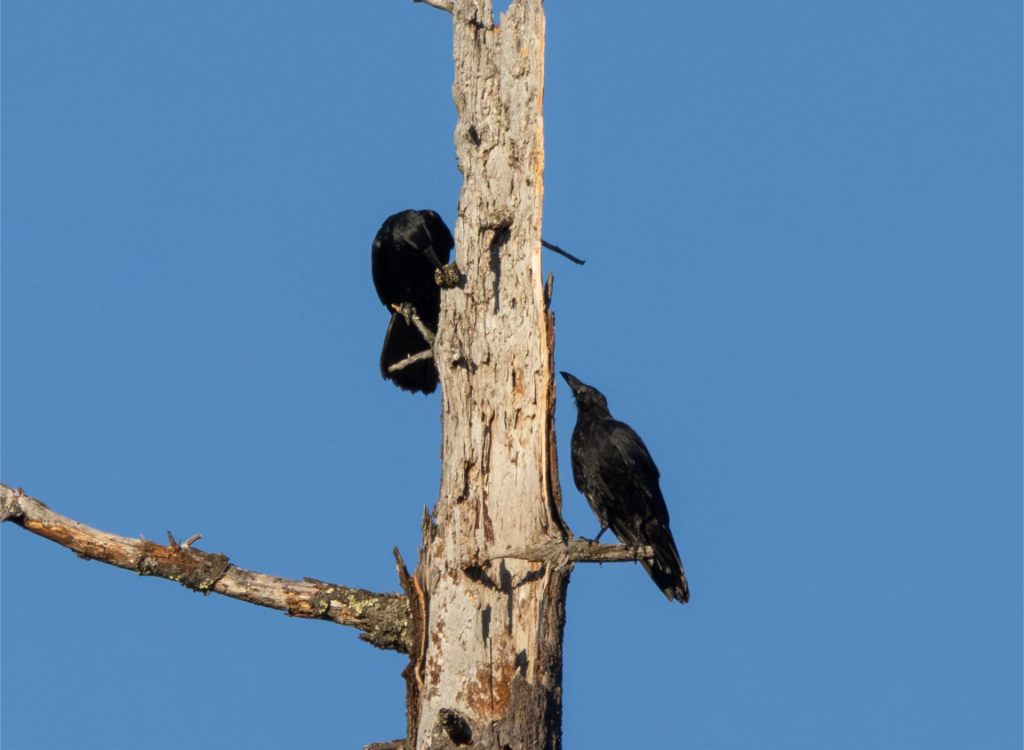
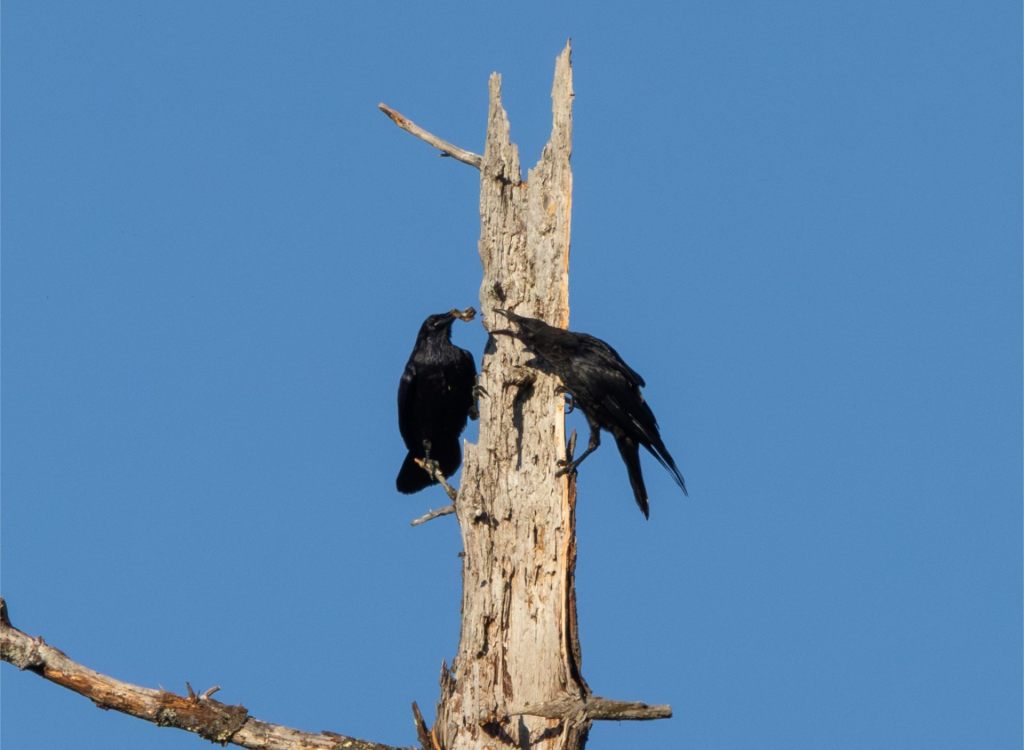
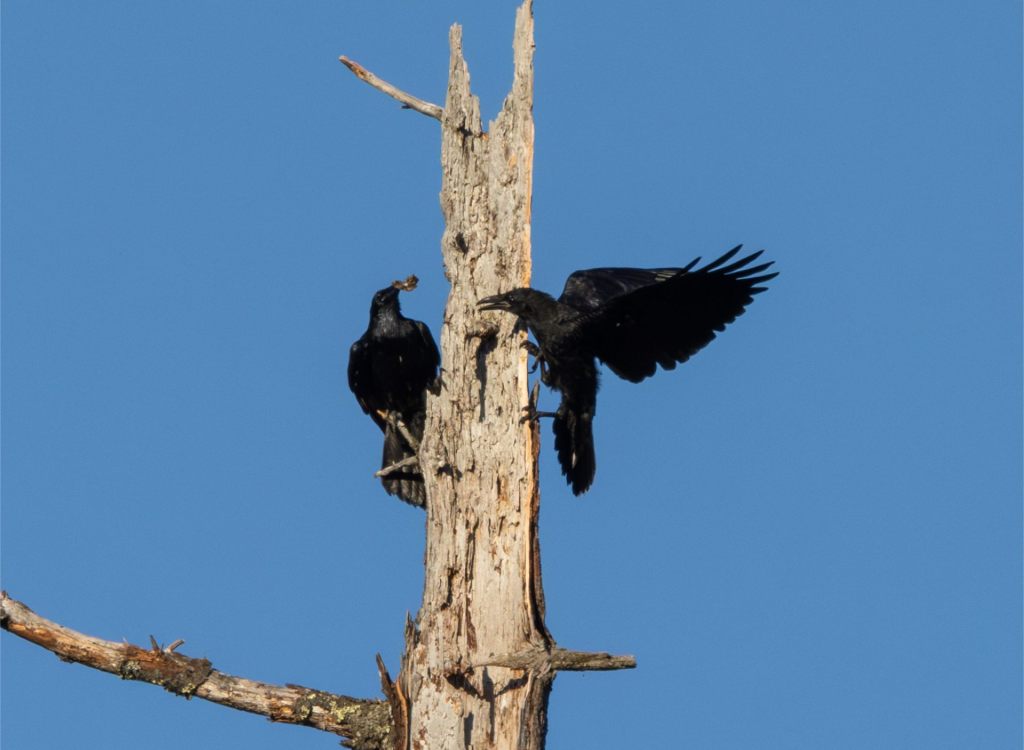
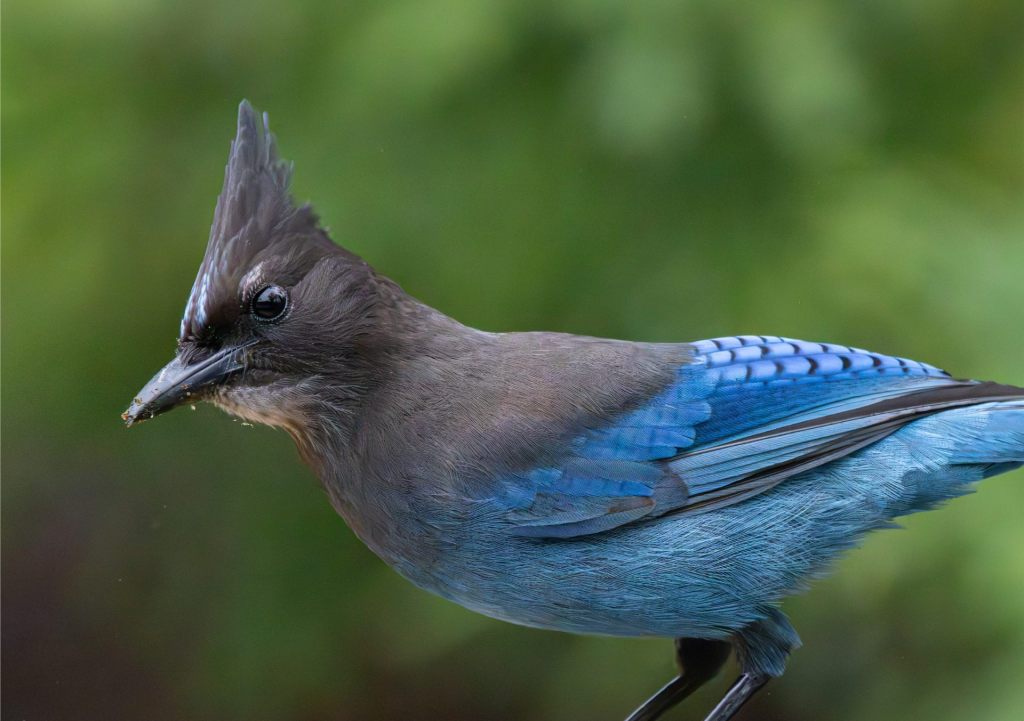
Videos and pics showing the hilarious interactions of Common Ravens and Steller’s Jays with other species, and a clip of Acorn Woodpeckers vocalizing.
“I have something awesome, want some?”“Sure, gimme a bite!”“No way!”
Riverside Regulars
Miscellaneous birds and other creatures who have all been making use of the river this fall.
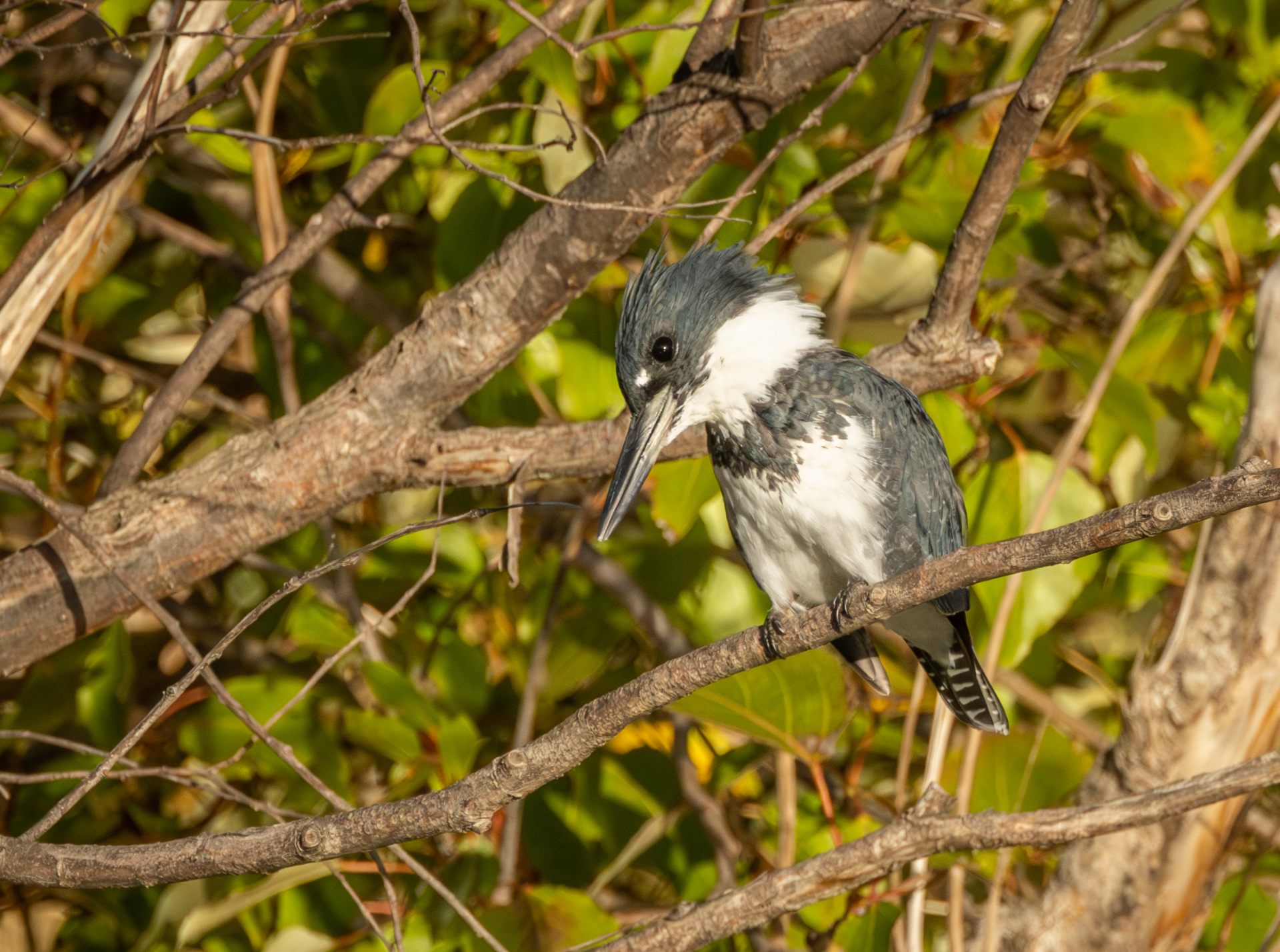
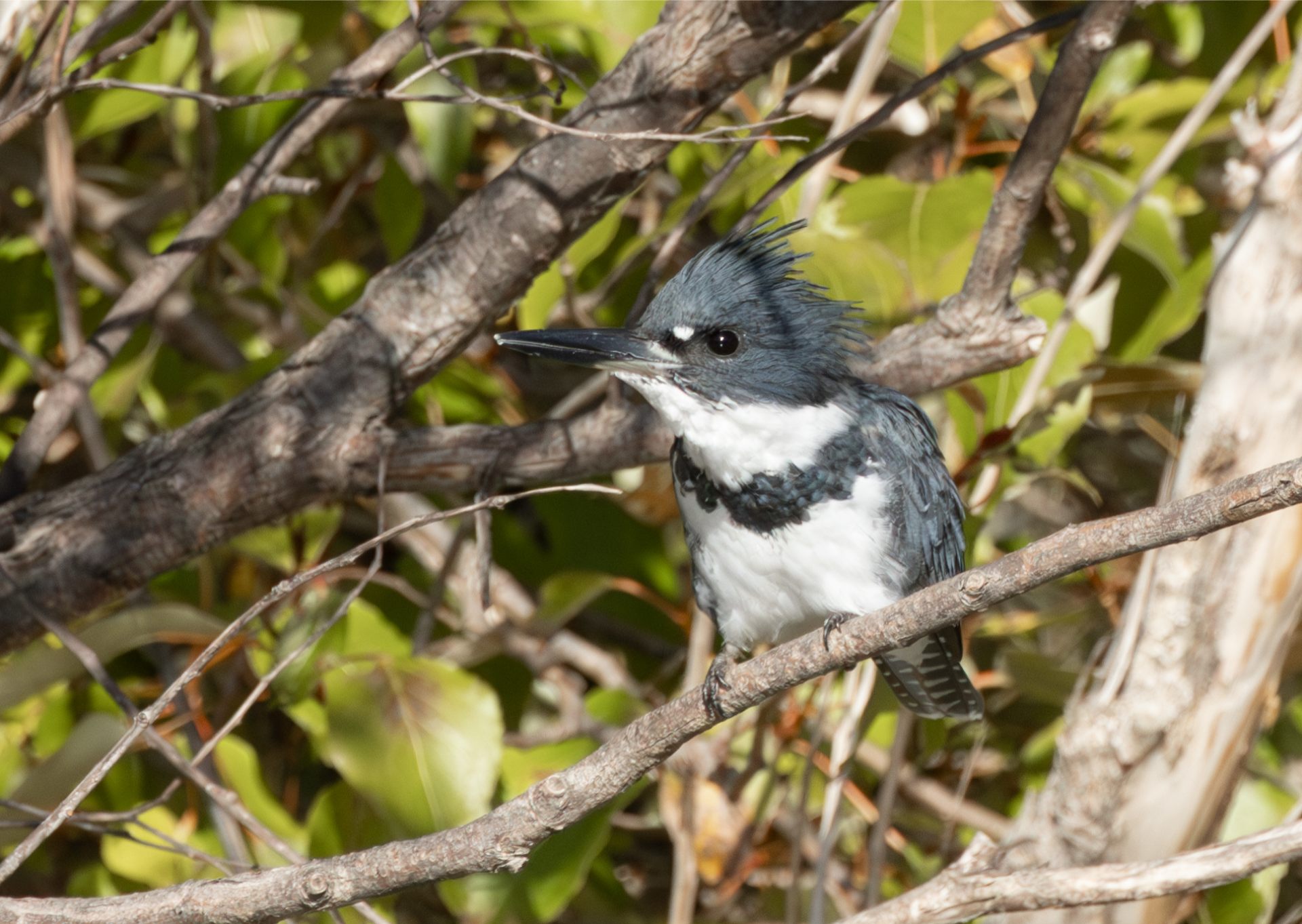
Male Belted Kingfisher, looking down into the water for preyThis is the only kingfisher I’ve seen over the past 8 weeks or so. He always fishes from the same perches.
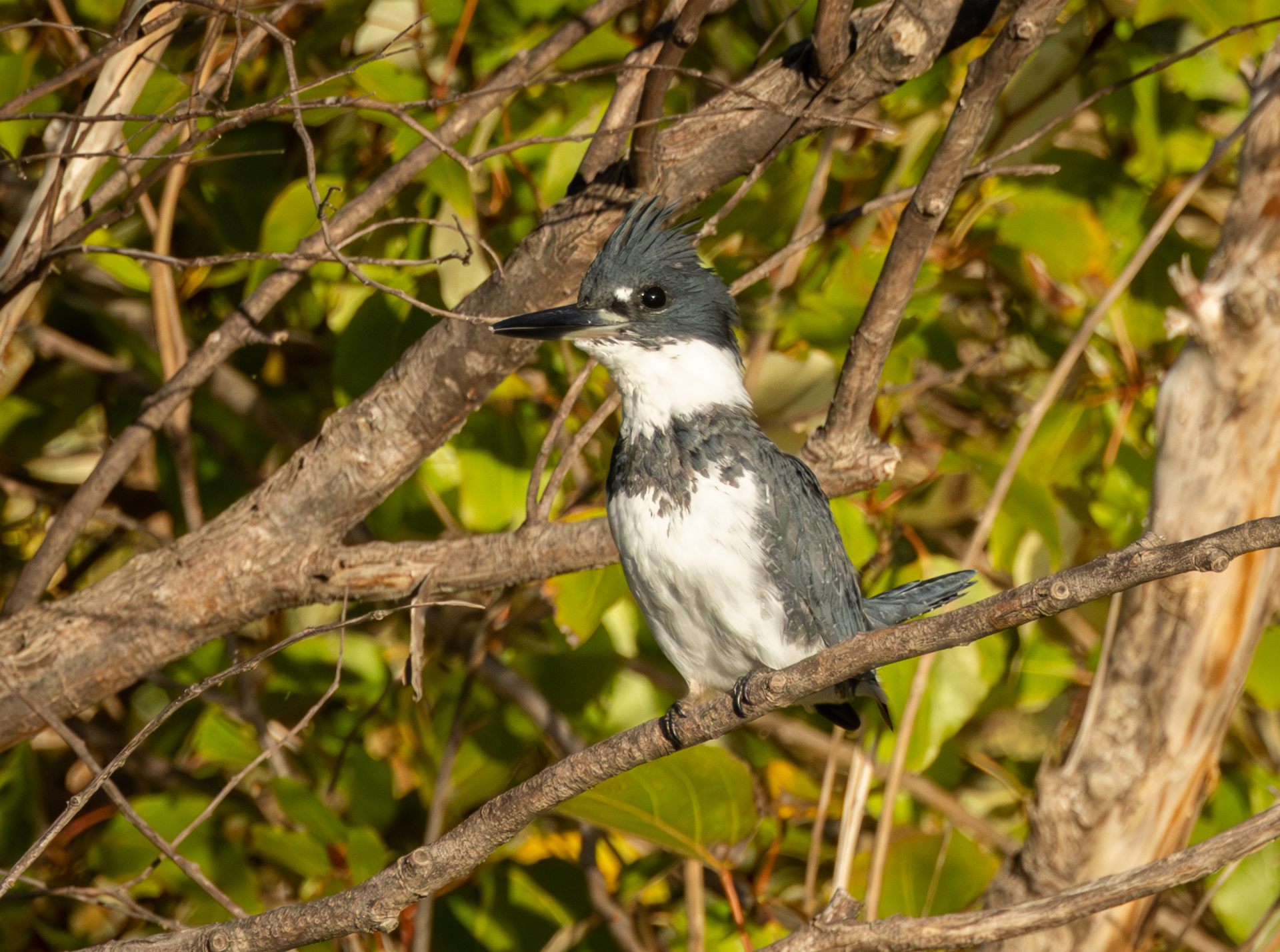
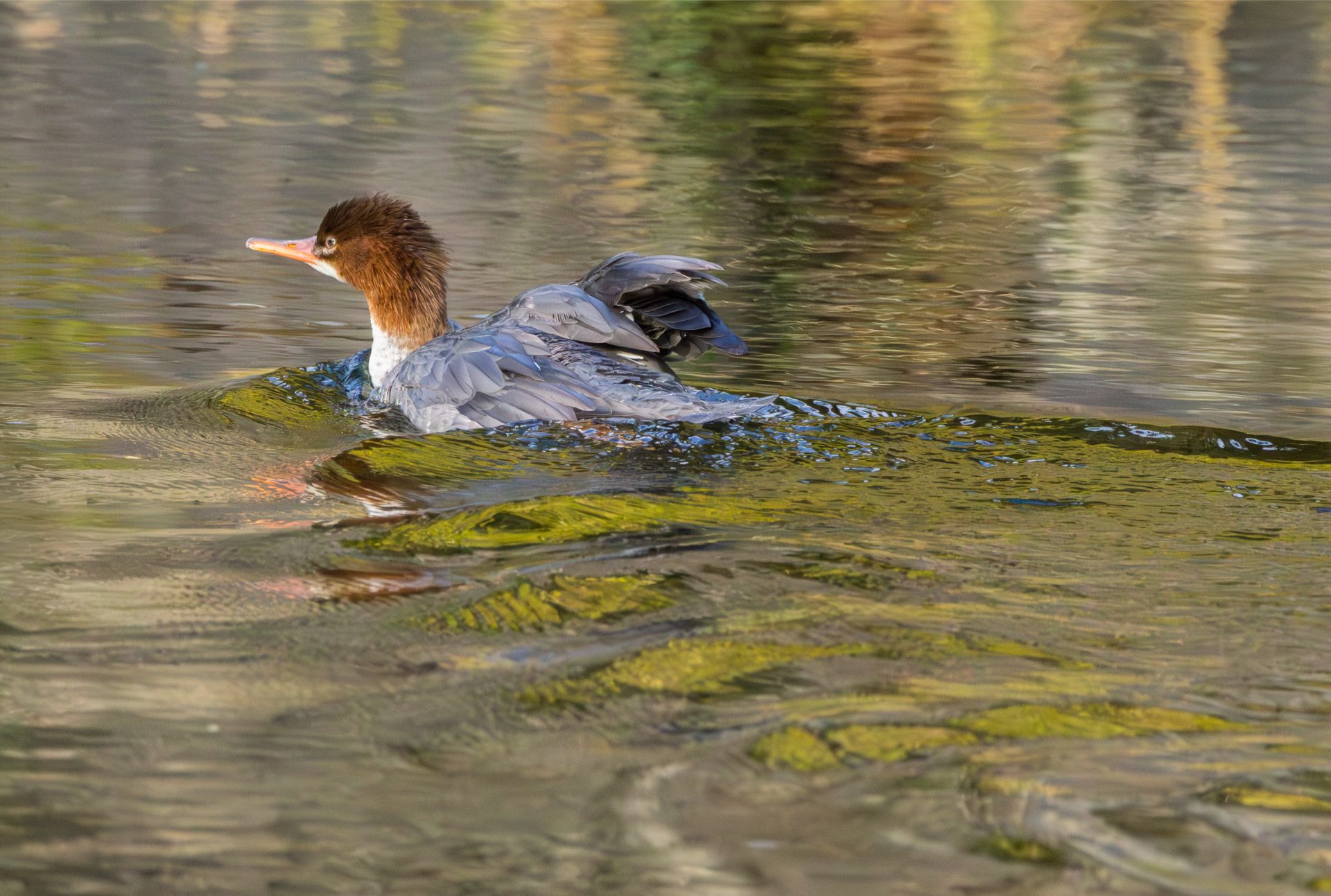
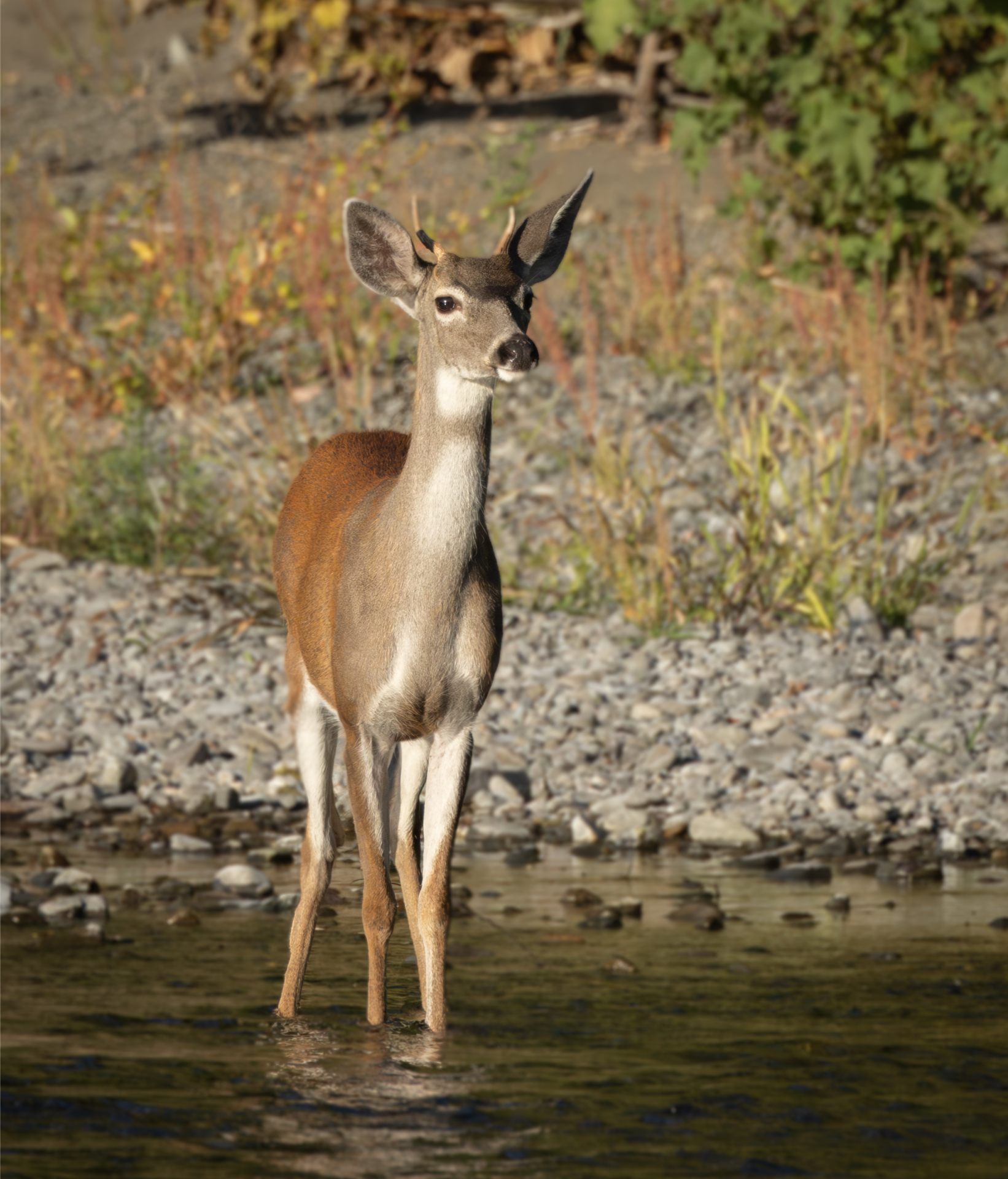
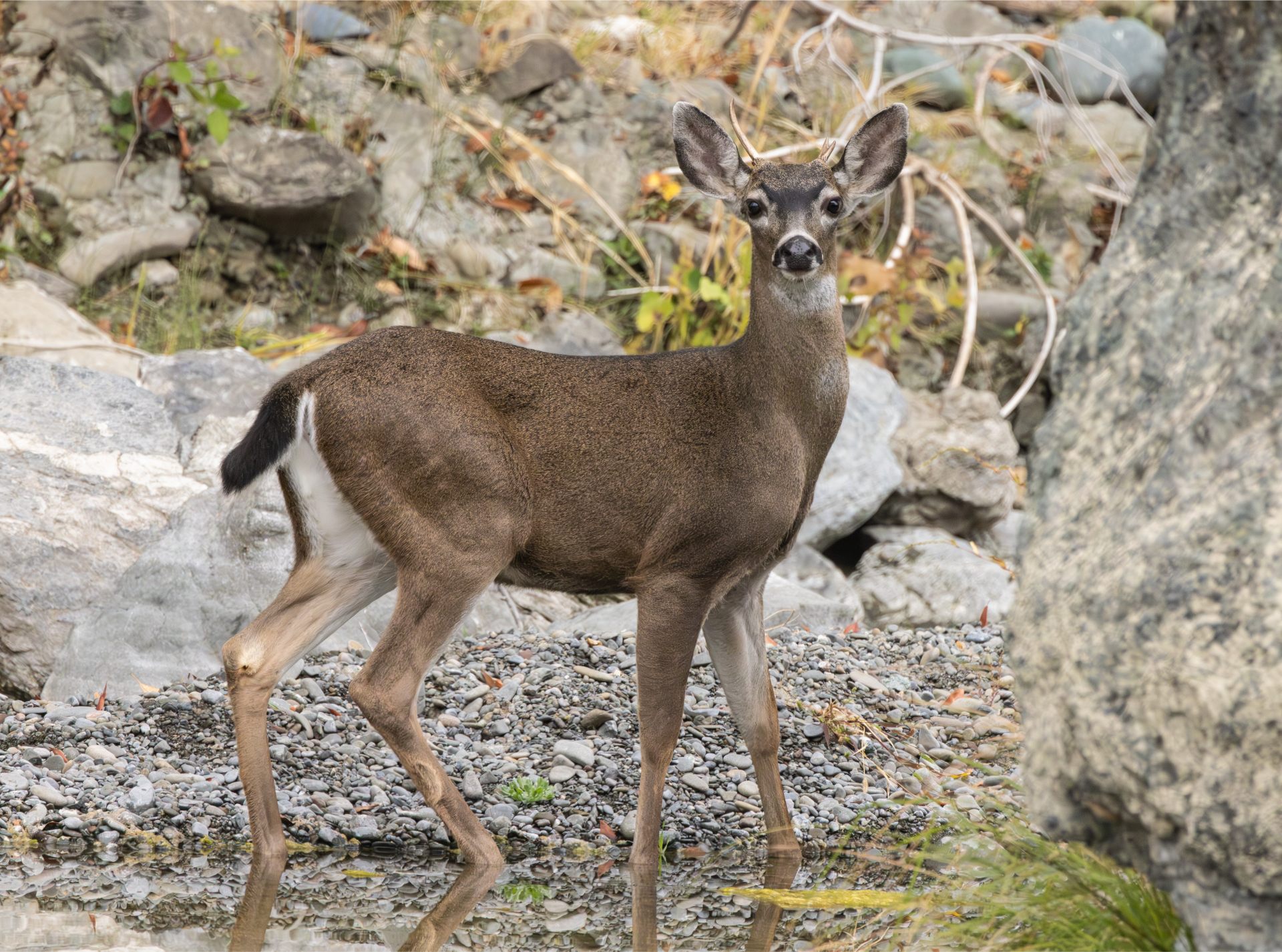
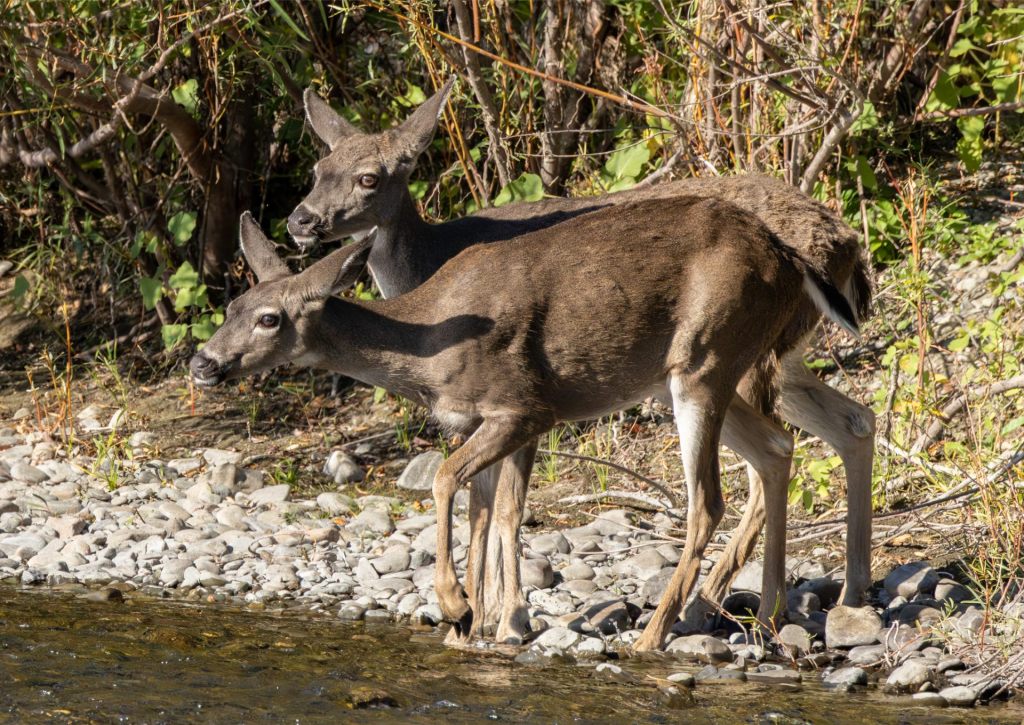
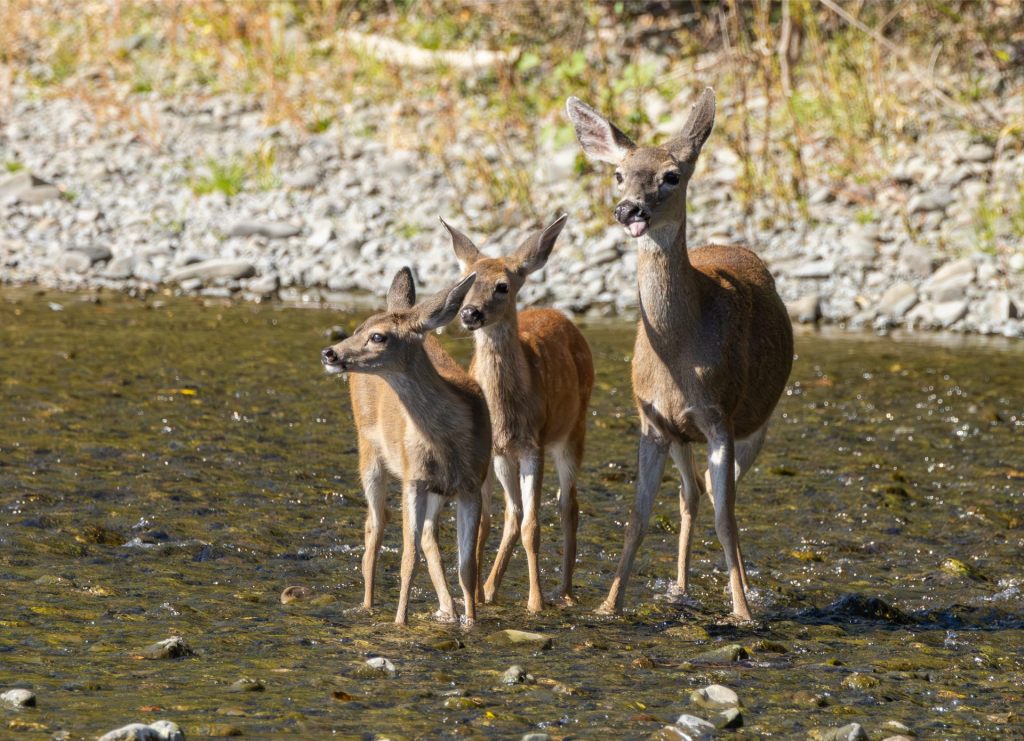
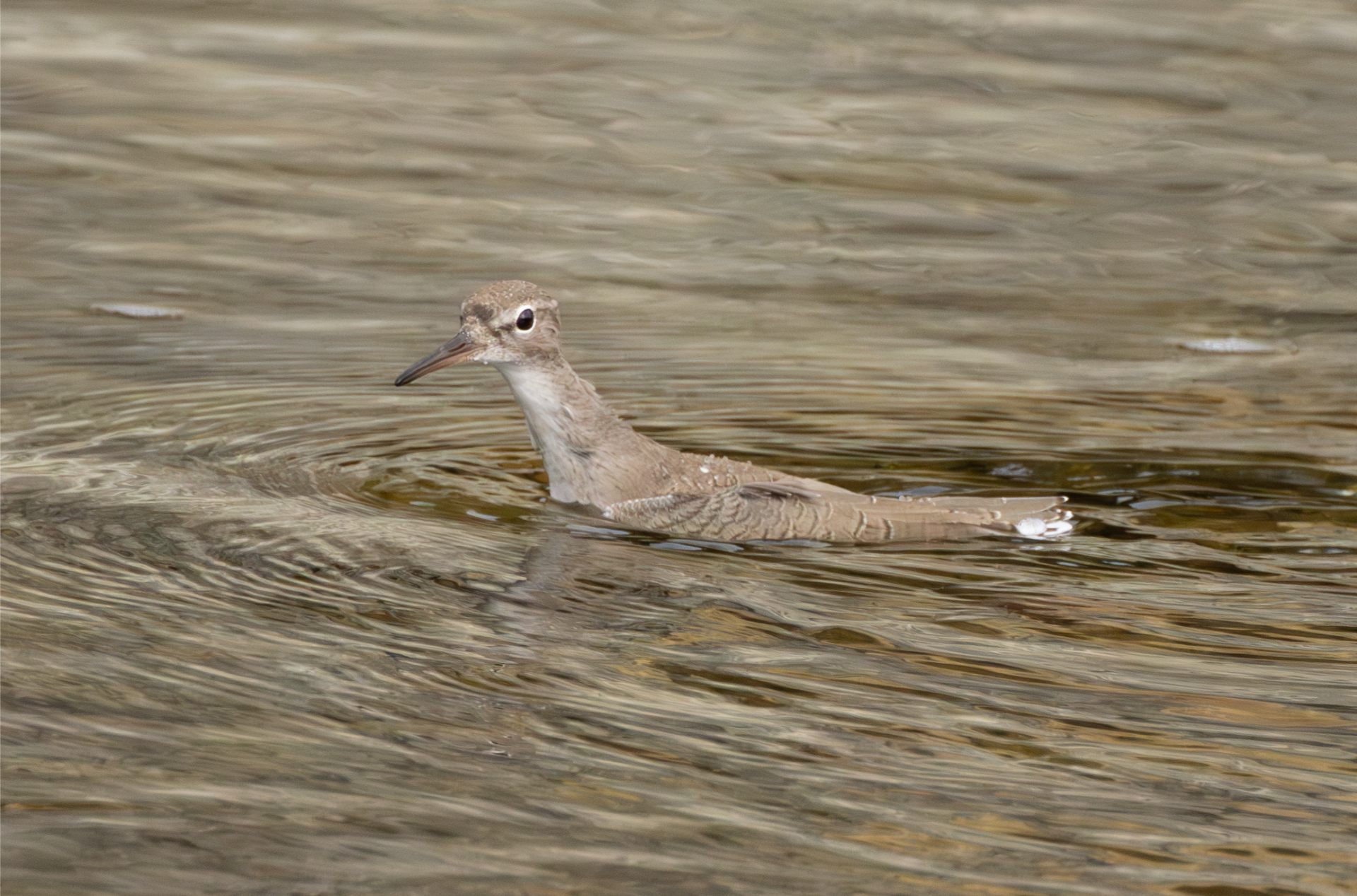
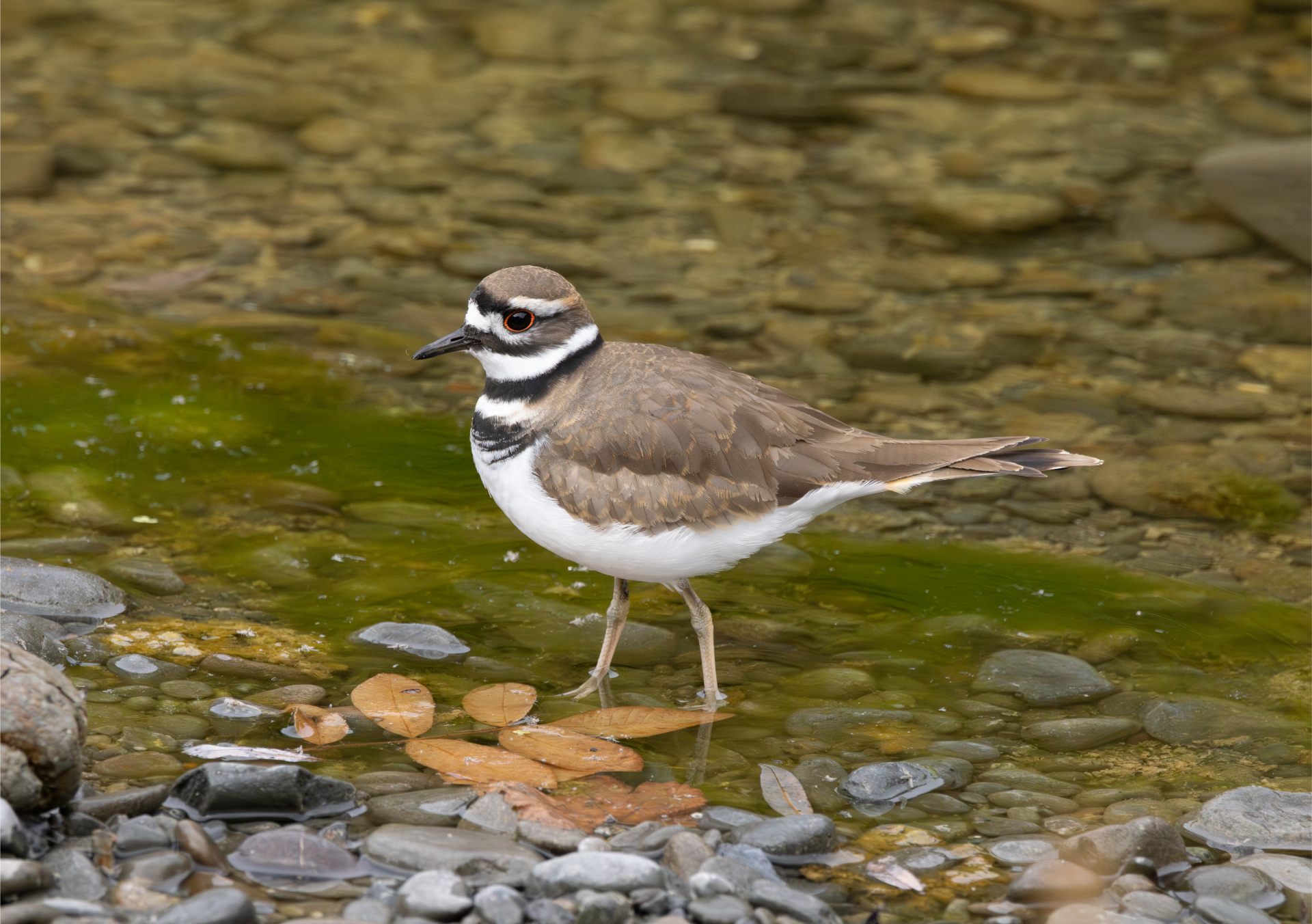
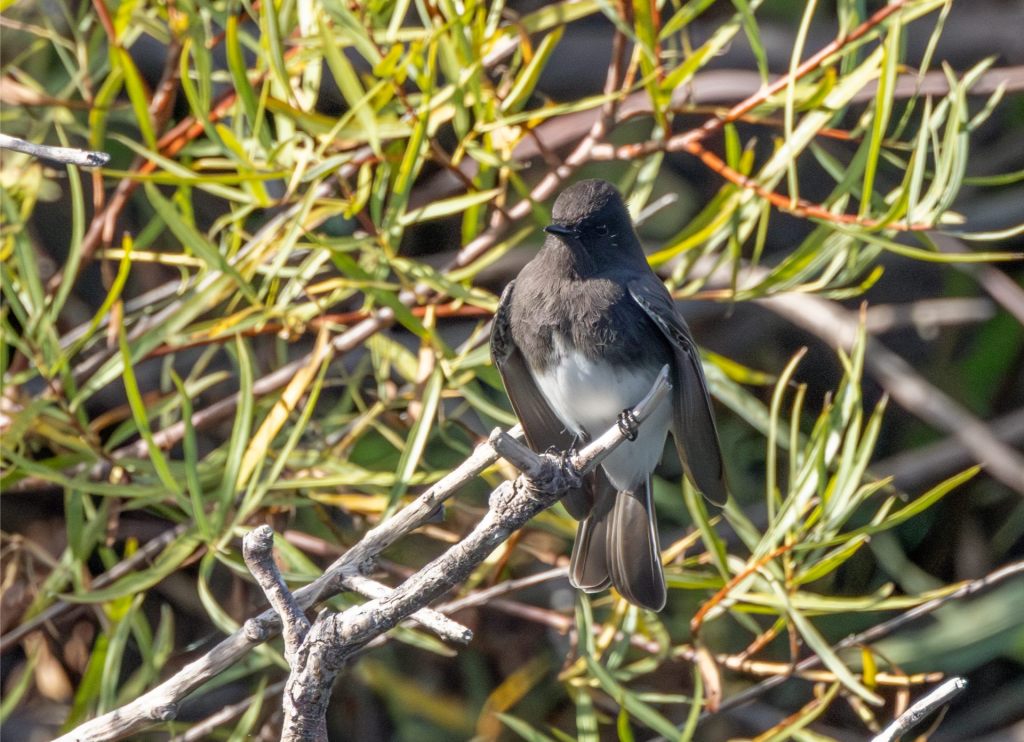
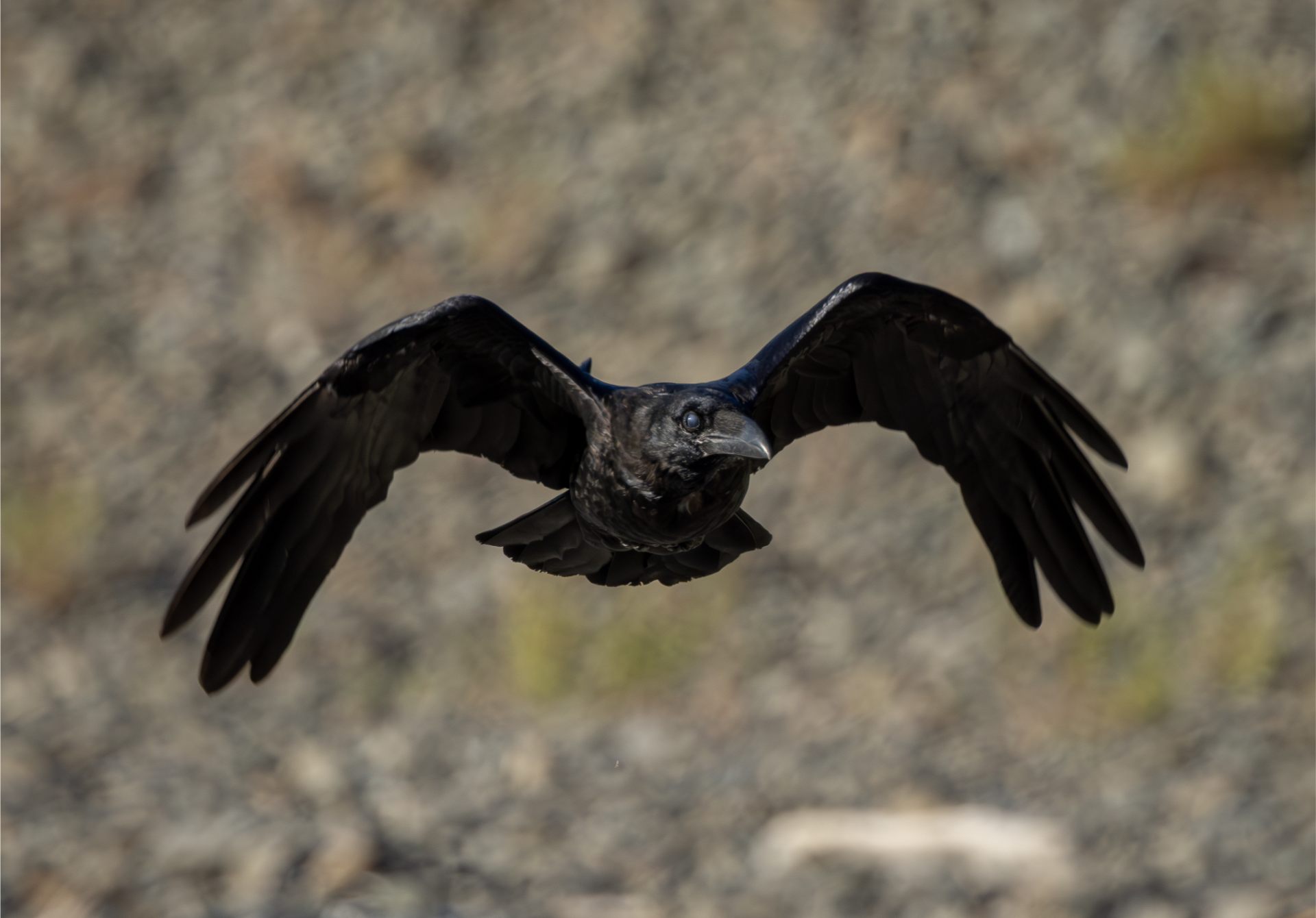
Handsome Male Belted KingfisherImmature Common Merganser. The eye of a mature bird is solid black.Handsome young Black-tailed Deer buck.I wonder if this is the same buck, minus his left spike.Black-tailed DeerBlack-tailed Deer doe, and two fawnsThis Spotted Sandpiper had just survived an attack by a Merlin. I heard a thud and then a splash, immediately followed by this bird’s frantic calling as it was dropped into deeper water than it normally would be in. I thought the Merlin would come back for it, but it never did, and I was relieved.Killdeer are so common that it’s easy to overlook how handsome they are.A poor pic of a Black Phoebe, a year-round flycatcher that breeds right beside the river.Common Raven showing nictitating membrane over its eye. Is there any doubt that these birds rule the realm?Male Northern Flicker. Flickers are very active in the fall, and their sharp piercing cry is one of the most common sounds at the river now.
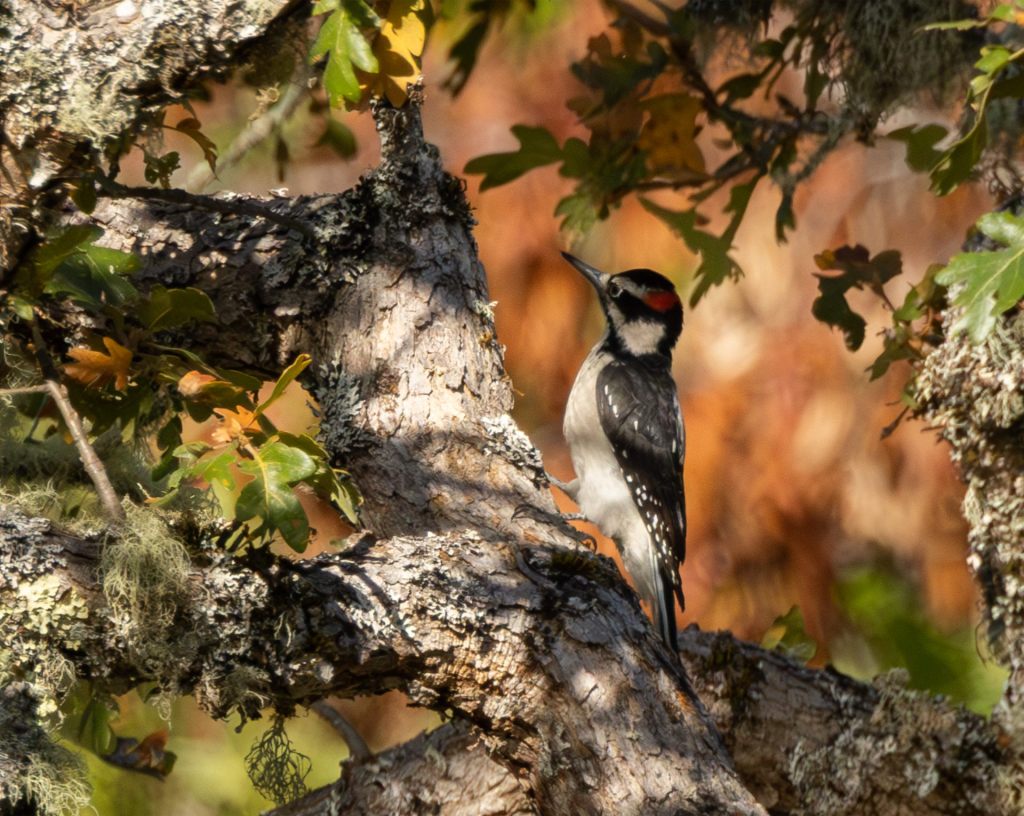
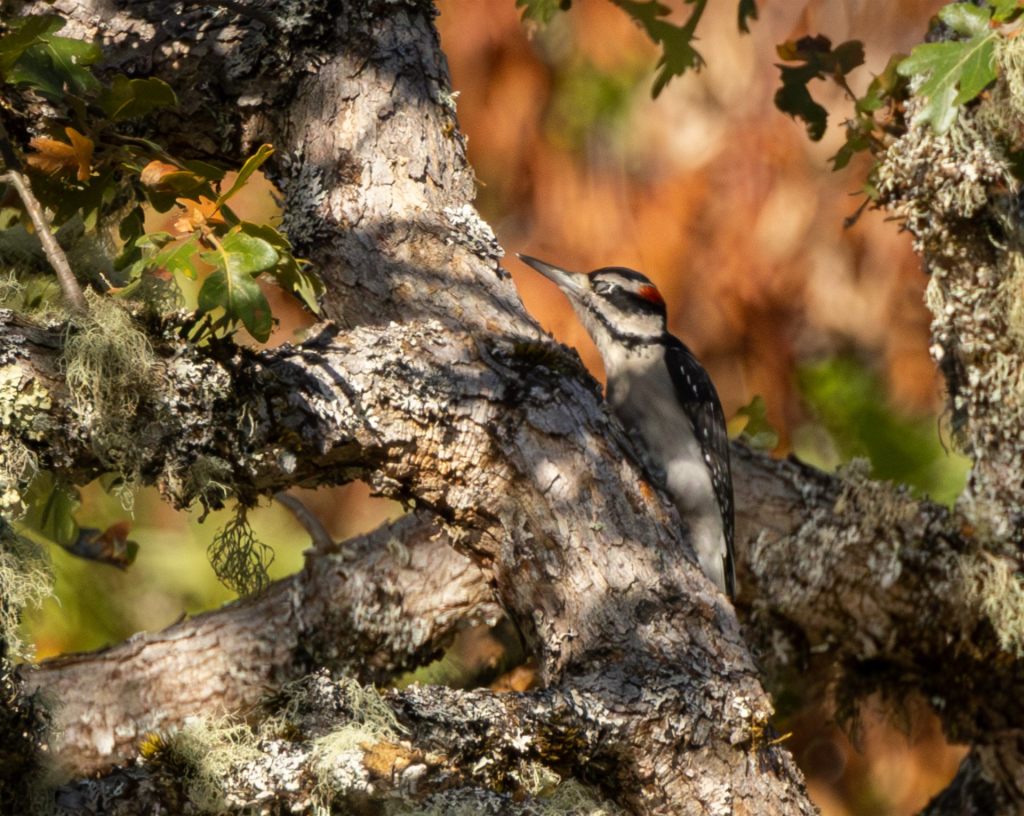
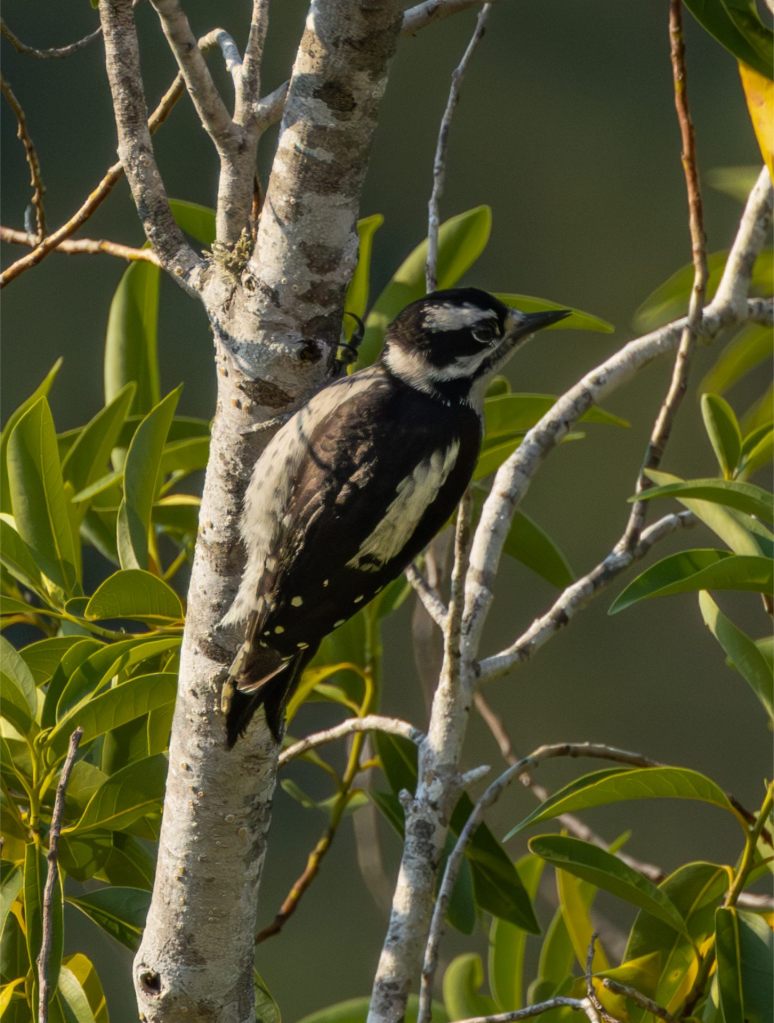
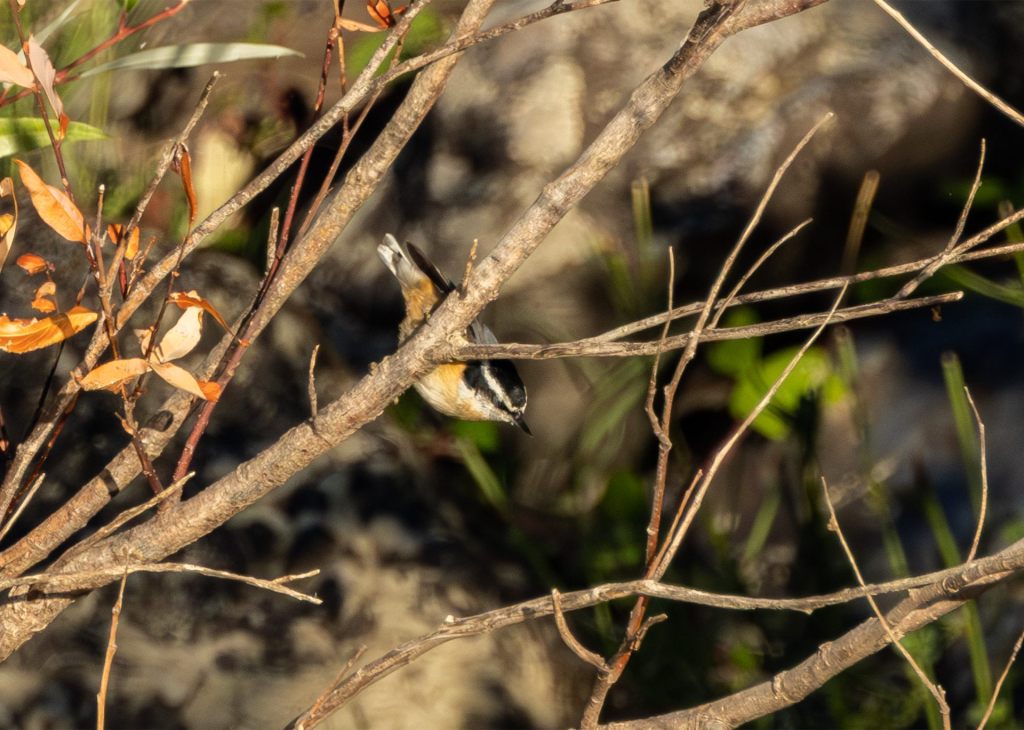
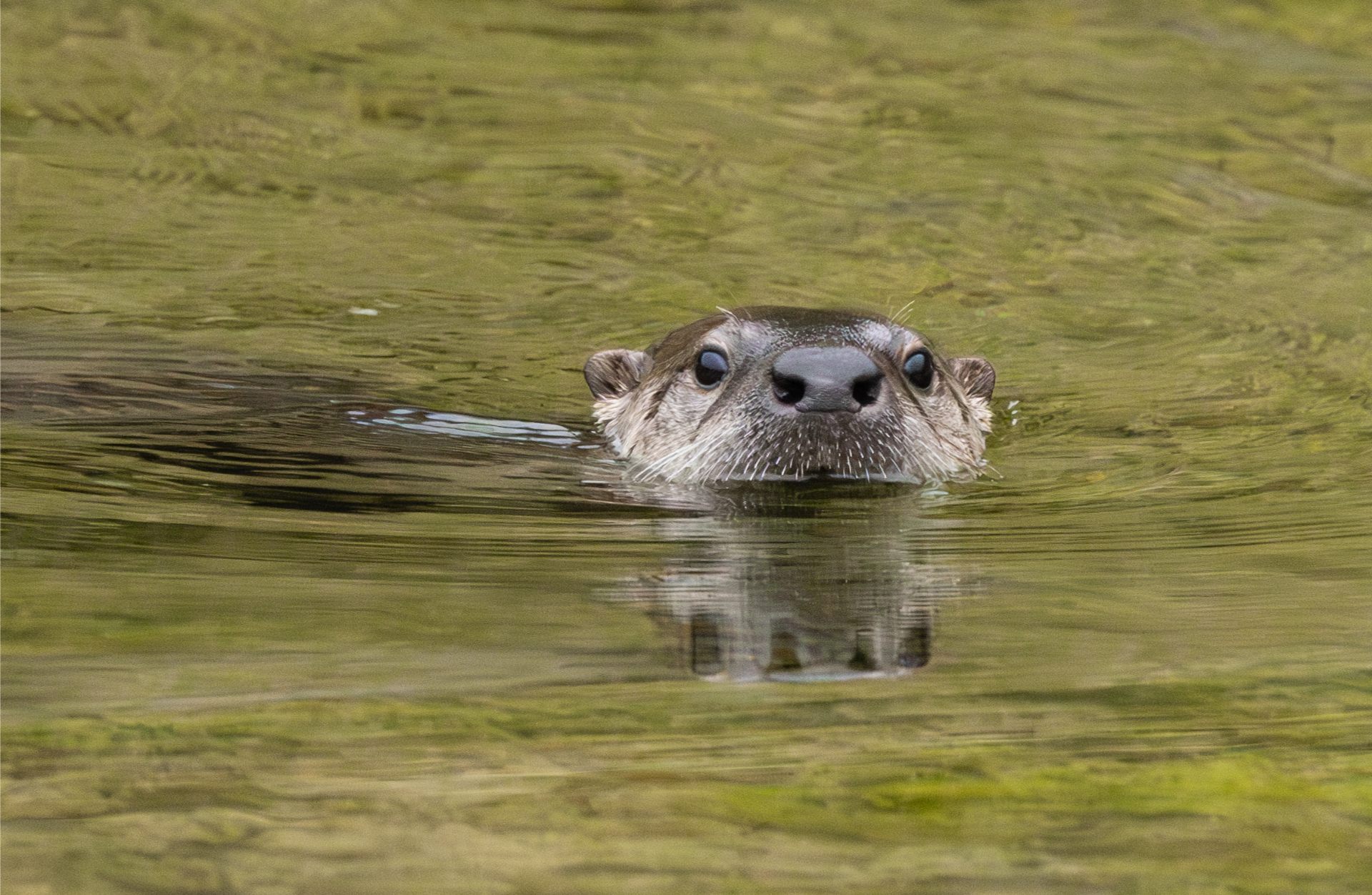
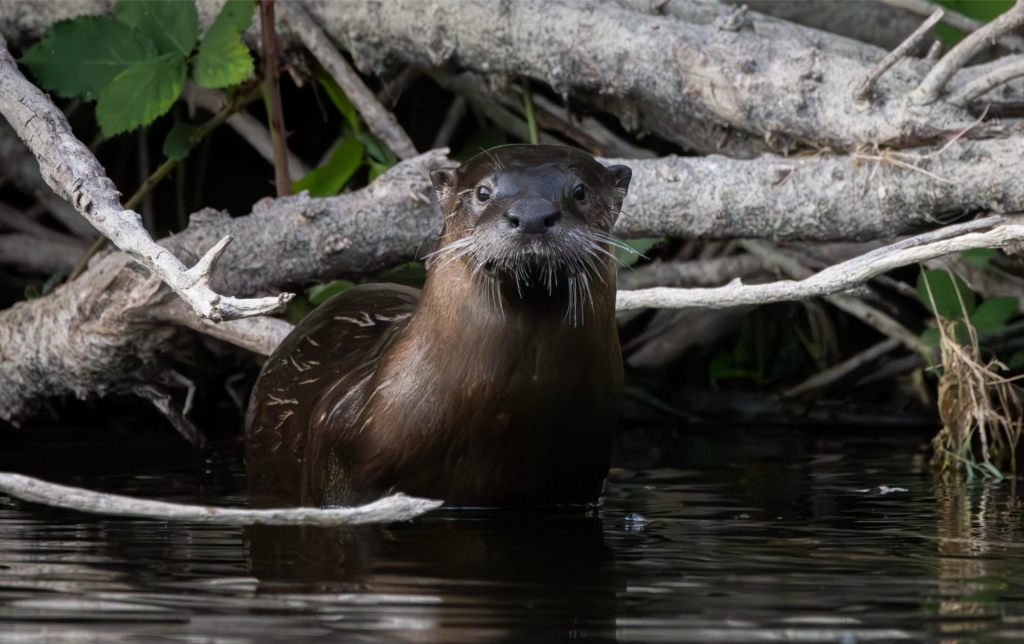
Hairy Woodpeckers are a medium sized Woodpecker , larger and with a longer vill than the Downy Woodpecker.Hairy Woodpecker showing a bit of tongueDowny Woodpecker, the smaller of the two look-alikes.Red-breasted Nuthatch, its “yank, yank, yank” call has been heard every morning this fall as this bird either had a really good year breeding locally, or the species is part of an irruptive event bringing large numbers of the species into the area.Northern River Otter, always the star of the show. I will know this one if I see its face well again, by the tiny scar on its nose.