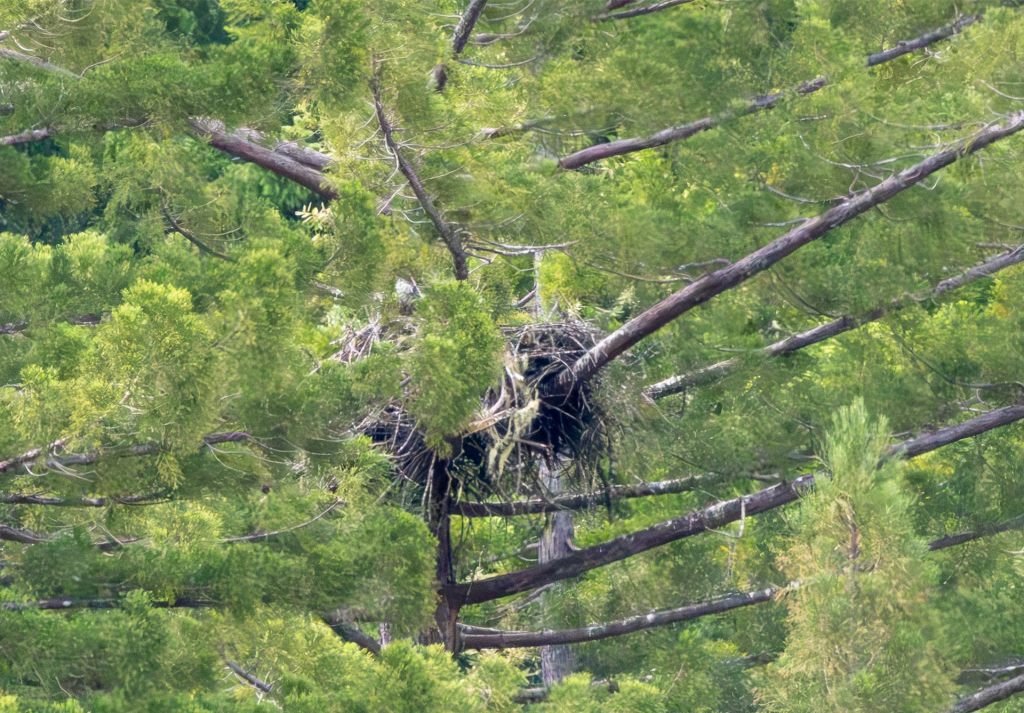
Almost all the neo-tropical migrants have arrived from distant southern wintering grounds, many of them early compared to most years, and begun their nesting routines. Local year round residents are singing and gathering nest materials and even beginning to raise young. A recently restored species has shown early signs of breeding for the first time in this habitat in over 100 years. All the while, after an oddly mild winter, spring has brought chilly temperatures and a lot of rain to these reproductive proceedings.
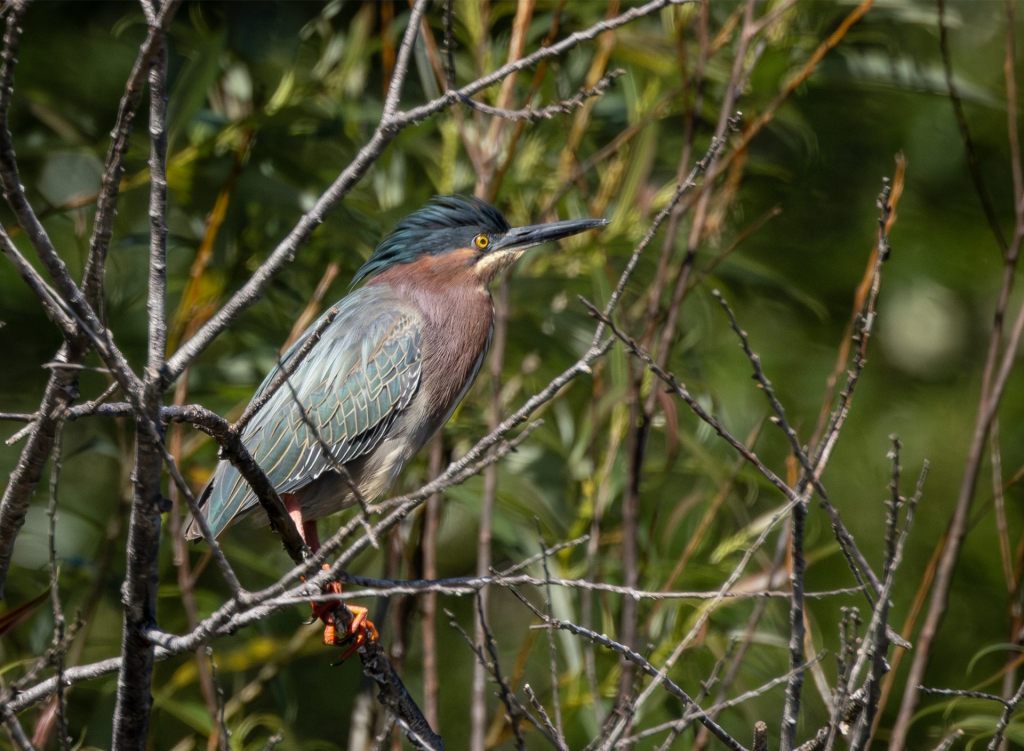
Below is a sampling of the broad variety of avian characters Humboldt County hosts in the spring, some in rainy light, some in rare moments of sun.
Duck, Duck, Goose
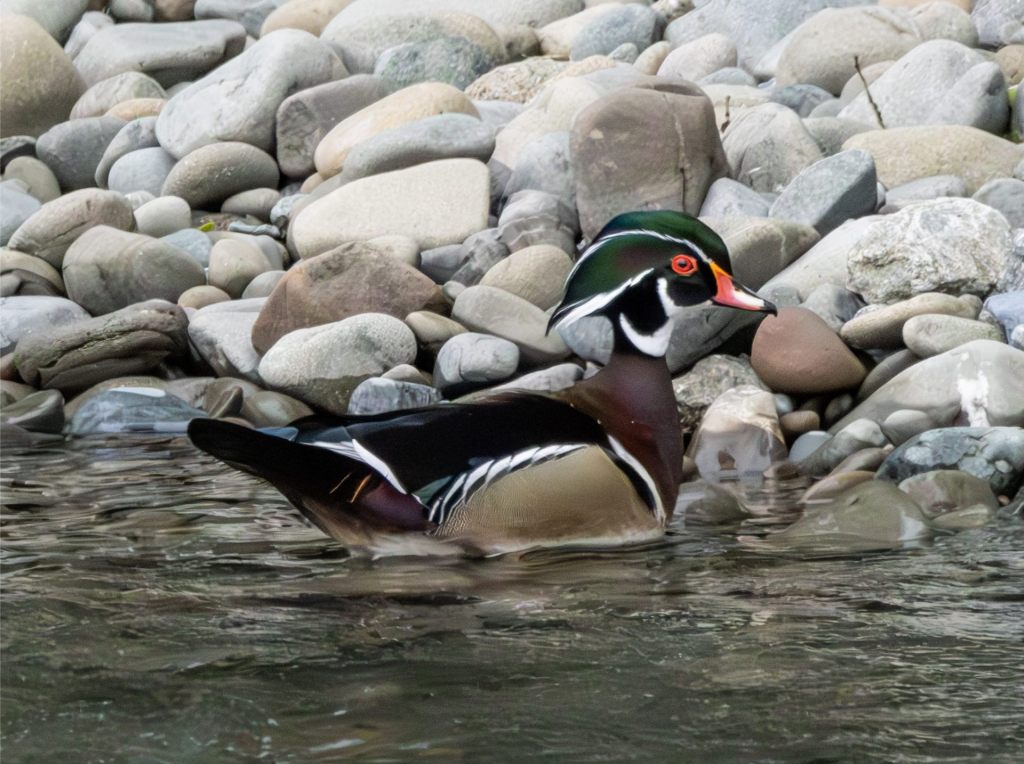
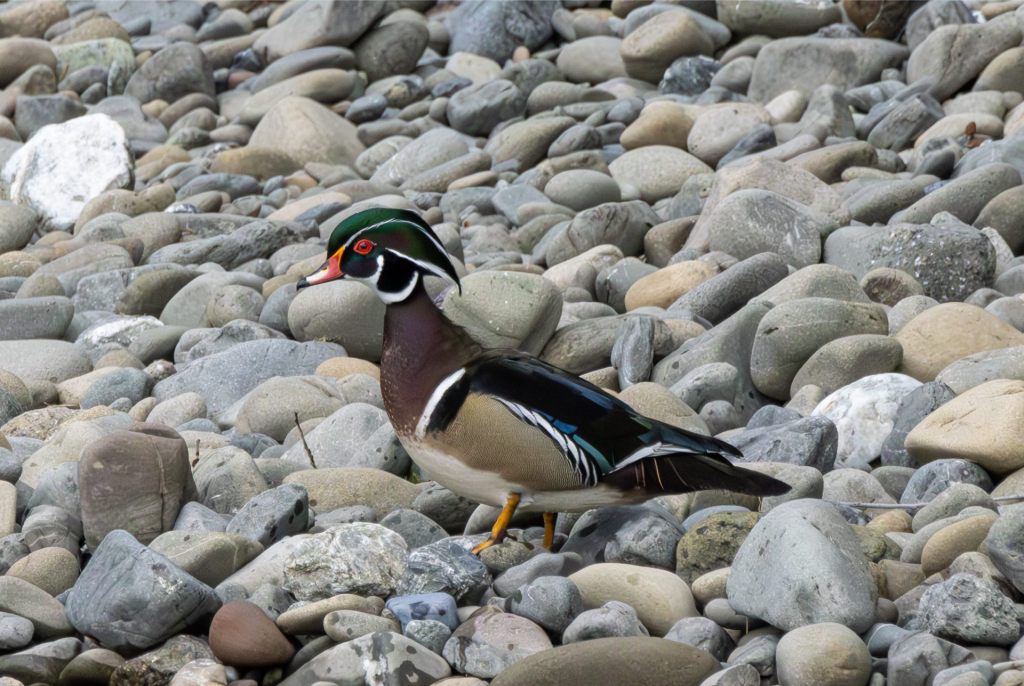
Wood Ducks can be found here year round and raise their duckling on the South Fork of the Eel.
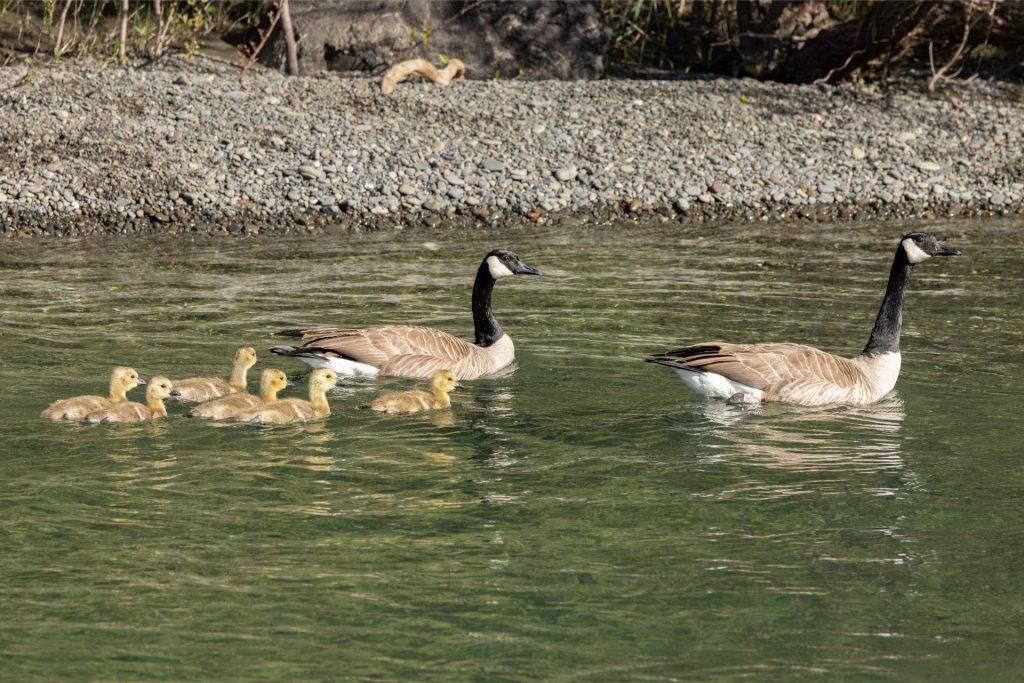
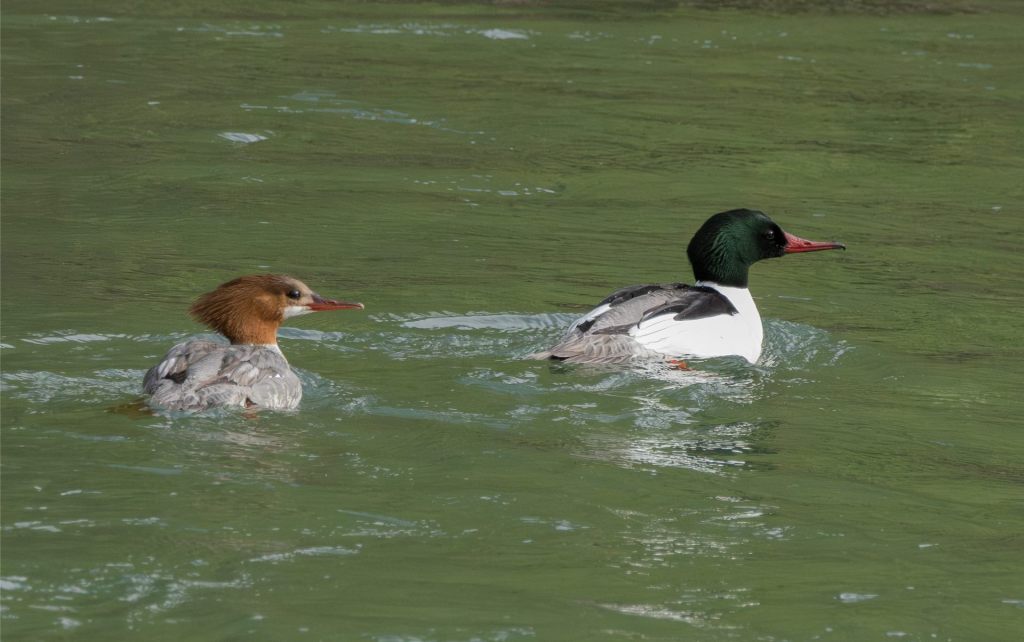
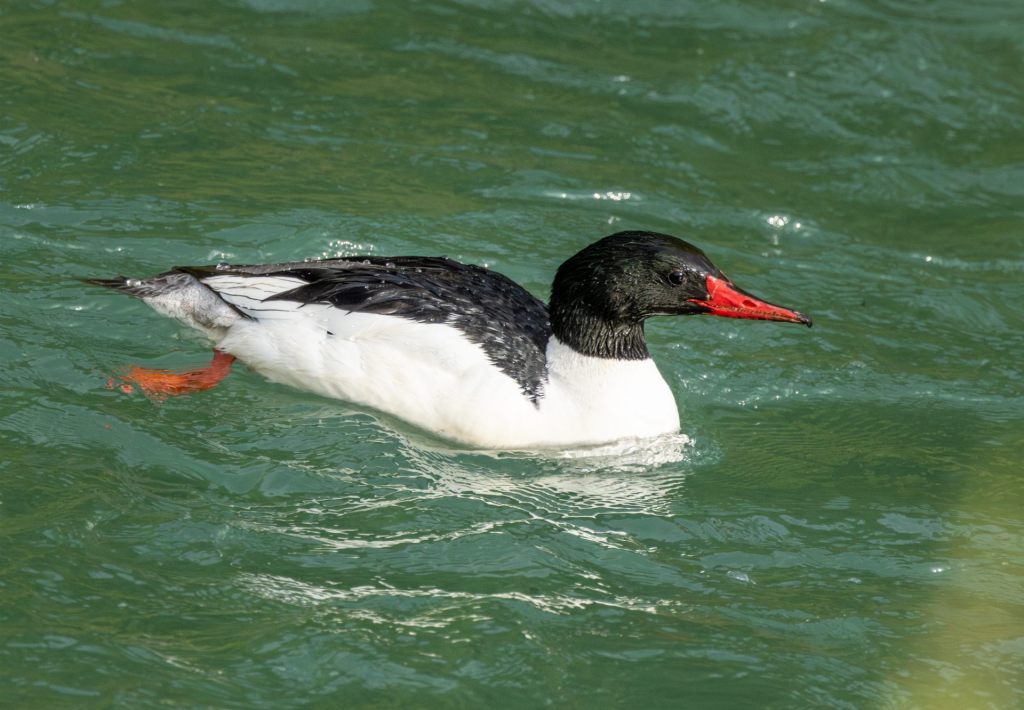
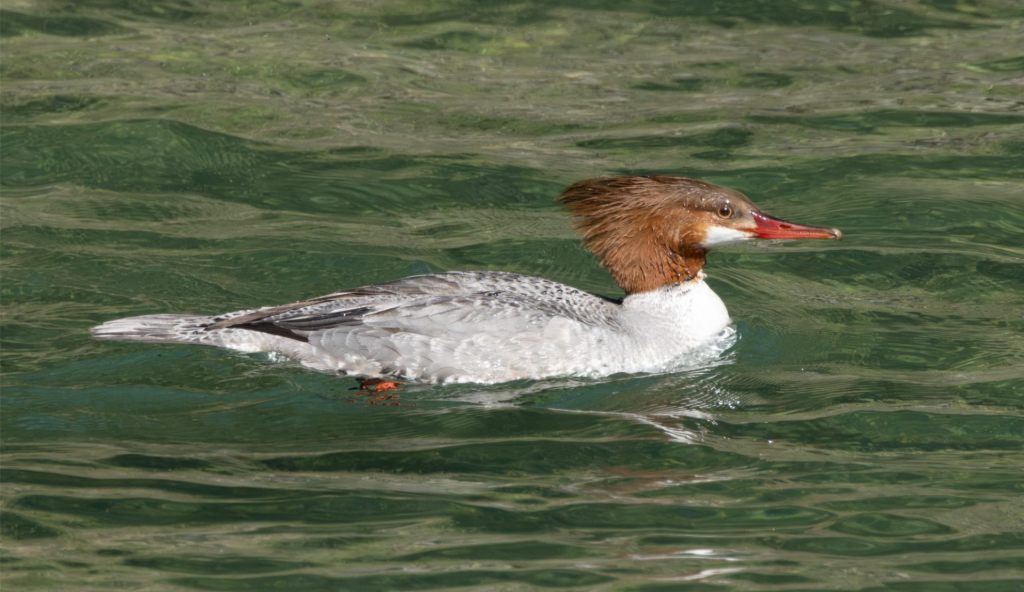
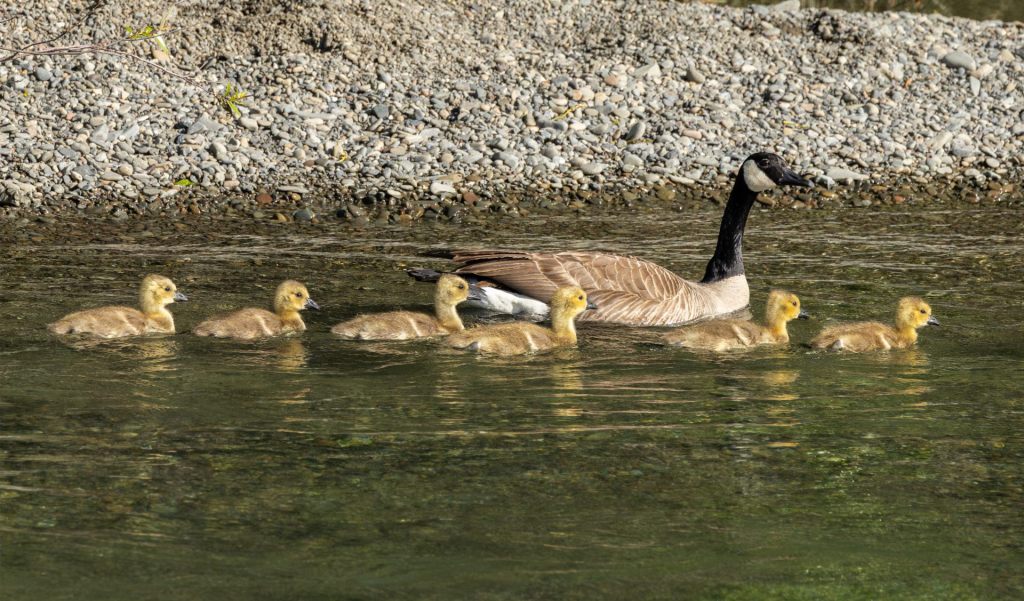
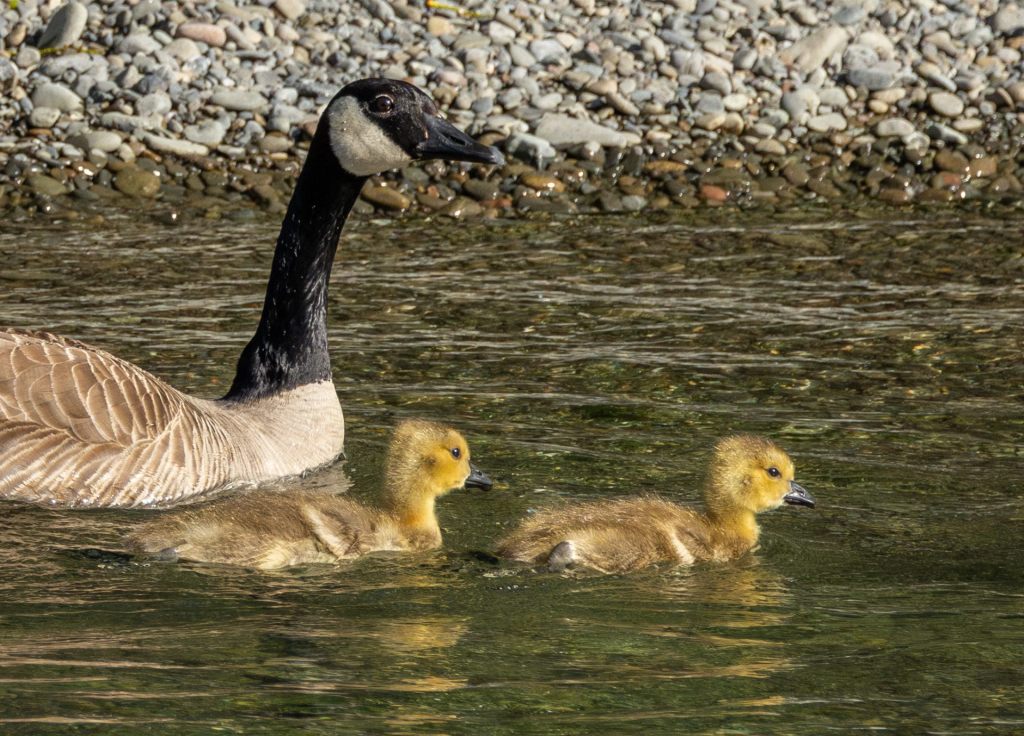
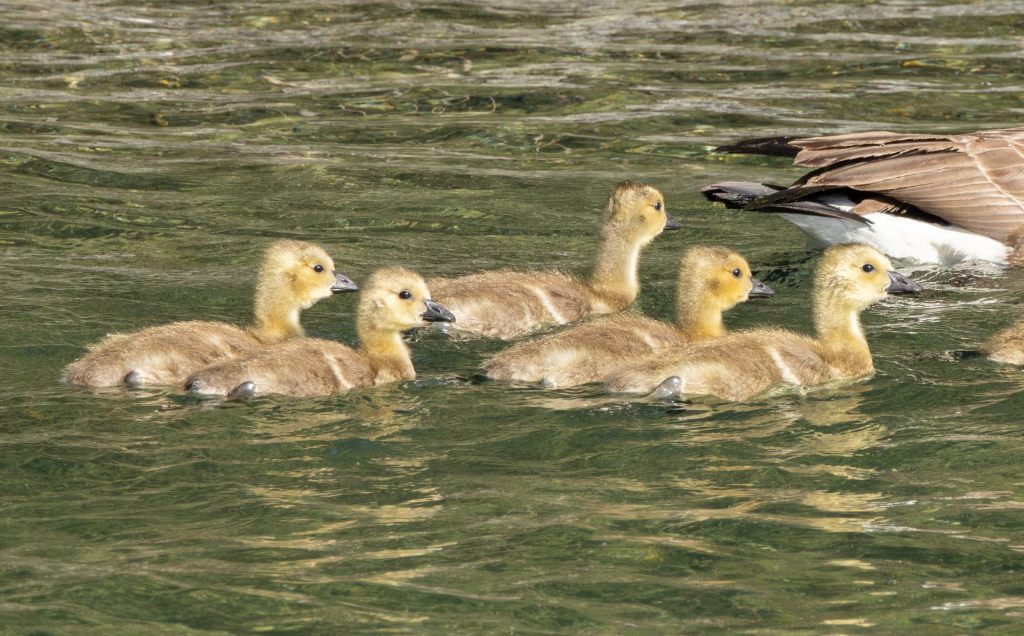
Wood Duck videoMale Wood Duck showing off his elegant design.Ms. and Mr. Common Merganser can be found on the South Fork all year. This pair may be getting ready to nestHandsome drake MerganserUnderstated beauty of the Merganser hen.Mother Canada Goose with her newly hatched young.Canada Geese have once again been seen raising their families along the South Fork of the Eel for the past few years after a long absence.Downy goslings are remarkably adept at navigating the bumpy flow of the spring river
Canada Goose family
Neo-tropical Color
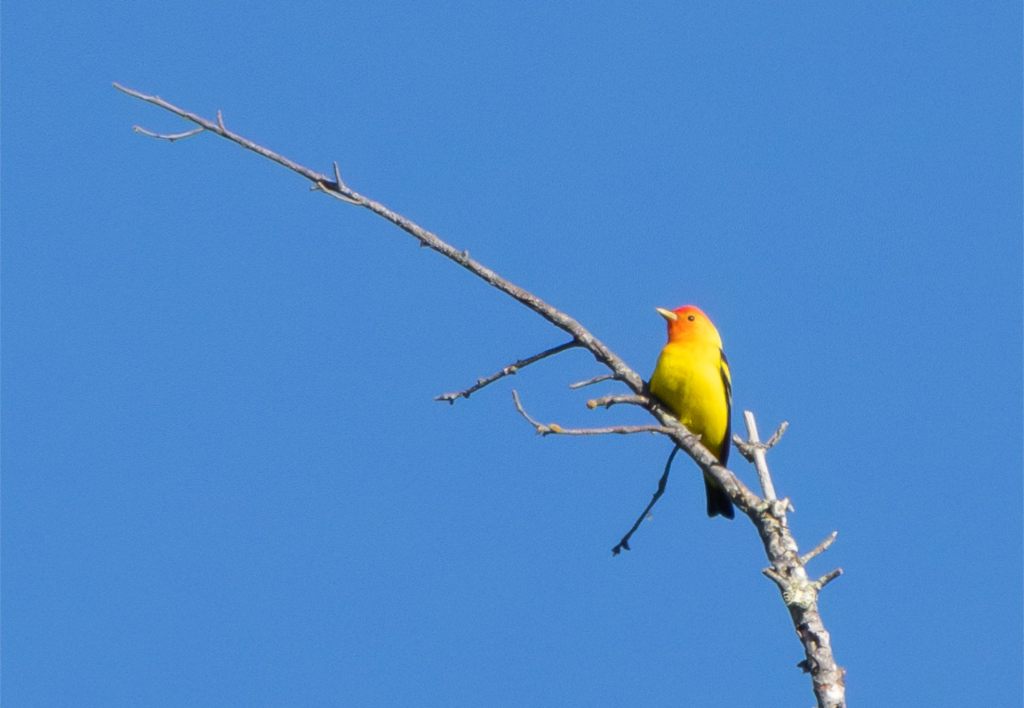
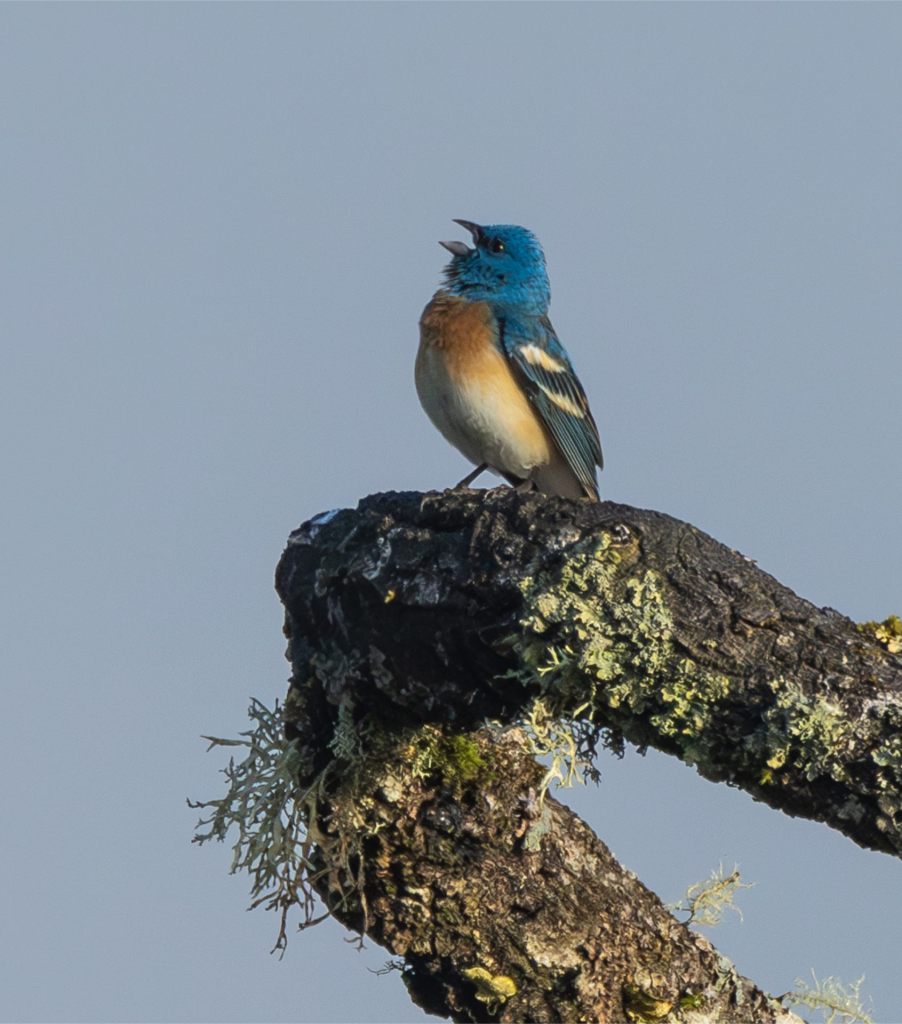
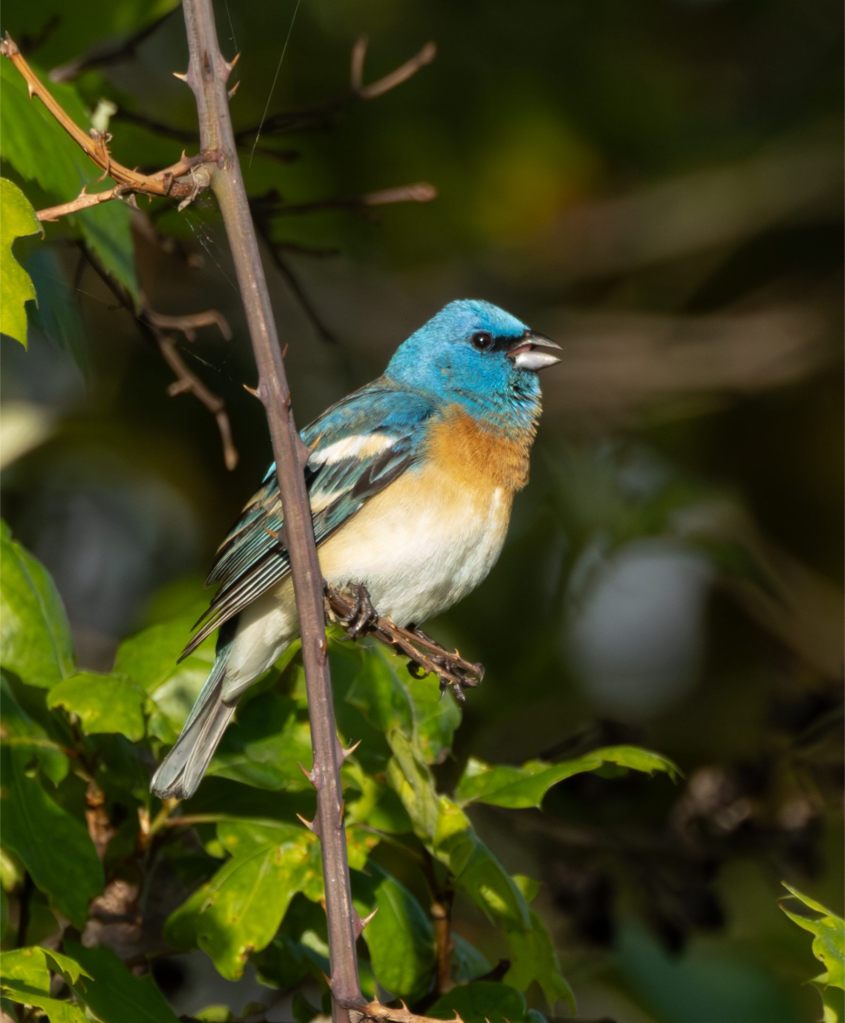
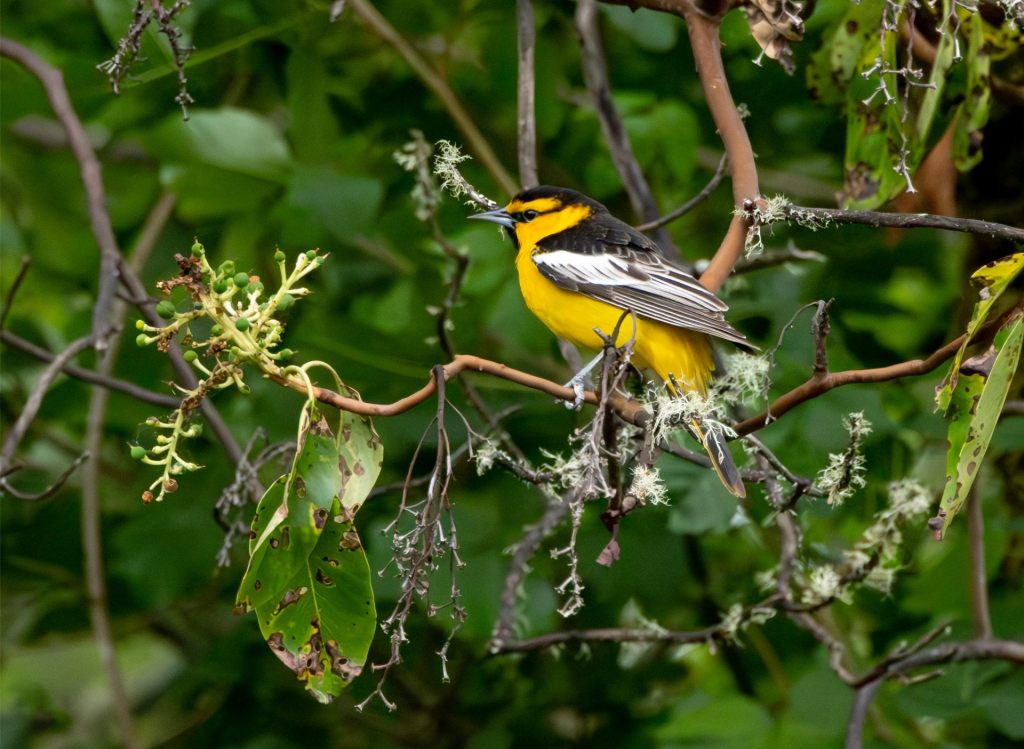
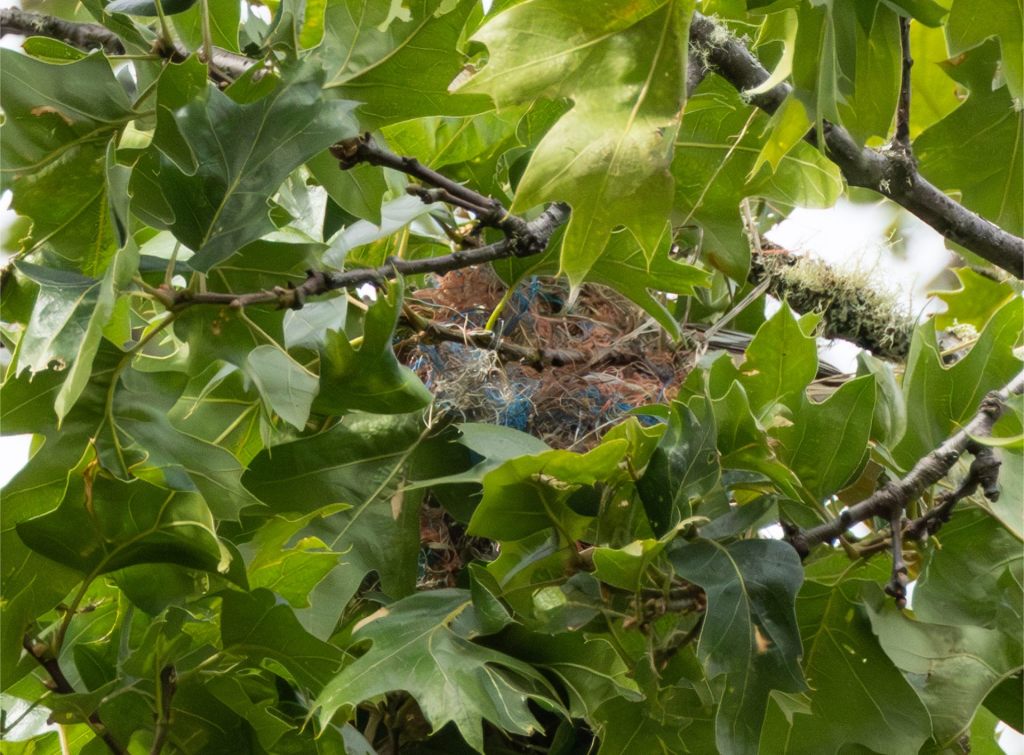
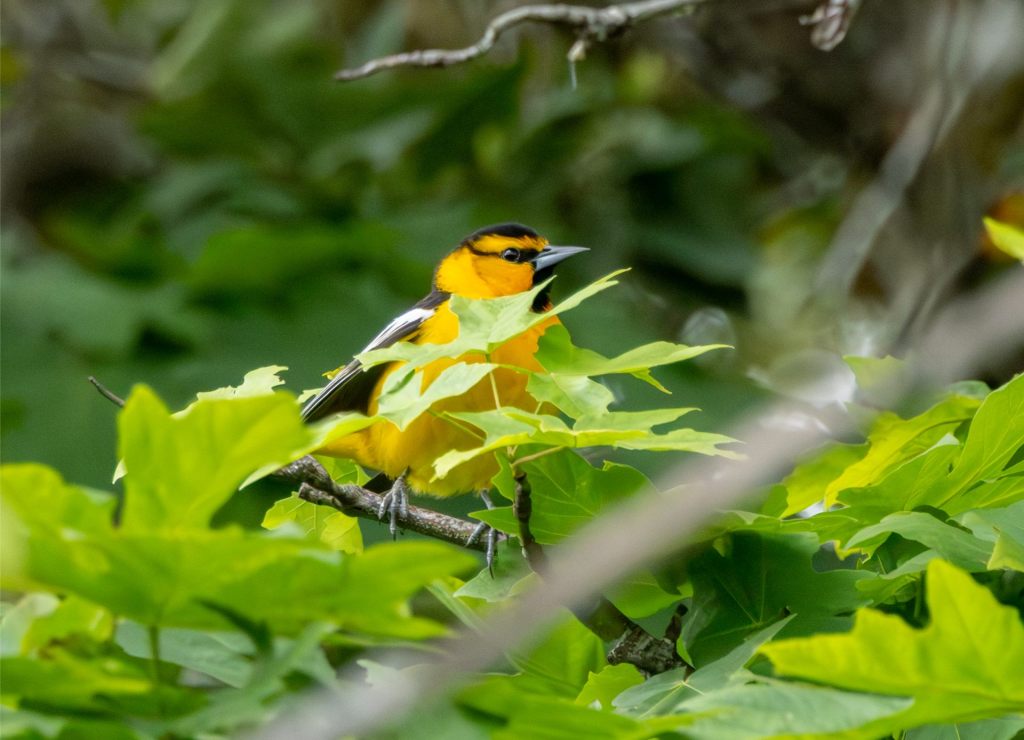
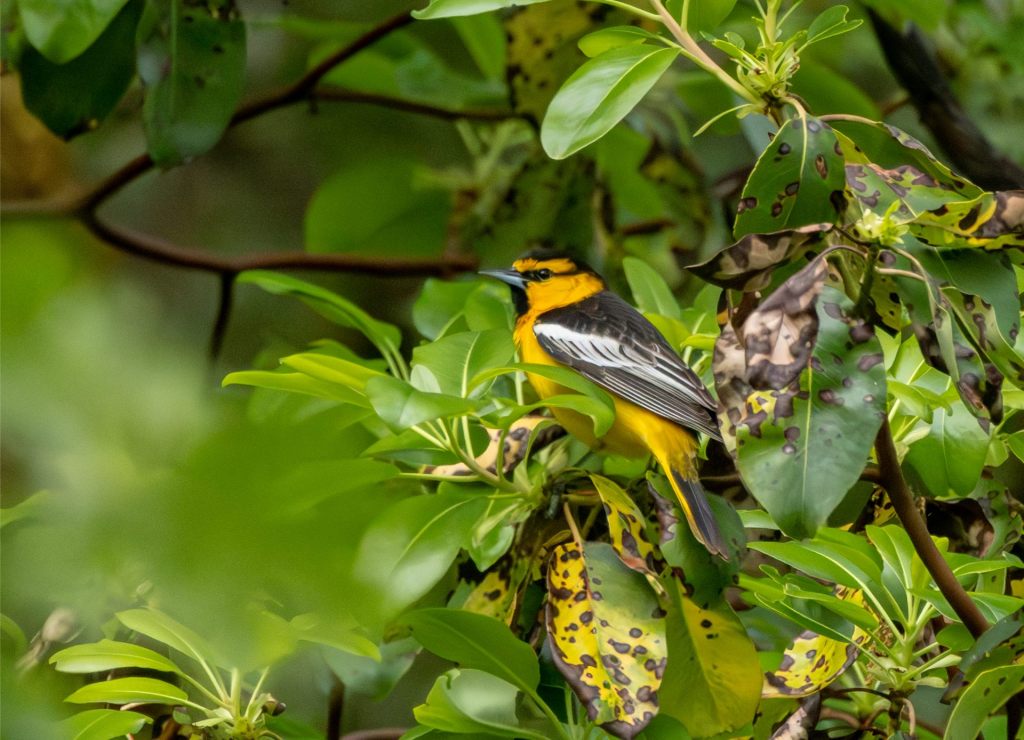
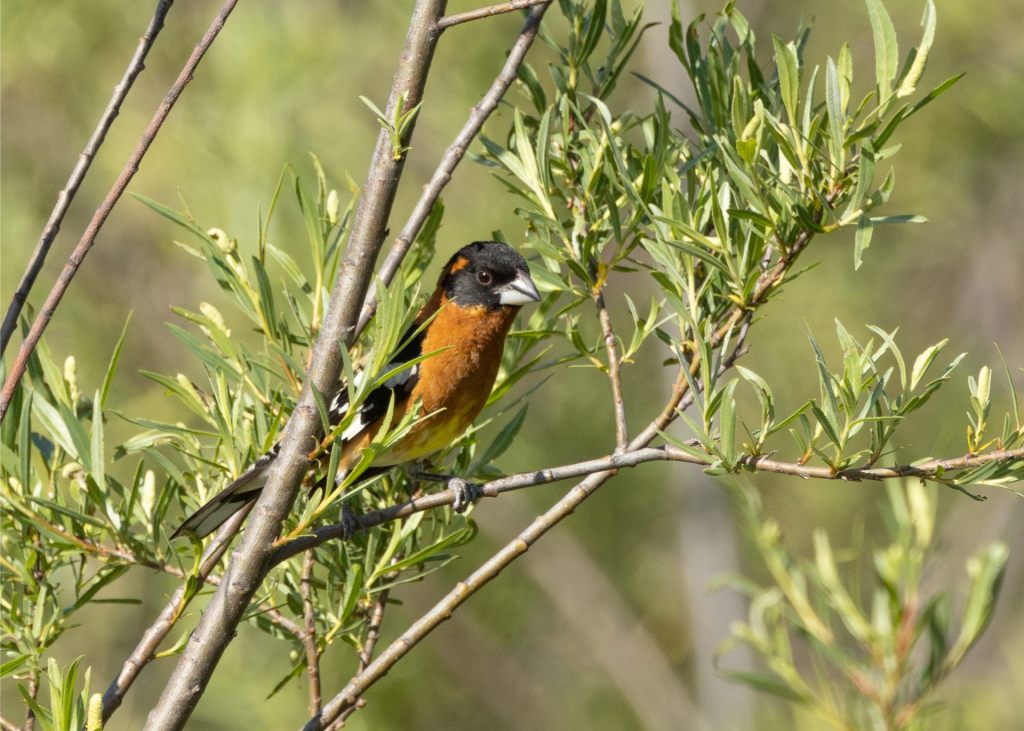
This male Western Tanager arrived in Humboldt so early that he made the rare bird alert.Lazuli Buntings are filling the community park airwaves with song.Lazuli Bunting maleBullock’s Orioles also arrived rather early. The first glimpse of that indescribable color takes my breath away every spring.Bullock’s Oriole nestis woven of various materials, but always seems to include some blue twinePapa Oriole not far from his nest.Bullock’s OrioleBlack-headed Grosbeak male has traveled here from Central Mexico to raise his young
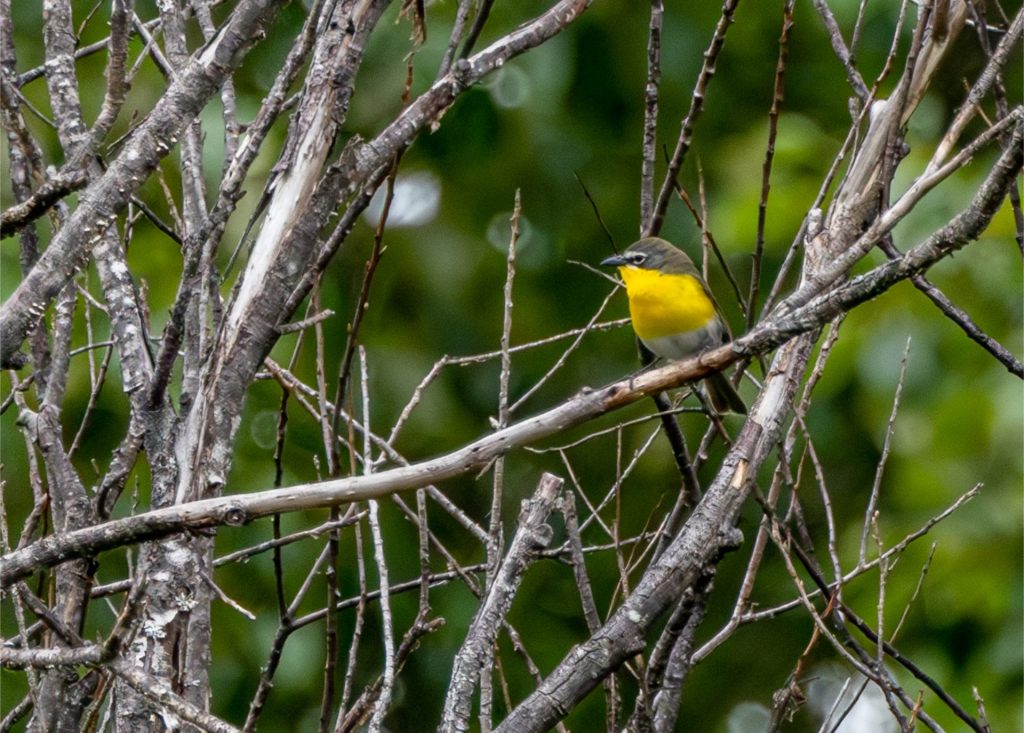
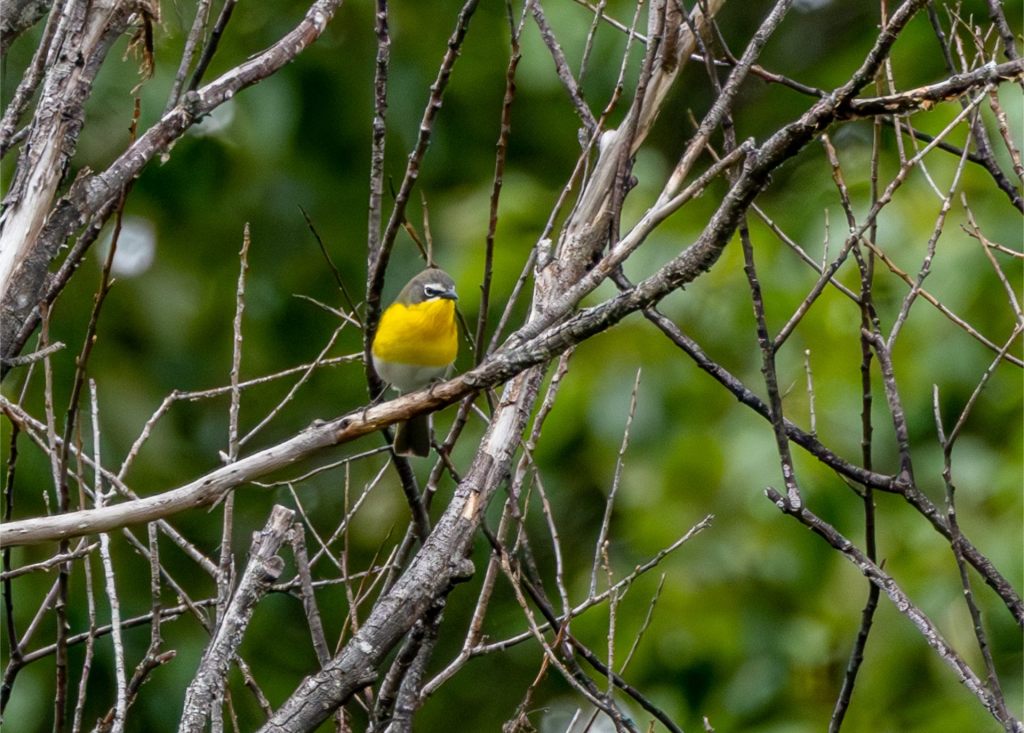
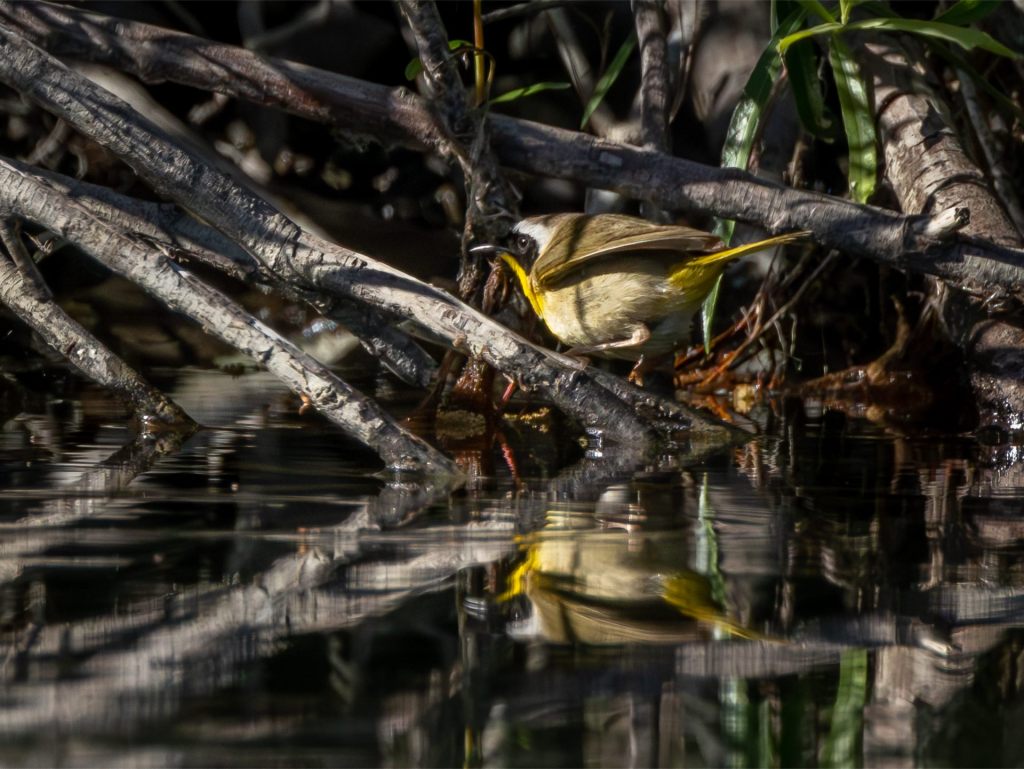
Black-headed Grosbeaks are nicknamed ‘the jazz singer’.Yellow-breasted Chats travel here each spring from Central America.Yellow-breasted Chat
Chat vocalizations are a mix of scolds, chortles, squawks, rattles, and trills.
The Locals
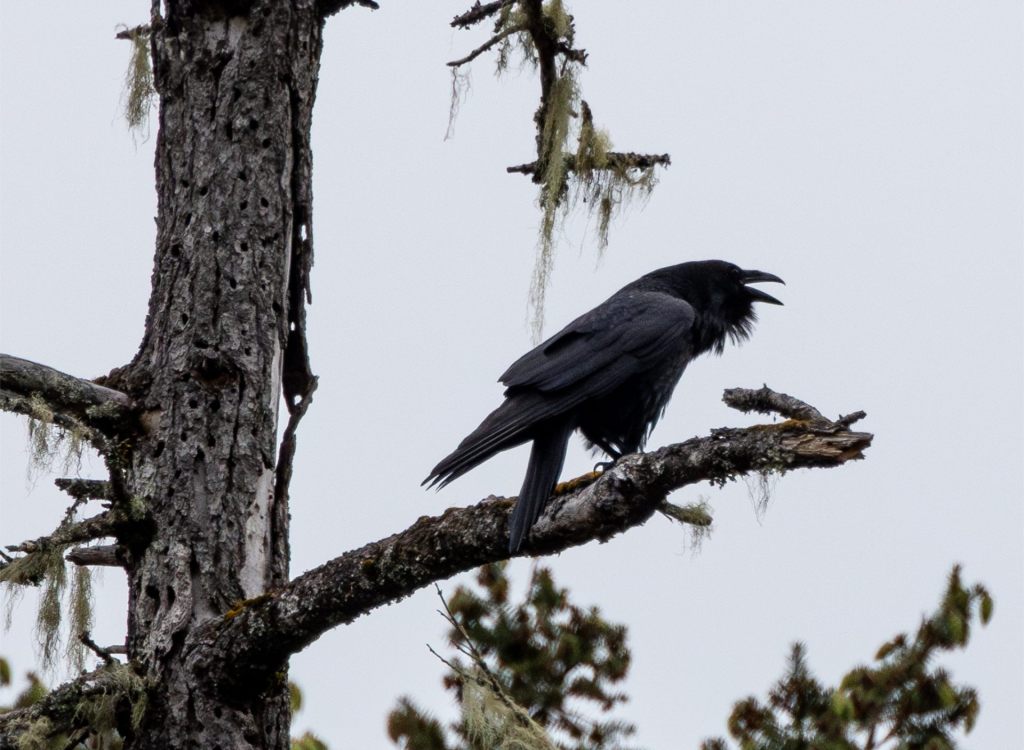
Common Ravens live here all year.
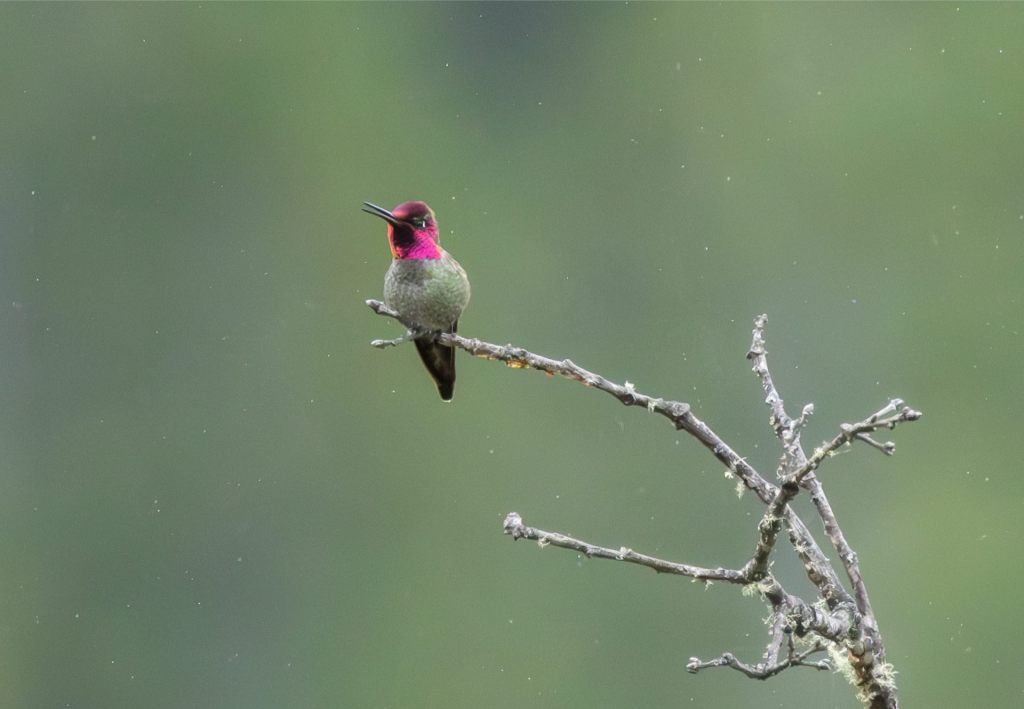
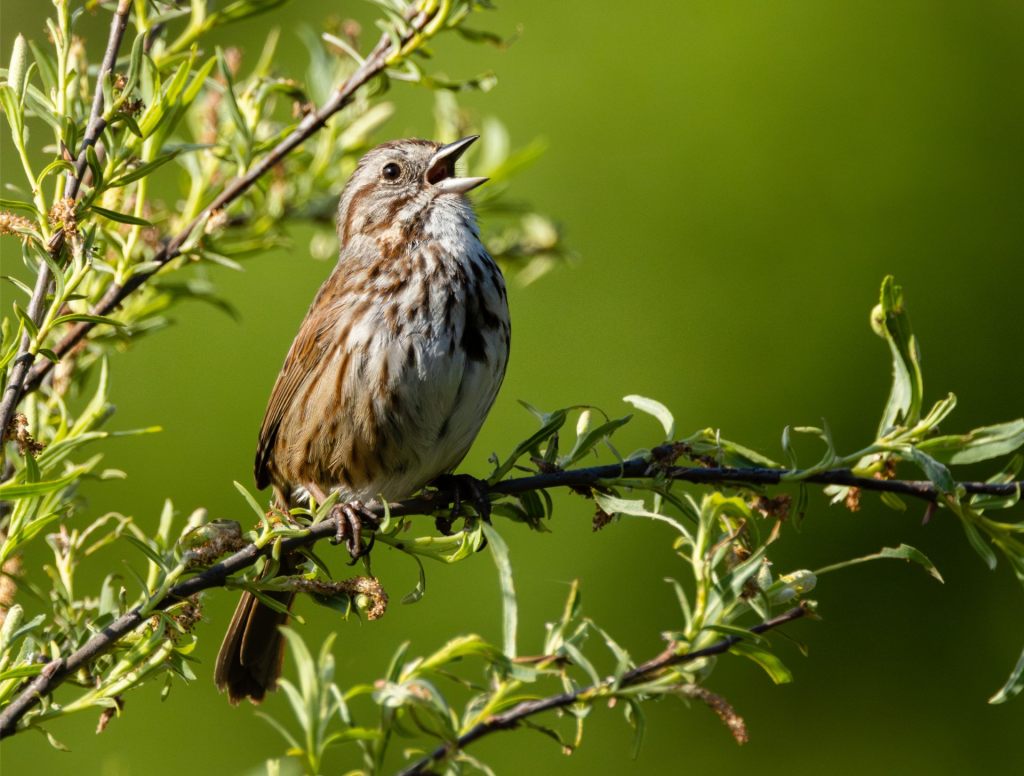
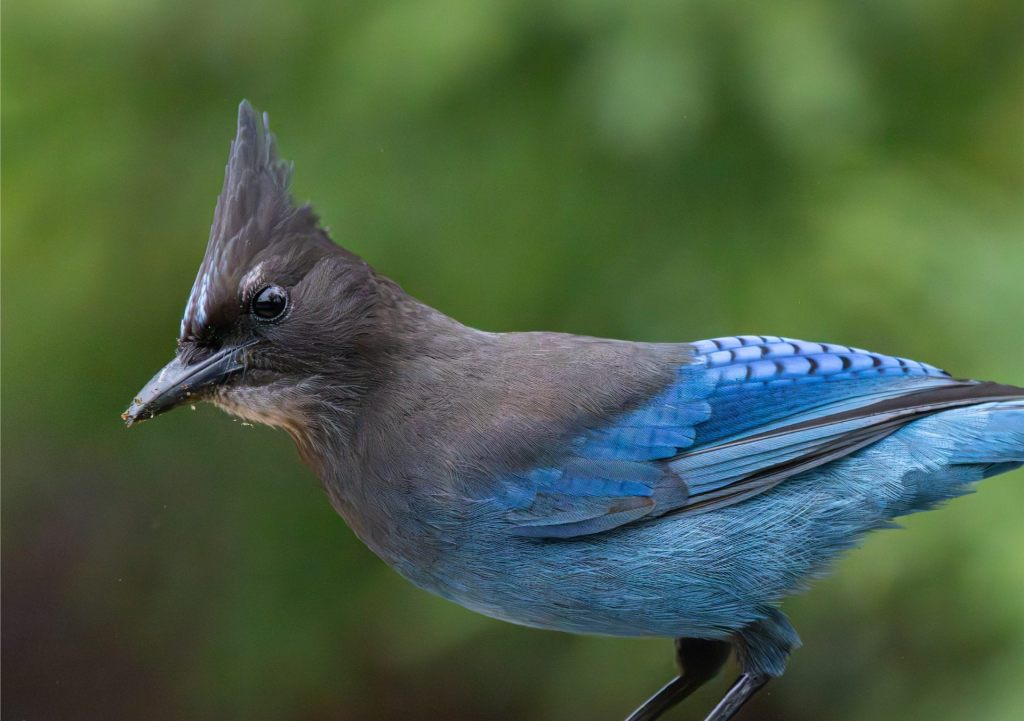
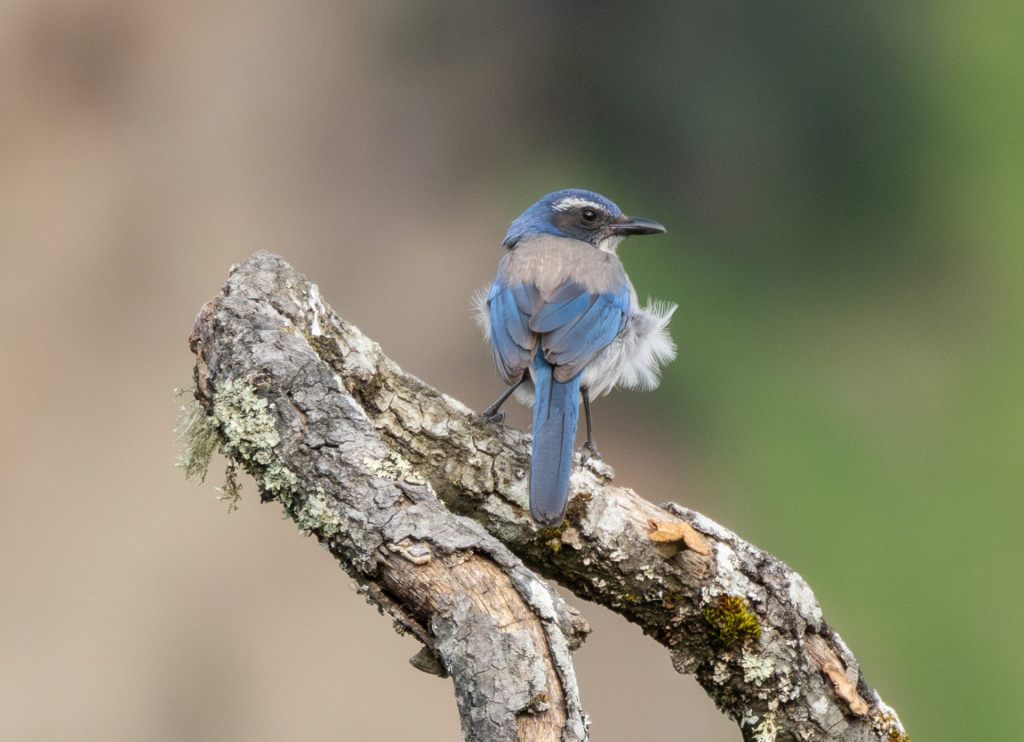
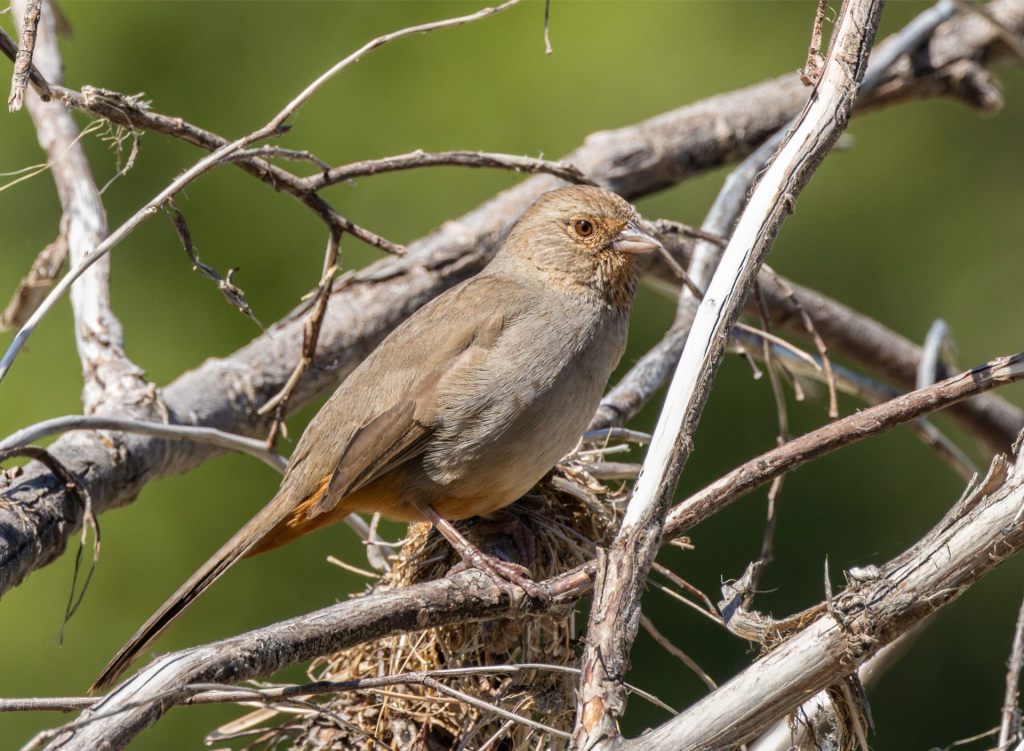
Raven soundsMale Anna’s Hummingbird in a light rainfallSong Sparrow living up to his name.Steller’s Jays are smart and sassyEven sassier, and a member of the same Corvid family as the Raven and Steller’s Jay, is the California Scrub JayAnother subtle beauty, the California Towhee is a member of the sparrow family and can be seen locally all year round.
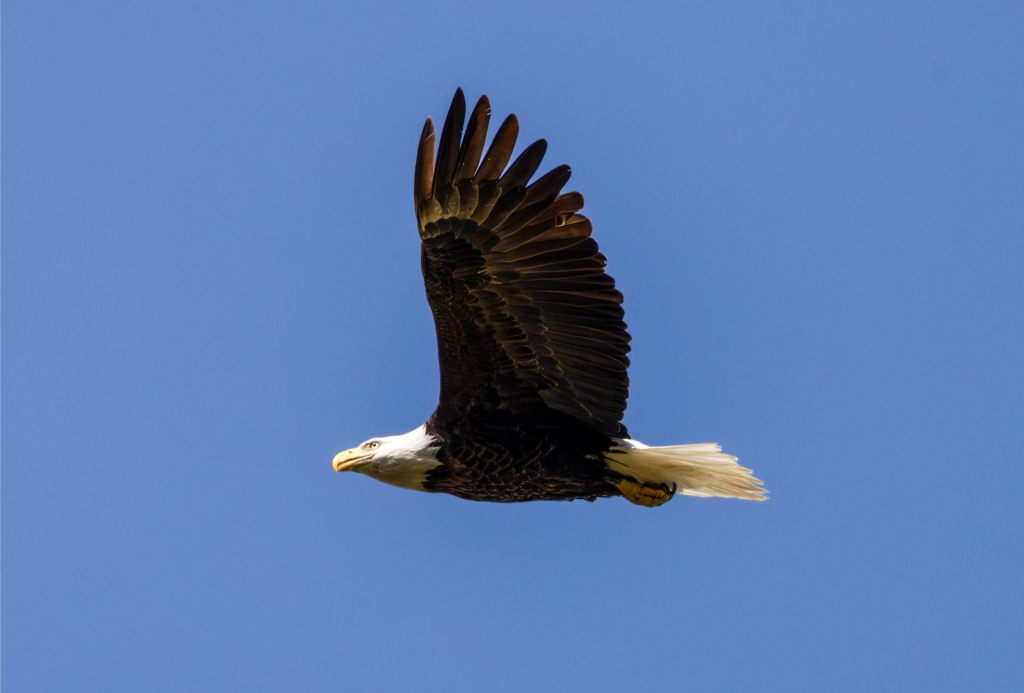
The Raptors
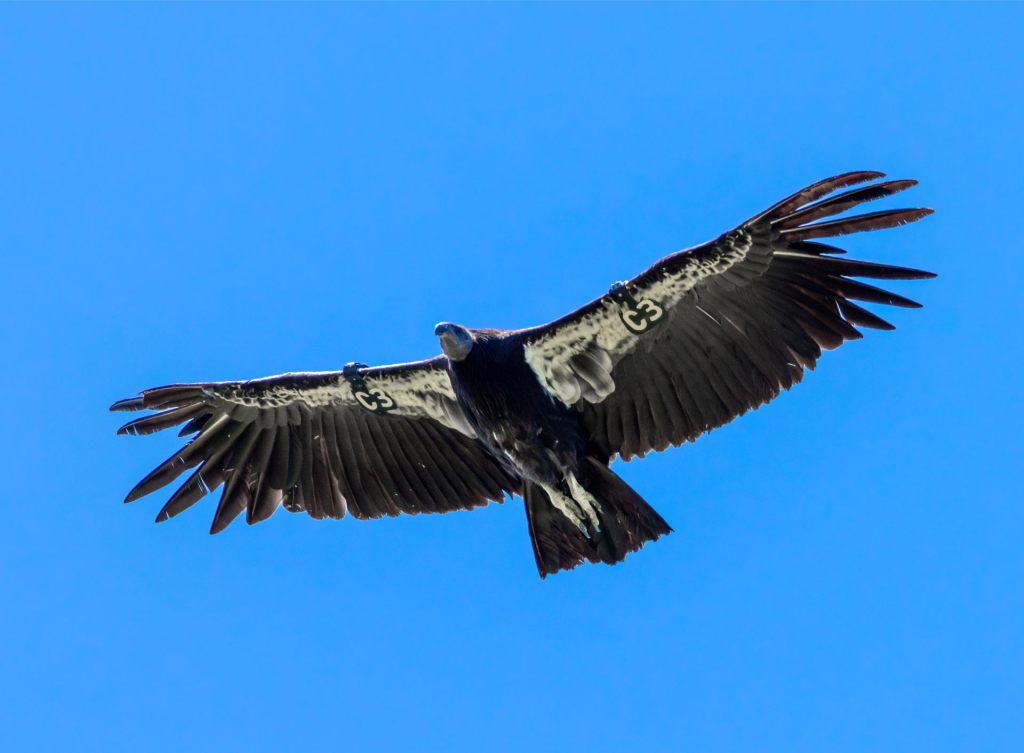
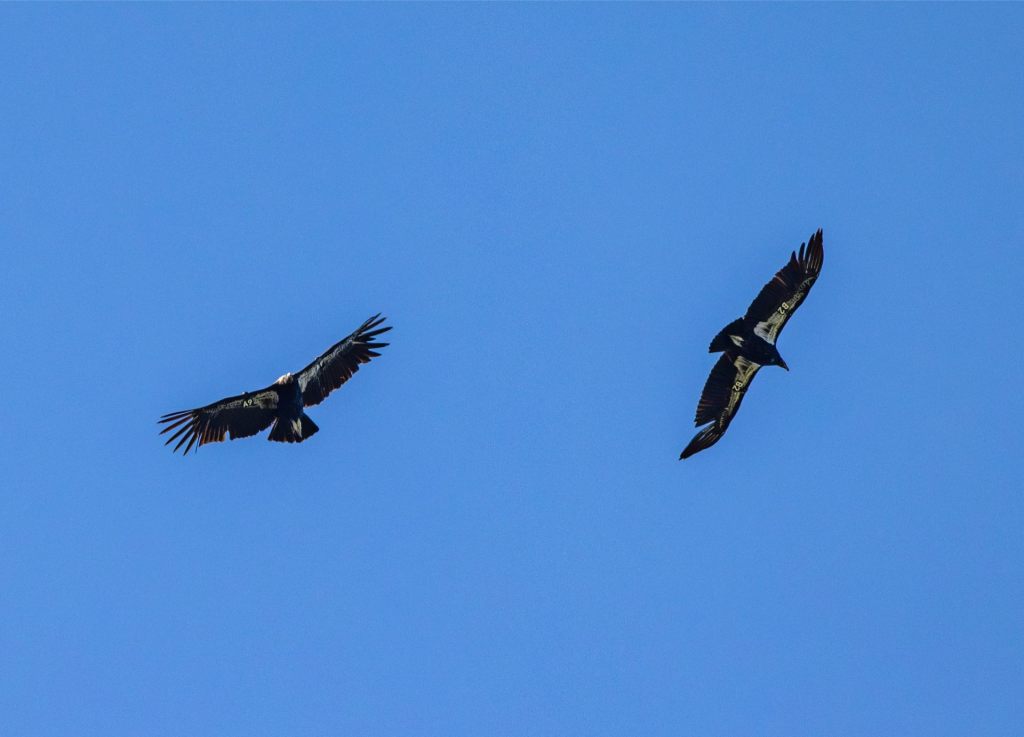
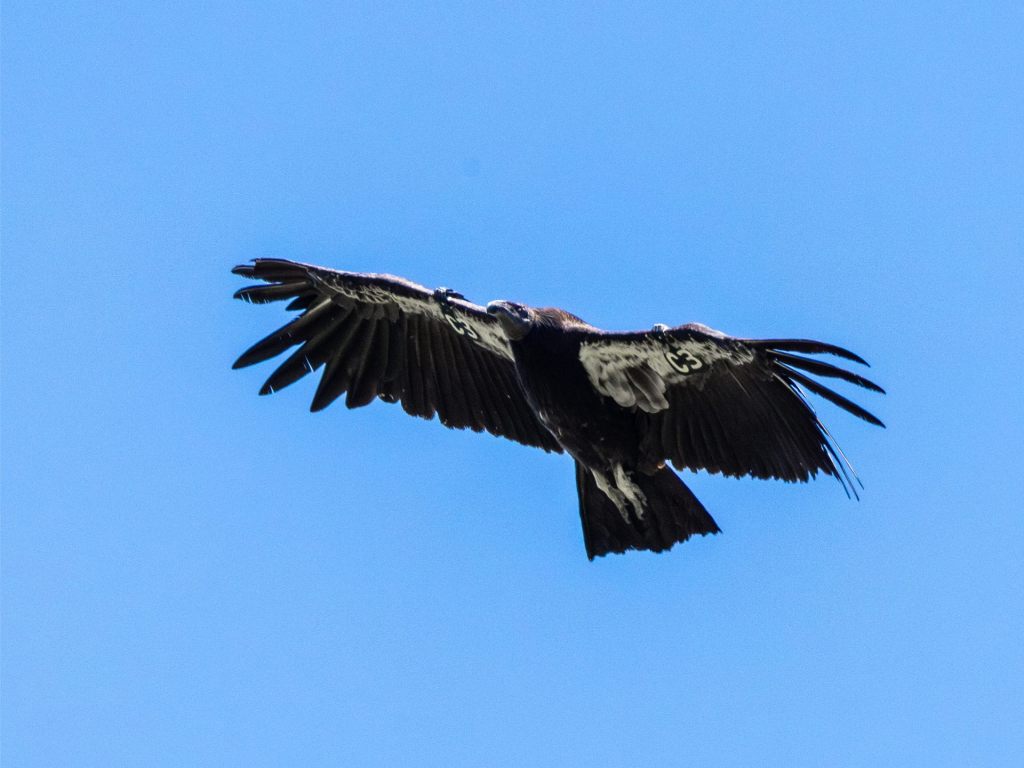
California Condors have been reintroduced to their native YurokTerritory.Pair of Condors showing the different ways the long, finger-like flight feathers are used to maneuver their large bodies on the thermals. A member of the most recently released group of Condors.
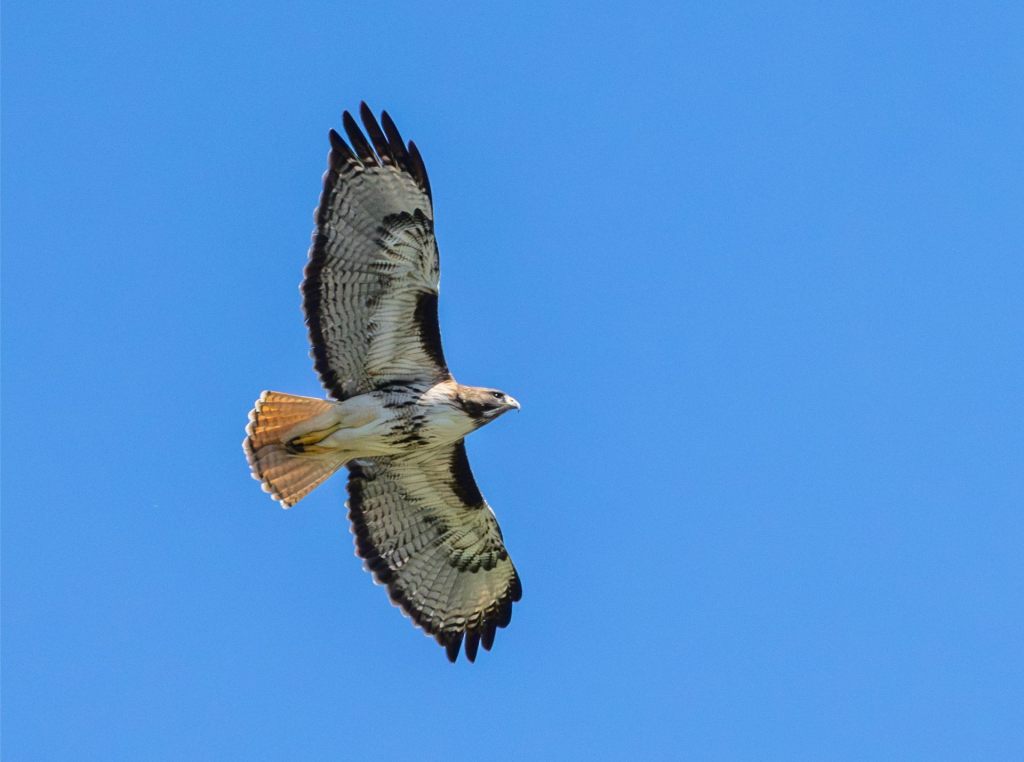
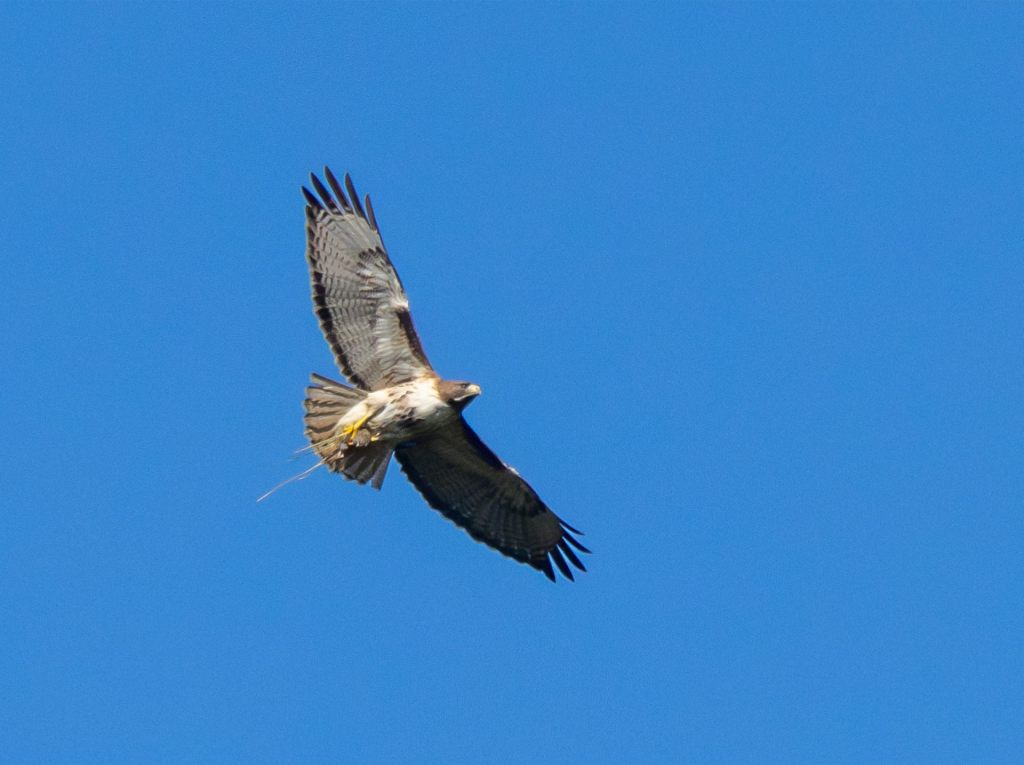
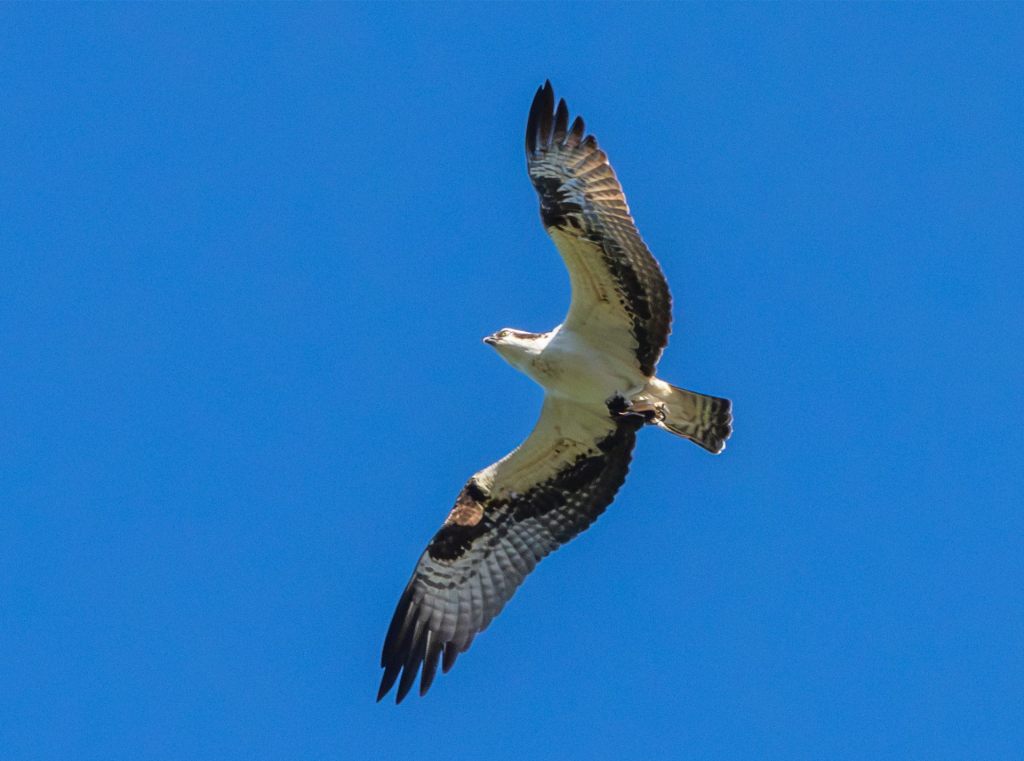
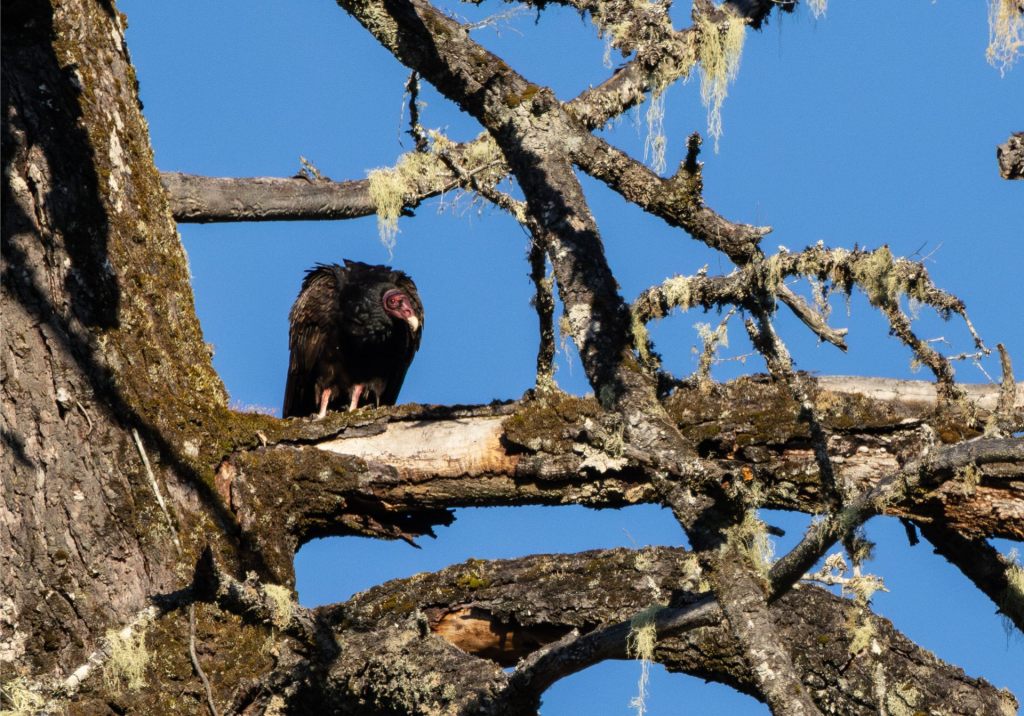
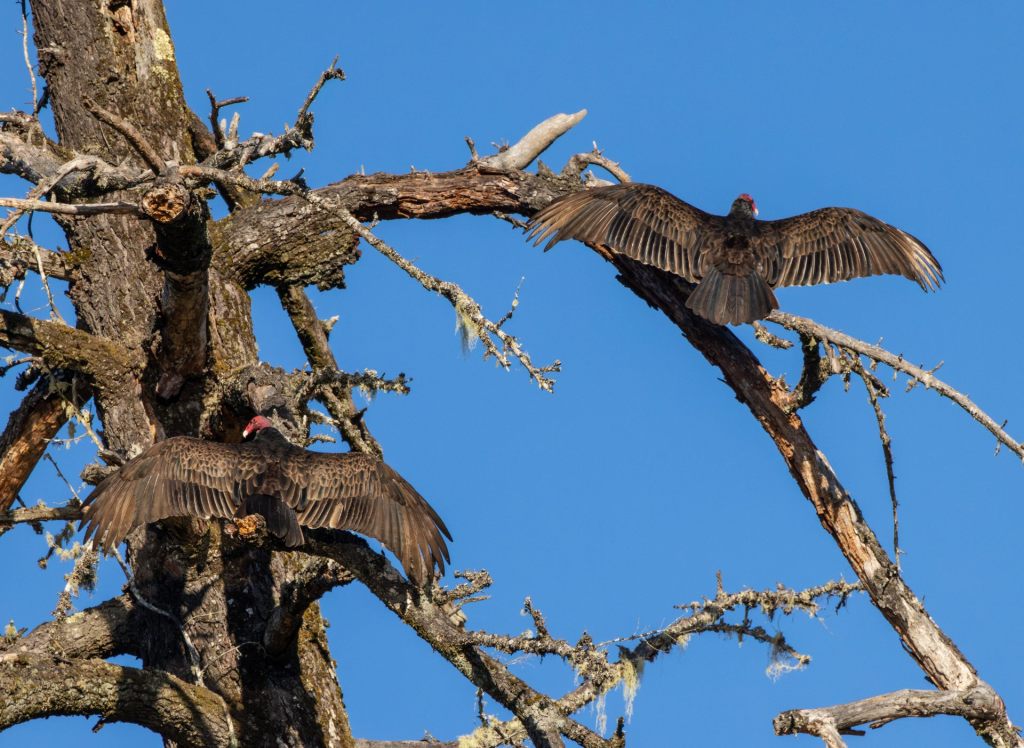
Video of Condors seen during Humboldt’s April Godwit Days Birding FestivalI believe this is the male of the local Red-Tailed Hawk pair who raise young in my neighborhood each yearHere is the same bird with prey in his talons, perhaps headed for his nest to feed his mate or their young.Osprey with what looks like the tail end of his Pacific Lamprey meal. Osprey head south for the winter, but come back to Humboldt every spring to raise their families.Turkey Vultures used to leave the area every winter, and some do still migrate away, but as the climate has changed, a handful stay here on clean-up duty all winter.Turkey Vultures warming their wings on a chilly spring morning.



 Free Range Photography
Leave a comment