The highlight of the month of June was the explosion of baby birds appearing everywhere. Tiny beaks belonging to a wide variety of species broke out of countless eggs as life asserted itself unbothered by the doings of man. Parents then worked tirelessly to bring nutrition to their helpless nestlings. Many songbirds will go from featherless to being able to fly out of the nest within ten days. Looking like unfinished miniatures of their parents, downy bits still intermingled with adult feathers, youngsters can often be told by a kind of “deer in the headlights” look: the world is so new to them they don’t yet know fear.
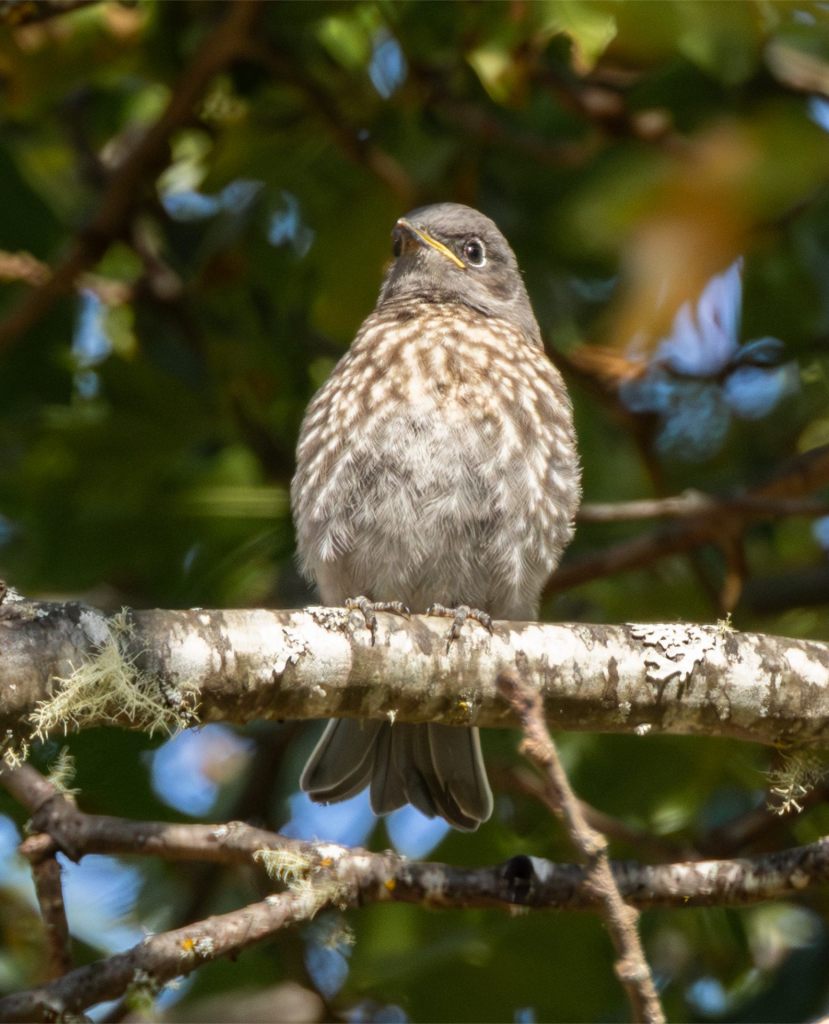
Western Bluebird juvenile
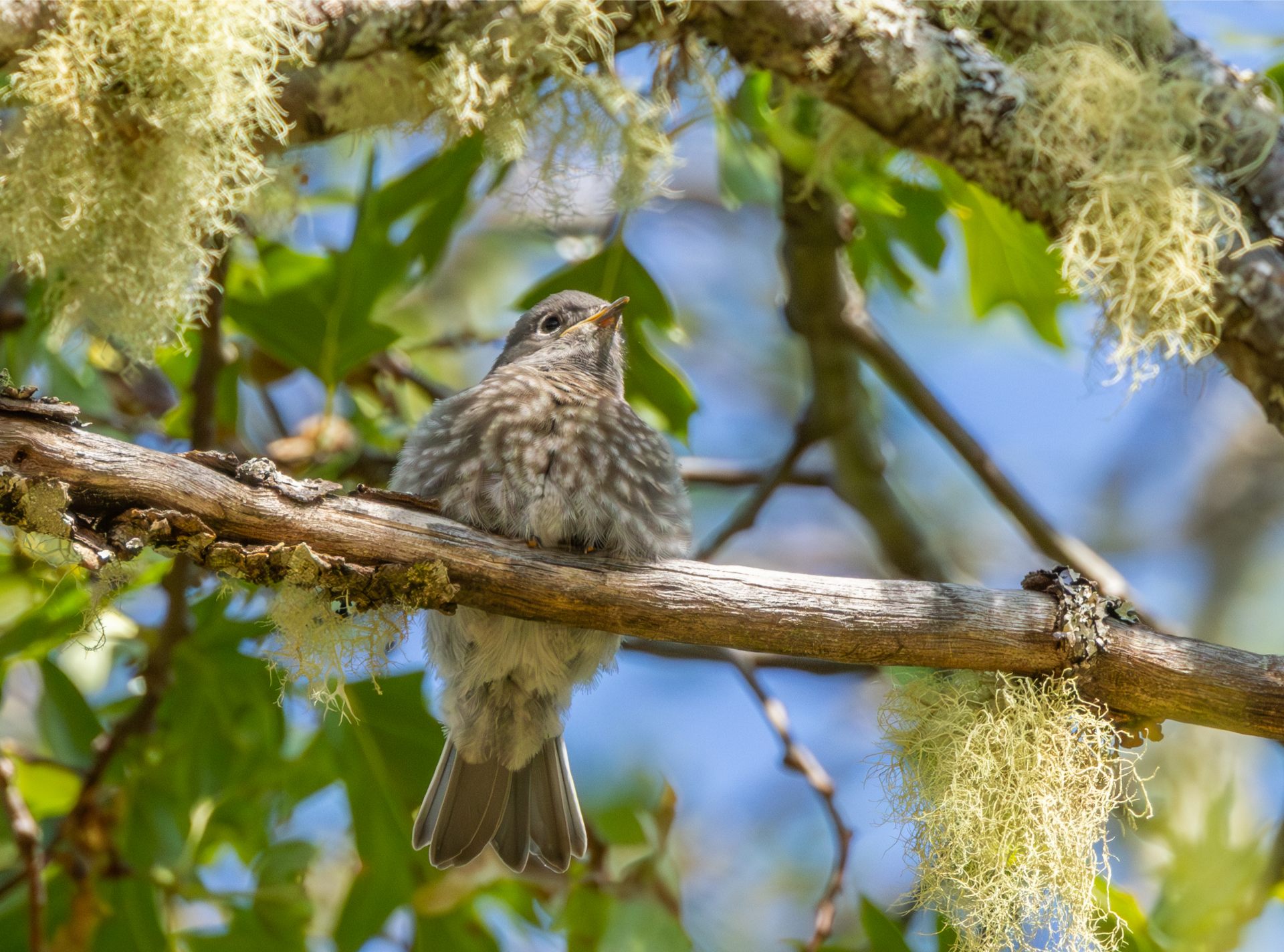
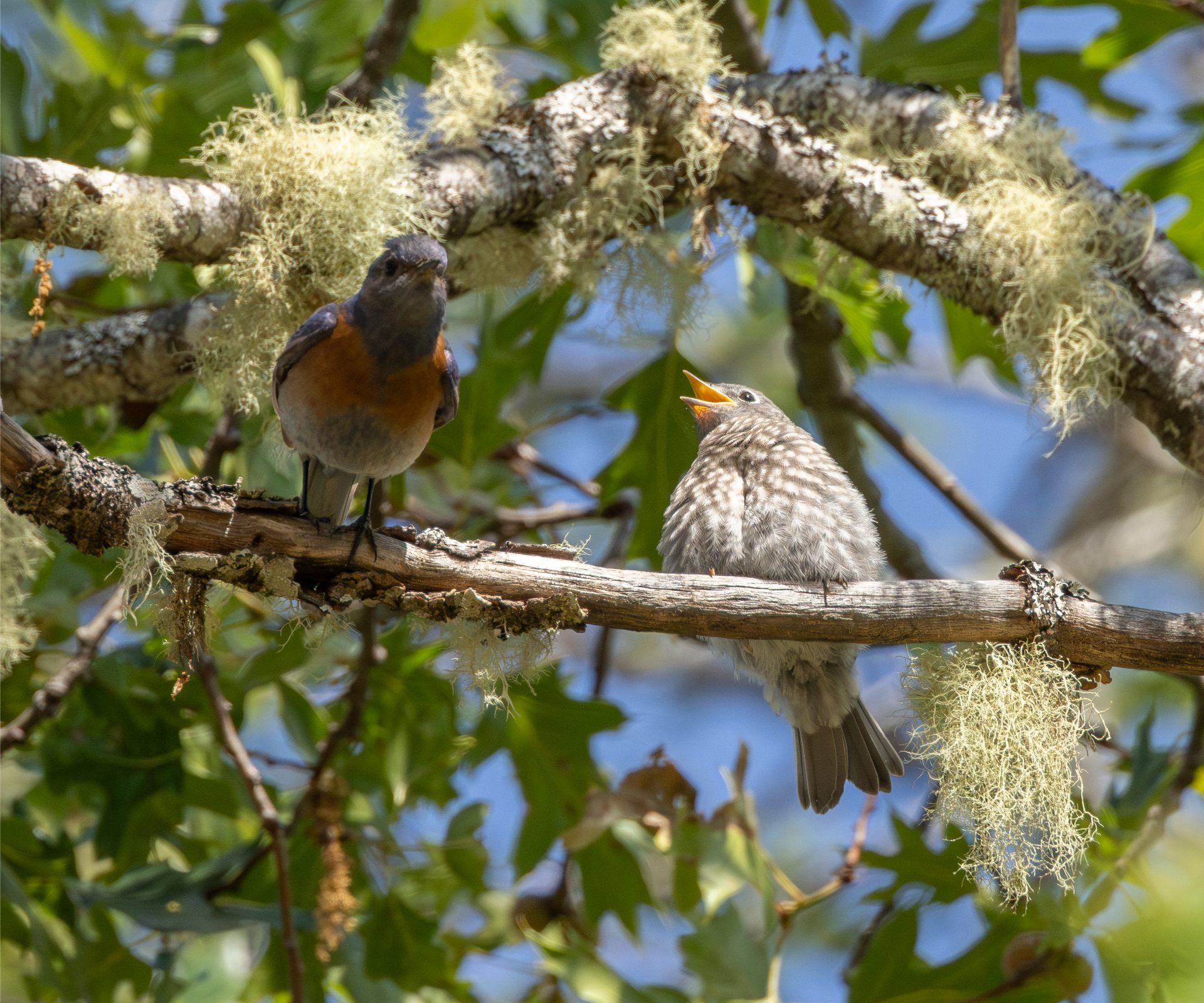
Once the juveniles can fly, most are not yet able to find or catch their own food, so they can be seen sitting in trees and bushes, sometimes alone, sometimes in small groups awaiting avian door dash. Some sit quietly, others vocalize, but all flutter their wings and open their beaks wide at the approach of a parent. The following photos are a collection of life-affirming happenings in my neighborhood during June 2025.
Juvenile Western Bluebird awaiting food delivery.Adult male Western Bluebird has just delivered a snack to the juvenile. As he leaves, the youngster opens its beak, hoping for more.Female bluebird with a meal for her nestling.
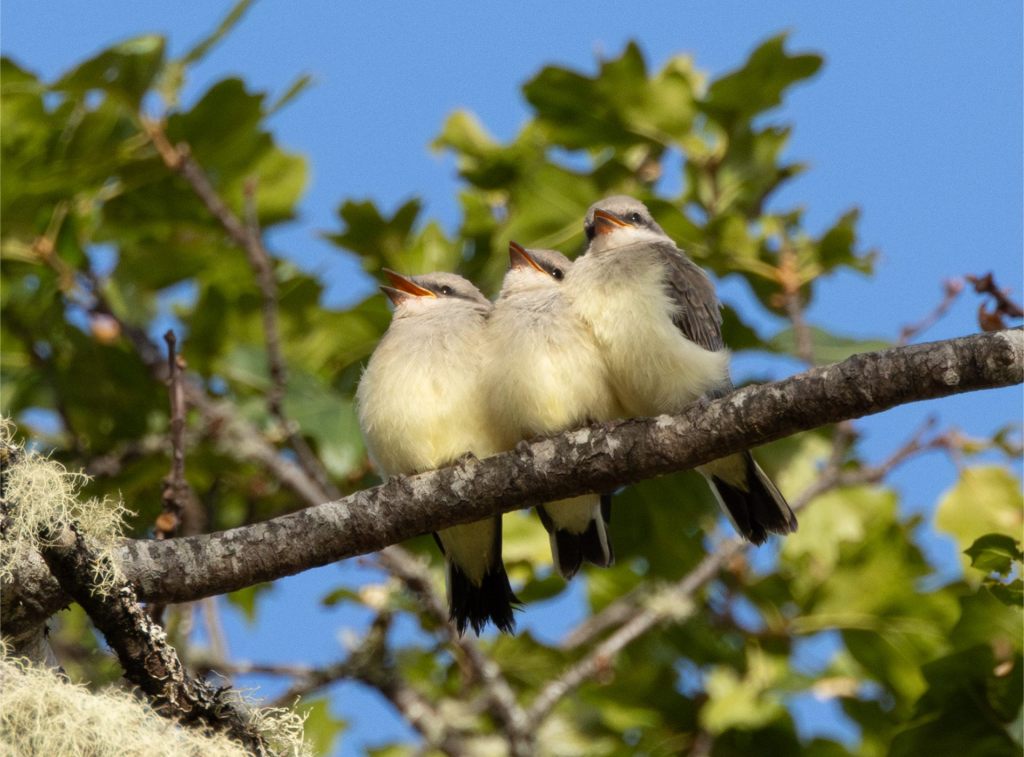
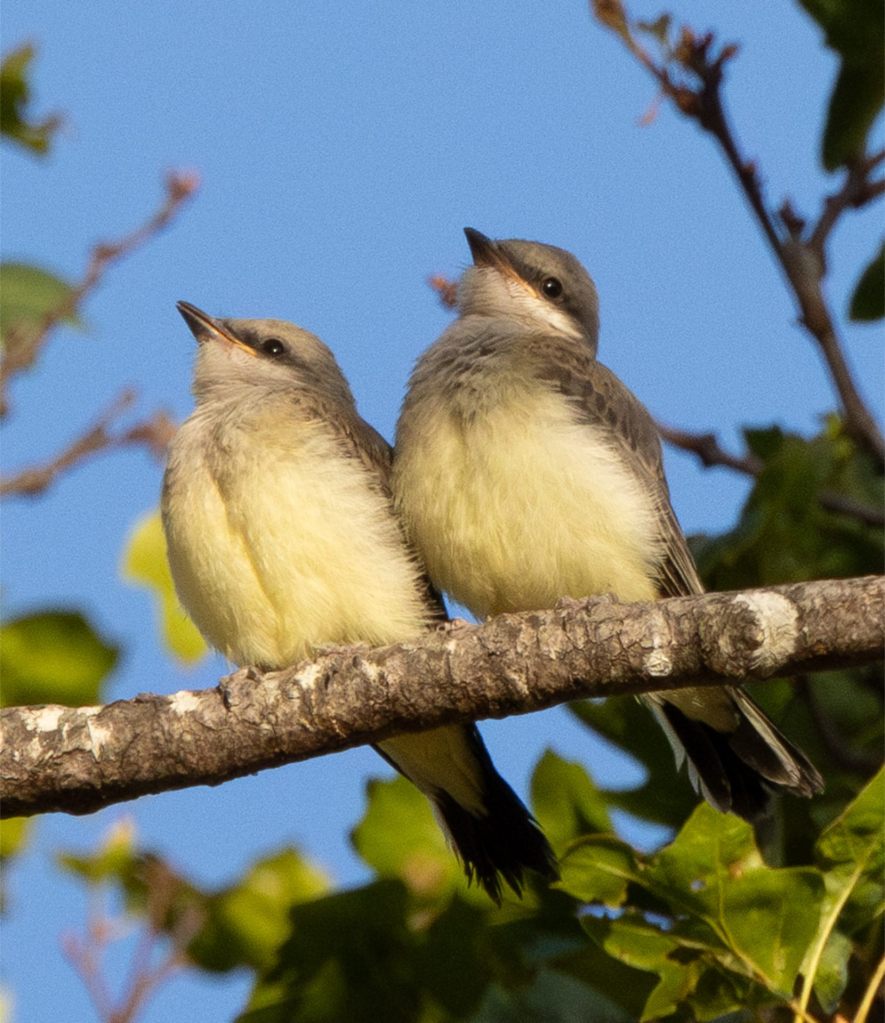
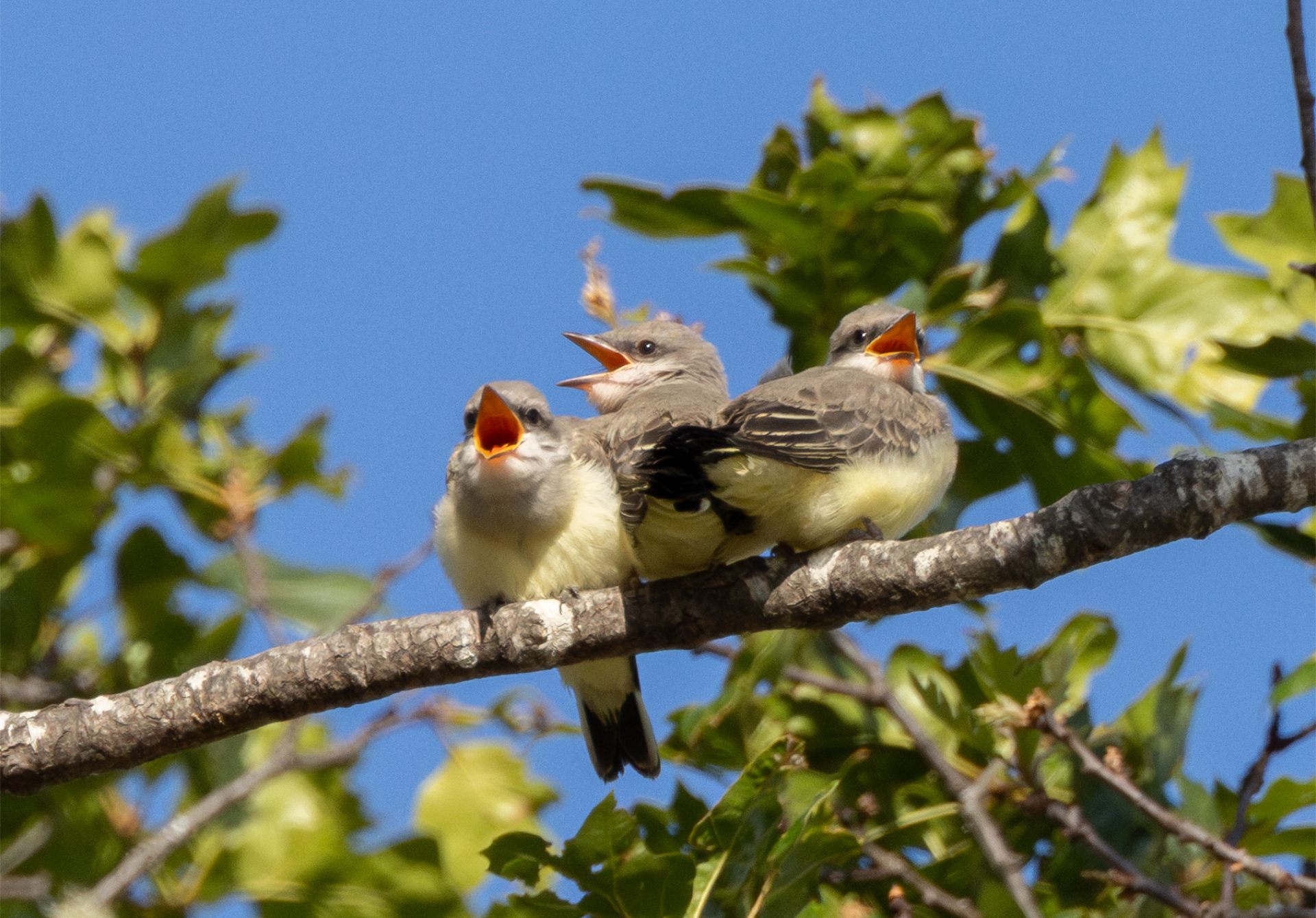
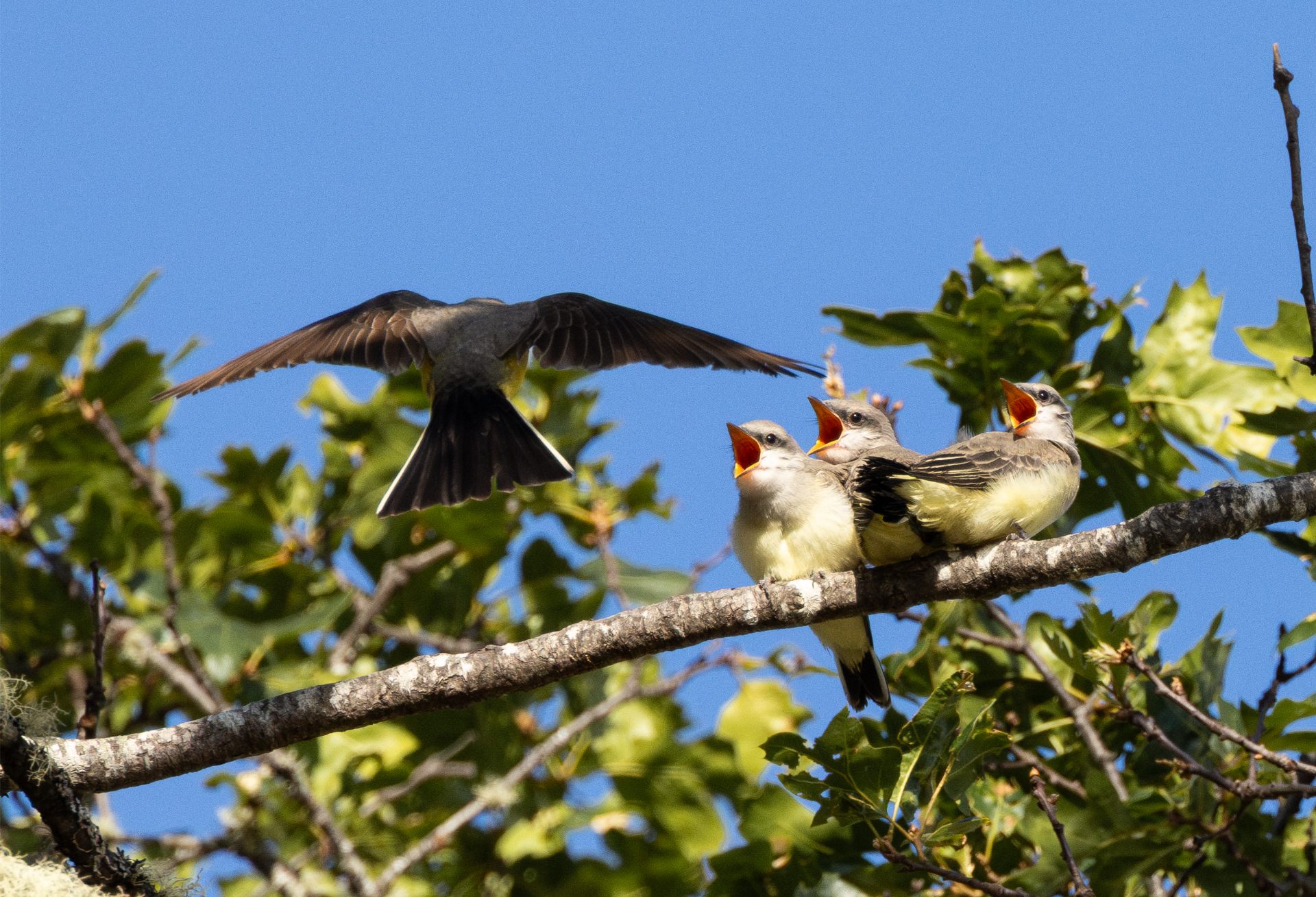
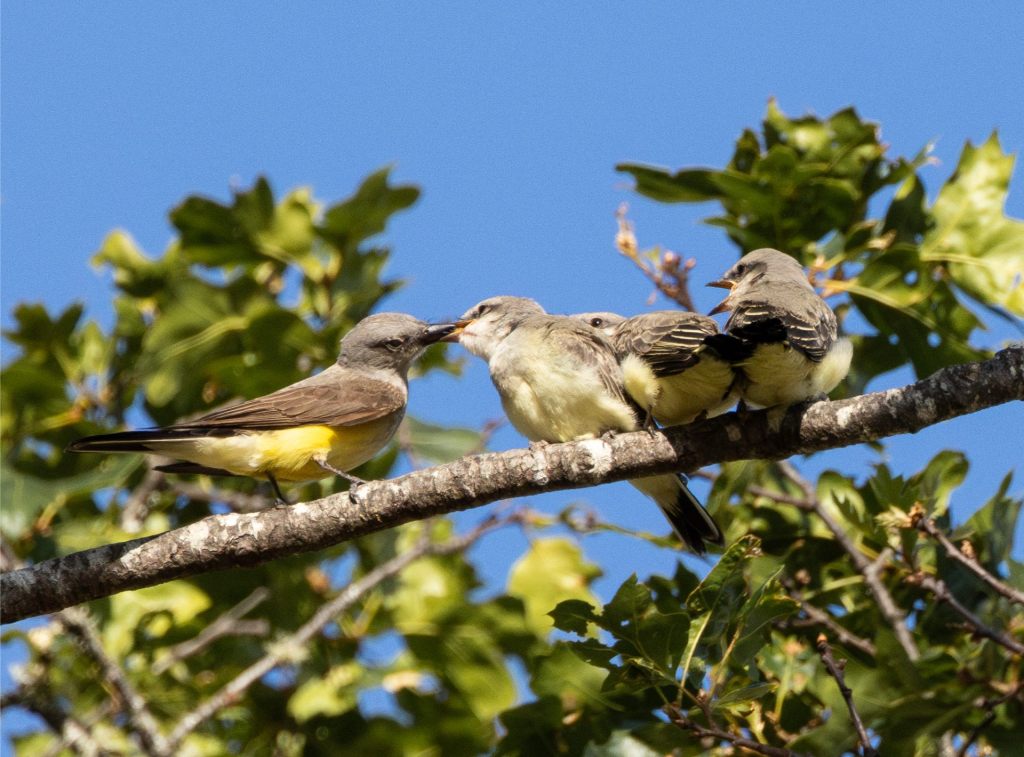
Video from a couple years ago showing how the Bluebird fledglings cluster and vocalize while waiting for food.A pair of Western Kingbird fledglings show the brightly colored “gape” at the edge of the bill opening. This feature will fade as the bird matures and becomes independent, but helps parents get the food where it’s meant to go.Fledglings will open their bills wide any time a parent (or sometimes any birds) comes near.These Kingbirds are ready.Delivery has arrived!I watched this trio being fed for quite a while. The parent made sure that every juvenile got their share.
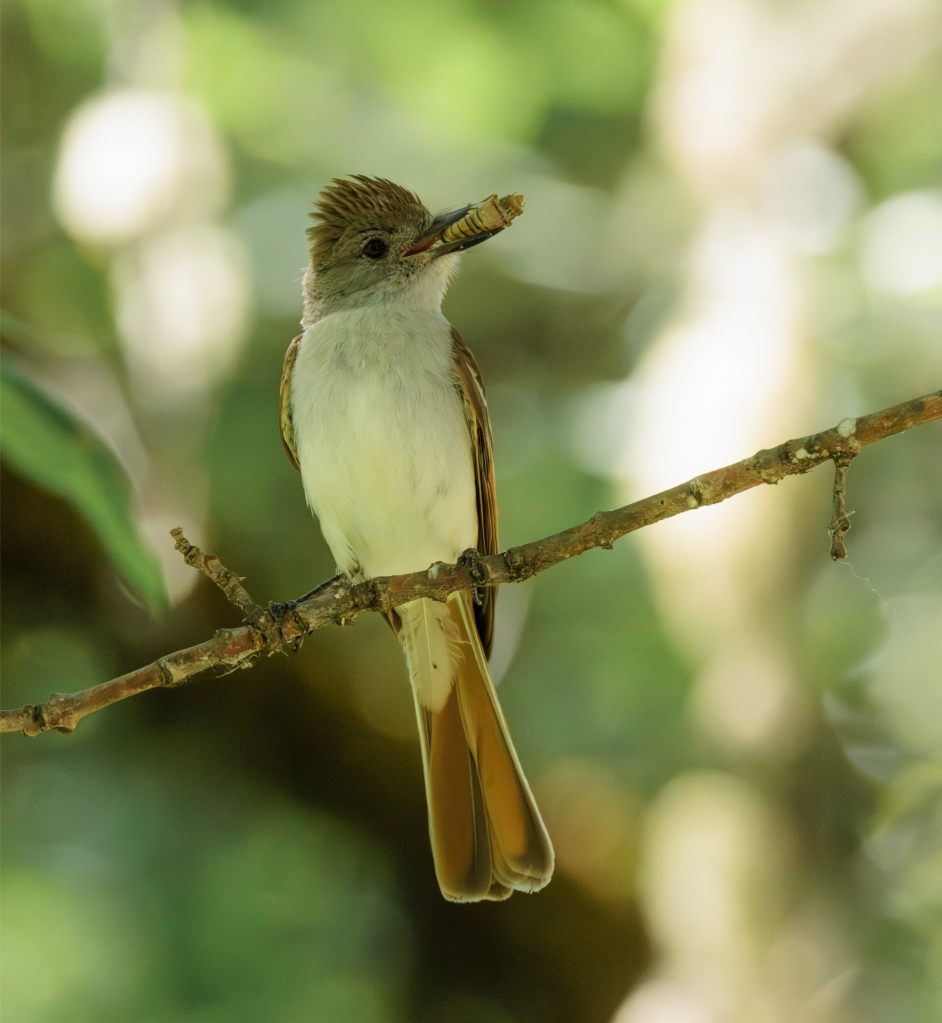
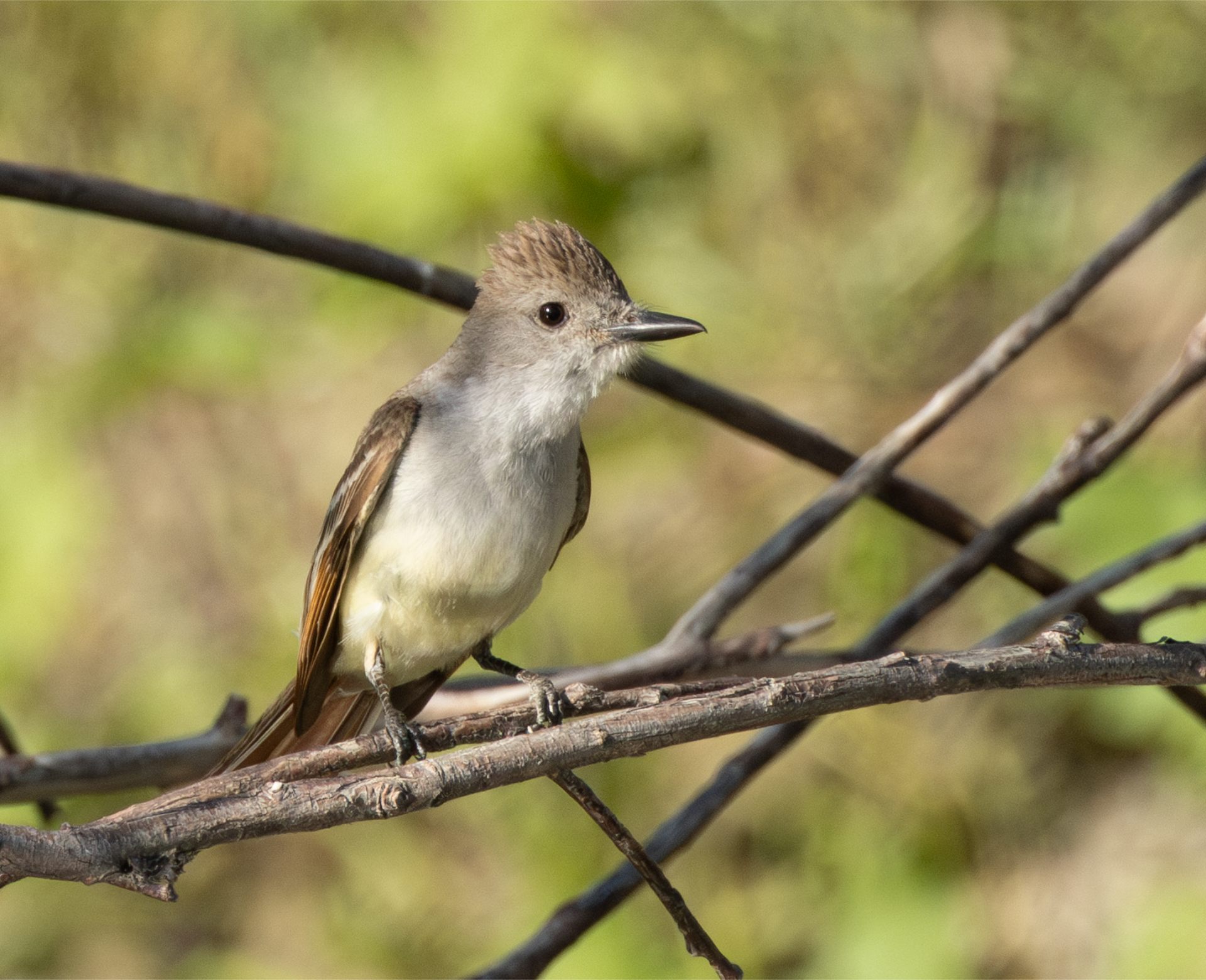
Kingbirds are just about the sassiest of our summer visitors. This video shows how young they are when they start bringing the attitude that earned them their name.Ash-throated Flycatcher with a dragonfly prize for its young.Another insect to be delivered to the babies.Young Ash-throated Flycatcher awaiting food.
I was thrilled to find this Ash-throated Flycatcher nest by pure chance. A week later and it was empty, as everyone had fledged.
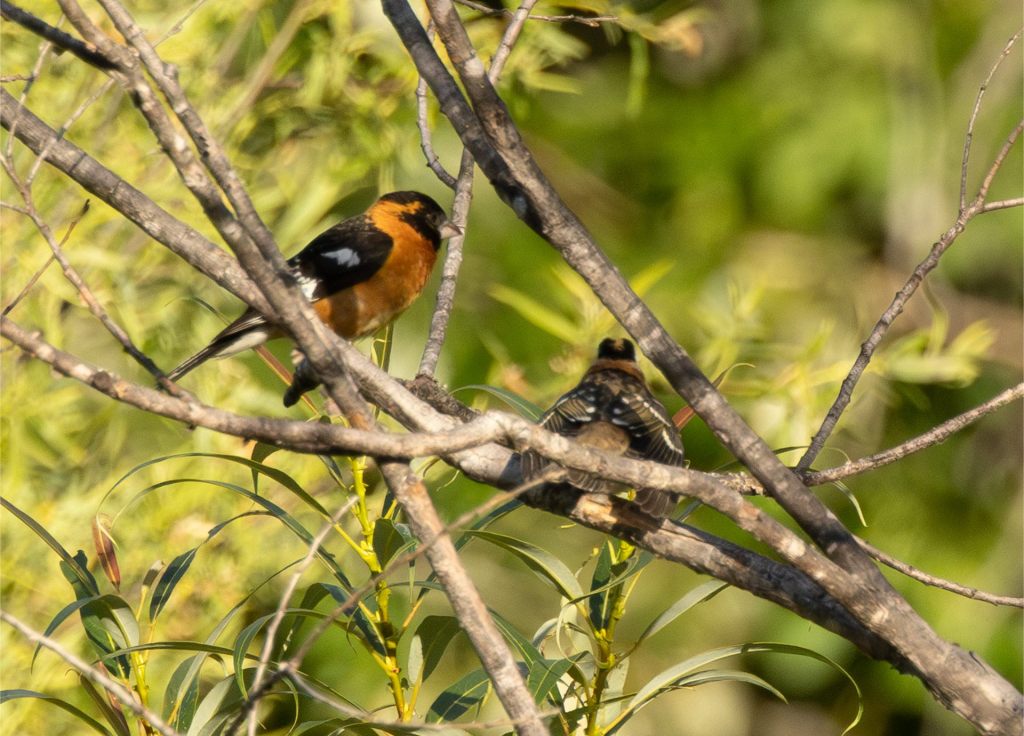
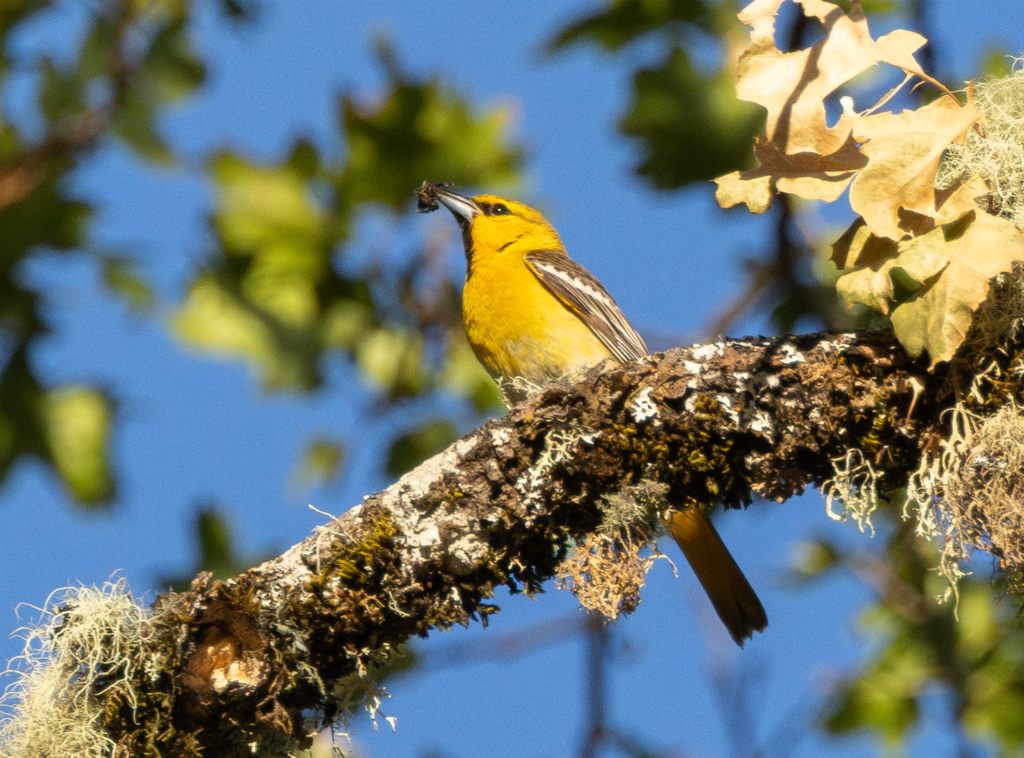
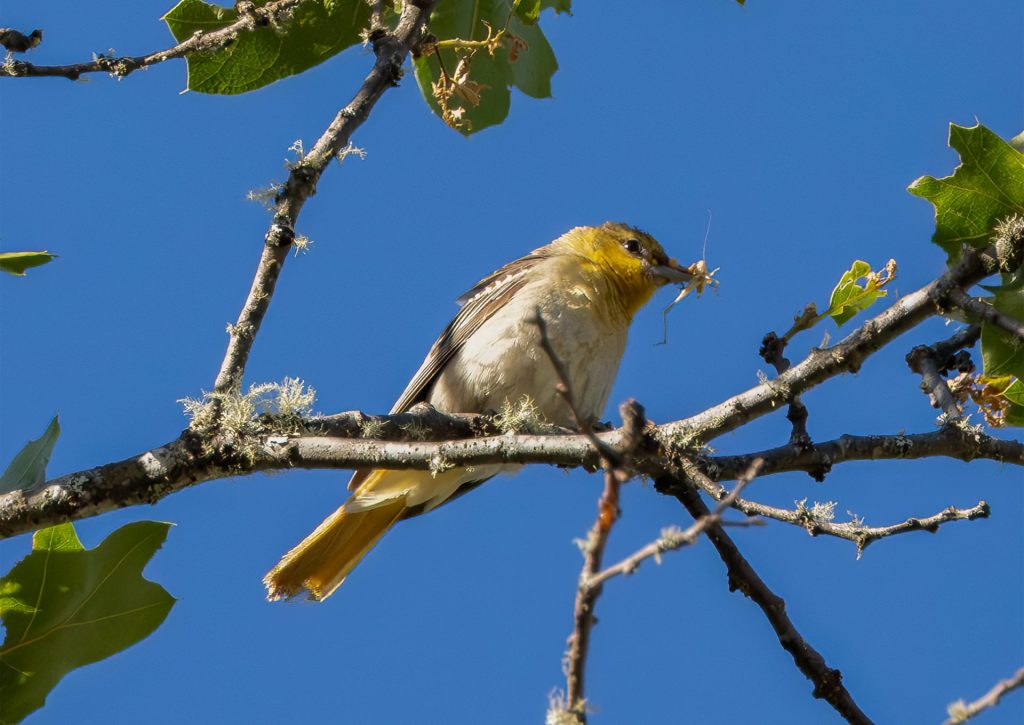
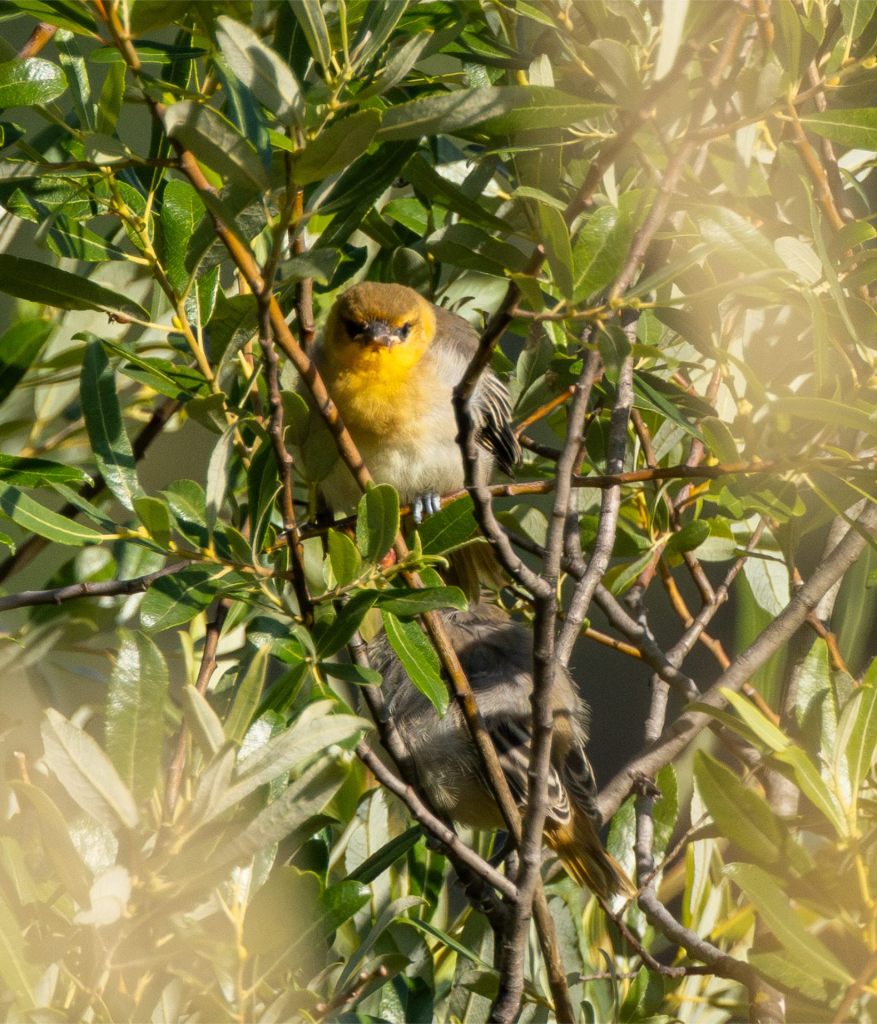
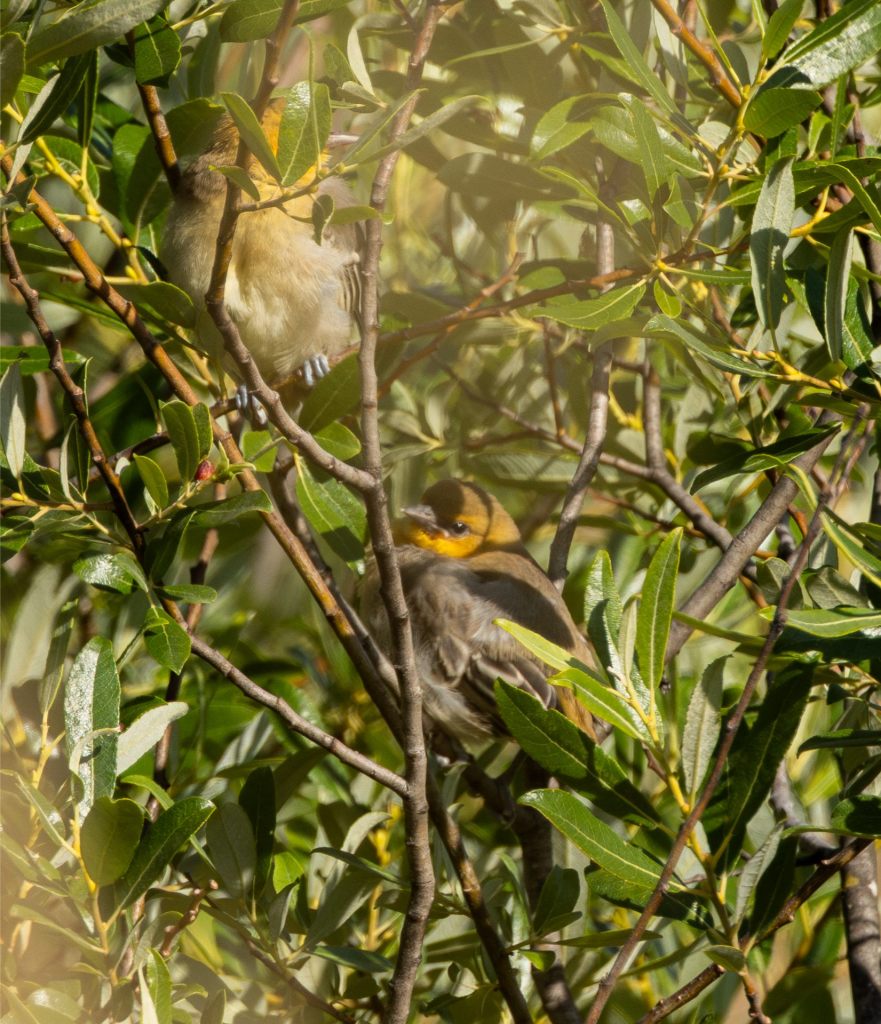
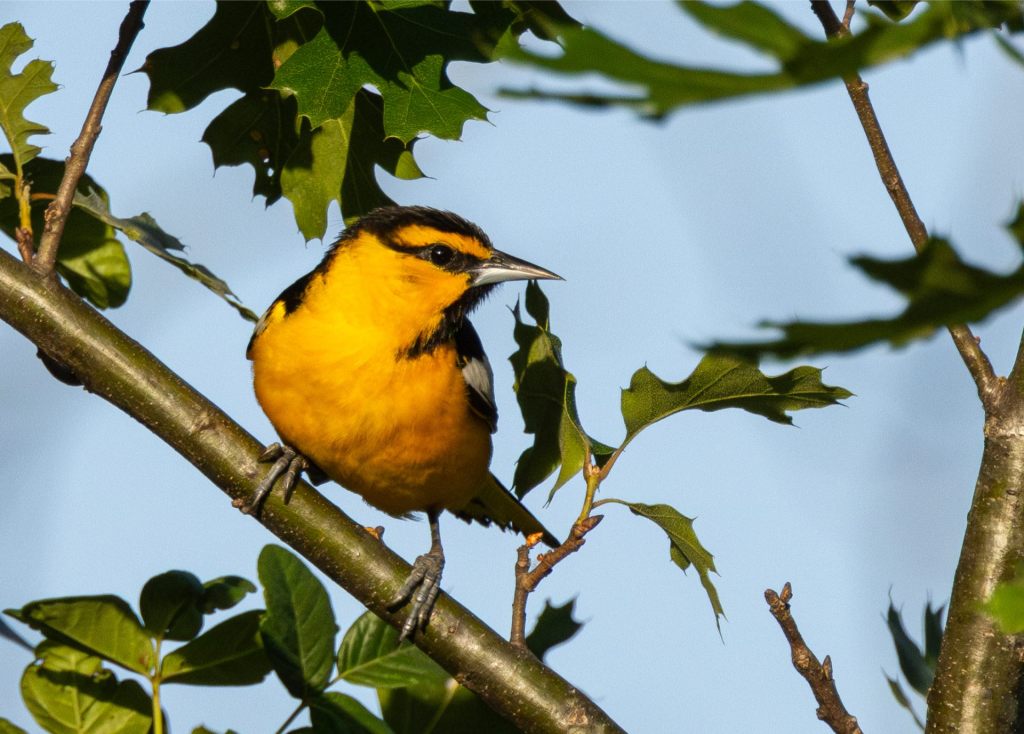
Ash-throated Flycatcher food delivery video from last year.Sometimes parents fly out ahead of the young, encouraging them to follow along and learn on the job how to look for food. This Male Black-headed Grosbeak is accompanied by his juvenile, who is making the universal “feed me” gesture of rapidly fluttering its wings.First year male Bullock’s Oriole with food to be delivered.Adult female Oriole with a grasshopper meal to be delivered.Oriole fledglings waiting in dense willows for food delivery. These birds maintain a constant chatter not unlike the sound adults make, but a bit softer.You can see the gape at the edge of the lower bird’s bill.Fully mature male Bullock’s Oriole, one of our most beautiful summer visitors.Bullock’s Oriole male
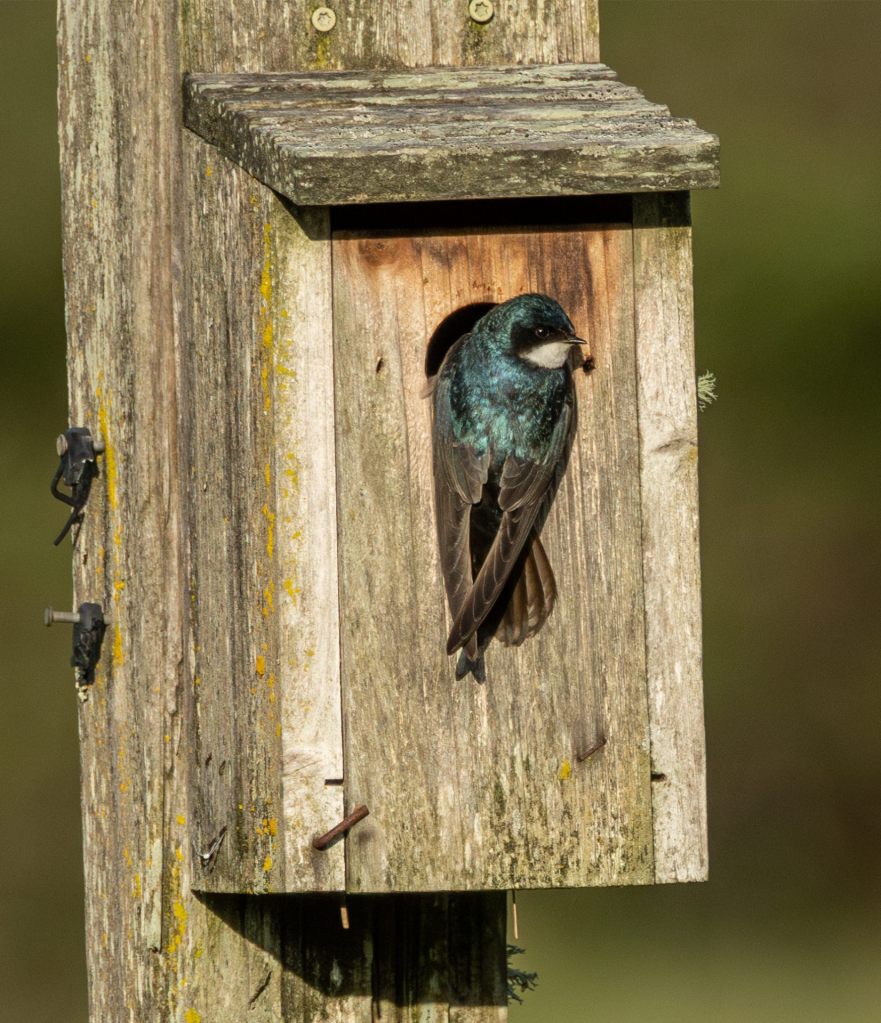
The Tree Swallow life cycle is easy to observe at the community park. These birds arrive in late March from their wintering grounds in Central America and begin to claim a nest box and start a family.
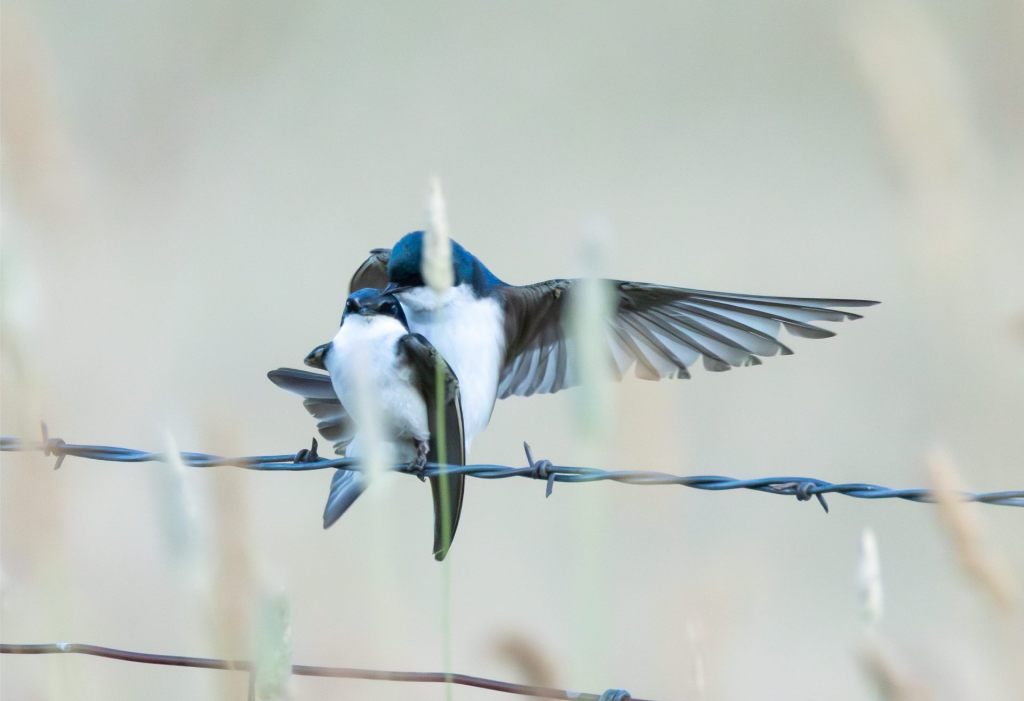
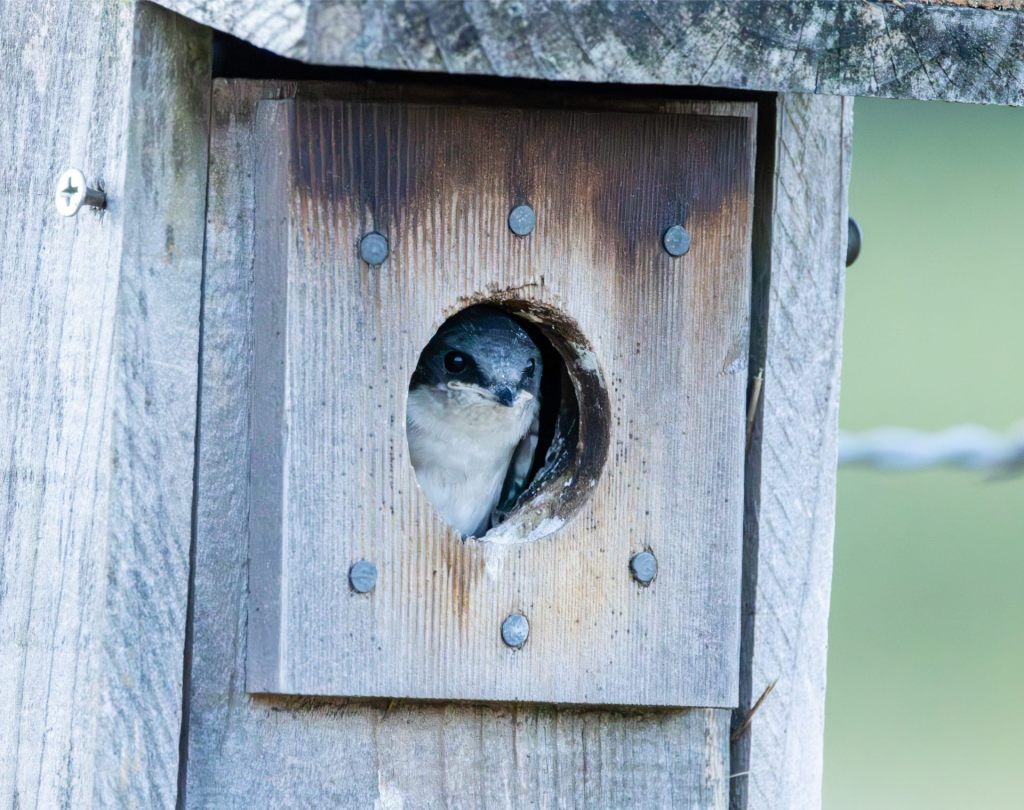
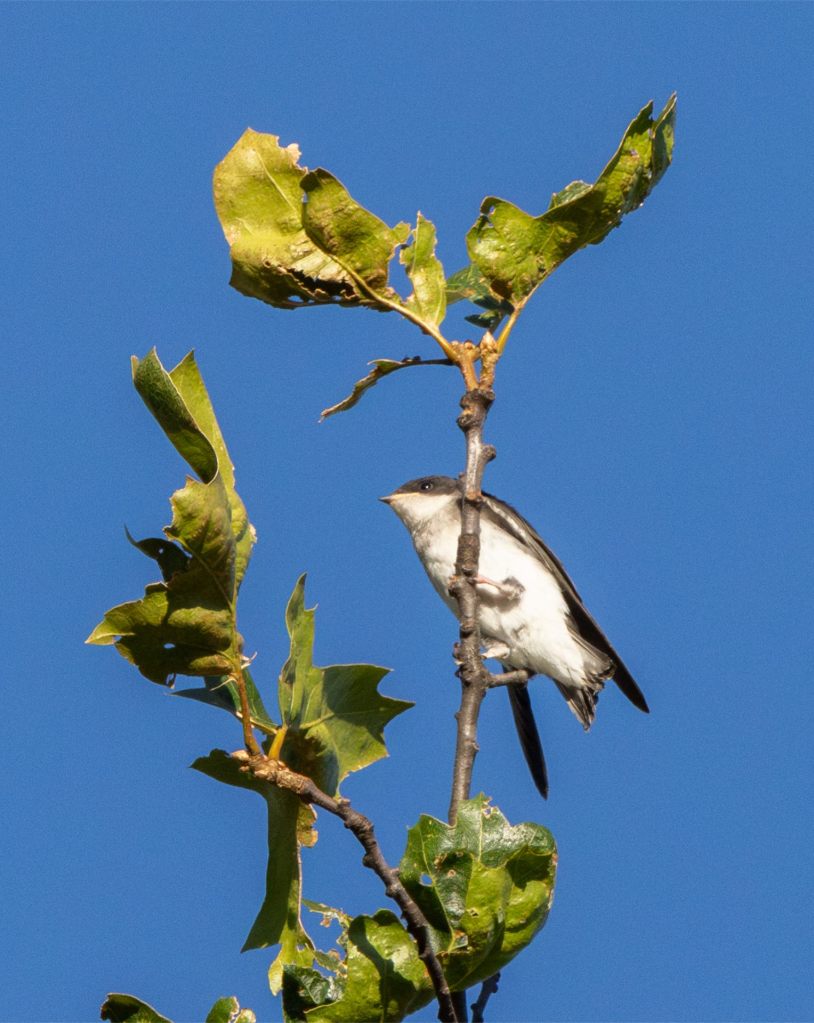
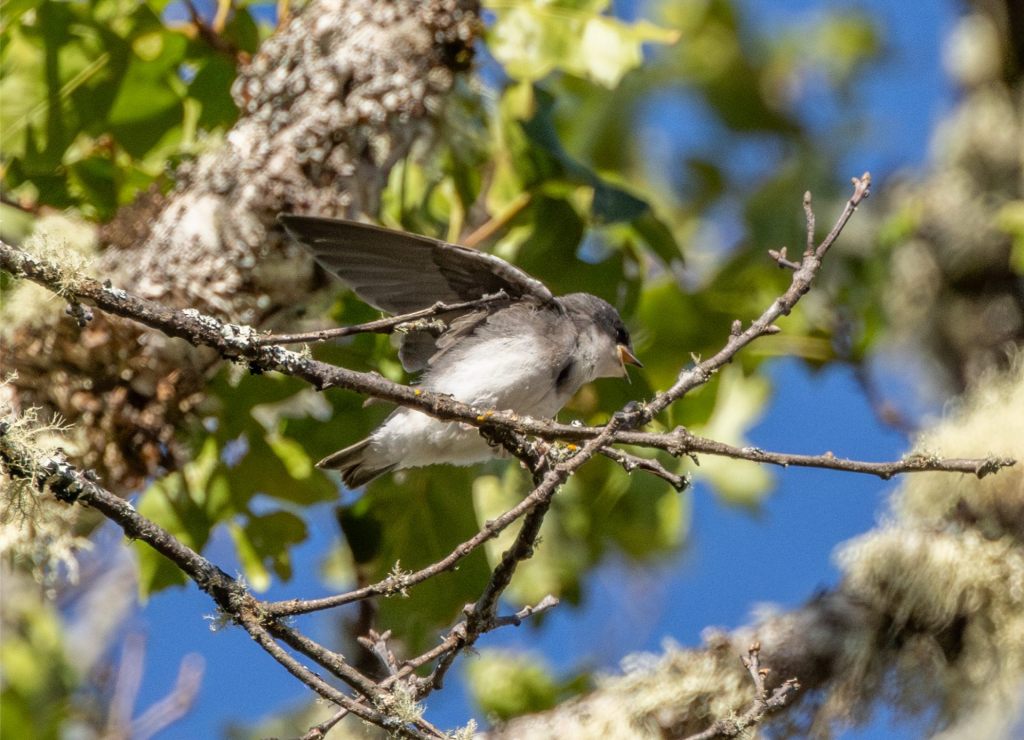
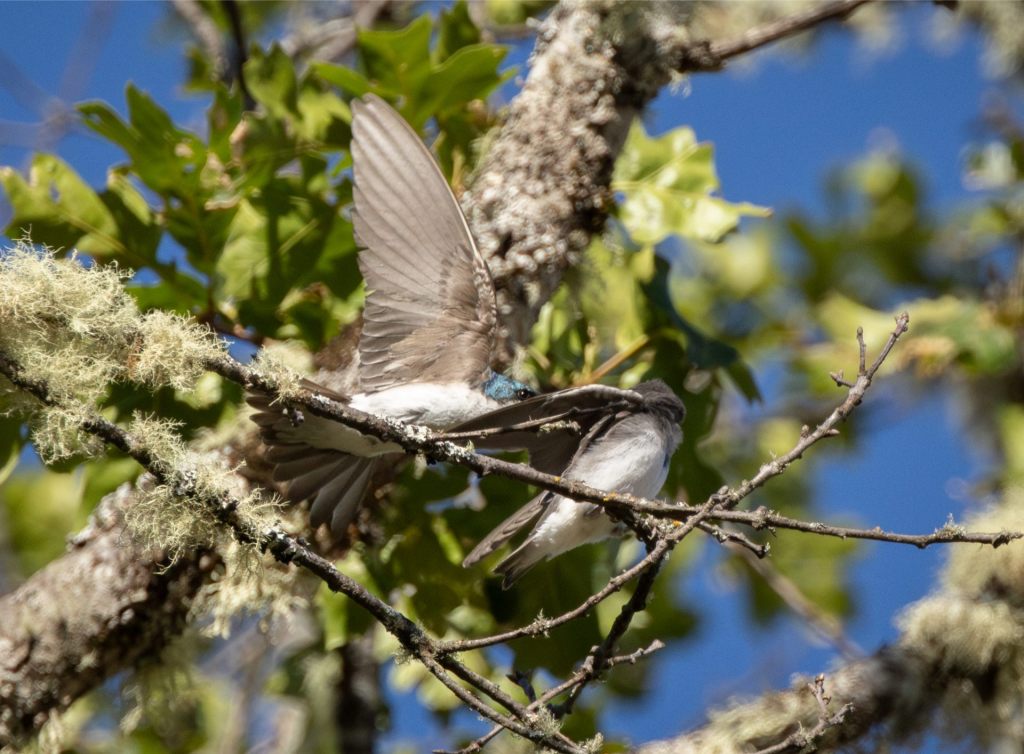
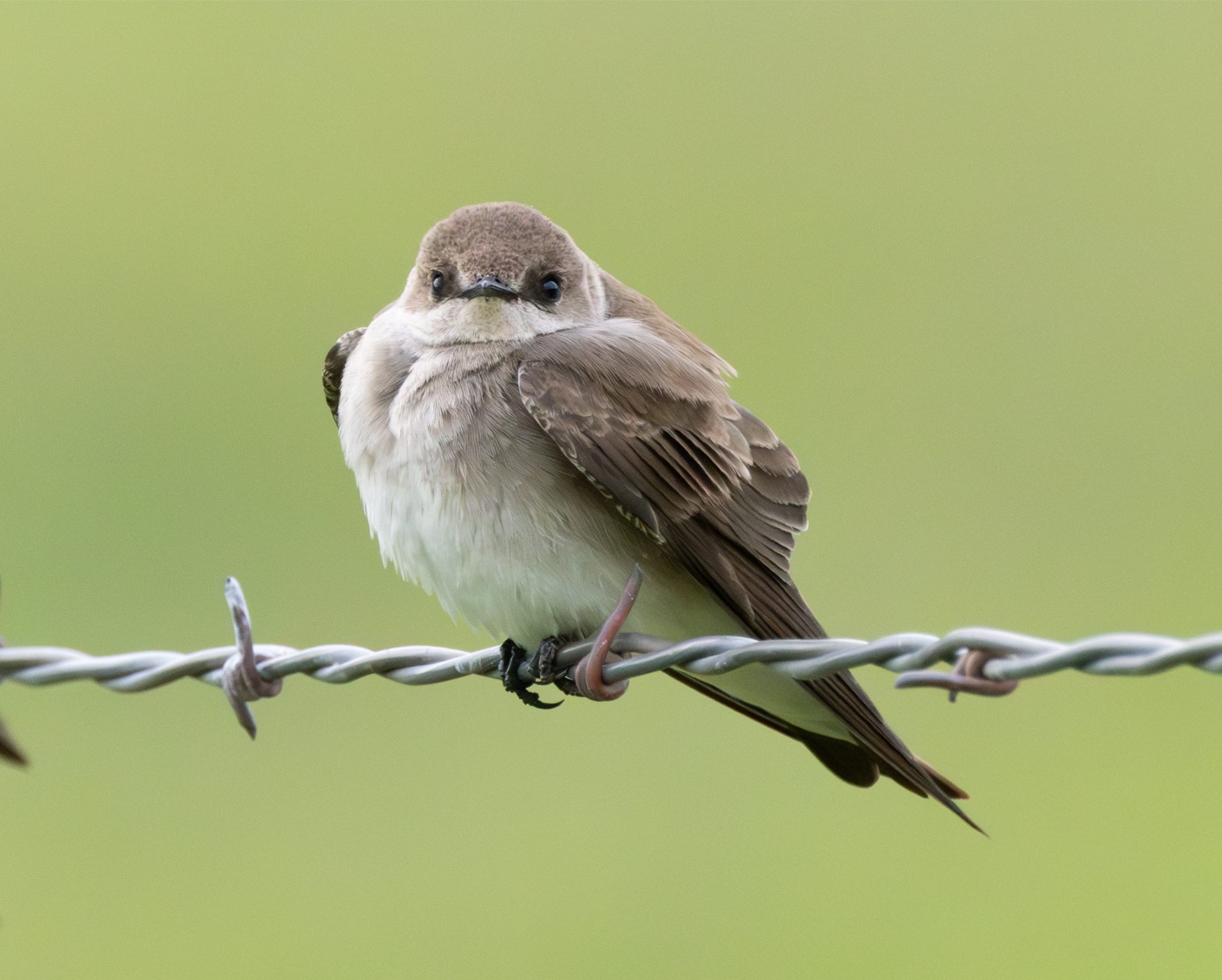
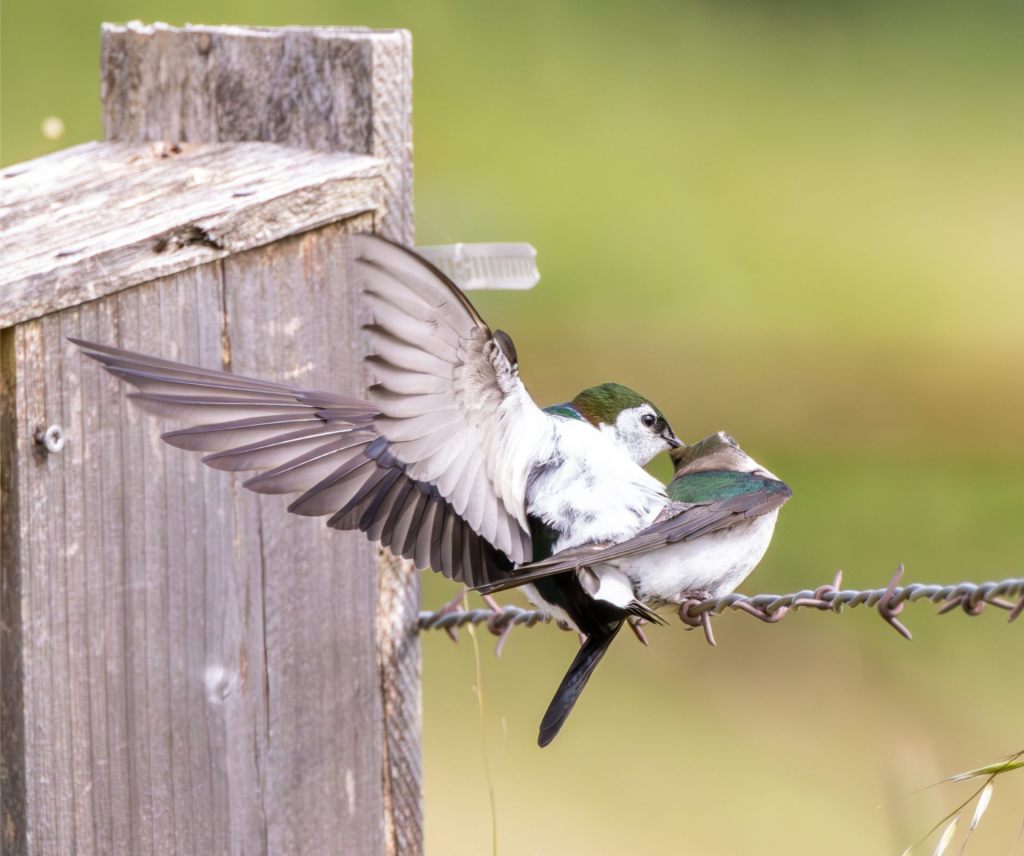
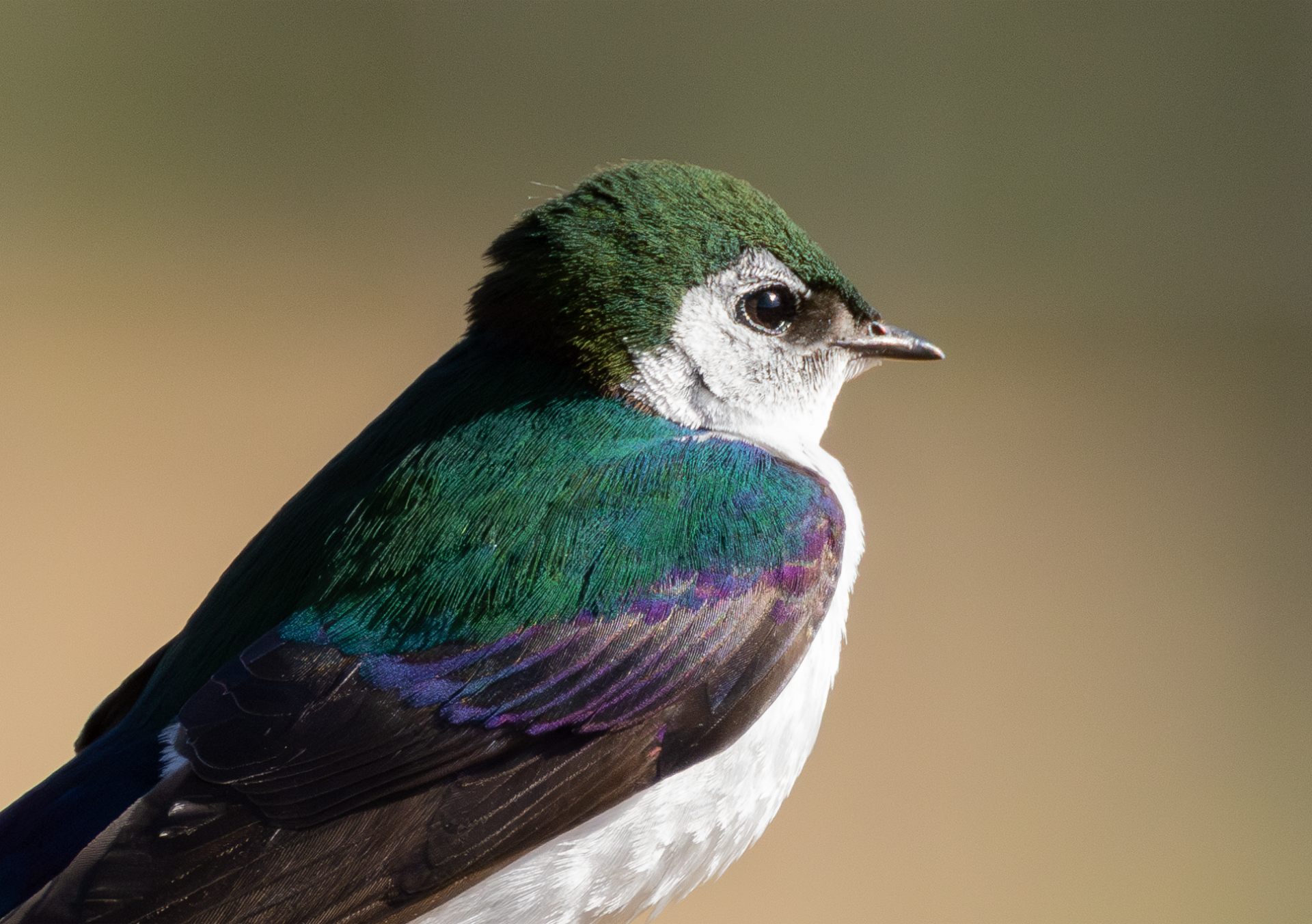
Nesting materials are refreshed each year.A moment of intimacy….….the “cloacal kiss” lasts only a few seconds.Before fledging, the swallow young begin to peek outside the nest box. It is at this stage that you may be dive-bombed by protective parents as you walk by.Juvenile Tree Swallow awaiting food.The youngster opens its bill in anticipation of an incoming meal.In a nano second the tiny meal is delivered to the fledgling and the adult is gone again to hunt for more.Northern Rough-winged Swallow juveniles are told by their buffy wingbars. These birds dig out nest holes in sandy river banks. This youngster is awaiting a meal on a perch.adult Northern Rough-winged SwallowCloacal kiss of Violet-green SwallowsUp close, it’s easy to see the difference between Violet-green and Tree Swallows, with more white on the face than Tree Sallows as well as the rich green and purple coloring. In the air, look for a white saddle to distinguish the Violet-green from the Tree.
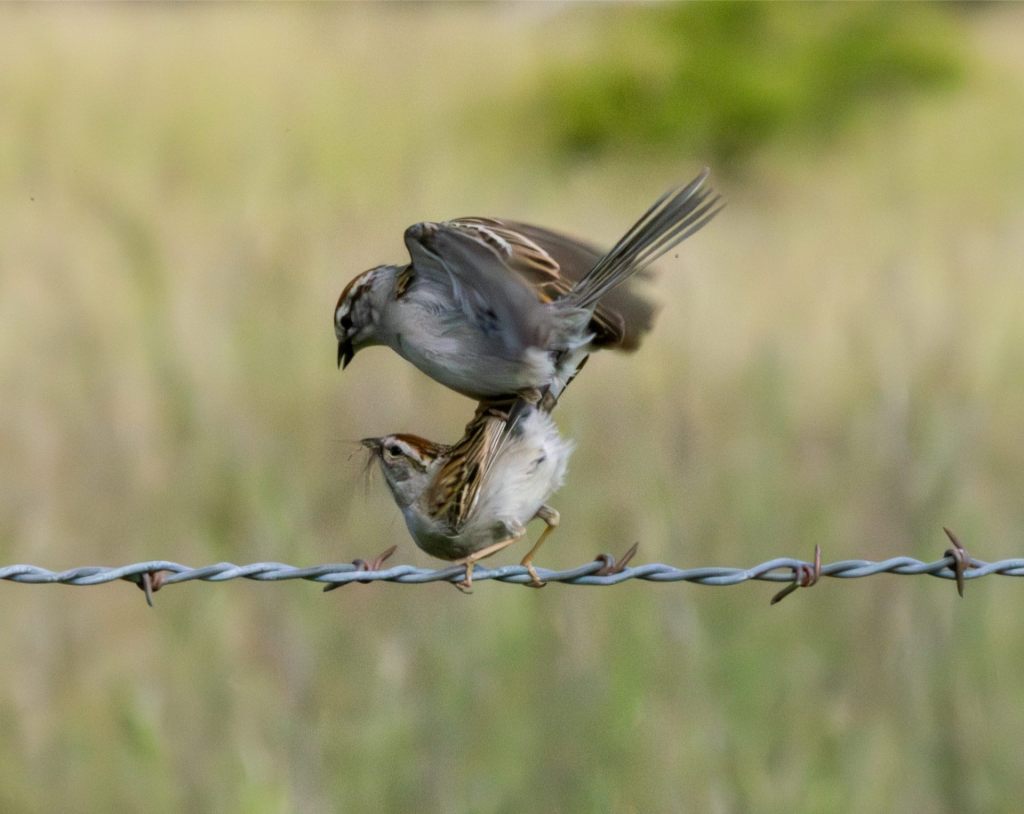
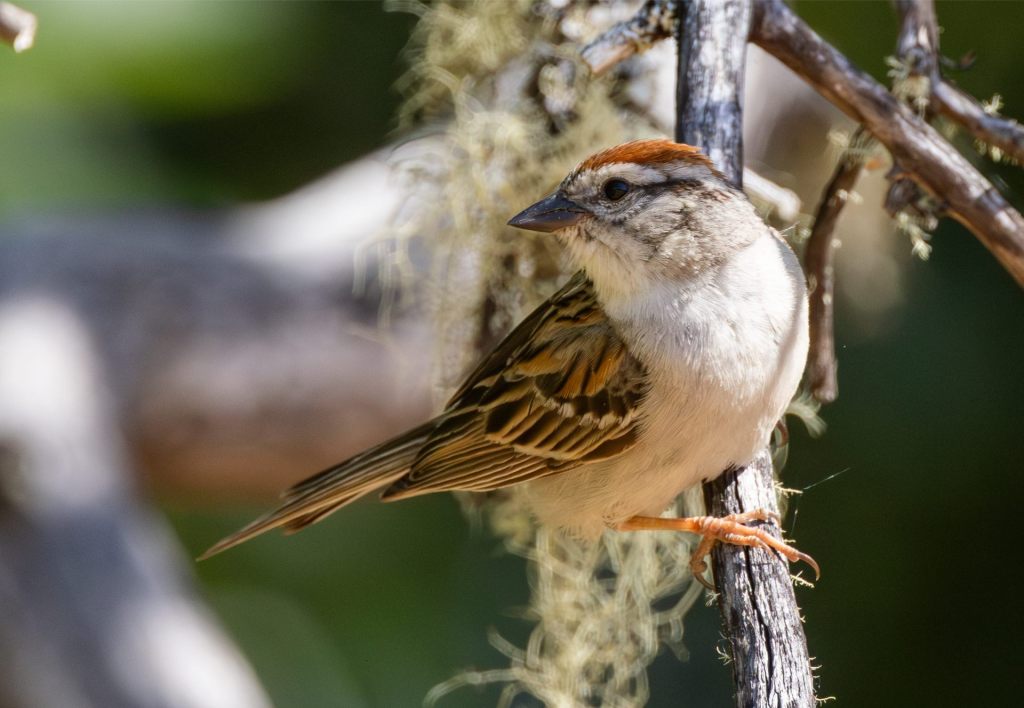
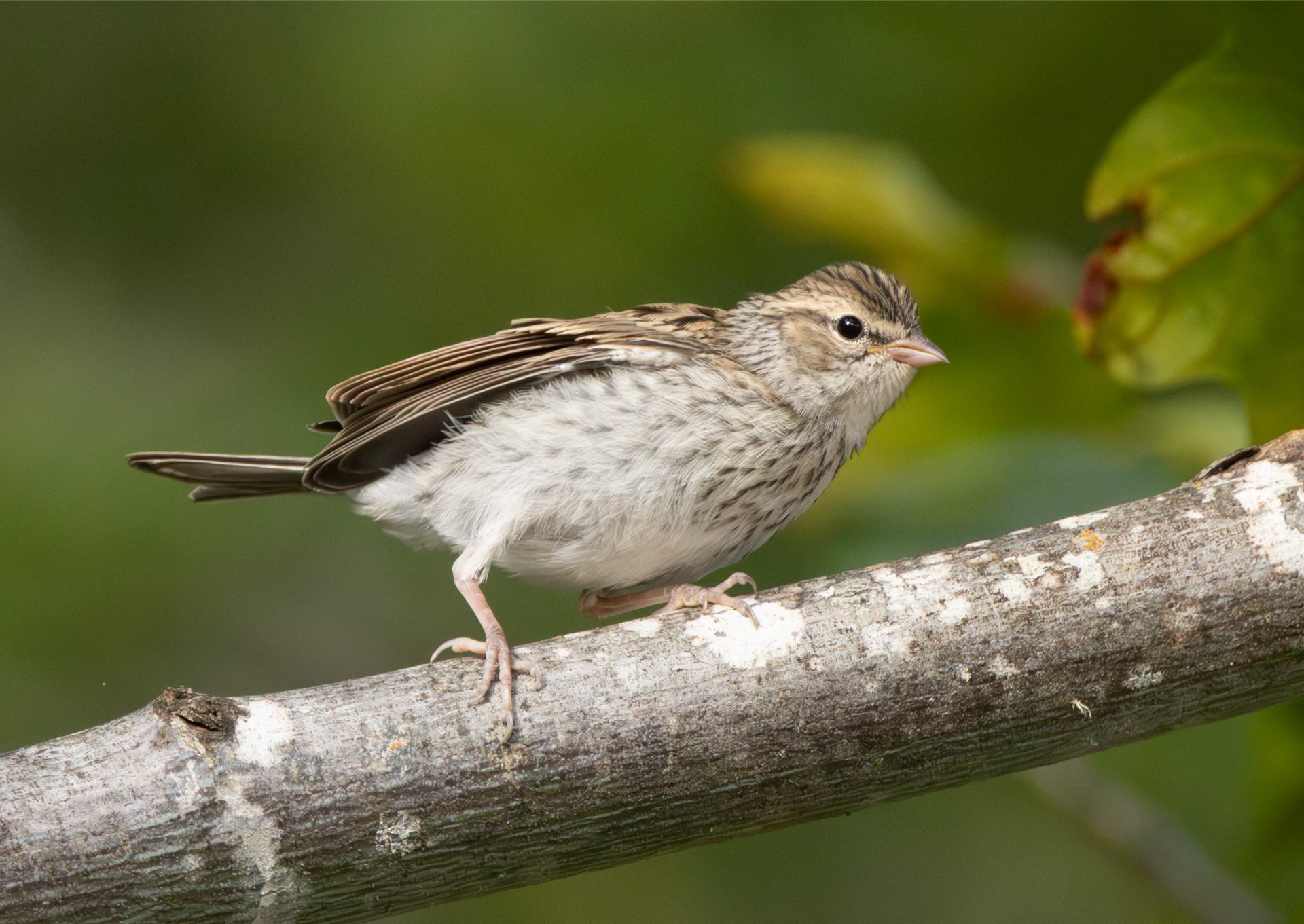
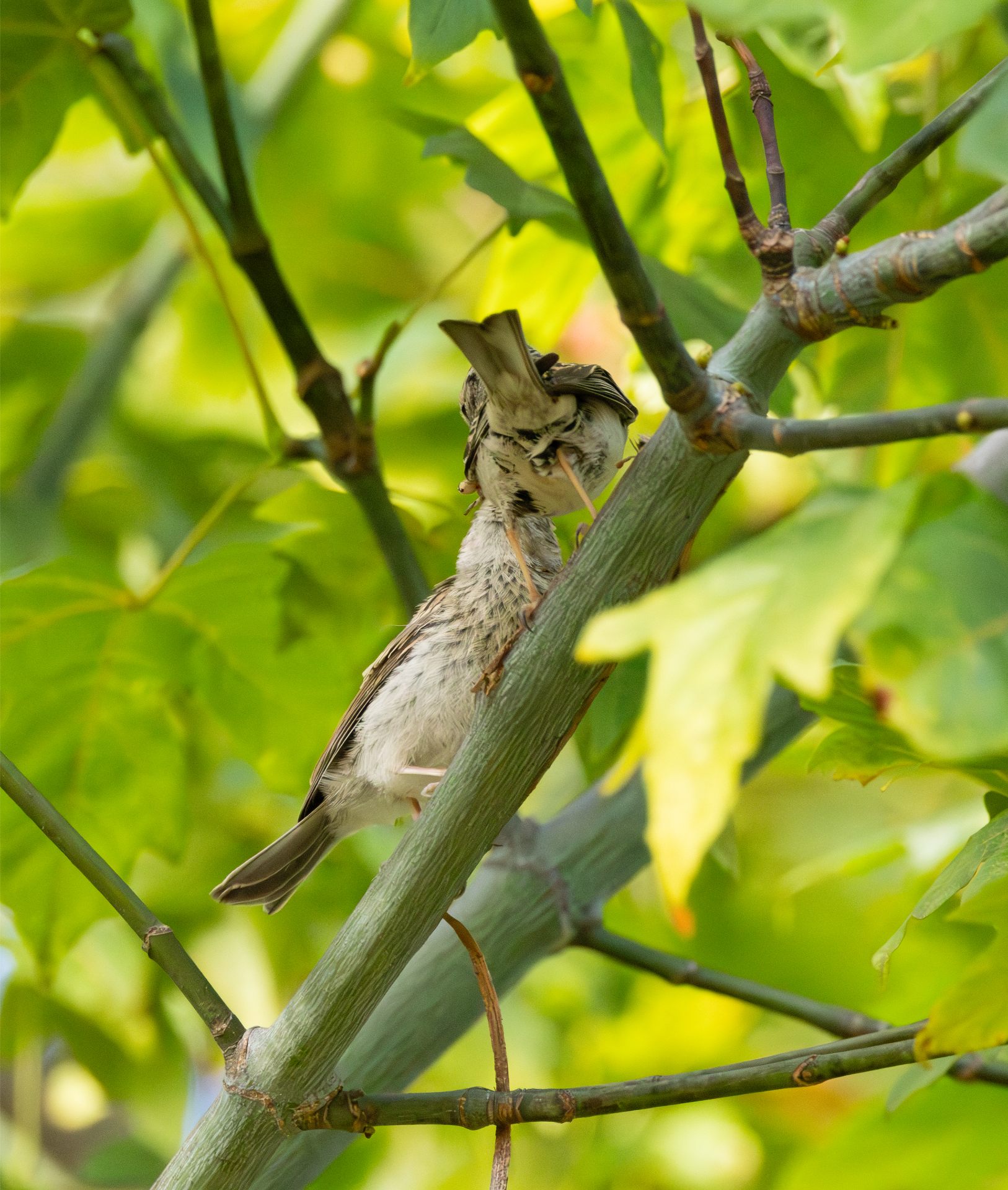
Chipping Sparrows are a handsome summer visitor that breeds in the park.
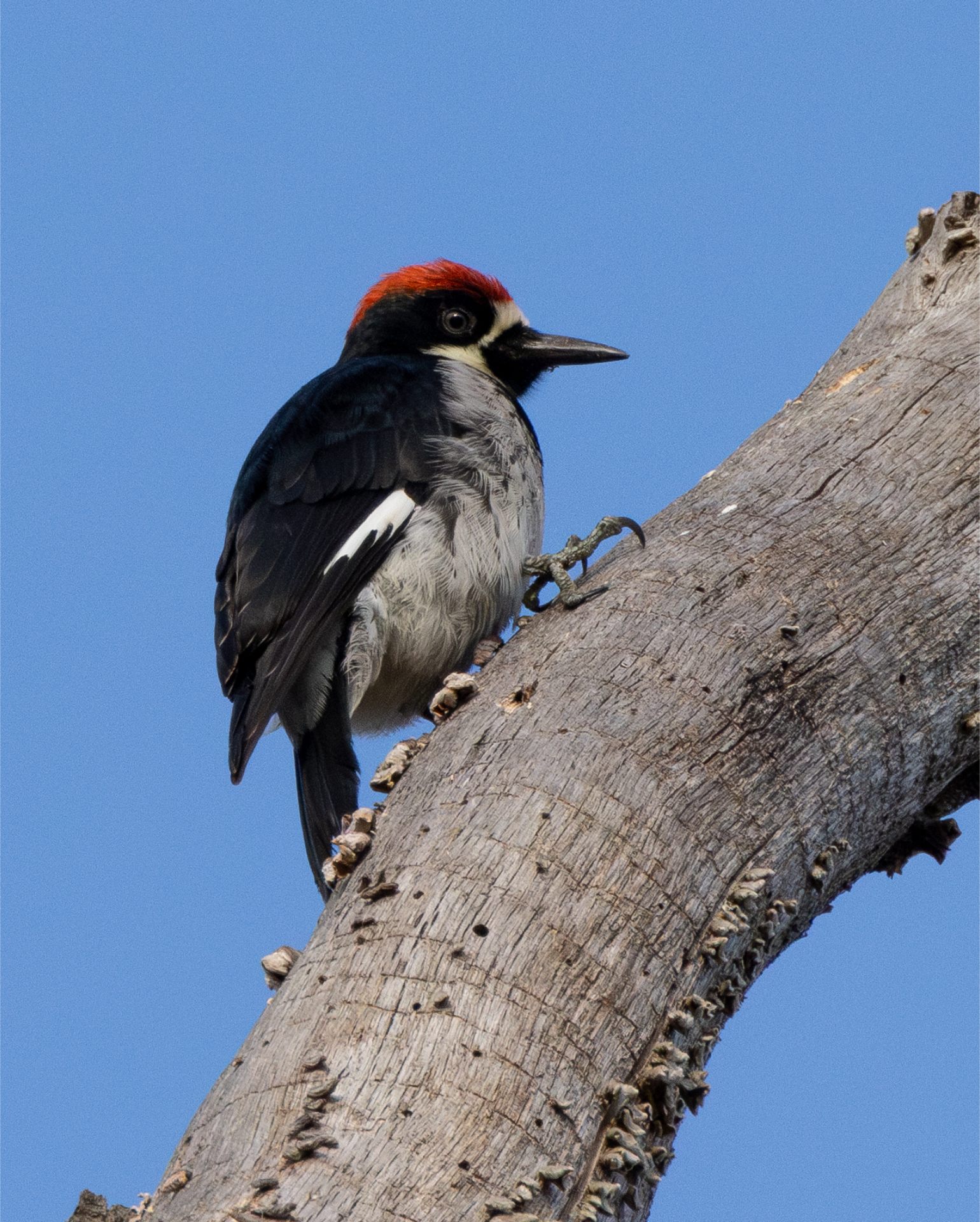
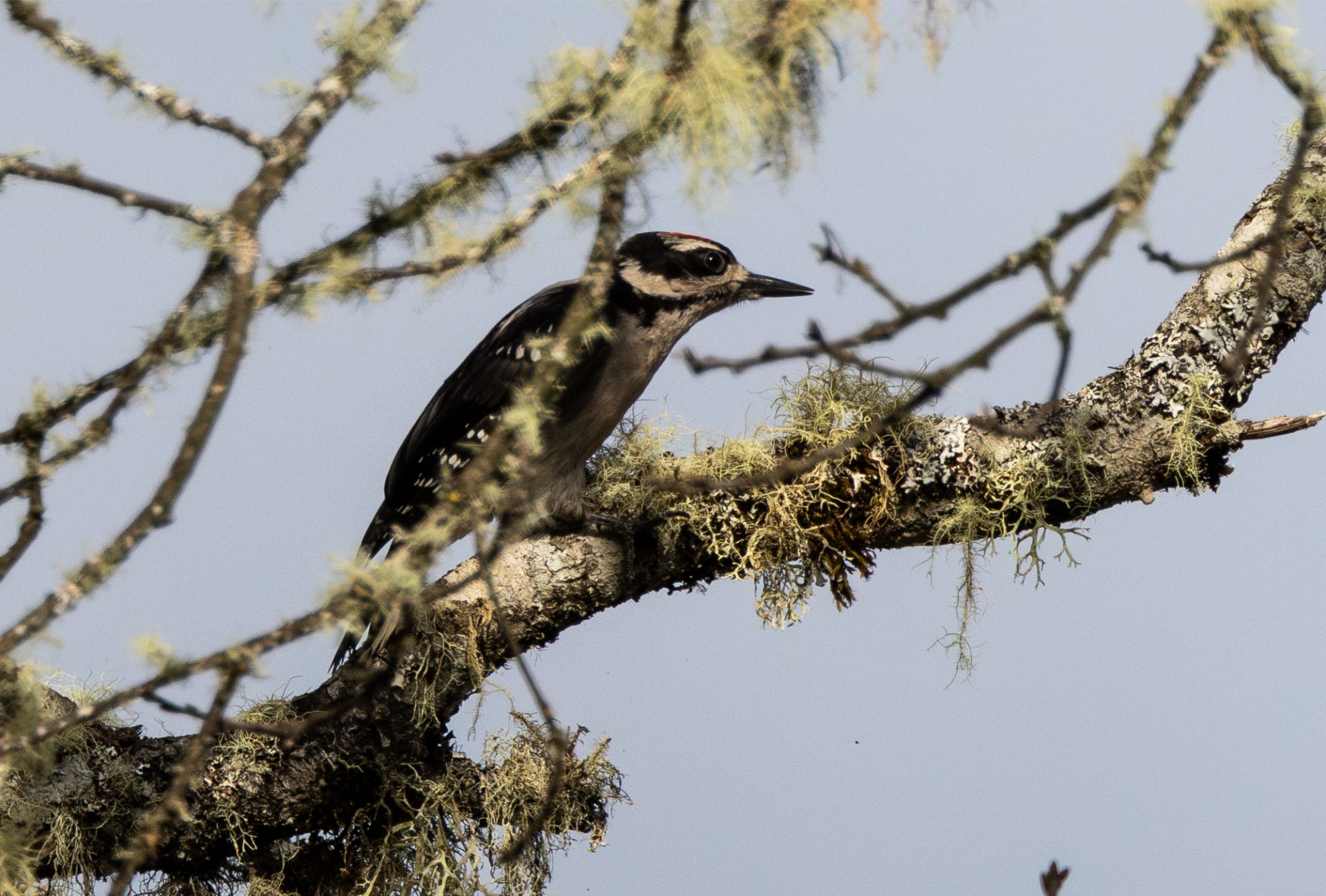
Chipping Sparrow cloacal kiss. Female is holding nesting material in her bill.Adult Chipping SparrowJuvenile Chipping Sparrows lack the rusty crown and have a streaky breast. This one is doing the “feed me” wing flutter.Chipping Sparrow food delivery.Acorn Woodpecker juveniles are told by the brownish eye color.Here is an adult with the yellow eye. Acorn Woodpeckers live and raise their families communally. They are known for drilling holes in dead trees, power poles, etc. They stash acorns in the holes and feed on them later. They also catch insects on the wing, and may visit a seed feeder.Juvenile Hairy Woodpecker male is told by its red cap. Later, the cap will turn black and a red patch appears on the nape.Red nape of adult male Hairy Woodpecker.
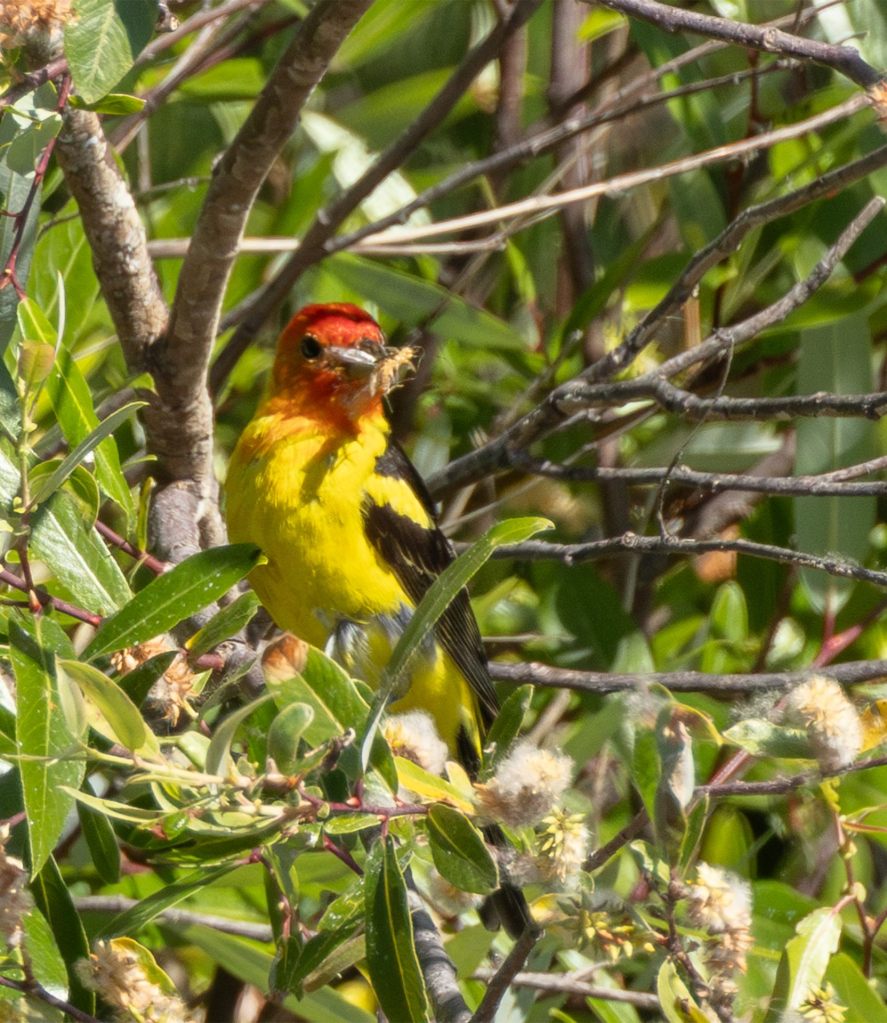
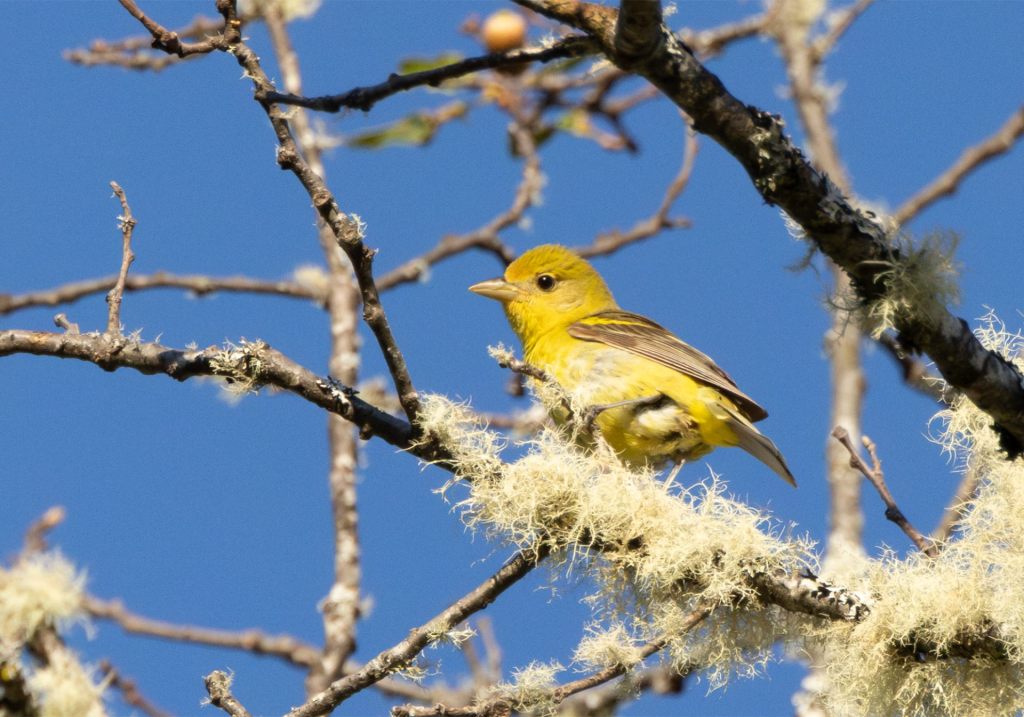
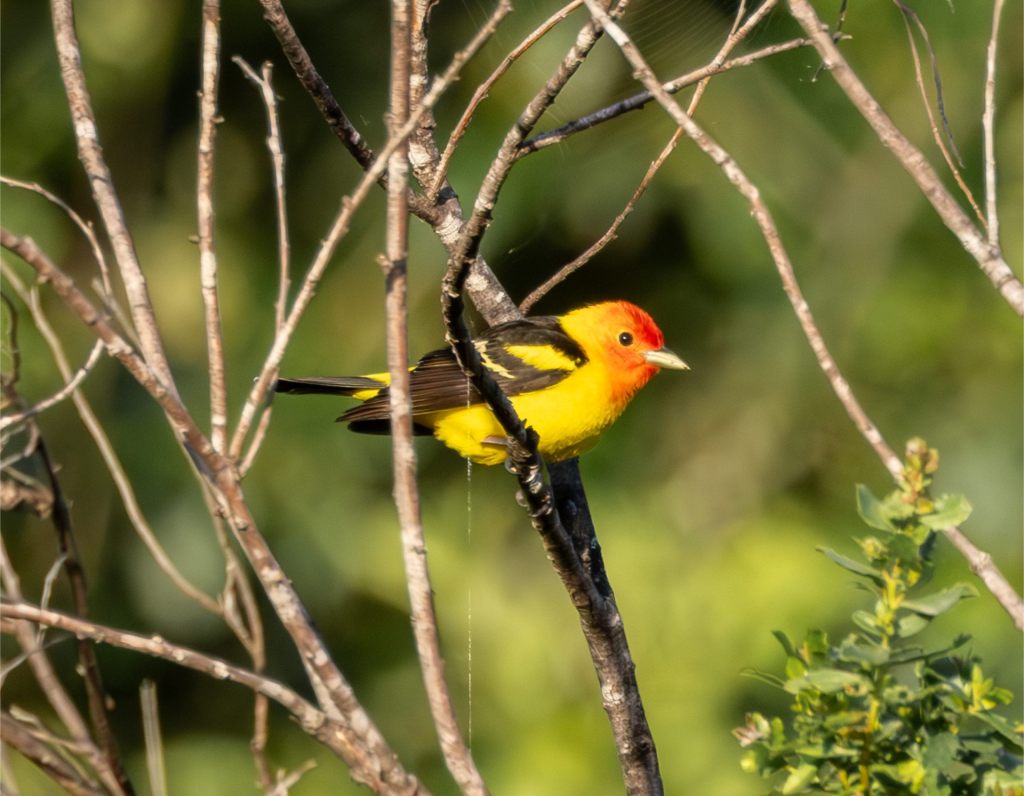
Western Tanagers are among our most colorful summer visitors. They’ll ravage your fruit trees while you’re admiring their beauty.
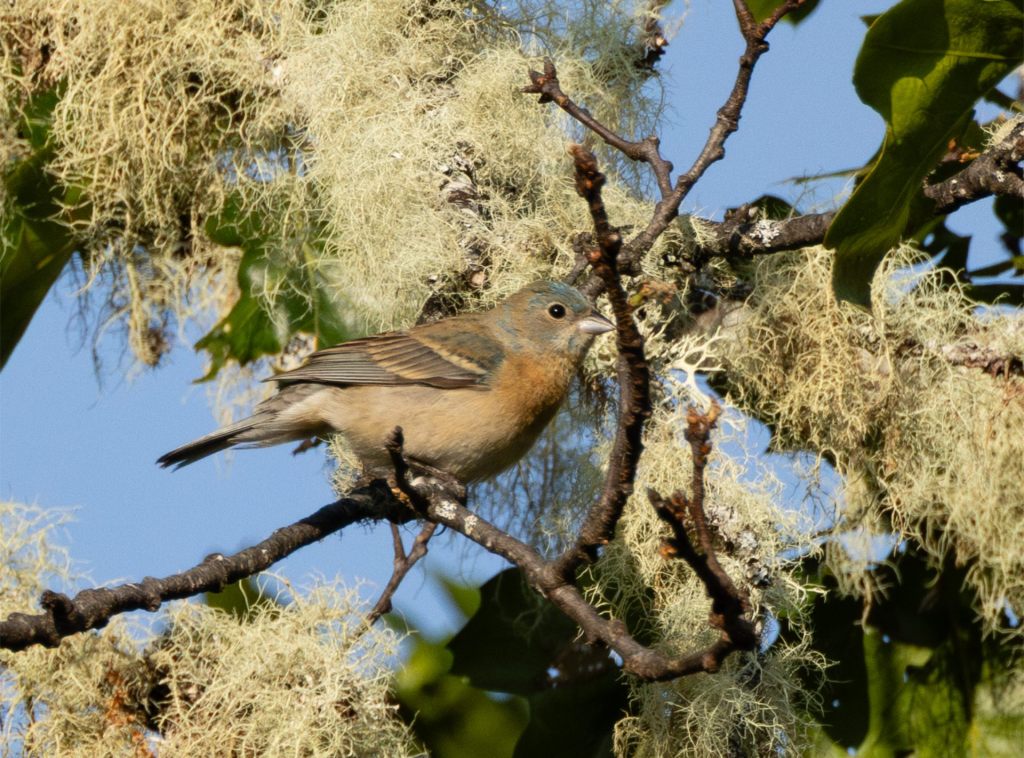
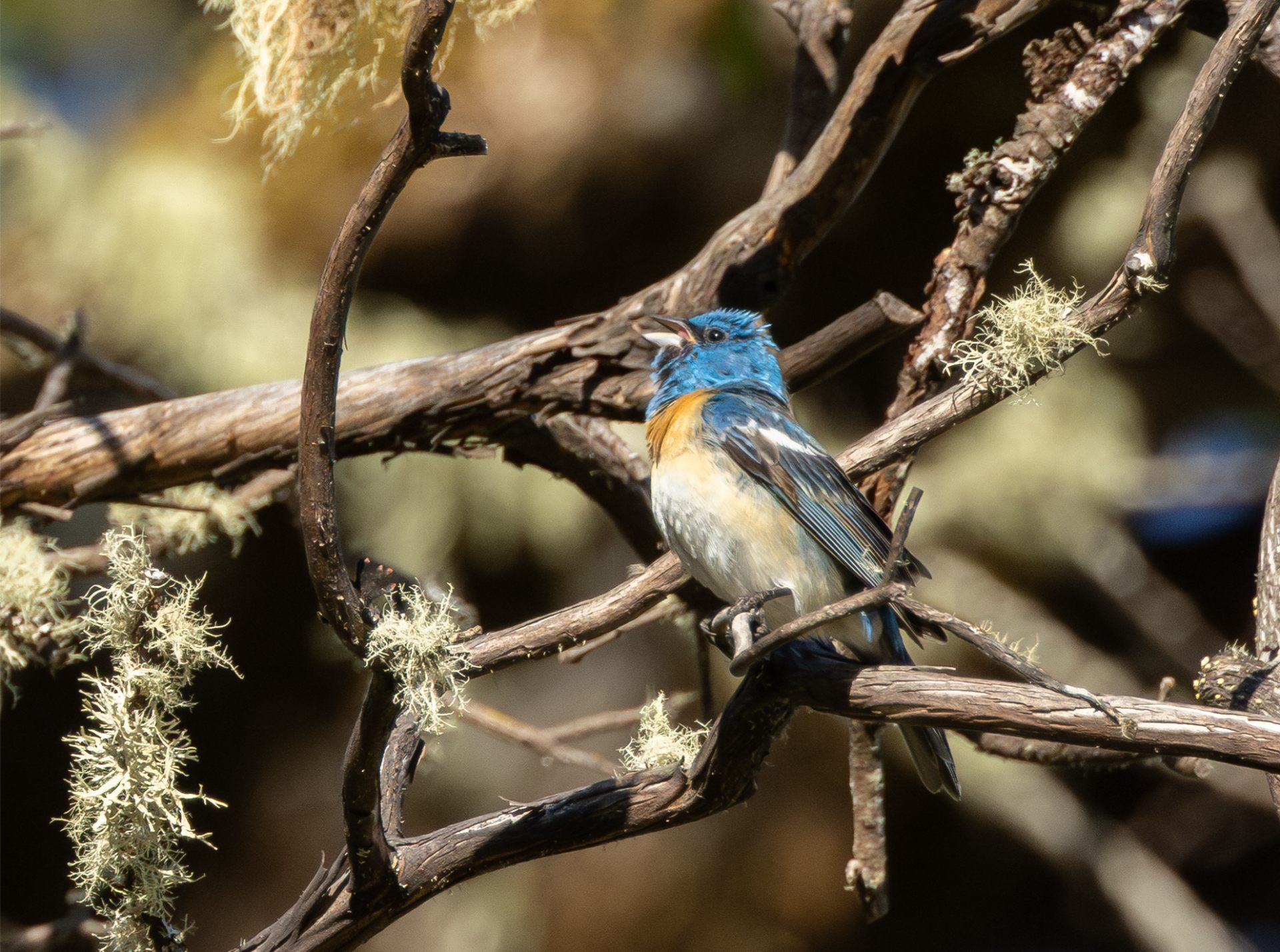
Male Western Tanager with a catch for the nest.Female Western TanagerMale Western TanagerMale Lazuli Bunting with insect prey for his young.Female BuntingMale Bunting singing his loud sweet song.
Lazuli Buntings singing.
Part Two of June Swoon will include all the birds and a few other creatures going about their early summer business but not depicting nesting behaviors per se.
Absolutely love this, thanks Ann. We have become avid bird watchers in the last year, we see a wide variety here in Redway, in particular a fascinating family of black headed Grosbeaks, the “avian doordash” killed me, lol! 💕













Leave a comment