May was a busy time for birds and other critters in the neighborhood of the South Fork of the Eel. Here is a digest of snaps showing the richness of variety we are treated to in our community at a time when spring is in full voice.
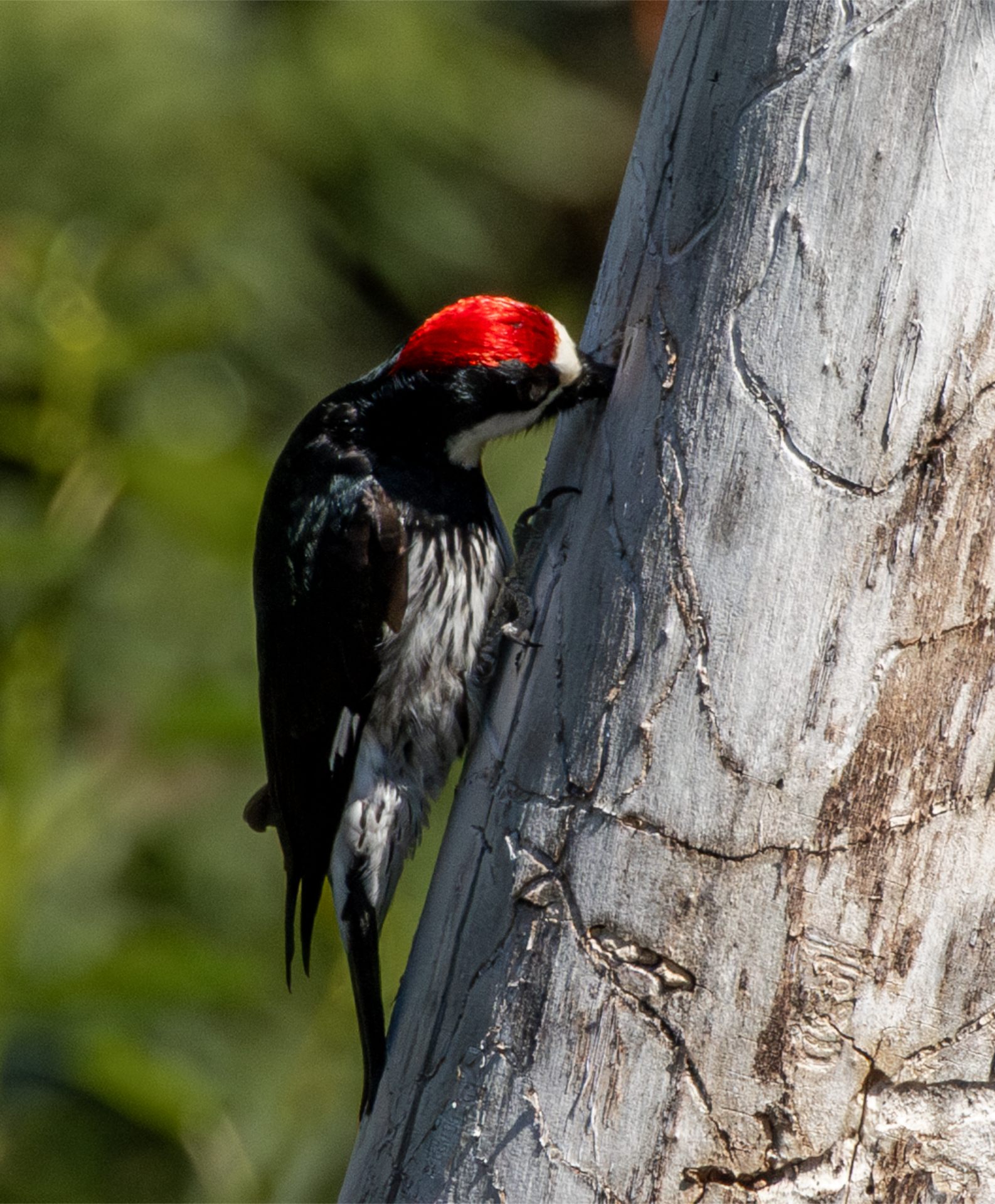
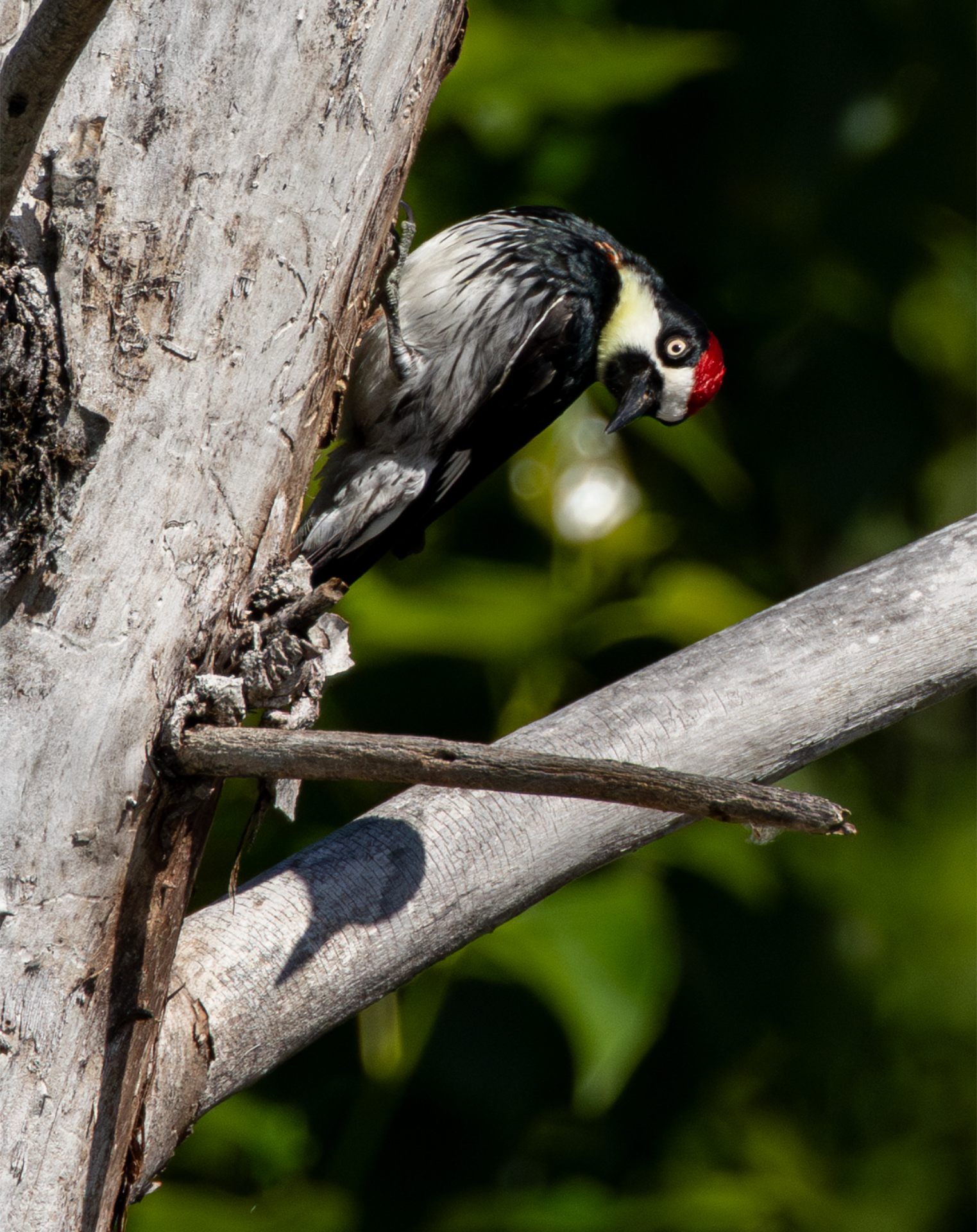
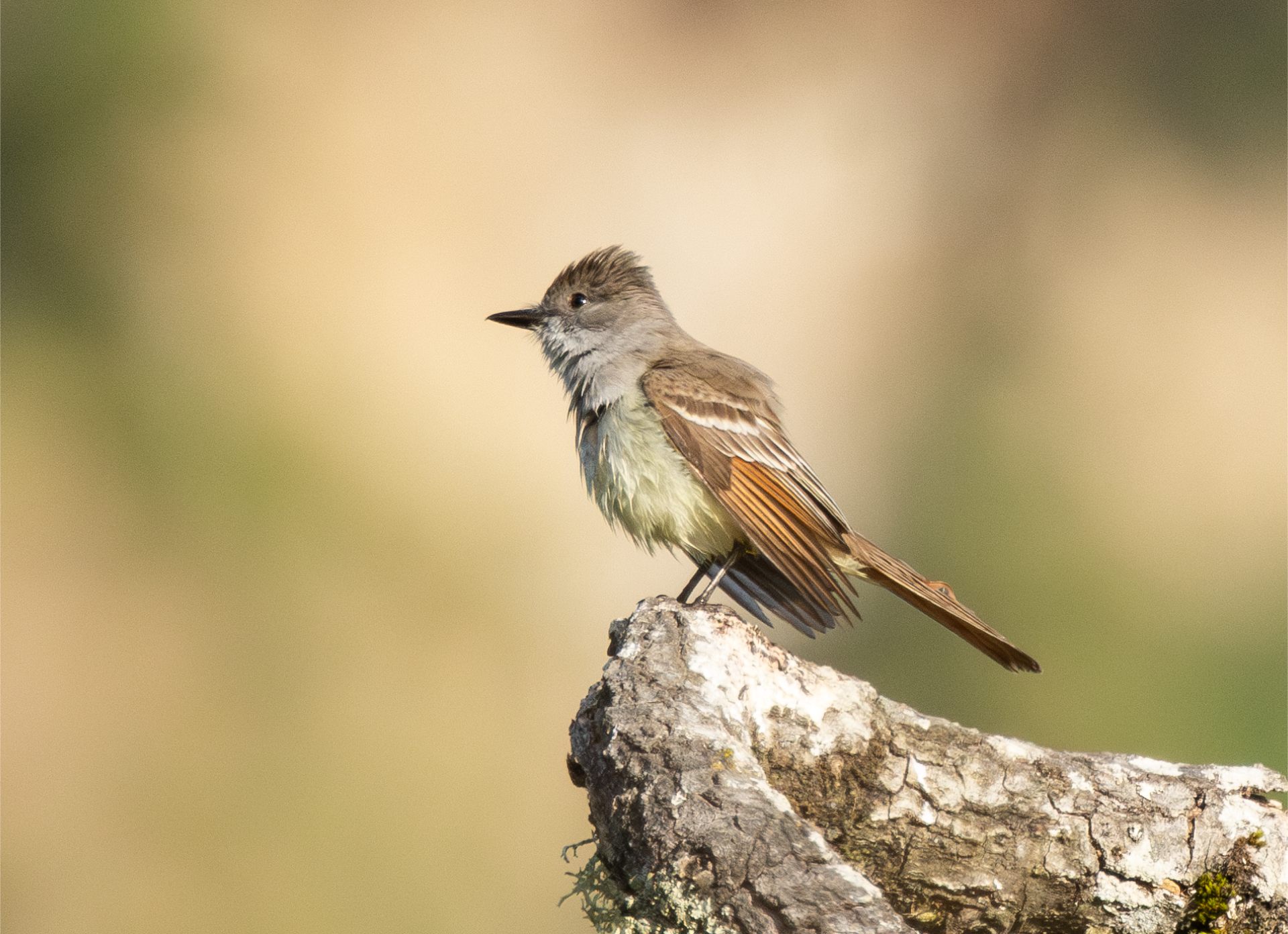
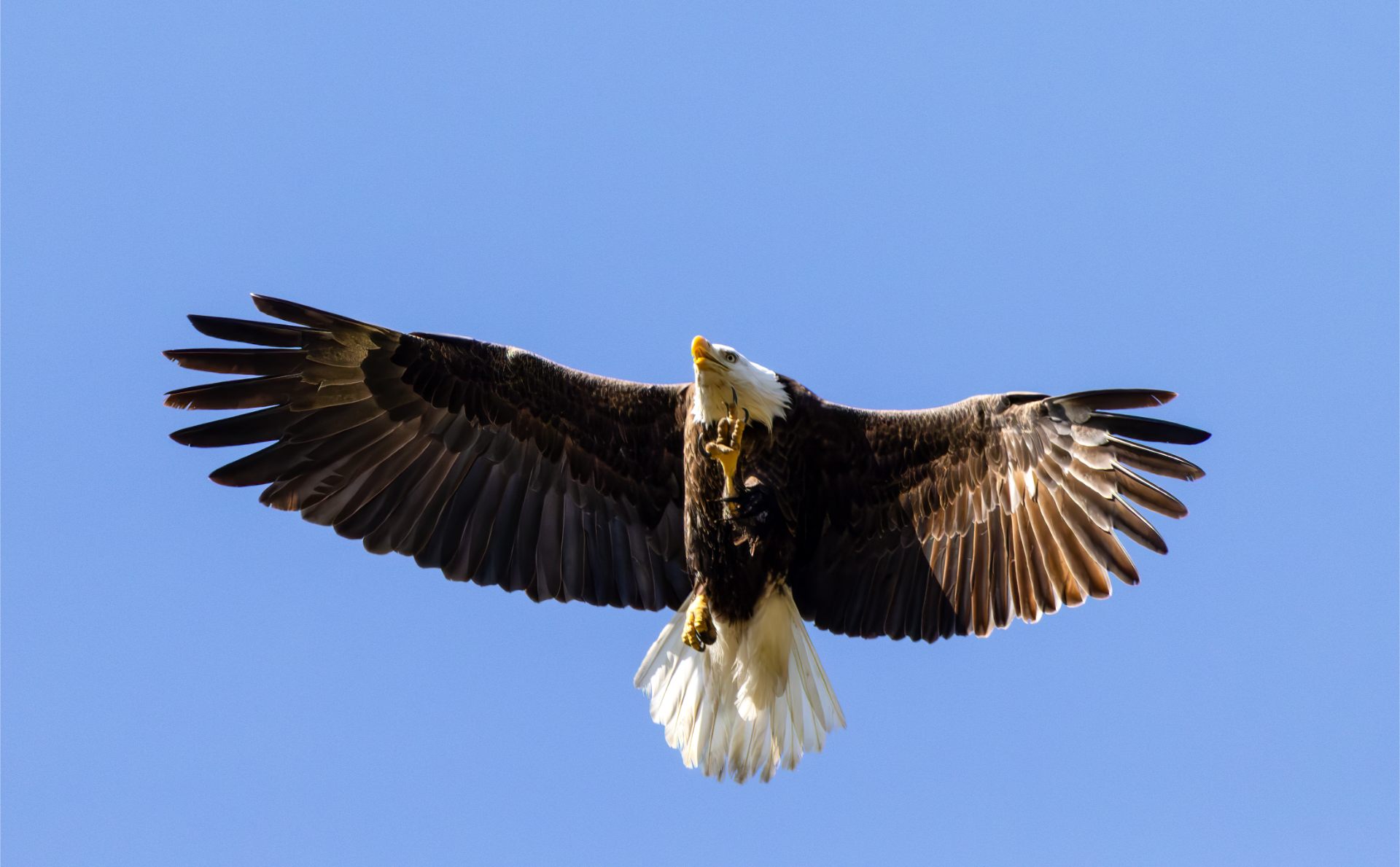
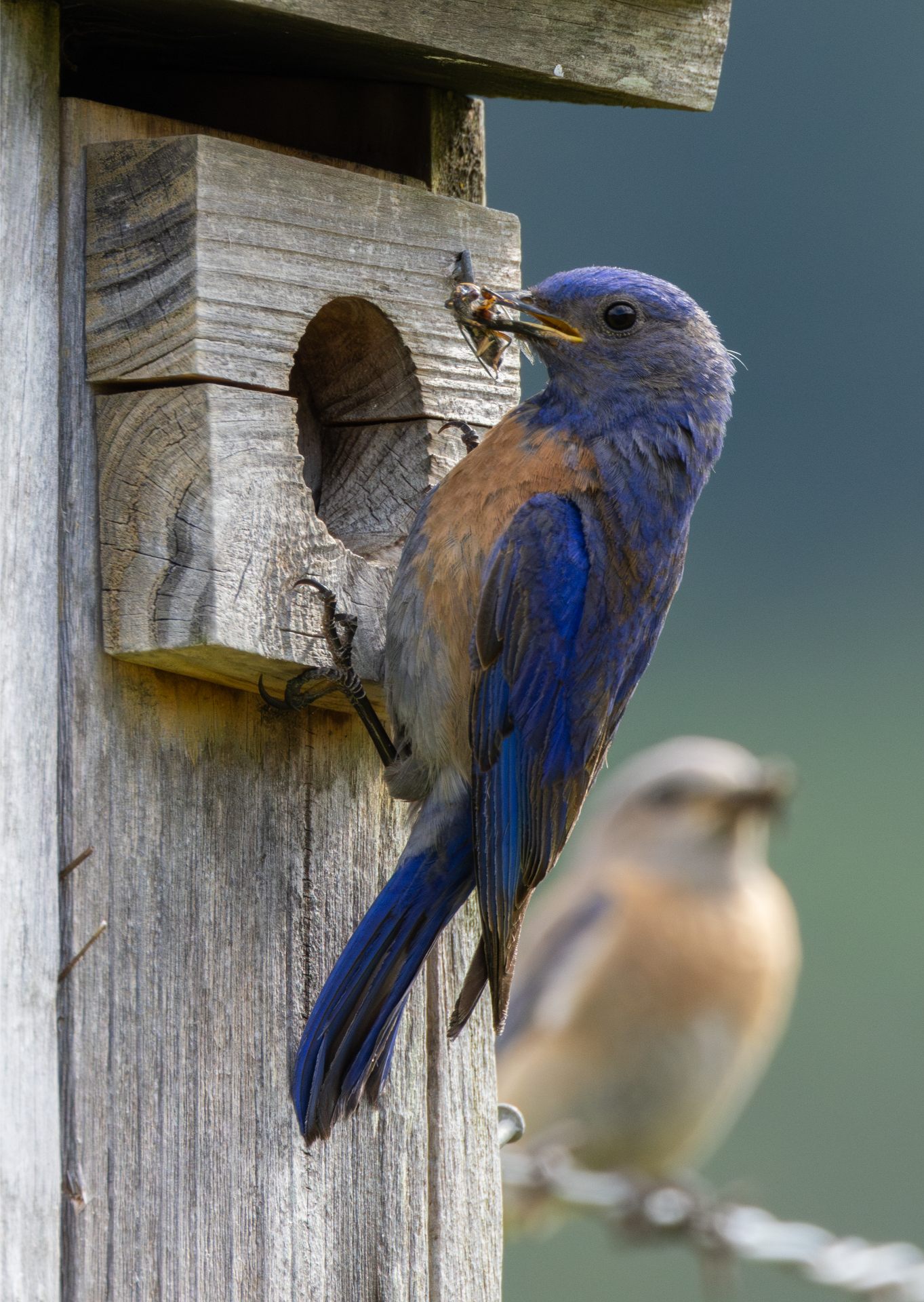
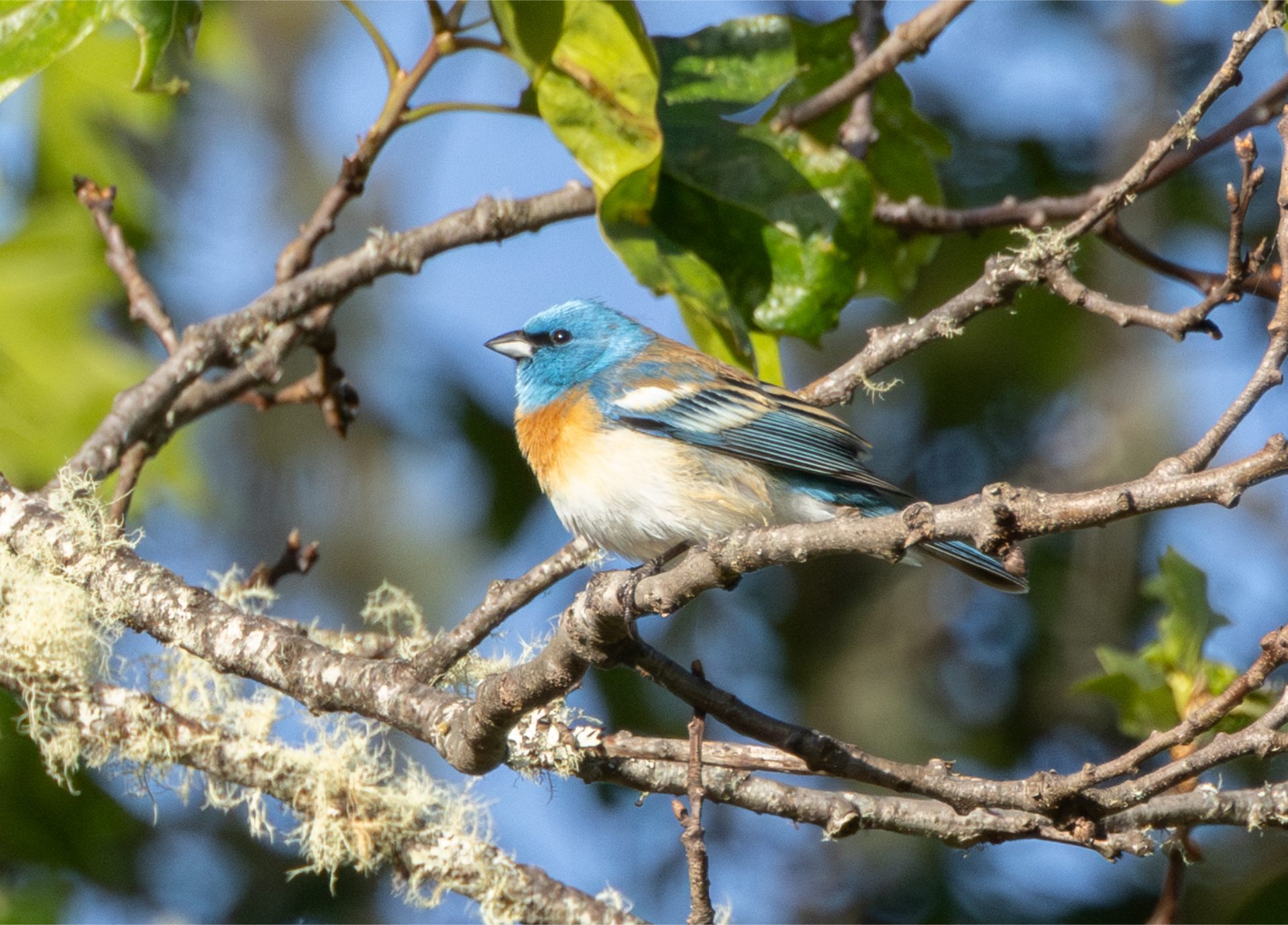
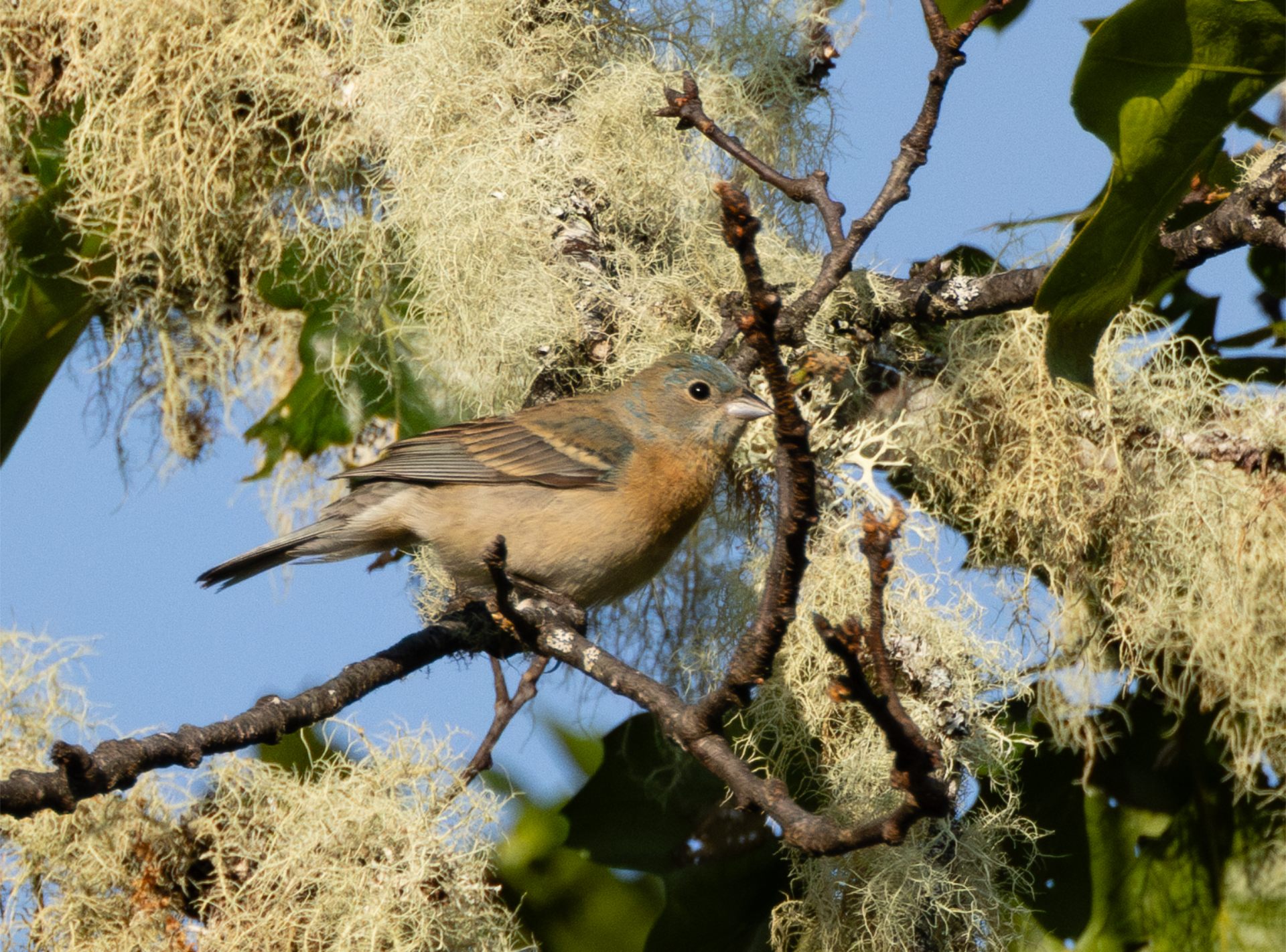
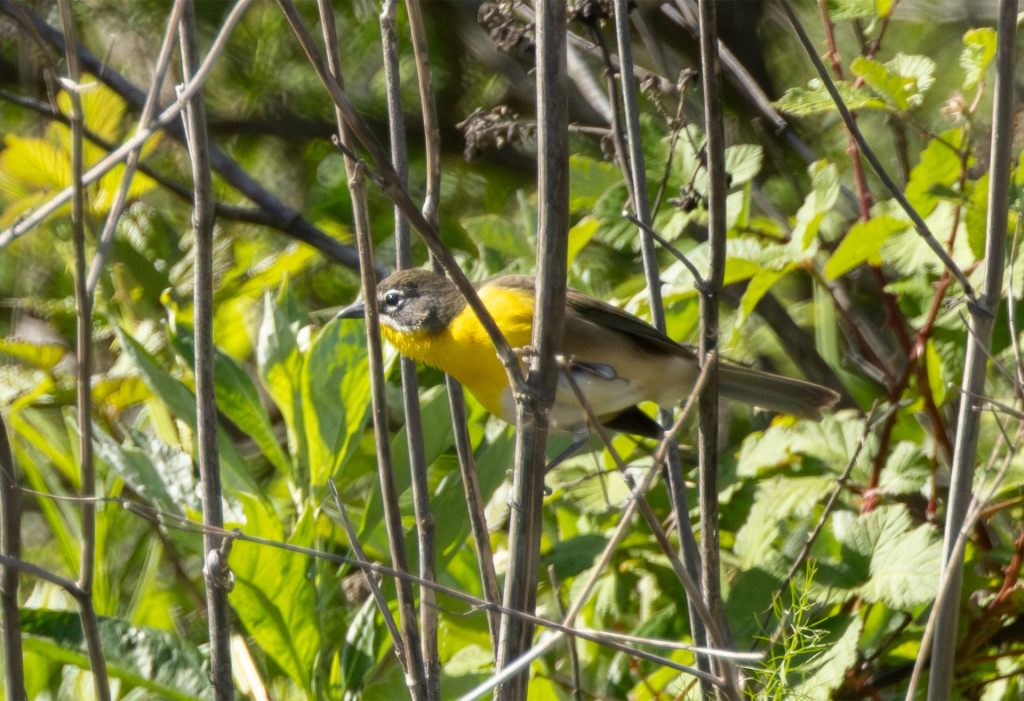
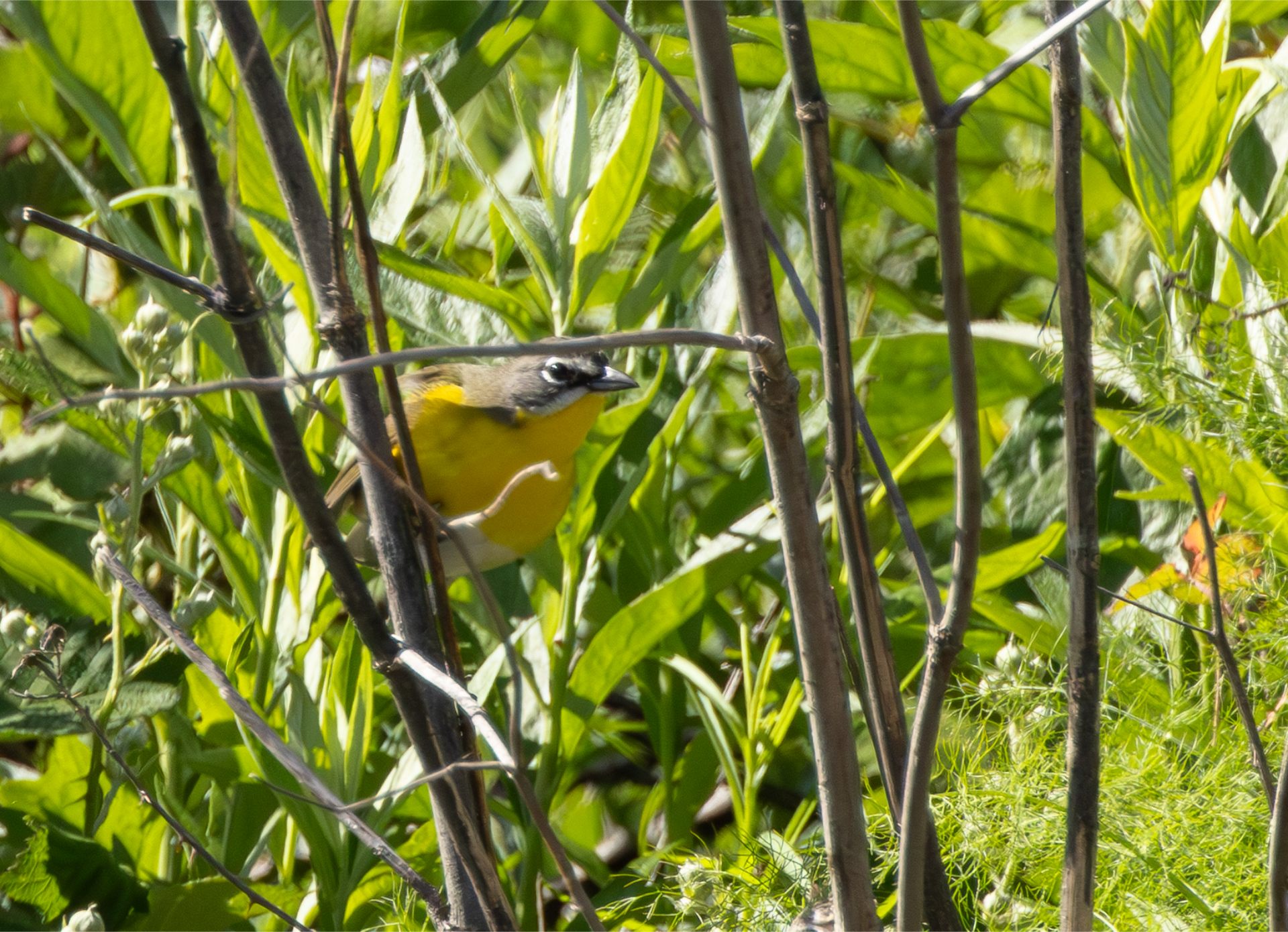
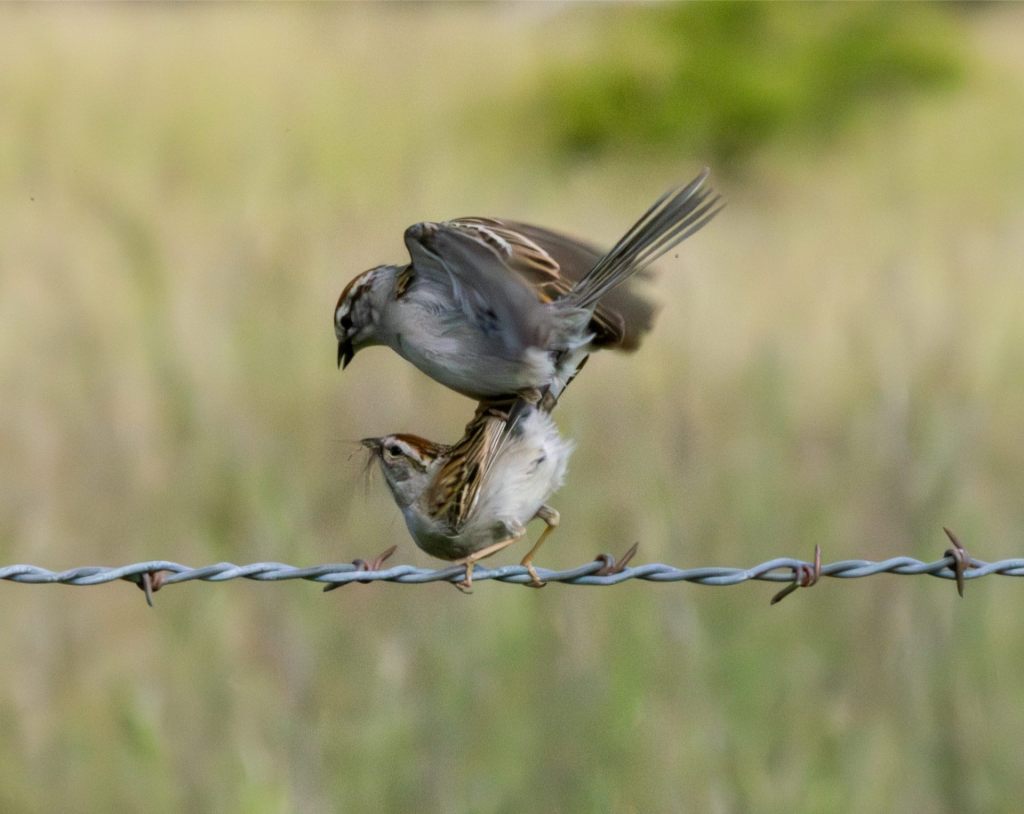
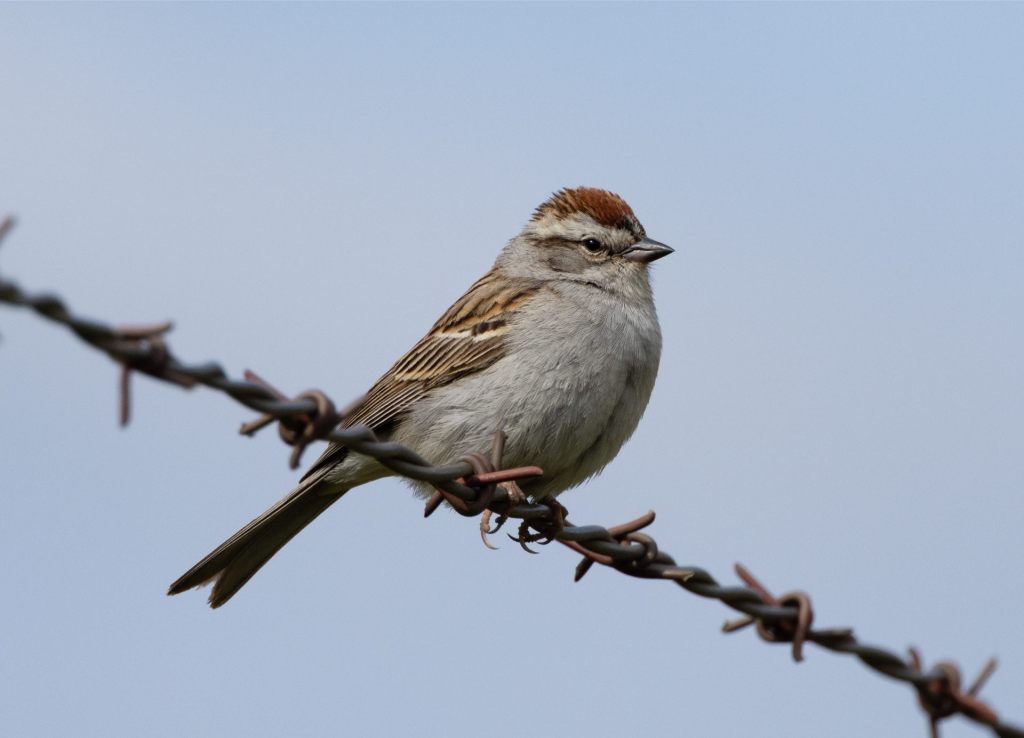
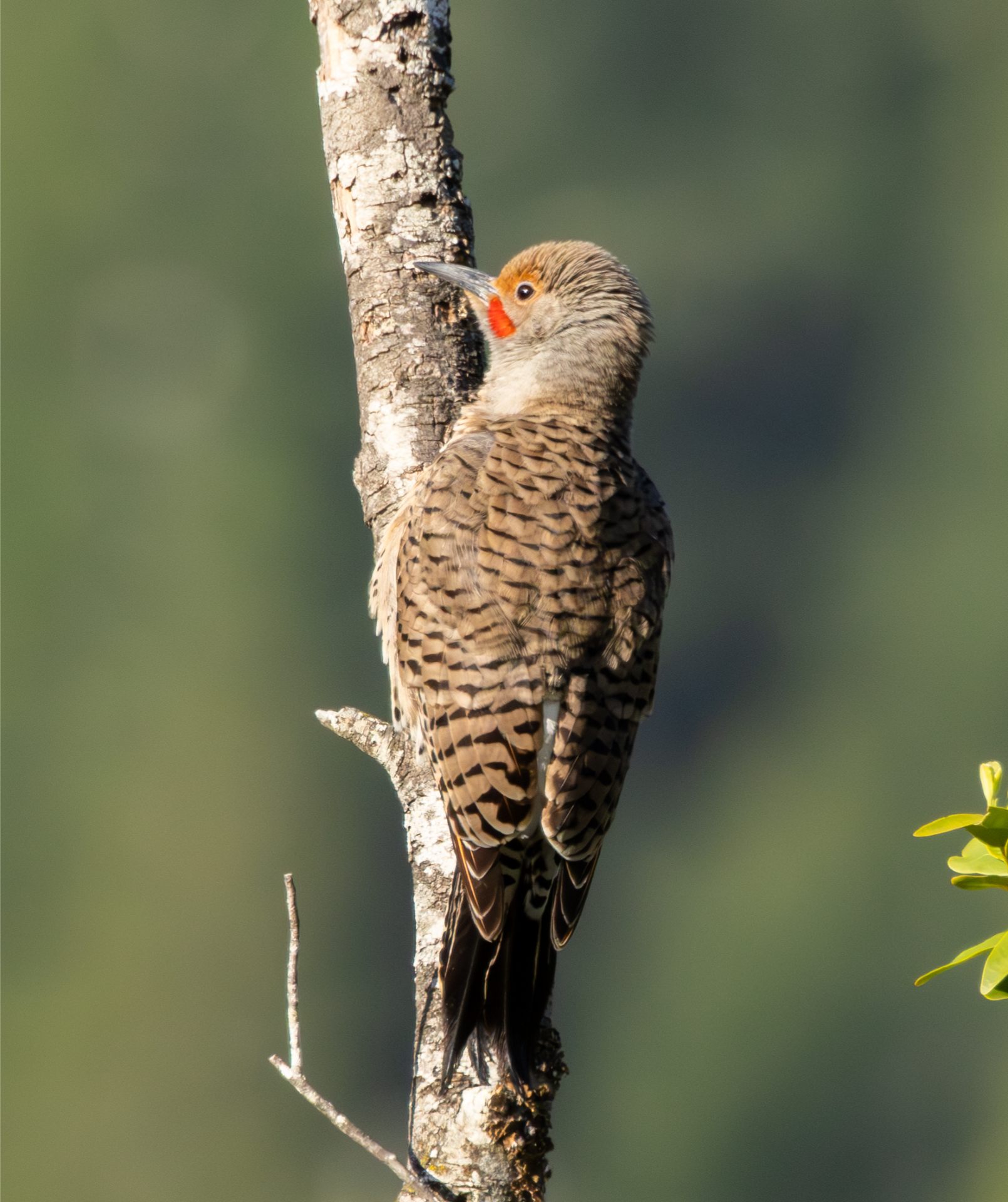
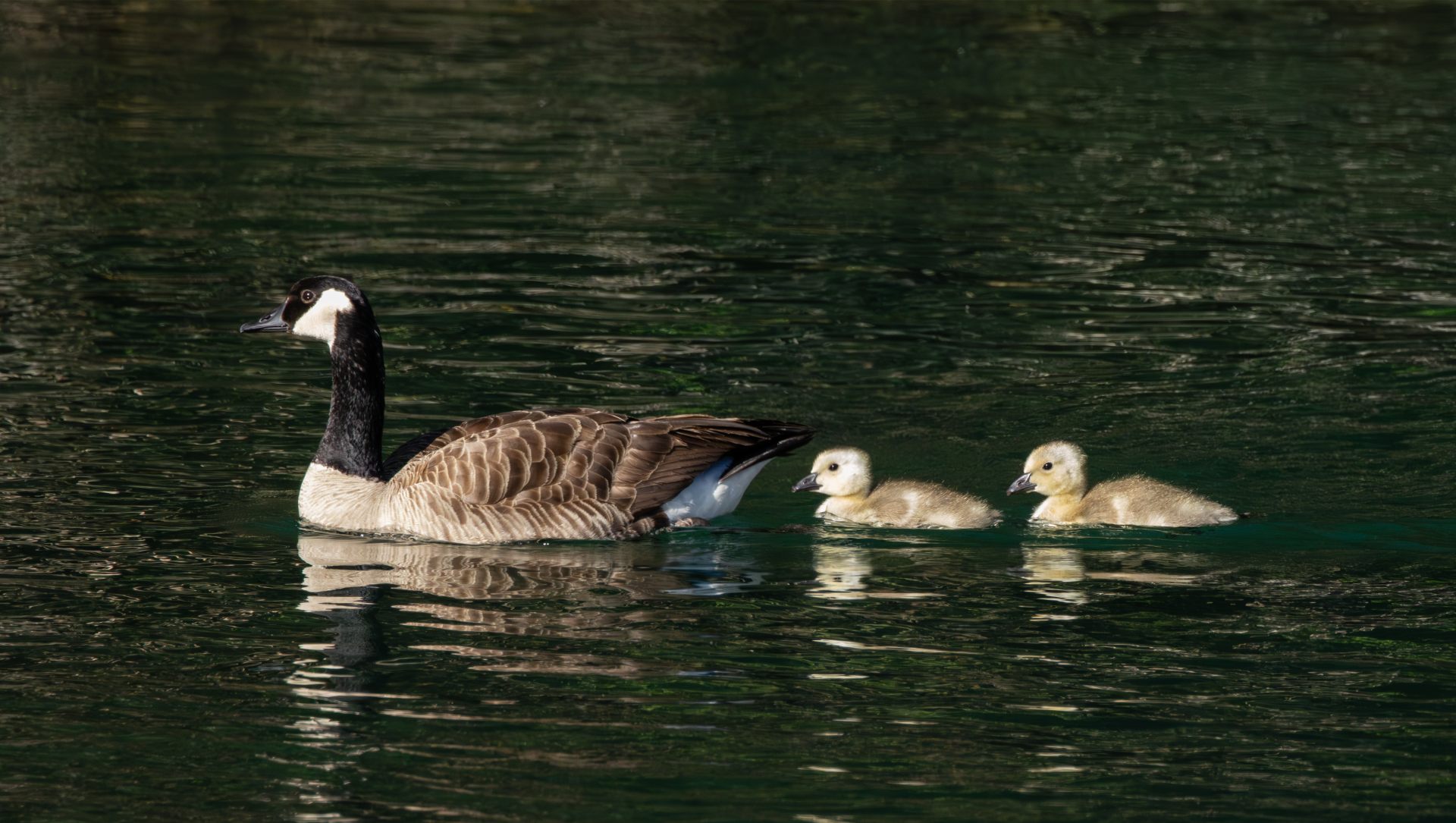
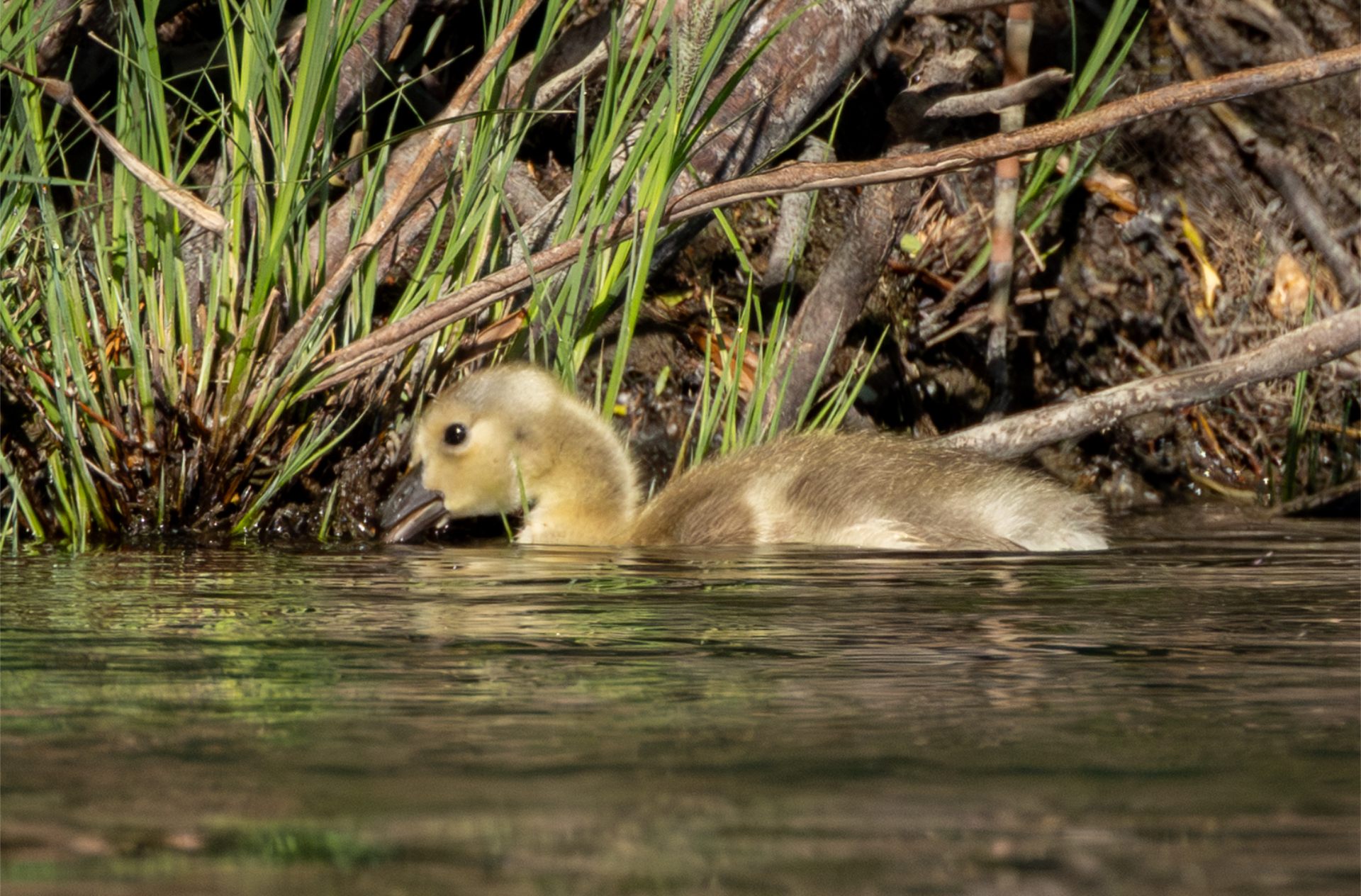
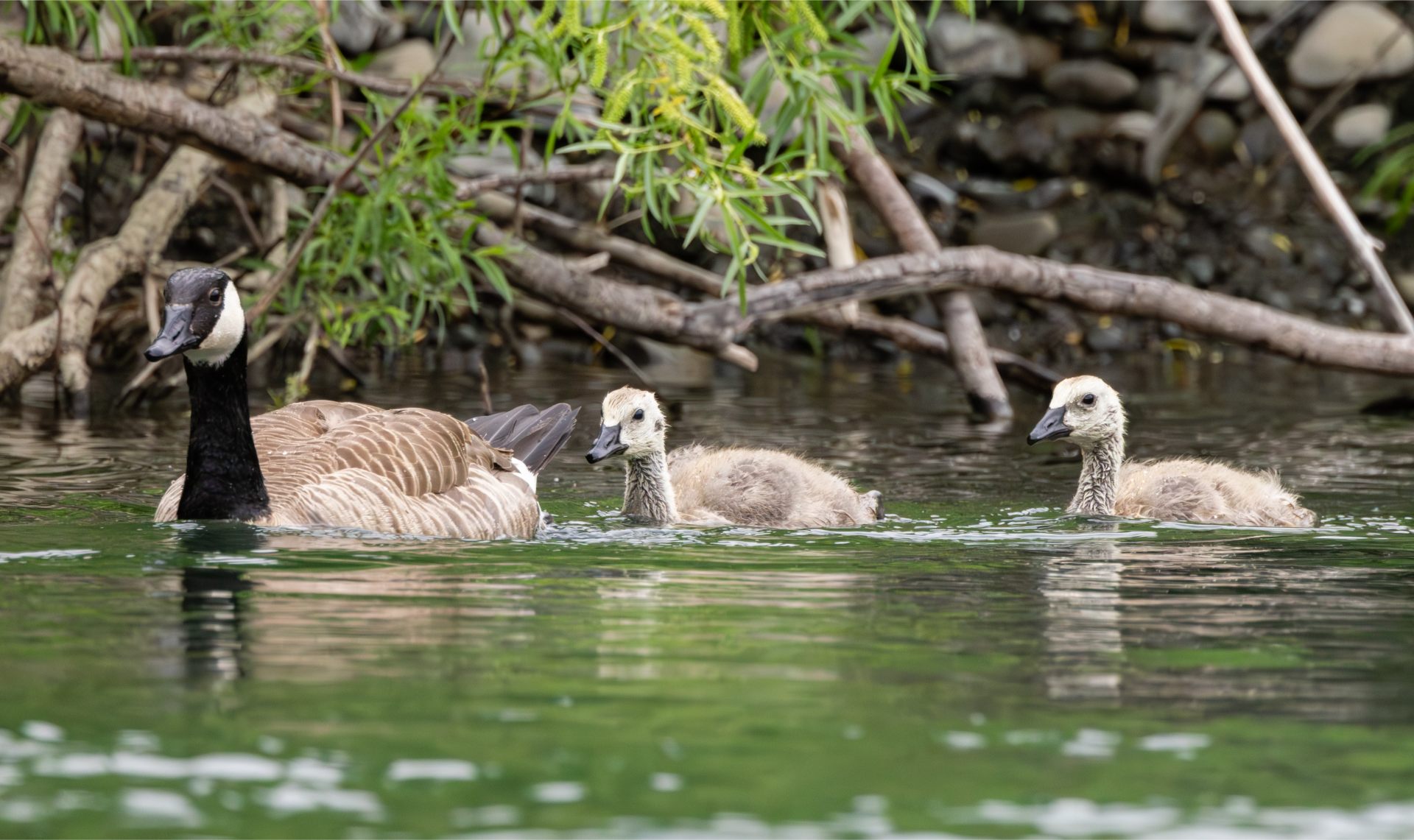
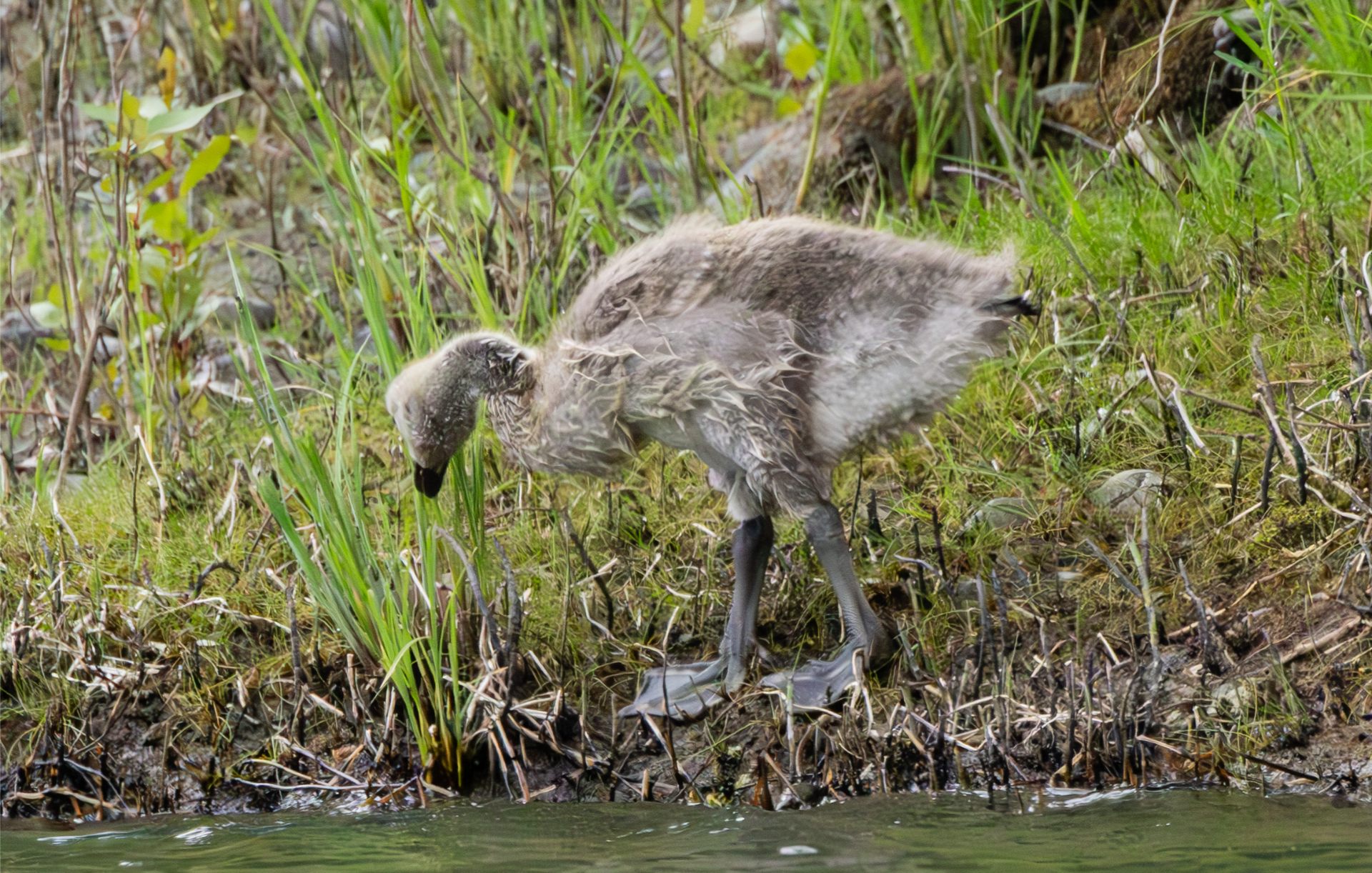
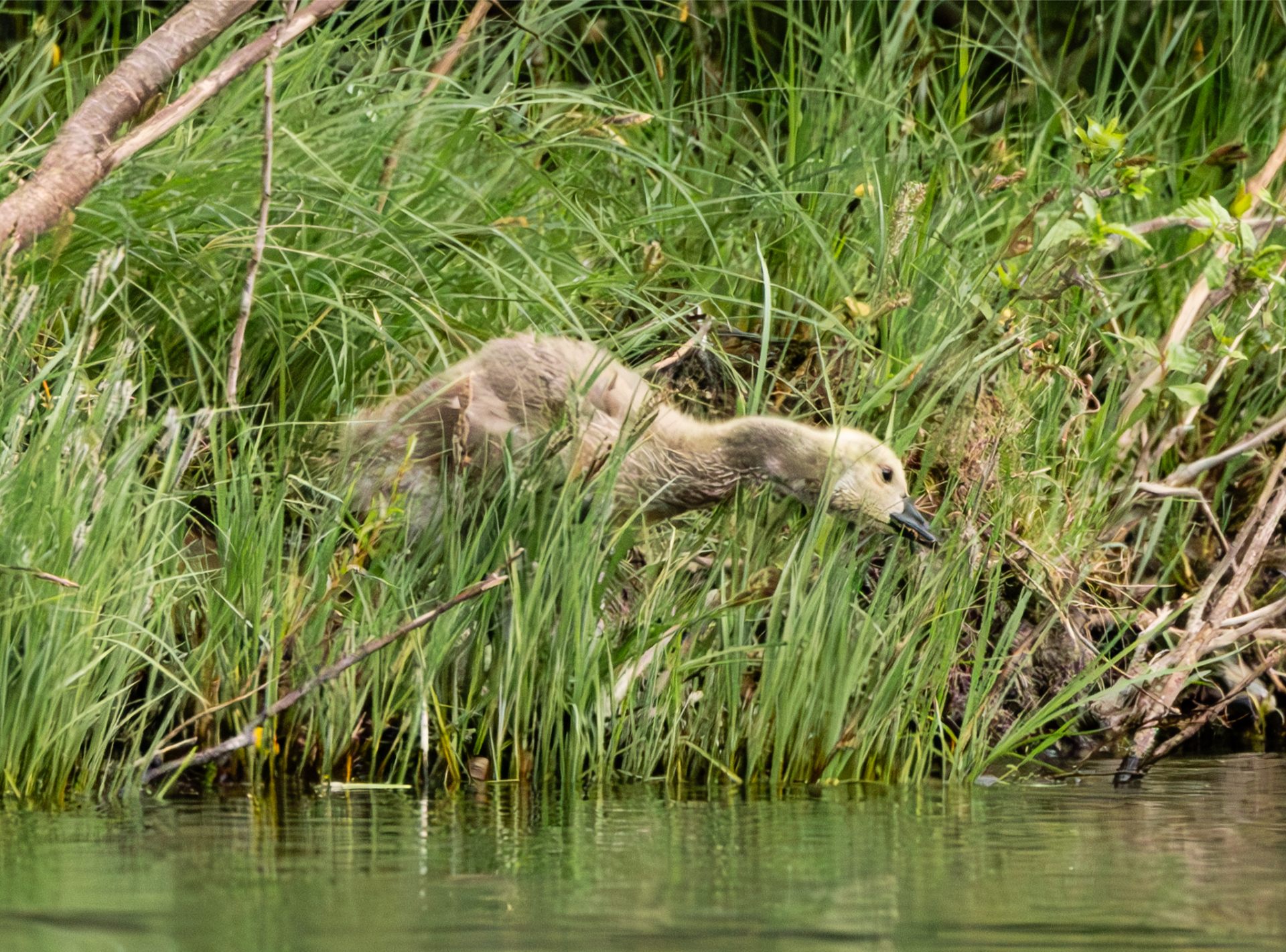
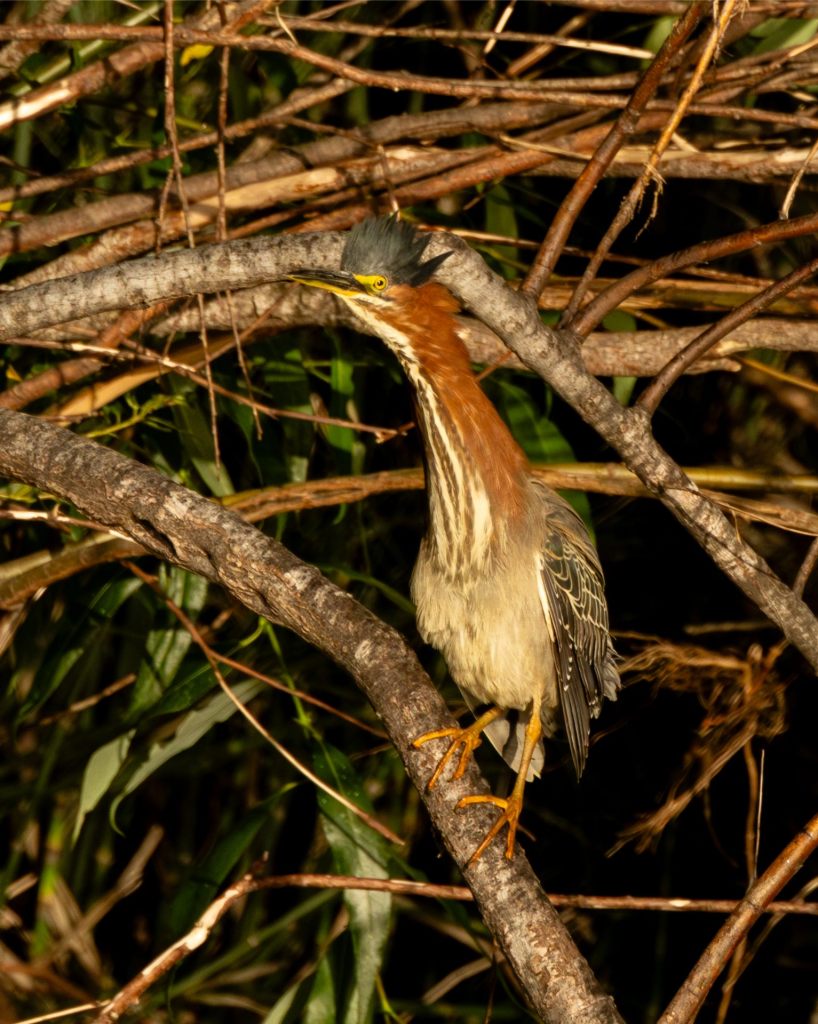
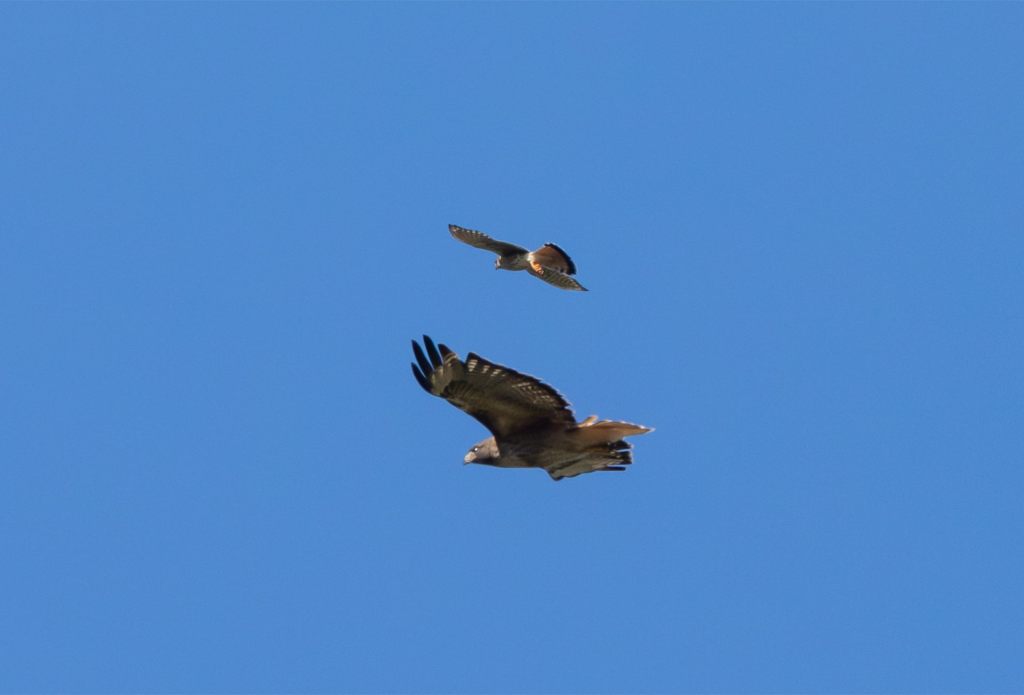
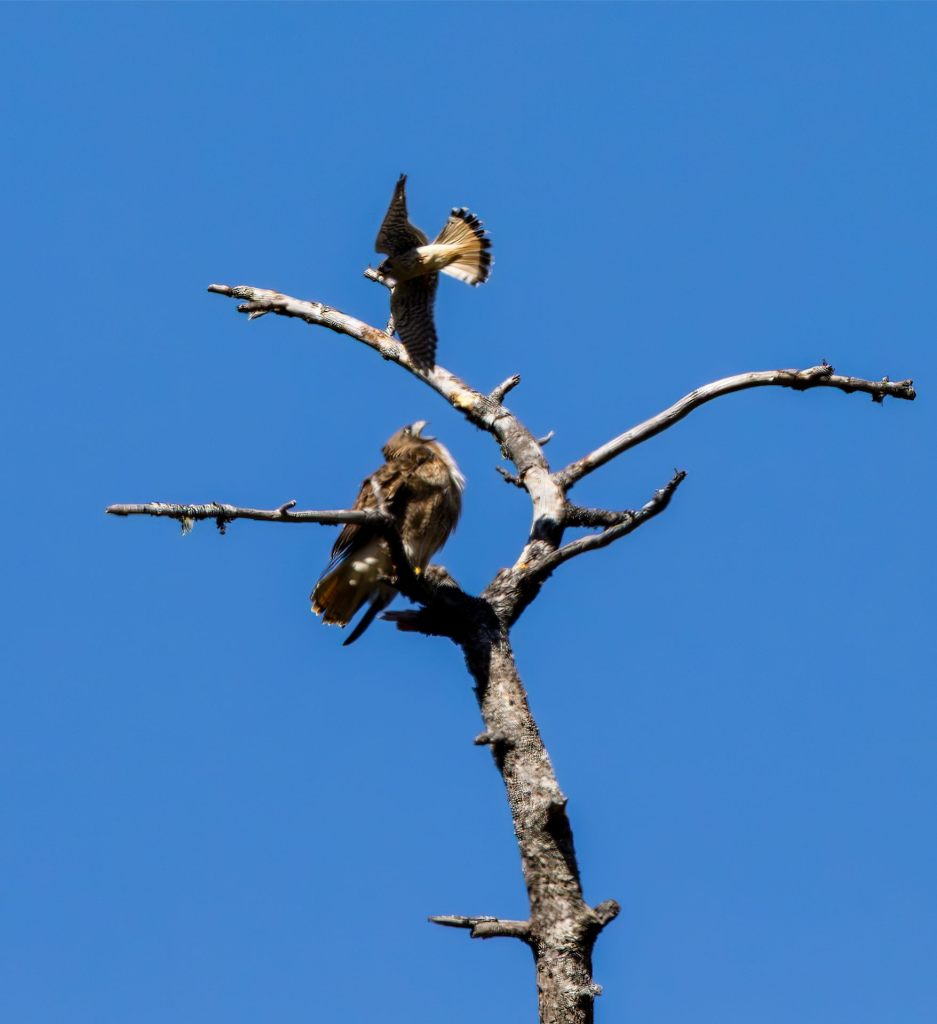
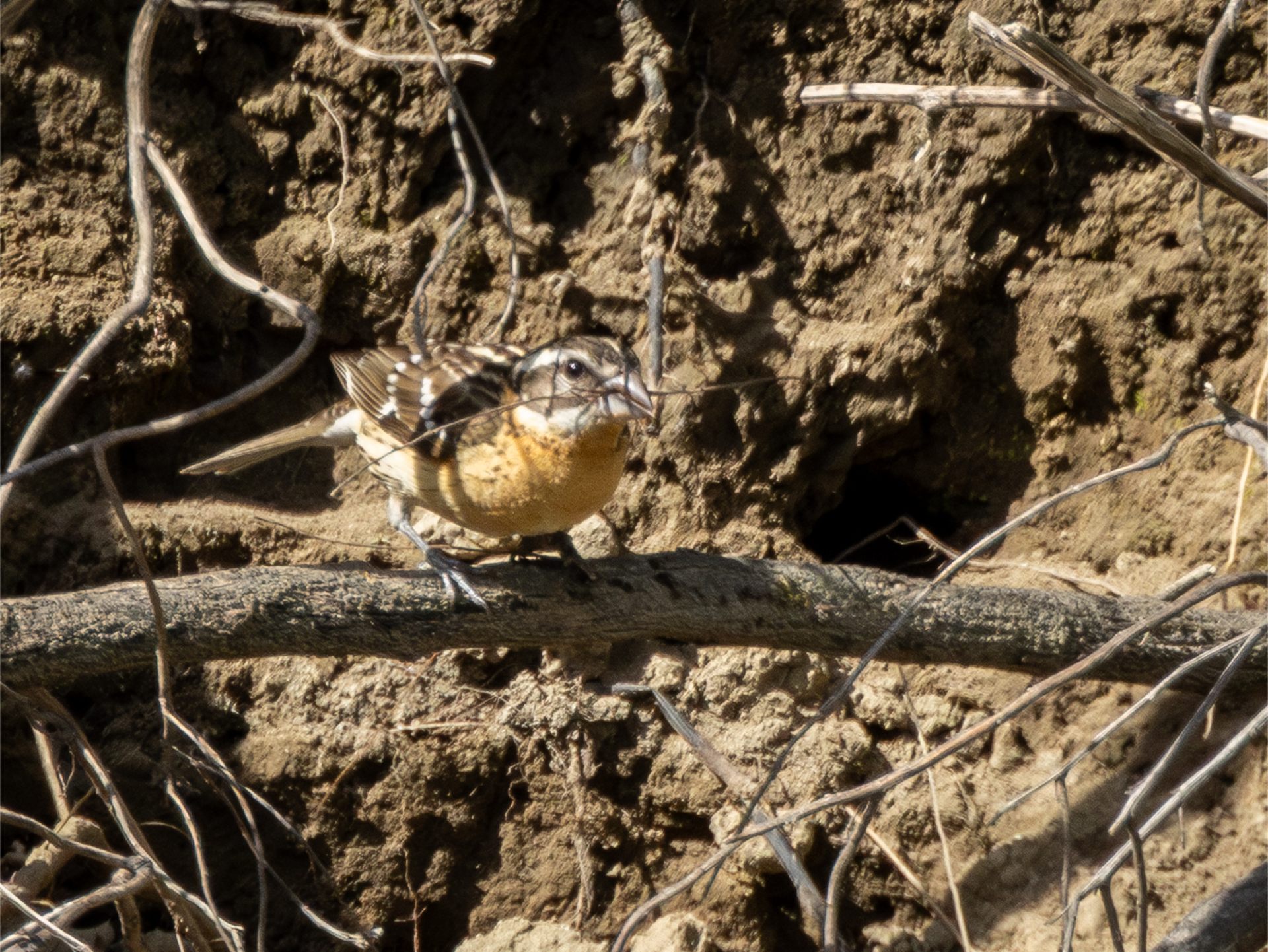
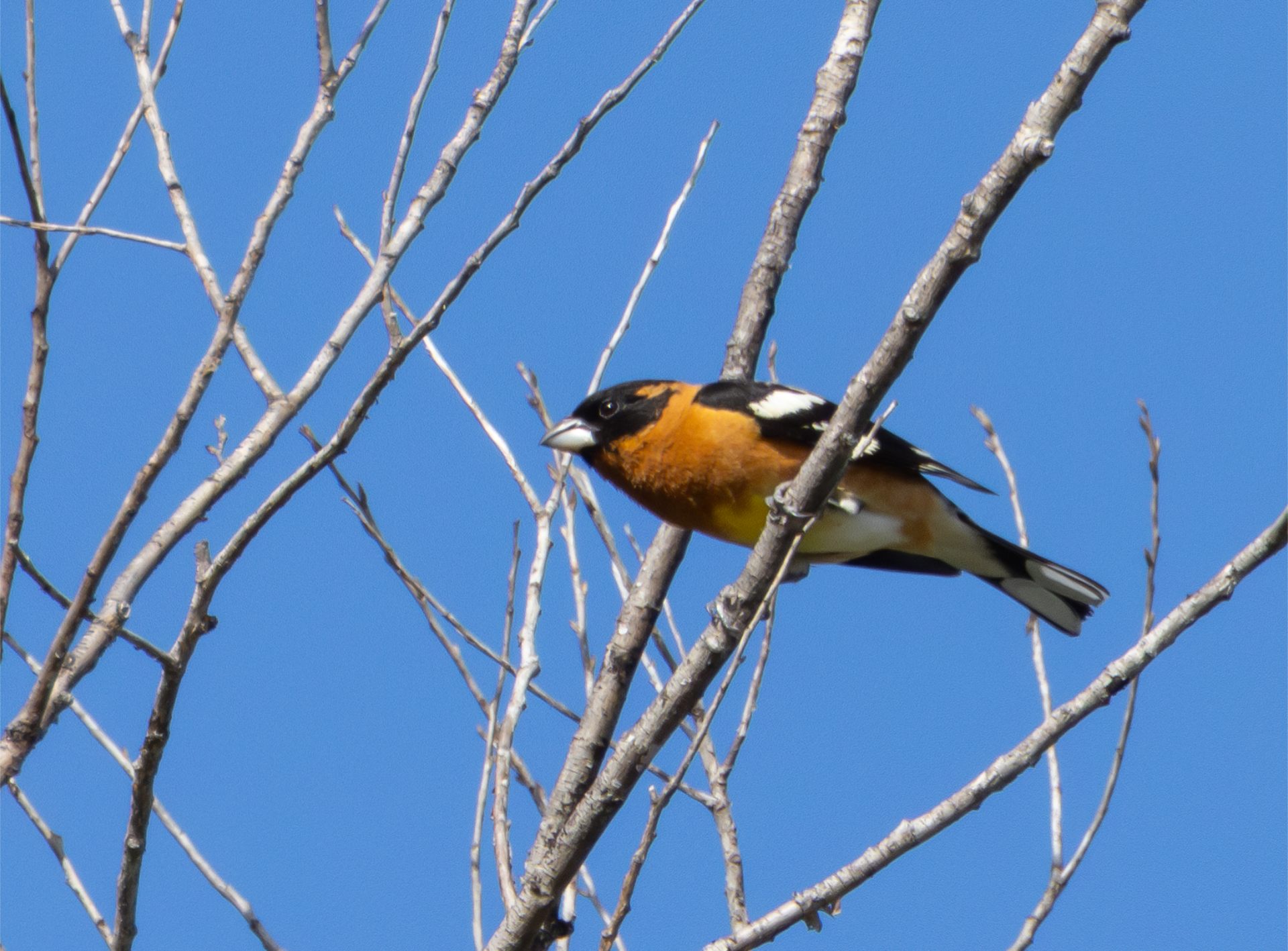
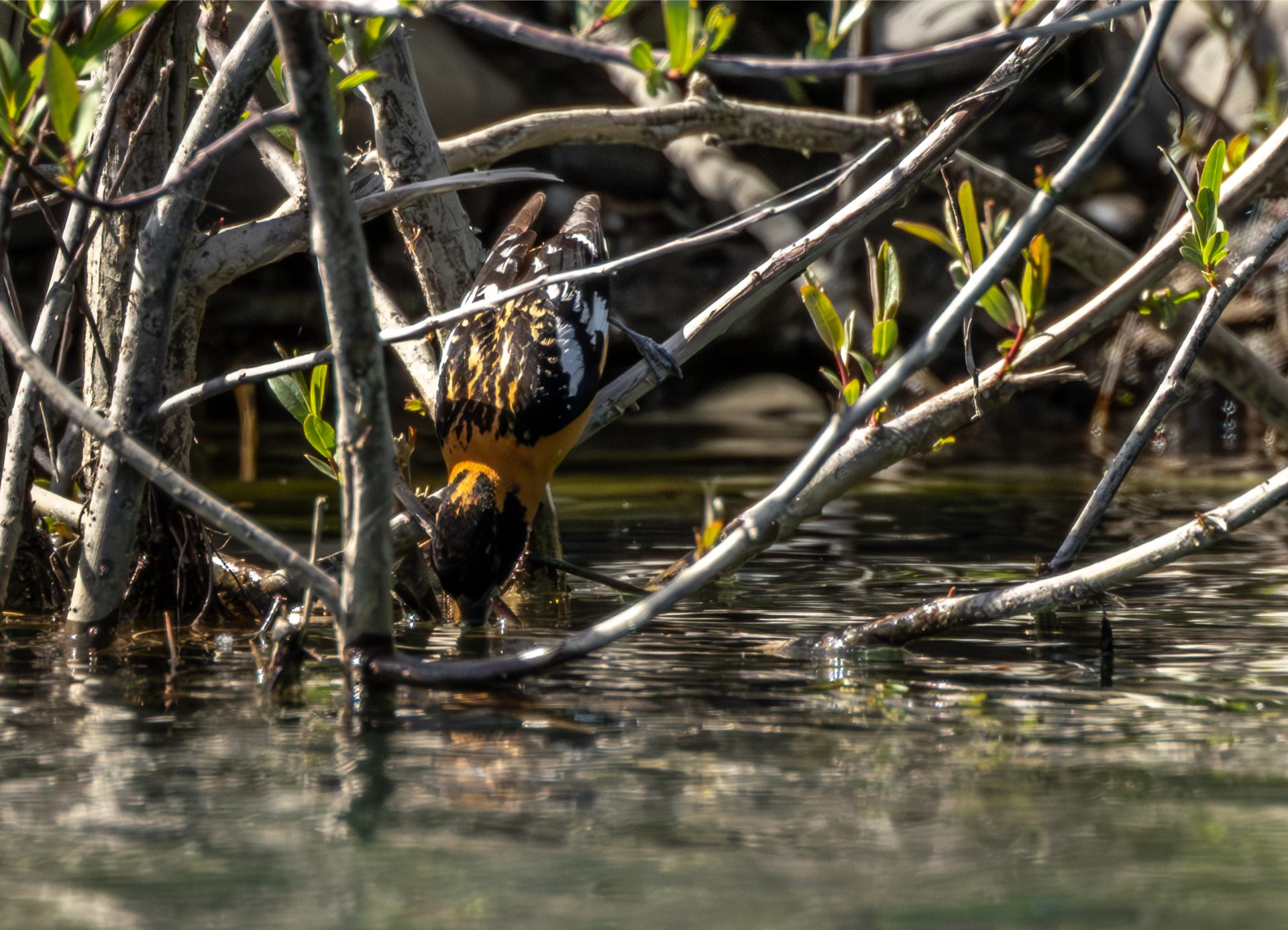
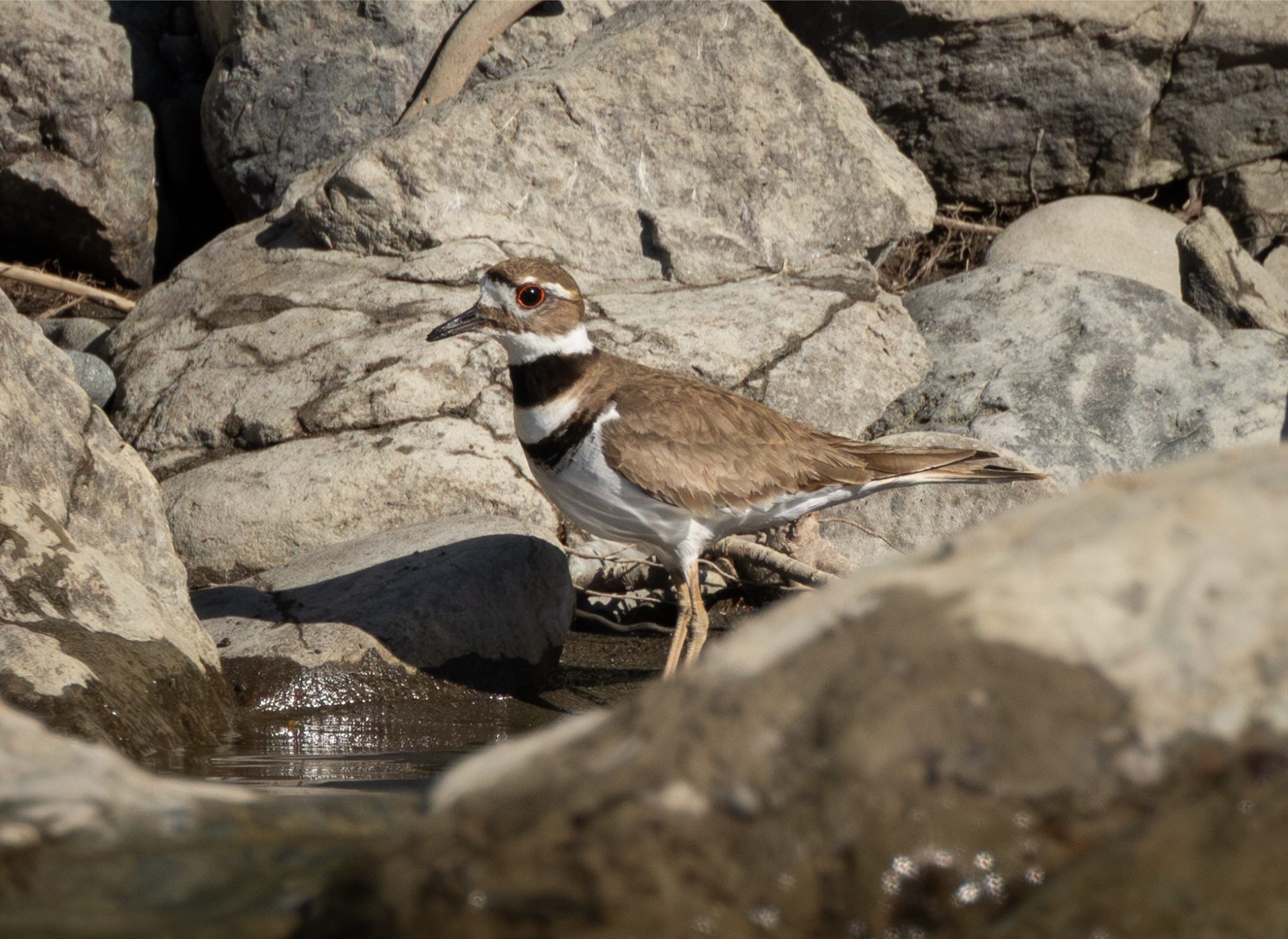
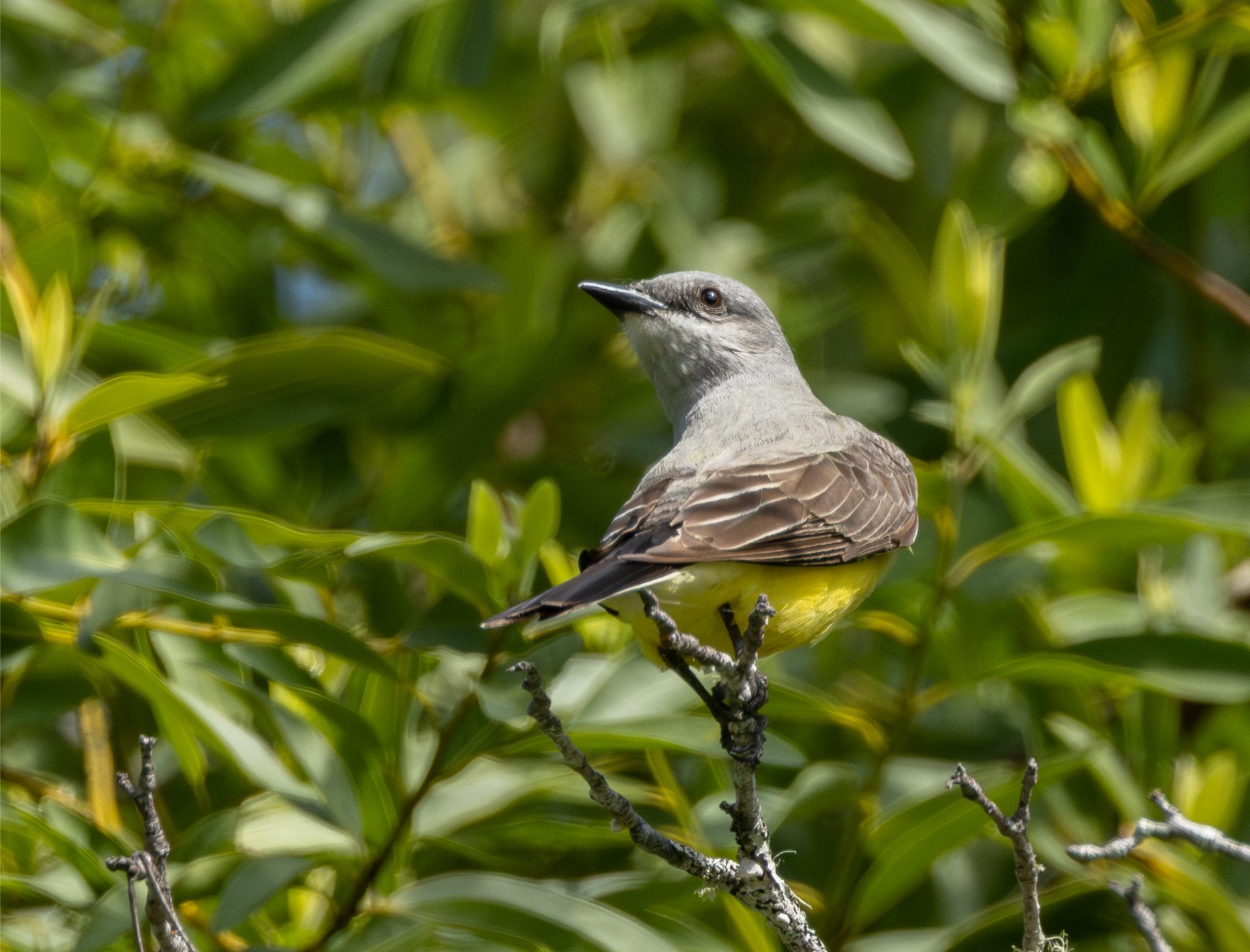
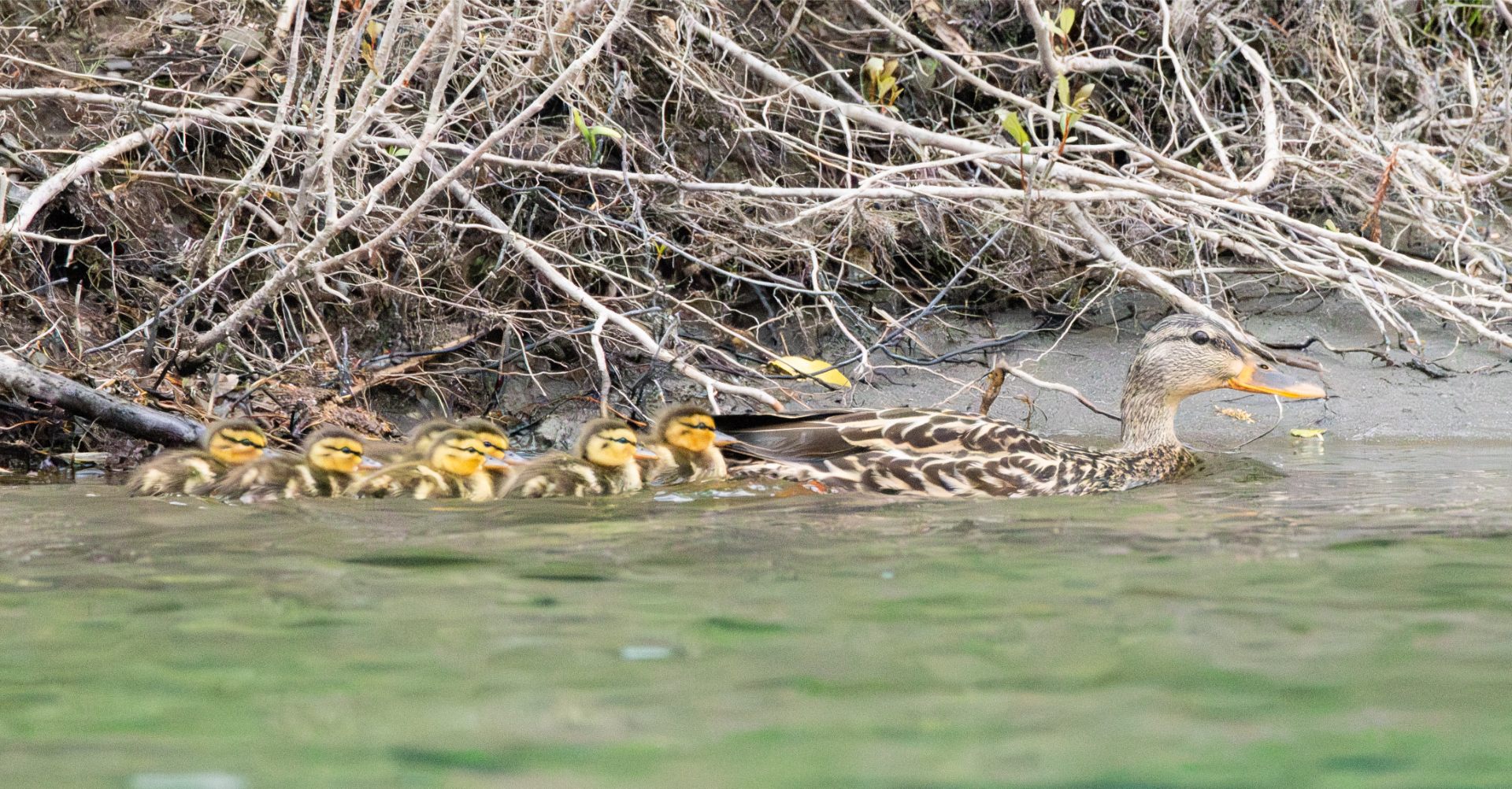
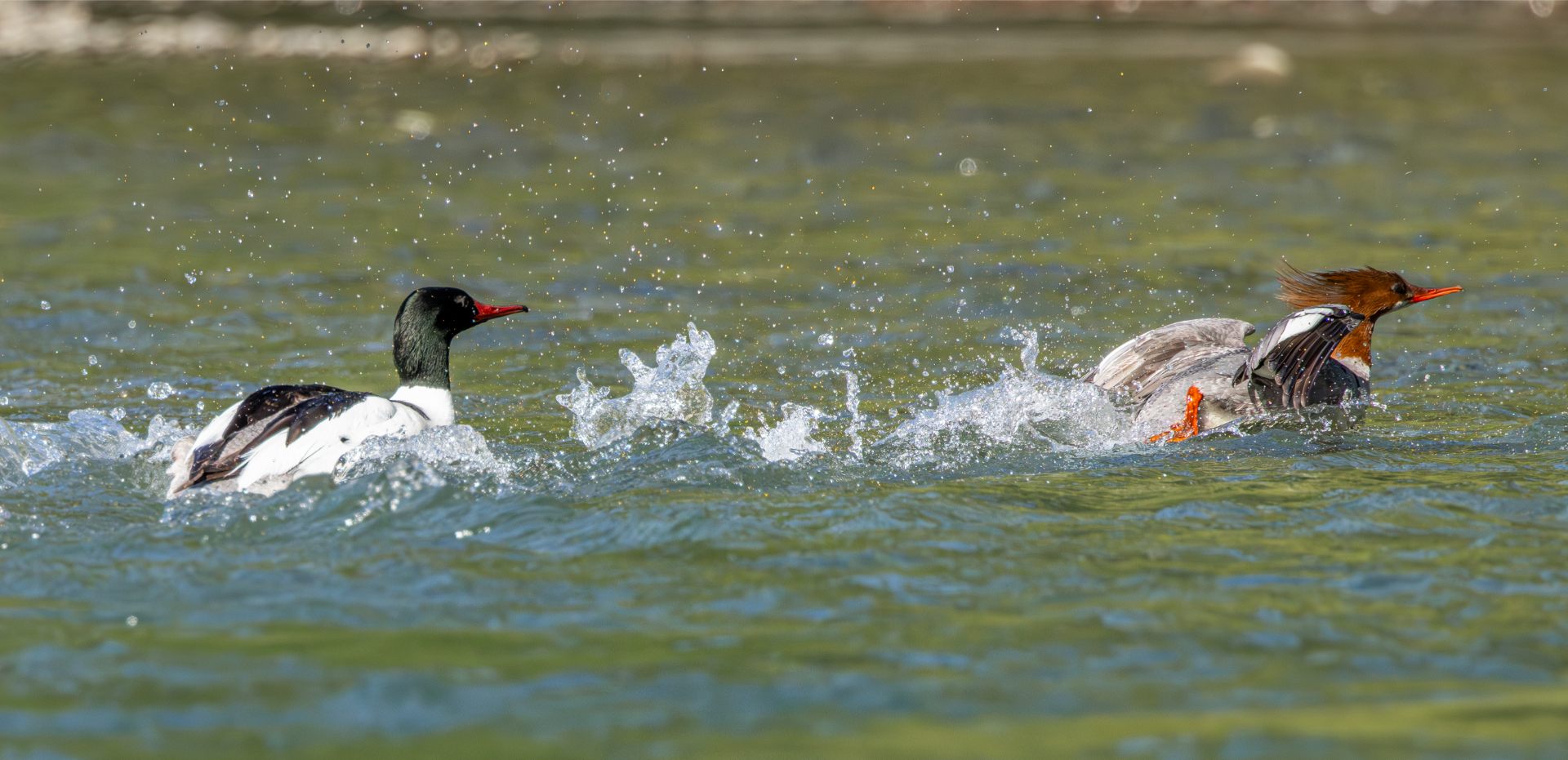
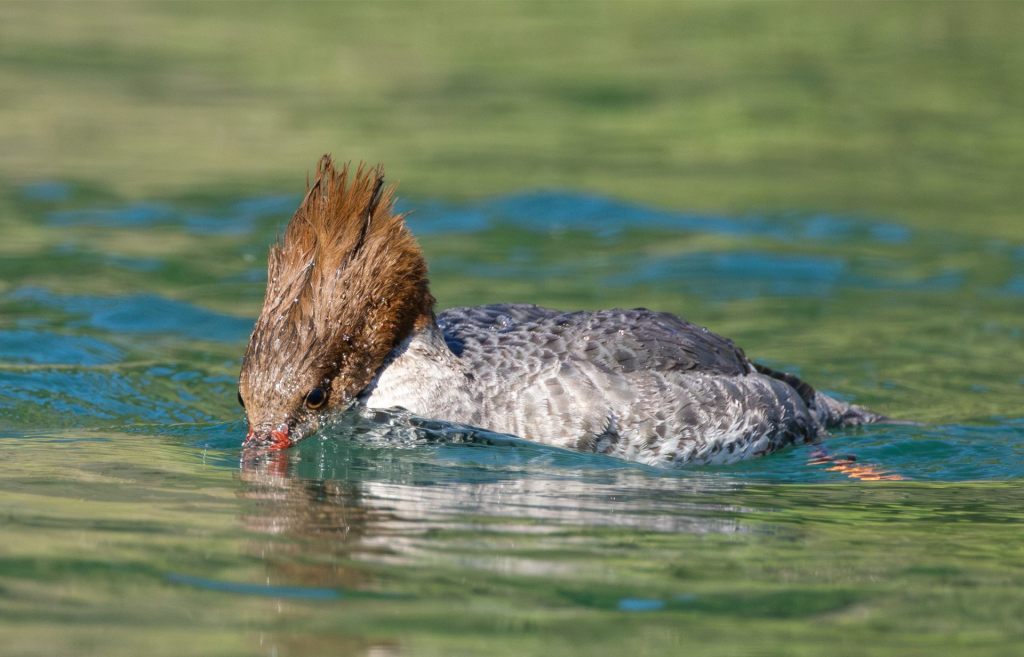
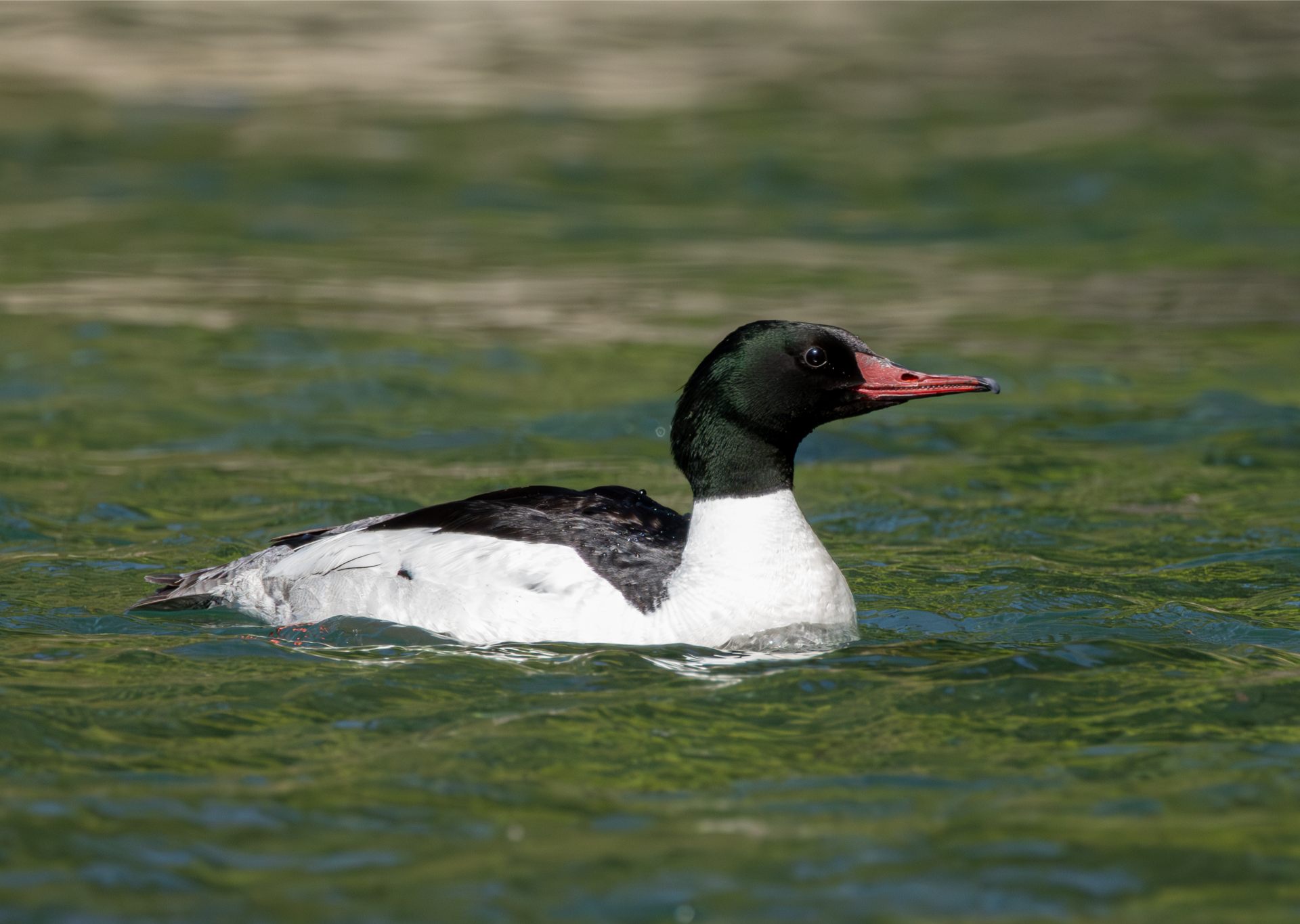
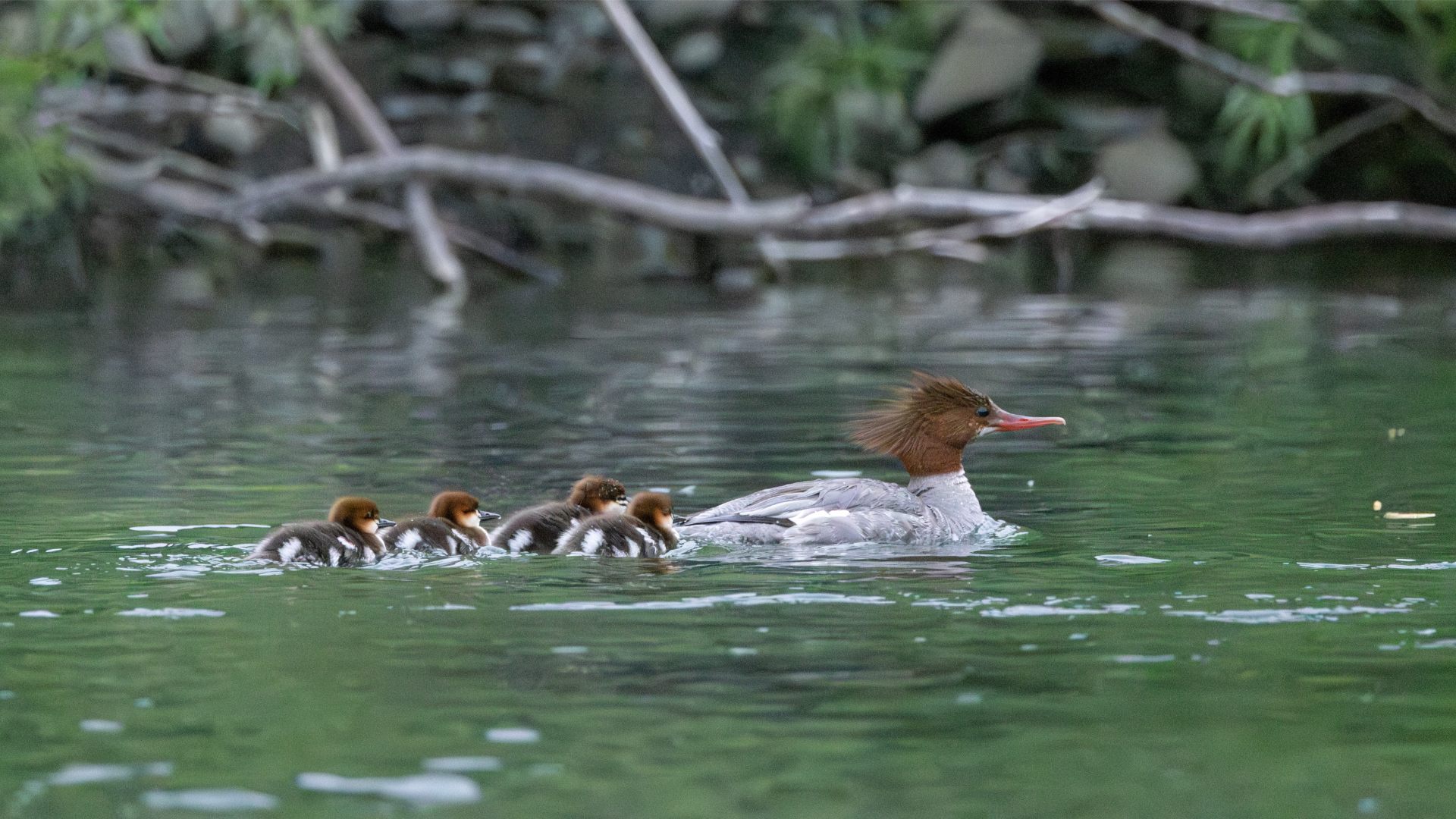
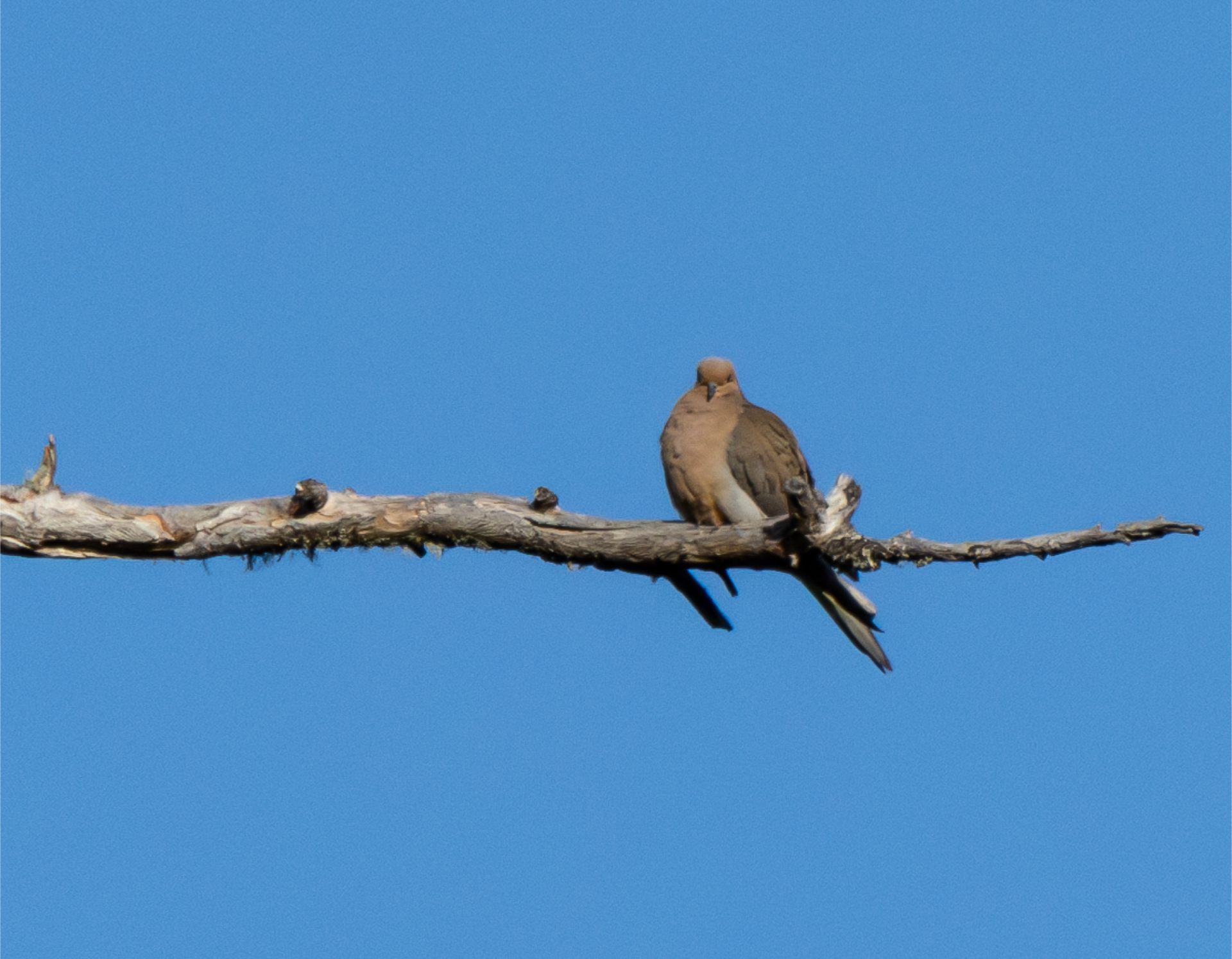
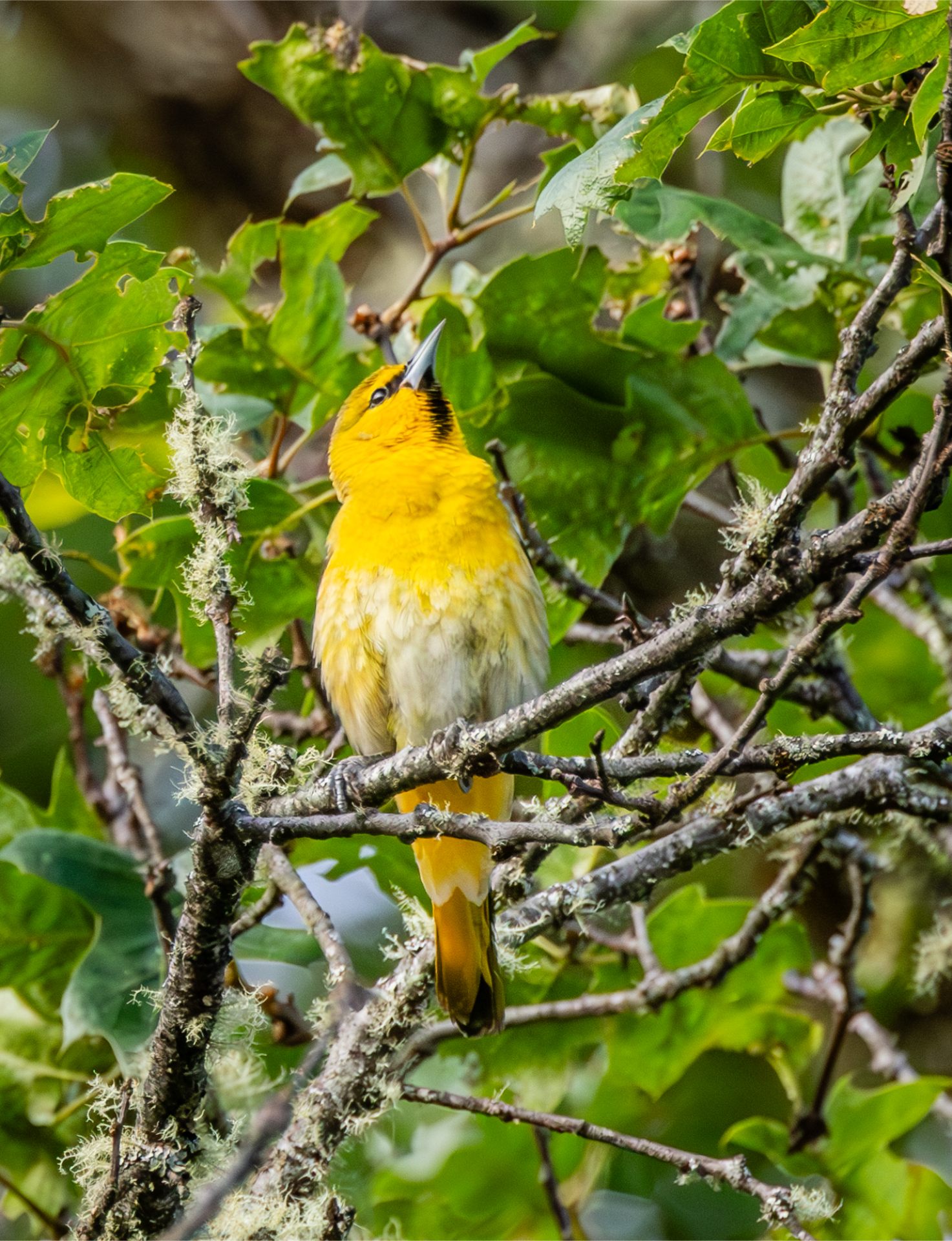
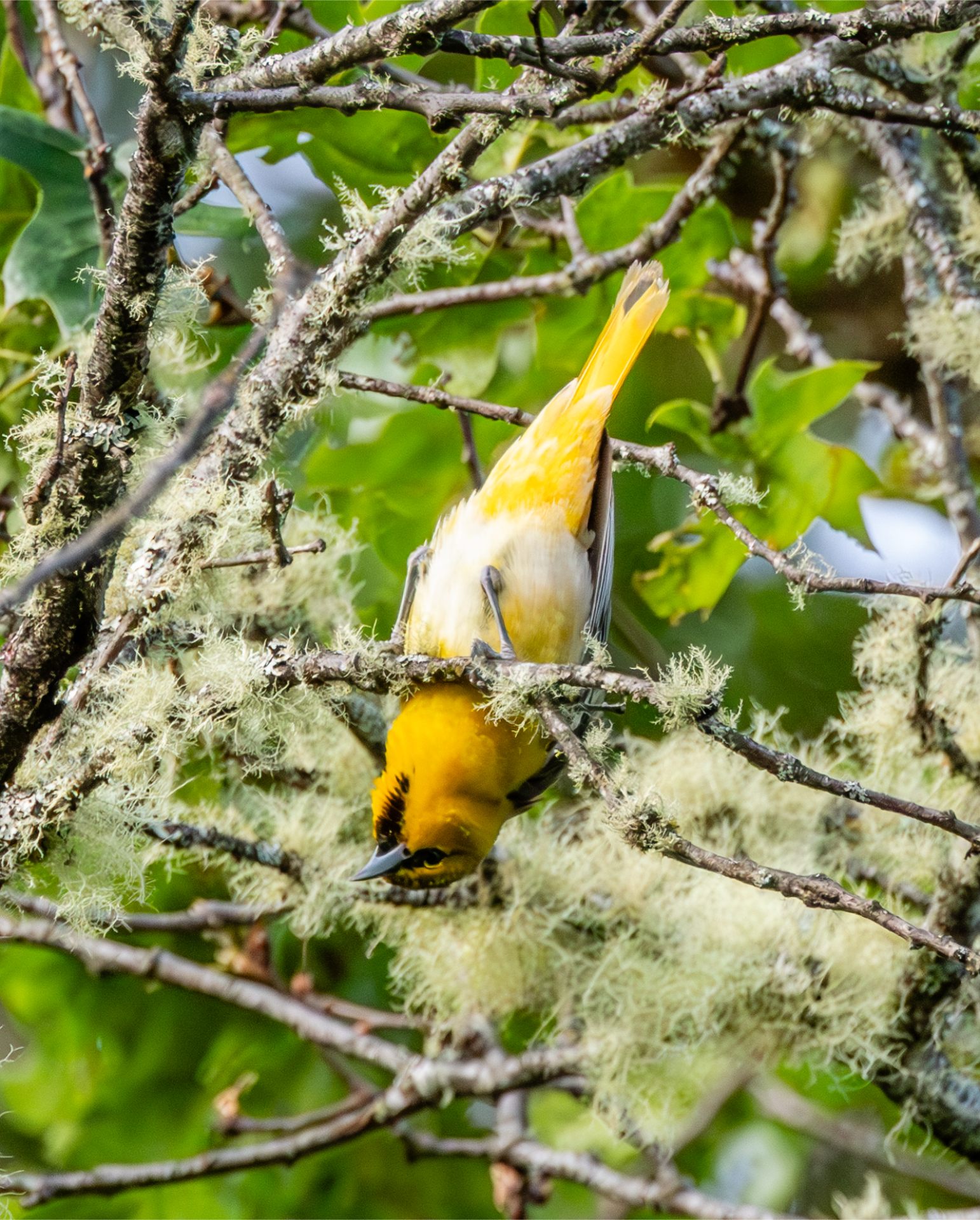
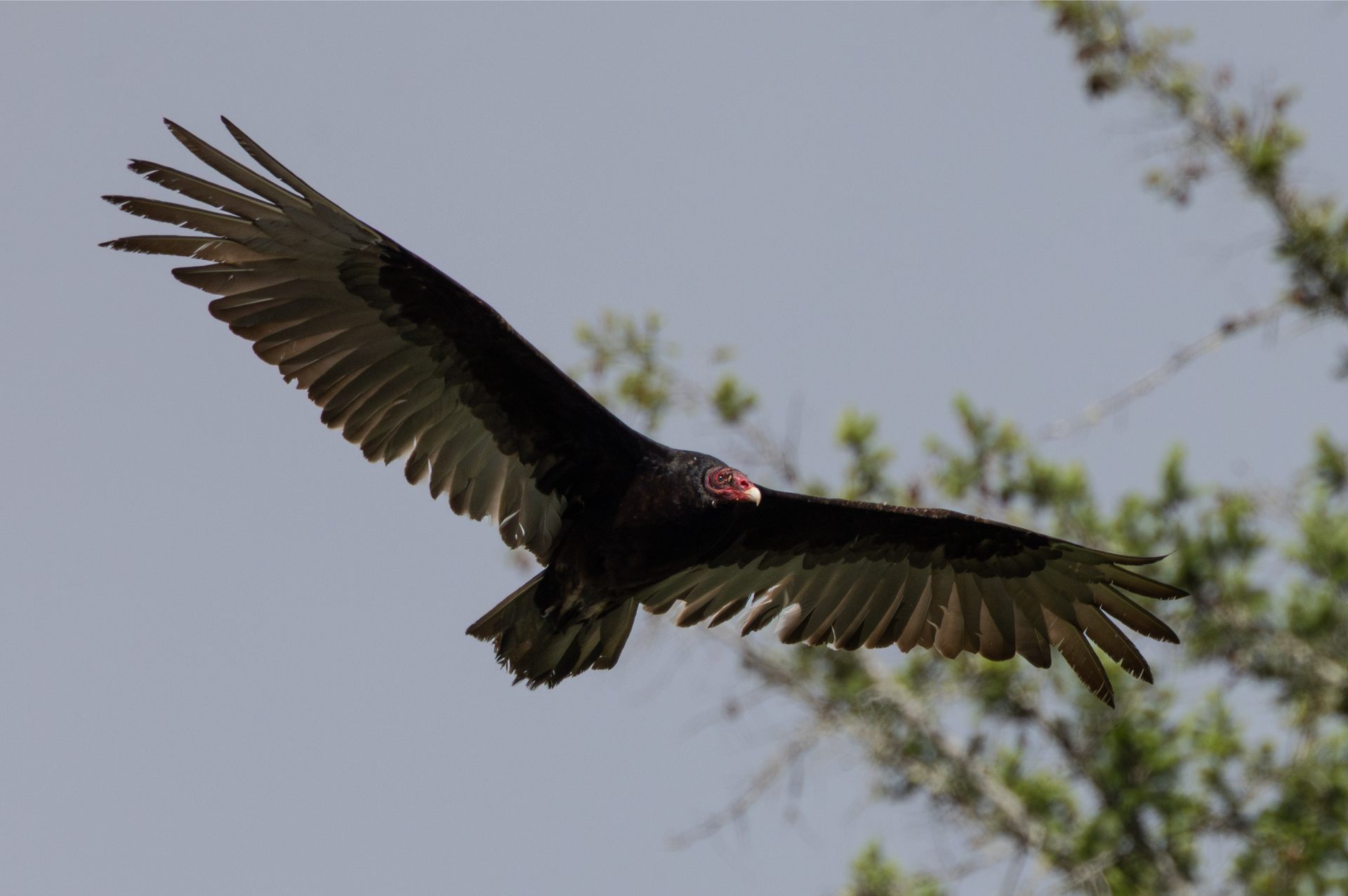
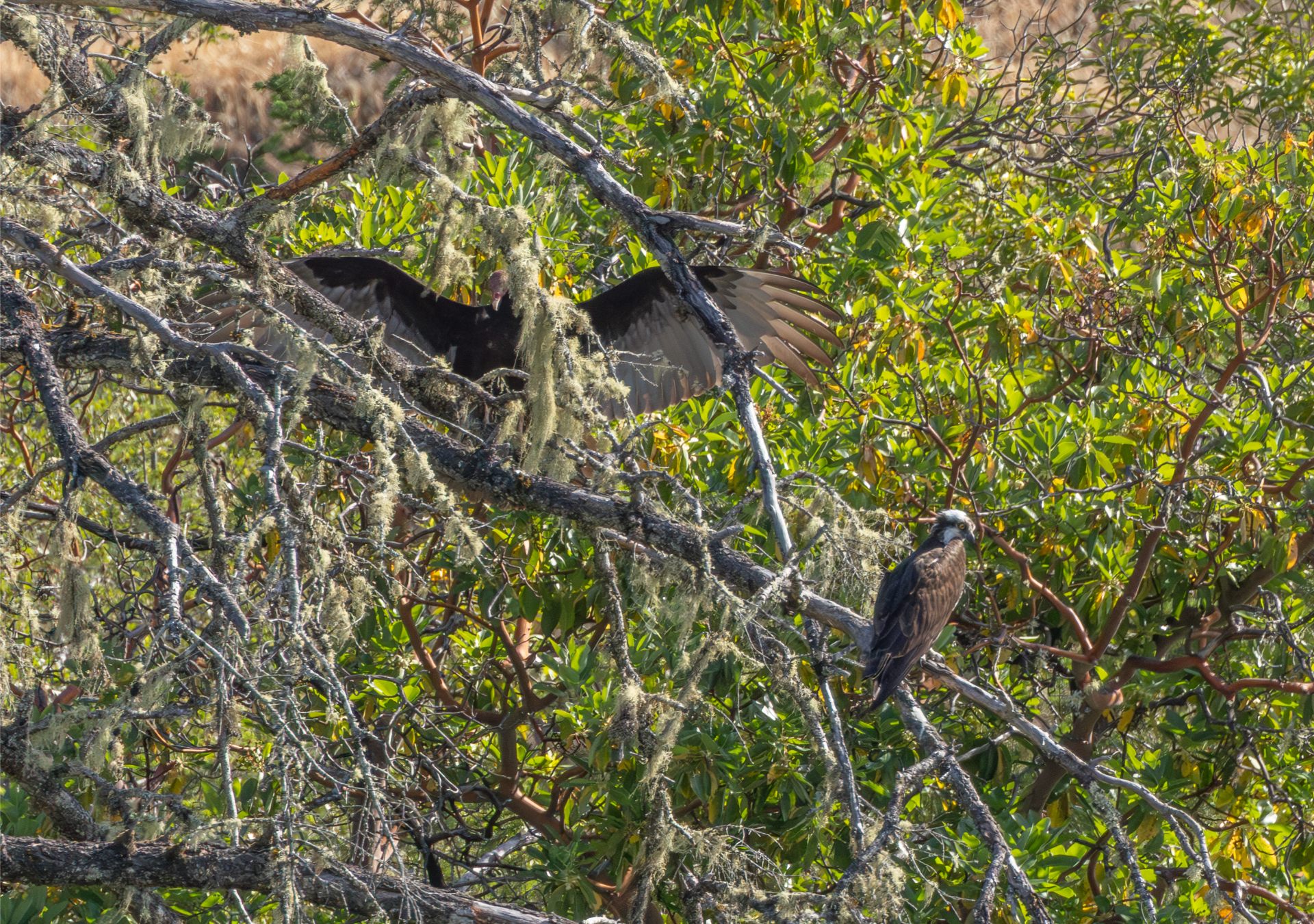
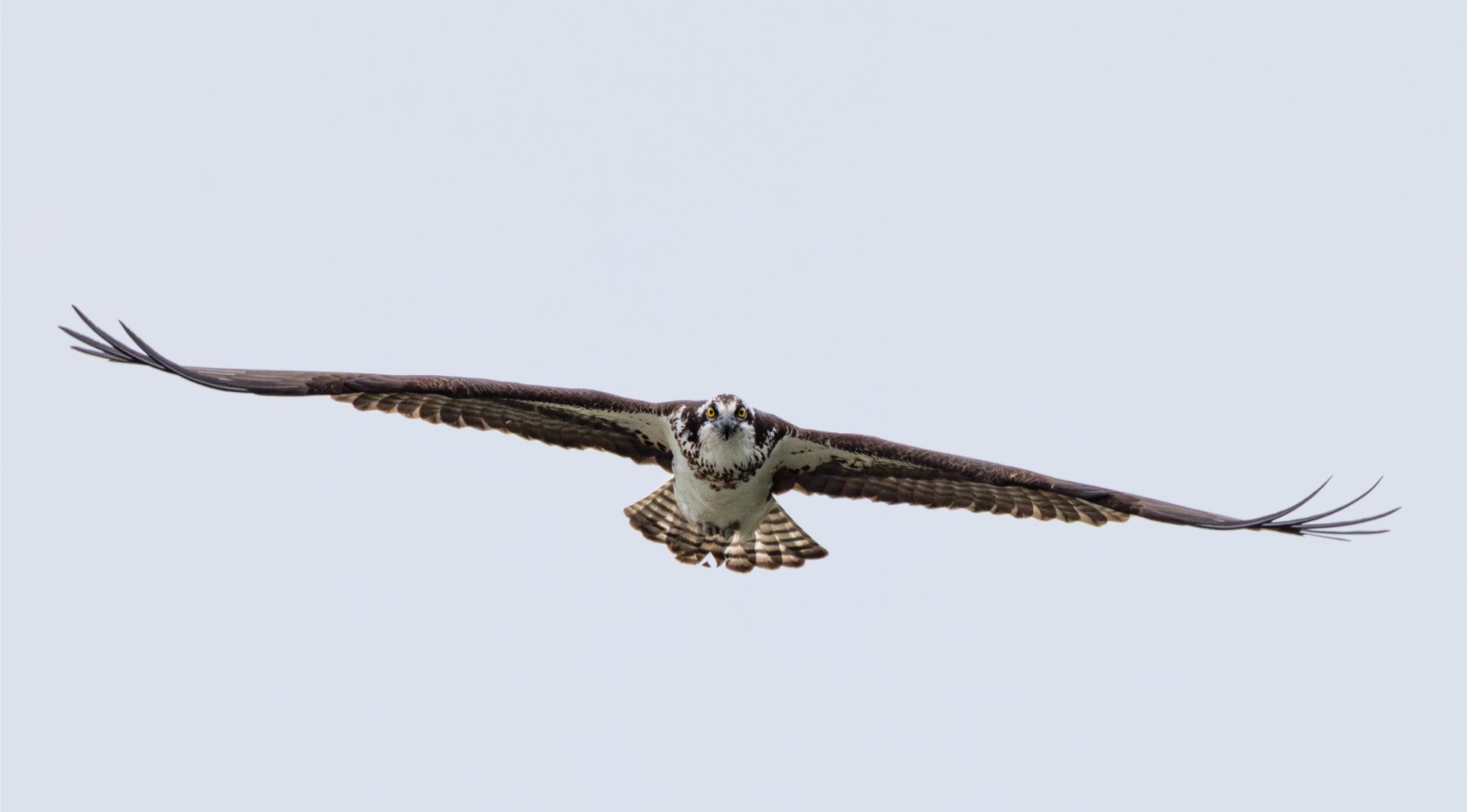
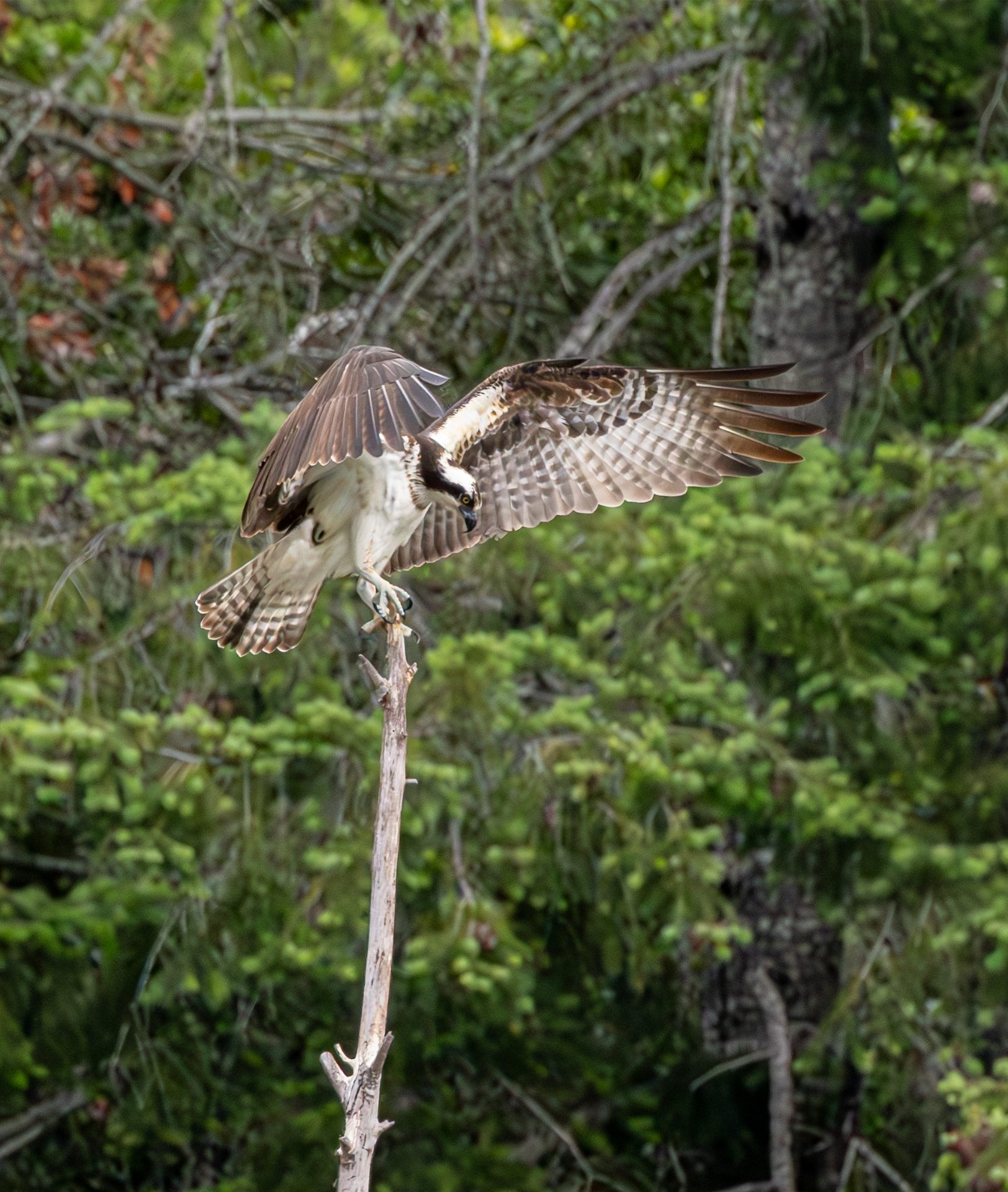
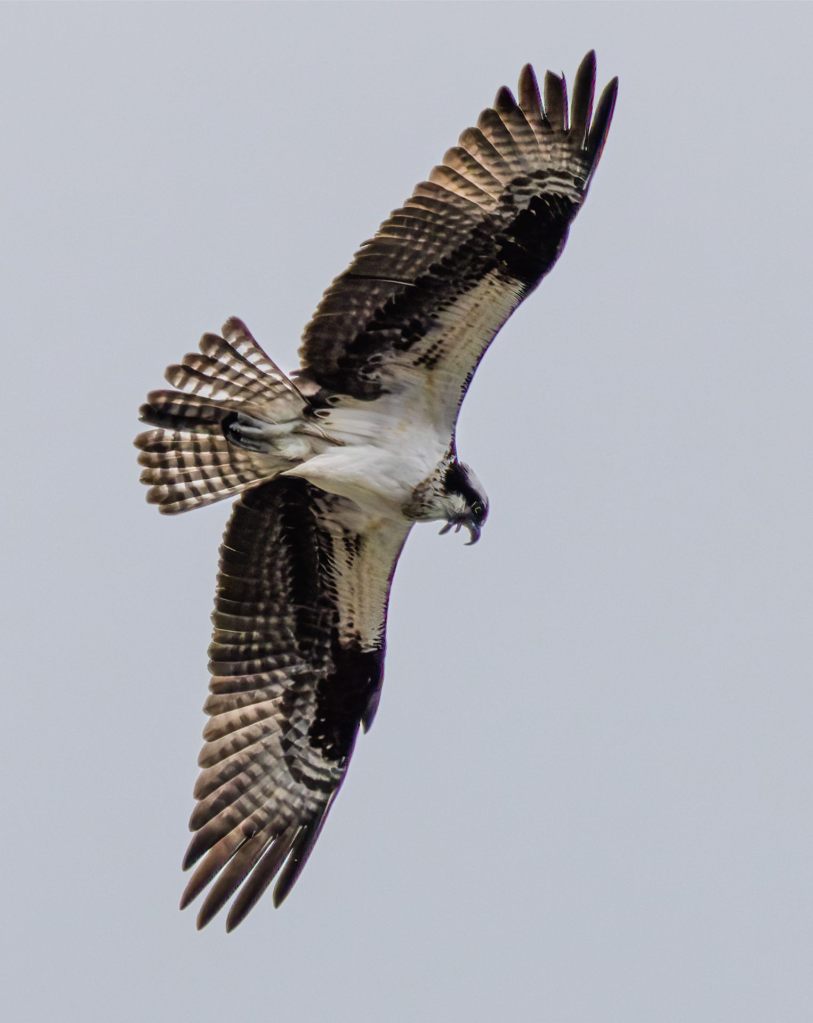
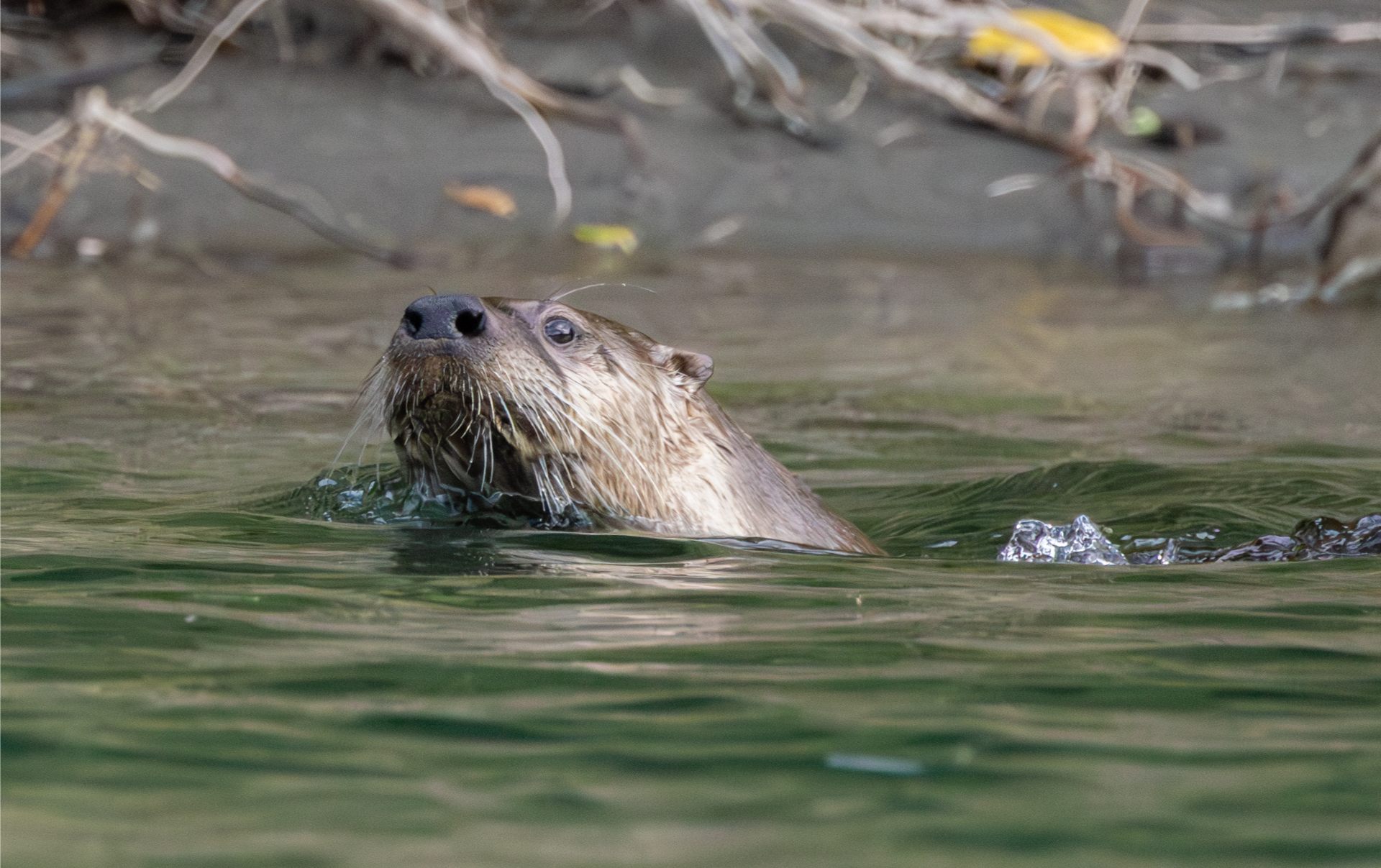
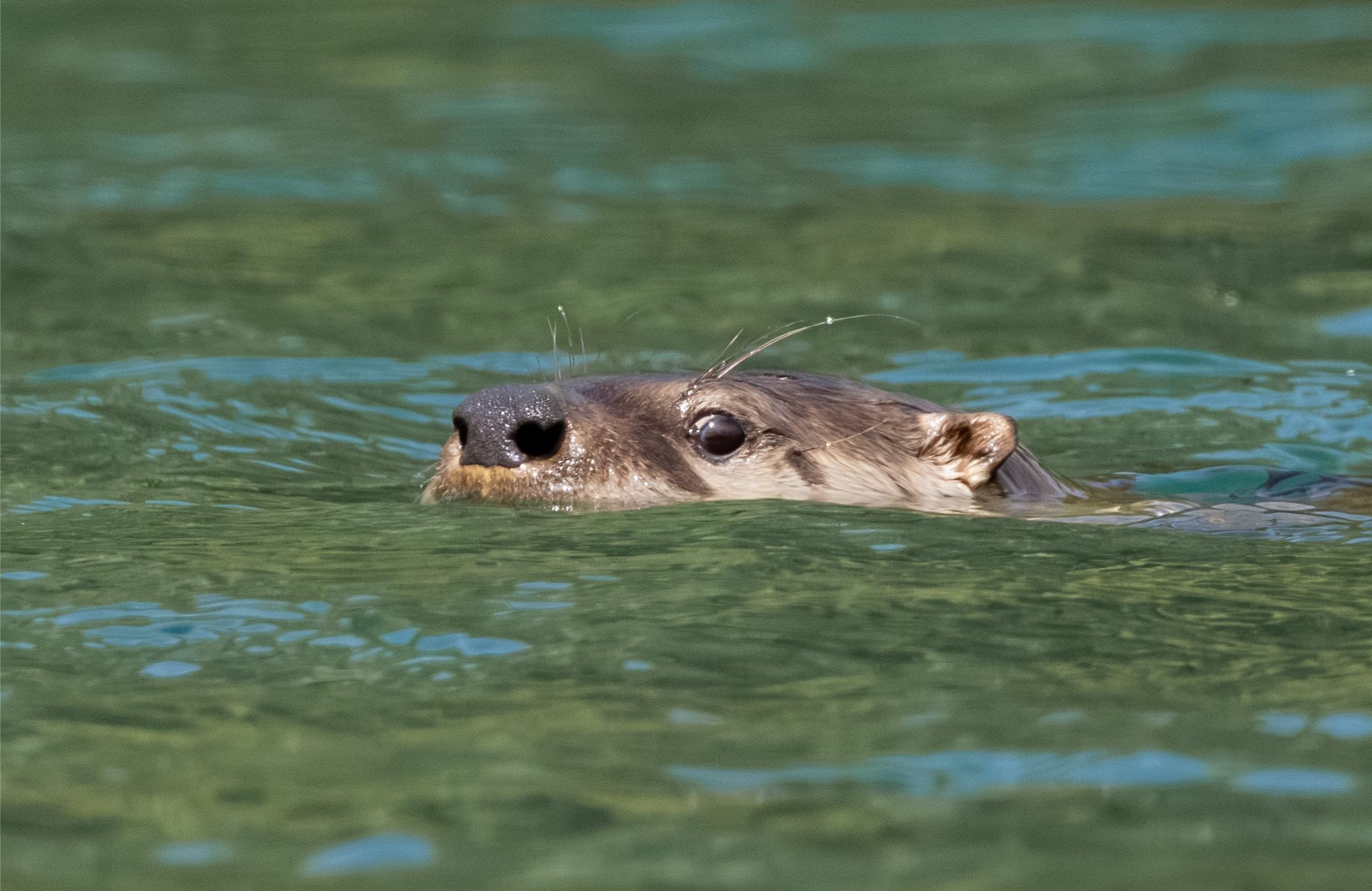
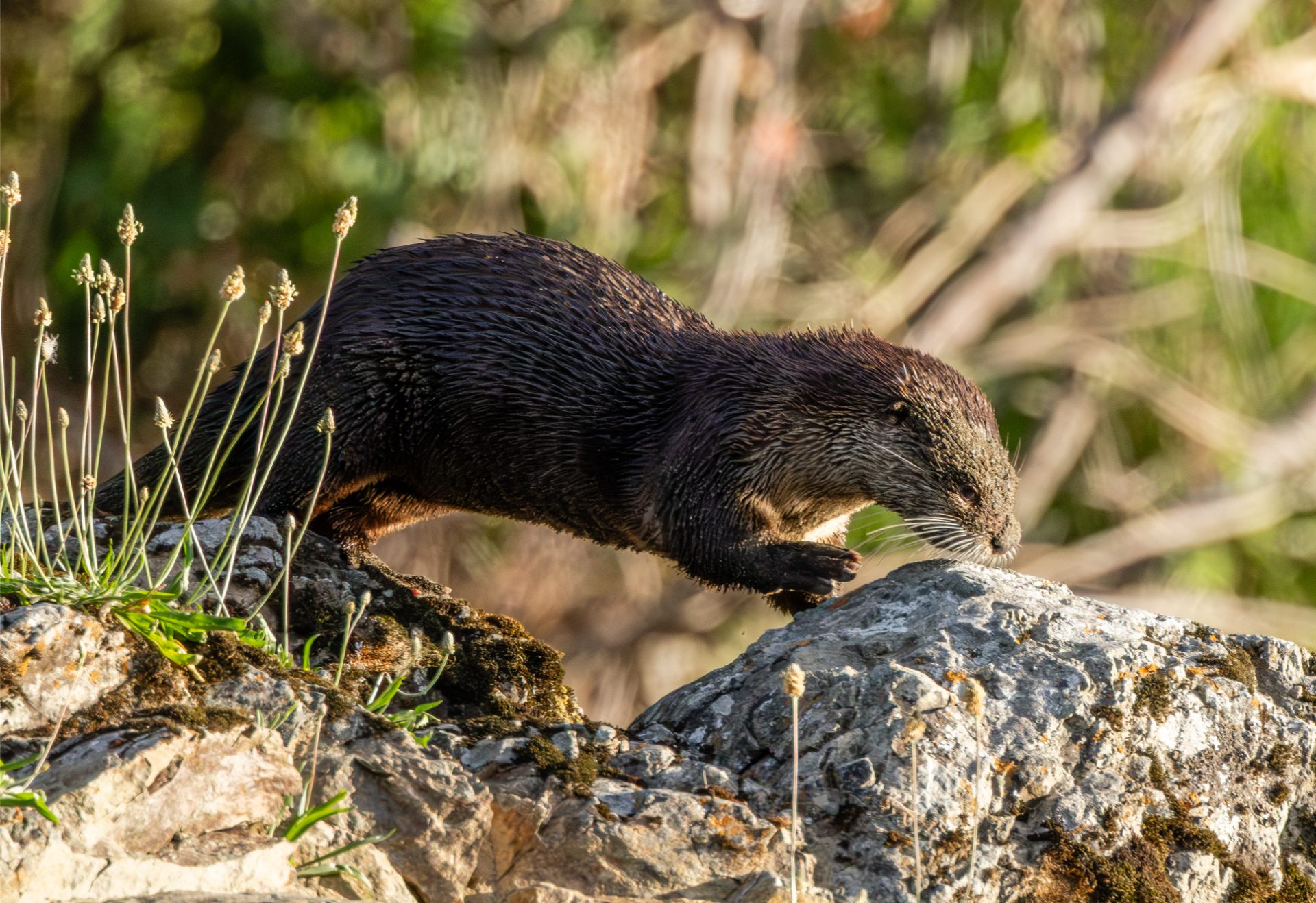
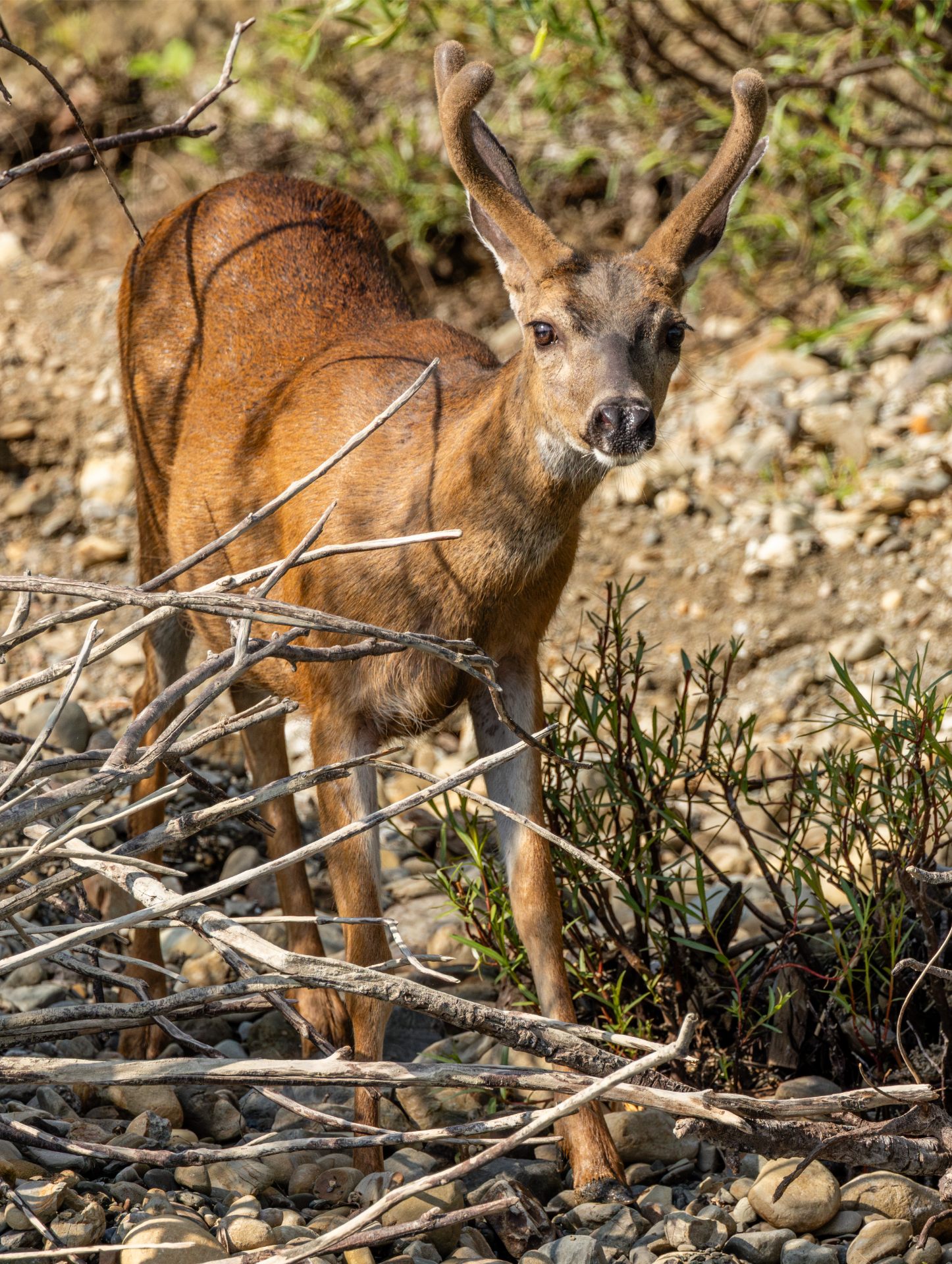
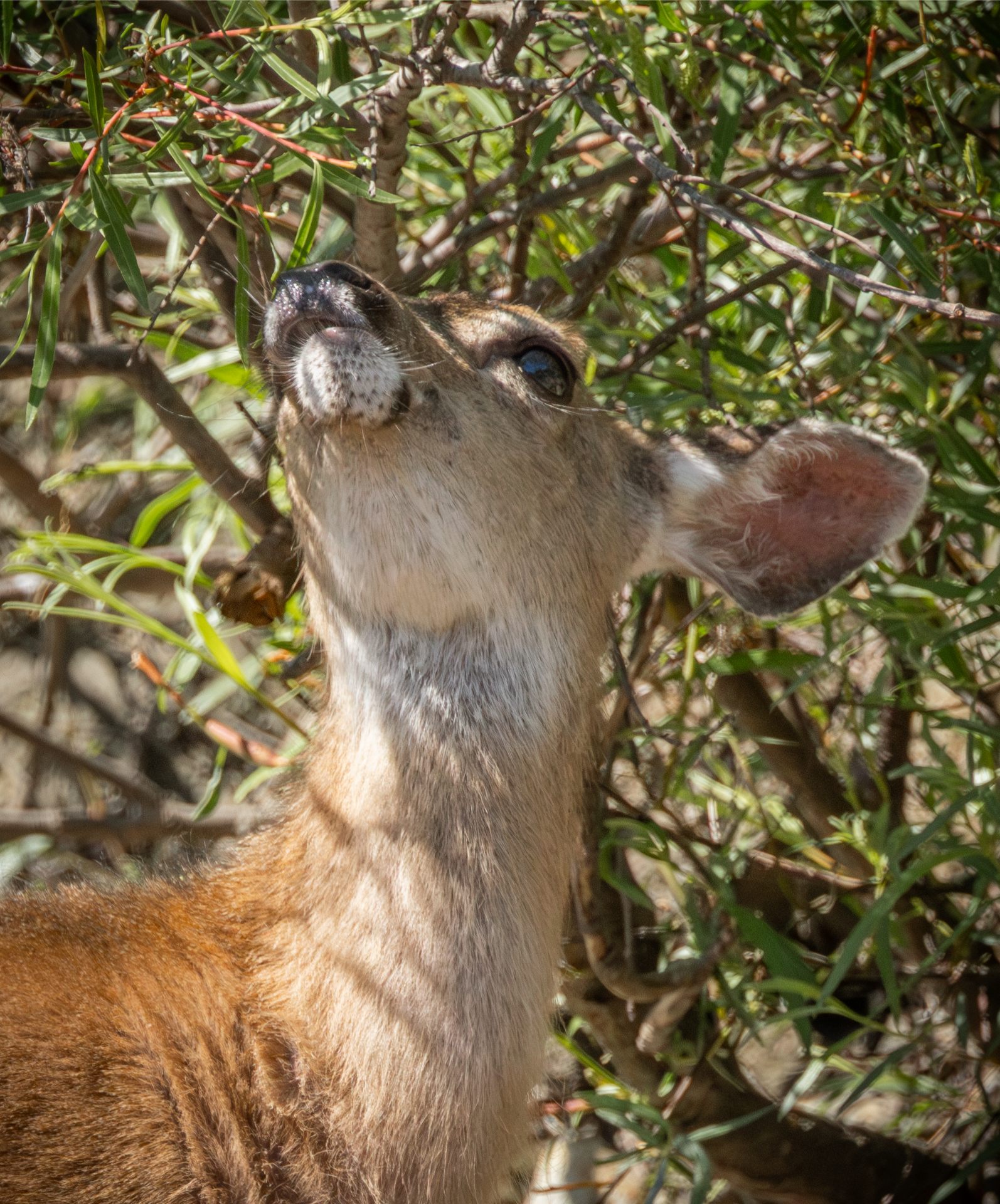
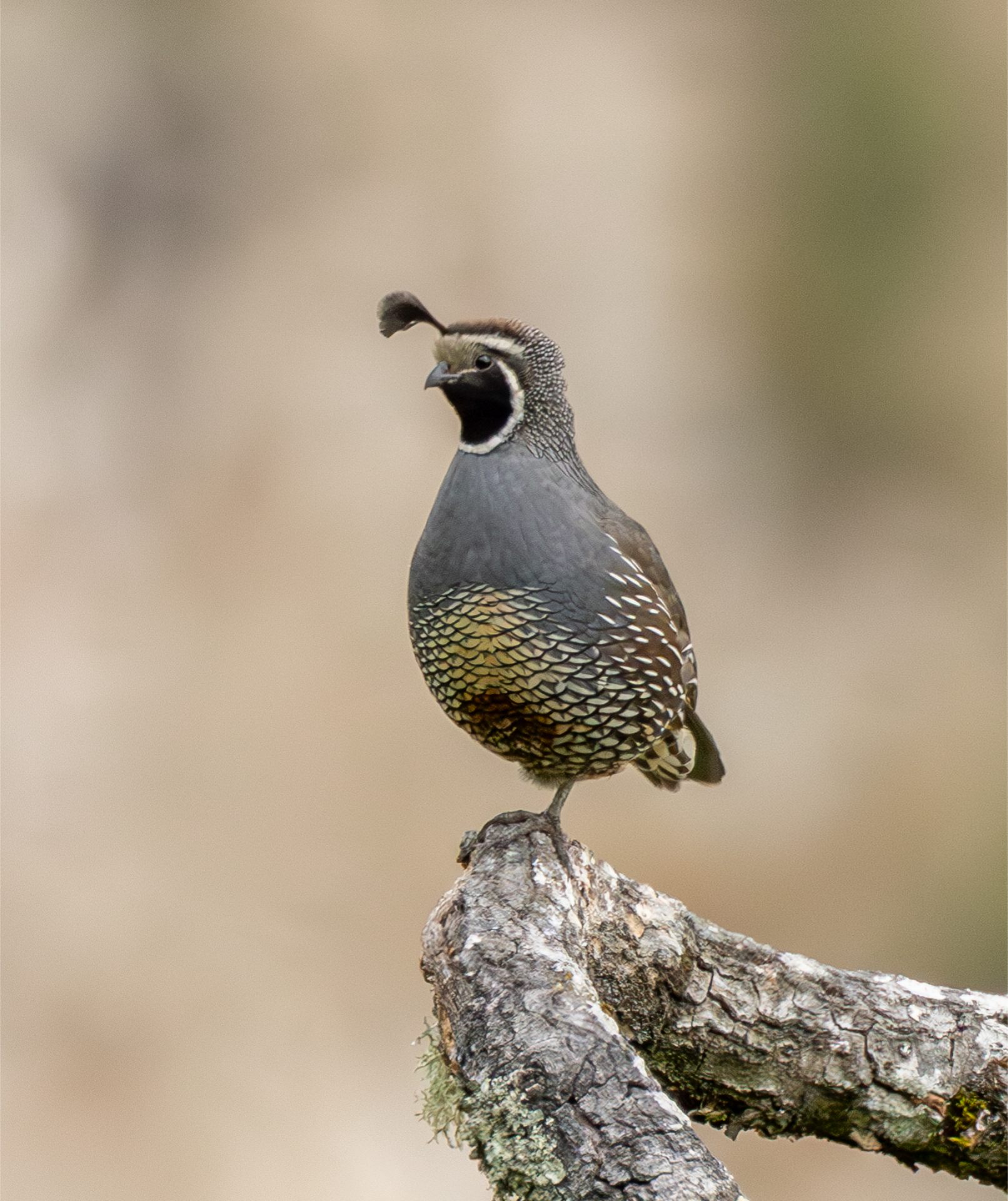
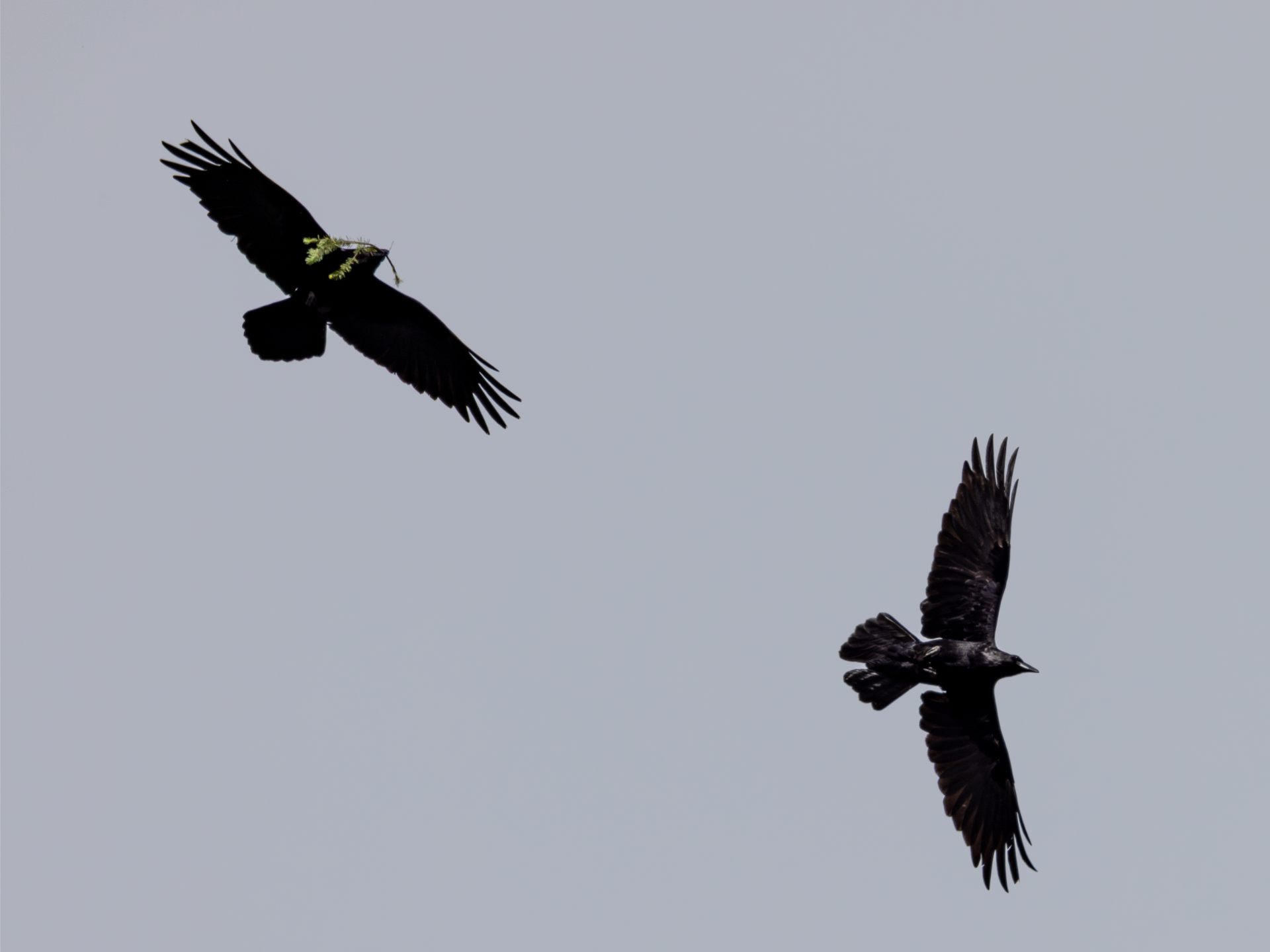
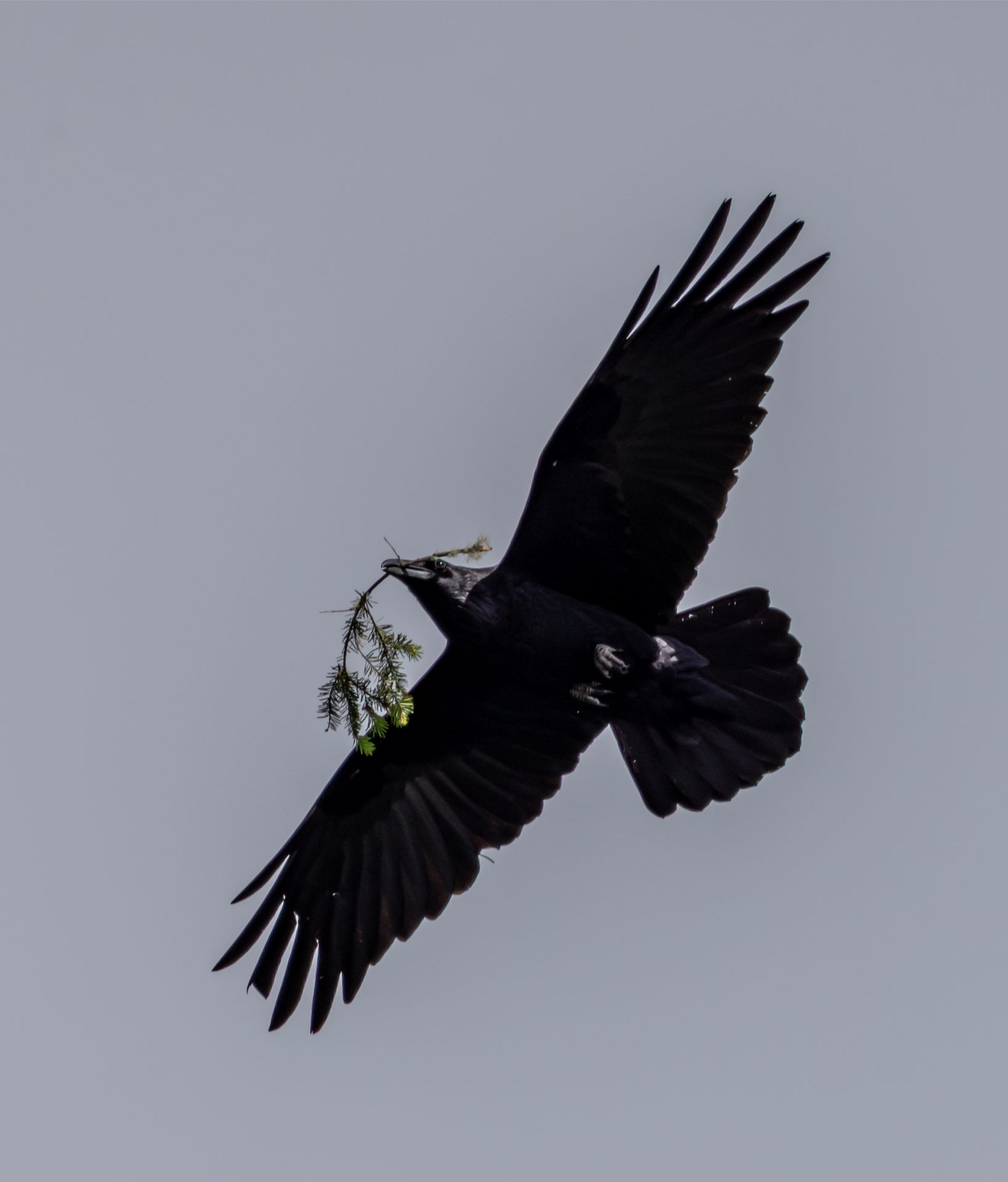
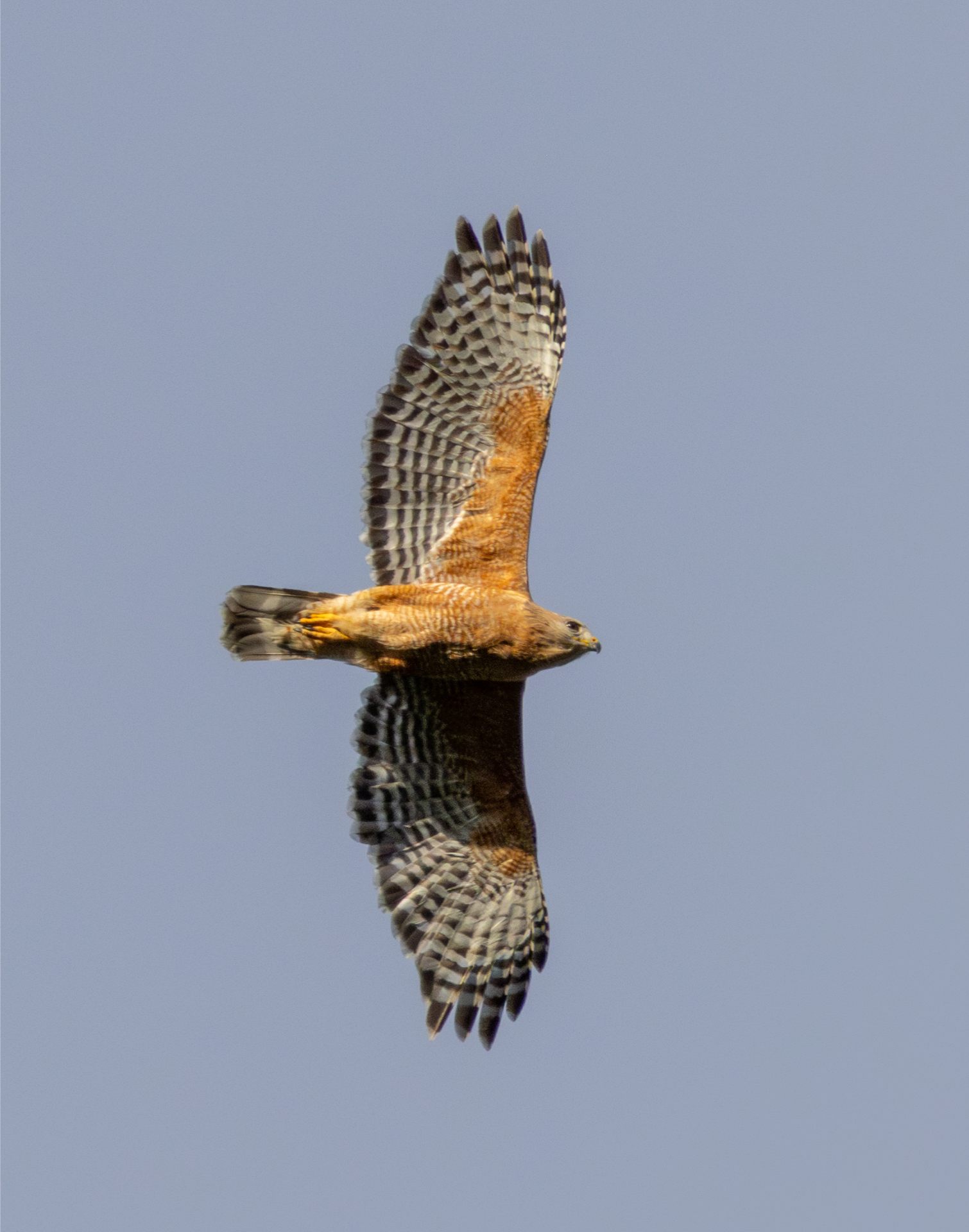
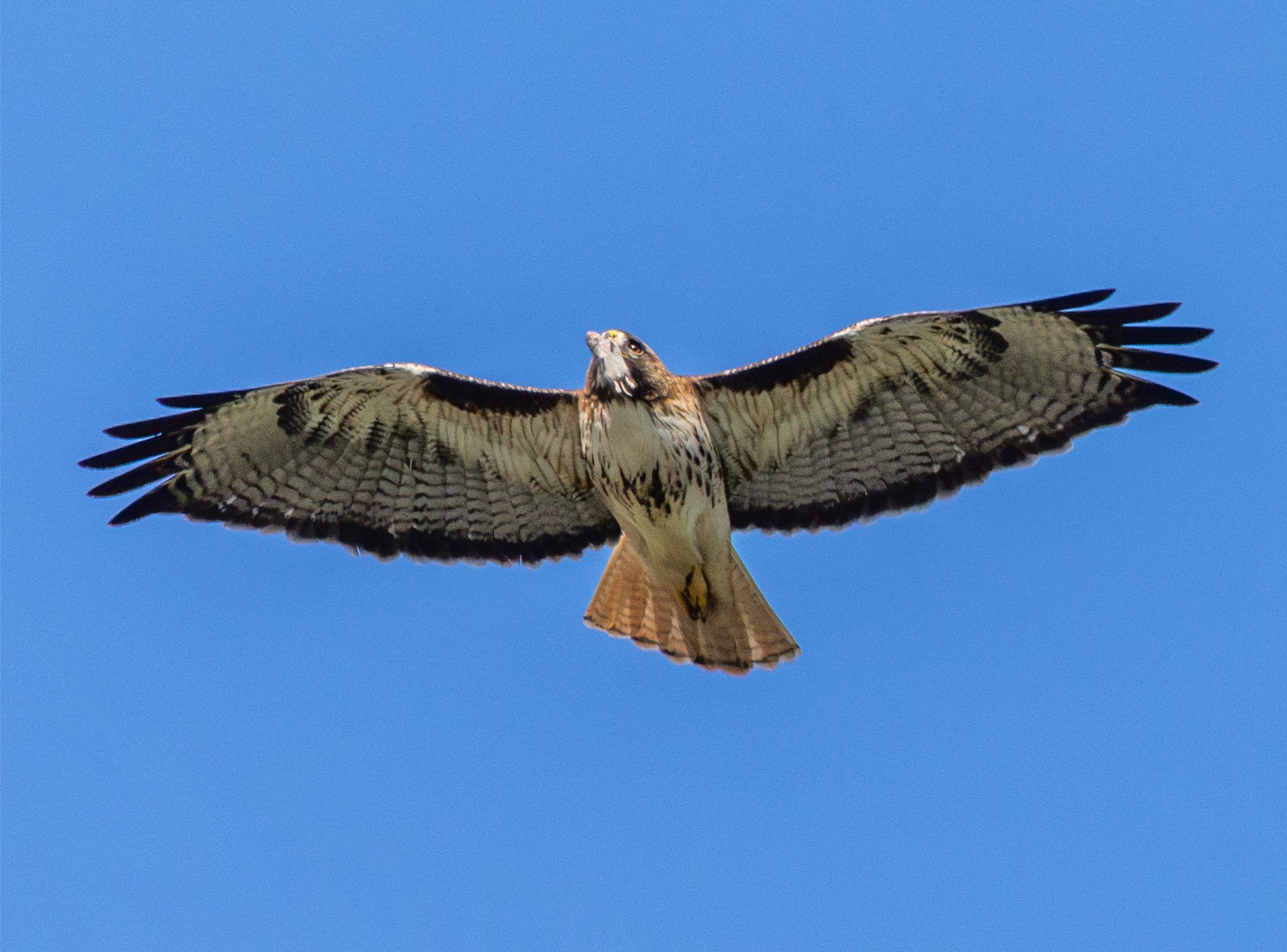
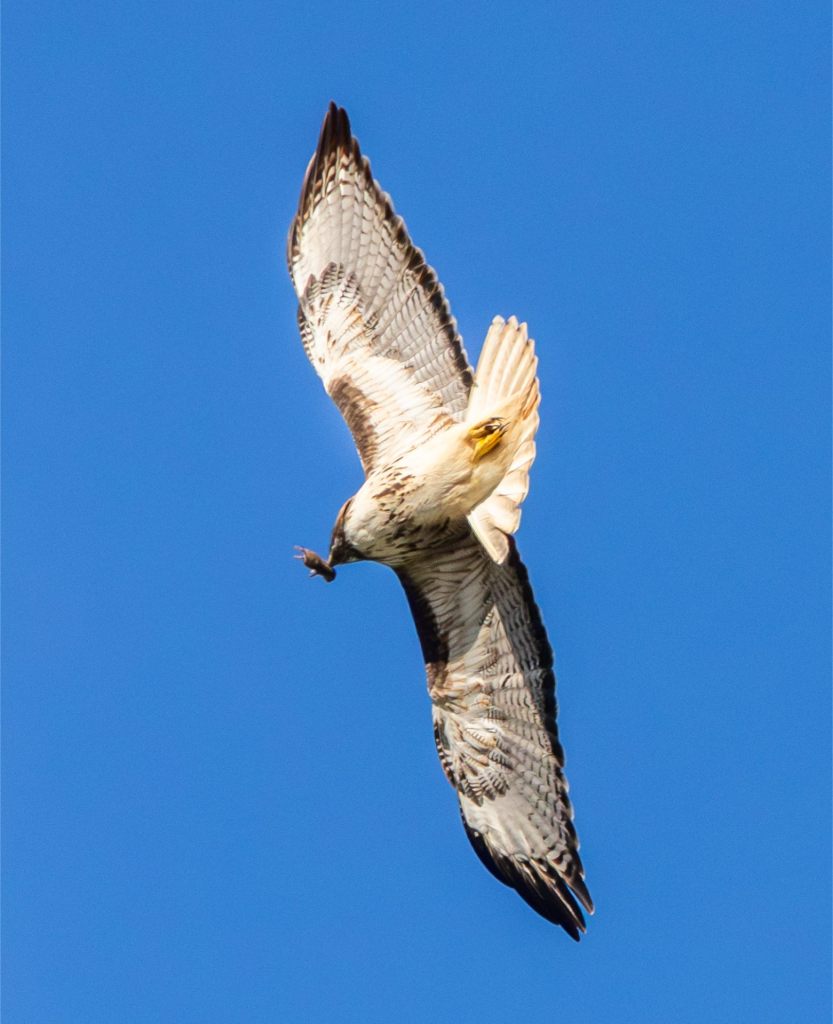
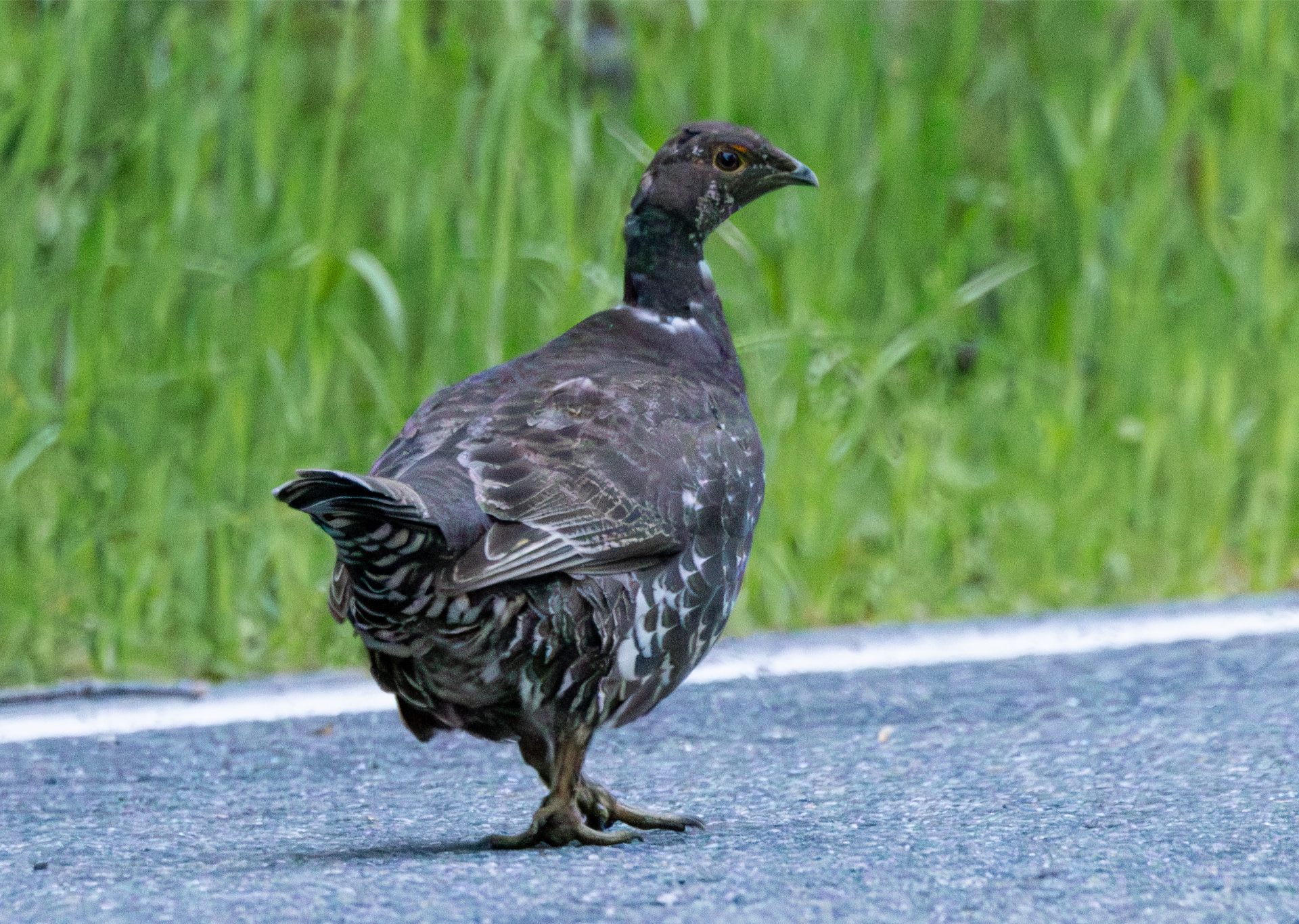
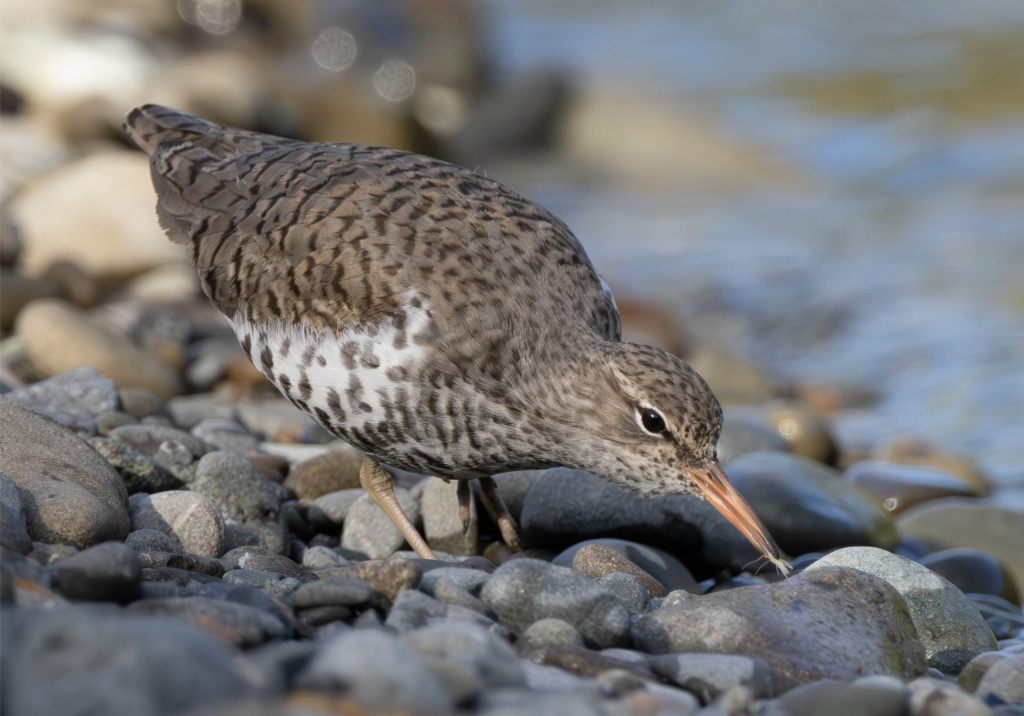
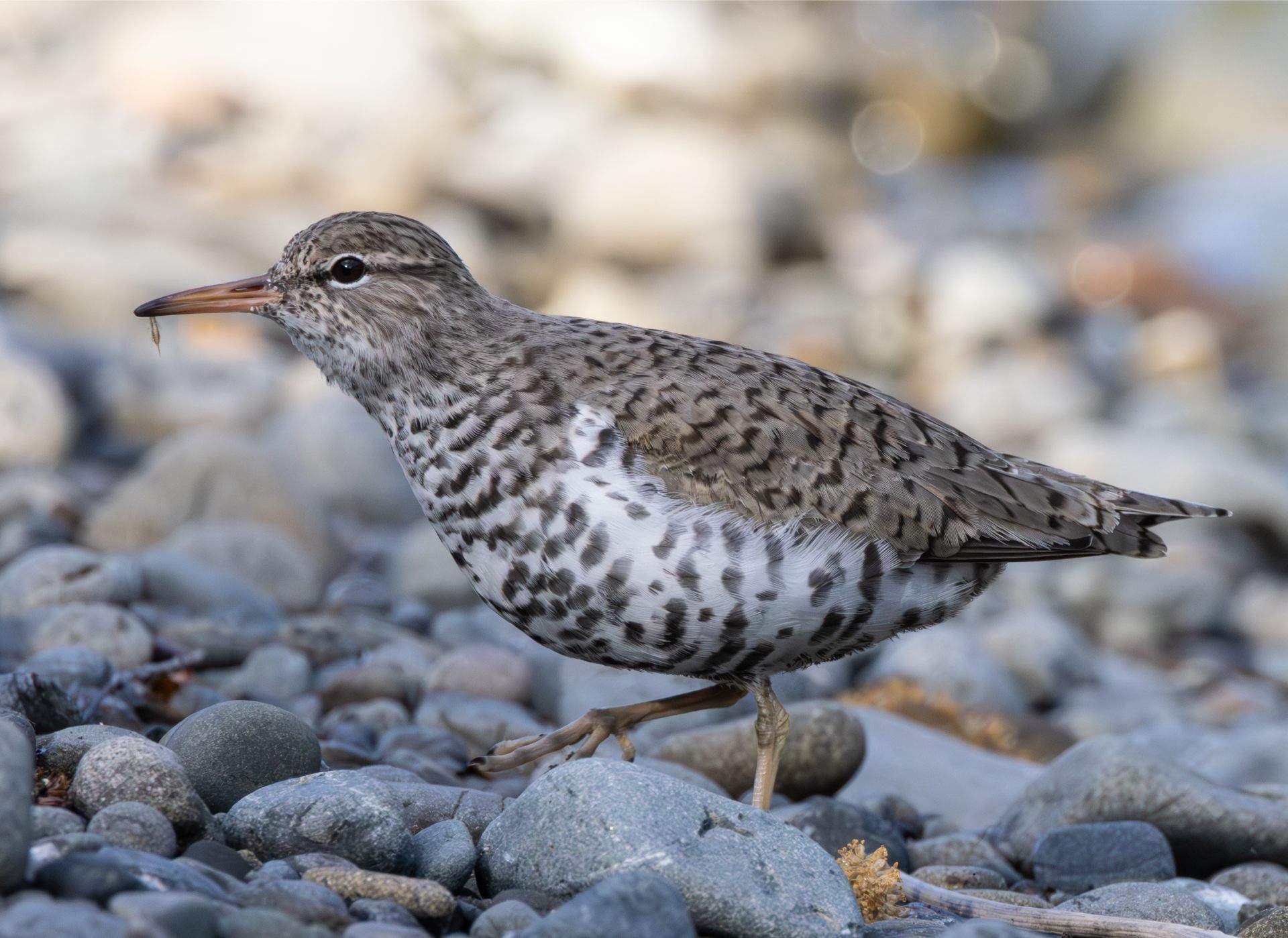
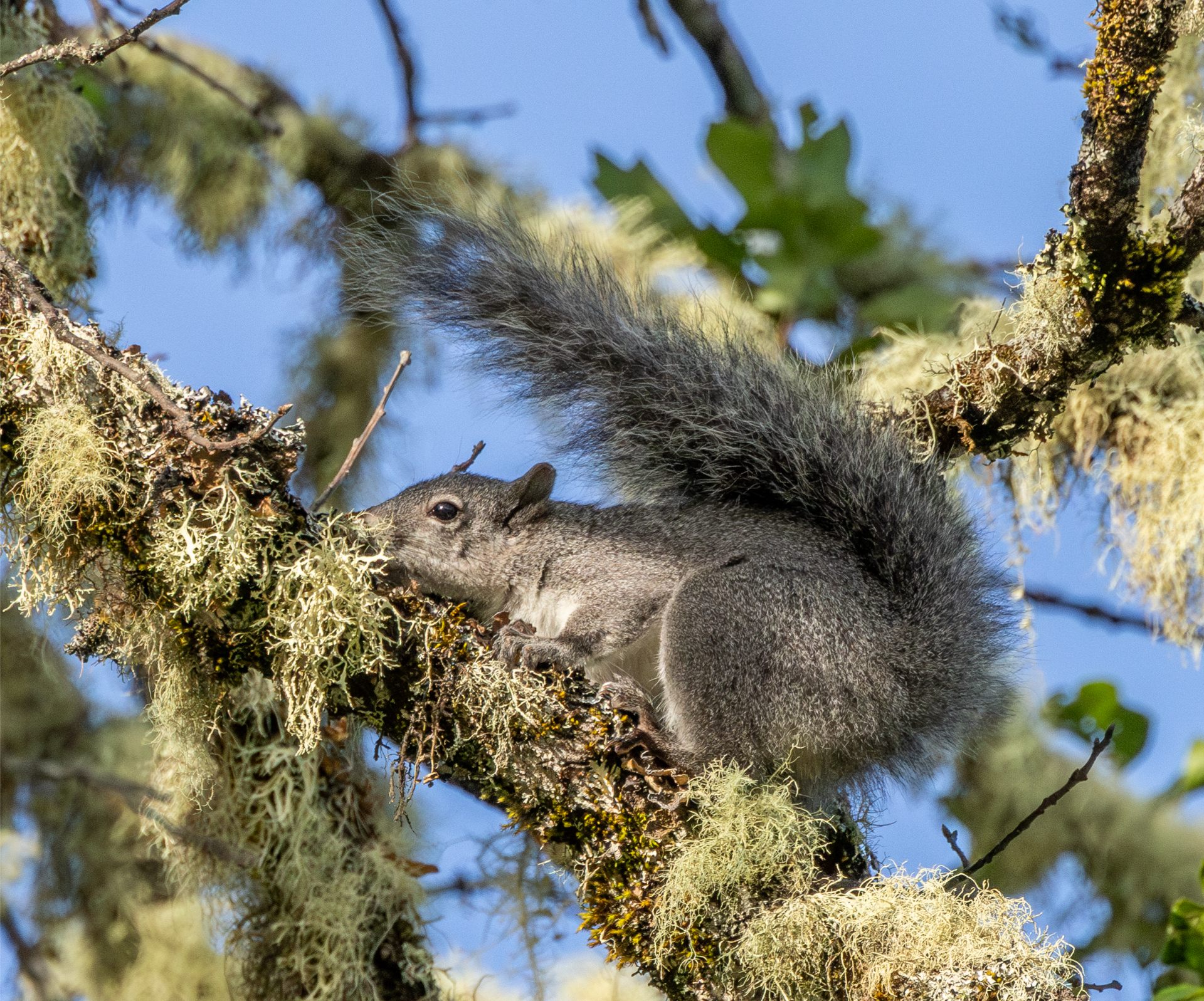
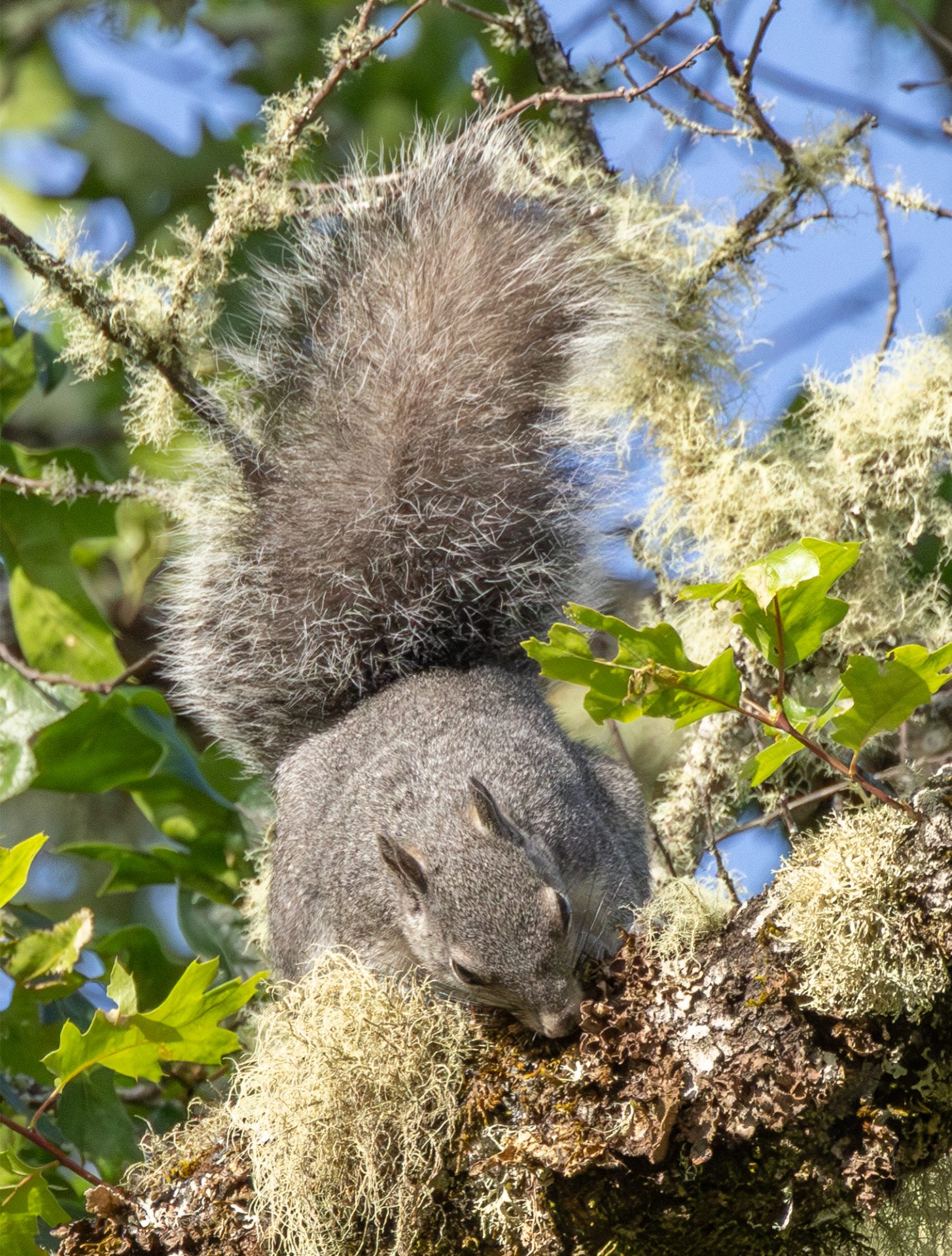
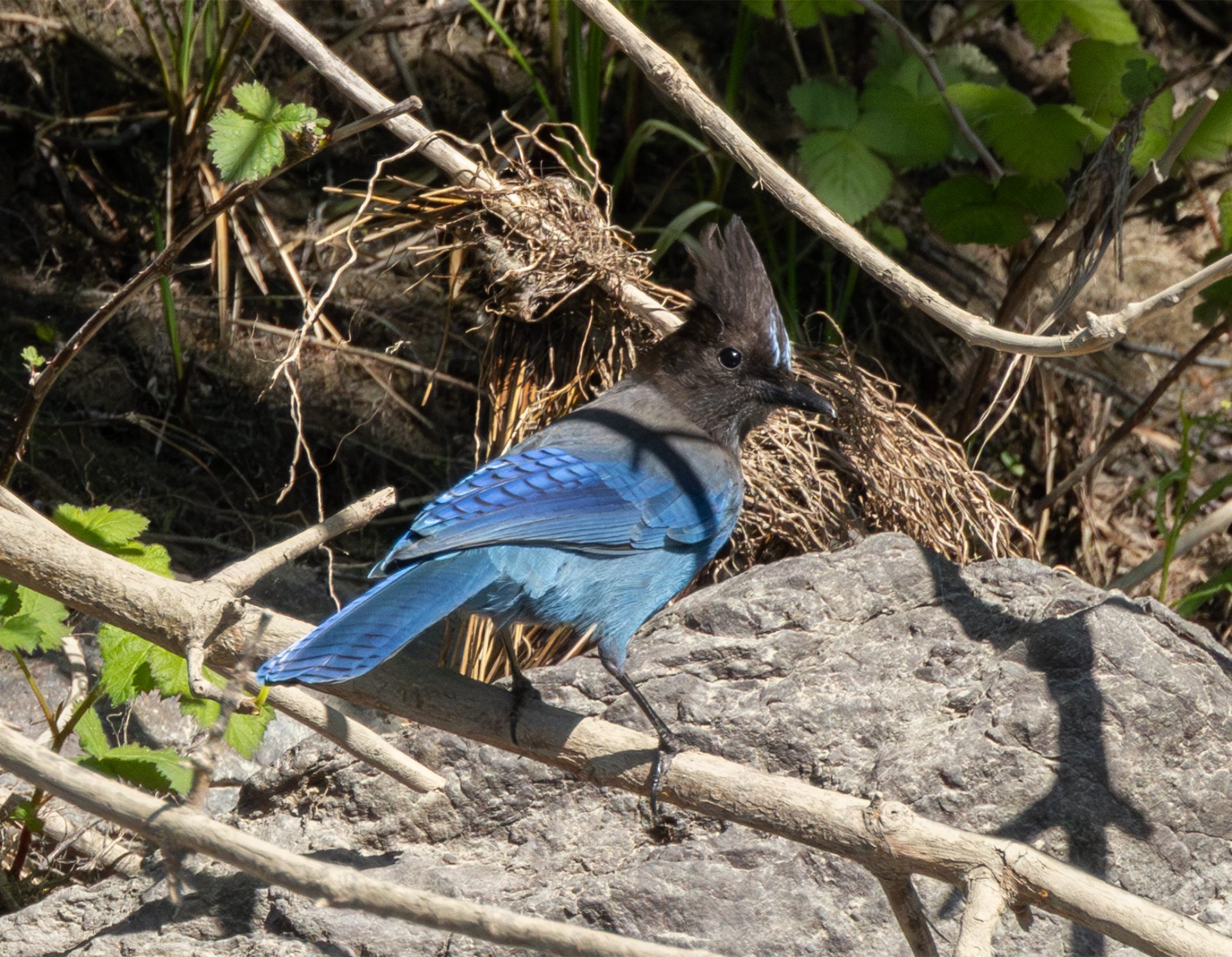
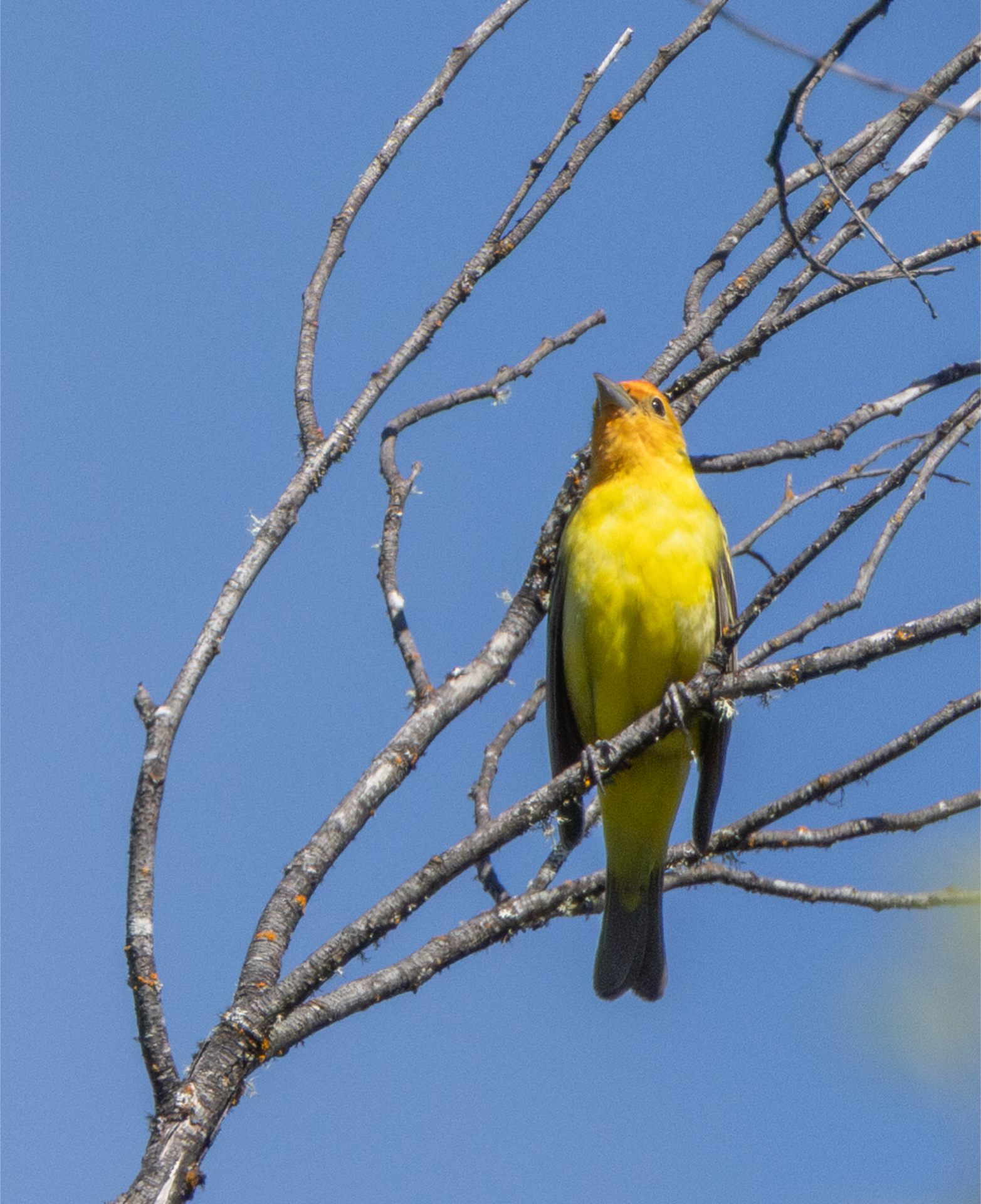
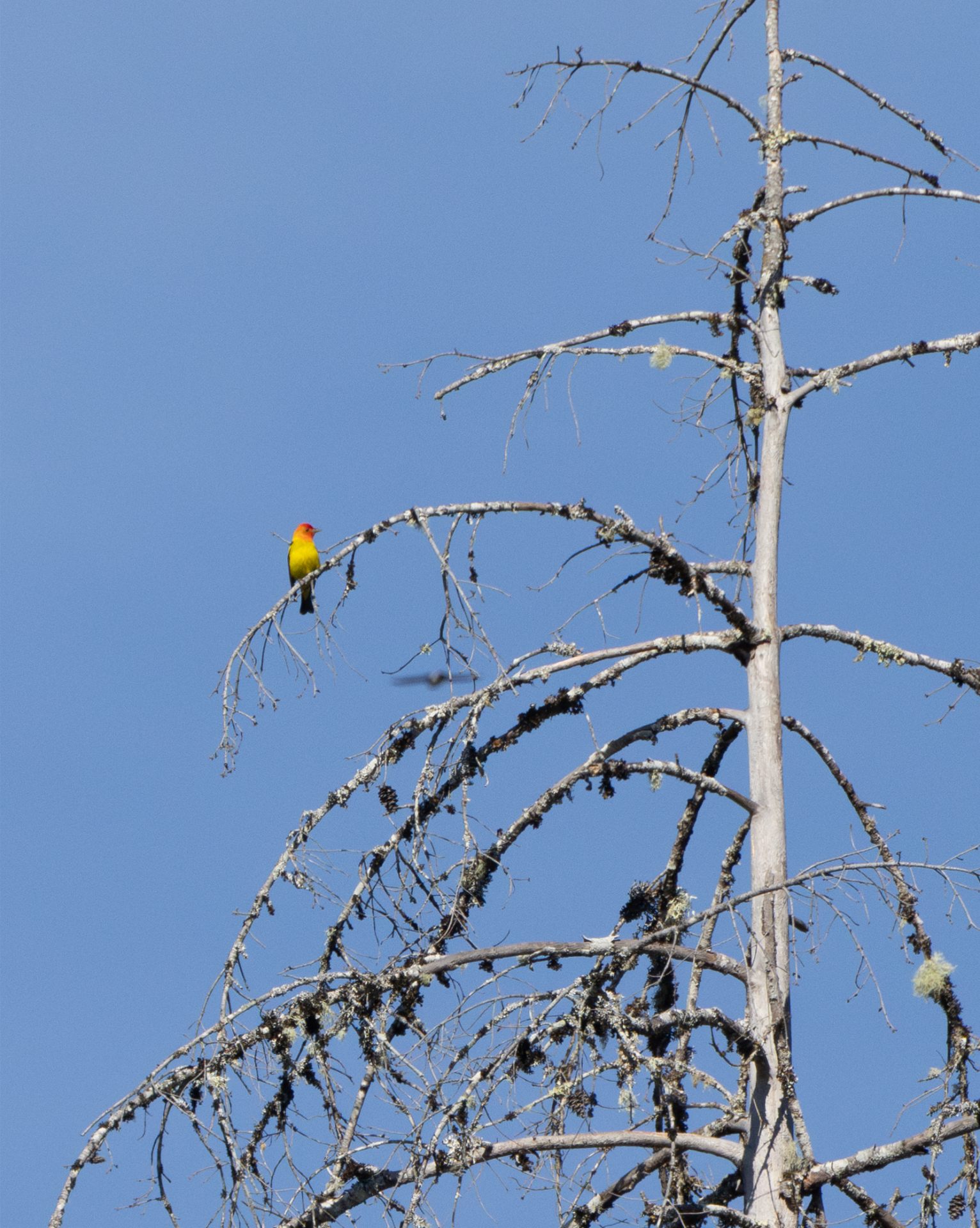
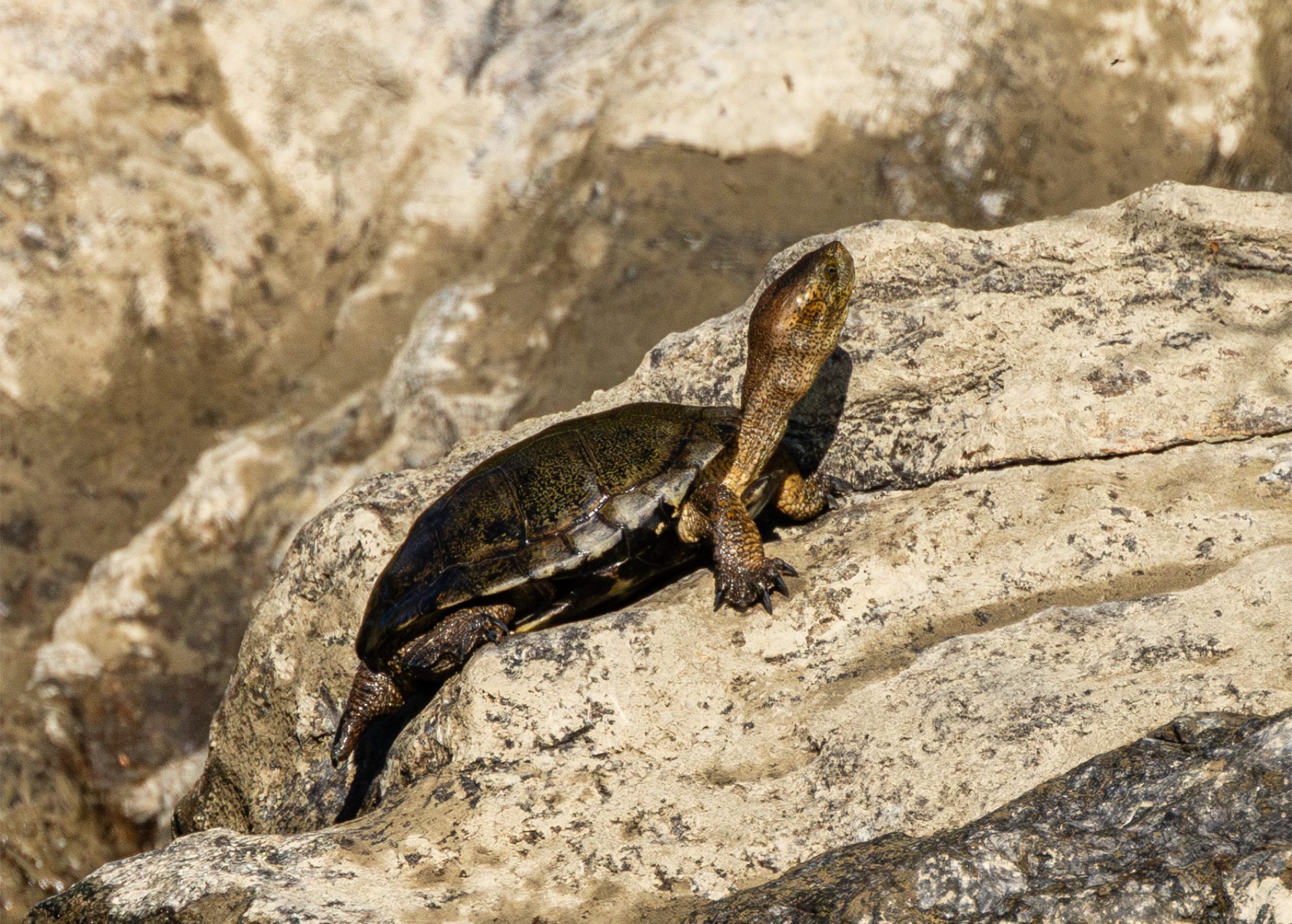
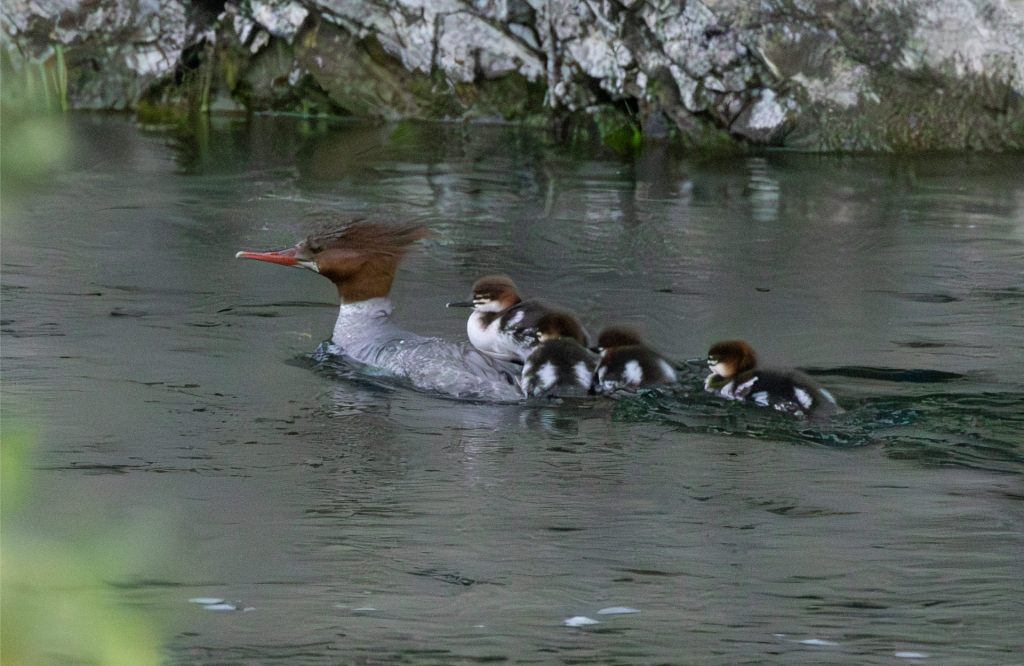
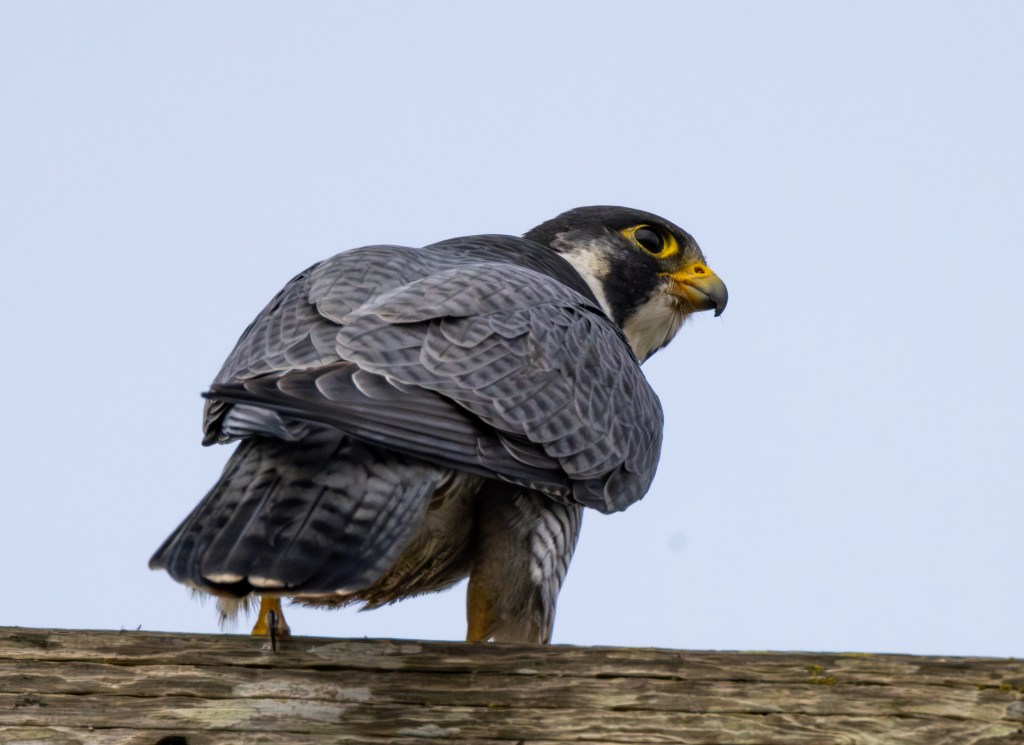
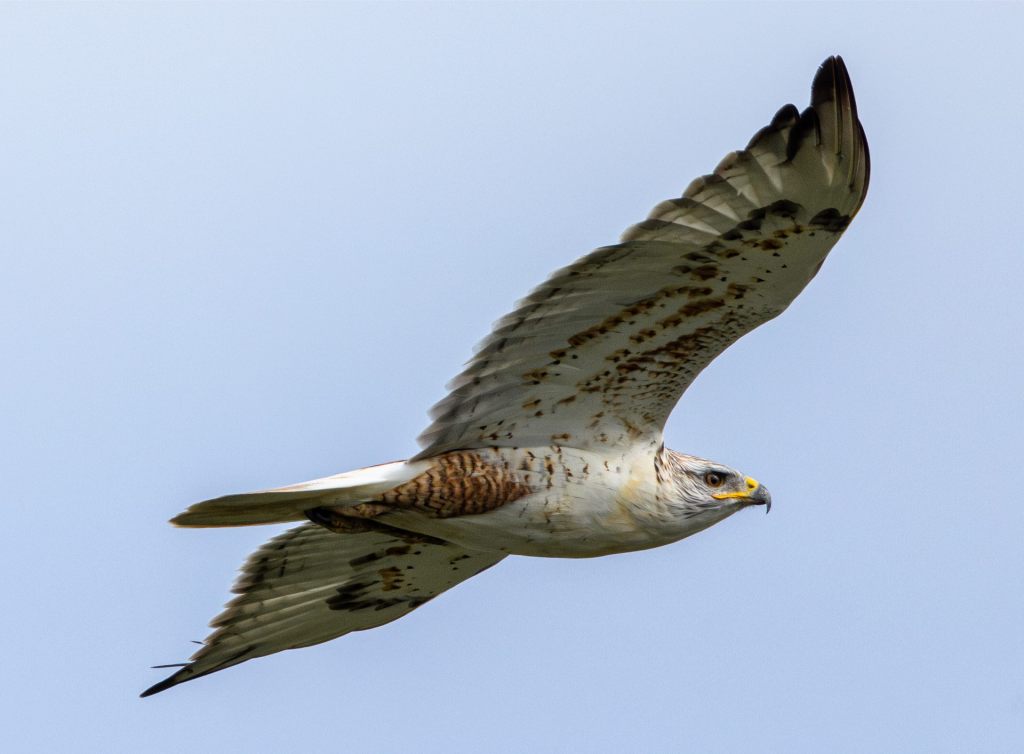
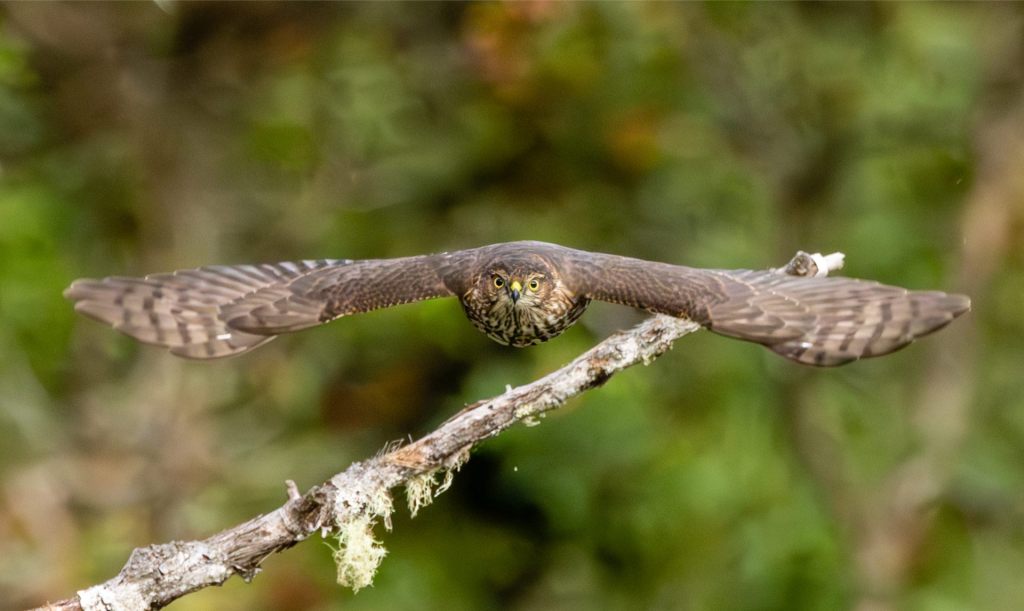
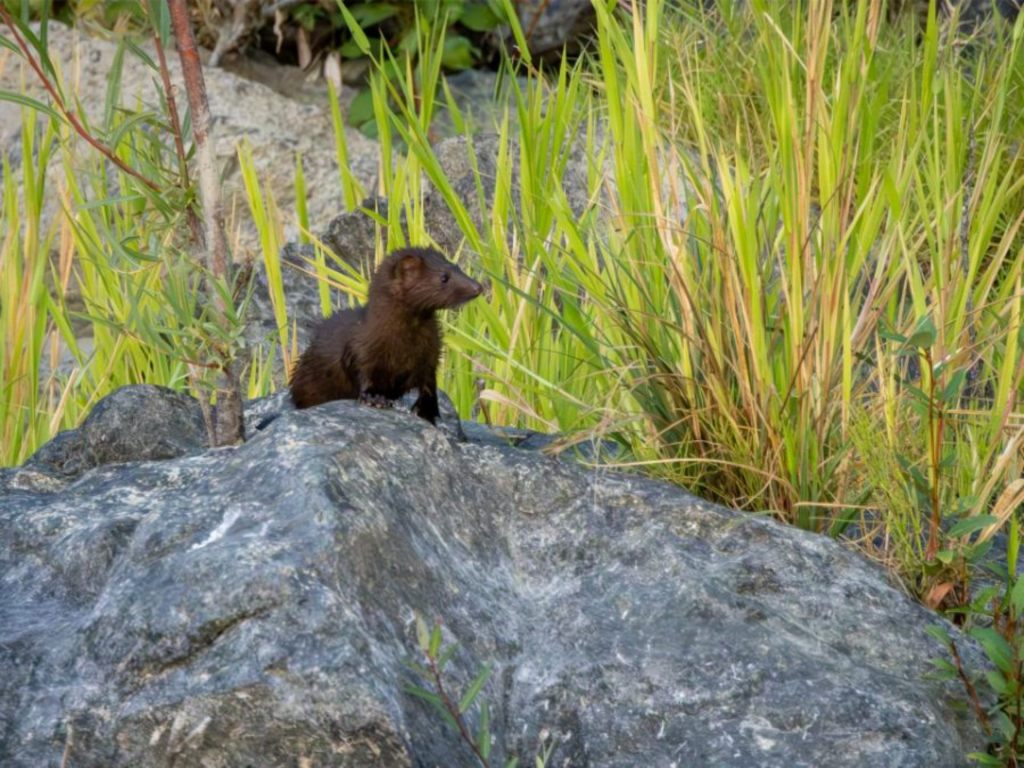
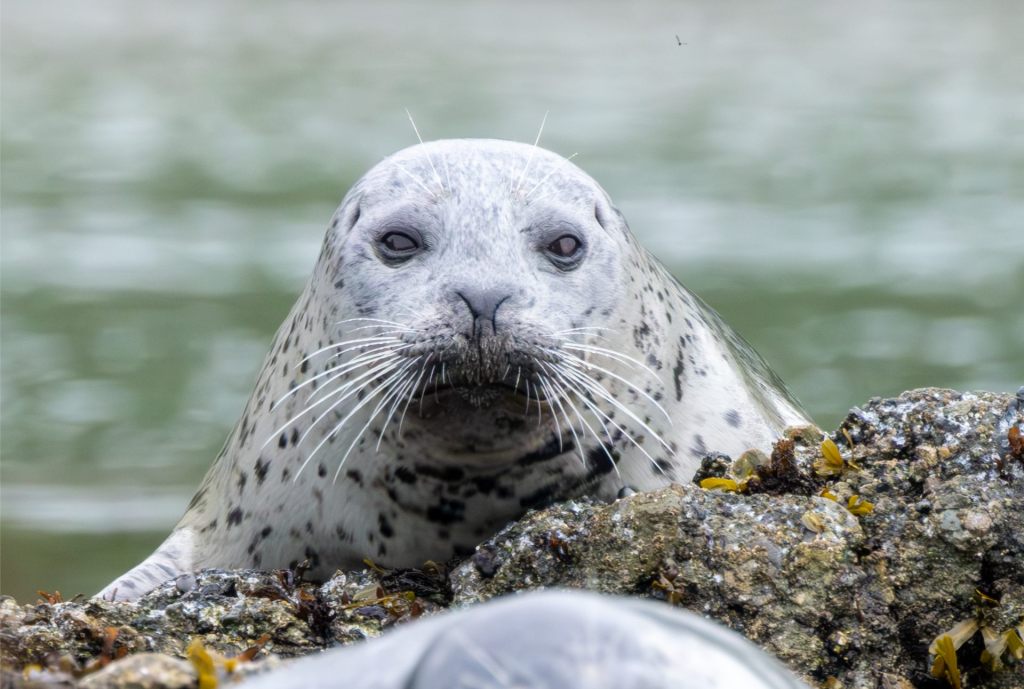
Acorn Woodpeckers live and raise their families communally. They are known for storing acorns in “granaries” in dead trees.This Acorn Woodpecker is digging out some kind of bug or grub to eat. I have also seen them catching insects on the wing, so their diet is quite varied.This is a male with white and red forehead. The females have a black band between the white and red. Acorn Woodpeckers live here year round and seldom go far from their colony’s home.This Ash-throated Flycatcher looks like it just had a morning bath. This species is one of our summer visitors. They winter in Mexico and Central America.This is one of the Benbow Bald Eagles. Not sure if this is a mid-air chin scratch or what?Male Western Bluebird delivering insect meal to his young at the community park.As he reaches in to deliver the goods, you can see his blurry mate in the background with another mouthful.The gorgeous male Lazuli Bunting, another summer visitor from Mexico and Central America, this bird’s song is one of clearest and loudest sounds at the community park starting in May.Bunting singing from a favorite perch.Female Buntings are less vivid, but beautiful in their own way.Yellow-breasted Chats are yet another visitor from Mexico and Central America. Their loud, varied, and almost comical sounds can be heard near the river, but they are secretive skulkers and can be hard to see.Another glimpse of the chat, who used to be grouped with warblers, but now belongs in a genus all their own.In case you were wondering if Chipping Sparrows breed at the park, apparently they do. The female is holding nesting material in her bill.Chipping Sparrows also migrate here, but from the southern US. Their year round range extends almost all the way to Humboldt. I wonder if birds in these ranges will extend north as climate change progresses.Northern Flicker male on a small snag up by the Benbow Bald Eagle nest. An unusual woodpecker, flickers often forage on the ground for ants.Female Northern Flicker lacks the red mustache. Flickers are year round local residents.Canada Goose family at the beginning of the month when the goslings were still adorable little fluff balls.Very young and downy Canada gosling.By the end of the month the youngsters began to look like grown up geese with longer necks….….and huge legs and feet.Feathers are slowly replacing the down.It’s always a thrill to see a Green Heron. This beautiful and shy member of the heron family is known for tossing bait, such as a small stick, into the water to attract prey.Green Herons can just about make their necks disappear when needing to be small and hidden.This immature bird’s breast stripes will gradually fill in solid reddish chestnut as it becomes a full adult.American Kestrel objects to the presence of a Red-tailed Hawk and escorts it out of town. This is up by the Benbow Eagle nest, and I suspect there is a Kestrel nest somewhere nearby as I have seen the Kestrel pair regularly over the past few months.More harassment of the Red-tail by the Kestrel. Eventually the big hawk got tired of it and flew off.Female Black-headed Grosbeak gathering nesting material from near the river.Here is the much easier to see (and hear!) male Black-headed Grosbeak. Their song has given them the nickname “jazz singer” due to its lovely lilting variability.Male Grosbeak getting a drink. These birds are another migrant from Mexico.The Killdeer is a member of the plover family and is a year-round resident here, familiar to anyone who spends time by the river. They are known for feigning injury to distract potential predators away from their young.Western Kingbirds are easily seen and heard at the community park, starting in April and continuing through the summer, where they raise their families. They have traveled here from southern Mexico and Central America.Female Mallard with very young ducklings. Mallards can be seen all year on the South Fork of the EelCommon Mergansers, male behind he female. Mergansers are probably our most frequently seen duck here and are year round residents. Males molt into a plumage similar to that of the females from about August to November.Female Common Merganser. The species looks for fish prey by dipping the head just under the surface of the water and sweeping it side to side as they search.Male Common MerganserCommon Merganser hen with four fresh ducklings.Mourning Dove up by the Benbow Eagle nest. I have seen more of them up there this year than ever before. Listen for their mournful call, sometimes confused for that of an owl.First year male Bullock’s Oriole. When fully mature, this bird will become a more orangeish hue and will get a black cap and more complete black eye stripe. I often see them around nests of mature orioles and I wonder what role they play. They have come here all the way from Central America.The same immature male, looking for prey.The same bird again, acrobatically searching for food.Well known to locals as “buzzards”, the Turkey Vulture has an excellent sense of smell and is an important member of the natural clean-up crew.This was a head-scratcher. This Osprey was minding its own business, scoping the river for a fish breakfast, when for some reason, this Turkey Vulture landed on a perch just above and began ripping bits of lichen off the tree and dropping them to the ground. The Osprey wasn’t to bothered, although it did keep turning around in response to the sound of lichen removal. Wings out to preserve balance, the TV seemed quite intent on denuding the snag of lichen until a much smaller Western Kingbird stopped by and scared them both off.May was a good month for seeing Osprey at the river. This female is distinct because of her heavy brown necklace and the damage to the tip of one of her tail feathers.An Osprey makes a precision landing on the top of a small snag over the river.Osprey vocalizing to another Osprey nearby. Osprey live all over the world, but we see them only during breeding season locally.Northern River Otter making its way upstream.Otter scent-marking on a large boulder over the river.Eye contact with an otter is a thrill, especially when they are not spooked by my presence.Otter sniffing out a previous animal’s scent markings.Black-tailed Deer buck in velvet.Mama deer about to burst. Do you think it’s twins?Young deer eating willow leaves.Male California Quail standing sentry while his family feed on the ground below. Quail are year round local residents.Common Raven pair, one with nesting material.Raven with nesting materialRed-shouldered Hawks are in the same family (Buteo) as Red-tailed Hawks, but are much smaller and tend to do their hunting in more forested areas. Their loud, almost whiny call is well known locally as this bird is a year round resident.I believe this is the female of my local Red-tailed Hawk pair. Red-tails are one of those species of birds who, if they were rare, would be rhapsodized over for their handsome and variable beauty. I try not to take sightings for granted. I believe this is the male of my local pair. He has caught a tiny vole for breakfast.A different view of the bird with its prey.Red-tails are year round residents and generally hunt in open areas. Their loud piercing call is often used in place of a Bald Eagle’s call in movies because it sounds more fierce that the high pitched sing-songy sounds of an eagle.This Sooty Grouse was seen on a trip out of town to higher elevation off highway 299. It was lucky to get a glimpse of one as usually they are mostly just heard this time of year, their odd “booming” kind of a nasal and muffled grunt that is part of their courtship ritual.Spotted Sandpipers show this posture when confronting another bird in either a threatening or a romantic way. Sometimes it’s hard to tell the difference depending on how the other sandpiper reacts.This Spotted Sandpiper has captured some tiny prey. I have seen them eat things as big as large dragonflies, but they often glean the tiniest creatures for the water’s edge.Spotted Sandpiper with more tiny prey. These birds become much more numerous in the summer when they raise their families beside the river. In winter they are around in sparse numbers and they lose their spots.California Gray Squirrel hunting for prey in the lichens of a large old oak tree at the community park.California Gray squirrel foraging.Steller’s Jay, one of our famous local personalities. Sassy and loud, keenly intelligent, bold and beautiful.Western Tanagers show up in late April and early May from their wintering grounds in southern Mexico and Central America. They are easy to hear, but hard to see until their babies arrive and the berries get ripe in a few more weeks. A glimpse of their bright beauty is always a thrill.Even from a distance, the sight of a Tanager can take your breath away.Northwestern Pond Turtles climb out of the water to bask in the sun. This one is likely a female, shown by her short tail.This turtle is likely a male with that long tail. These reptiles move away from the river in the winter and semi-bury themselves in the ground in a state of quasi-hibernation. Their reappearance at the river is always a welcome sign of winter’s end.
Many excellent photo captures here, Ann! They serve as testimony to your patience and skill in moving quietly through their world. The otter looking back at you is very cool.
Thanks so much, Tom. Now that “slow birding” is a thing, I realize that’s what I’ve been doing most of my life, hiding myself, and waiting to see what happens. I don’t know how much skill is involved, but I do know I have much more patience for the pace of the natural world than for the insane irreverence for life certain humans are getting up to these days.
wonderful photos and information Ann. Tho there were chats around when I moved to the river 25 plus years ago, we haven seen or heard them for a while now. Glad you have.
Thanks very much. I hope they come back for you. Their numbers vary at the community park; there definitely used to be more there, but near my house on the river they are consistent year to year.















 Free Range Photography
Leave a reply to latskojerry Cancel reply