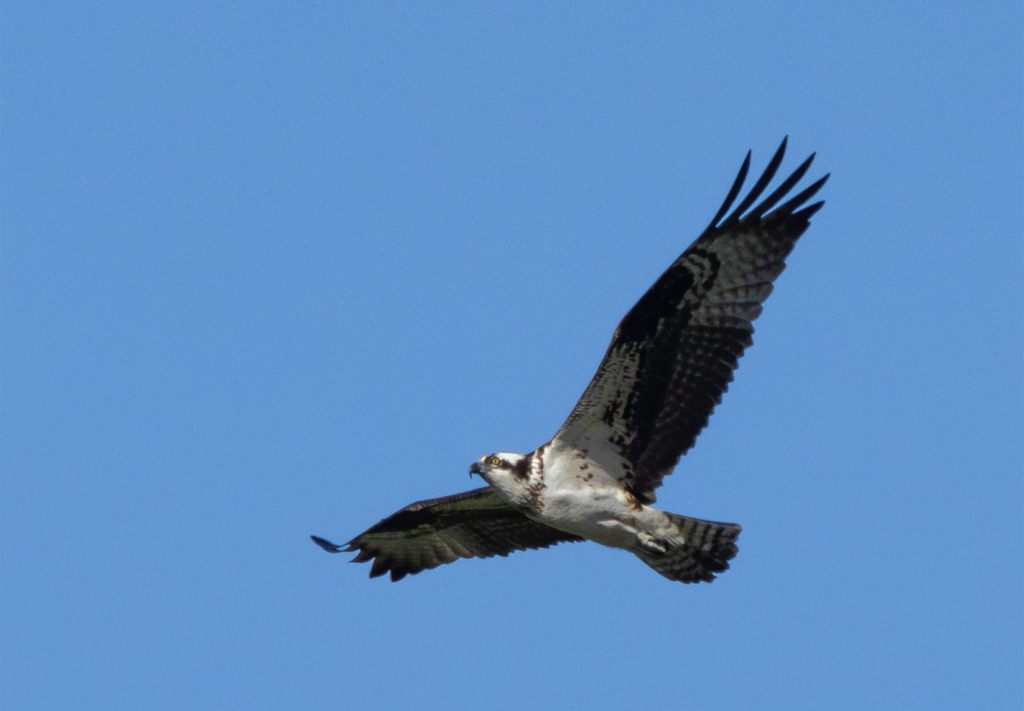
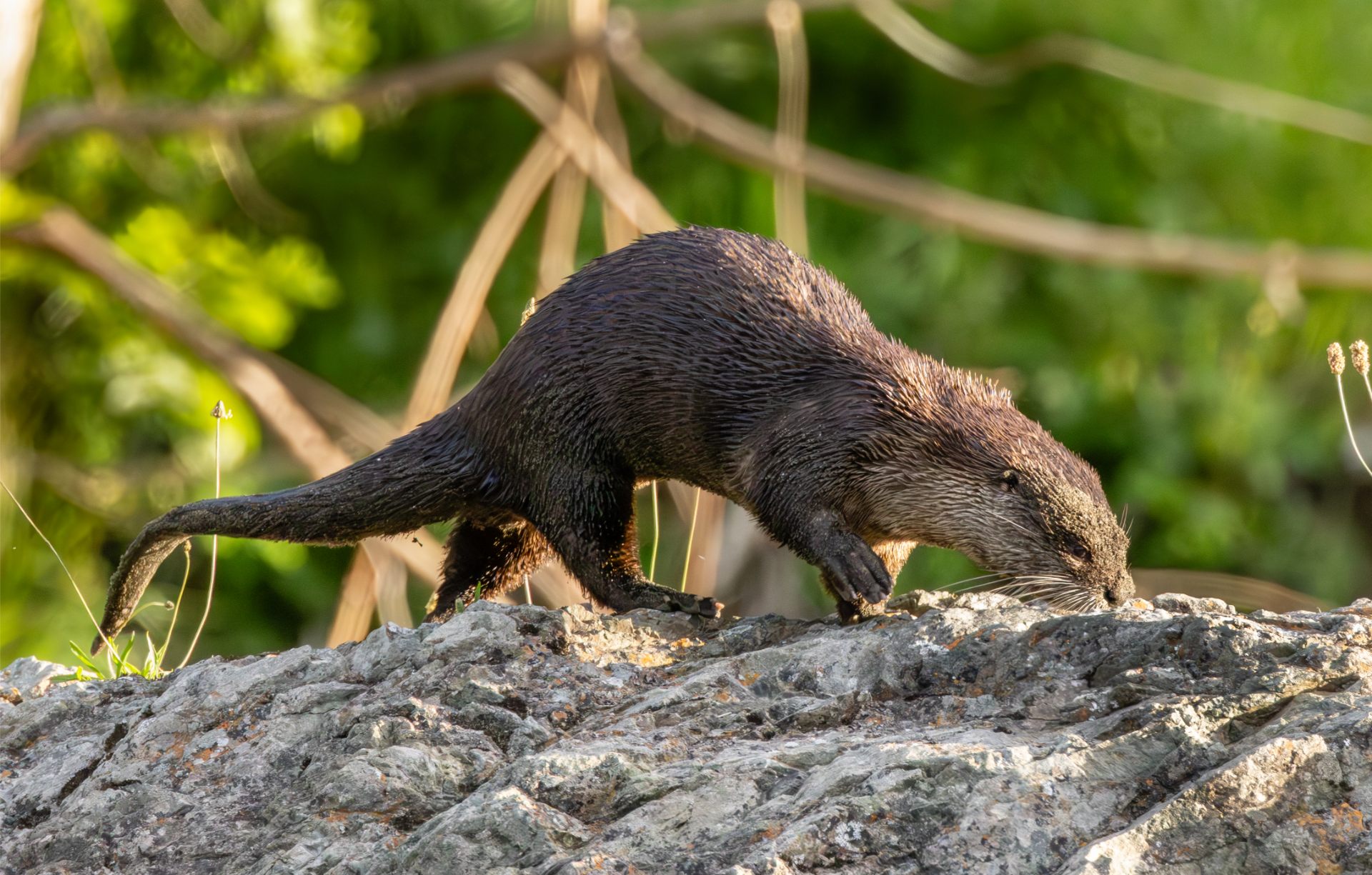
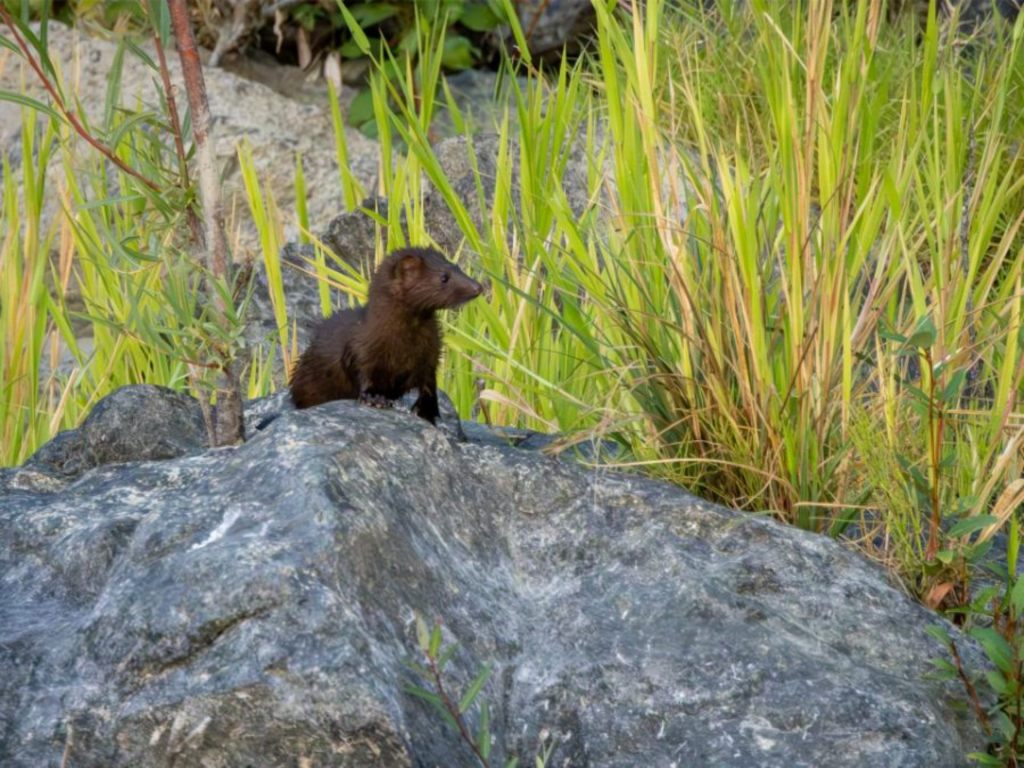
This time of the year the river is getting busy. Birdsong is loud and varied as the colorful neotropical migrants are arriving and claiming their territory and the yearlong residents are doing likewise. A new Canada Goose family has already hatched goslings. Common Mergansers, Wood Ducks and Mallards are pairing up as they prepare to bring ducklings into the world. Ospreys have returned and can be seen daily scanning the clear water of the South Fork of the Eel for prey, and American Minks are being seen again beside the river, ever in a hurry.
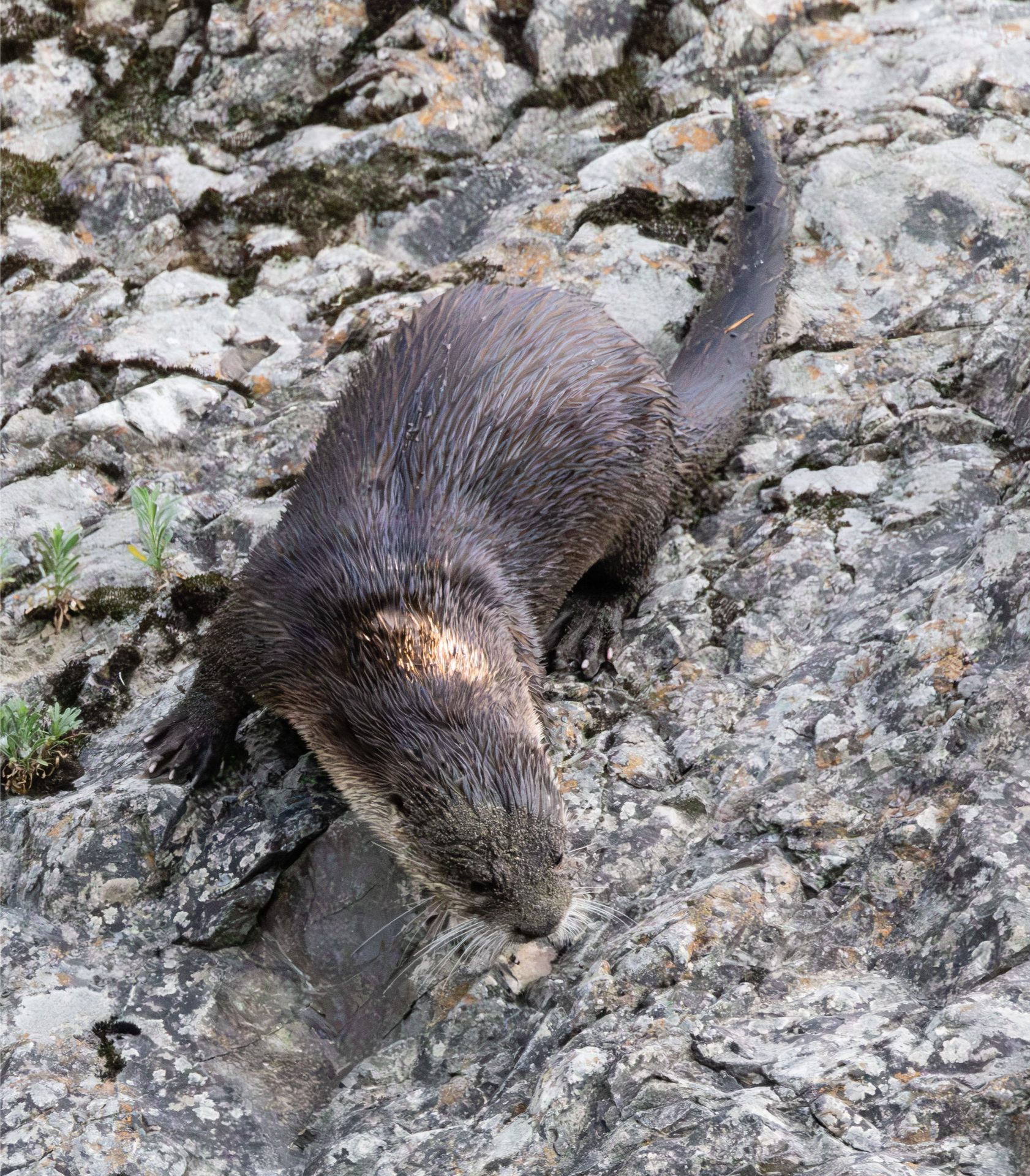
But until two days ago, I had not seen a Northern River Otter since late last year. We’ve had a lot of rain and high water since that time, and I have no idea what otters do in those conditions, but I was becoming more and more eager see one now that denning season was here and fish were starting to jump in that “Summertime” way already.
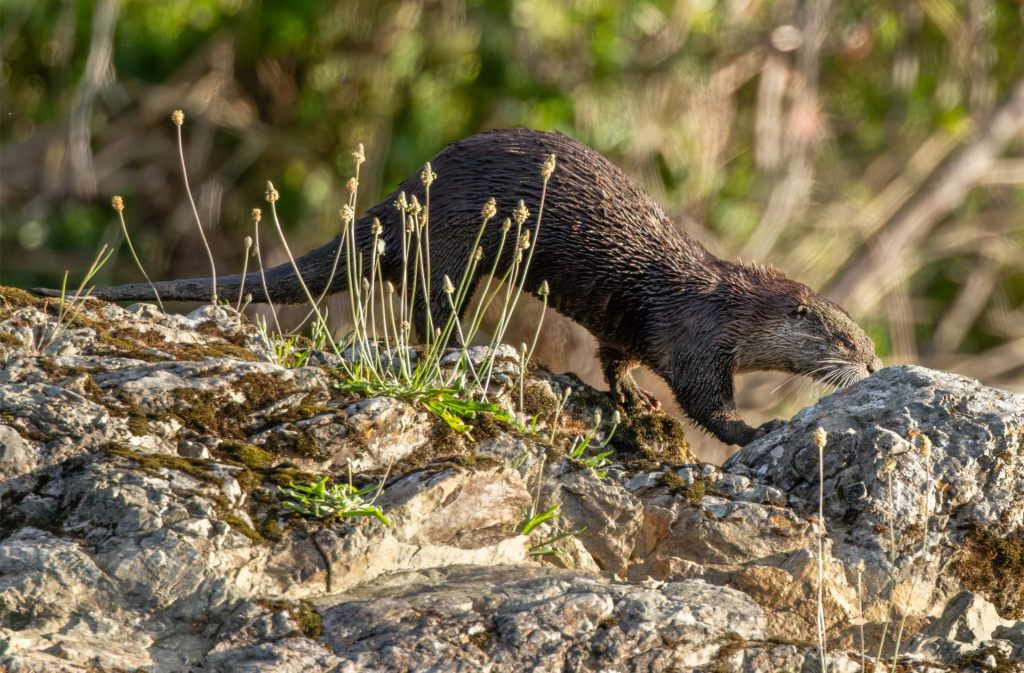
So it was a pleasant surprise to suddenly see an otter clambering around on a huge rock opposite where I’ve been hiding out lately on my morning stakeouts. It didn’t seem to be interested in food, and after combing over the rock for scents it entered the water, went upstream about 40 yards and exited onto a sandy bank. It checked out the largish beach area and then settled in for some scent marking and a luxurious sand bath.
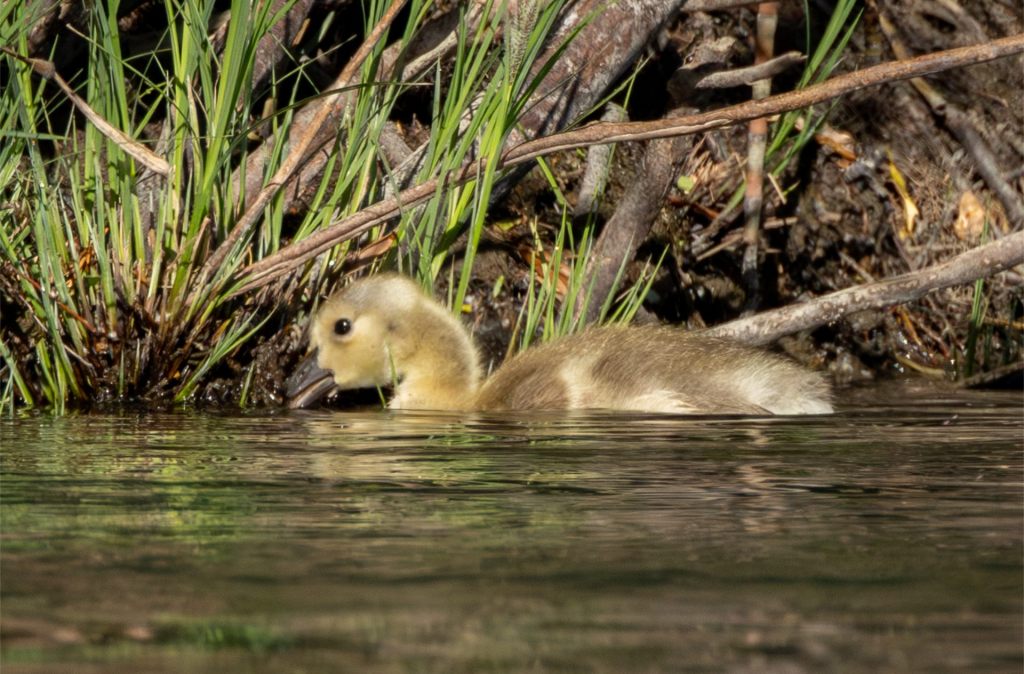
Later that morning I went to another area I like to observe once the water gets low enough to reveal some willows where tiny birds often flit about. Instead of tiny birds, I found a Canada Goose family, and sadly, I think it was the family I saw about ten days ago who had four goslings, only now just two youngsters were present. As watchful as mom and dad are, goslings tend to wander a bit and probably make a nice meal for a fox. In years past I have seen goslings delivered to the Benbow Bald Eagle nest.
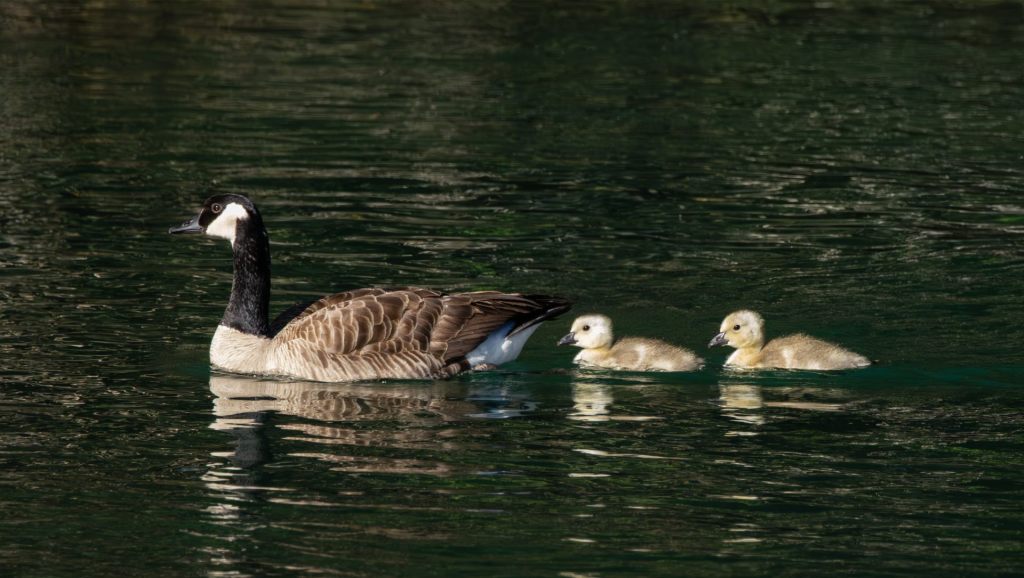
It’s hard not to anthropomorphize a look of sadness on the parents’ faces or to imagine them being extra vigilant in hopes of keeping the two remaining goslings alive. An adult goose is a formidable opponent and I saw the dad go into full protective mode at one point, loudly expanding its wings and holding them out stiffly while honking loudly. I didn’t see what startled him, but mom corralled her young into a small cove within the willows as he defended his family. I did see a mink slink by about twenty yards upstream, but I wonder if a tiny mink is a match for a Canada Goose unless it could approach undetected.
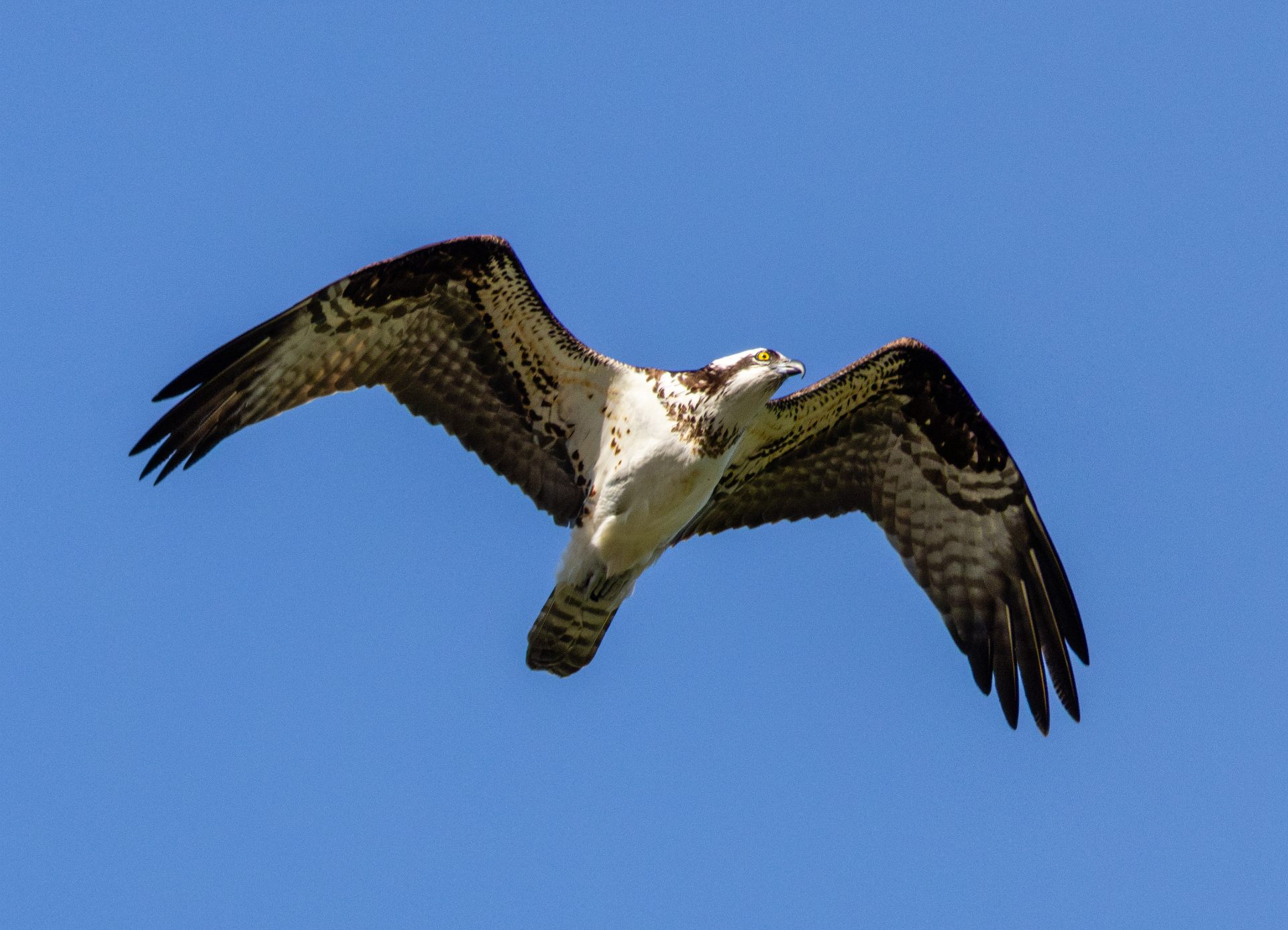
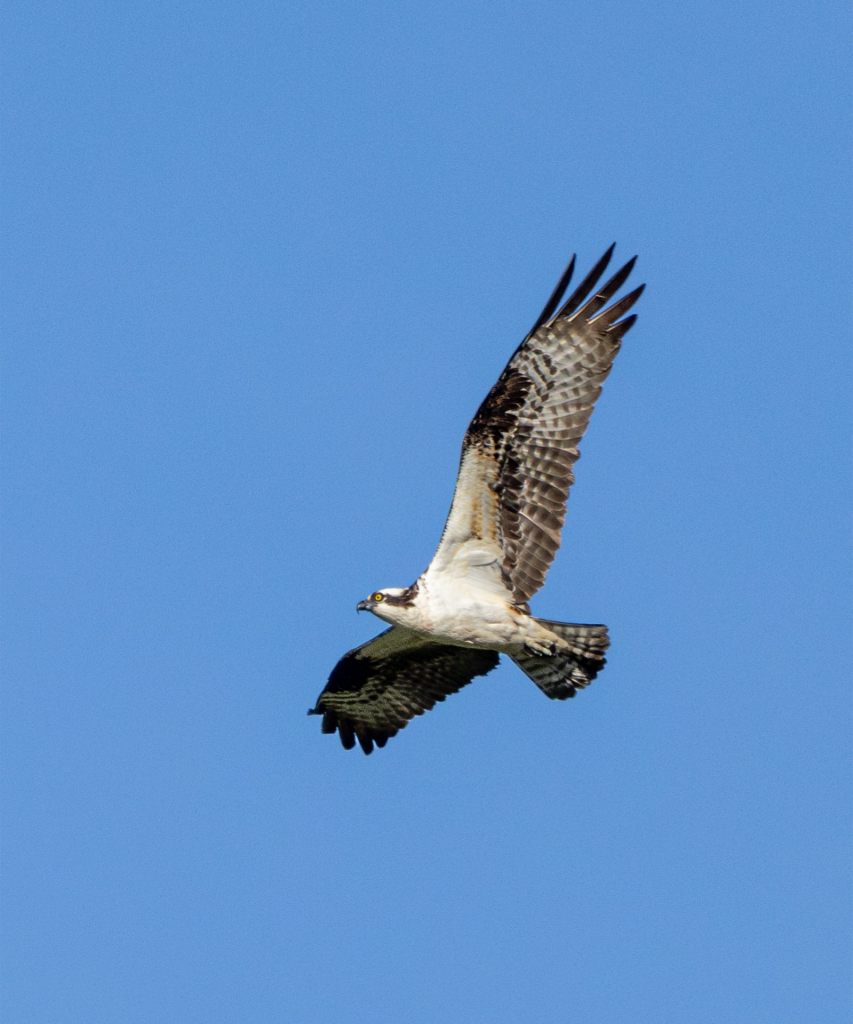
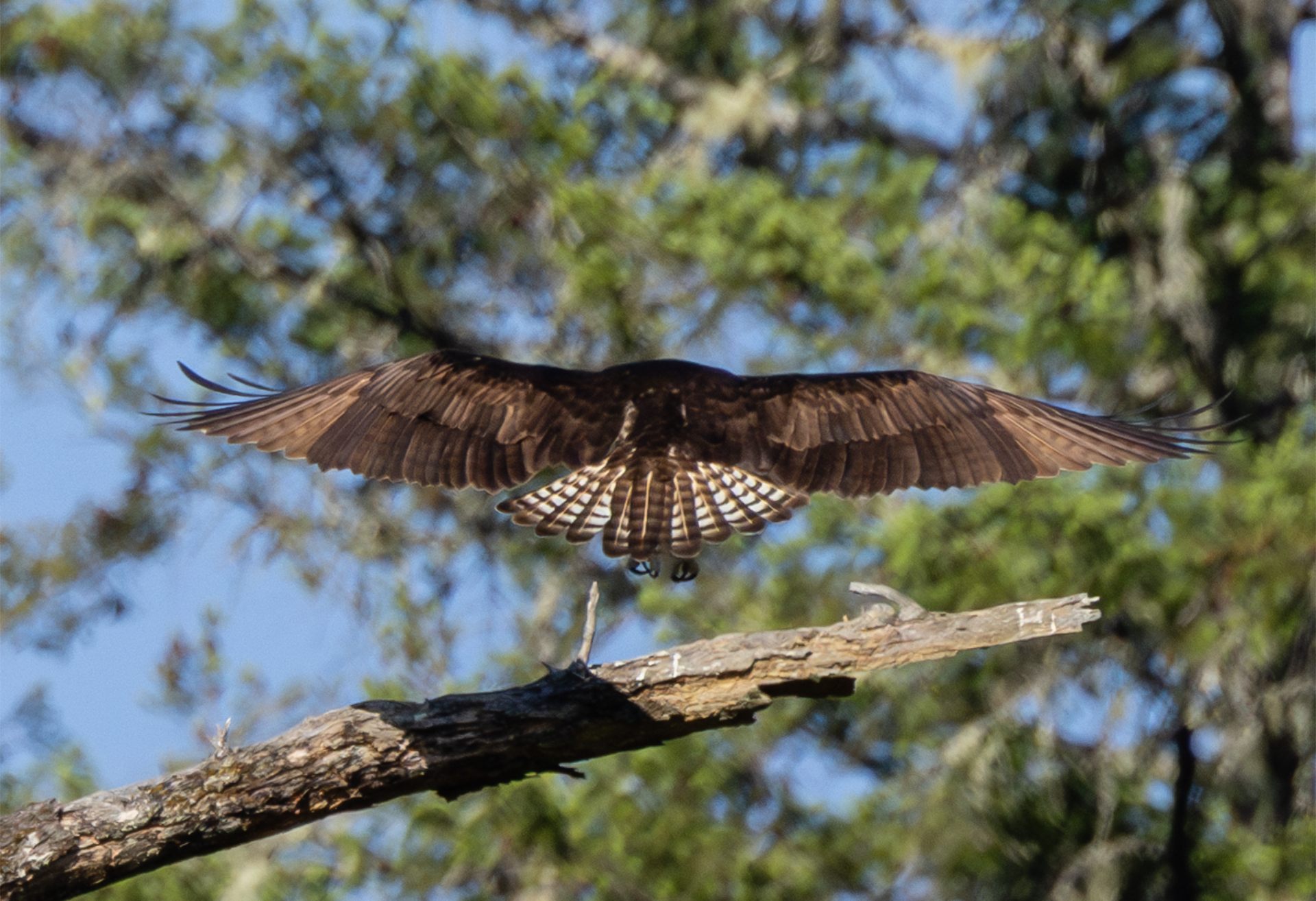
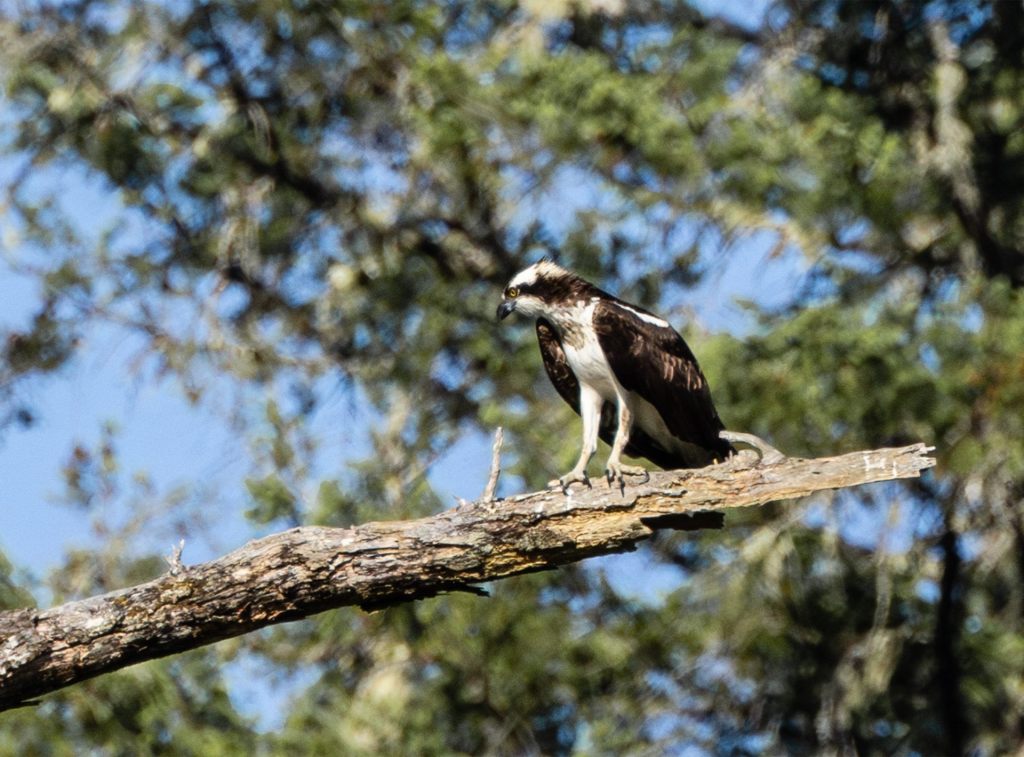
The next day I was treated to the most exciting two minutes of action on the river in a while. I began hearing an Osprey crying overhead and then it appeared, along with two others. Two of them landed in a snag where I’ve seen Ospreys do everything from consume a Pacific Lamprey to attempt unsuccessfully to mate, but they were soon dive-bombed by a third. It was impossible to keep my camera pointed at the action as it rapidly unfolded. One of the birds soon flew off downstream and the other two circled around briefly before disappearing in the other direction.
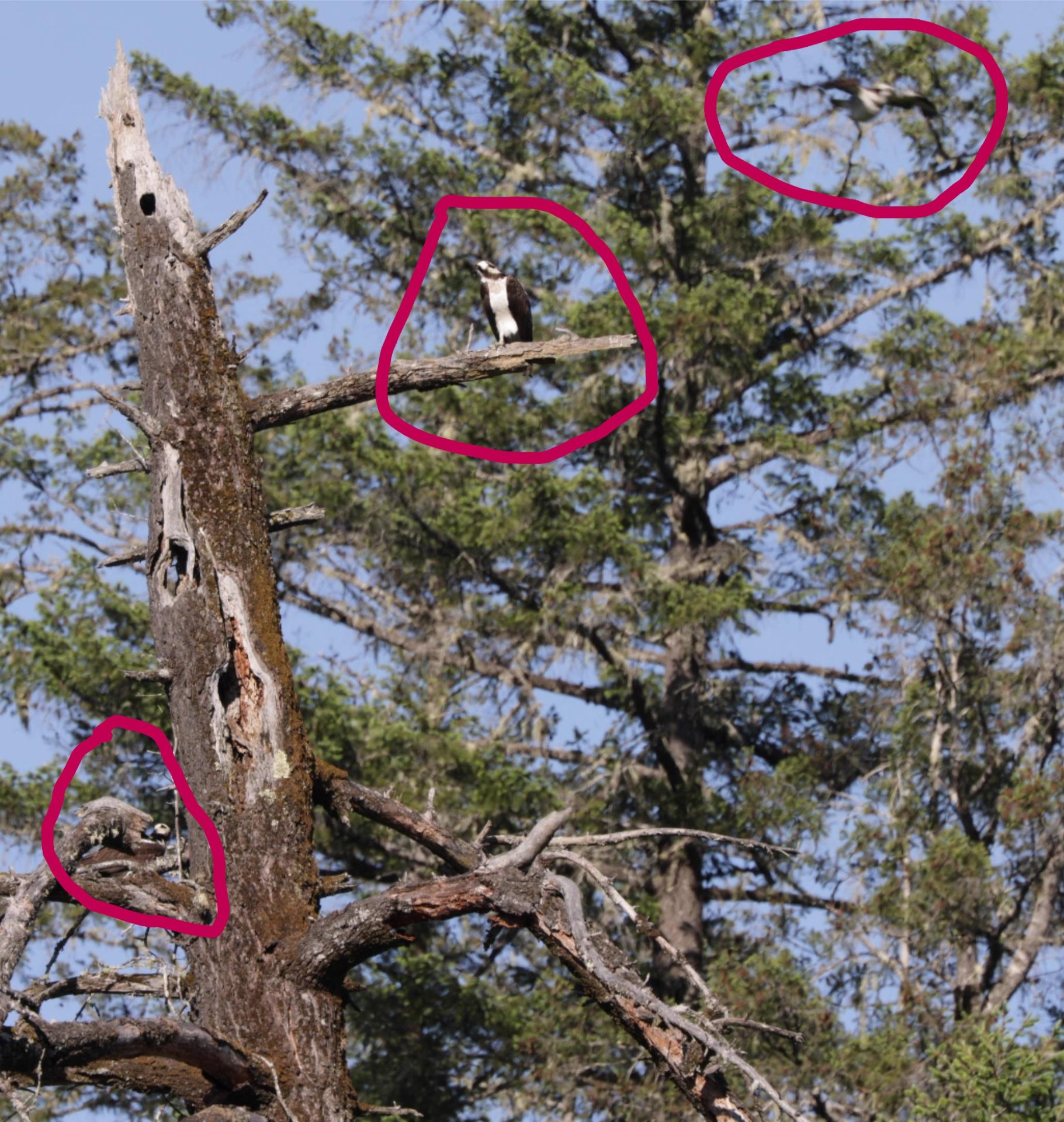
After poring over the photos later on the computer I believe two of them were females, and one was a male. It looked like one of the females was driven away and the other two went off in the other direction together, but I can’t be sure.

May I never forget how lucky I am to be able to watch these scenes that fill me with curiosity and awe, providing perspective that keeps me sane in a time when human troubles dominate our consciousness.


 Free Range Photography
Leave a reply to silvertop36 Cancel reply