“It is spring again, and the earth is like a child who knows poems by heart.” –Rainer Maria Rilke.
In Humboldt, it is April that epitomizes spring, arriving on the cold heels of March when days were just starting to stretch out, buds on trees were fattening, last fall’s leaves still spongy on the ground. By the end of the month, colorful bird migration, long light evenings that keep us outside later and later, and an indescribably deep color of green on the South Fork of the Eel fill our hearts in a bittersweet way as we know the wait for the next April has already begun.
Here are some random photos collected over the past 30 days, one for each day of my favorite month.
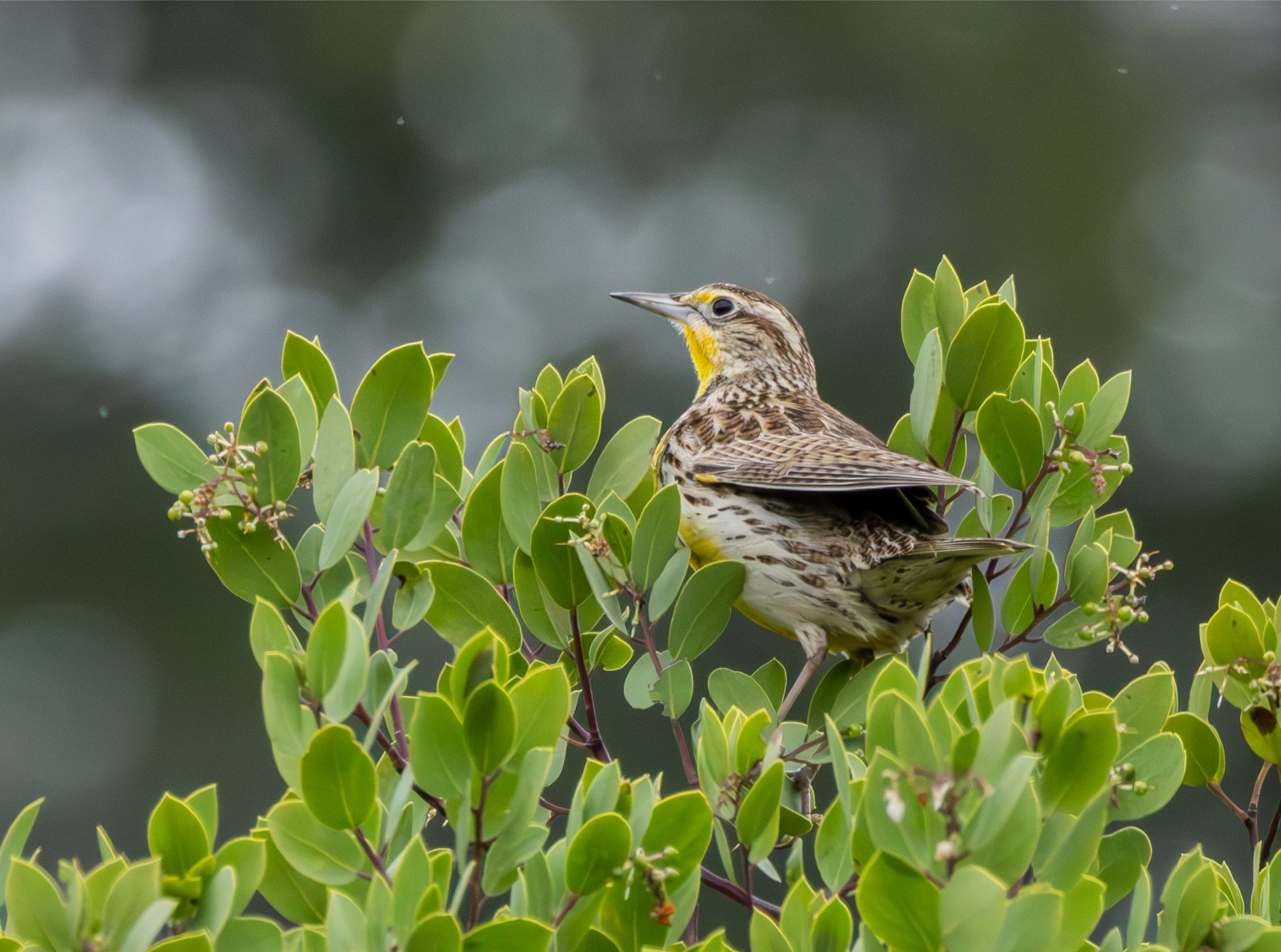
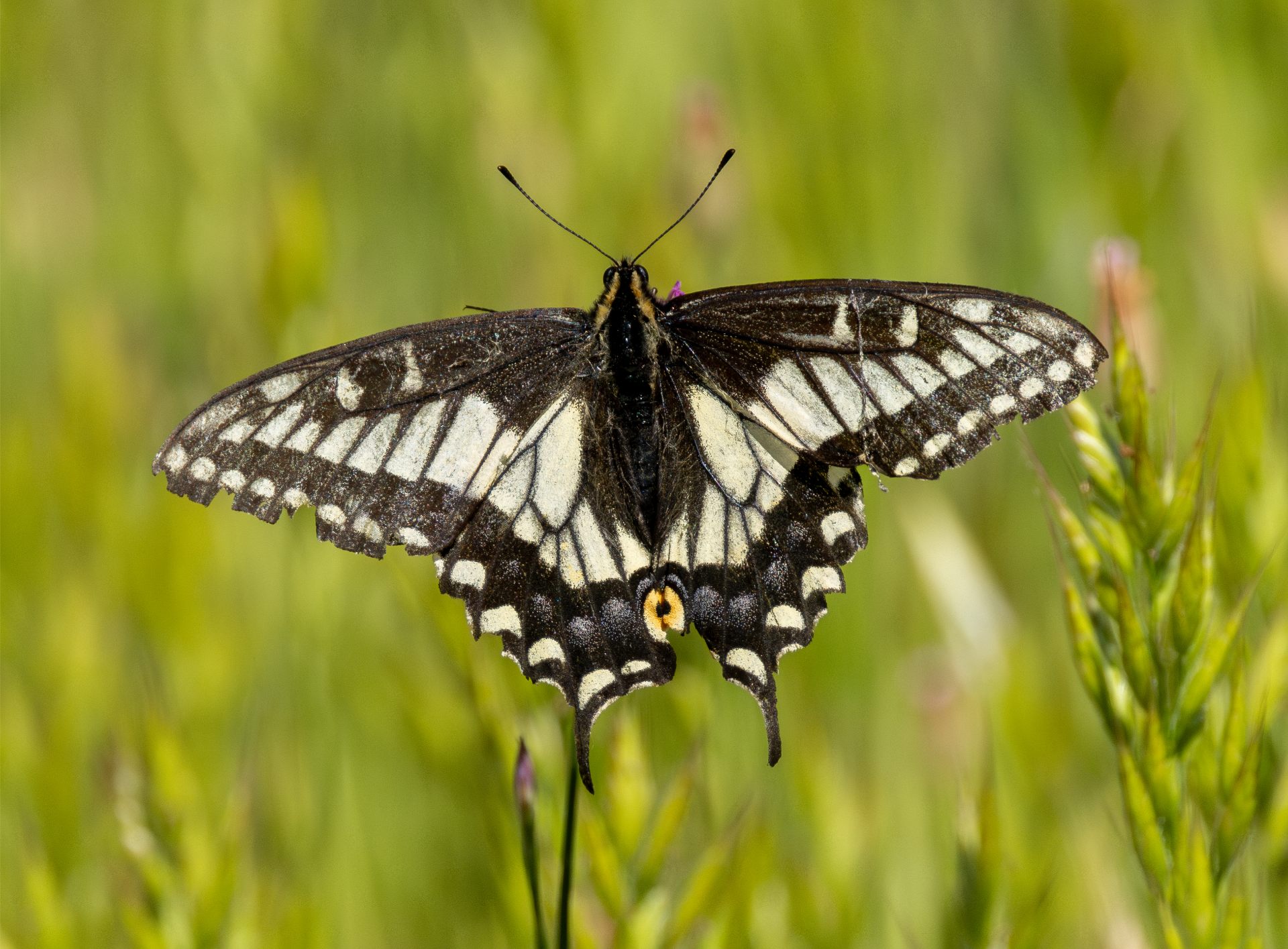
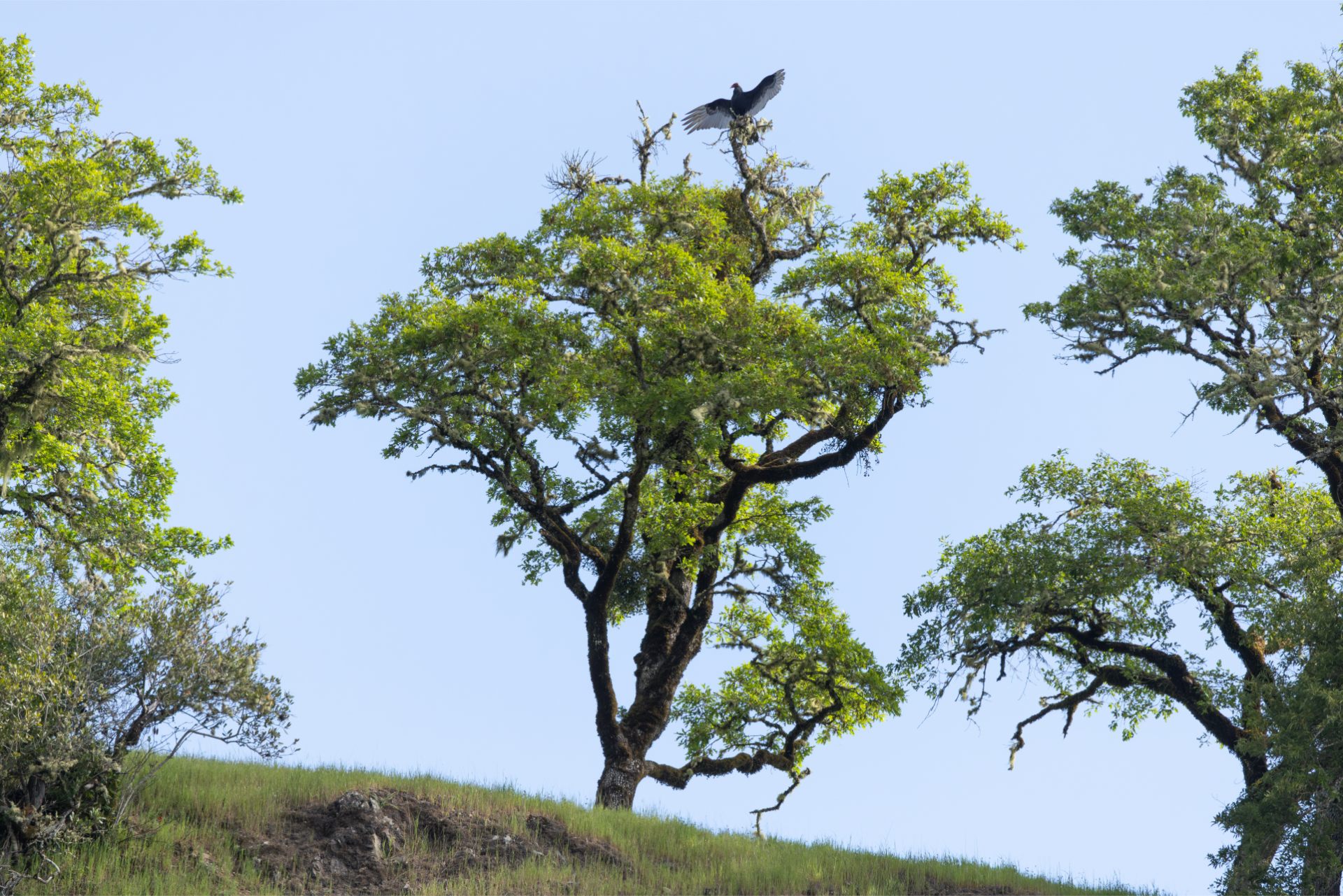
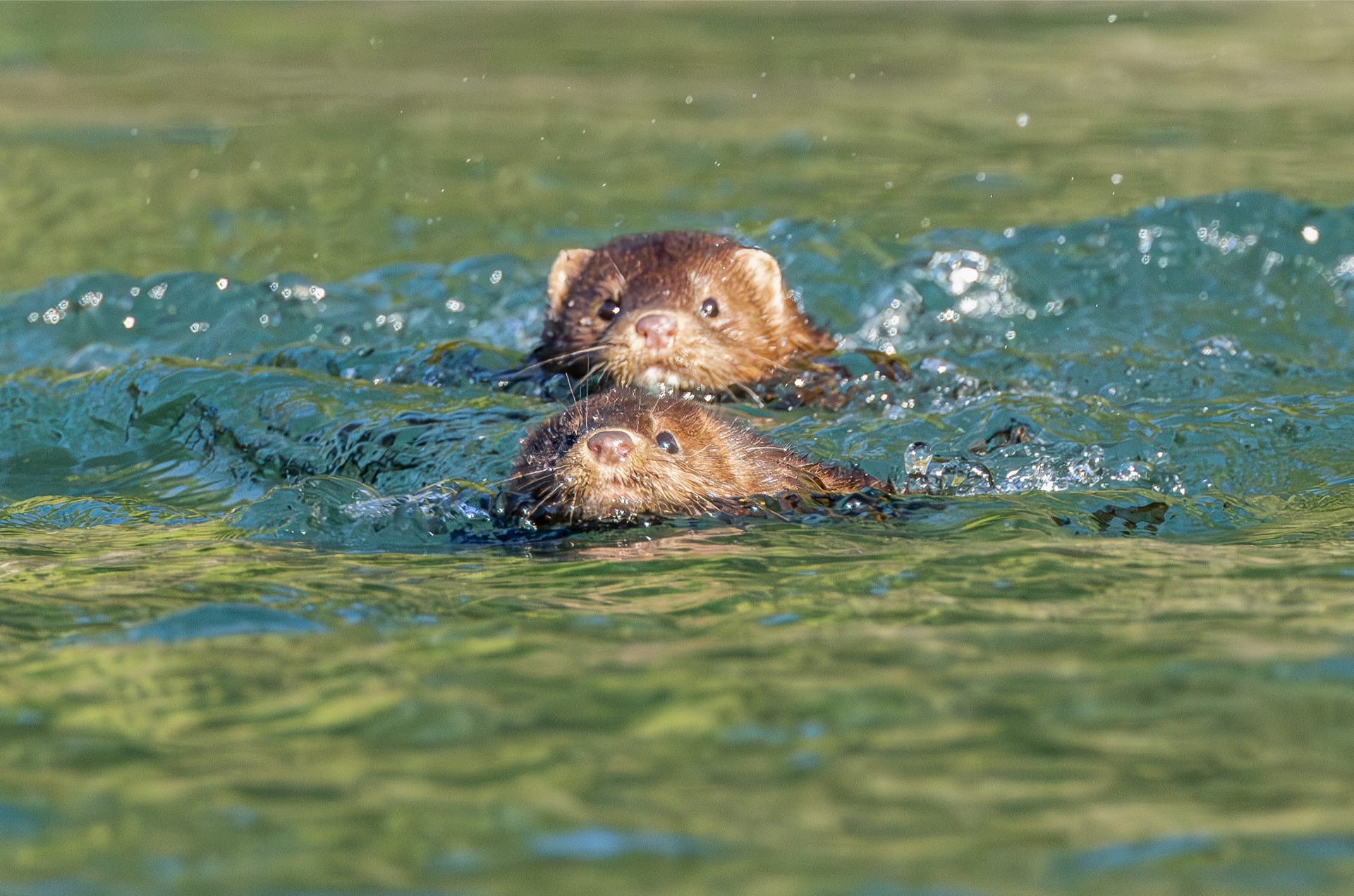
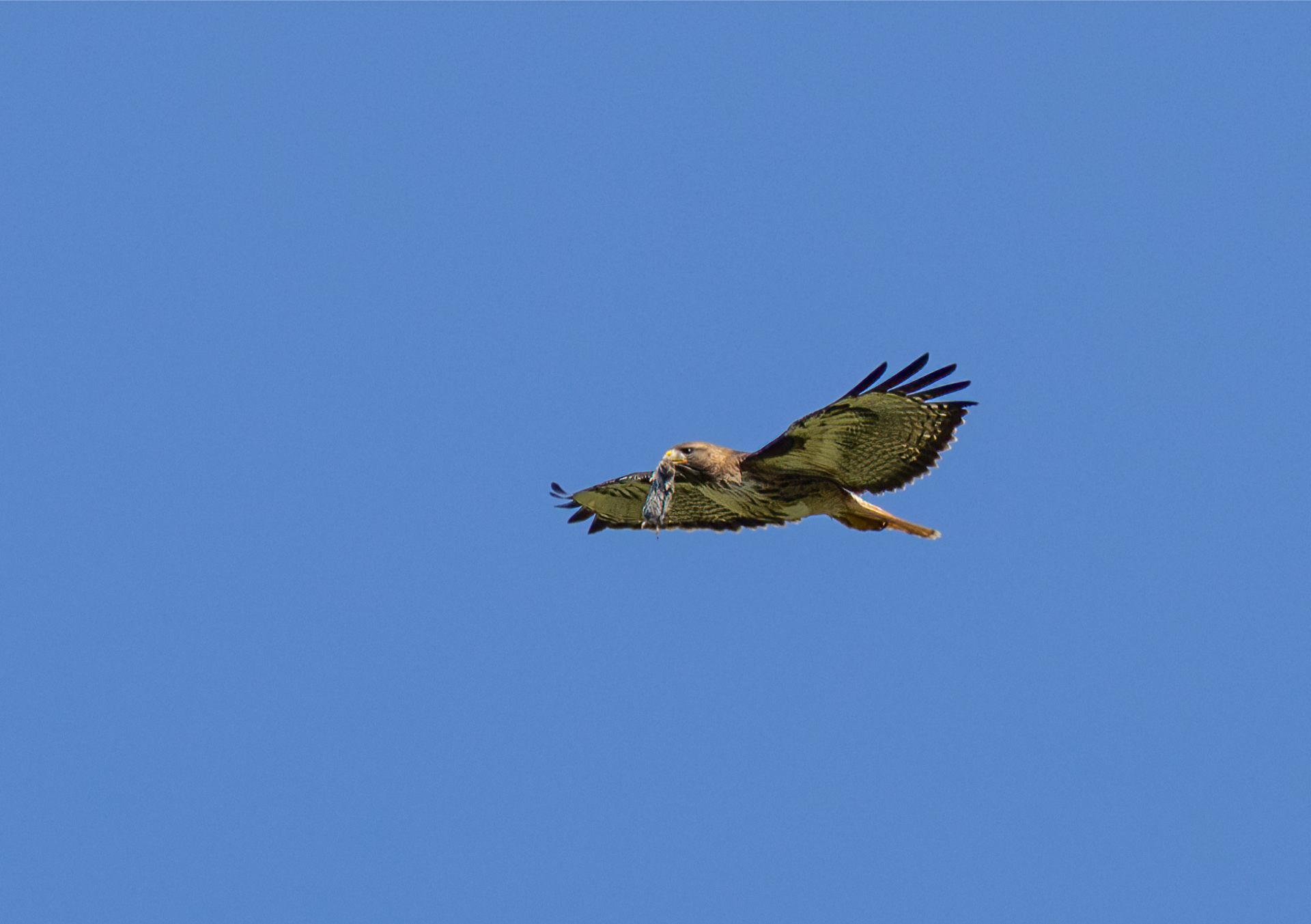
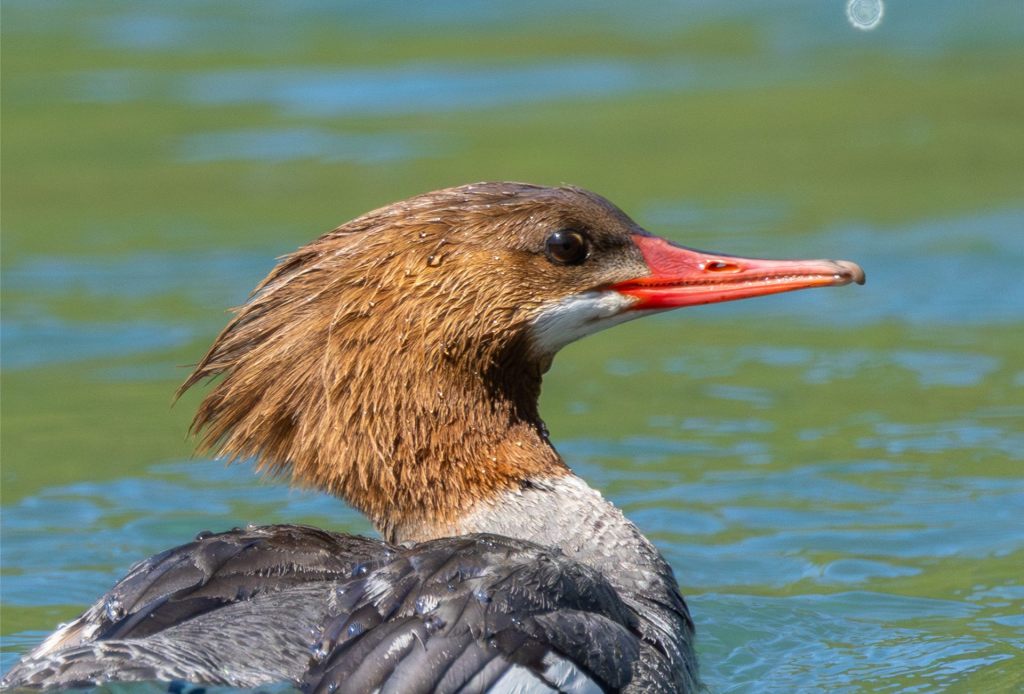
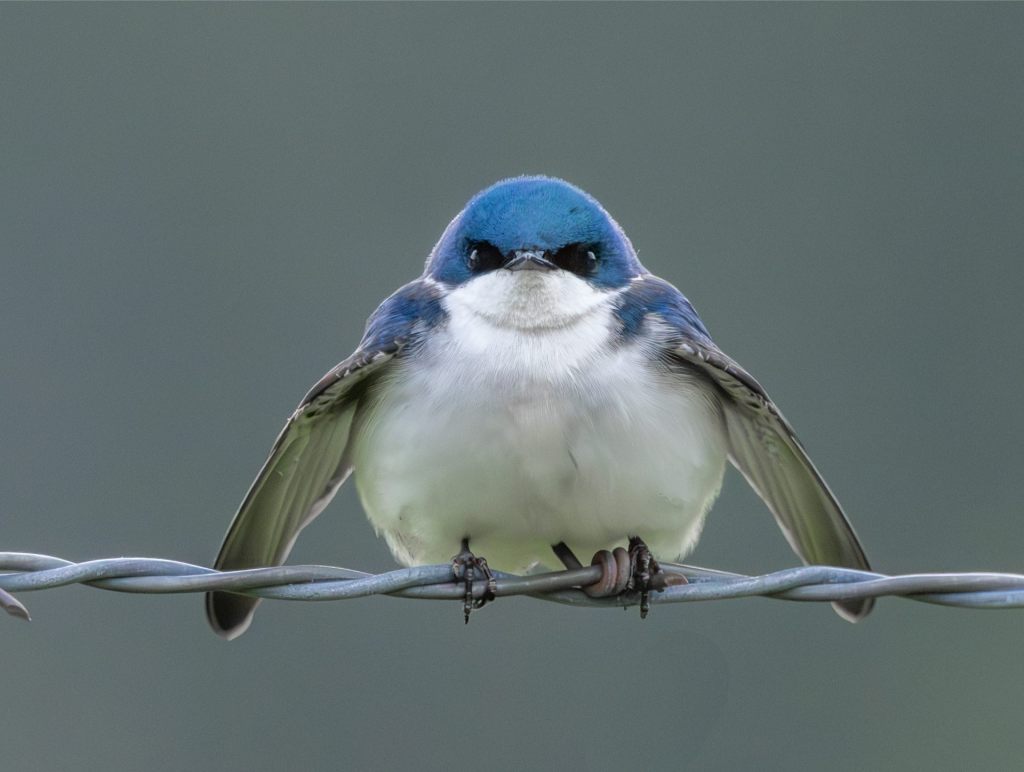
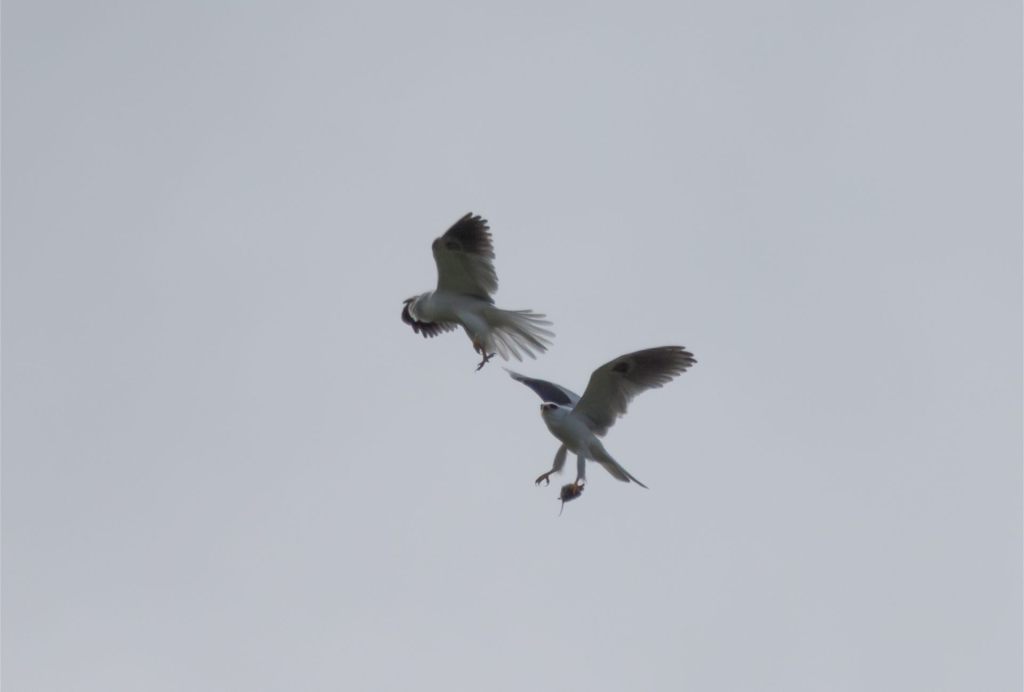
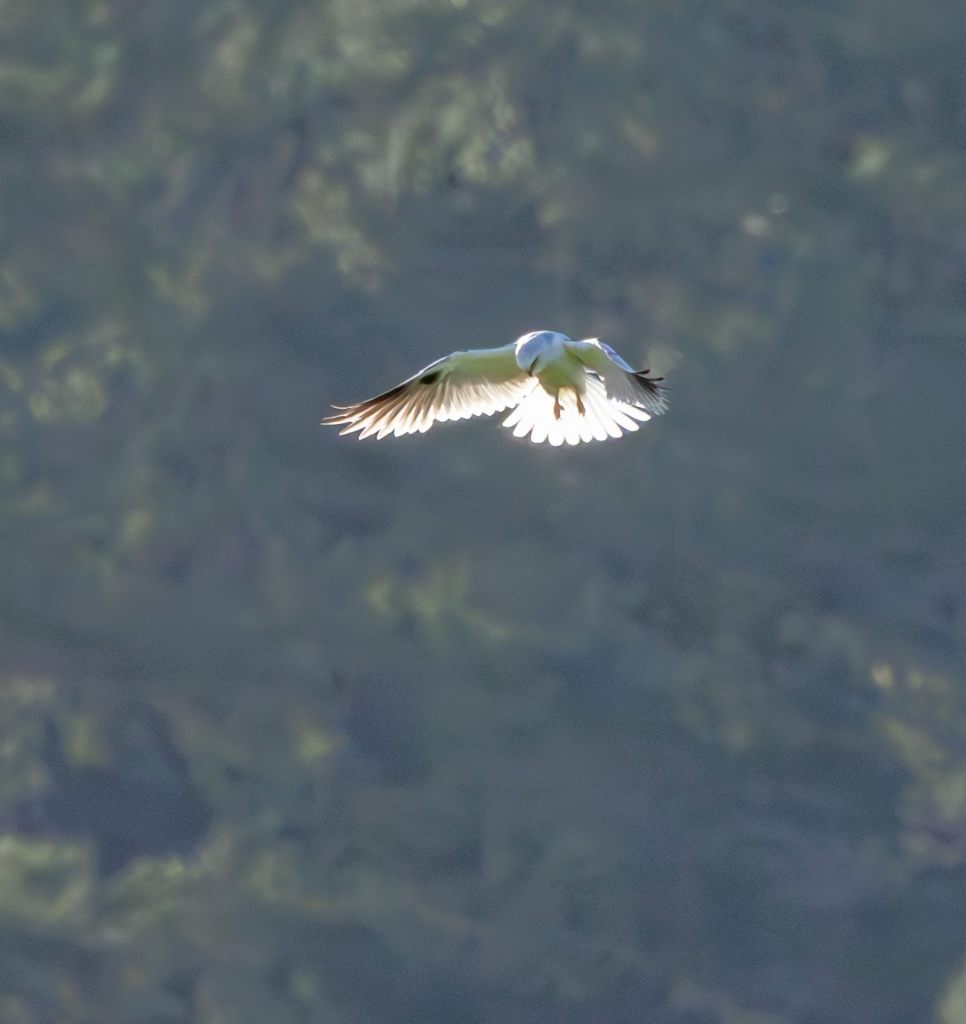
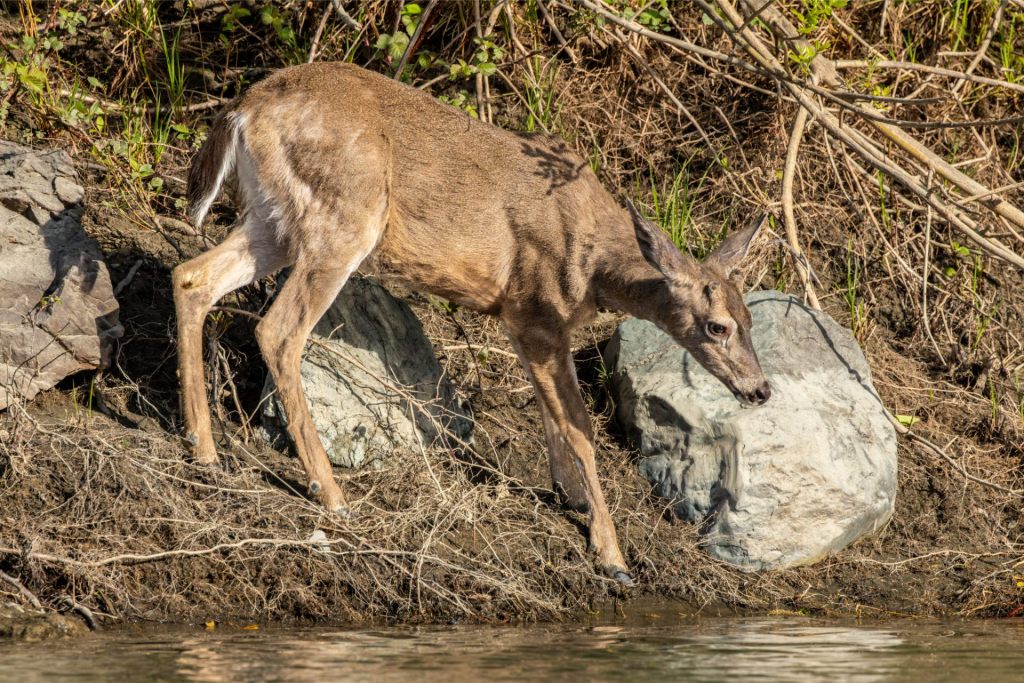
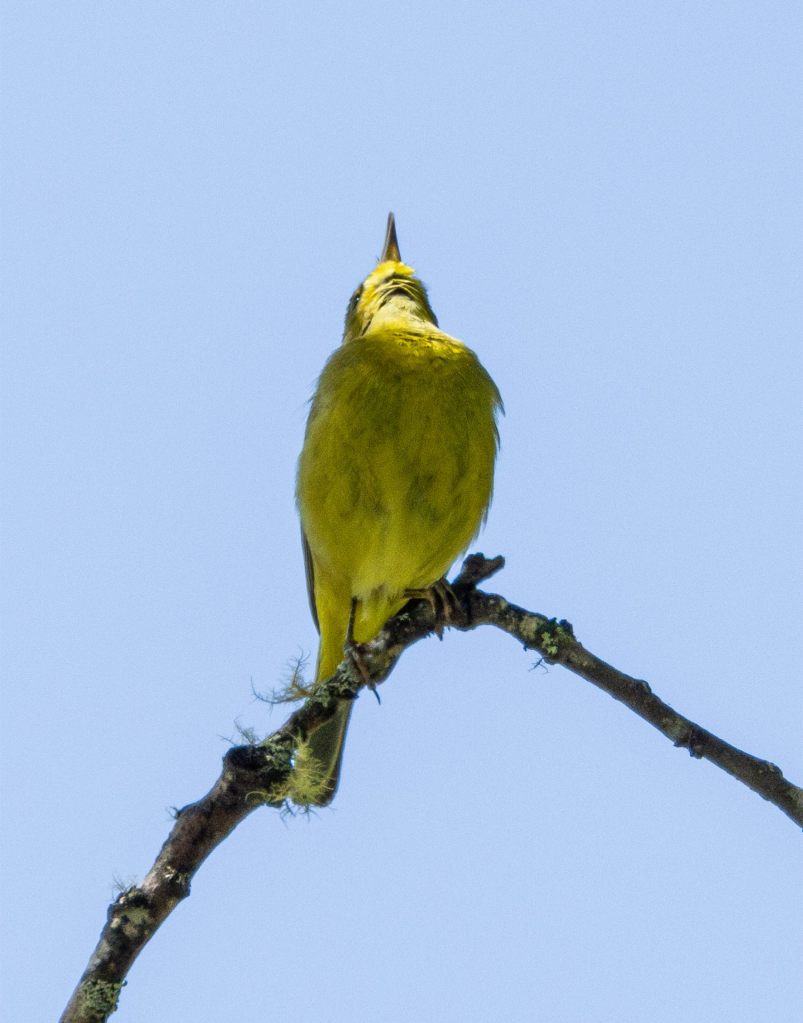
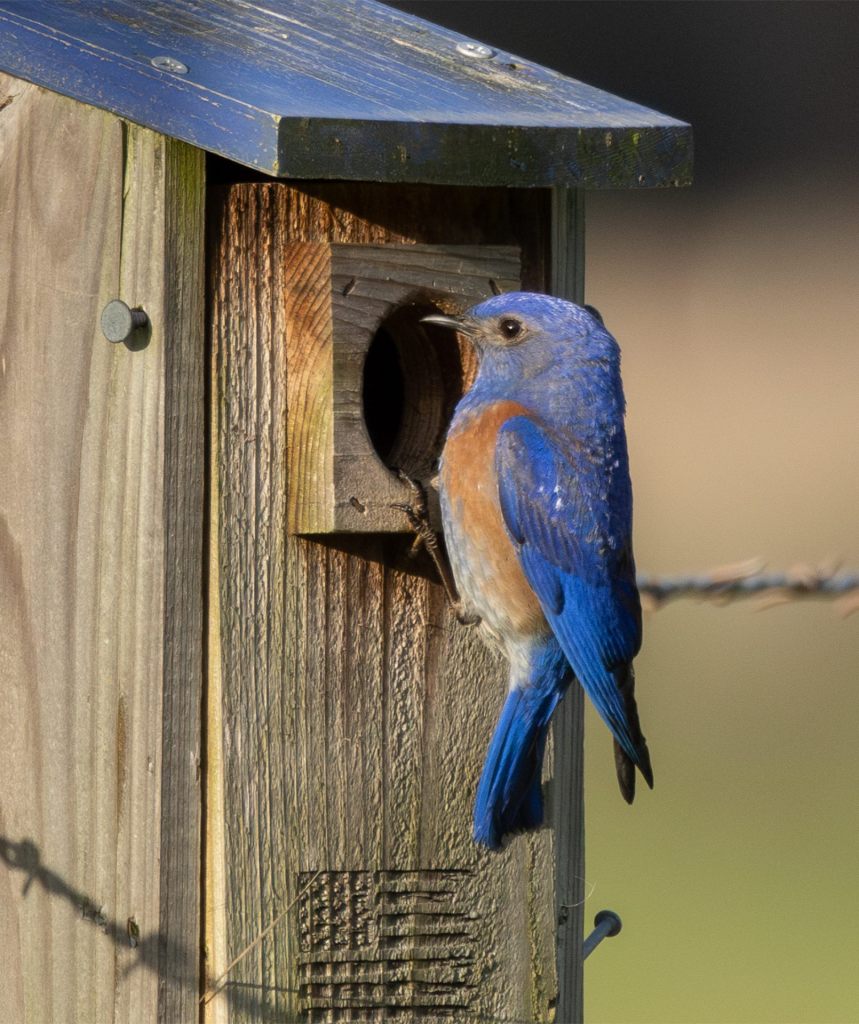
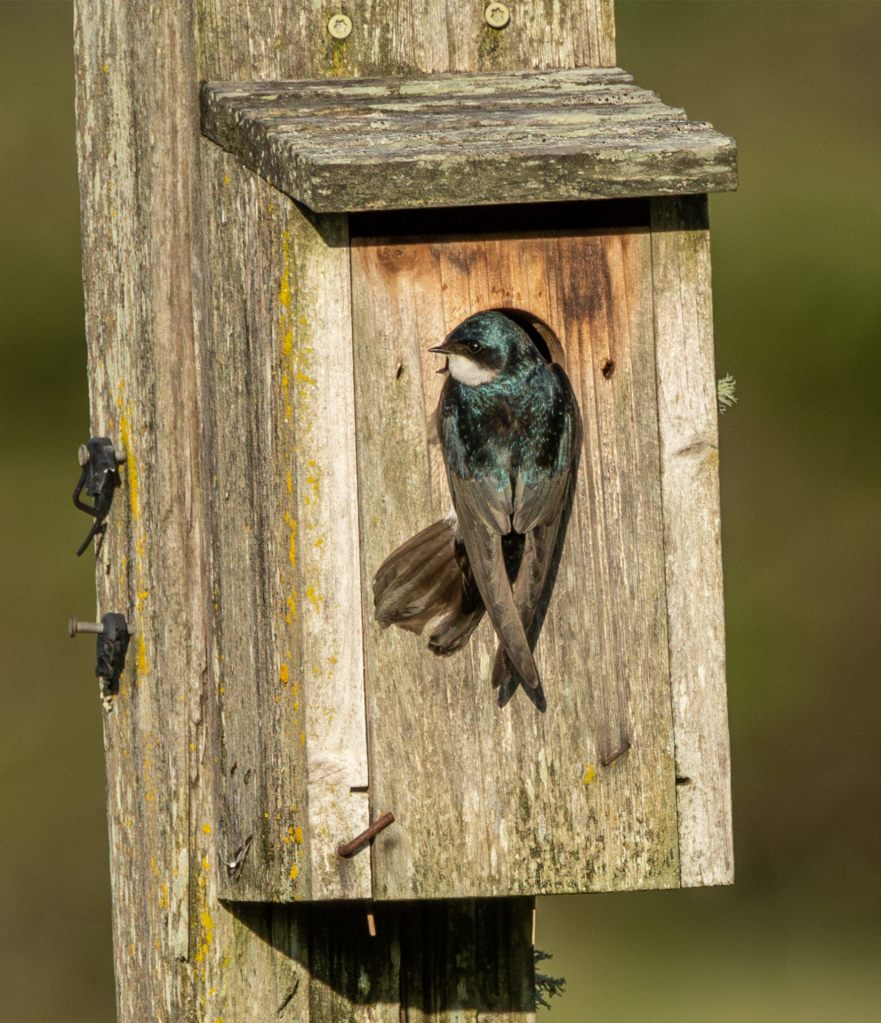
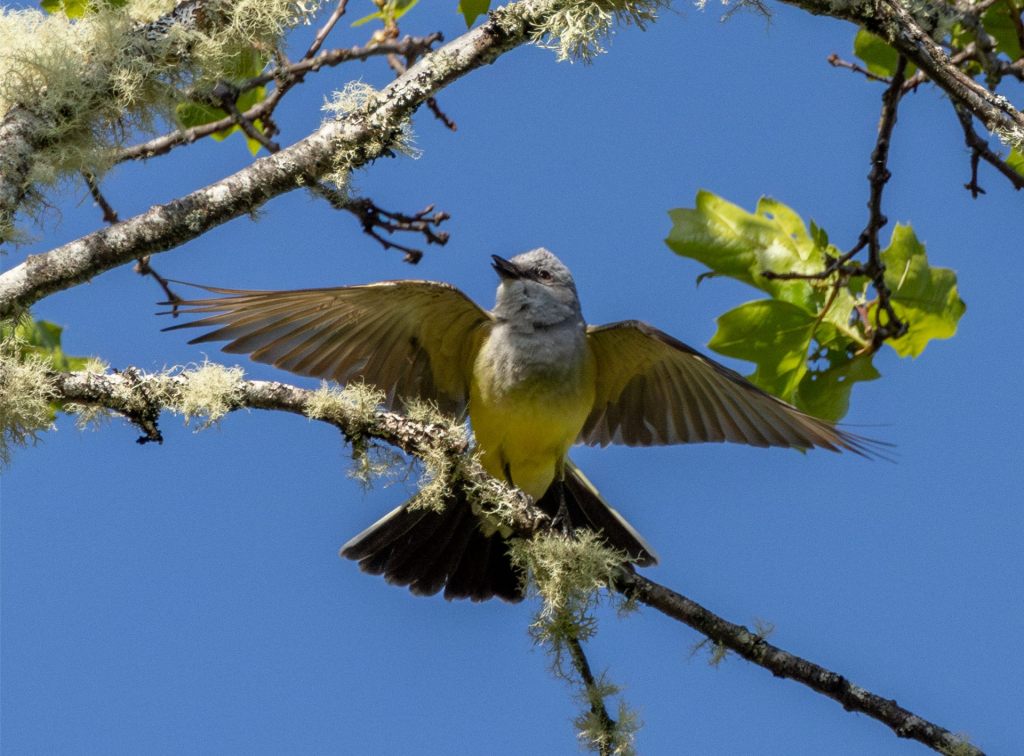
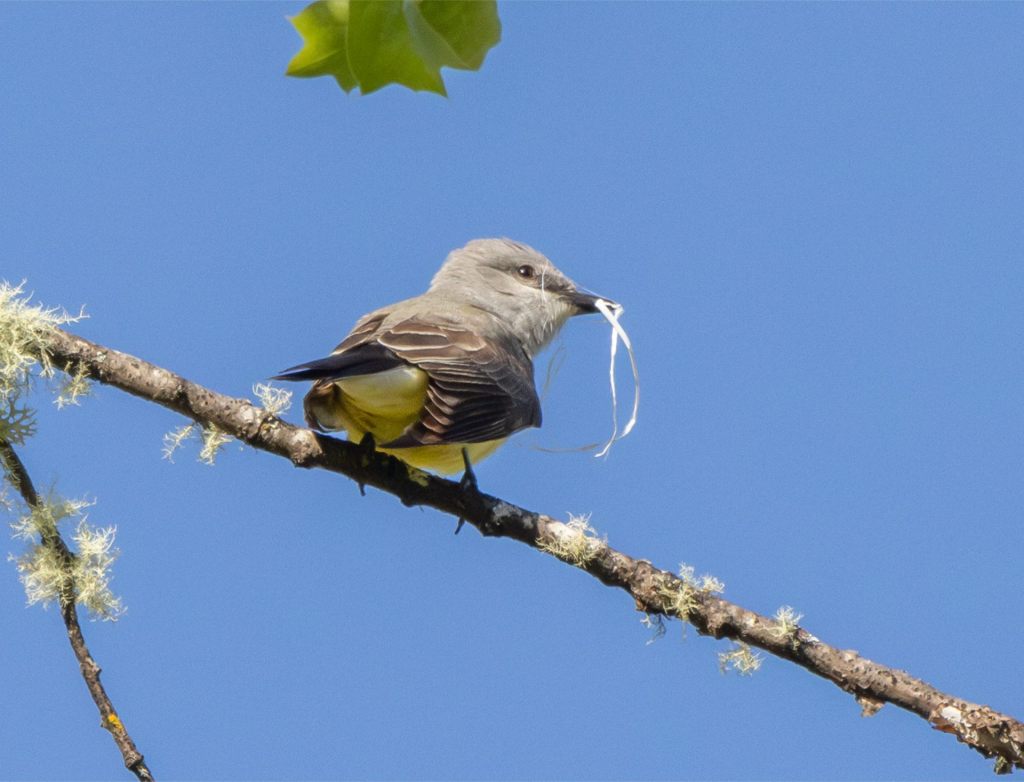
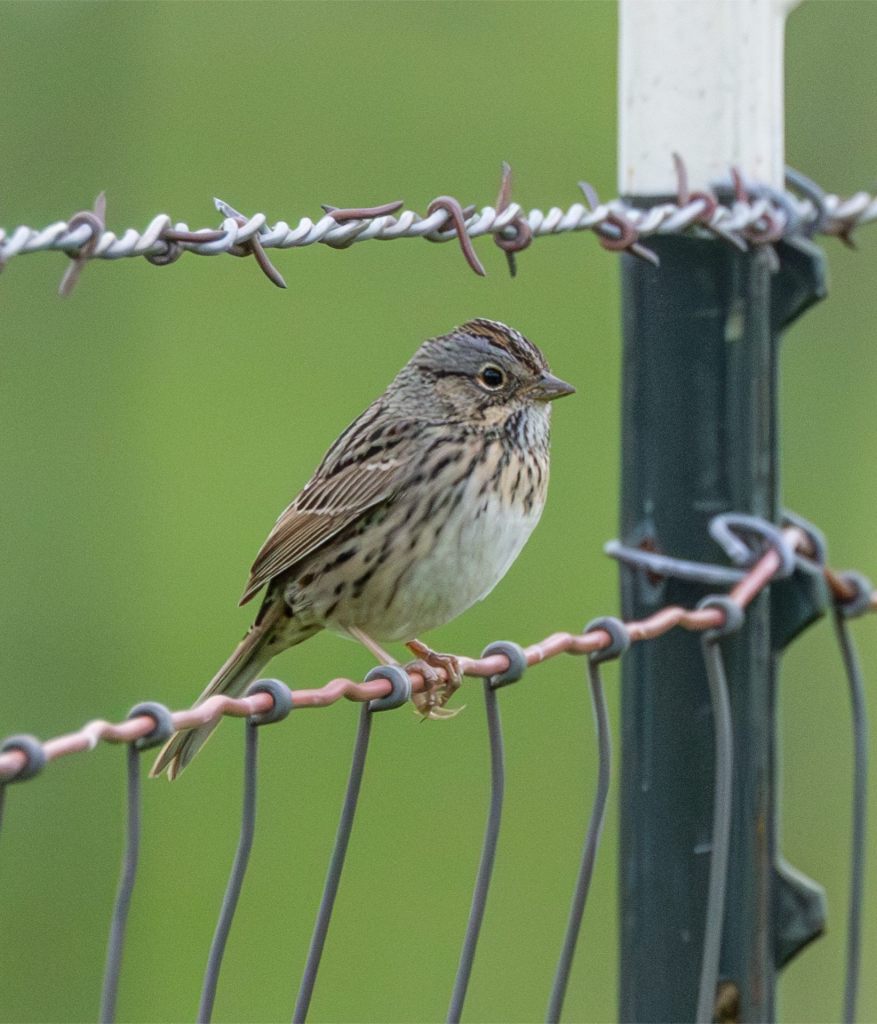
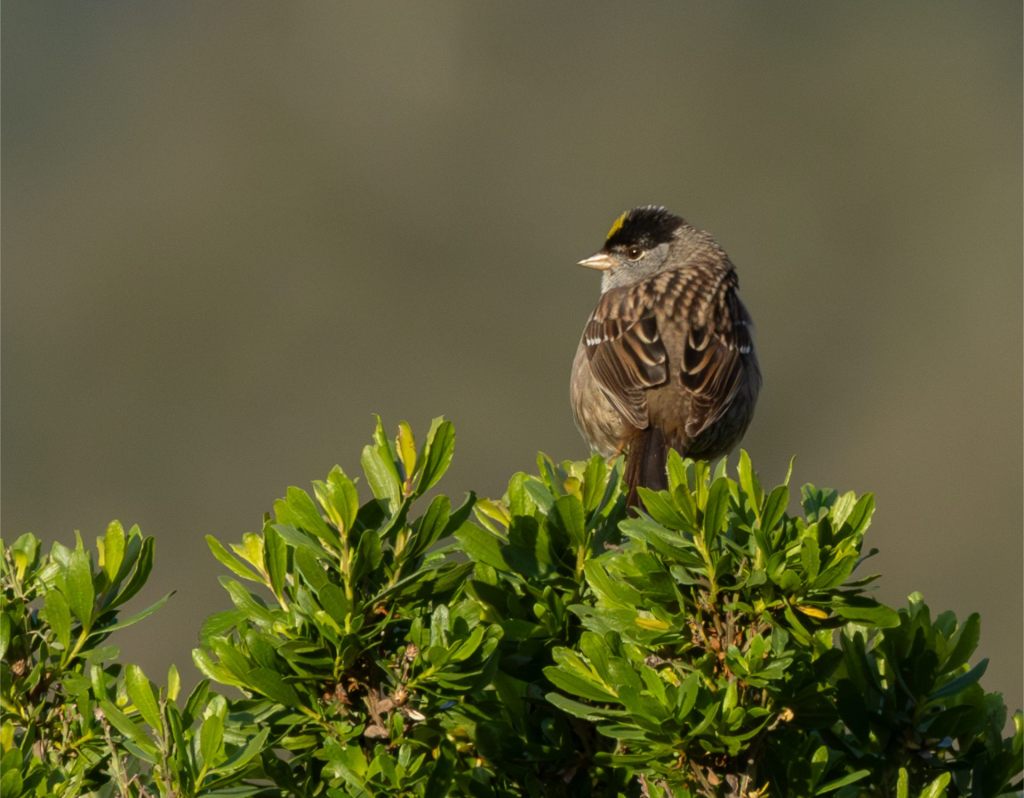
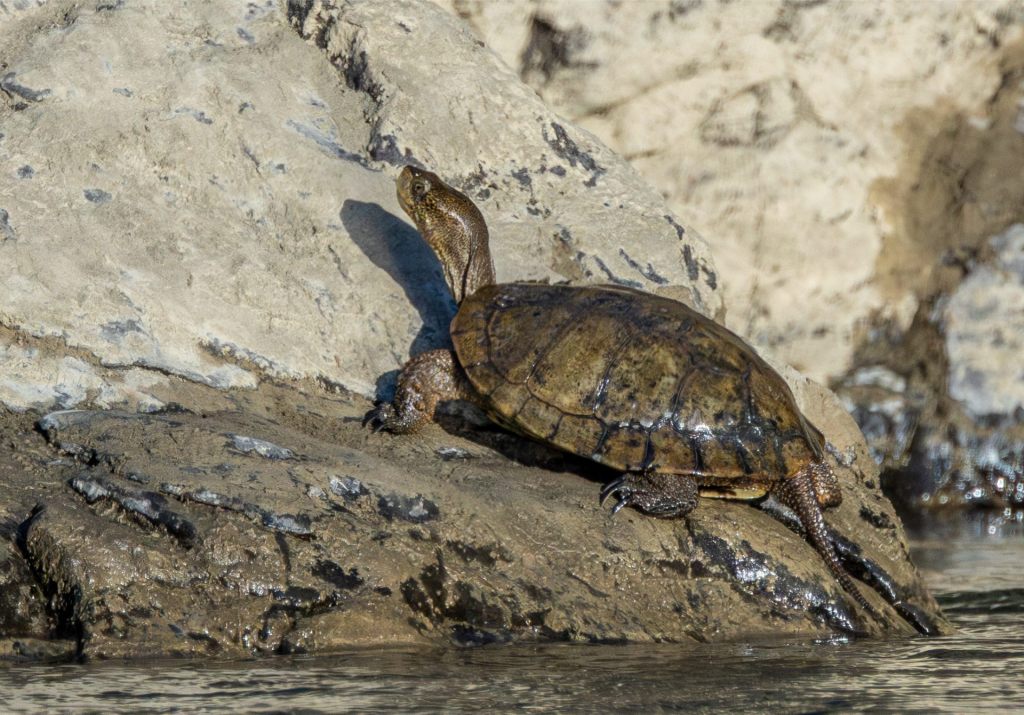
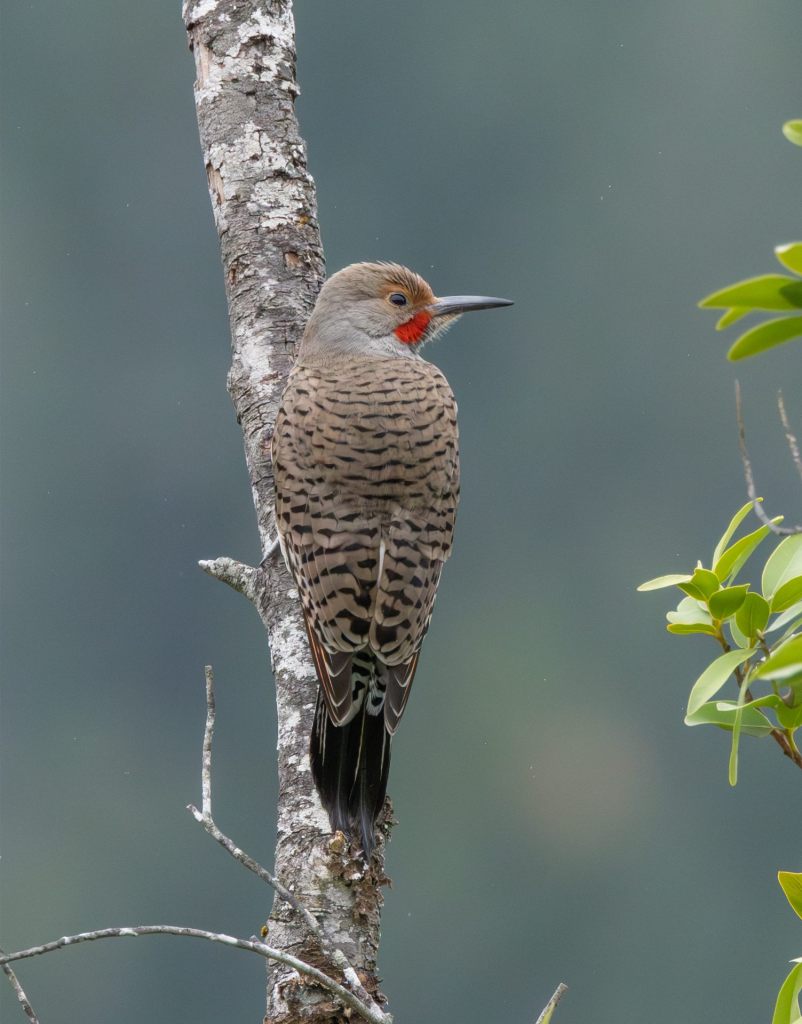
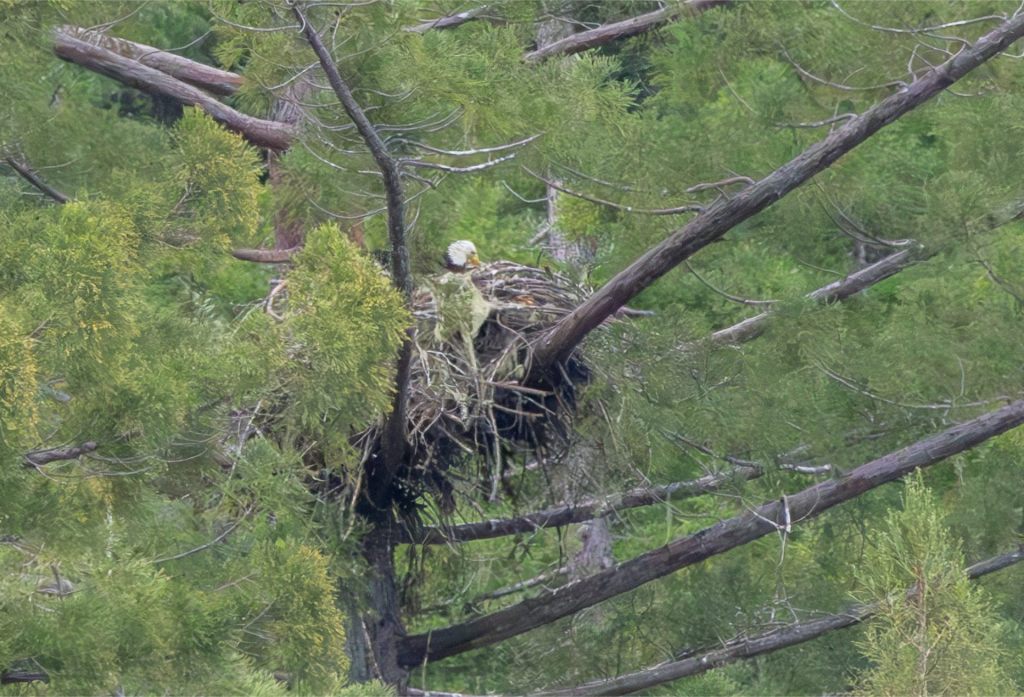
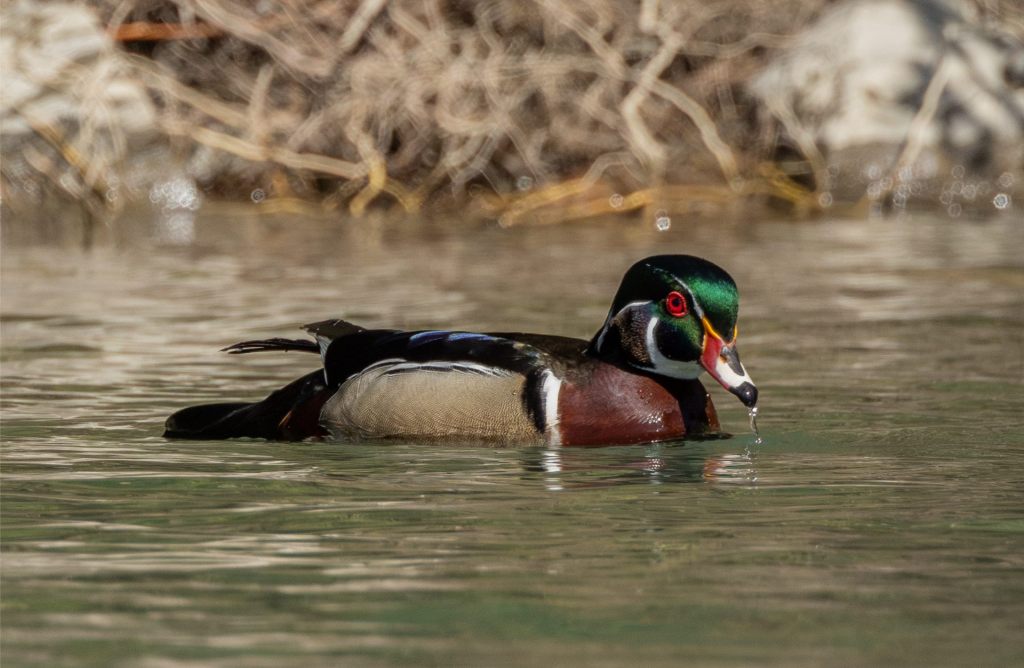
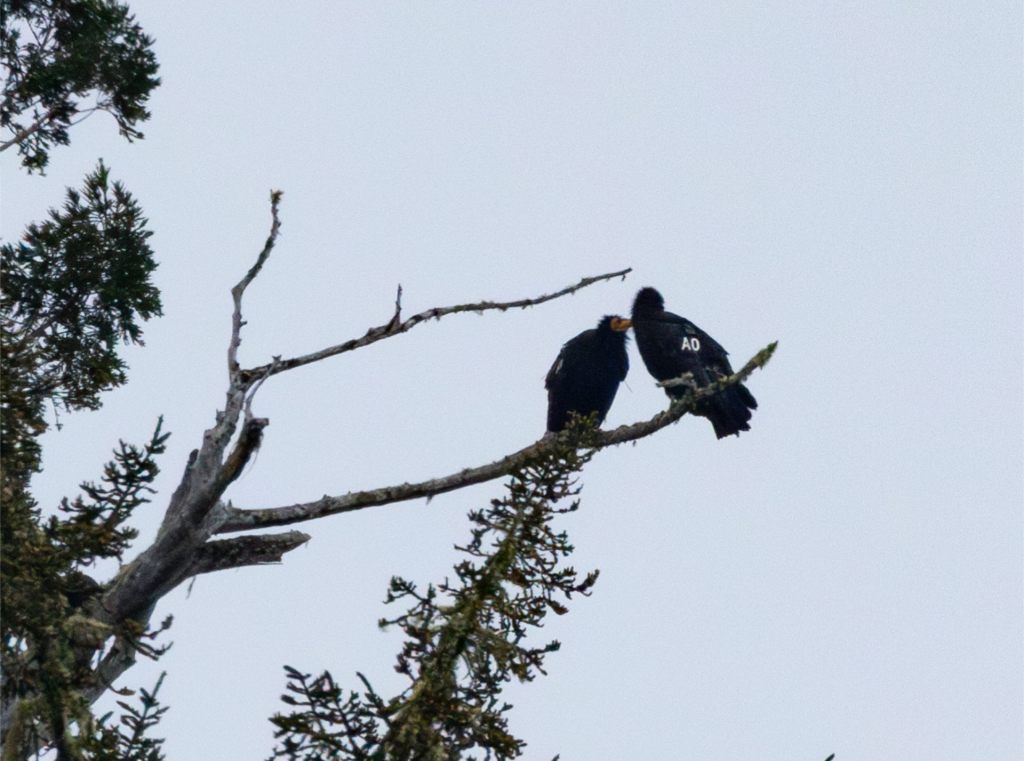
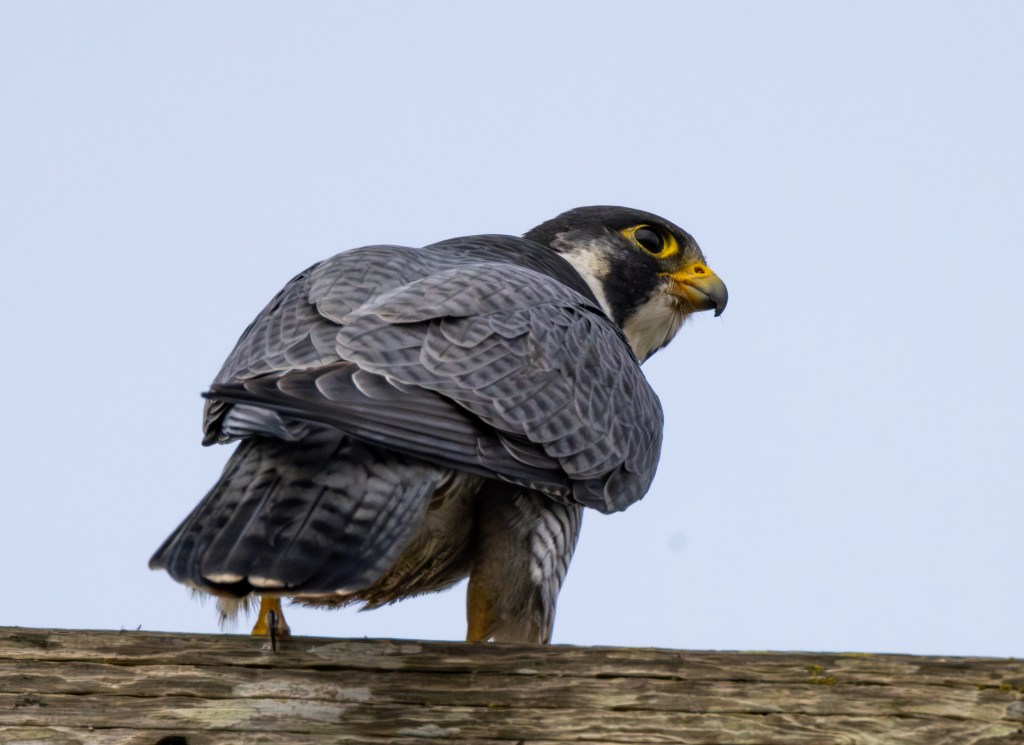
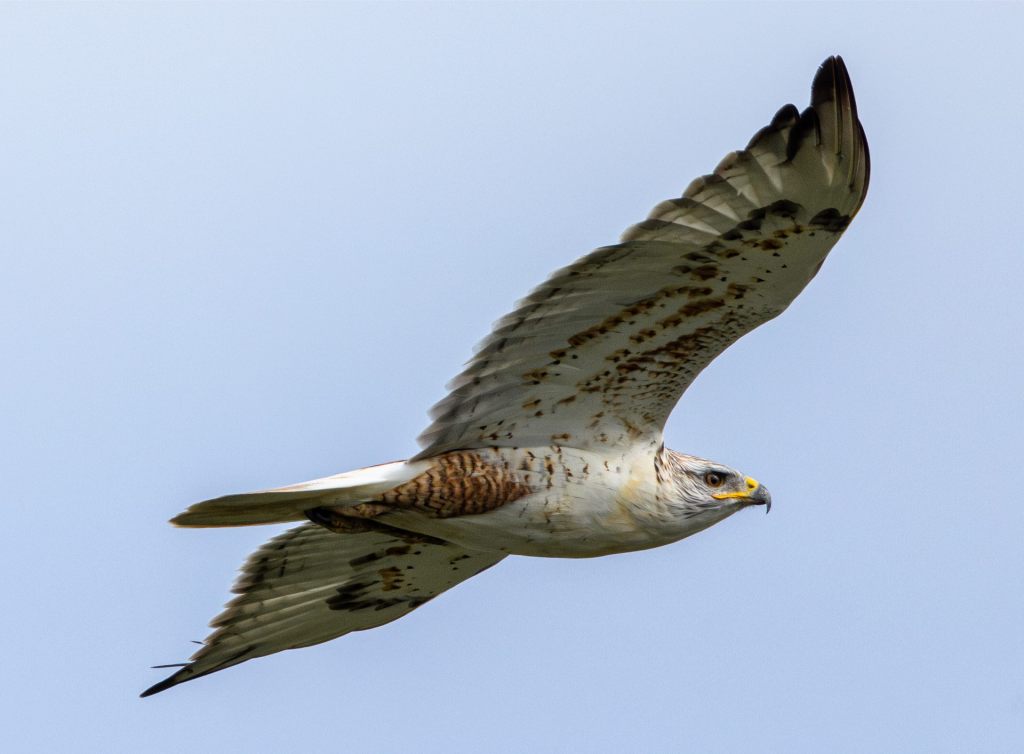
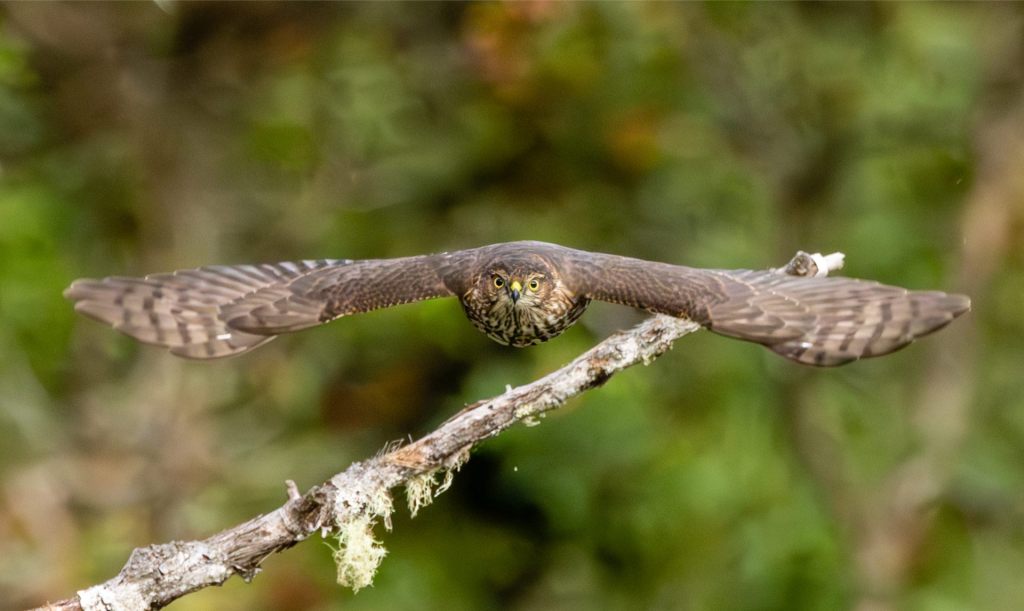
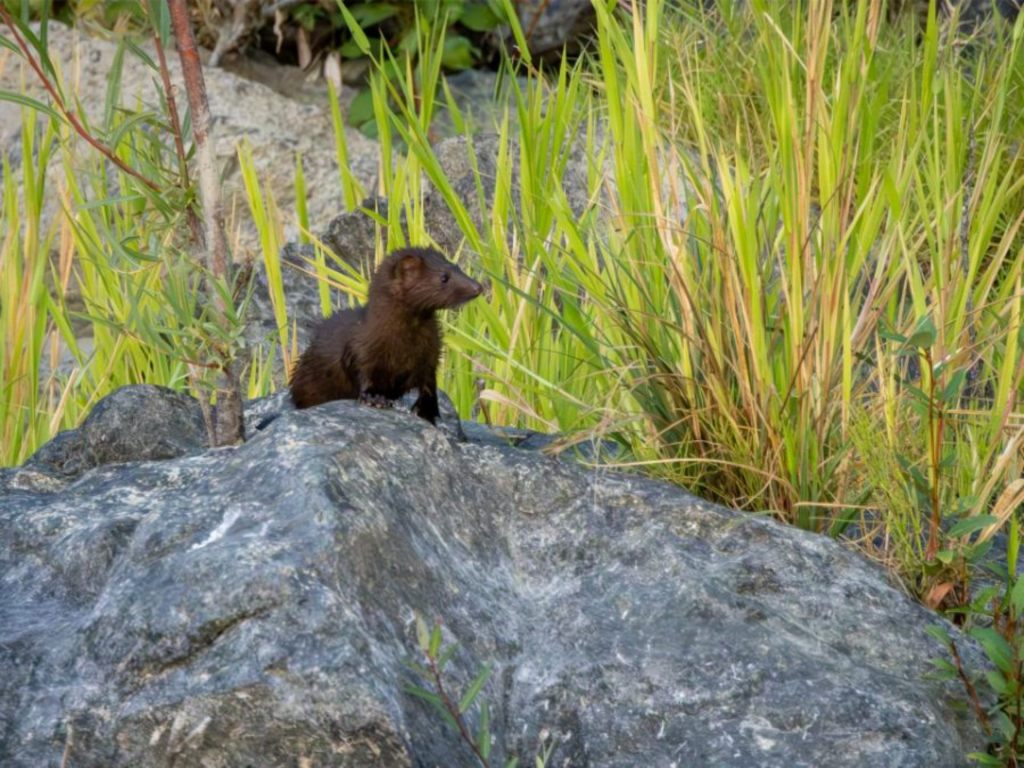
Canada Goose mother with 3 of her 4 goslings.Western Meadowlarks are singing loudly these days. They are ventriloquists who throw their voices and can remain quite hidden if you only see them from behind.Steller’s Jay puffed out for insulation on a chilly morning.Anise Swallowtail ButterflyTurkey Vulture solar panels deployedTwo American Minks swimming toward me as they start crossing the river. They were carried downstream and got out of the water and ran into some brush where I lost them. There were a few seconds of squealing from deep in the brush and then I saw one of them swim back across the river and never saw the other one again.Lone Mink swims back to the other side of the river.Red-tailed Hawk with small rodent prey, I think a vole. It seems to be a habit of red-tails to take their just-caught prey for a ride high up into the sky, circling around a time or two before leaving the area to consume it or maybe deliver it to a nest.Female Common Merganser between fishing dives.In a few weeks, she’ll likely have a brood of ducklings to tend to.Tree Swallows are usually the very first spring migrant I see, often the second week of March. They travel here from Mexico or Central America. Many go all the way to the Arctic to breed.White-tailed Kites nest in the community park. This pair seems to be doing a hand-off of a prey gift. White-tailed Kite hunting. Kites hover above the ground, scanning for prey. Rather than dive down head first with wings held in to increase speed as most raptors do, Kites float down with their wings held up and out.Young Black-tailed Deer starting to show the roots of antlers.Orange-crowned Warblers make one of the first sounds of spring, a high-pitched trill that you can start hearing in late March or early April. The exuberance of the song is expressed by the bird’s posture and the fluffed out feathers in front of the syrinx (voice box).Male Western Bluebird tending to his nest box at the community park.Tree Swallows and Western Bluebirds both use the nest boxes. Early in the nesting season there are minor skirmishes as territories are claimed.When Western Kingbirds arrive from their wintering grounds in central America, they tend to live up to their name and take over wherever they settle in to raise their families. Gregarious and conspicuous, their sputtery, bubbly voice is easily heard.Western Kingbird midair on the hunt. A member of the flycatcher family, Kingbirds catch insects on the wing.Western Kingbird with nesting material.Many of the big old oak trees at the community park are like Kingbird maternity wards as nests are built, incubation happens and then young and fledglings must be fed. Males and females share in the work of raising the inevitably rowdy kids.One of many wonderful things about April is that some of our wintering birds are still here, even as our spring migrants begin to arrive. This Lincoln’s Sparrow will travel as far north as Alaska to breed.This Golden-crowned Sparrow will also be leaving soon to breed in the north, from British Columbia to Alaska.This was the first Northwestern Pond Turtle I saw this spring. They burrow into the ground during the winter away from the water and slow down their metabolism in a kind of semi-hibernation. This one is probably a male with that long tail.Northern Flicker, red moustache indicating it’s a red-shafted male.Female Western Bluebird with sow bug prey.Benbow Bald Eagle tending to a brand new eaglet in her brand new nest.Male Wood Duck made a brief,but still breathtaking appearance.All winter long you would never guess this was a Spotted Sandpiper because the spots disappear in the winter. This bird is in its fresh breeding plumage.Pair of California Condors seen near Orick, part of the recent Yurok Tribe project to restore them to their native range.









 Free Range Photography
Leave a reply to deliciouslyfc5ff86ae8 Cancel reply