I’m not sure what it is about vultures that makes them so appealing to me. It’s probably more than a little anthropomorphic that when I look into their eyes I see a gentle but profound wisdom. Their niche in the web of life is undeniably beneficial for its contribution to nature’s cyclic housekeeping, and the sense of renewal that comes from death being transformed into life is comforting, especially to an aging mind and body.
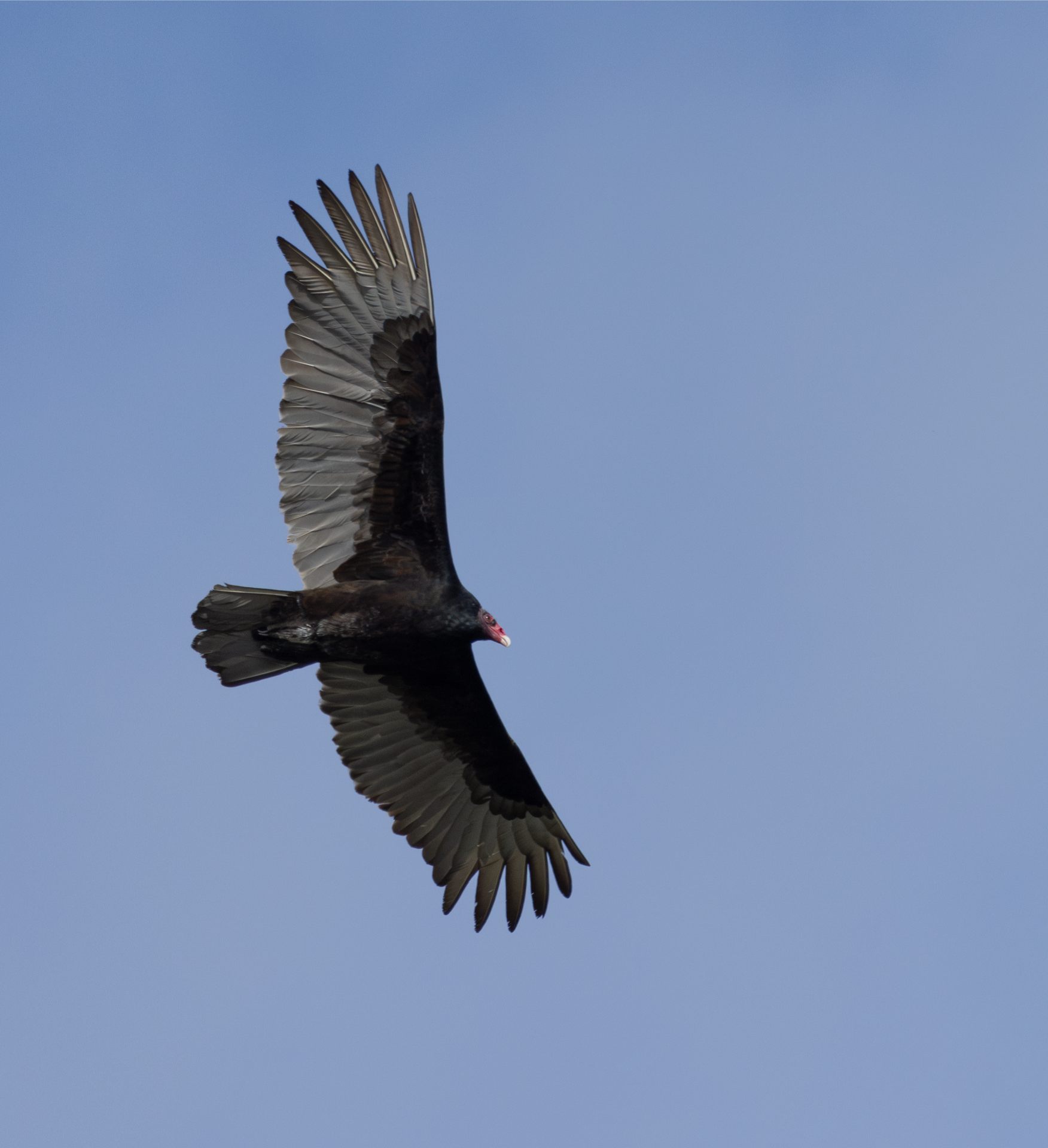
Turkey Vultures gliding overhead are a common sight around Humboldt. Watch for their signature tipping from side to side, which I’ve read helps them determine their distance from the ground.
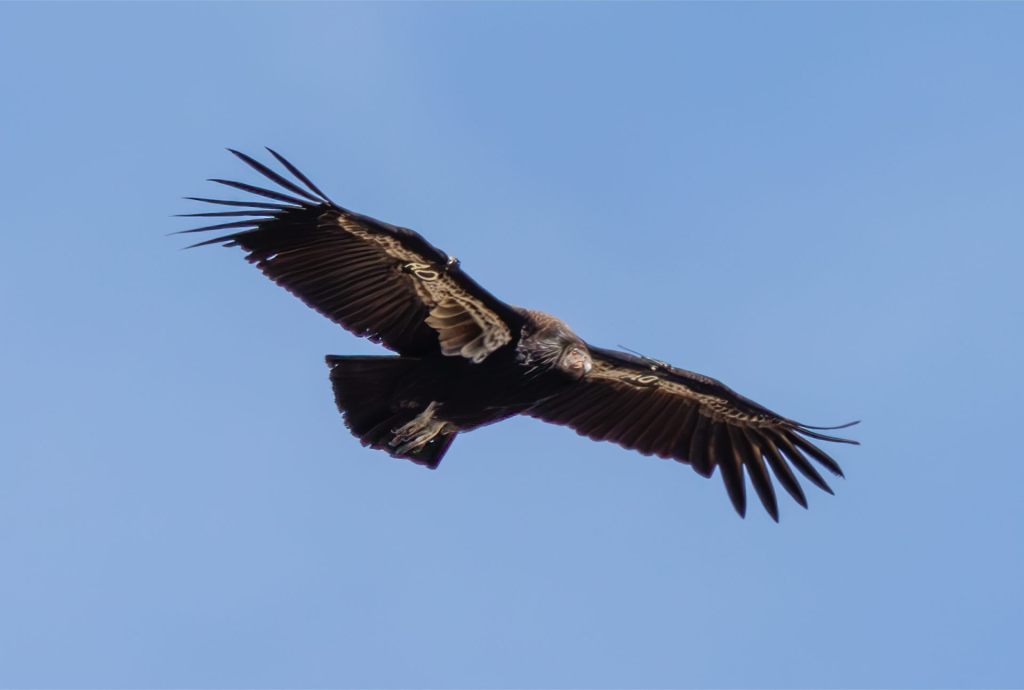
I’ve been lucky to live for over 50 years where Turkey Vultures are common and easy to observe. It’s been a remarkable coincidence that during my life the California Condor has been rescued from extinction and that northwest California was chosen to be one of the regions for the re-population of this gigantic species thanks to the dedication of the Yurok Tribe, whose people hold these birds in the highest regard. And thanks to privilege, I’ve been able to be thrilled to observe a couple other species of vultures on my travels.
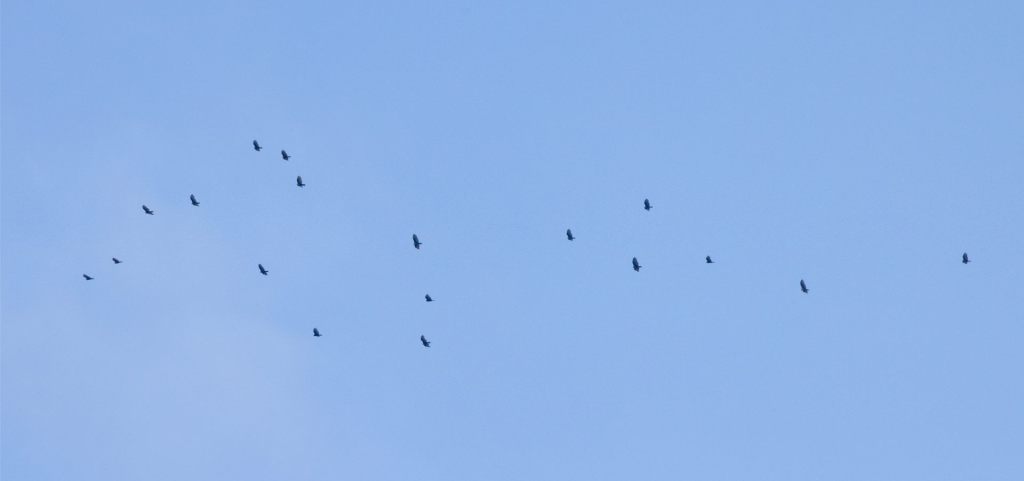
Tureky Vultures migrating south from Humboldt for the winter. When I was a kid, vultures disappeared from Humboldt every winter. It was a sure sign that spring was coming when the first one was spotted, in late February or early March. Now a large number stay in Humboldt all year. This group might have been migrating from further north.
Because work and weather have conspired to prevent me going out with my camera for a few weeks, I thought I’d share a few pictures of the vultures I love.
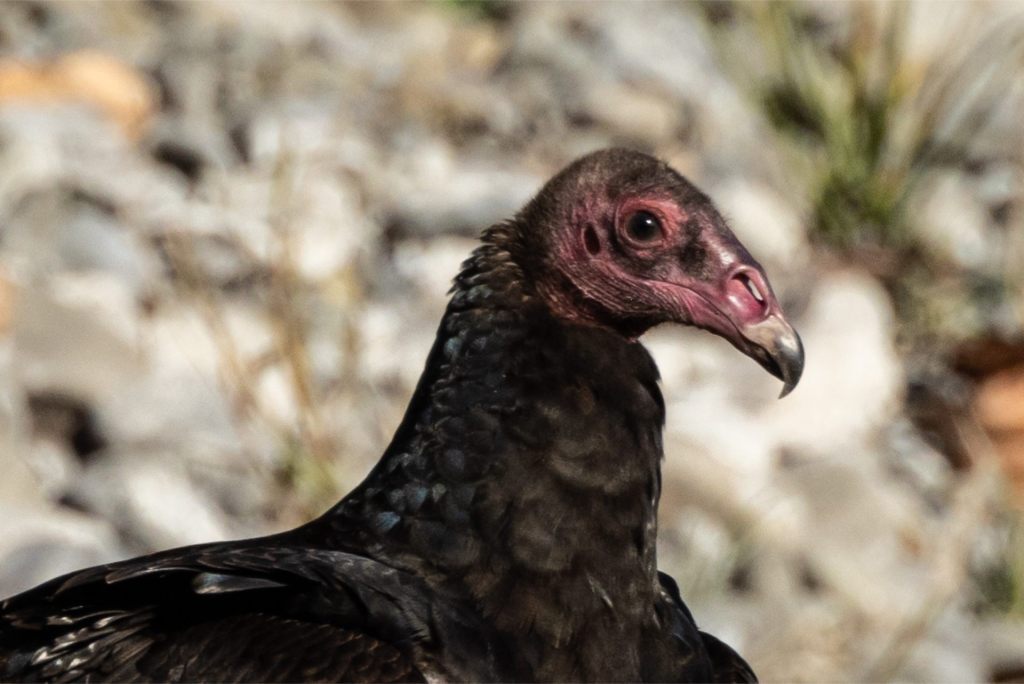
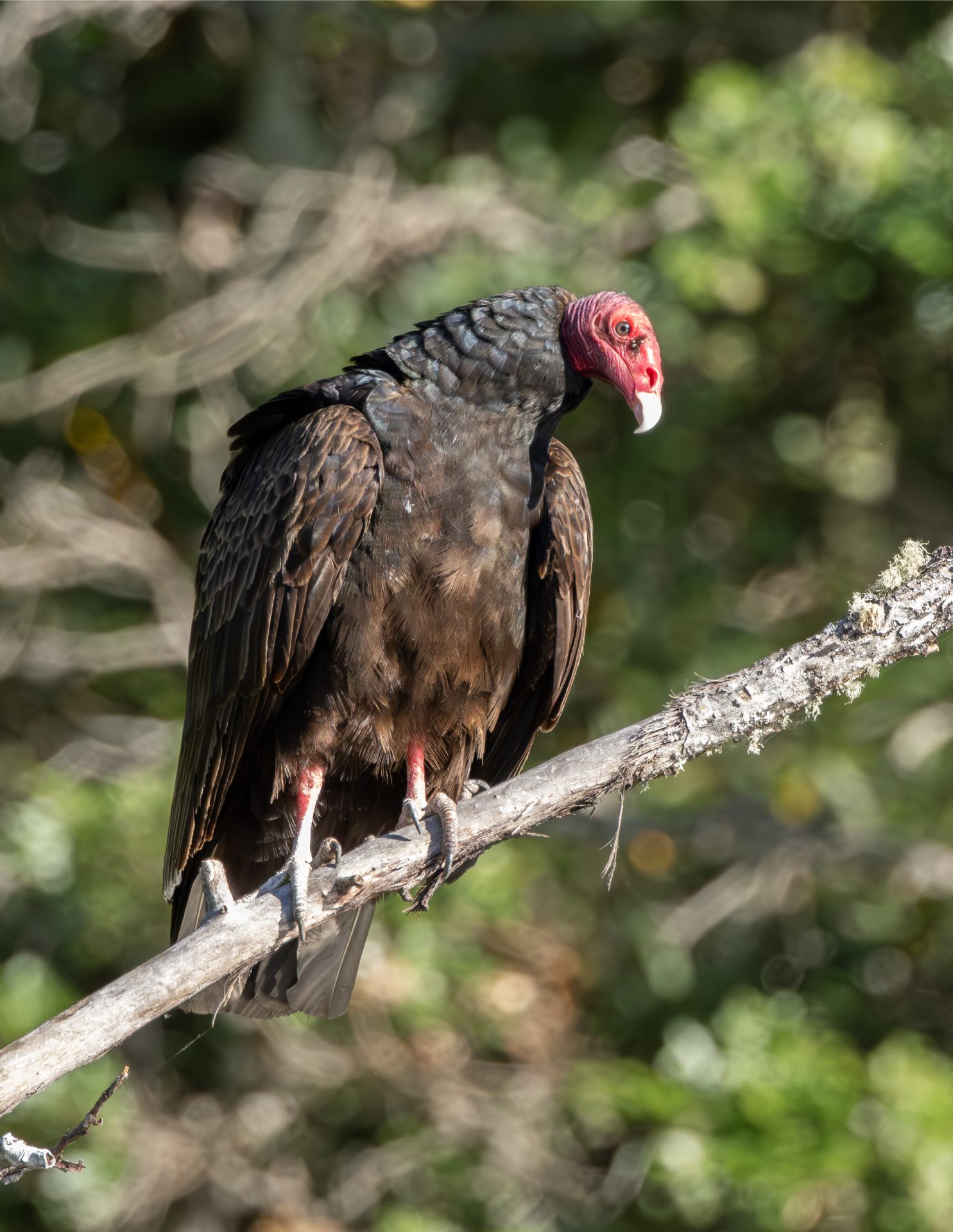
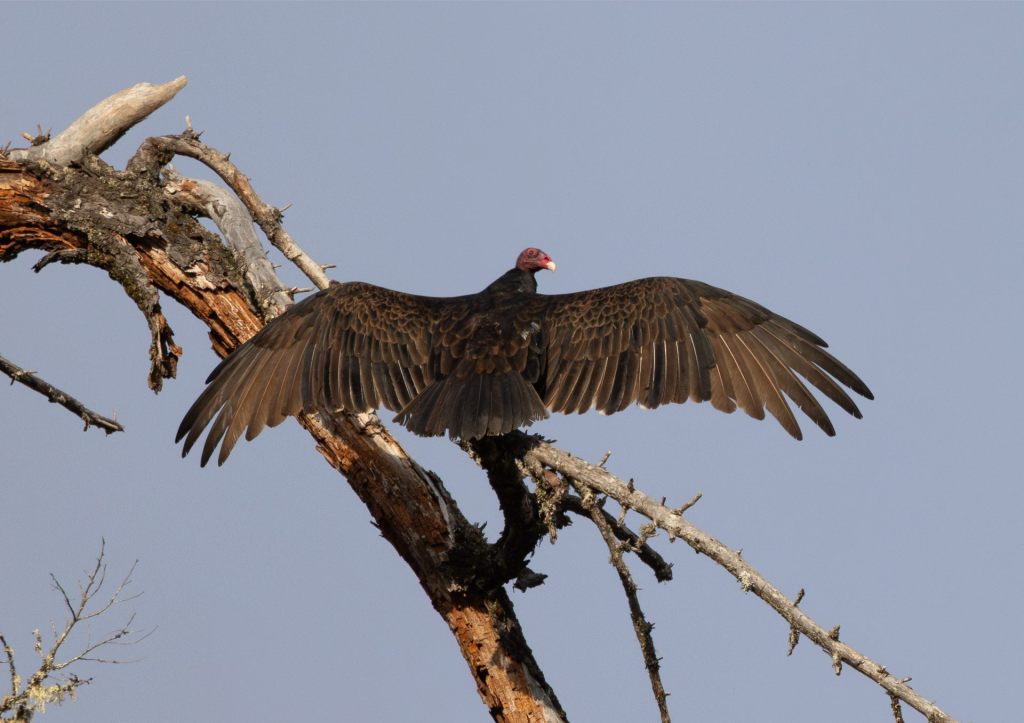
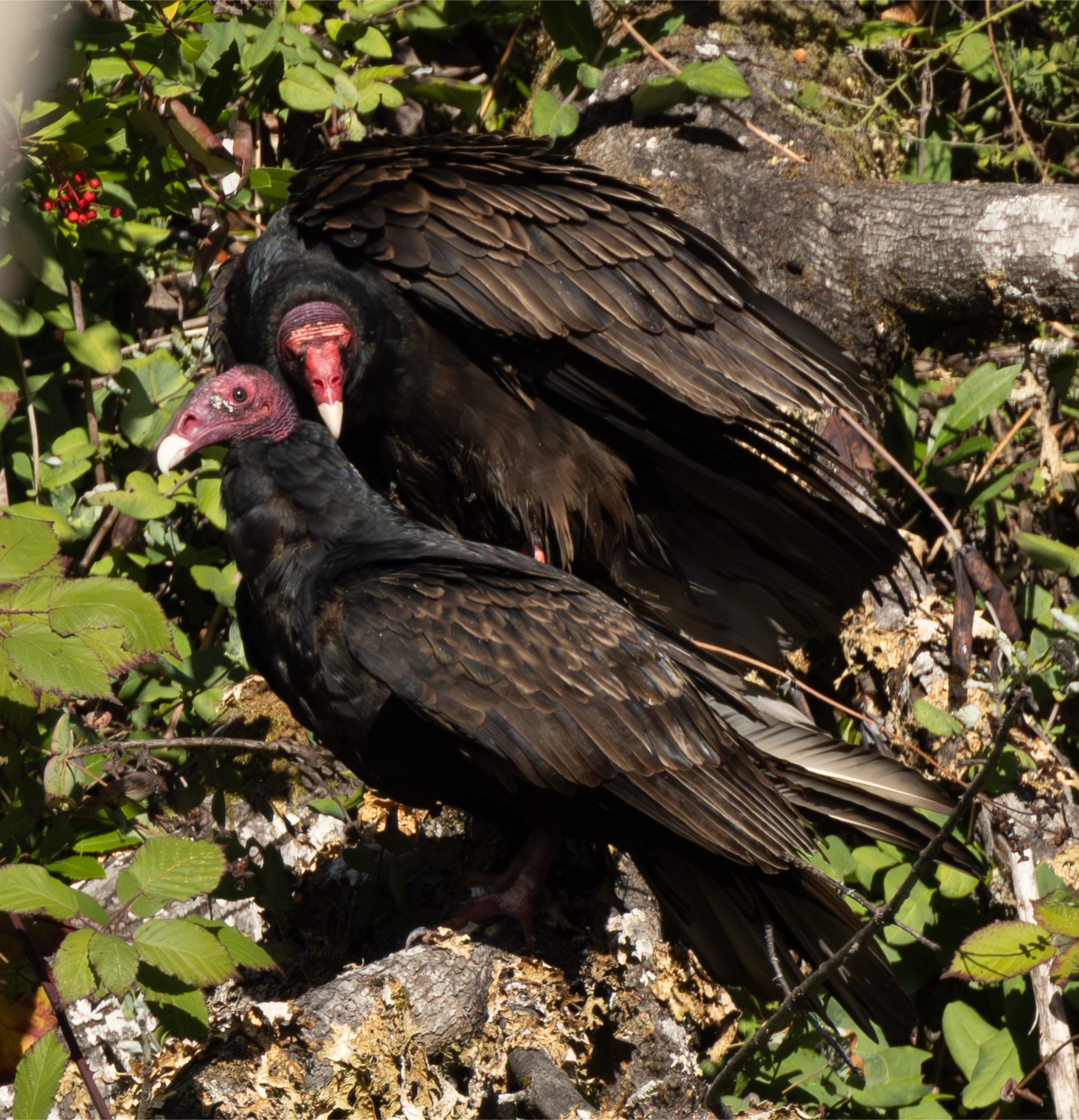
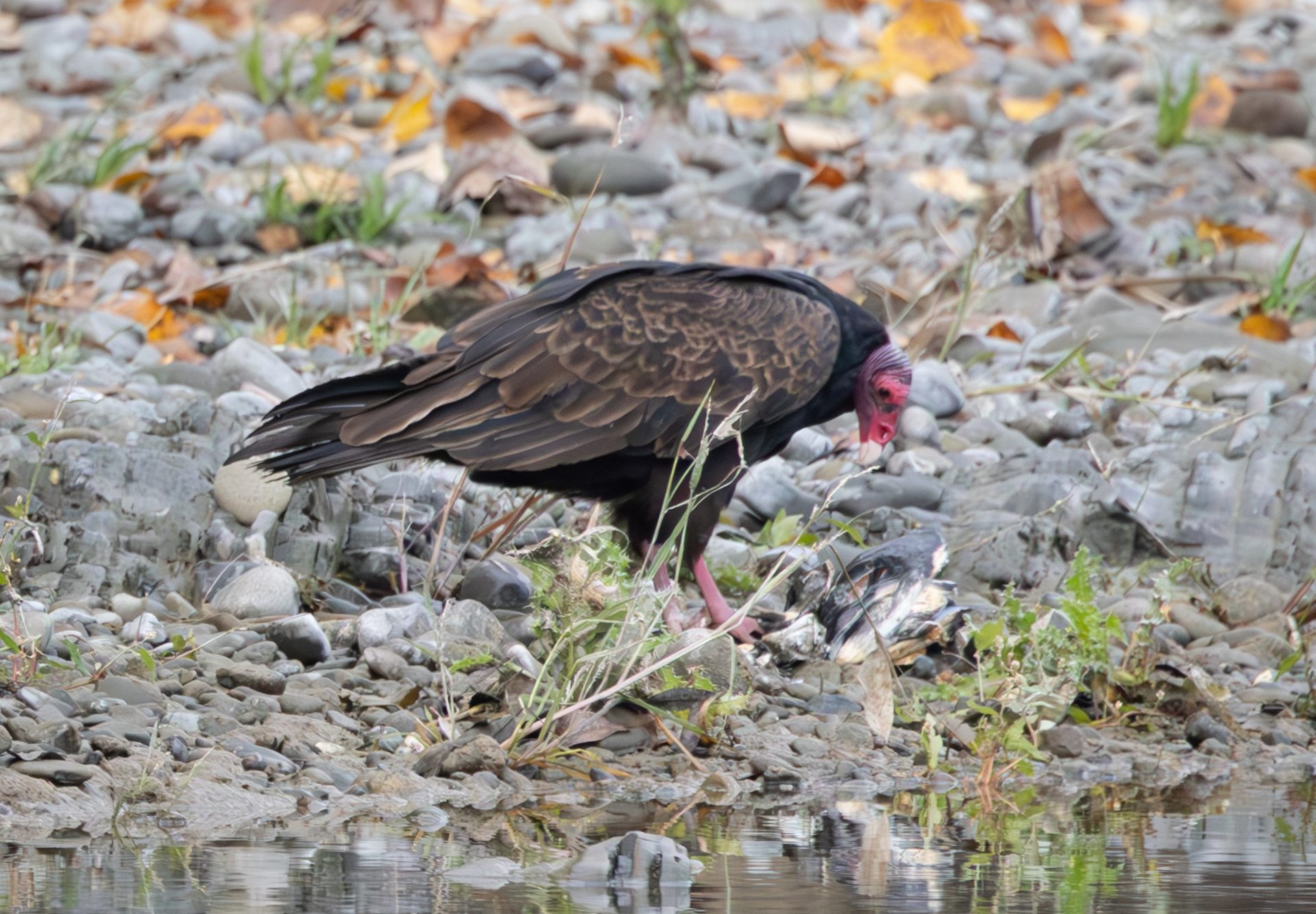
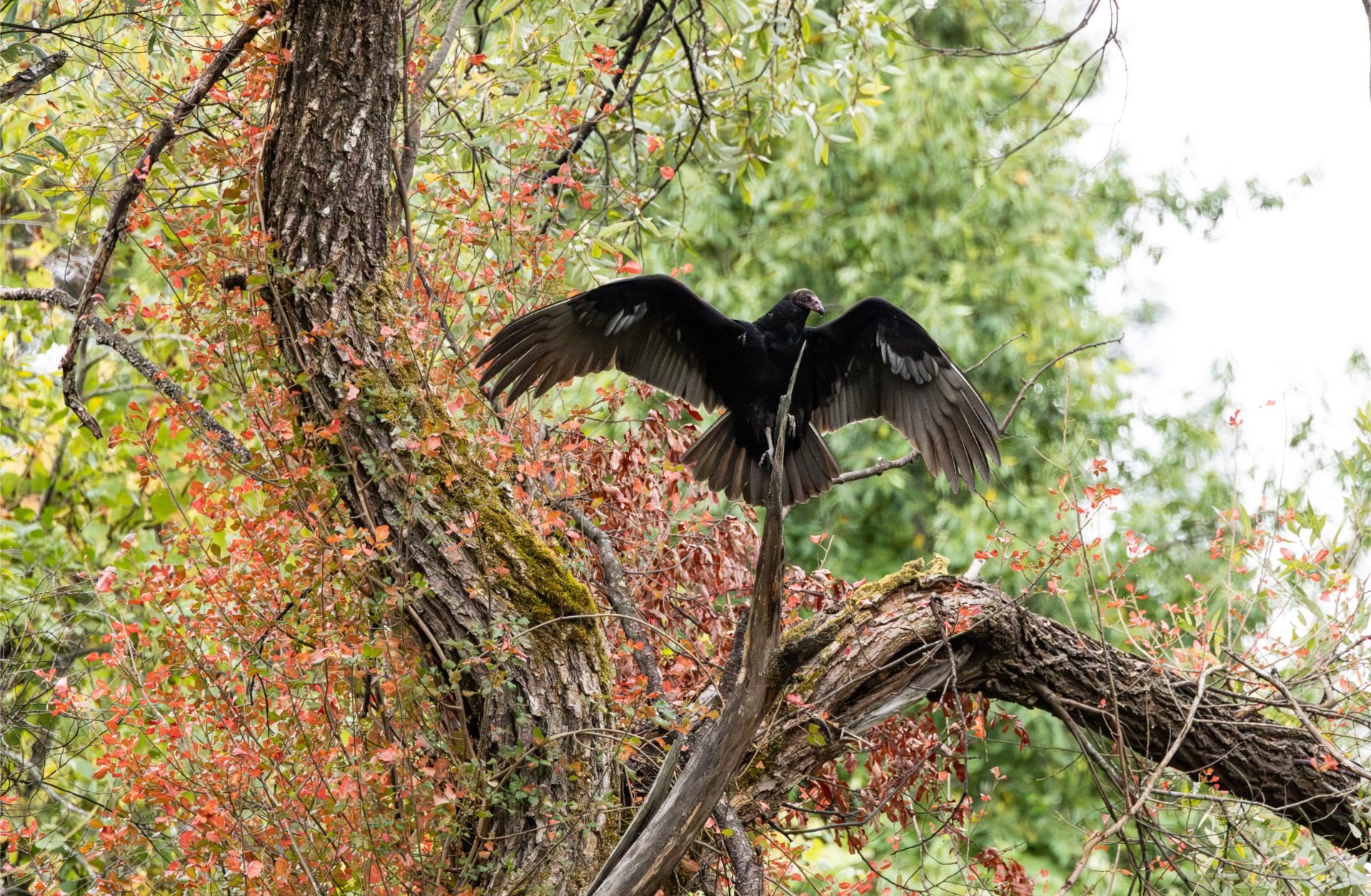
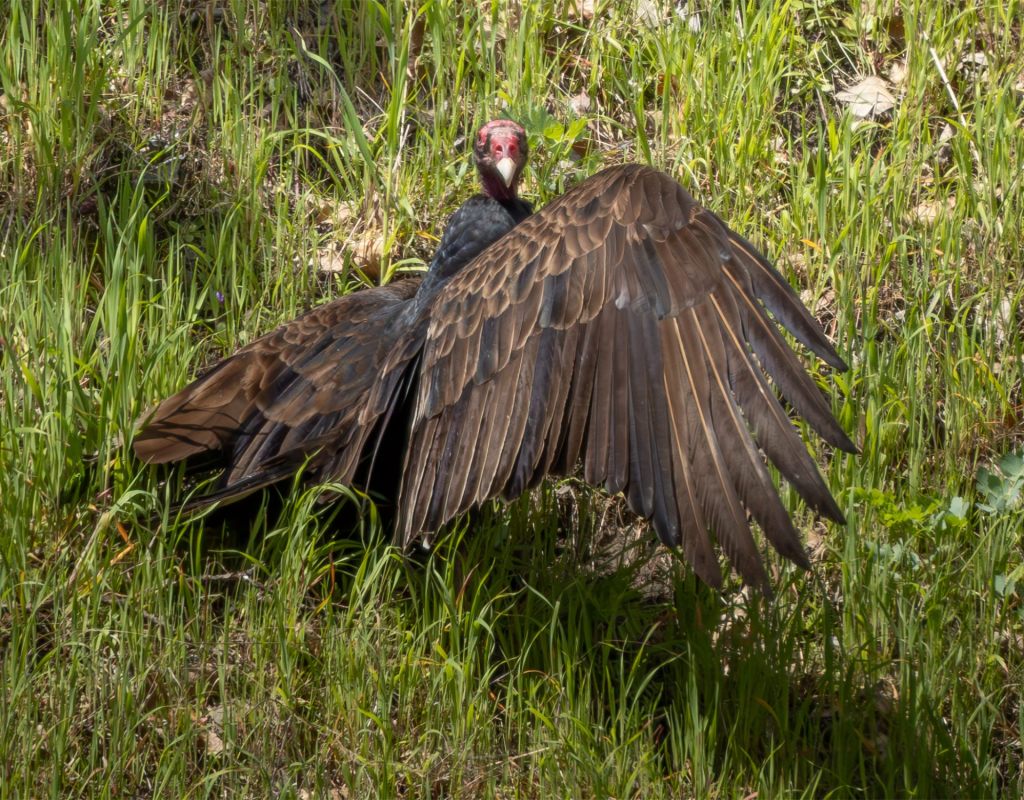
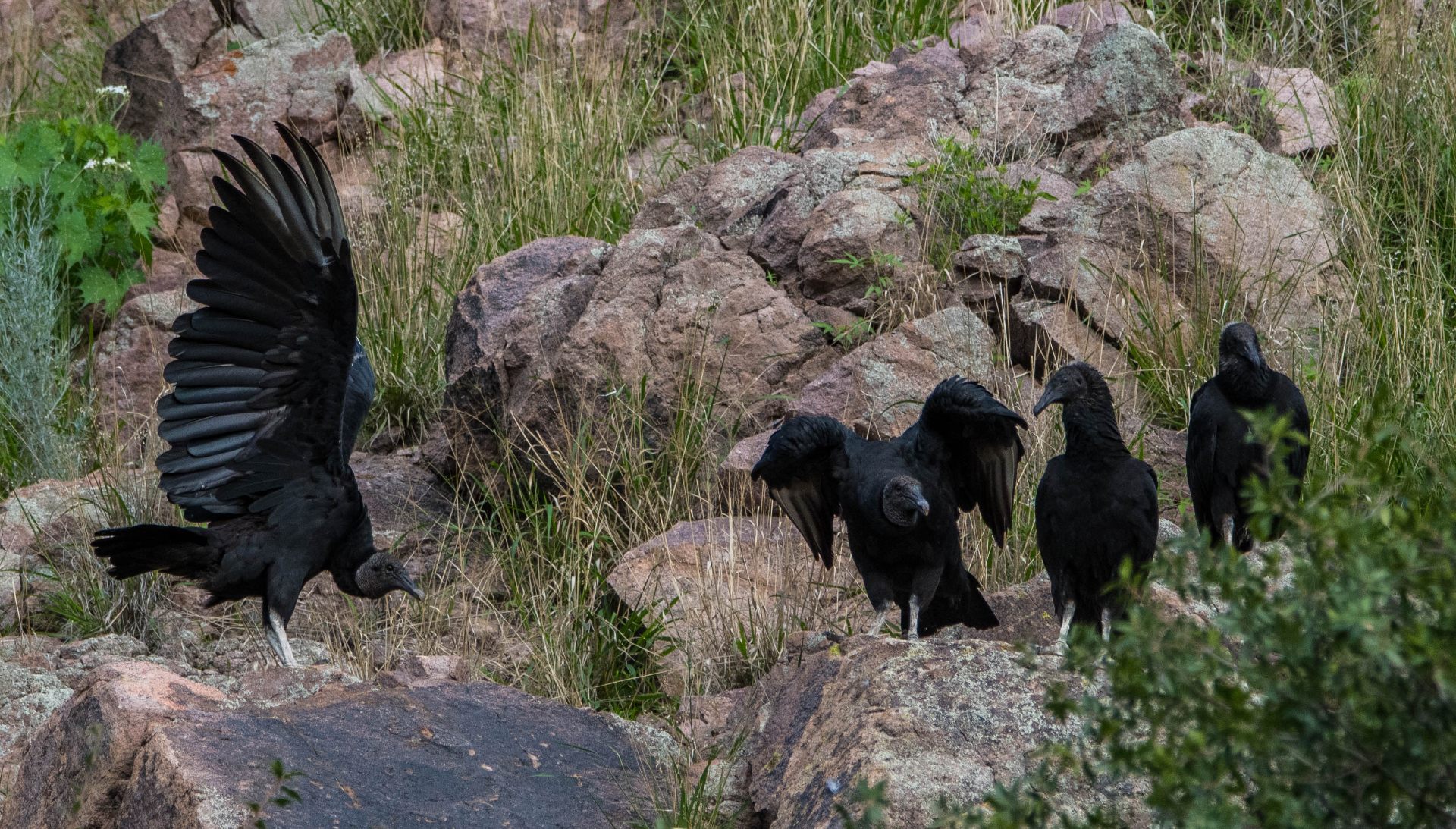
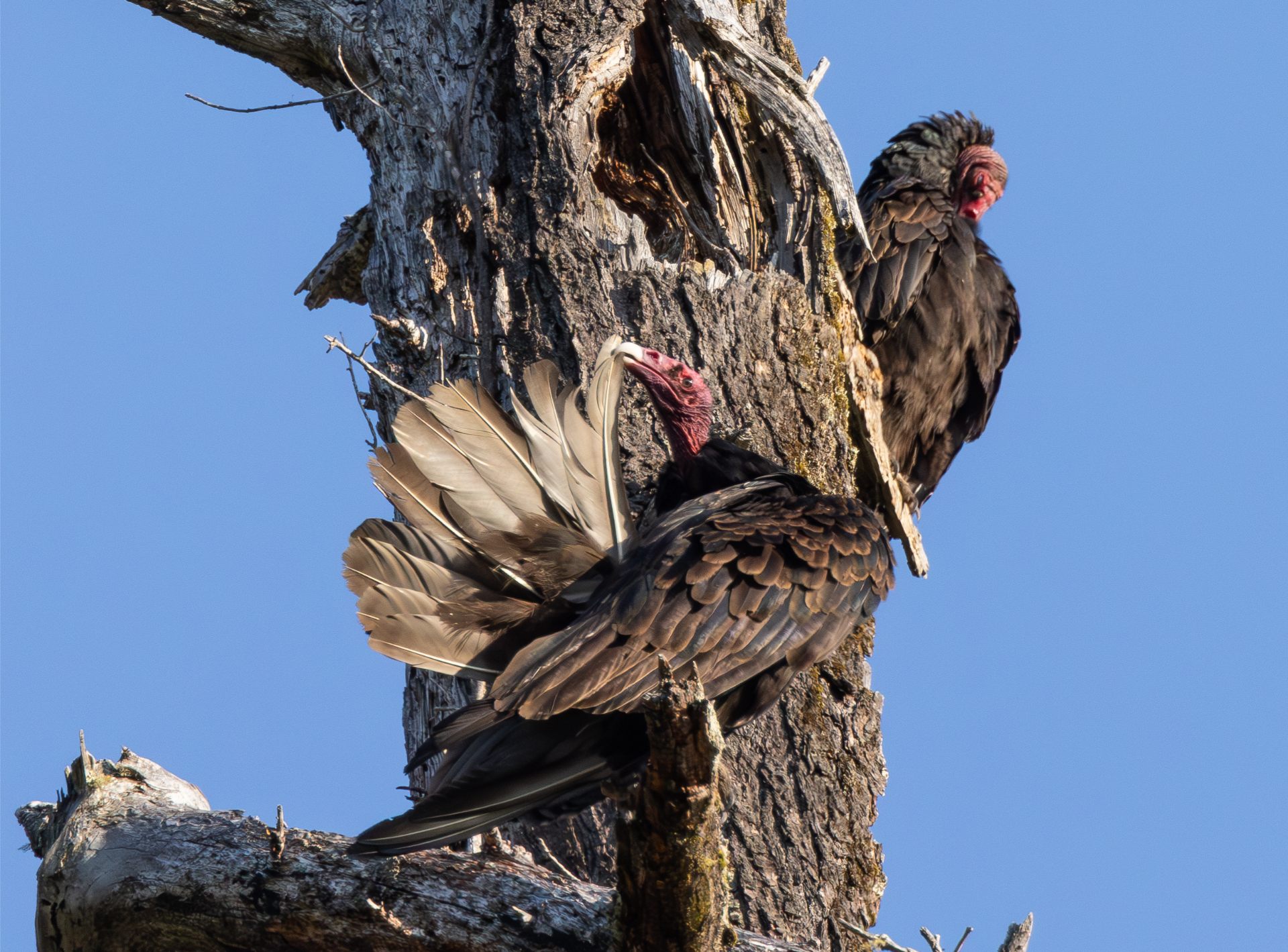
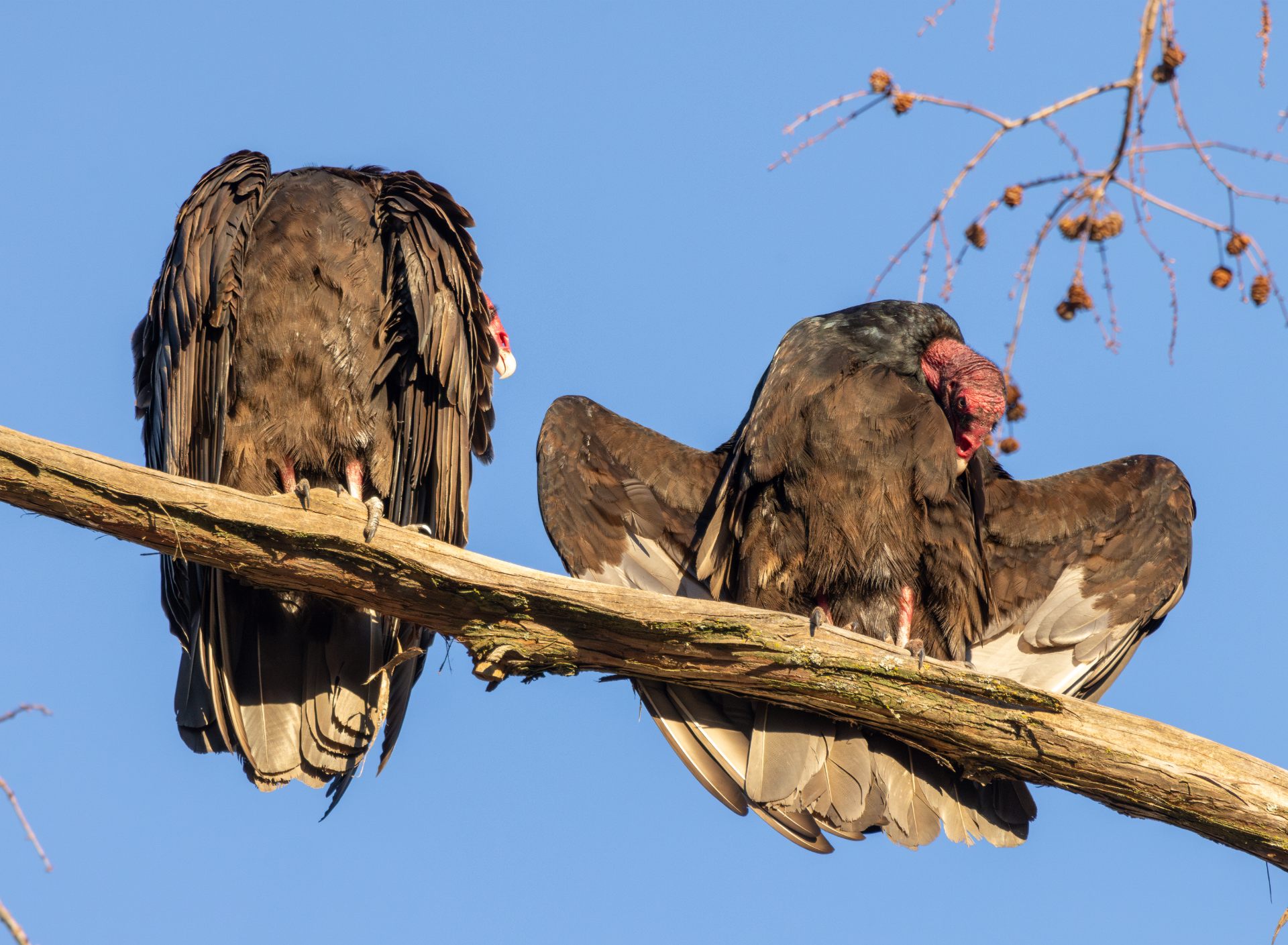
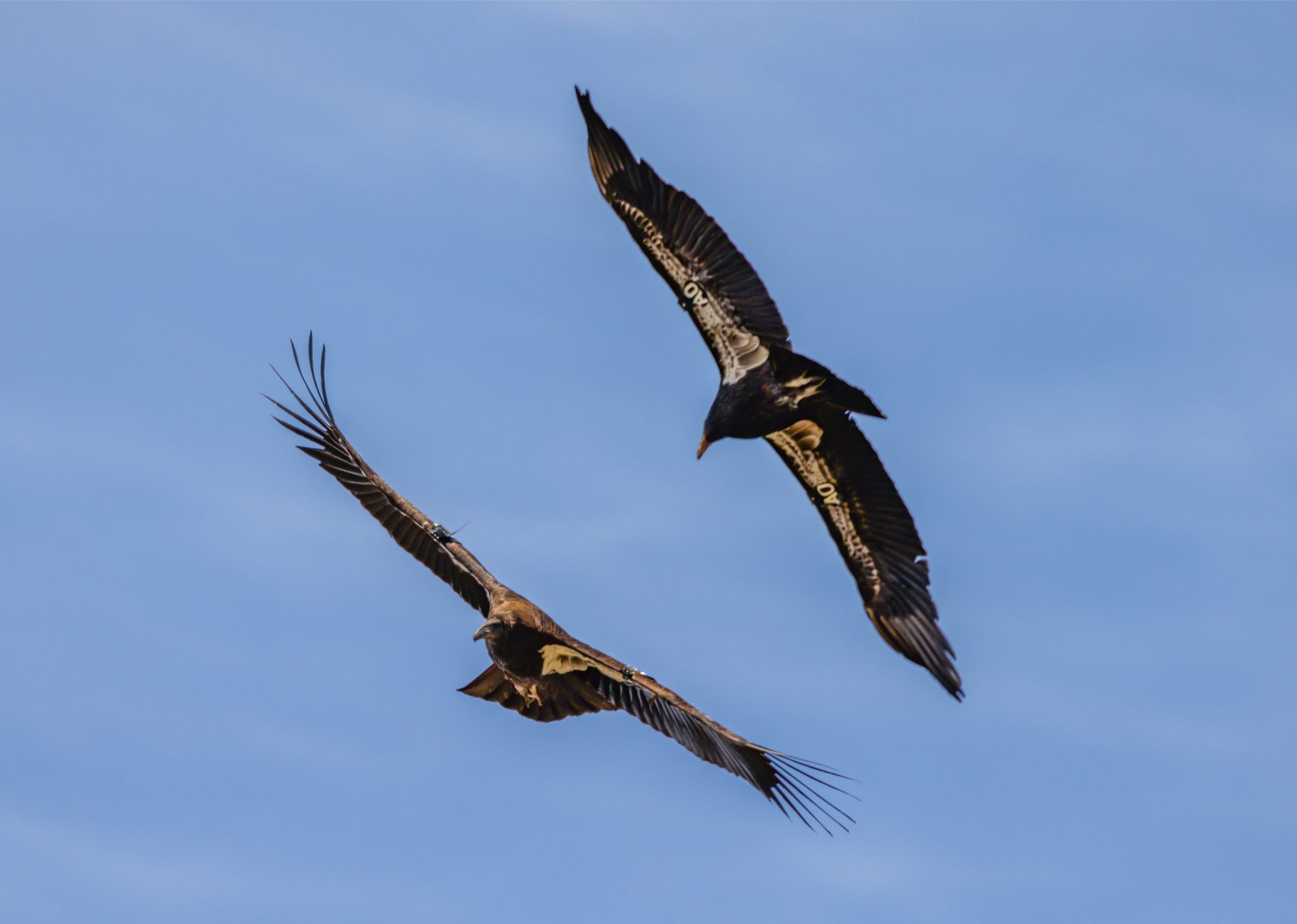
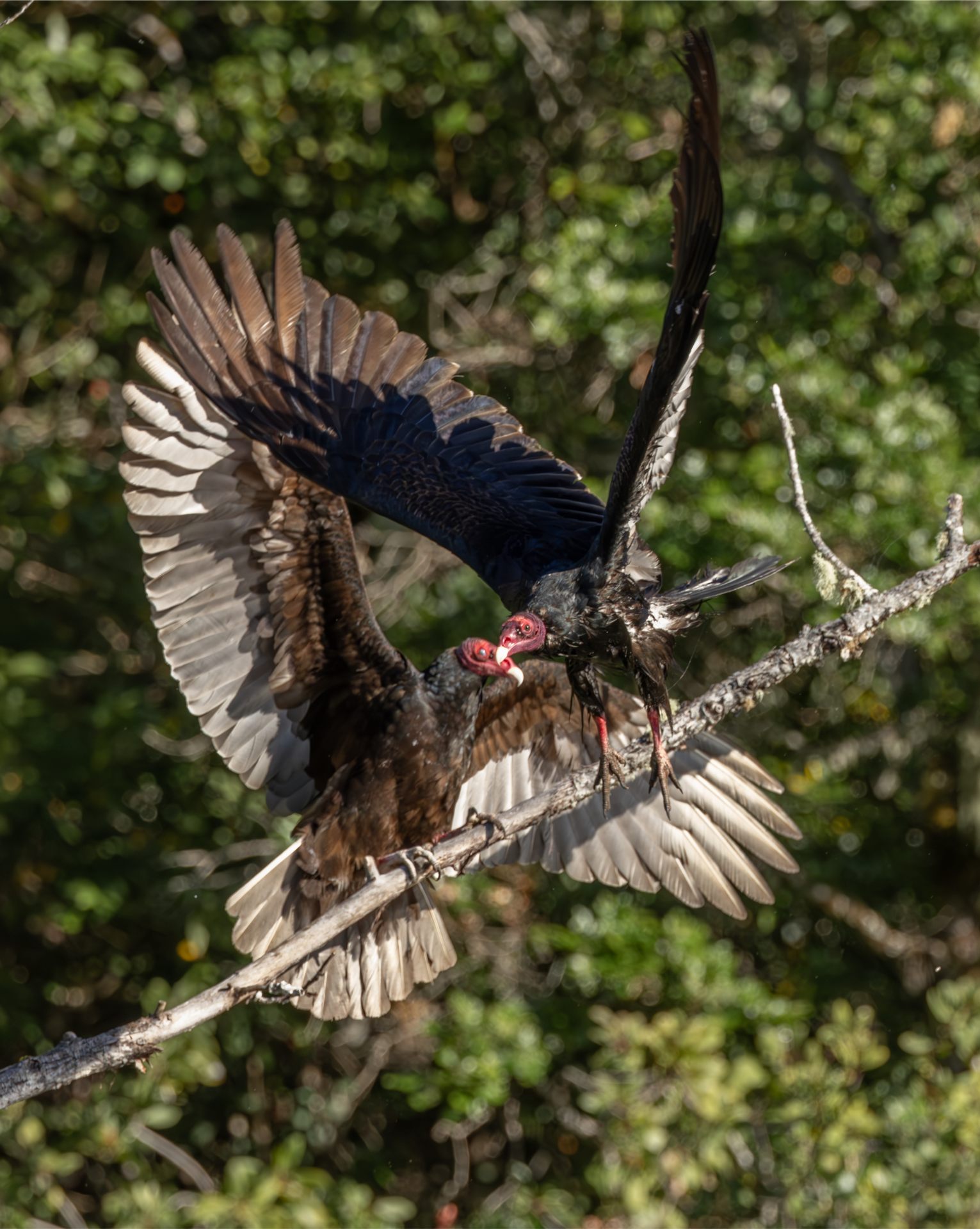
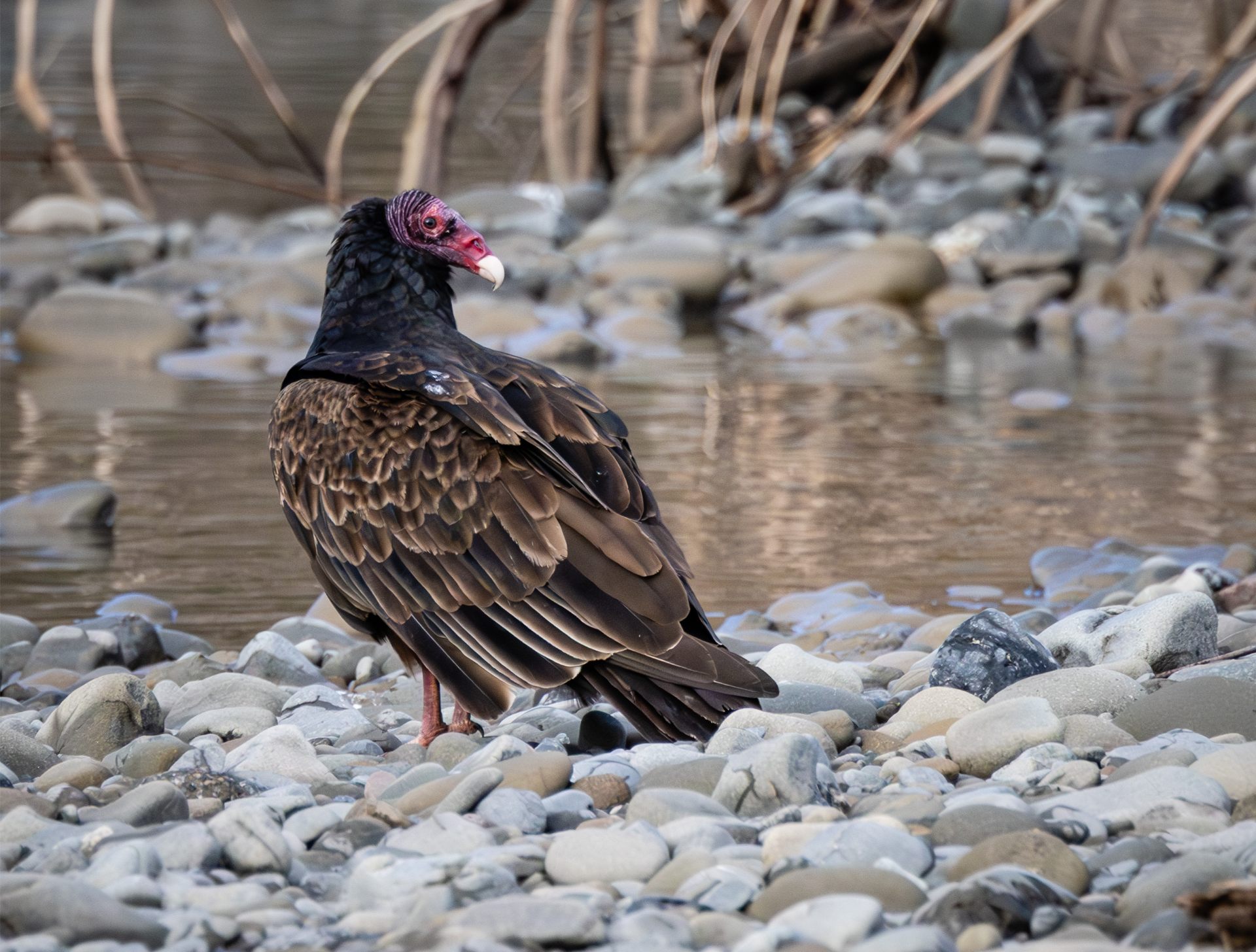
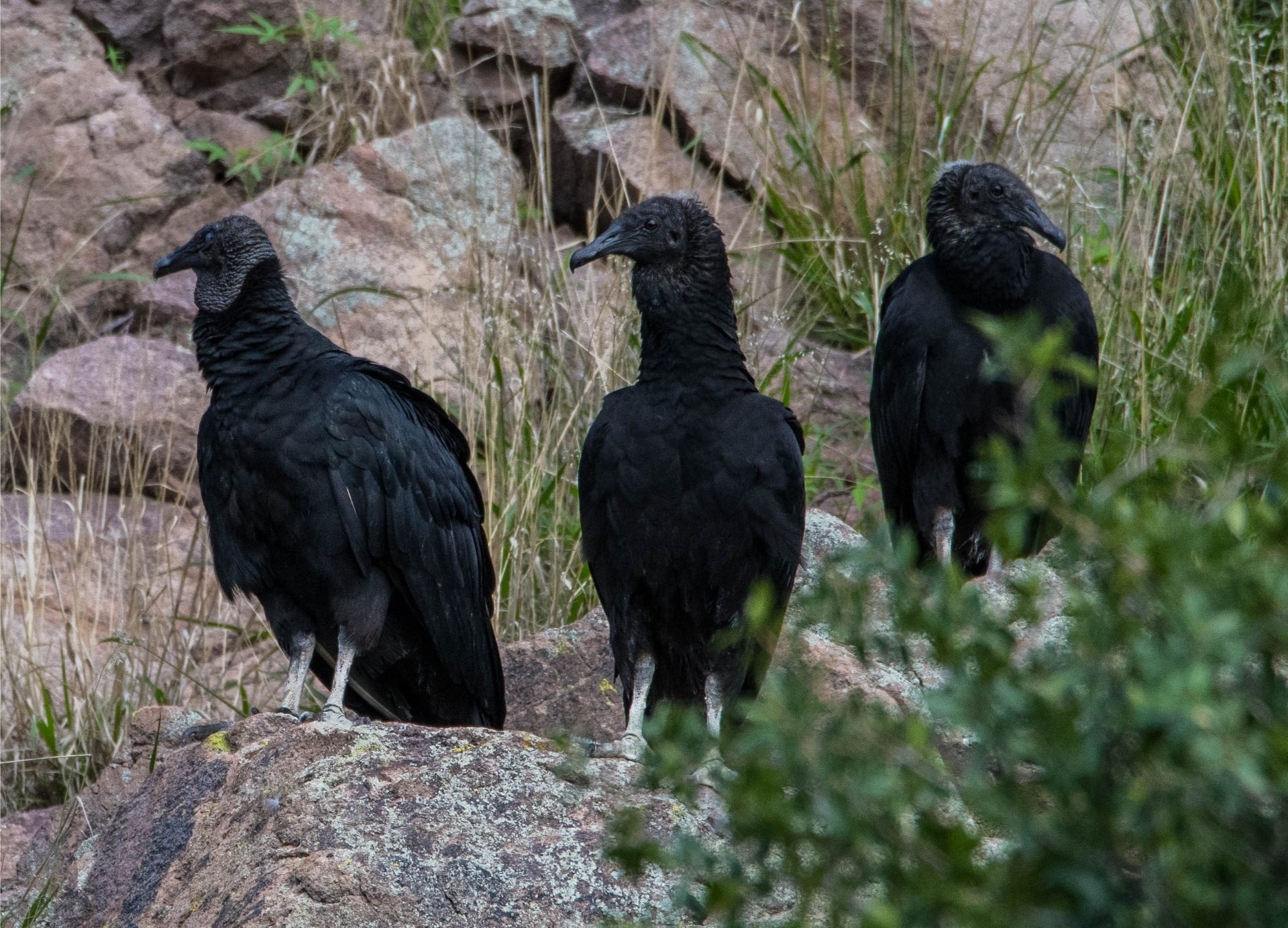
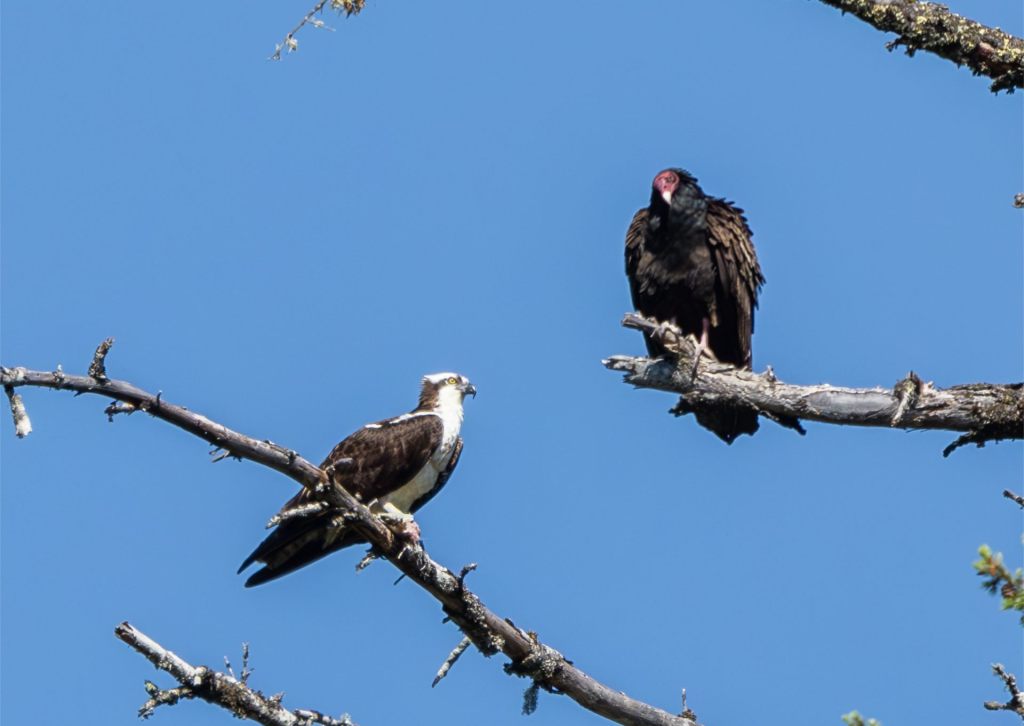
This is a common sight on cool clear mornings, Turkey Vulture using its great wings like solar panels to collect the sun’s warmth.Turkey Vulture pair. I’ve never seen a nest, but have read that they can usually be detected by smell long before they can be seen.Turkey Vulture feeding on expired salmon along the South Fork of the Eel.California Condor soaring over the Redwood Creek watershed, one of many reintroduced to Yurok land. Numbered tags and tiny radio transmitters tell human members of the project’s support team where the birds are.Immature Turkey Vultures have gray heads instead of pink, and longer flight feathers to support lift while learning to fly.Catching some rays.Turkey Vultures are social creatures, often feeding or resting in groups.Black Vultures range from the southern US through much of South America. These were seen in Southern Arizona a few years back.Turkey Vultures resting and groomingA couple times a year a few Turkey Vultures visit my backyard and stand on exactly this branch to do a bit of preening.California Condors showing two different flight techniques, the lower one exhibiting the magnificent “fingers” of the wing tips spread open, the upper one with those fingers drawn together. The Yurok people hold these birds sacred as they are believed to carry prayers to heaven.I rarely see any kind of aggression among Turkey Vultures, but there was a brief kerfuffle over the right to perch on this branch. This is a 45 year-old scan of a photo of Himalayan Griffons feeding on a fallen horse on the Annapurna trail in Nepal, 1980. Old World vultures are not closely related to New World Vultures and are an example of evolutionary convergence which happens when unrelated species develop similar traits and occupy a similar niche on otherwise divergent evolutionary paths. While cautiously moving past them on the trail, I heard one of the traits Old World vultures possess that New World vultures do not: a voice registering mild disapproval that the meal was being interrupted.Turkey Vulture alongside the South Fork of the Eel. I have to admit that Black Vultures come a little closer to what we typically would think of as cute.This Osprey is clutching the last of its breakfast catch and is watched closely by a Turkey Vulture who seems to be saying, “Are you gonna finish that?”
Two-minute video of California Condors soaring over the Redwood Creek watershed. Infinite thanks to the Yurok Tribe.
The ranger programs at the parks teach about the benefits of being scavengers. They remove pathogens and toxins because they eat carrion before it decays.




 Free Range Photography
Leave a reply to scented0ebd97cdbc Cancel reply