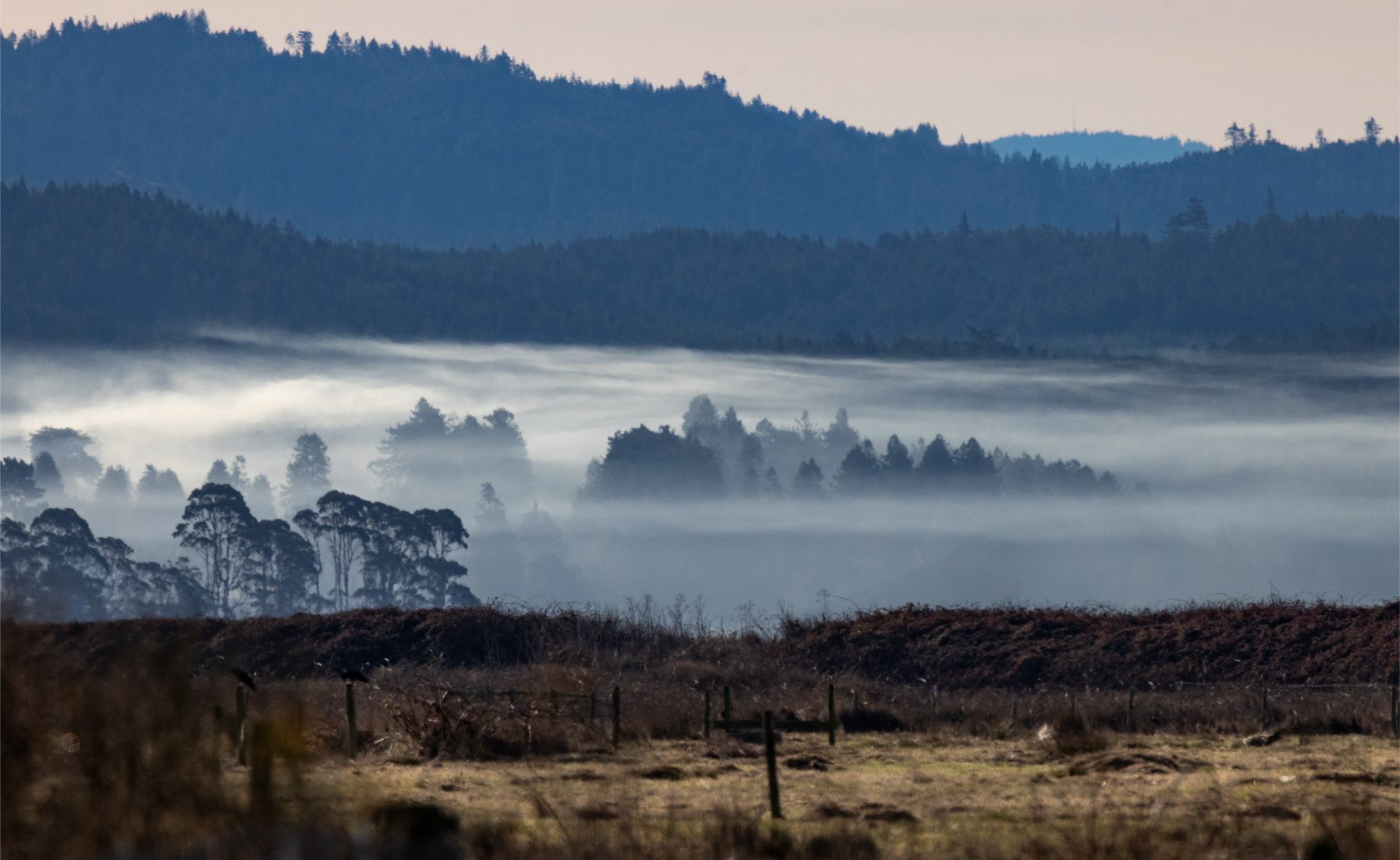
You may have heard the term “bottoms” used locally around Humboldt, referring to lowland areas along California’s north coast where a body of water generally moving slowly downhill toward the ocean in serpentine curls through a broad low-lying expanse of land may at high tide reverse its course, forcing the flow inland via liquid tentacles called “sloughs”.
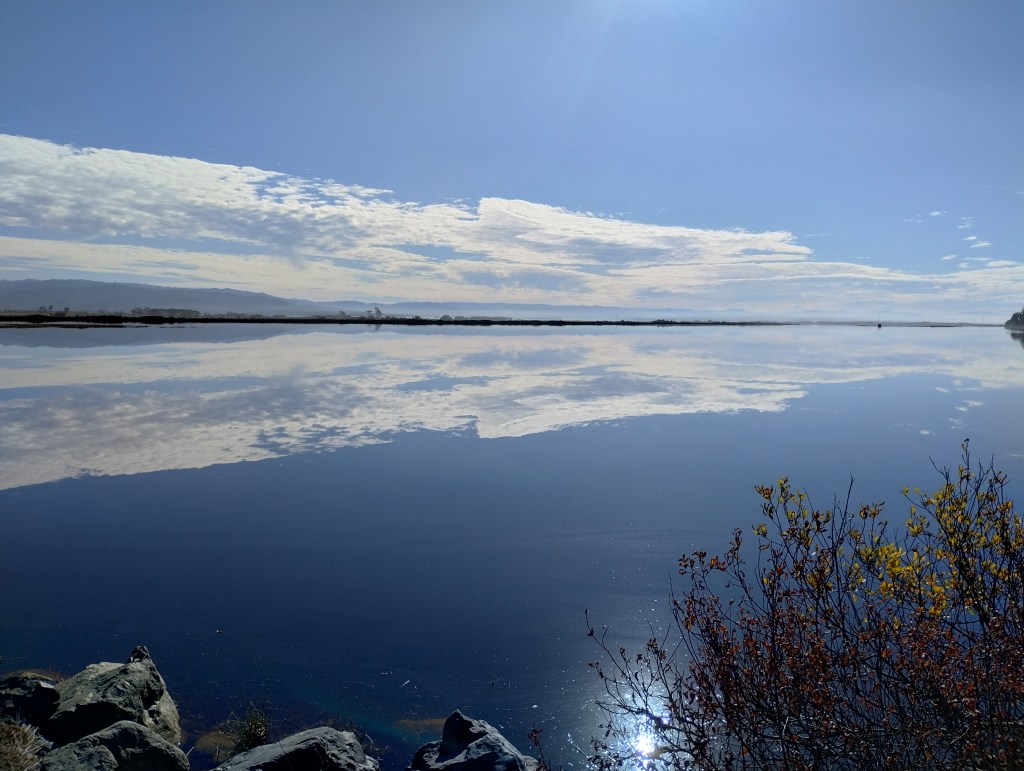
Bottoms and sloughs lying in our broad alluvial plains form a system of ebb and flow providing plenty of rich habitat for birds, both resident and migratory. Shorebirds, waders, and ducks take advantage of the tidal rhythms for their feeding habits, and so do the various raptors that like to eat them. Gulls patrol the area opportunistically, and plenty of songbirds fill the vegetation and trees lining the waterways. For a birdwatcher, time spent in the bottoms of Humboldt can turn out bountiful days of sightings.
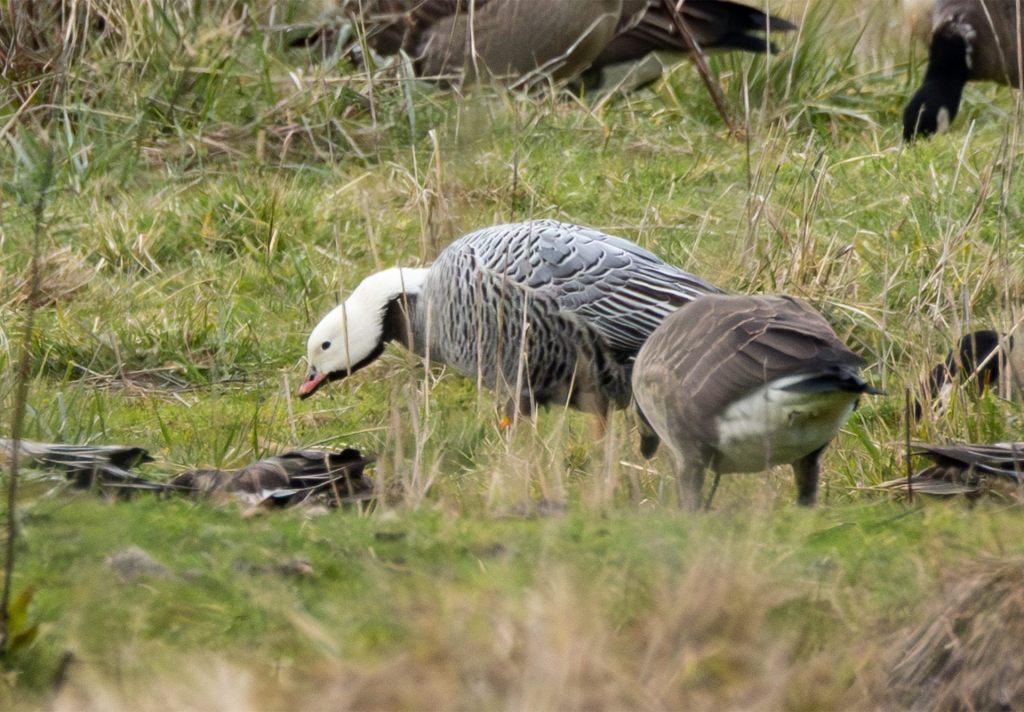
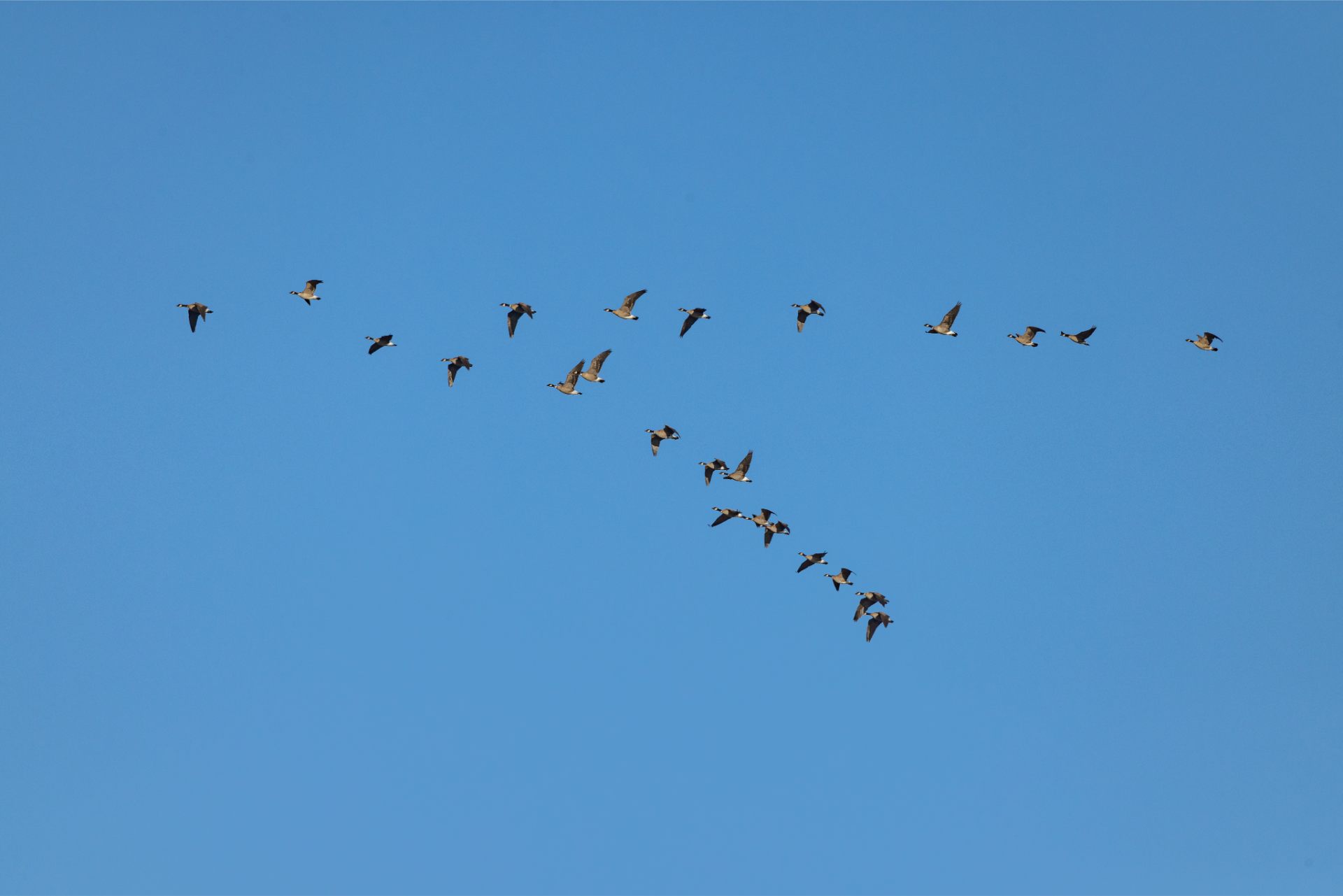
December visits to the Ferndale, McKinleyville, and Arcata bottoms turned up over 50 species of birds for my bird-loving companions and me, including one very special and rare visitor from the Arctic, an Emperor Goose. Found by local birder Greg Chapman Friday, November 29, the wayward goose stuck out like a beautiful sore thumb among the scores of Aleutian Cackling Geese feeding in flooded fields within earshot of the busy highway, even at a distance of a hundred yards from the closest viewing spot. Birders flocked in from all over to catch a look at the elegant being with its gleaming white head, jet black throat, and silvery gray intricately patterned body.

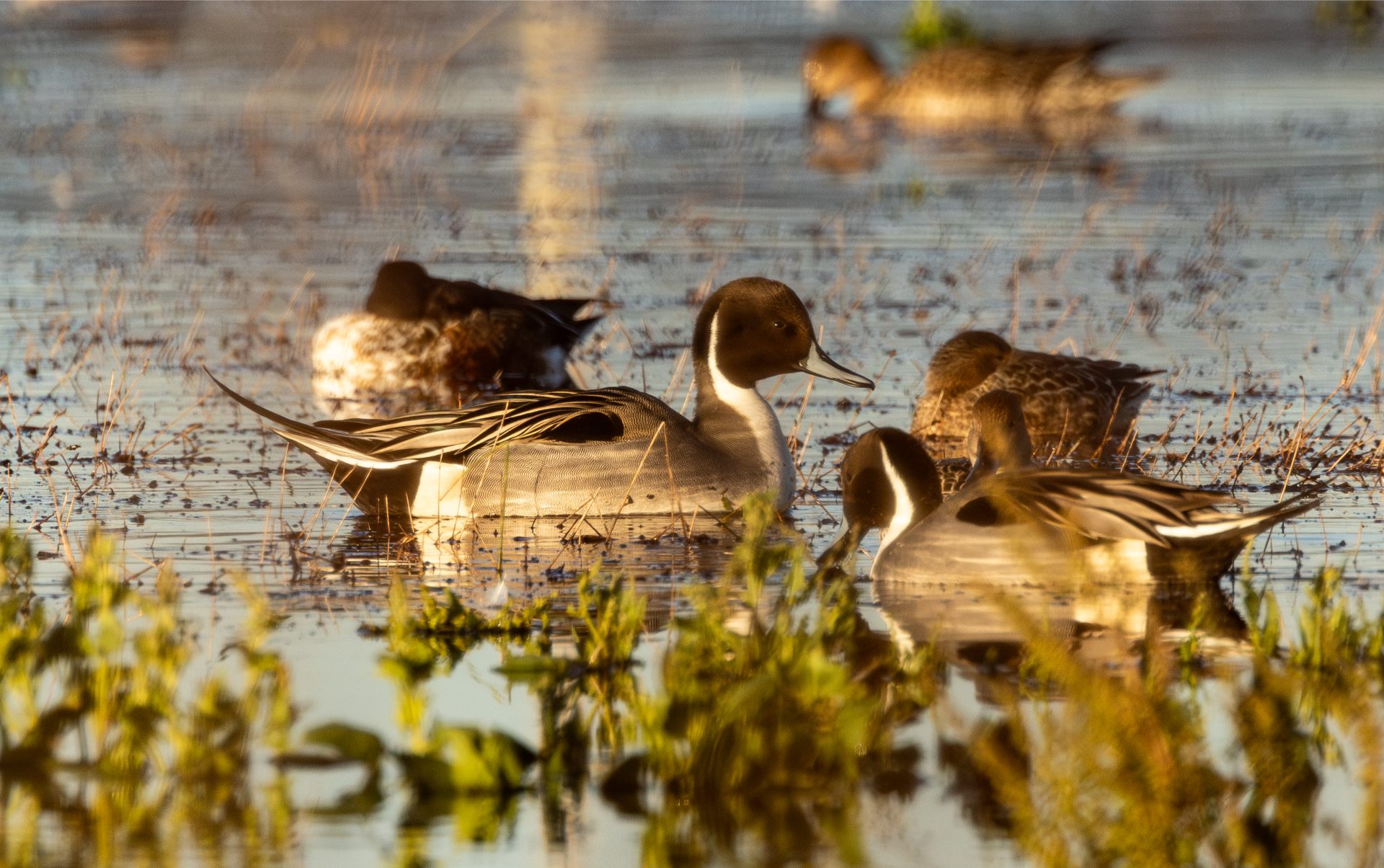
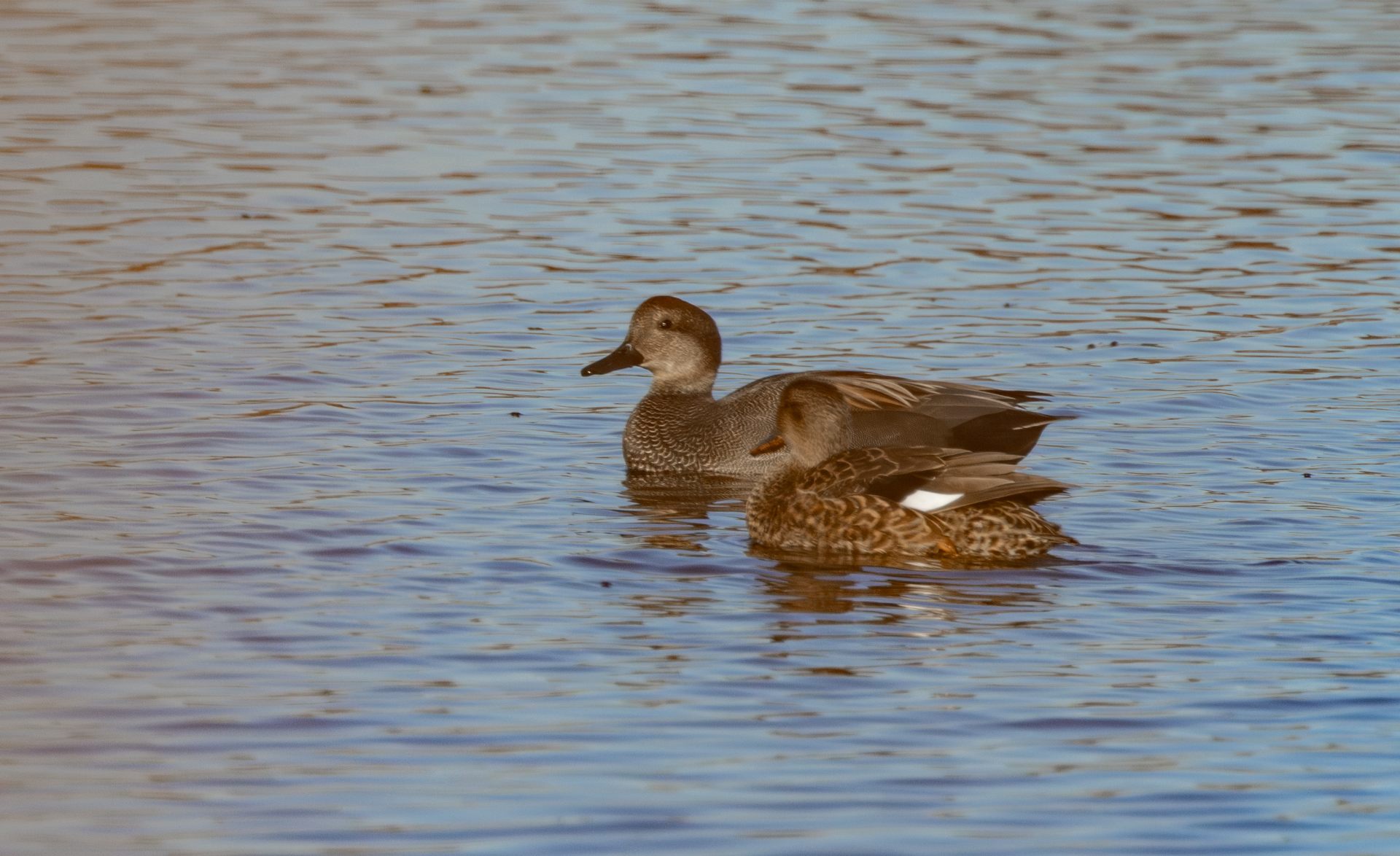
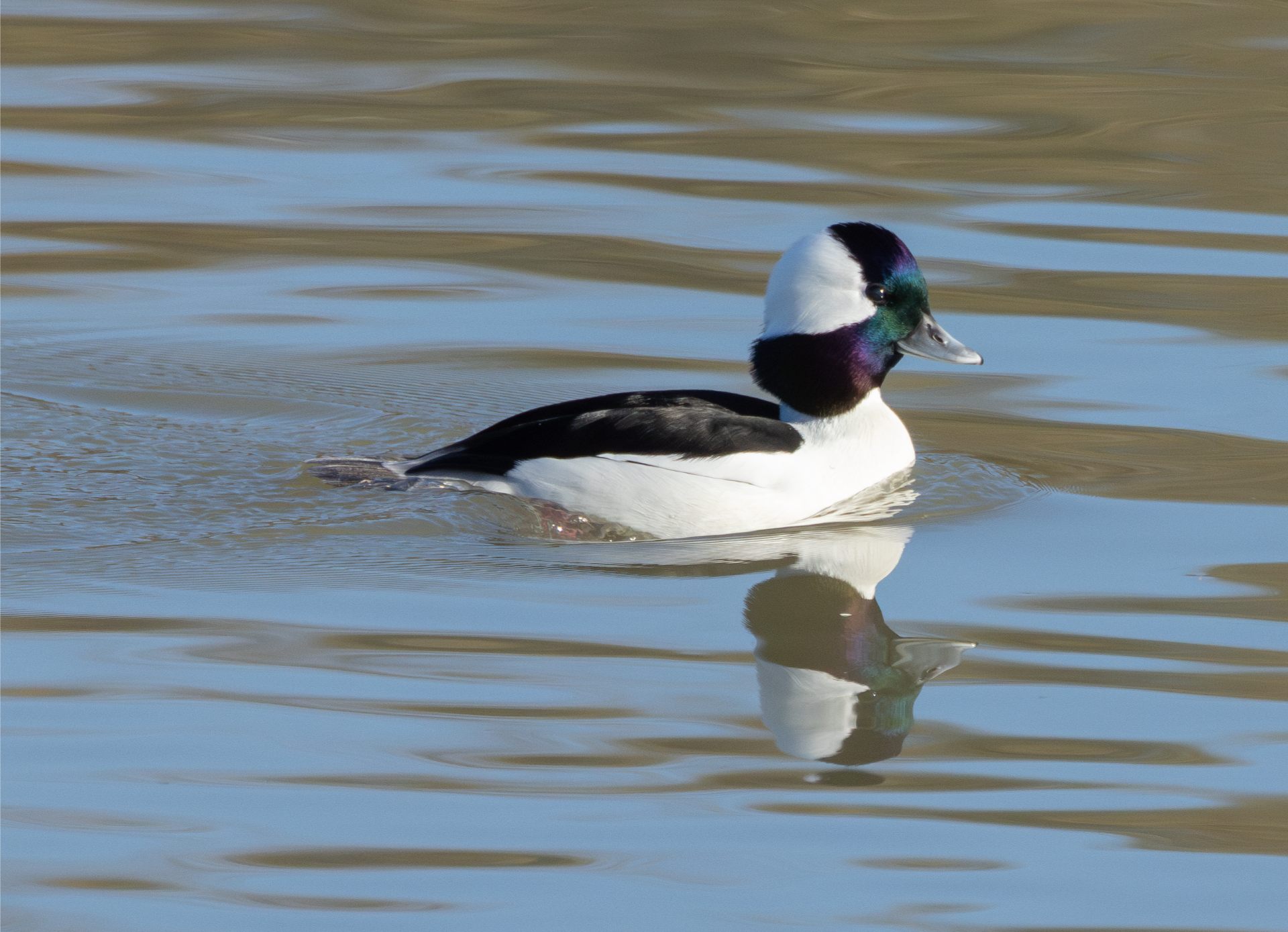
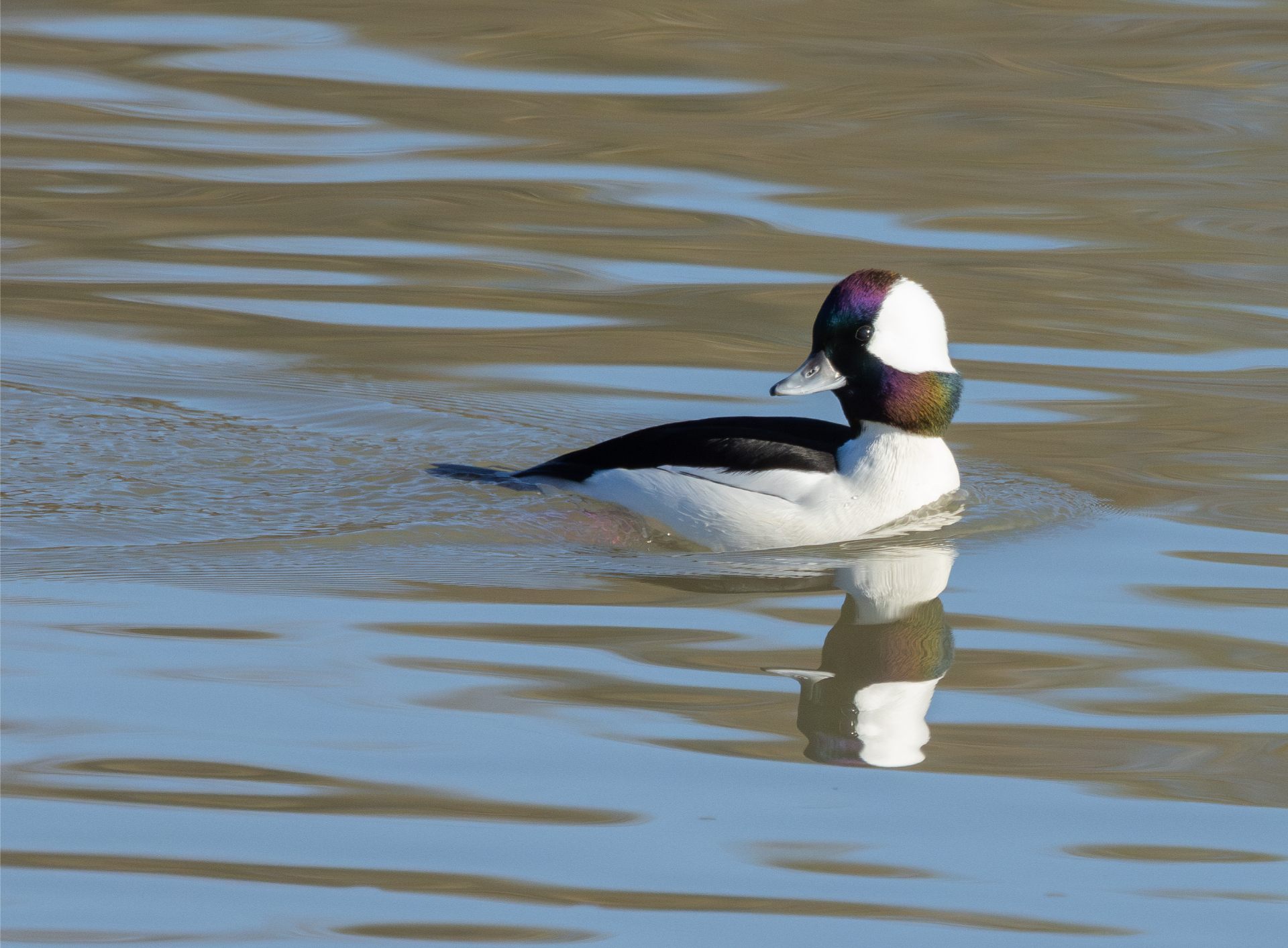
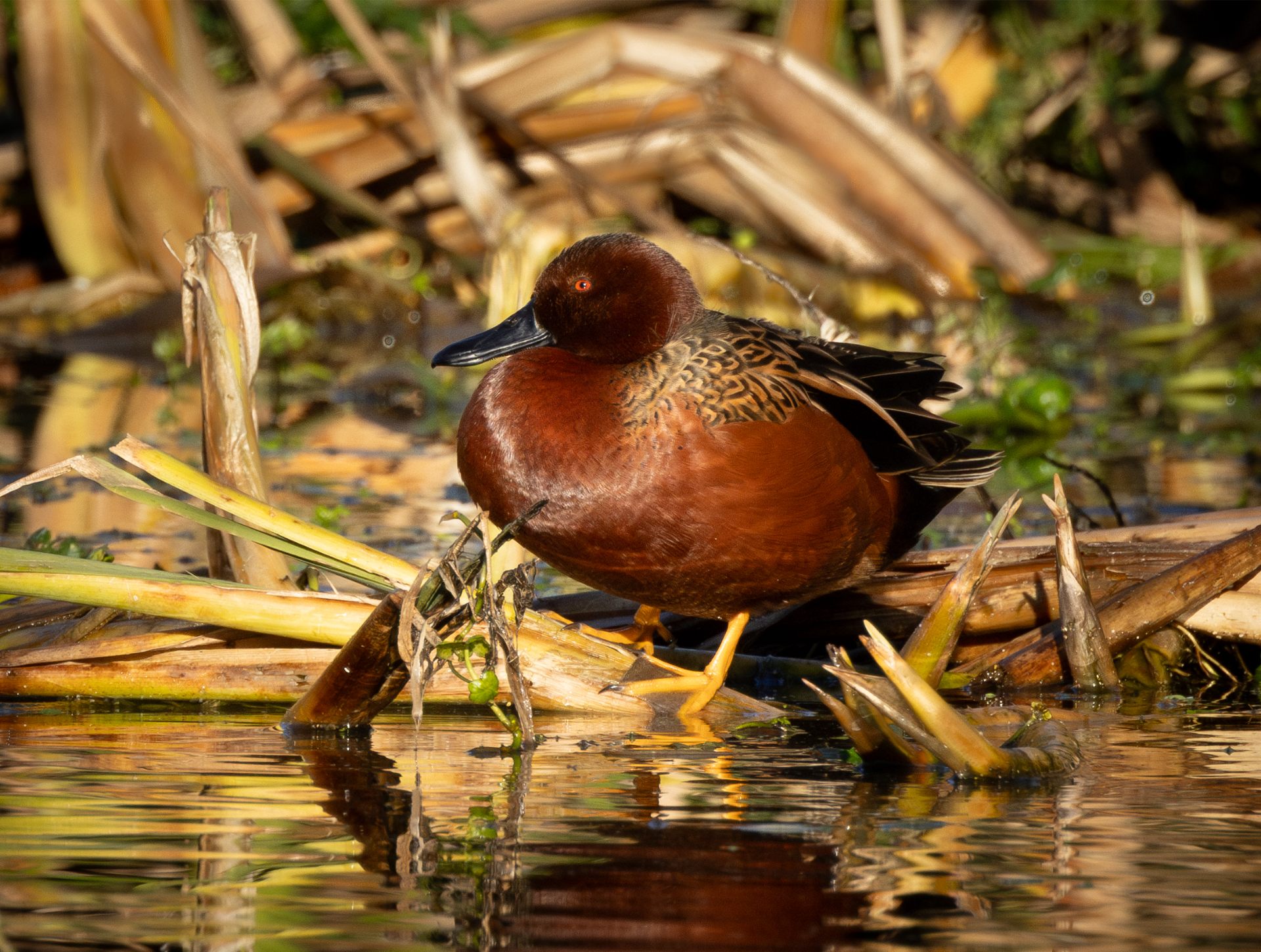
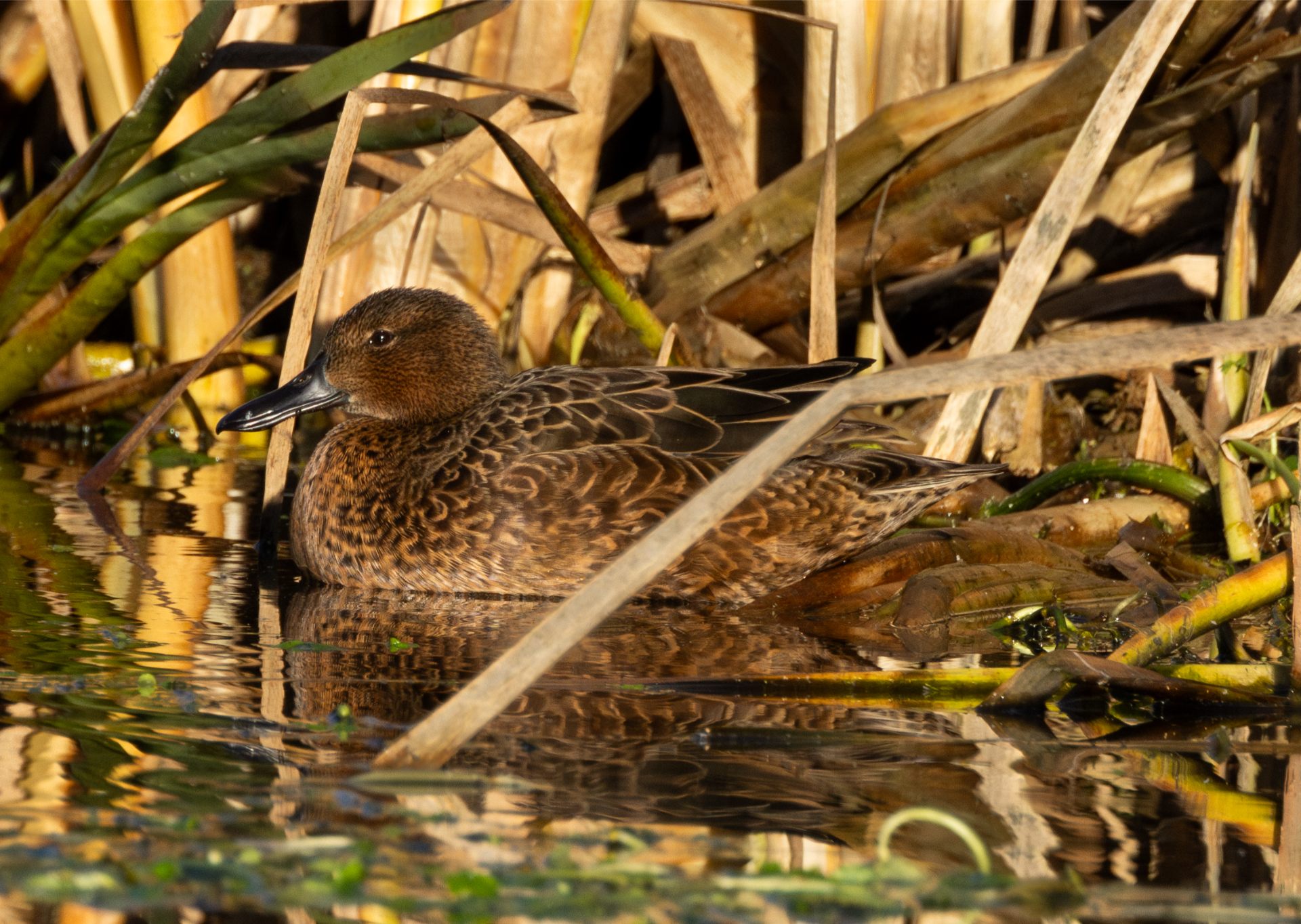
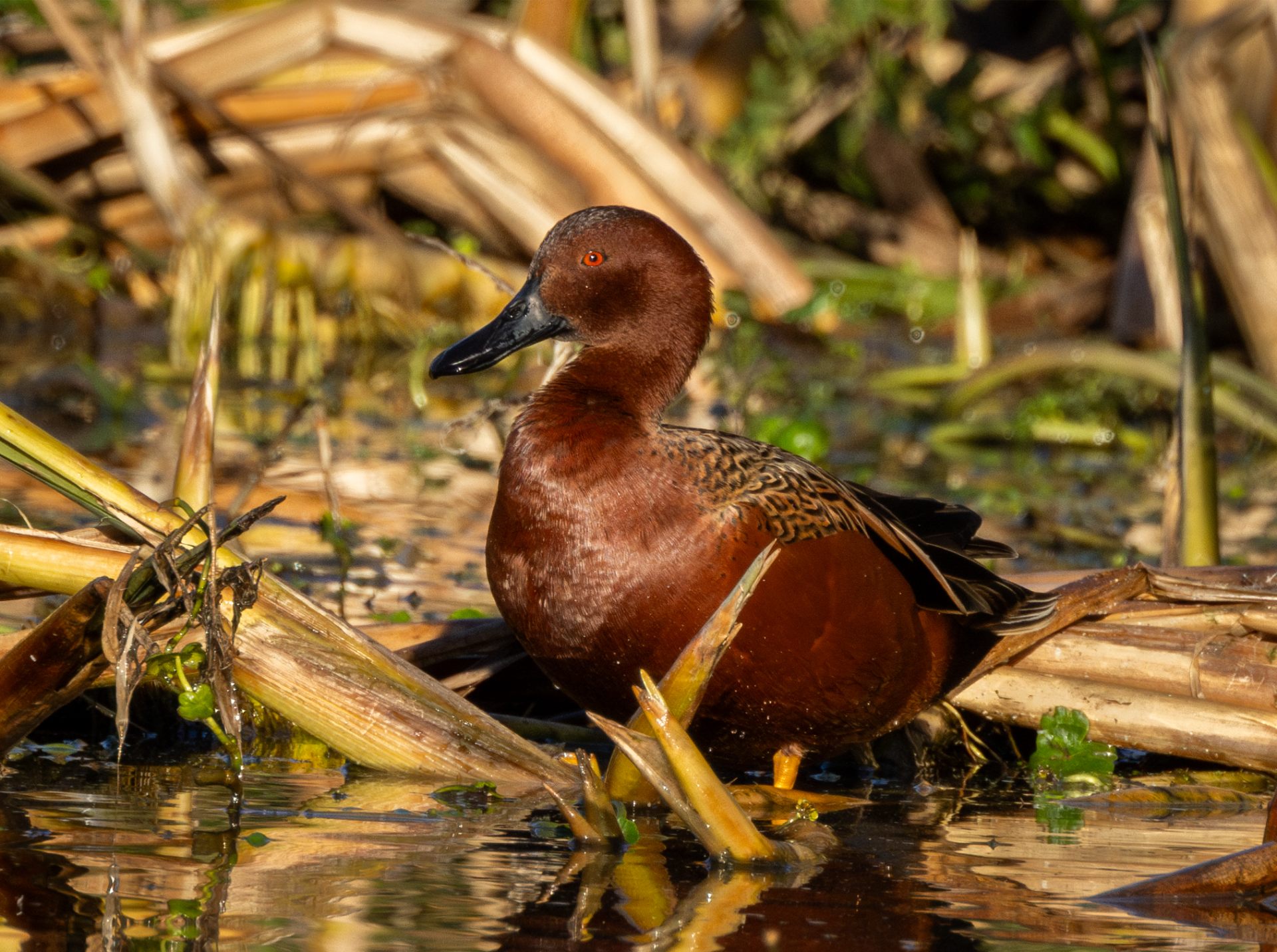
Other, more expected species, many of which are shown below, rounded out bulging checklists over three different days of visits to three different areas of bottoms while I waited for the water at home along the South Fork of the Eel to recede from its recent high levels.
Waterfowl

Raptors and an Owl
Every winter I make a trip or two to a couple areas in the Arcata bottoms to look for Short Eared Owls who migrate here in small numbers and vie with Northern Harriers for most acrobatic flyers over the fields where they hunt for small mammals. Short-eared Owls hunt close to dawn and dusk and can be seen in decent light and sometimes even close range. It’s been a few years since I got lucky but having read a couple reports of as many as 7 owls in one area (perhaps disturbed from a common daytime roost), I figured my chances were decent. On my second try this year I was happy to see an owl fairly late in the morning, albeit at great distance. It was being driven away by several ravens.

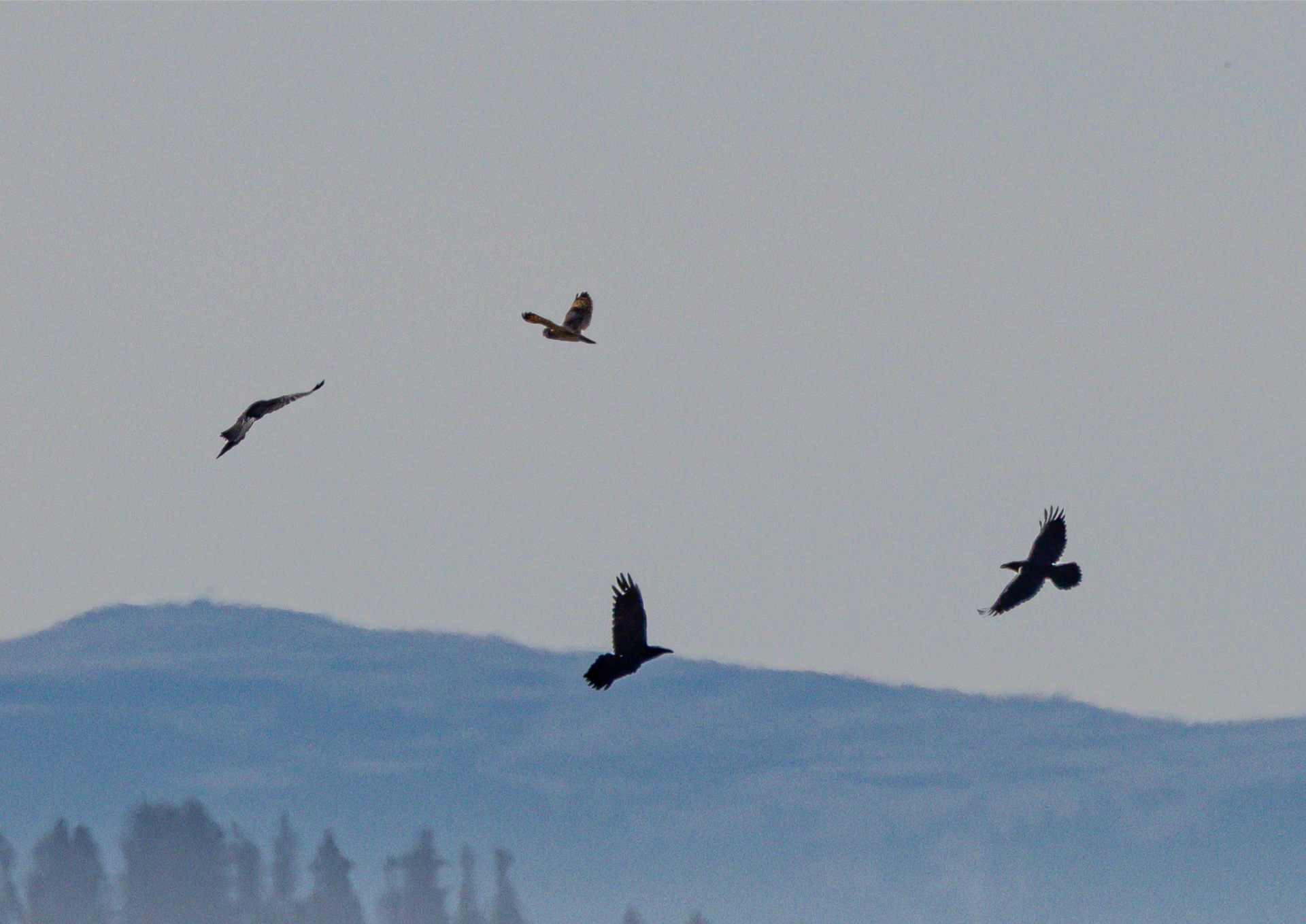
Owl at center and above the swirl of ravens
Eventually the Owl drifted away from the ravens but did not come my way, so photos are poor. Nevertheless, any sighting of an owl is special.
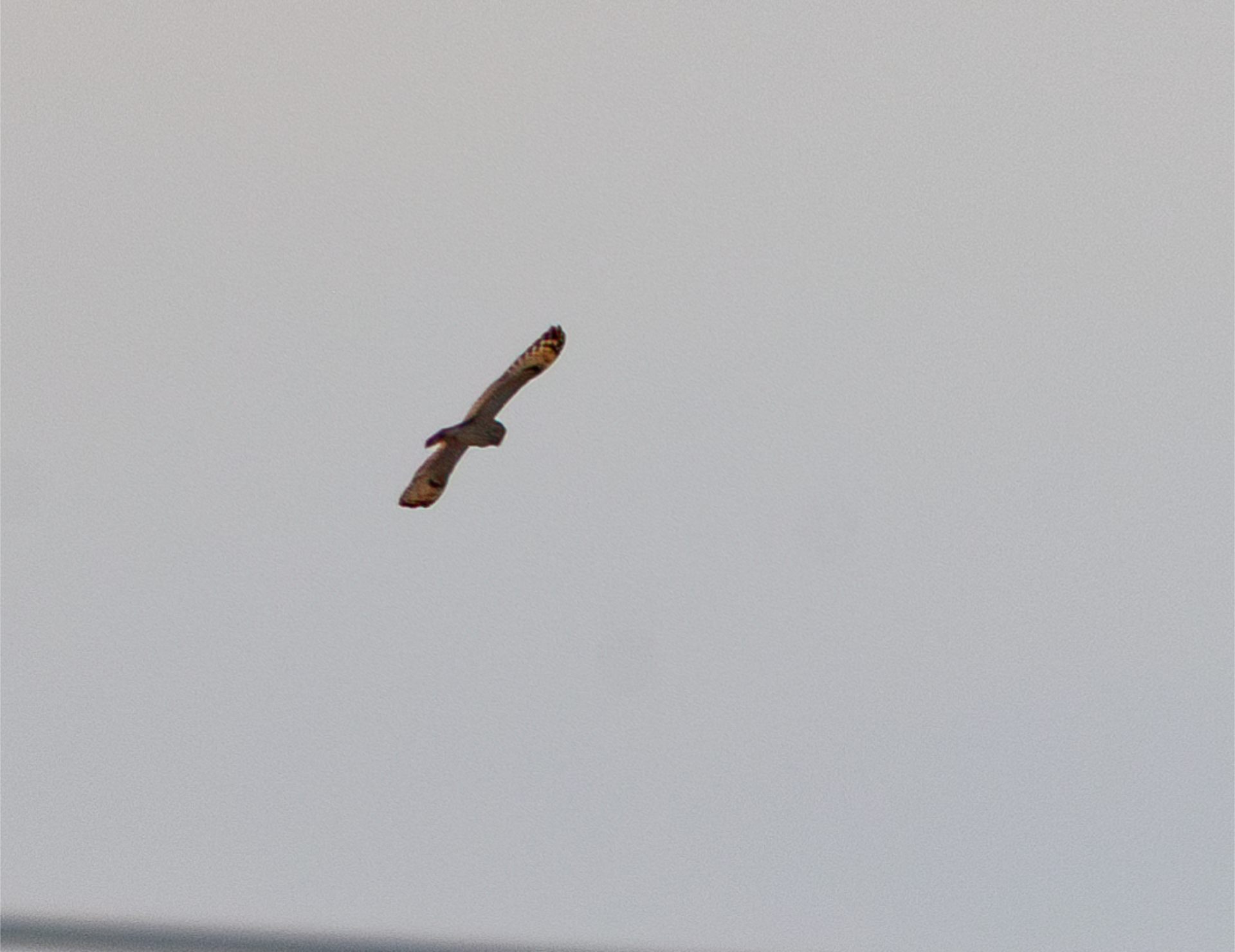

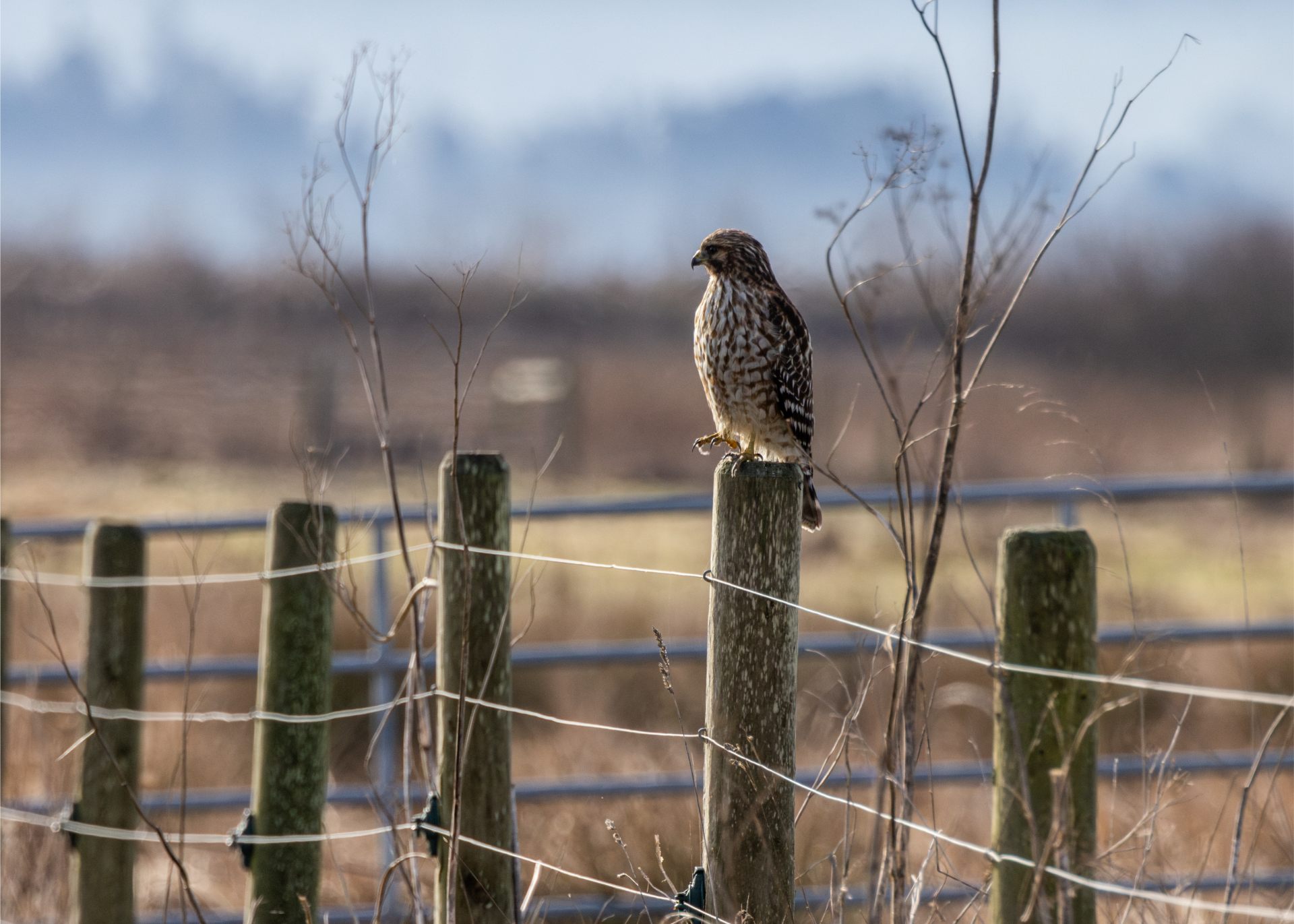
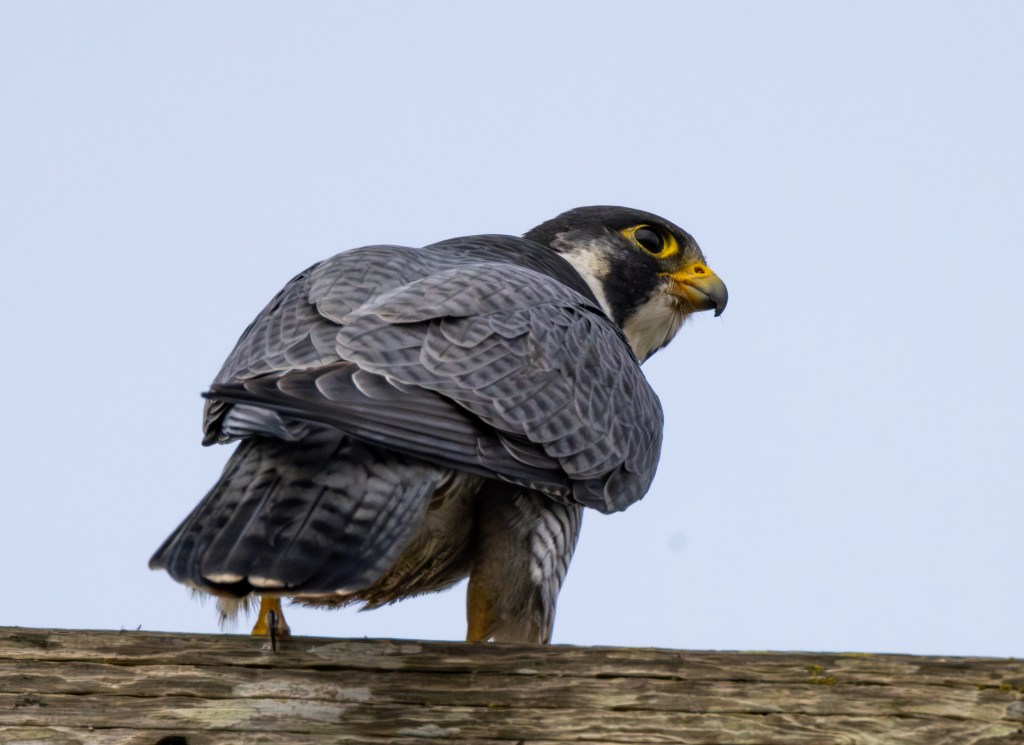
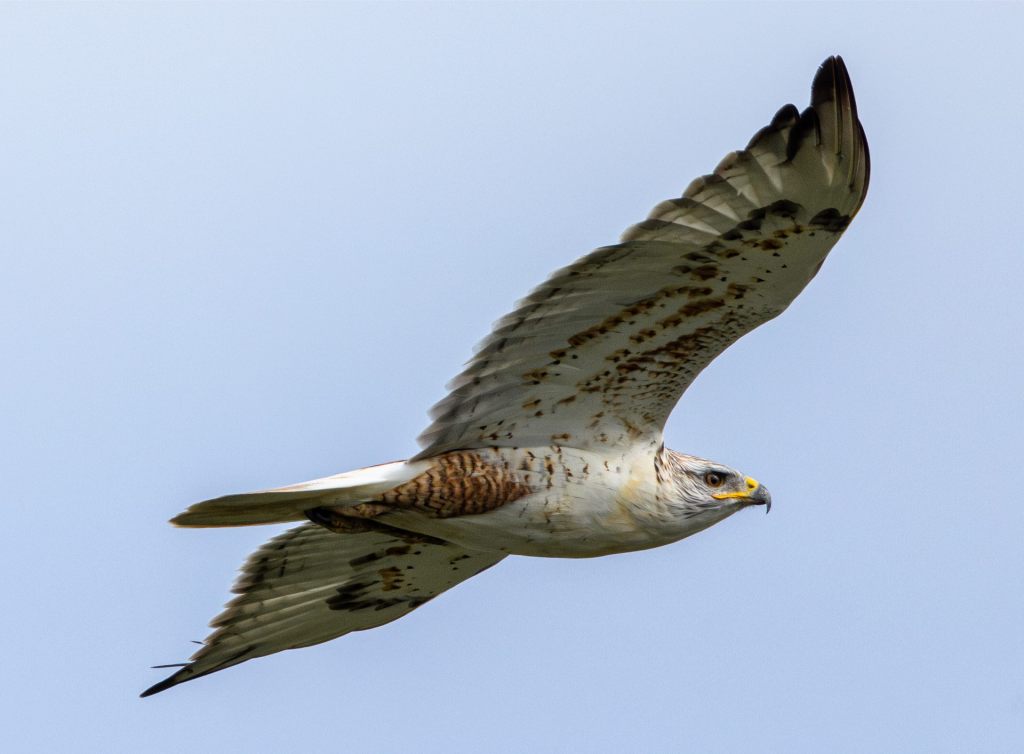
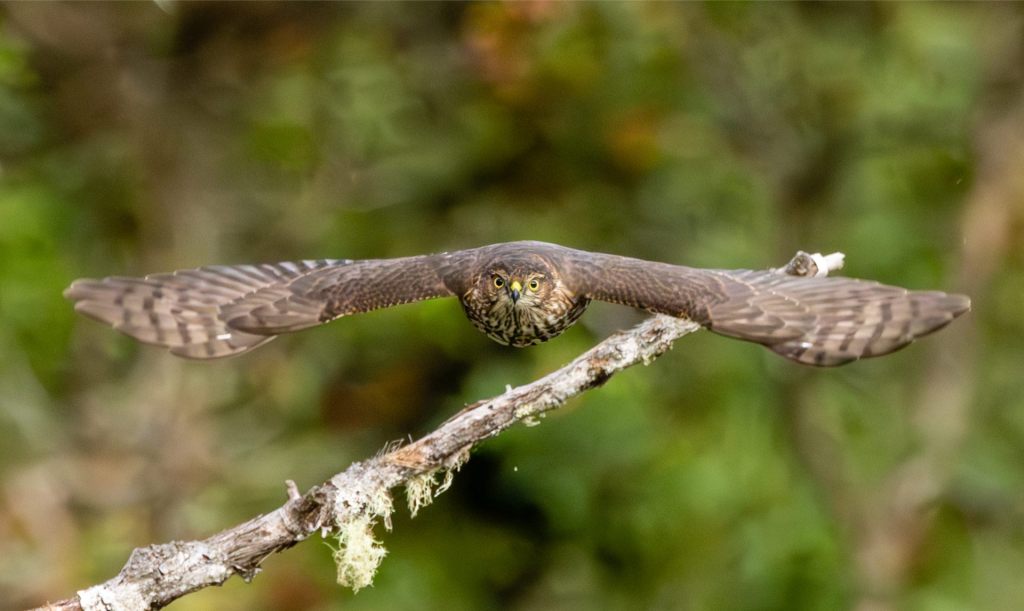
Besides the owl, Red-tailed Hawks, Kestrels, White-tailed Kites, Red-shouldered Hawks and Northern Harriers patrol the bottoms picking off prey, small mammals, birds, reptiles, etc.
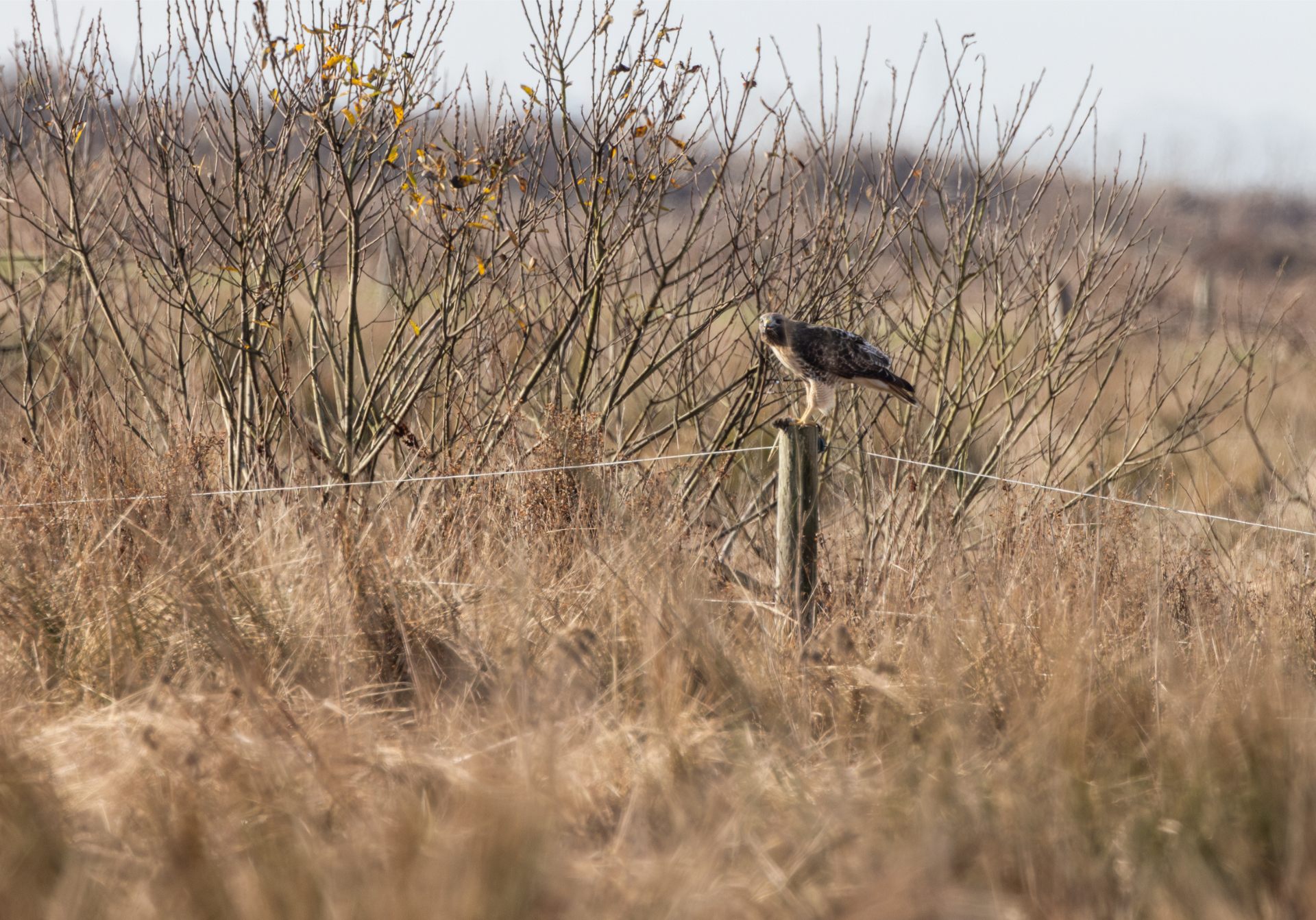
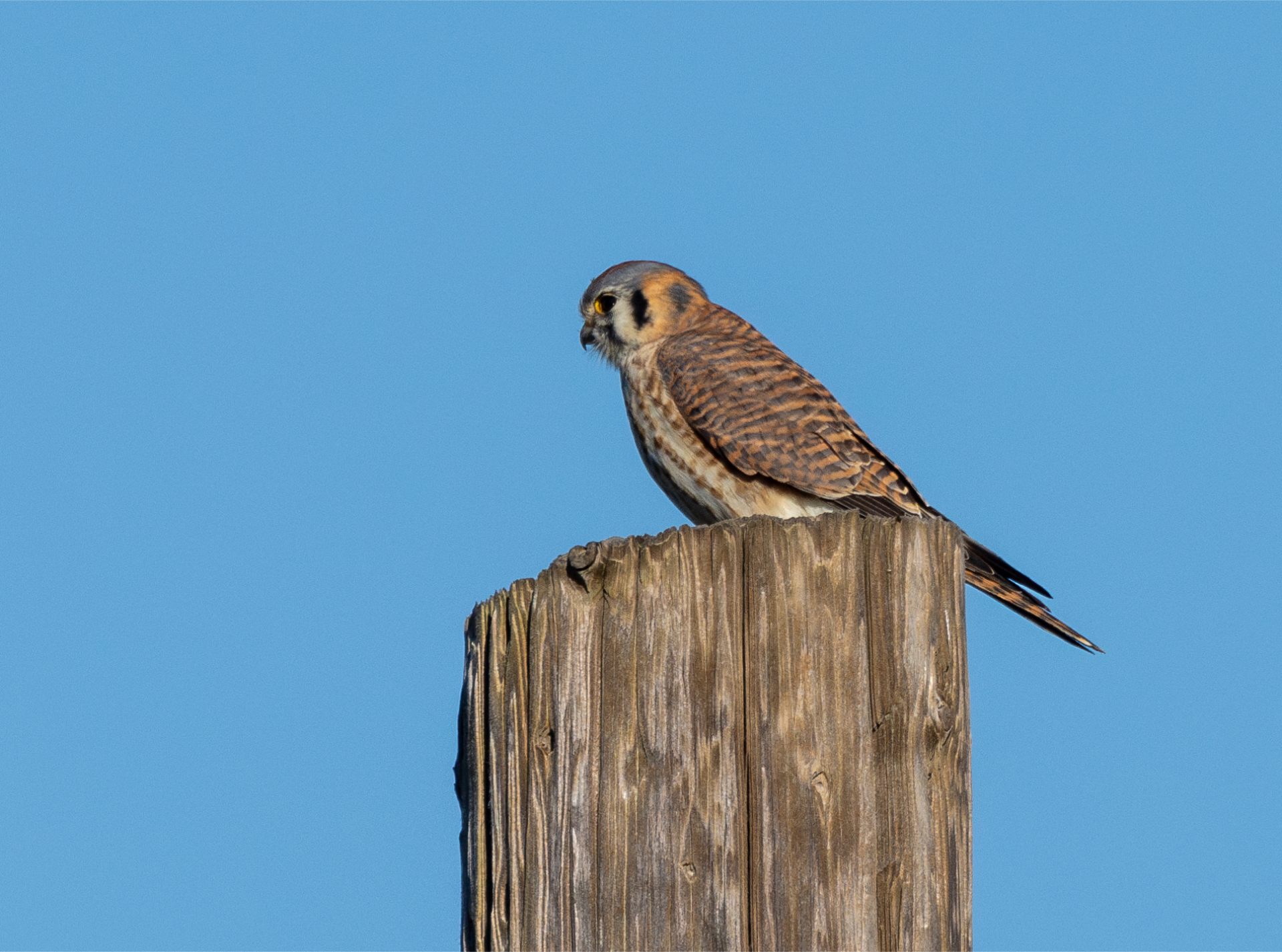
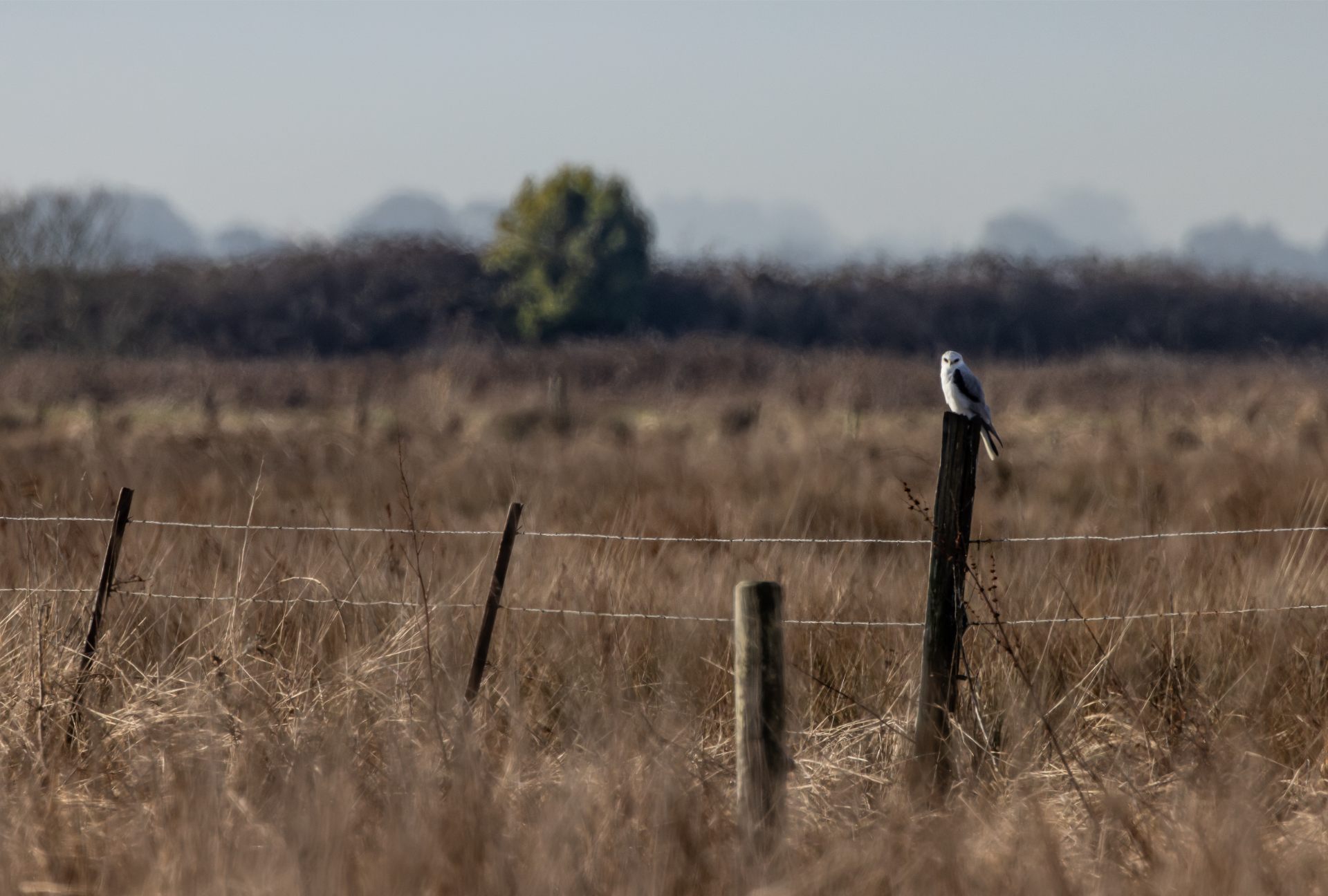

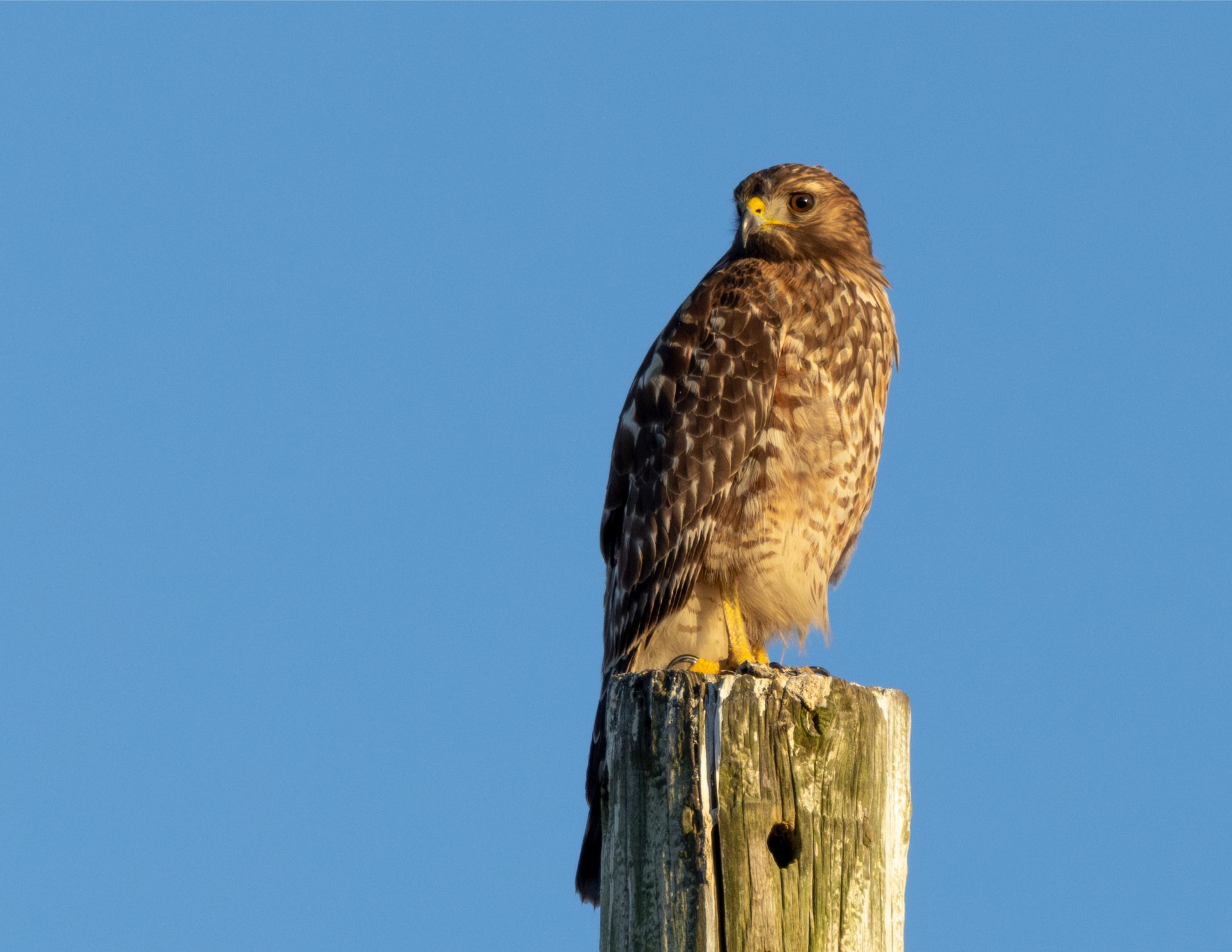
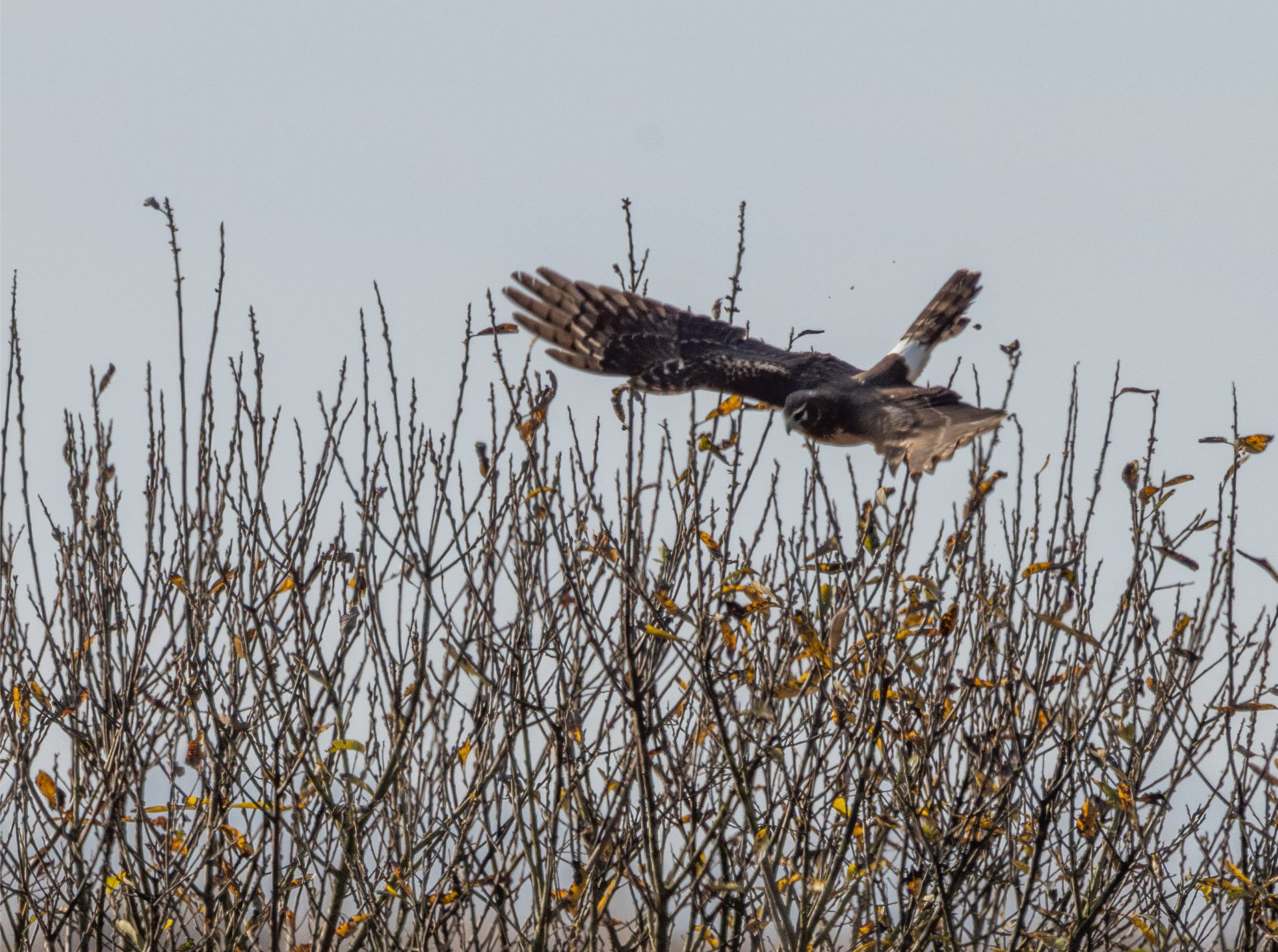
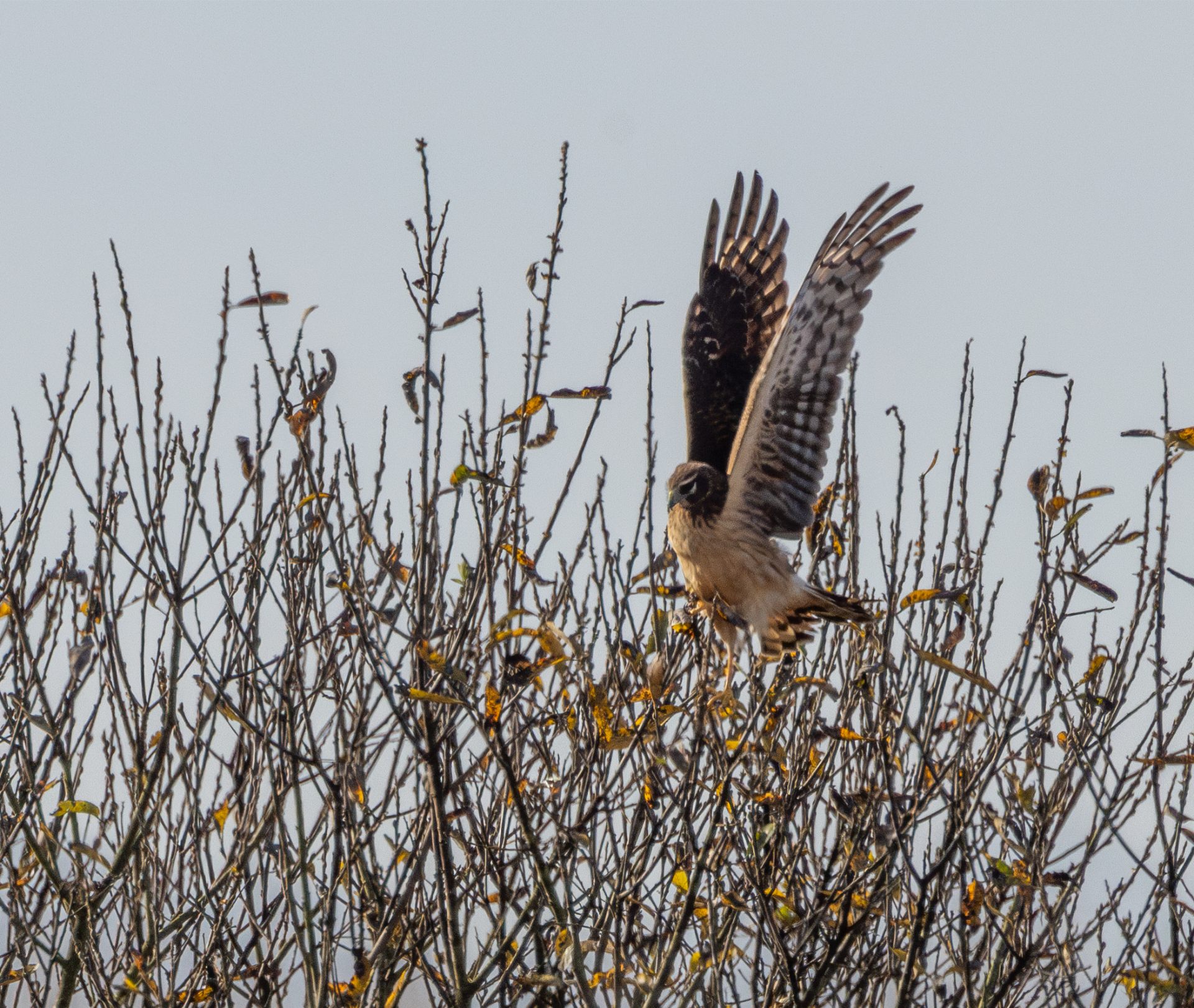
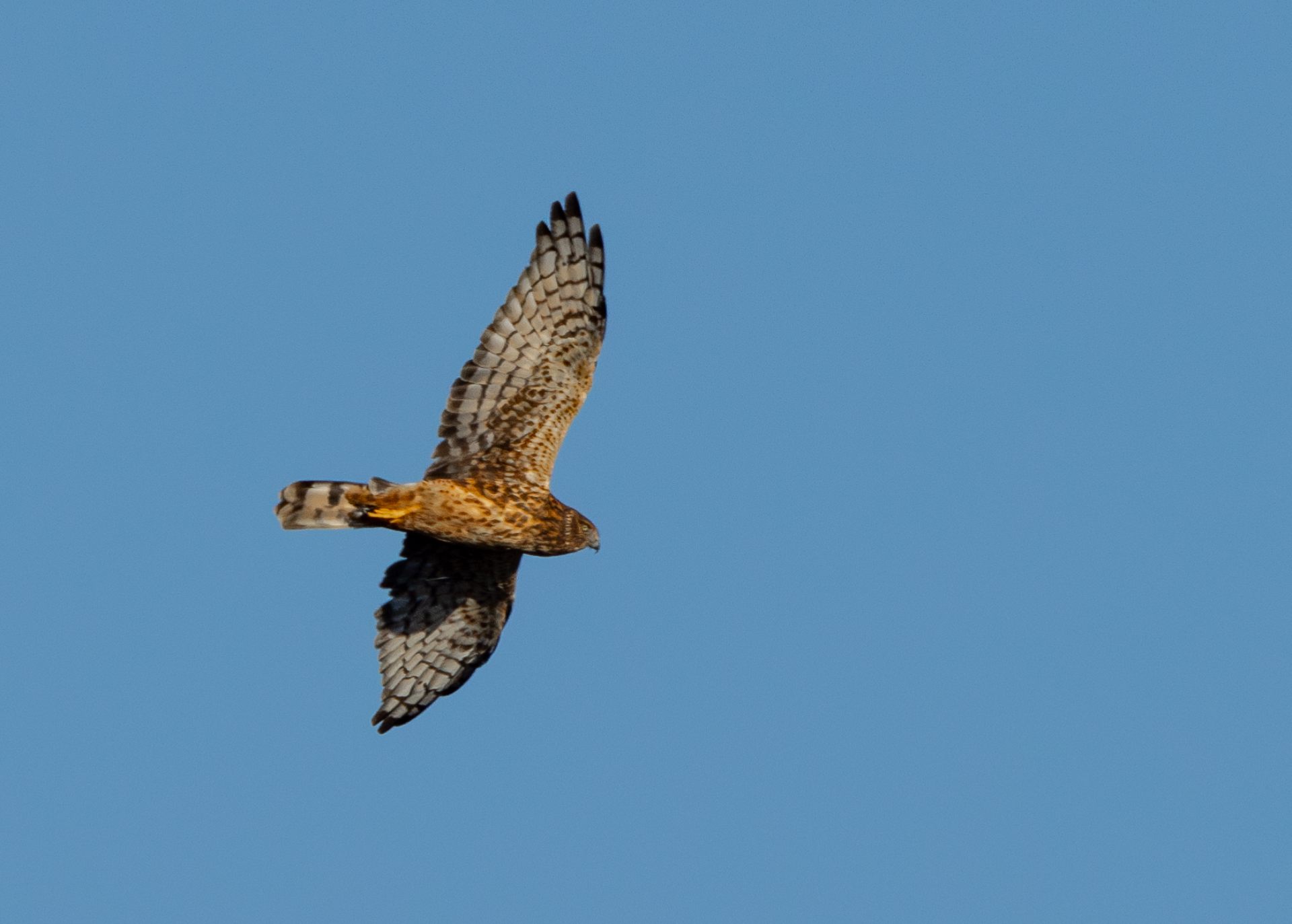
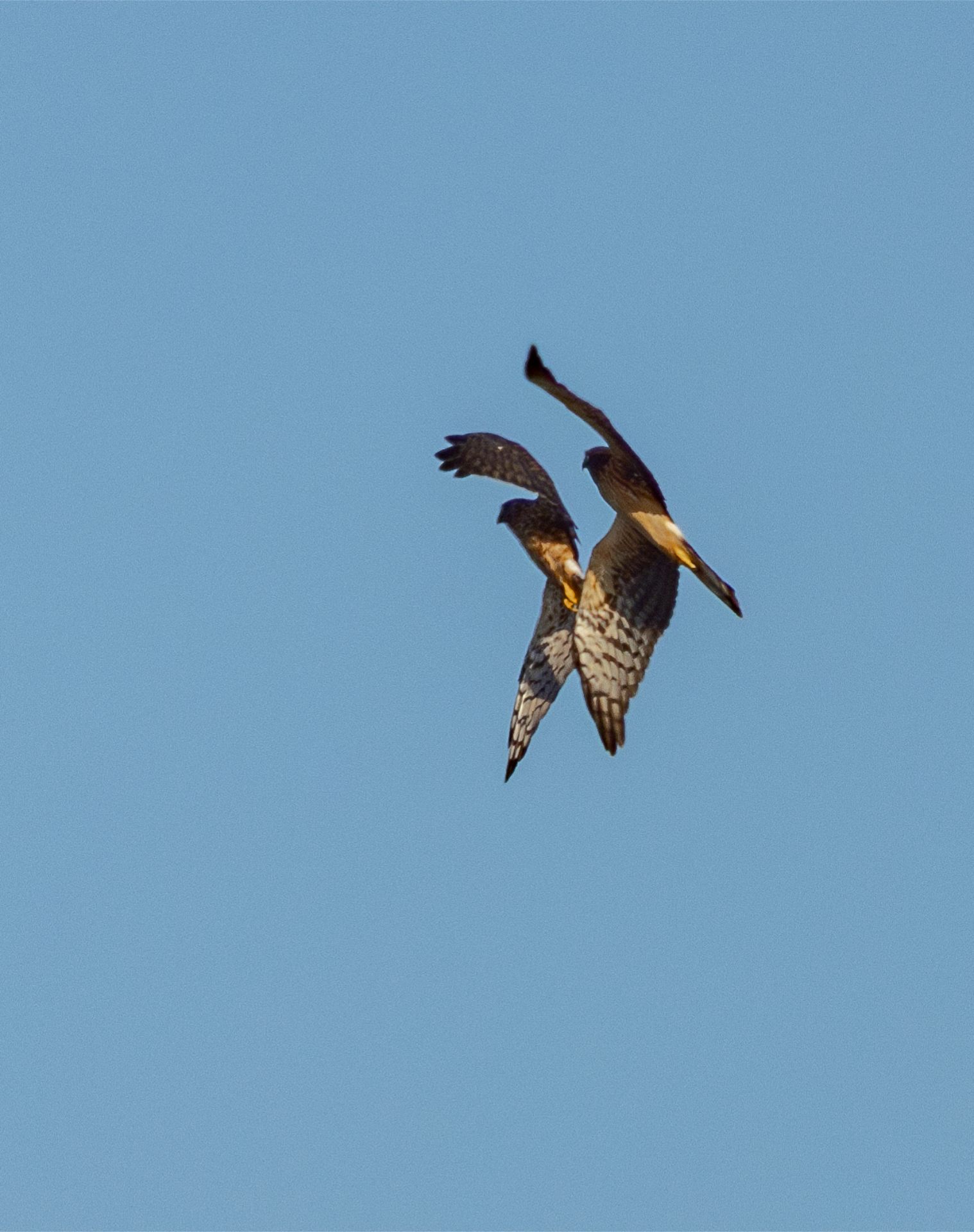
The Northern Harrier puts on a show as she hunts, swooping low over the fields, making impossibly tight turns and flashing her long beautifully patterned wings and tail and she does so.

Herons
Shorebirds
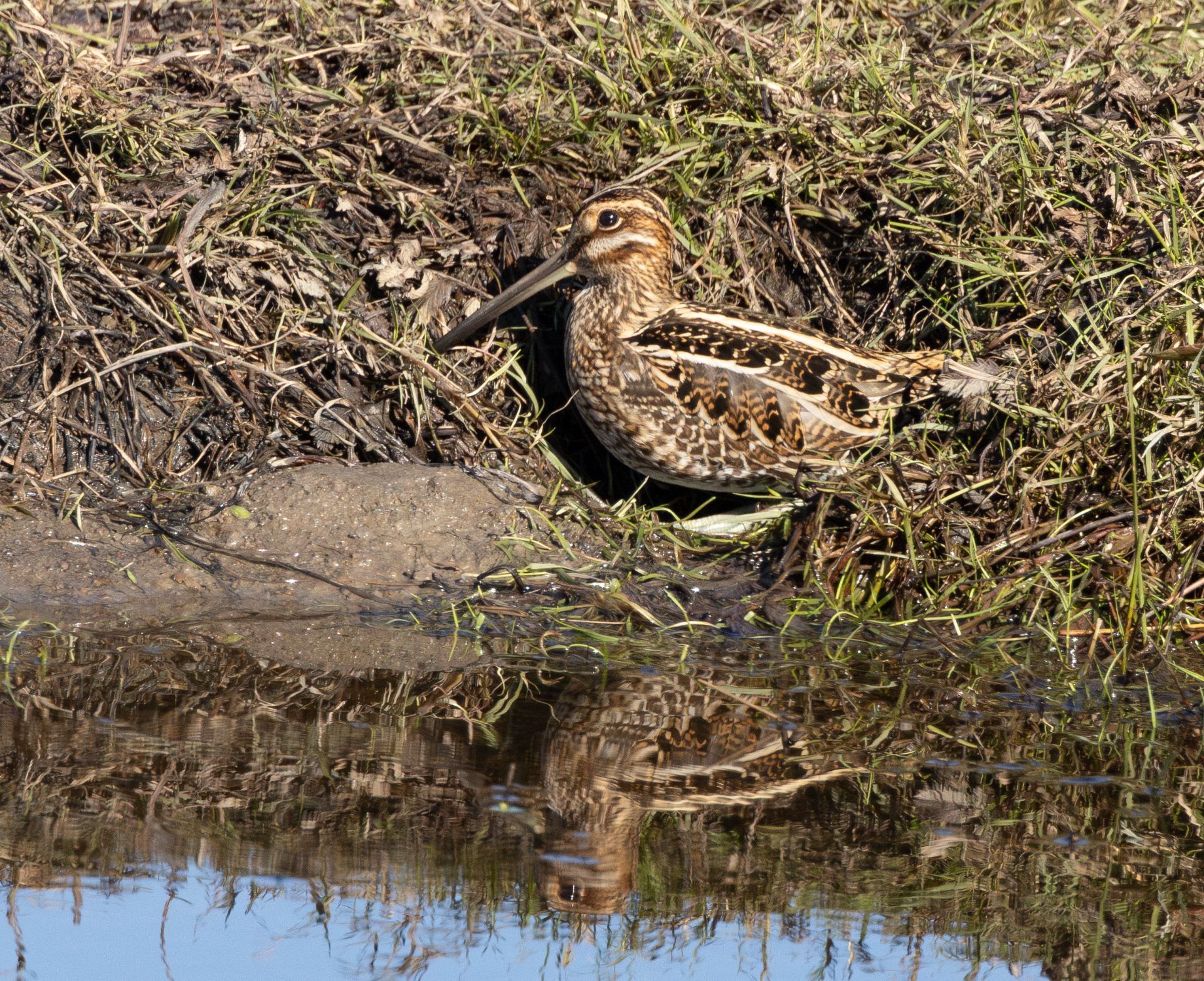
Ninety-nine percent of the Wilson’s Snipes I have ever seen have been fleeting brownish blurs streaking away from me as fast as possible often uttering their scratchy dry call as they disappear into tall grass well out of sight. So when they instead choose to sit like statues, imagining their invisibility, it’s a special occasion.

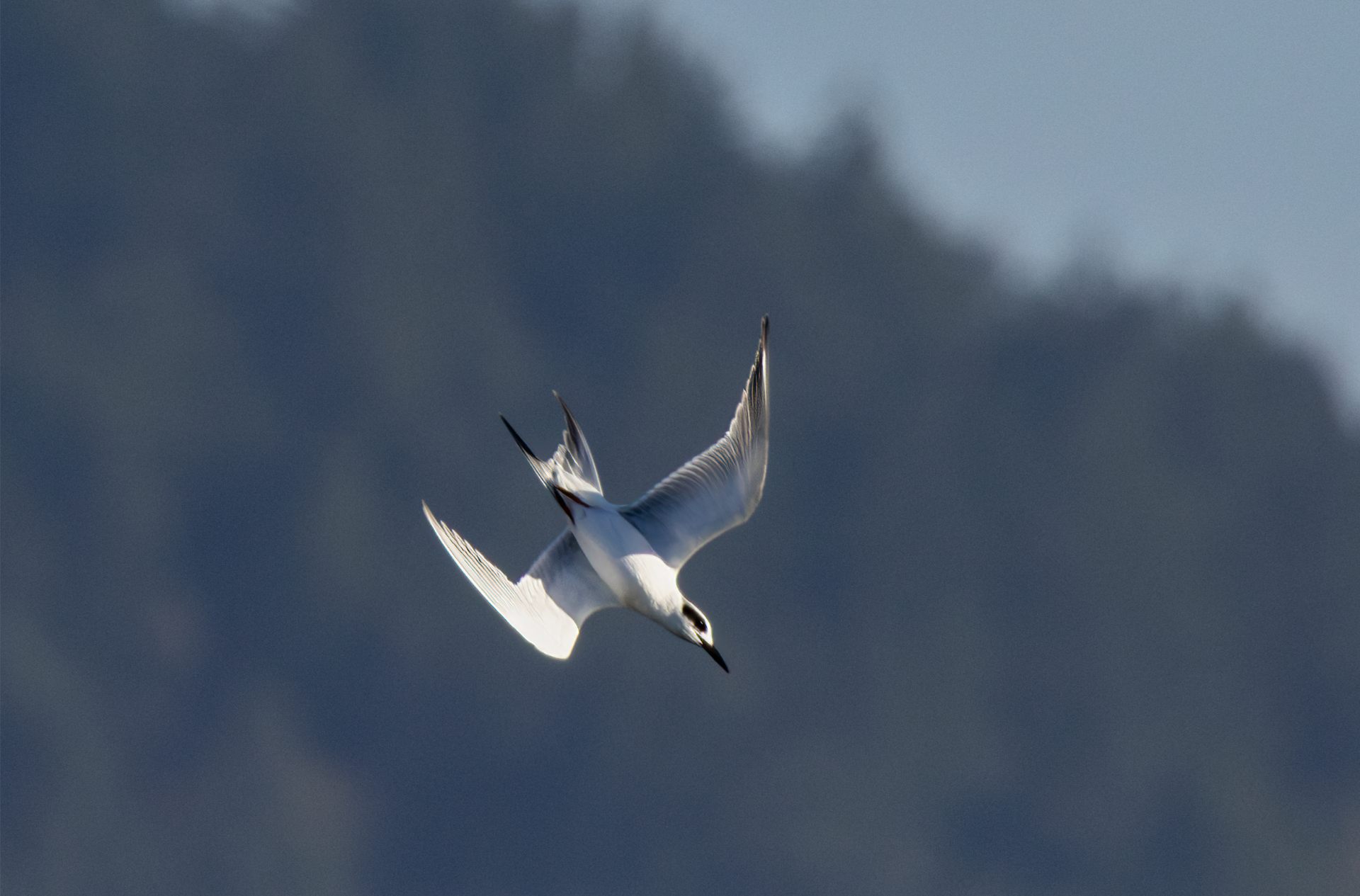
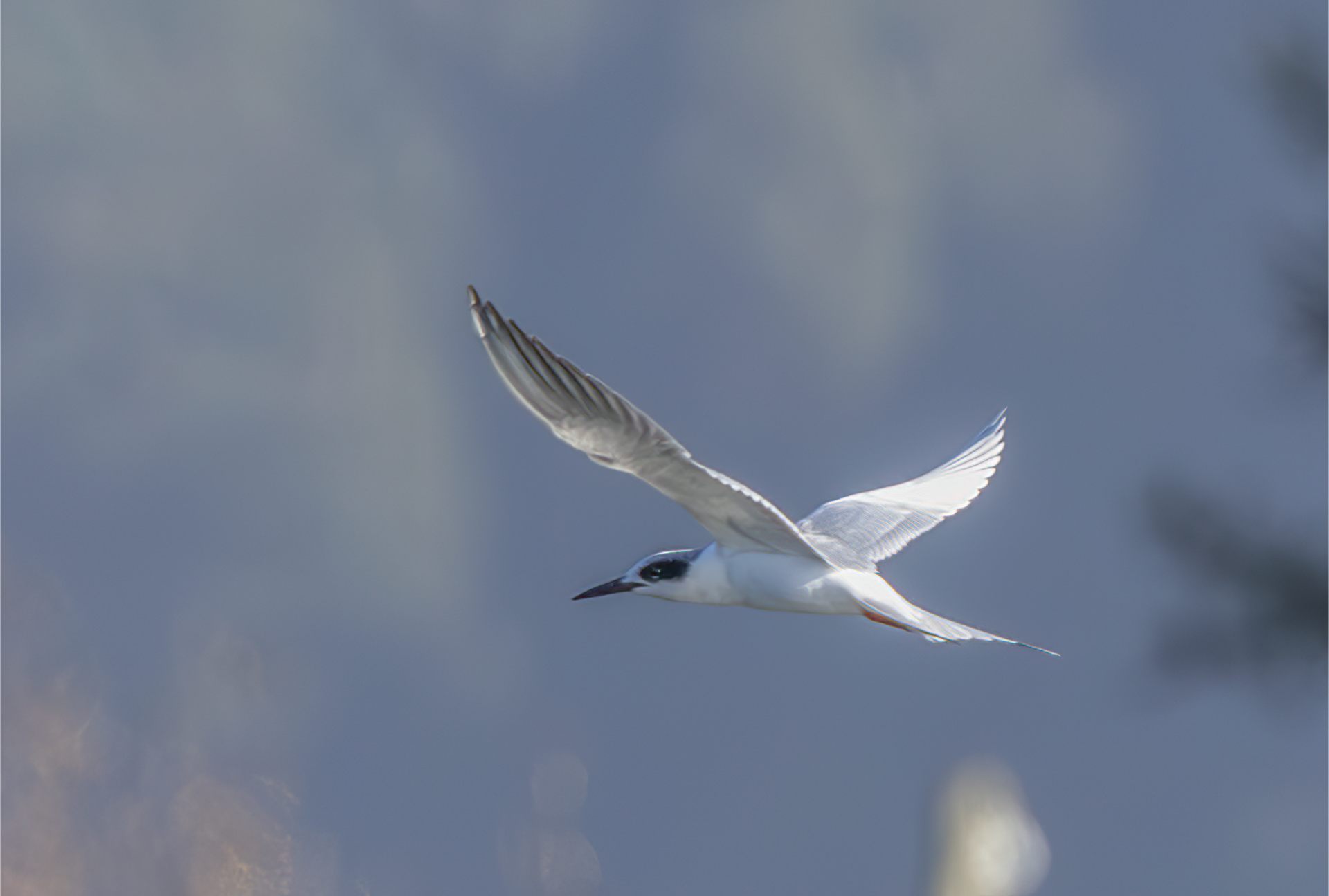
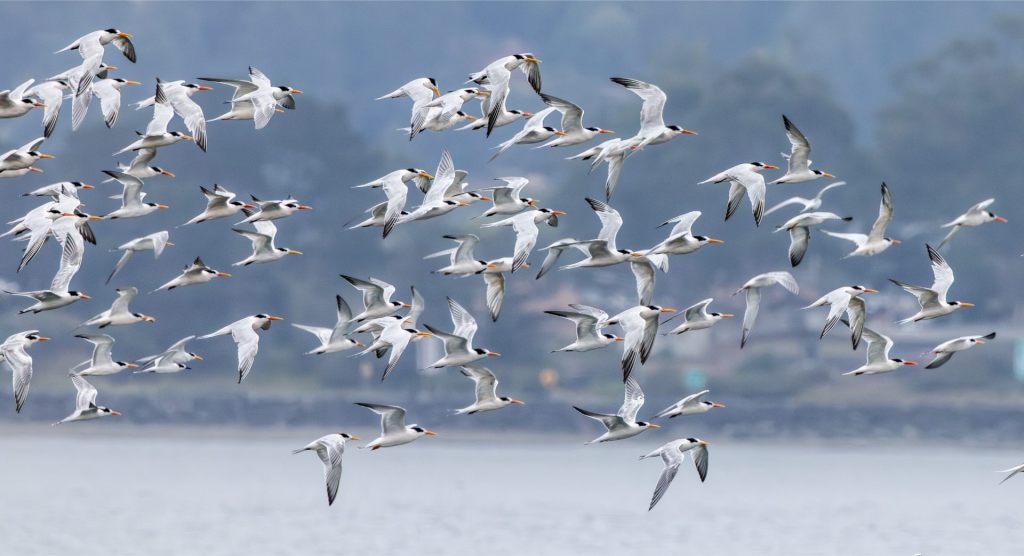
A Gull and a Tern
Grebes
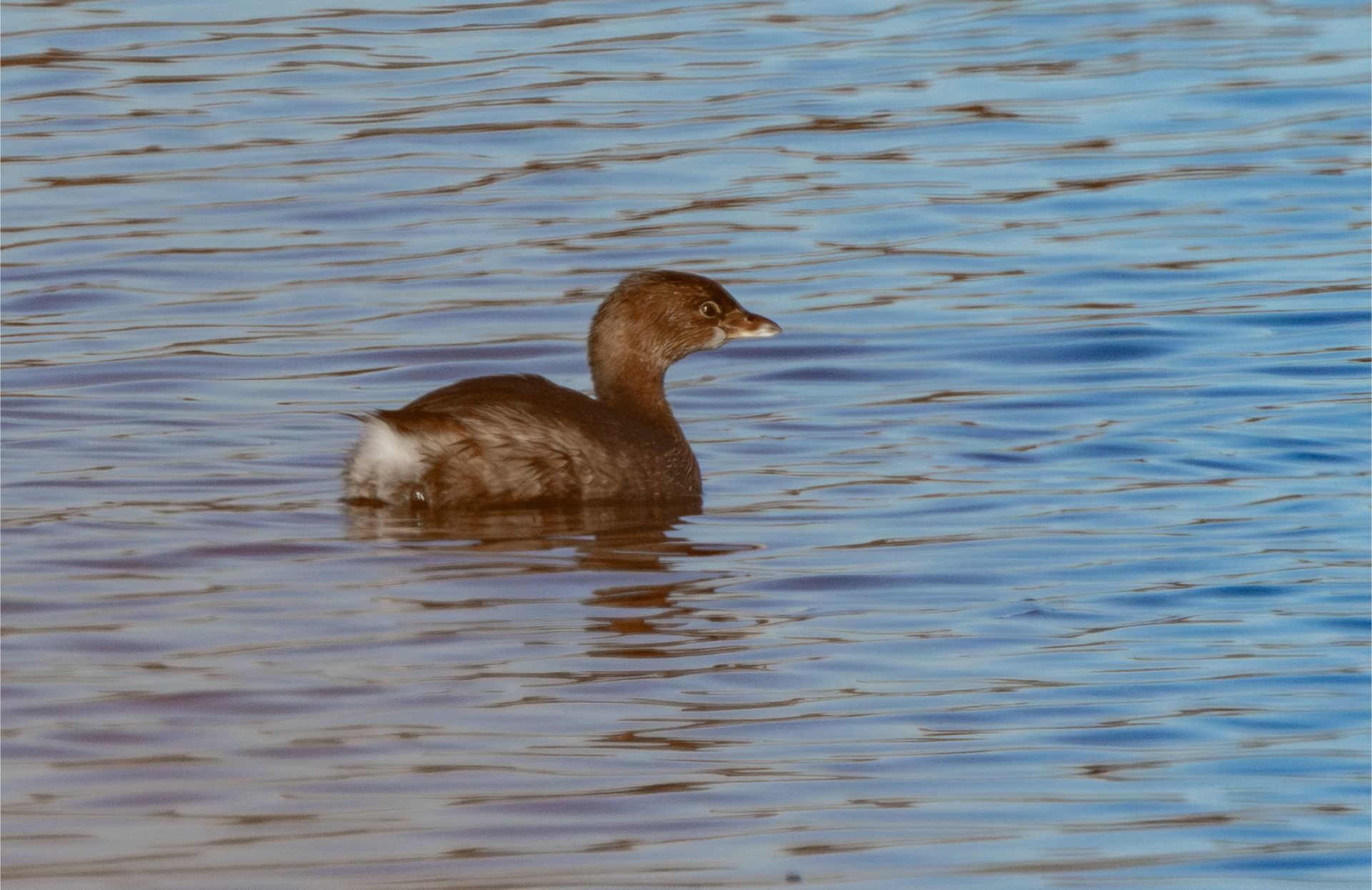
Grebes are water birds with lobed feet, short tails, and legs arranged at the back of the body, making for good diving but lousy navigation on land.

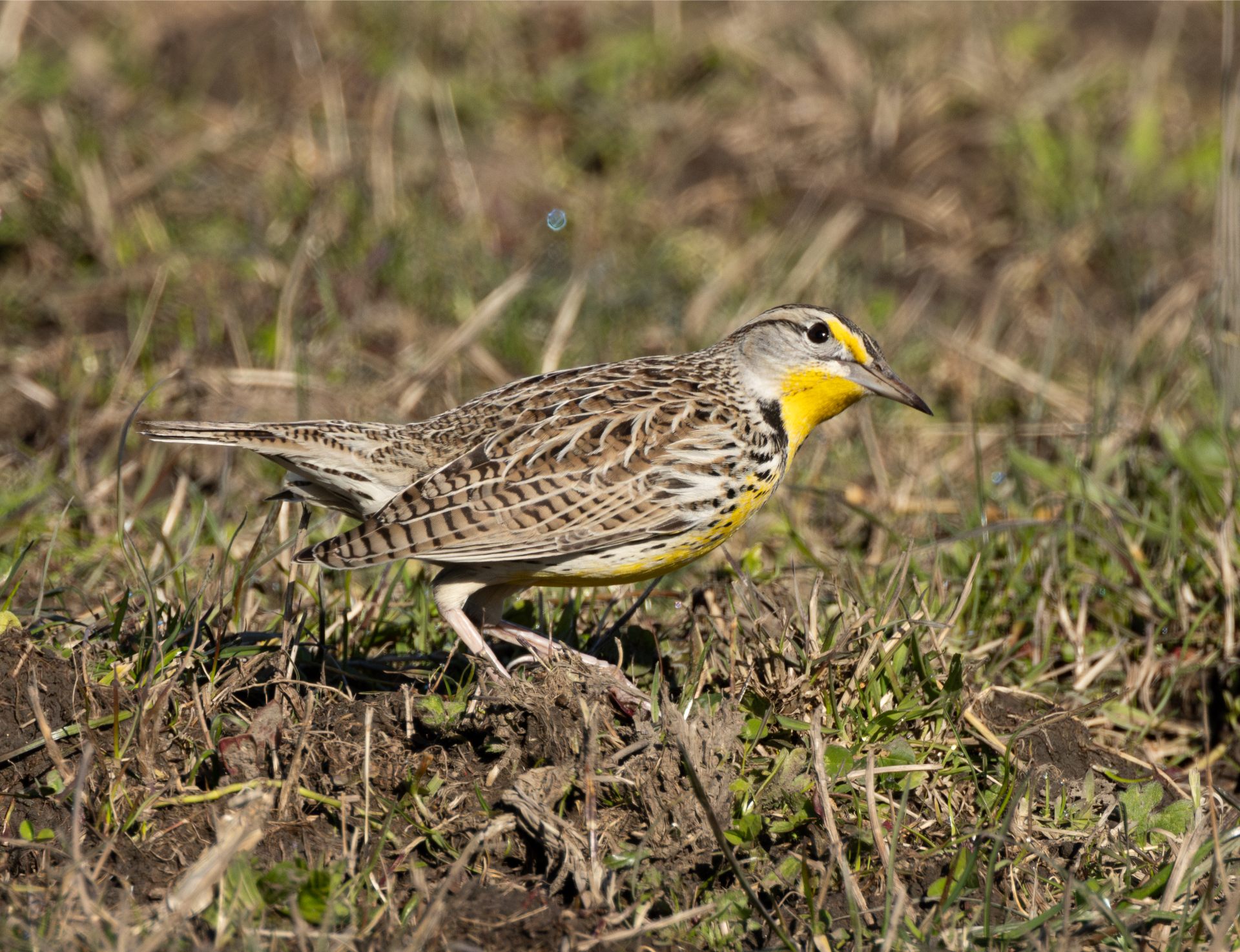
A Very Cooperative Western Meadowlark
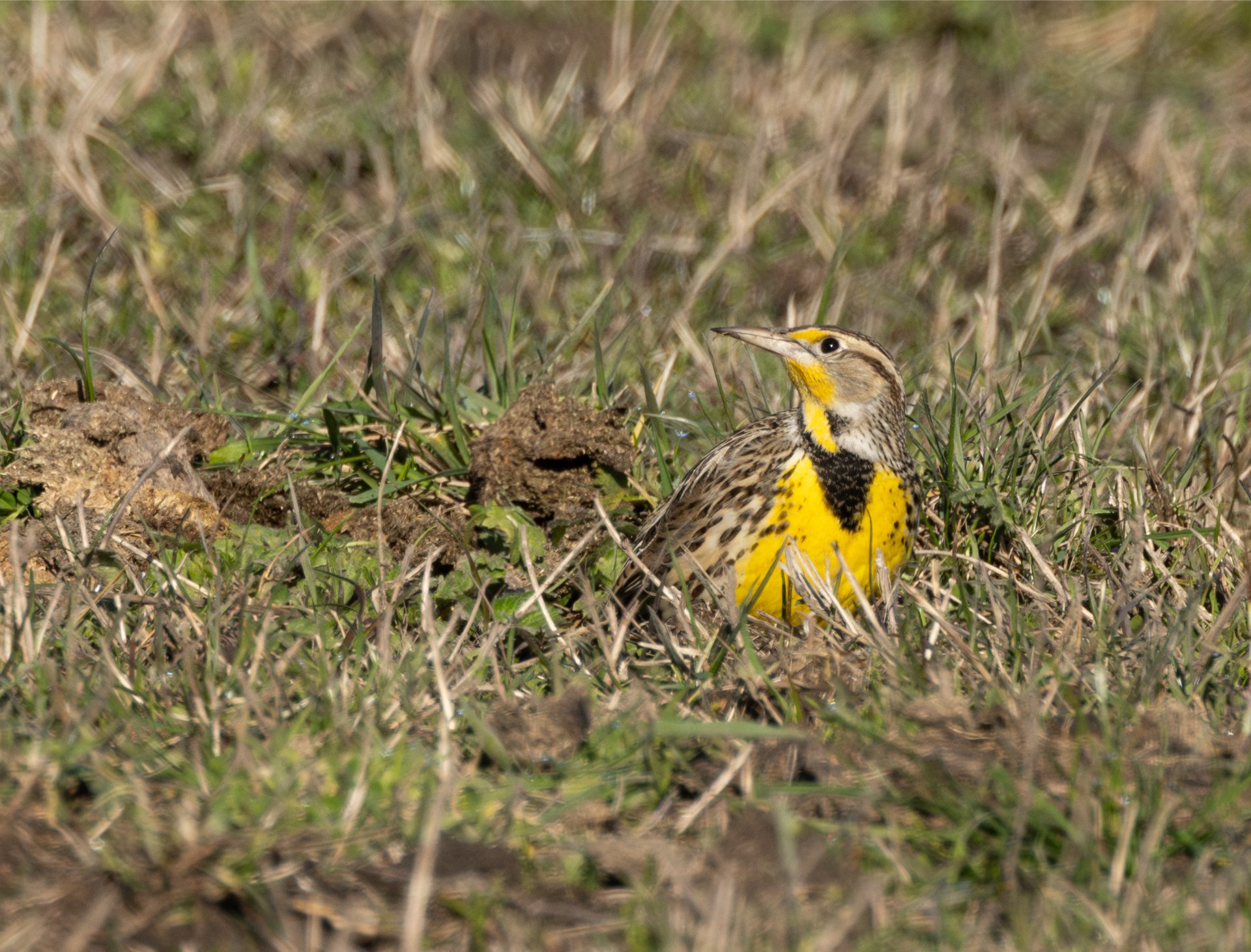
Western Meadowlarks are abundant near my home some 70 miles south of the bottoms where I saw this one. They are so skittish typically that I content myself with listening to their beautiful and varied conversations and figure every glimpse is a rare blessing. This one was seen foraging in a field with several others and wasn’t bothered at all as my friends and I gawked at its striking coloration.



 Free Range Photography
Leave a reply to latskojerry Cancel reply