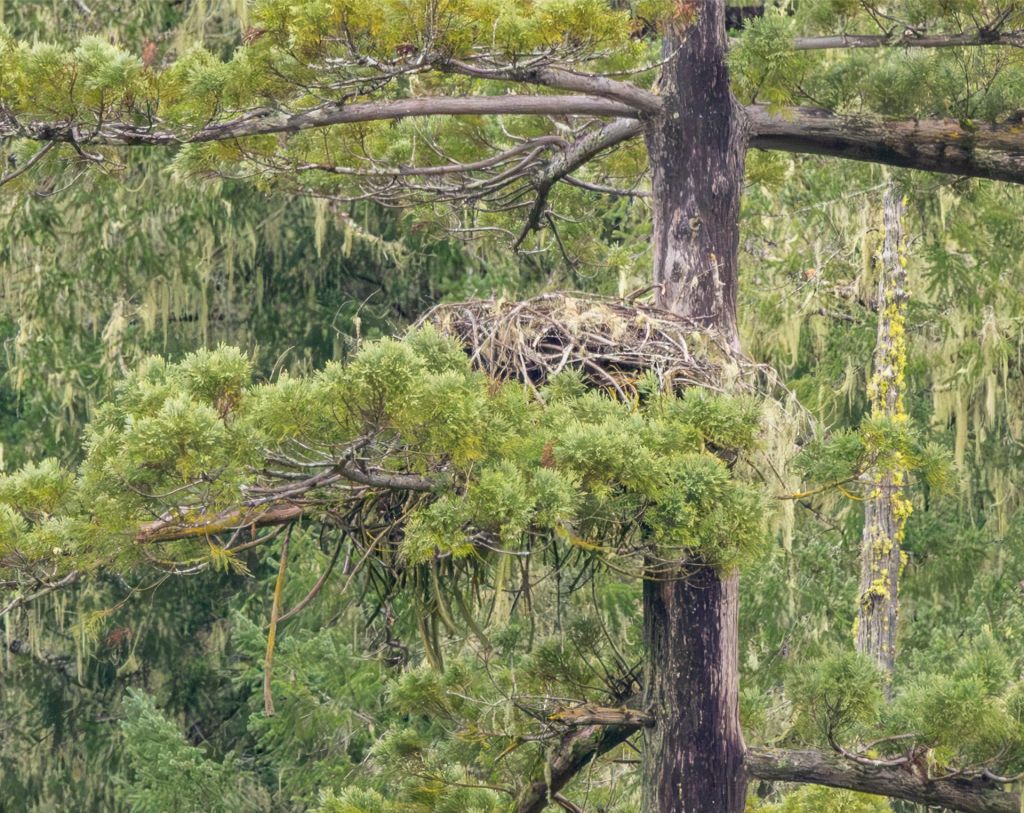
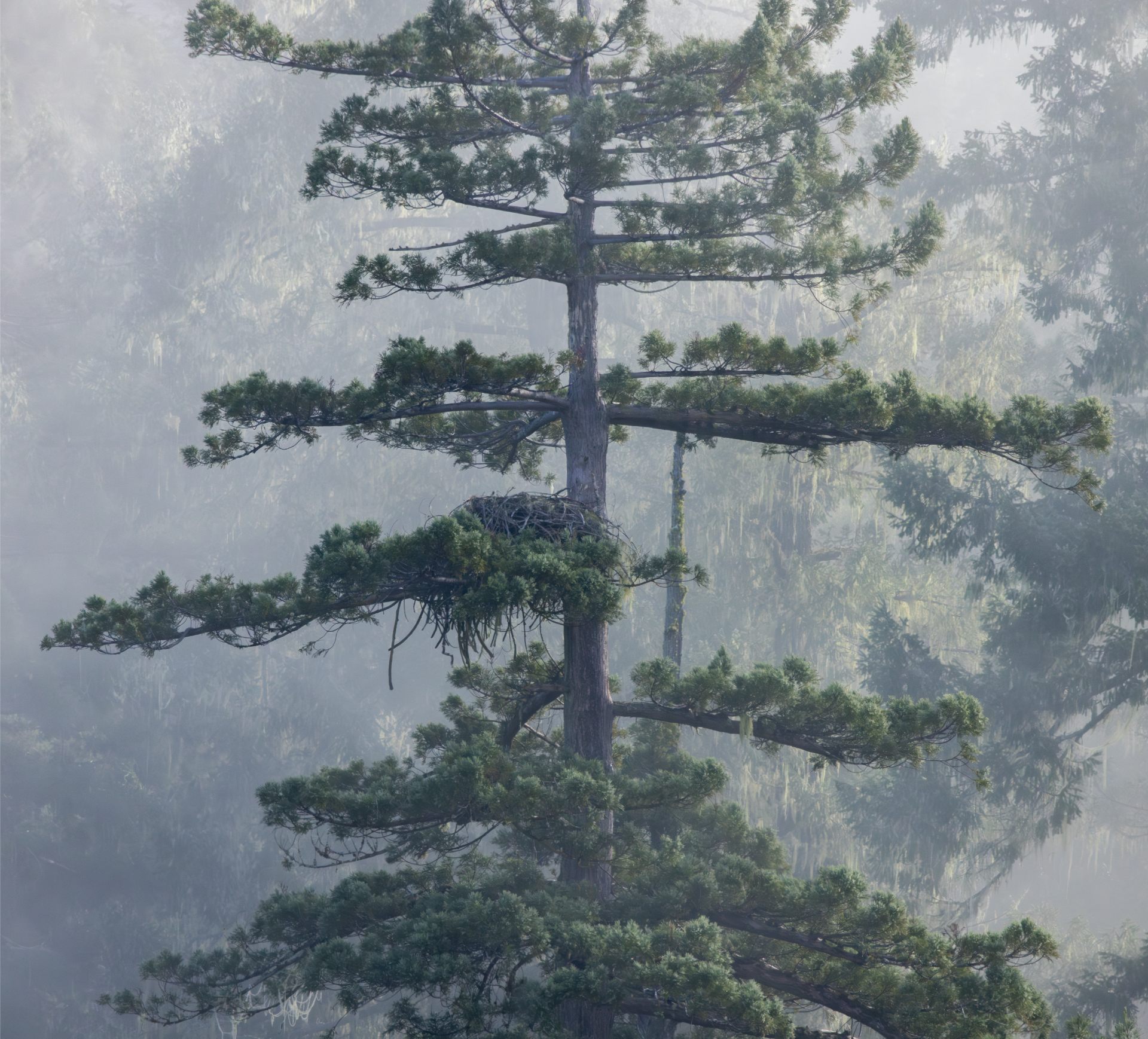
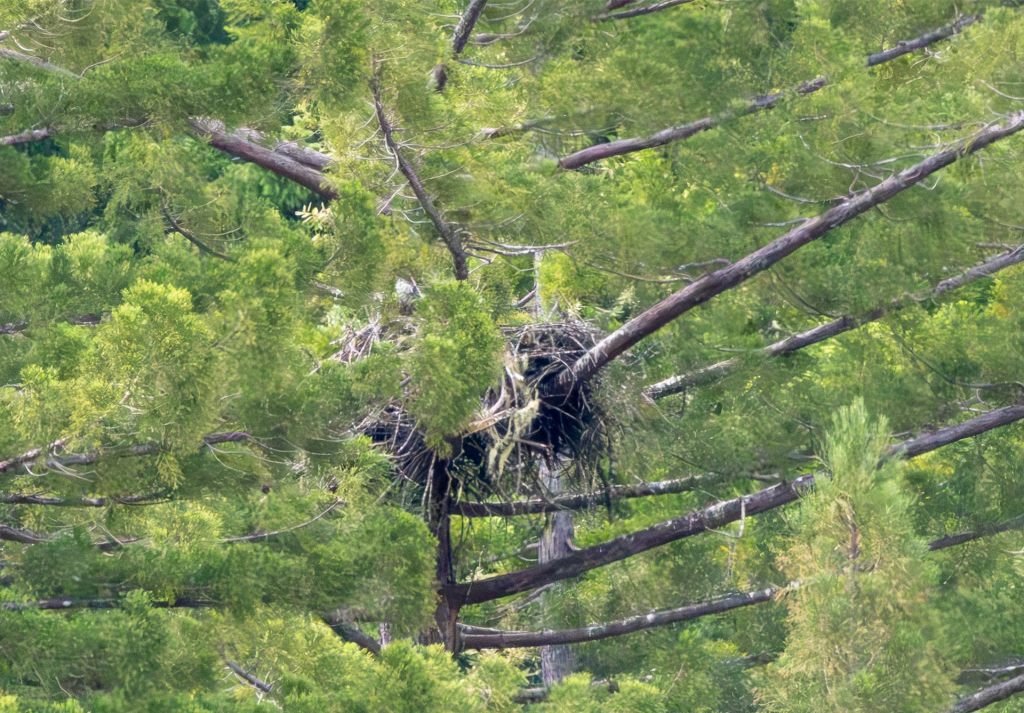
Last Friday I hiked up to the nearby Bald Eagle nest to see if there was any activity by the local couple who have been successful at fledging at least one juvenile eagle in 10 of the last 13 seasons. I don’t know how long the nest was active before I was lucky enough to discover it in 2011. There’s no way to know for certain that it’s been the same couple all these years. Sometimes a partnership ends when one of the two dies as Bald Eagles mate for life. A new partner might be brought to the nest in that case. Or both eagles may have died or abandoned the nest, sometimes resulting in a new pair taking it over.
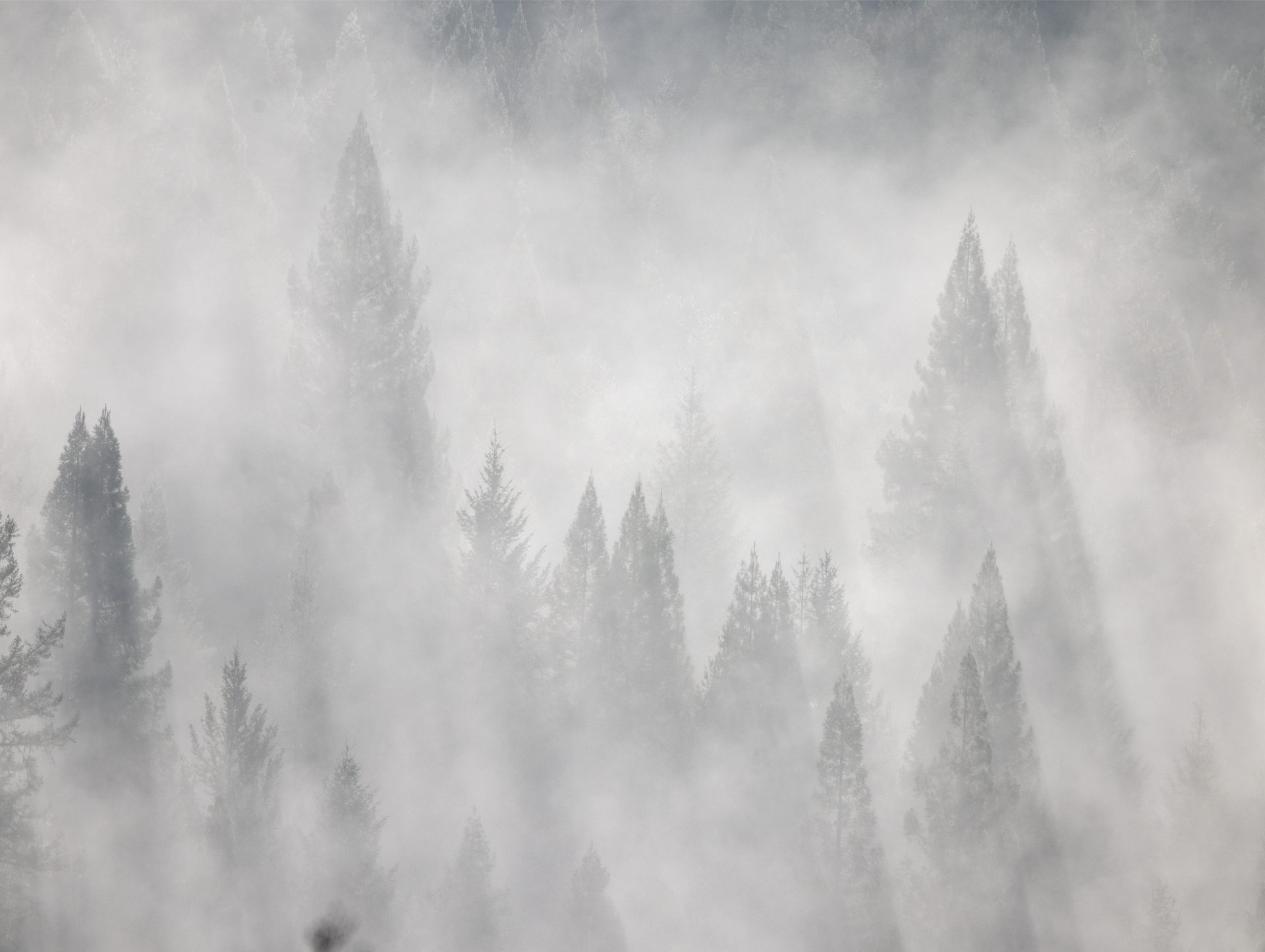
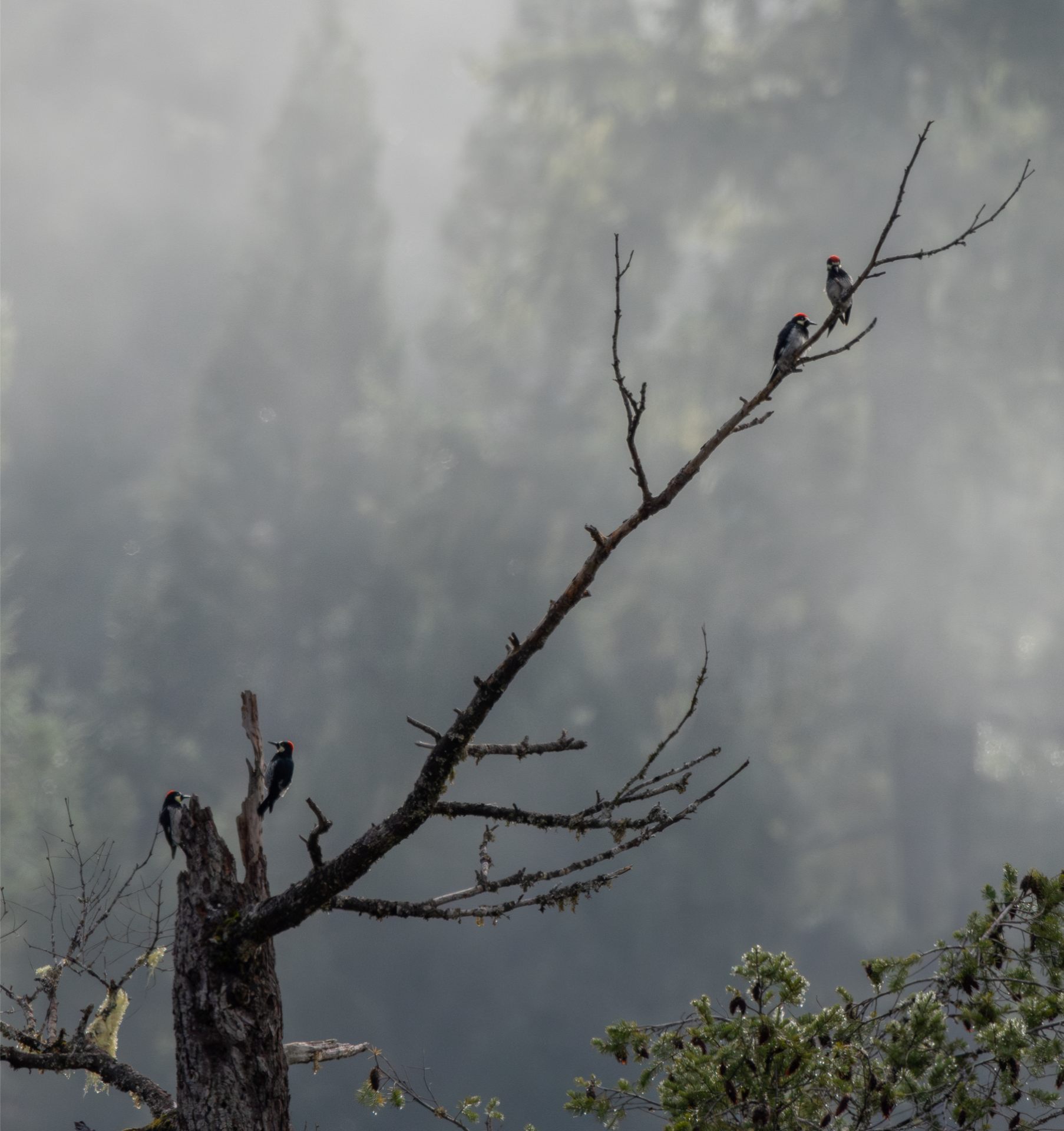
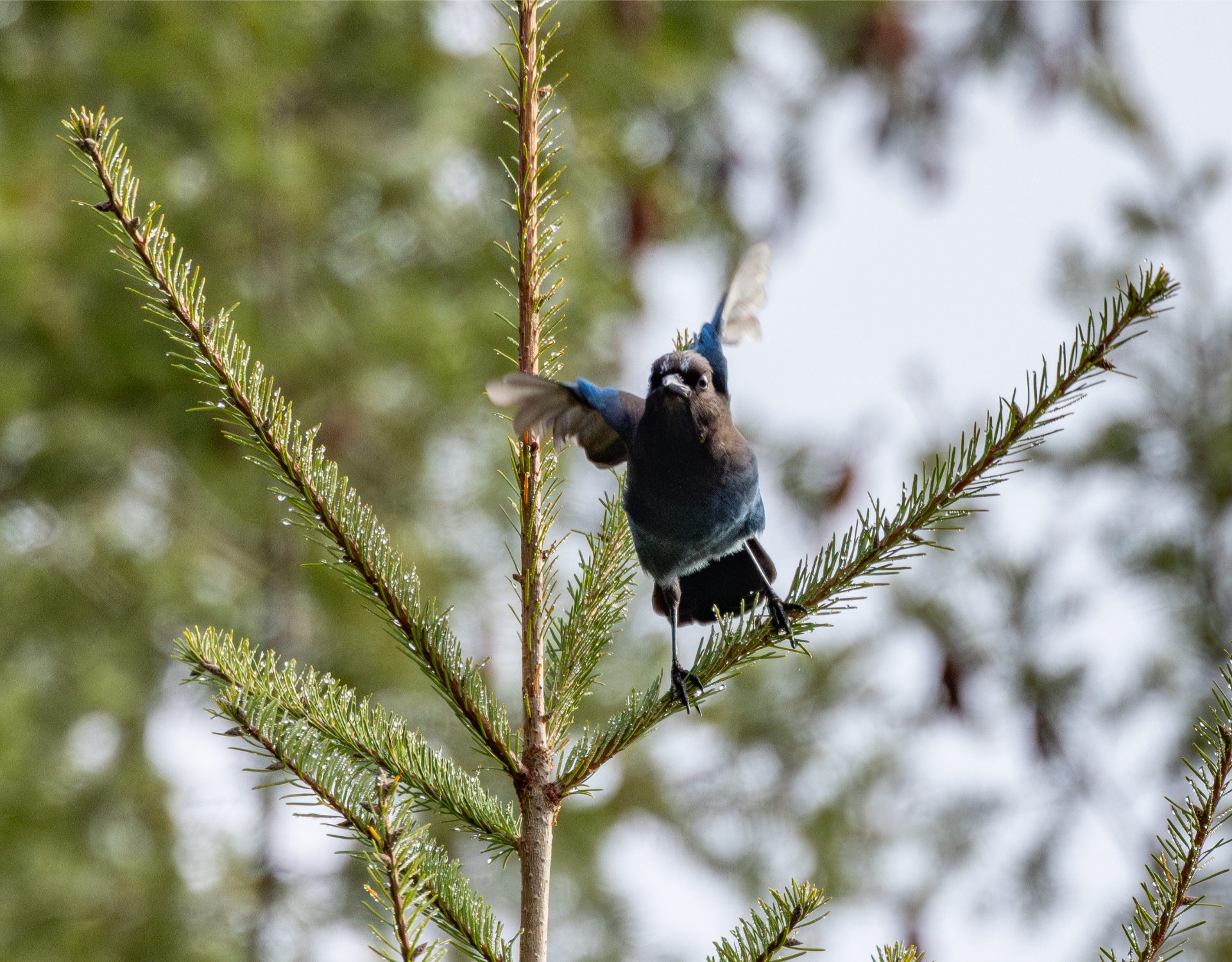
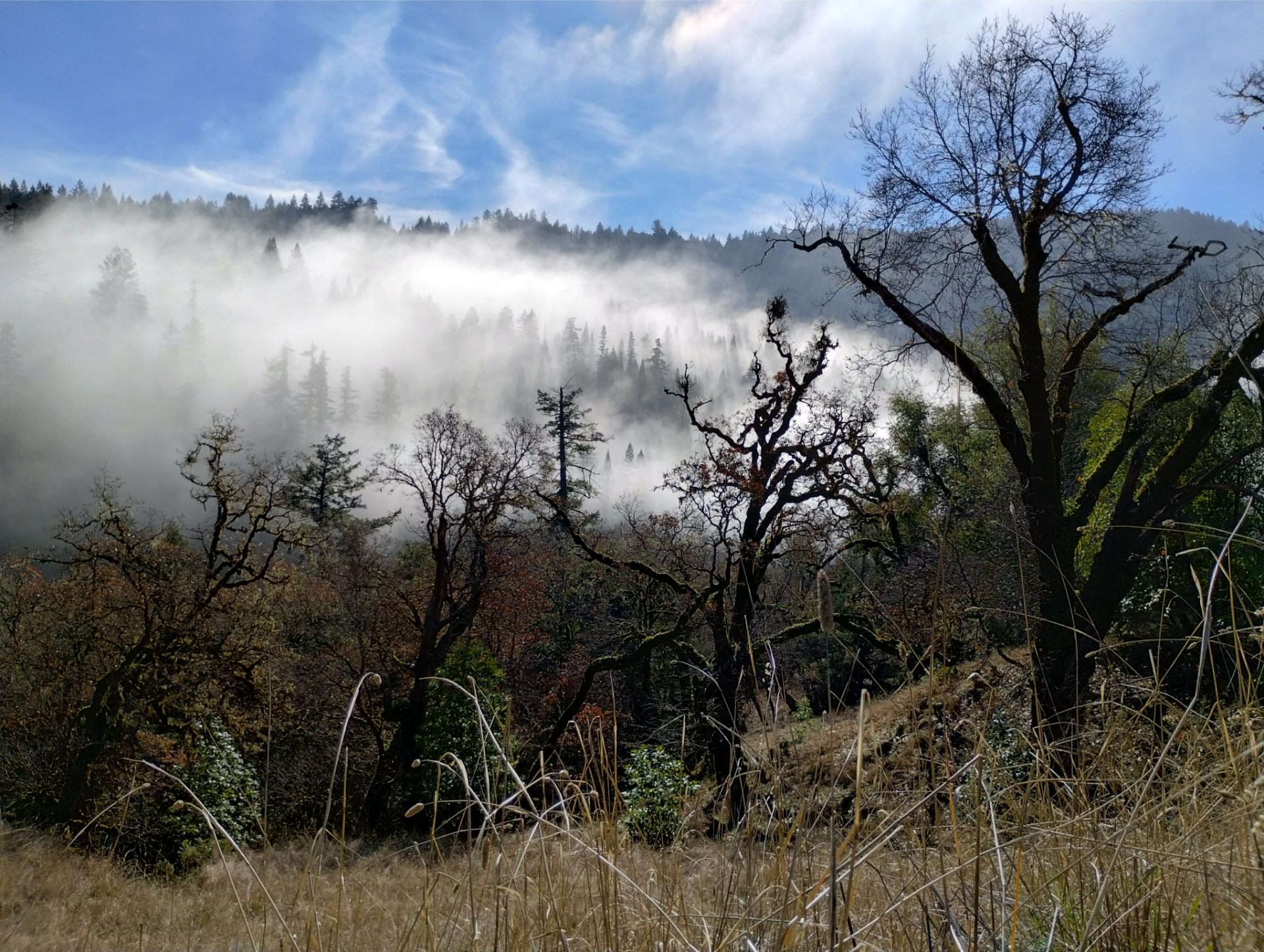
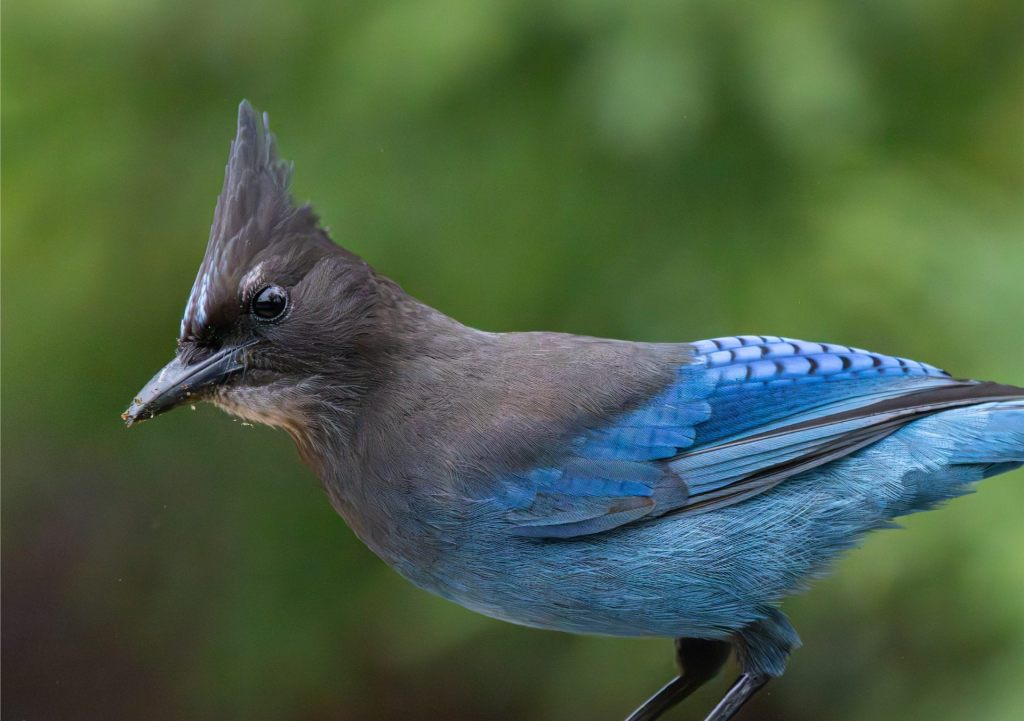
When I got to the viewing spot the whole valley was socked in with pea soup fog. I could see nothing on the other side of the river where the nest tree stands and for that matter not much on my side. I bundled up and sat down, prepared to wait out the lifting of the veil. An hour passed and nothing changed. A few Acorn Woodpeckers stopped by, making their waka-waka sound, and doing their business in a snag on my side of the river. A couple Steller’s Jays chased around, yelling their raspy scolds at each other. About 10 Dark-eyed Juncos flitted about, peep-peeping. Several Common Ravens flew past and back again, croaking at each other.
Then at last, while the bank of trees in which the nest sits across the valley was still completely obscured by a wall of fog, I heard the unmistakable call of a Bald Eagle, a high-pitched lilting staccato with a tone more plaintive than fierce, which is probably why Hollywood movie makers often incorrectly use the more intimidating cry of a Red-tailed Hawk when trying to convey the powerful majesty of our national bird.
This link will take you to the Cornell Lab page for Bald Eagle sounds.
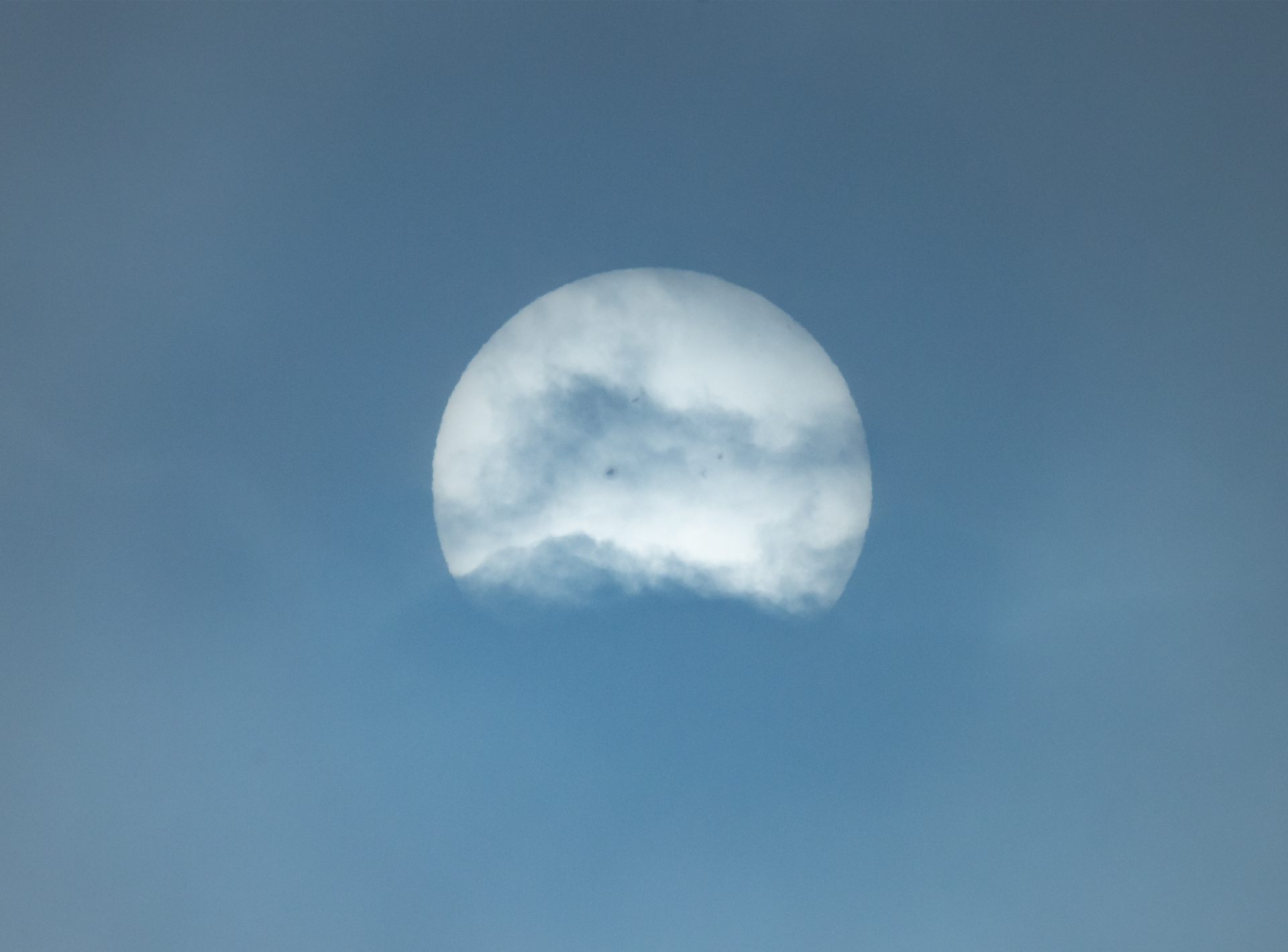
It wasn’t too far away, and soon I heard a second Eagle call coming from a different location, and then a conversation began. At this point I figured those sounds were the only eagle evidence to be had that morning as very little had changed about the fog bank except for a brief appearance by the sun which looked like a dull white circle I could look directly into with no need to squint.
The conversation waned and I wondered whether the two had just passed on through. At long last the fog began to lift, tantalizingly slowly, revealing some stands of trees across the valley, but not yet unveiling the tall tree that houses the nest. When more eagle talk began I got my hopes up that they were still in the neighborhood and finally, as the swirling mist thinned, the silhouette of an eagle appeared, the bird perched on a dead branch half way up a tall conifer about 50 yards downstream from the nest.
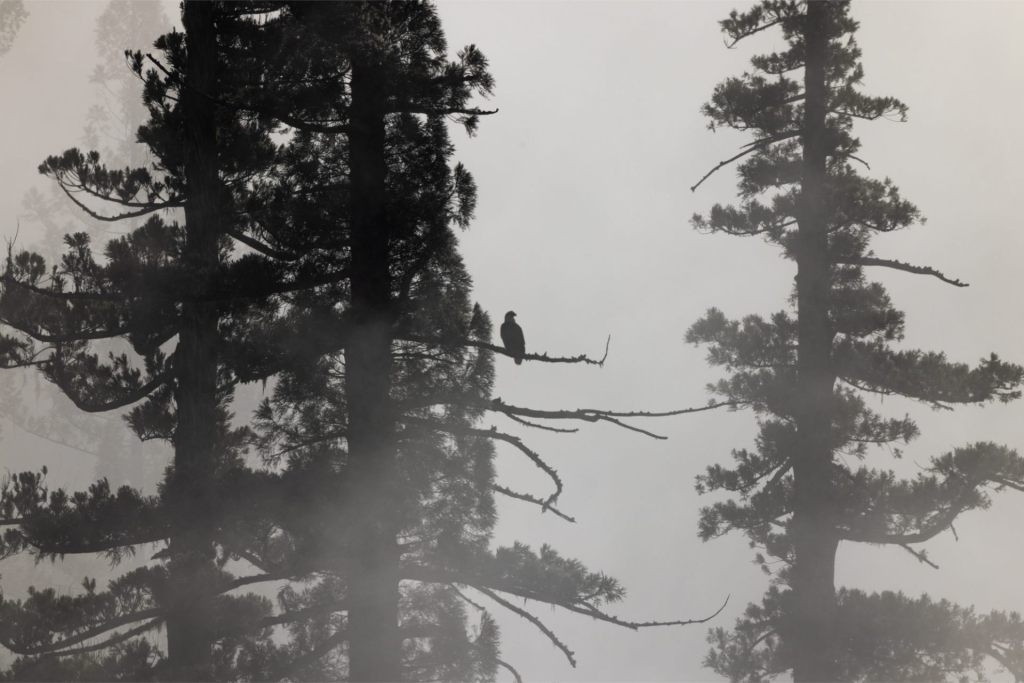
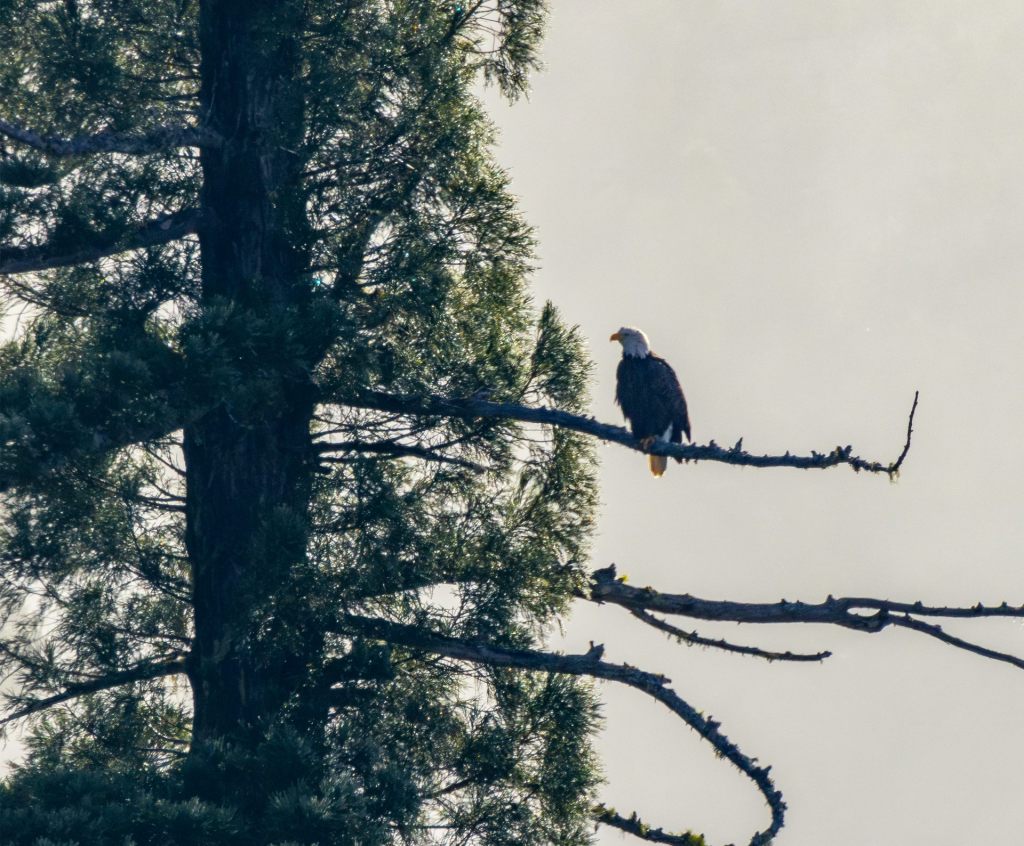
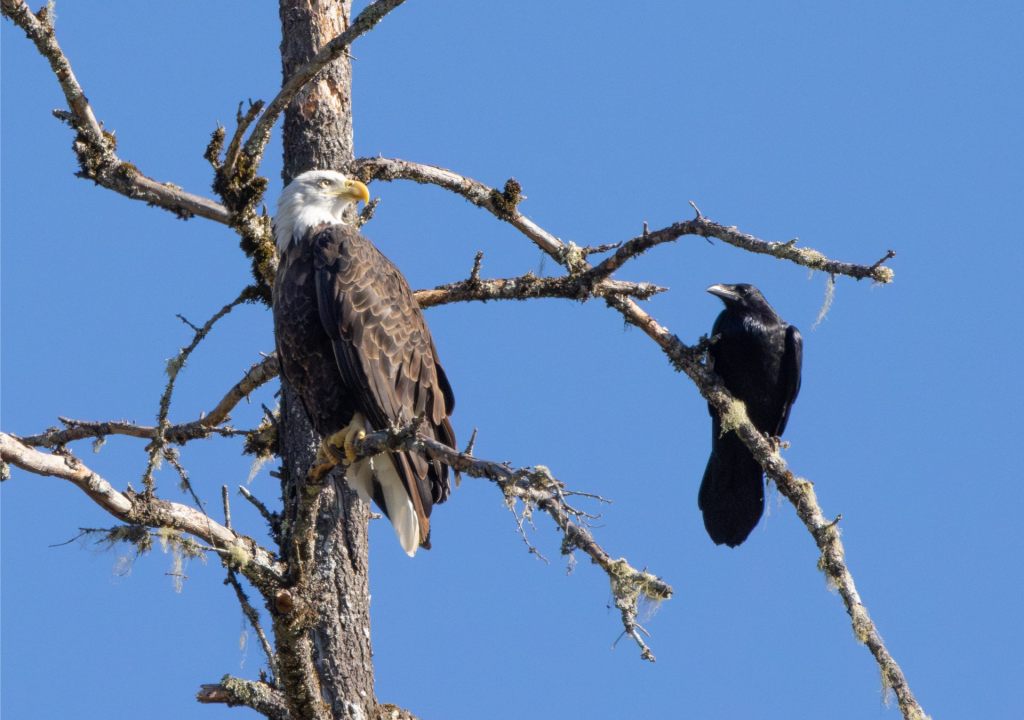
Slowly, as the sun asserted itself, the appearance of the bird changed from monotone silhouette to the well-known coloring of rich dark brown body, snow white head and tail, with bright yellow bill and orange-yellow legs. Despite knowing that these birds have some less than majestic habits, the sight of one still takes my breath away every time.
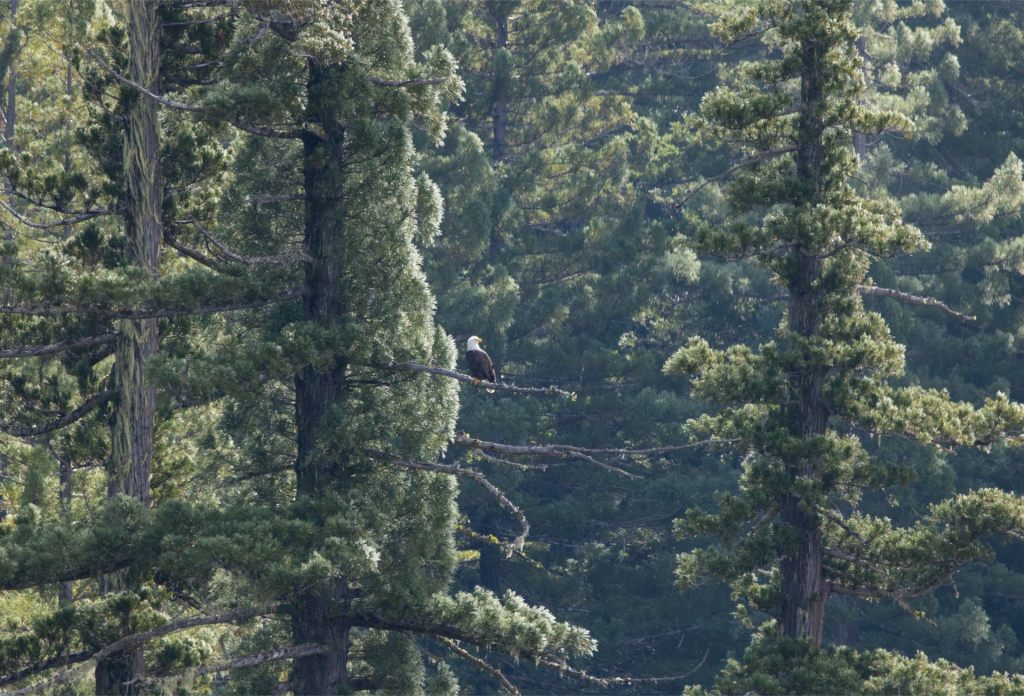
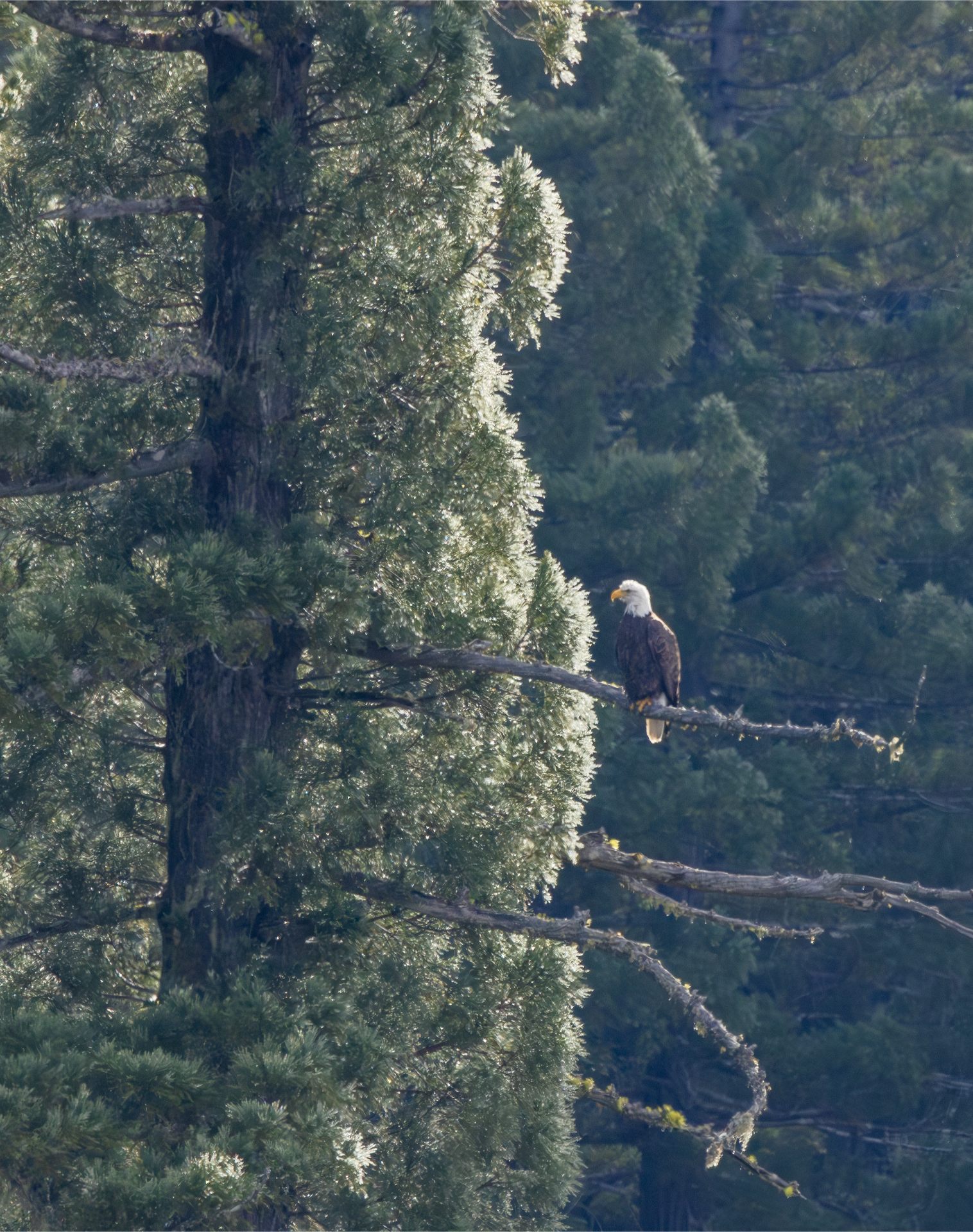
I sat and watched as the bird groomed, relieved itself, and just sat still, occasionally changing the angle of its gaze. I knew it could see me far better than I or even my fancy camera lens could see it. I couldn’t see the other one, and there was no more talk, but I was happy to finally get eyes on the nest once the fog fully lifted. It was a relief to see the structure had survived the 7.0 earthquake that had violently rattled our area the morning before.
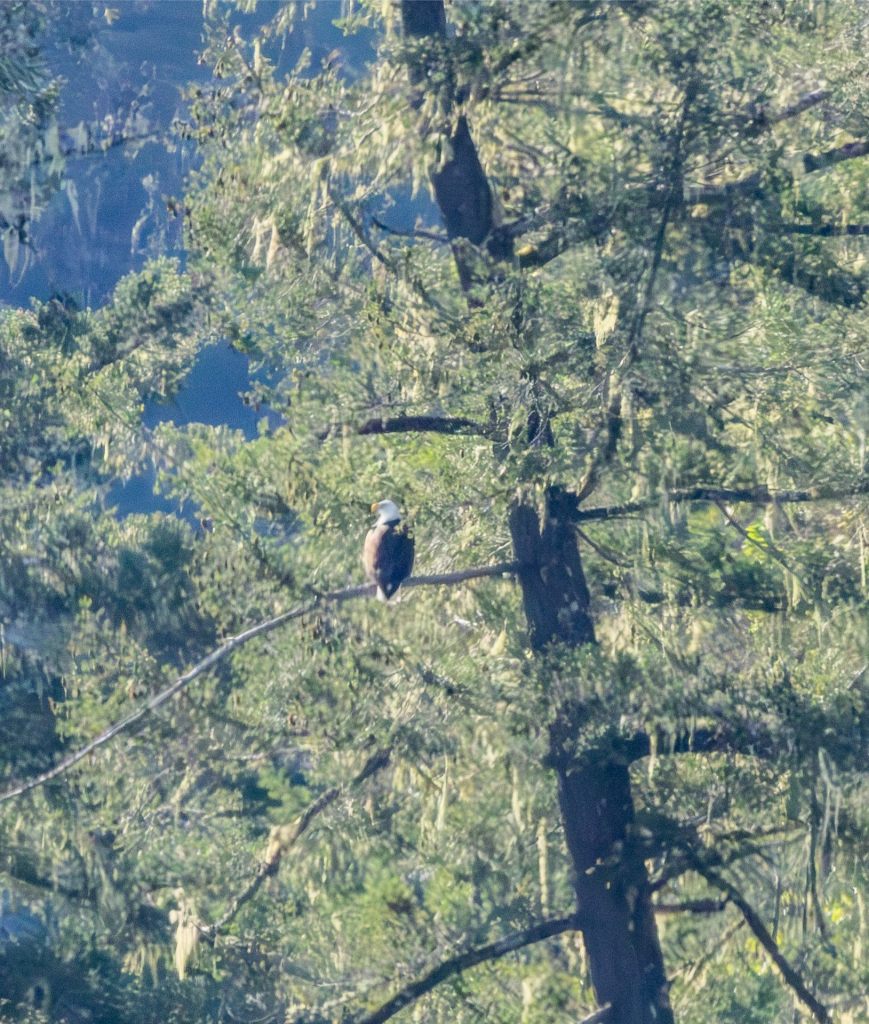
As I walked down the mile-long stretch of road back to my car I reached a point where it was possible to turn back toward the nest and see what I knew to be a favorite eagle perch on my side of the valley which I could not have seen from my original viewing spot. Sure enough, there was the second eagle, and now I understood why the two voices were coming from different angles when I first heard them.
I hope these two are planning to stick around and have another go at raising a family. I’ll keep returning each week to keep tabs on them.





Leave a comment