Birds are going about their business of making more birds, and as the summer continues, more and more of the youngsters are finding their way in the world. Here is an album of baby birds I have been able to document this year. It’s a bit bittersweet, because as life-affirming as it is to witness all this new life, the chances are pretty good much of it will serve as food for other forms of new life and never make it to maturity.
The real miracle is that many of those who do reach maturity must endure long migration voyages to the wintering grounds hundreds or thousands of miles away, and those who do not migrate will have to survive a Humboldt winter that transforms the food-rich mild-climate of their hatching time into a cold wet winter.
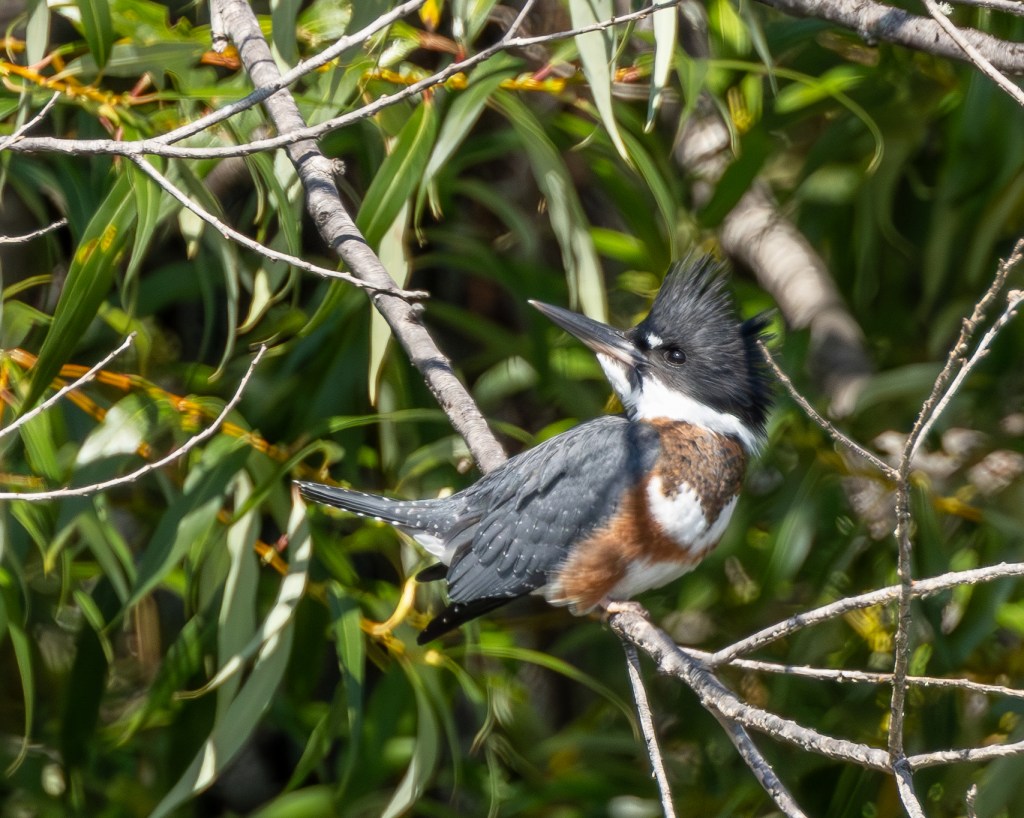
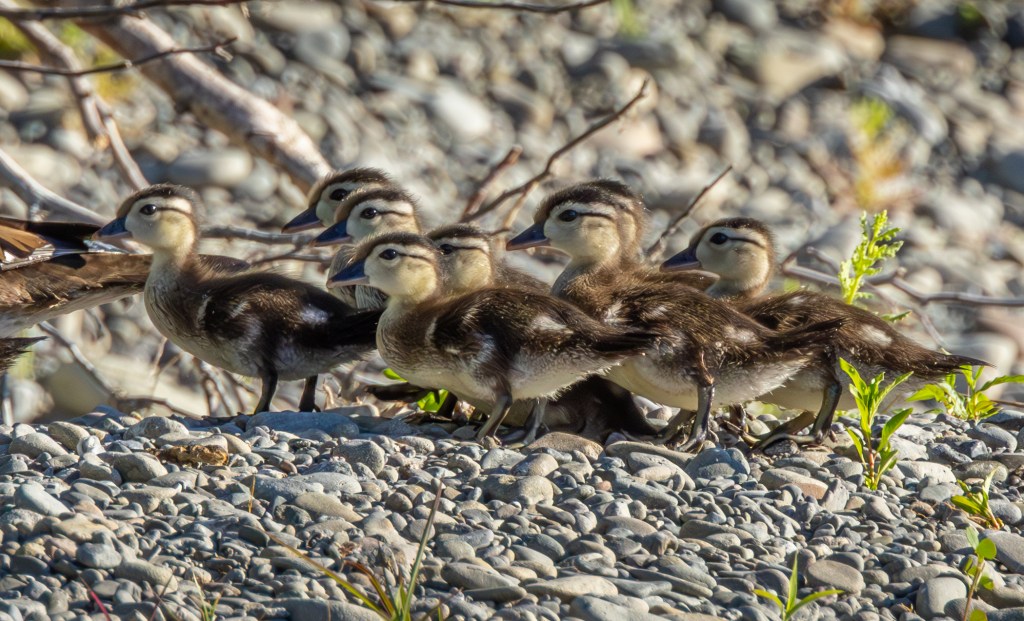
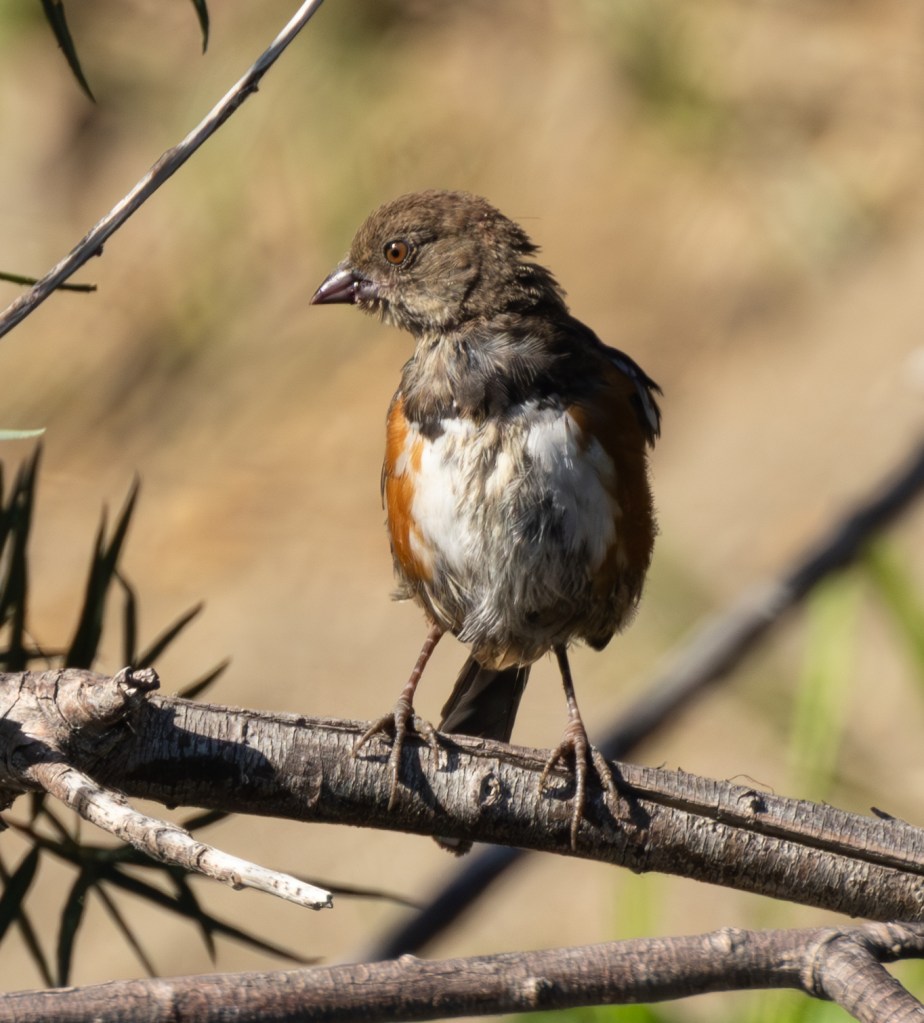
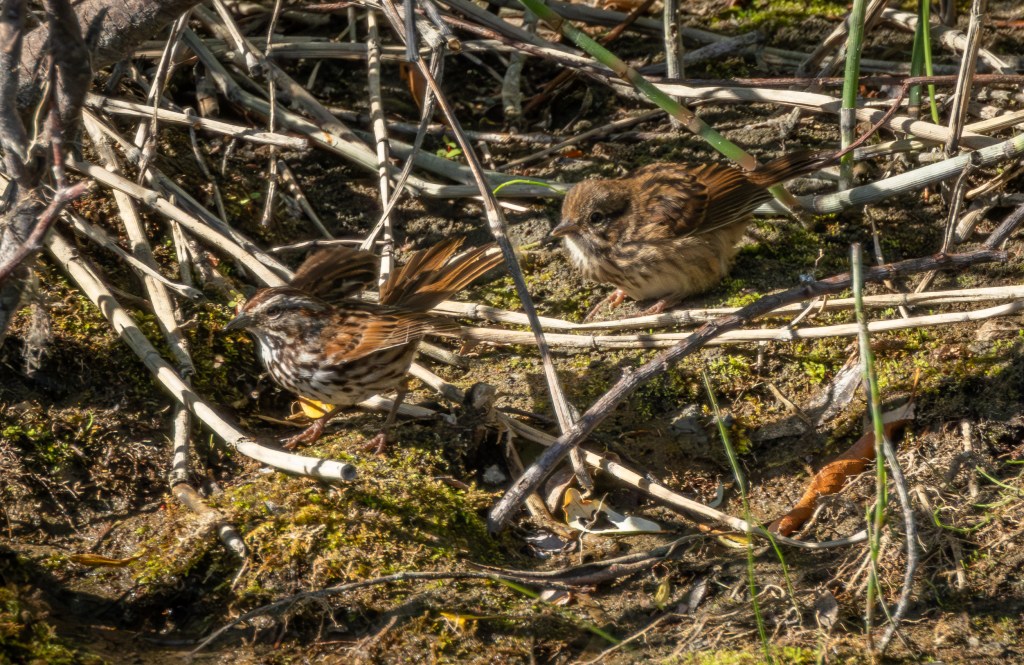
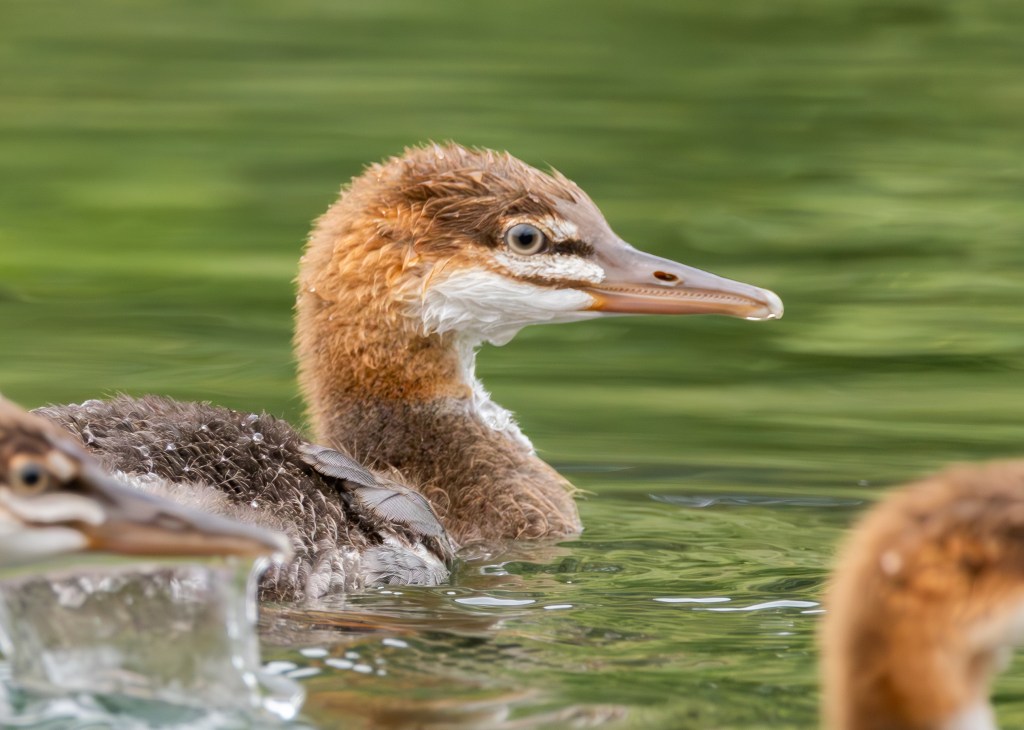
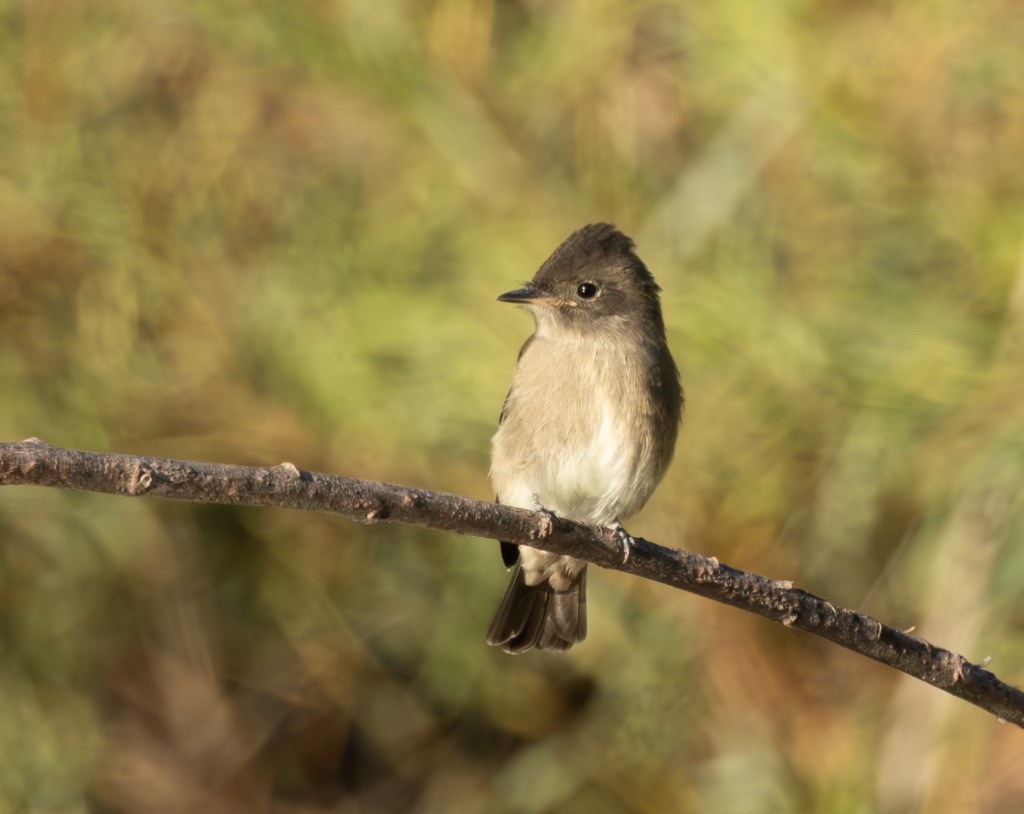
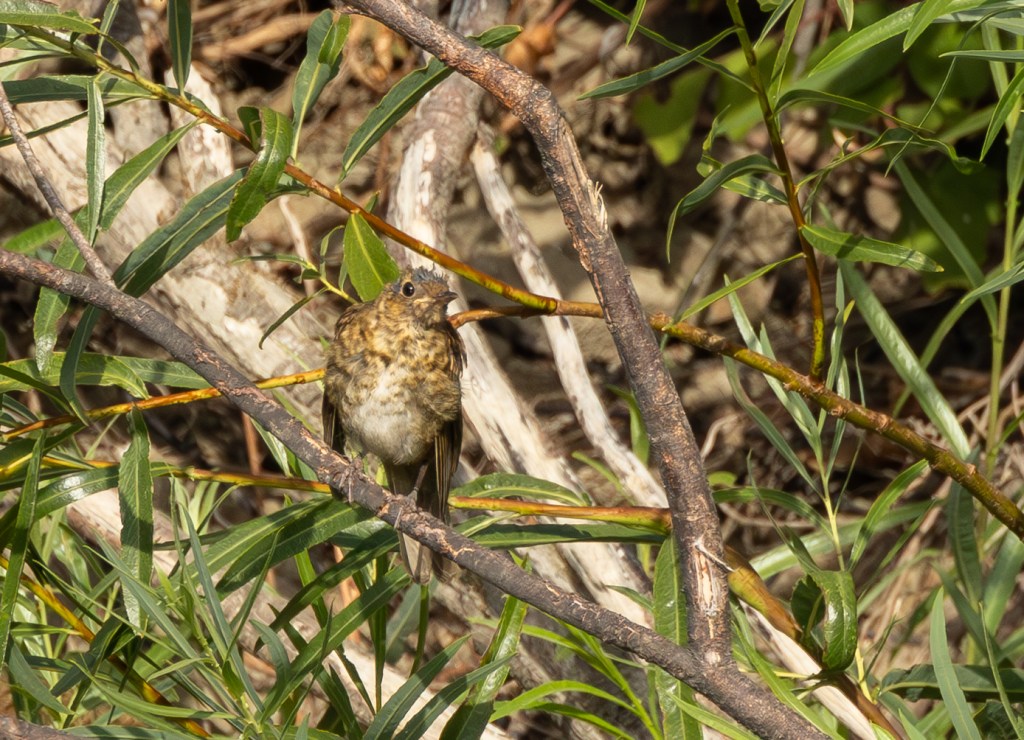
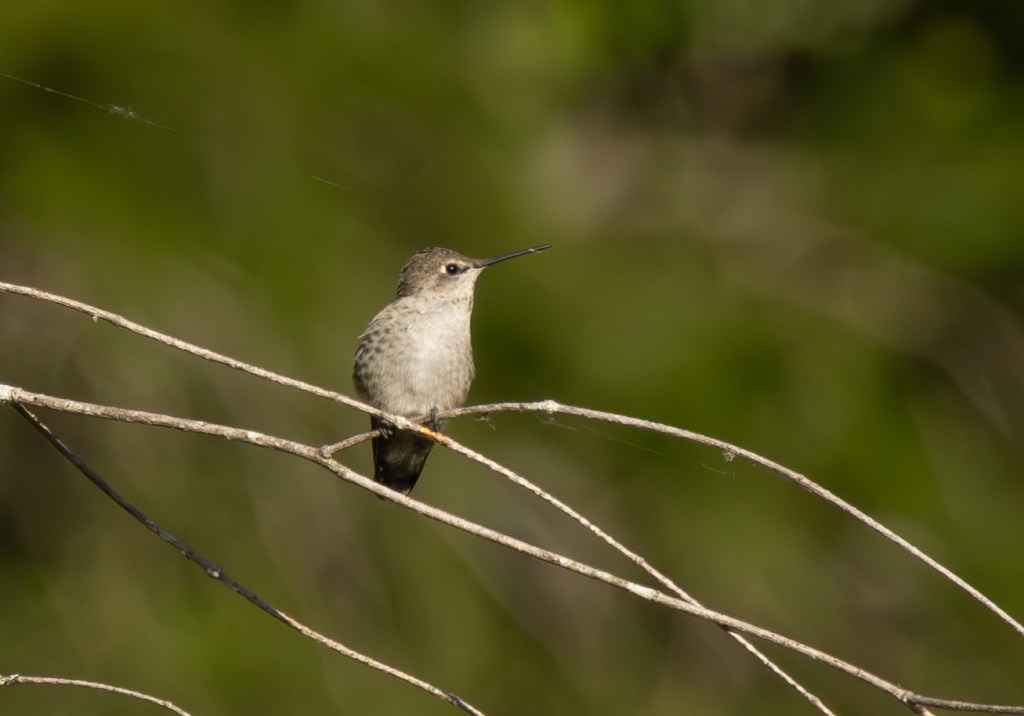
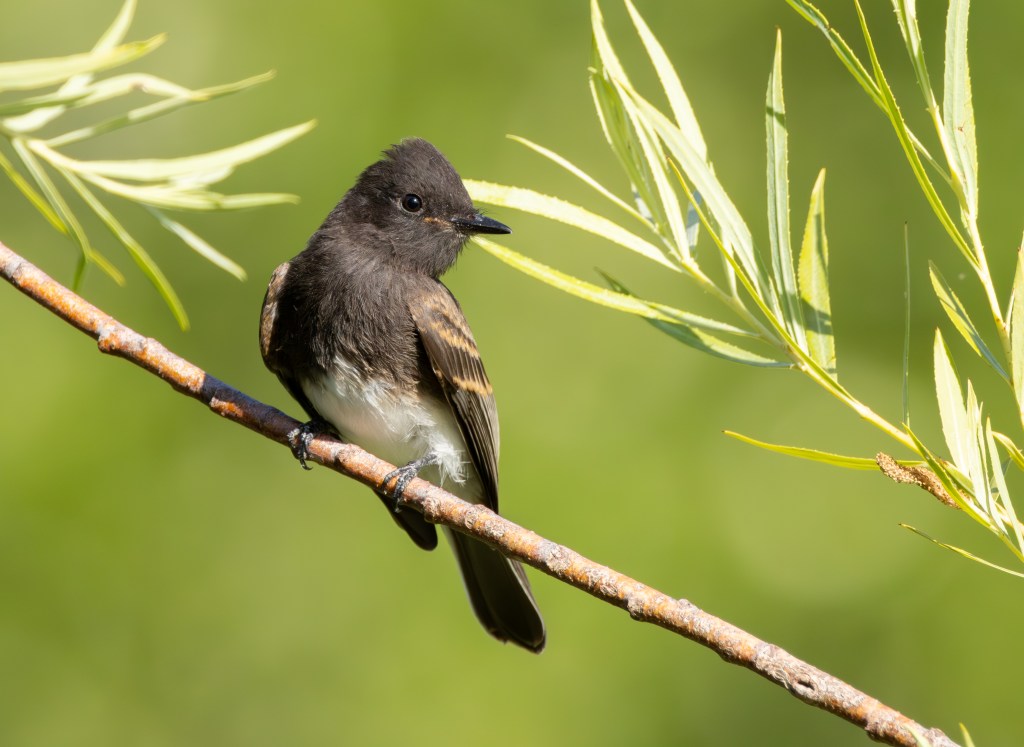
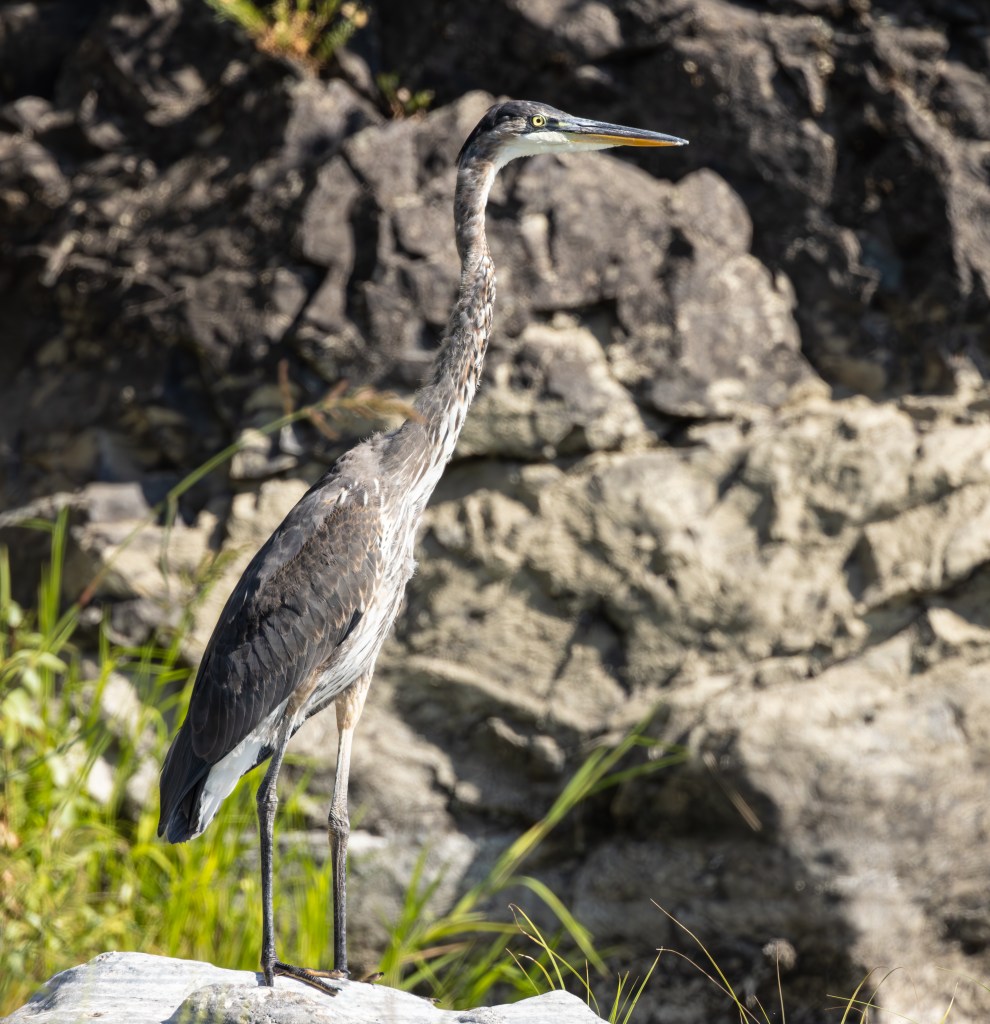
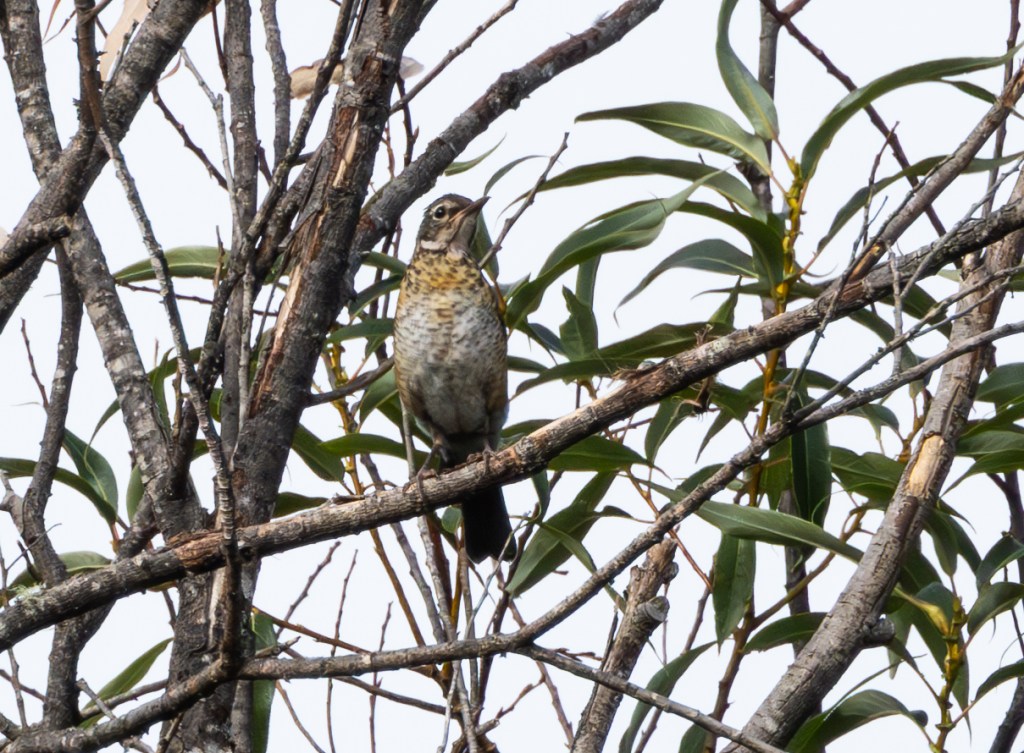
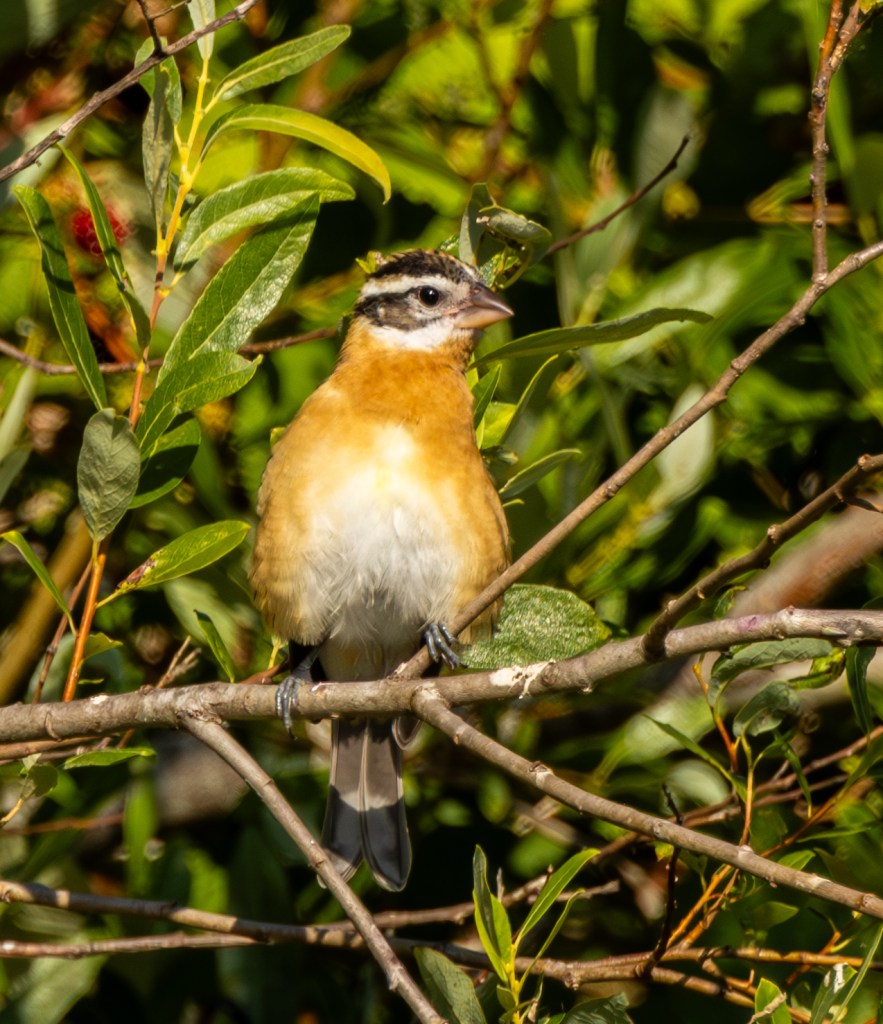
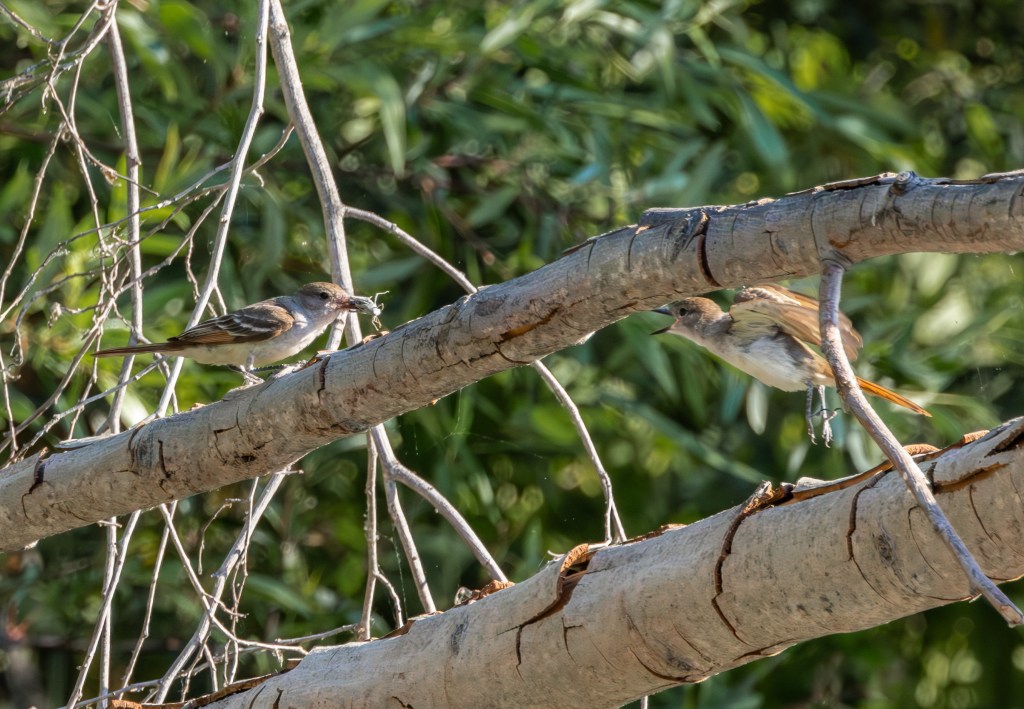
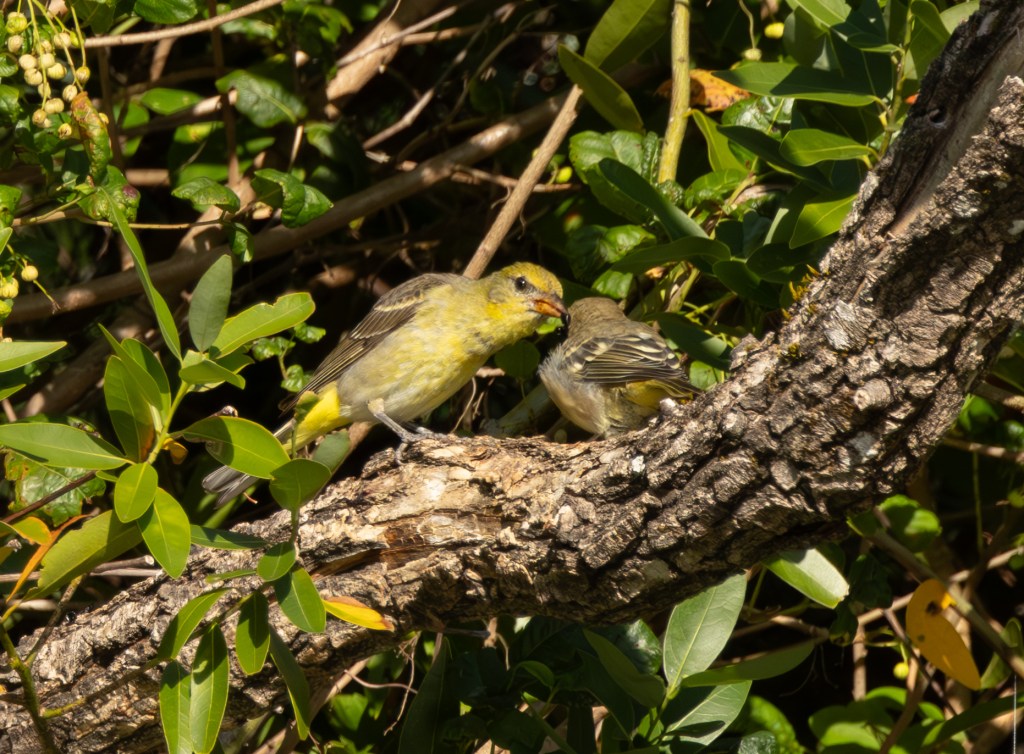
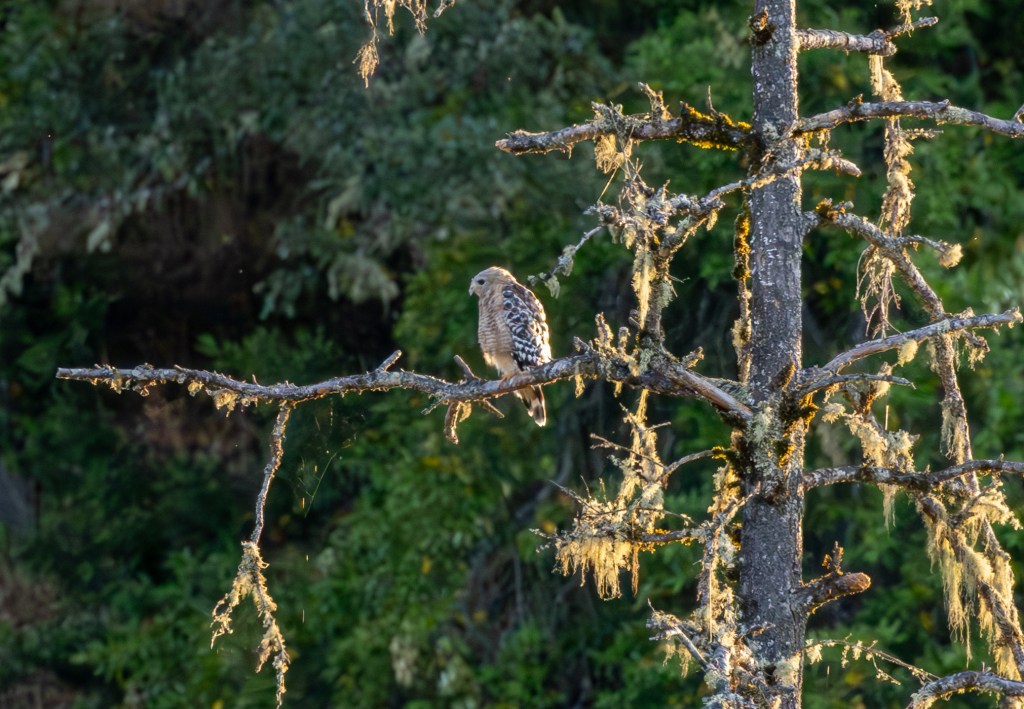
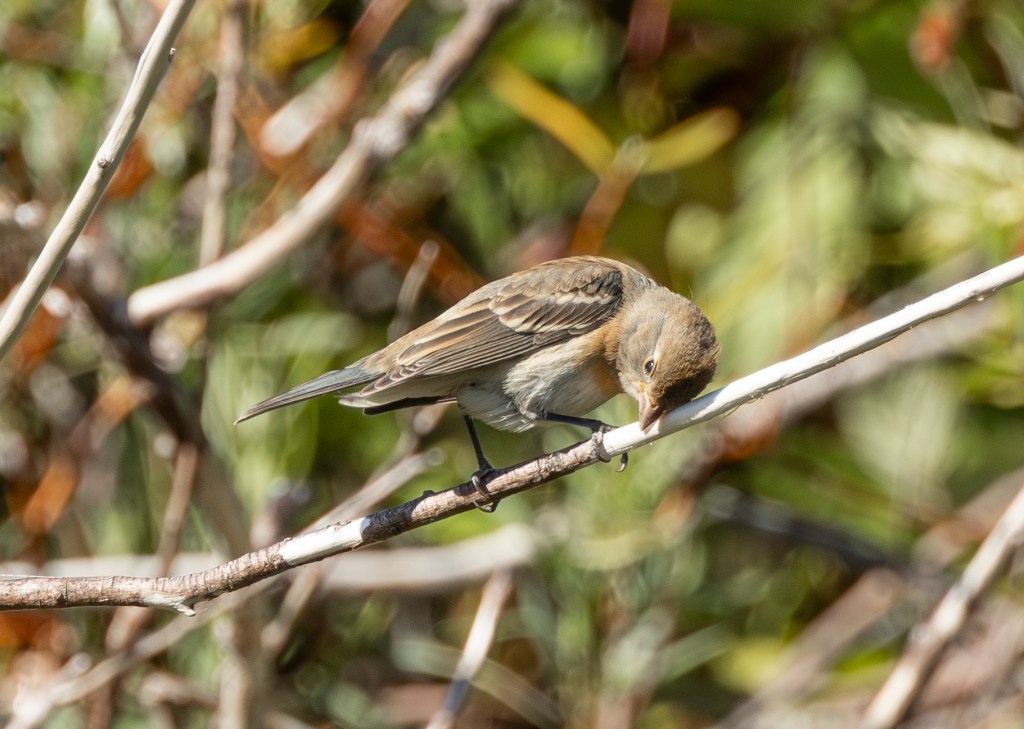
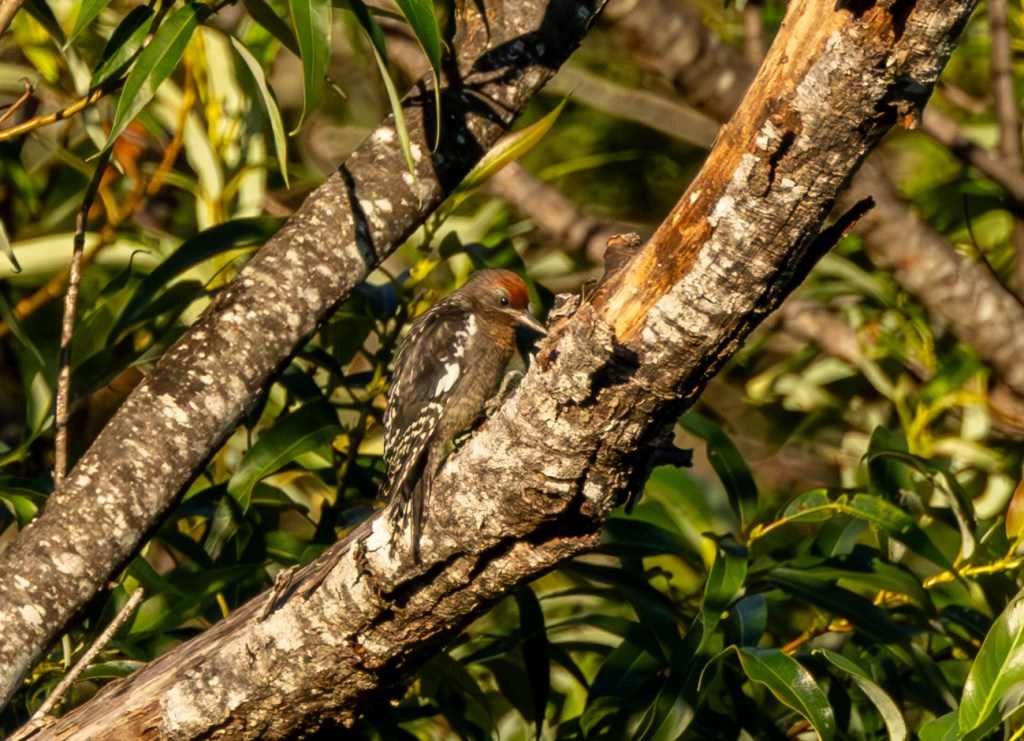
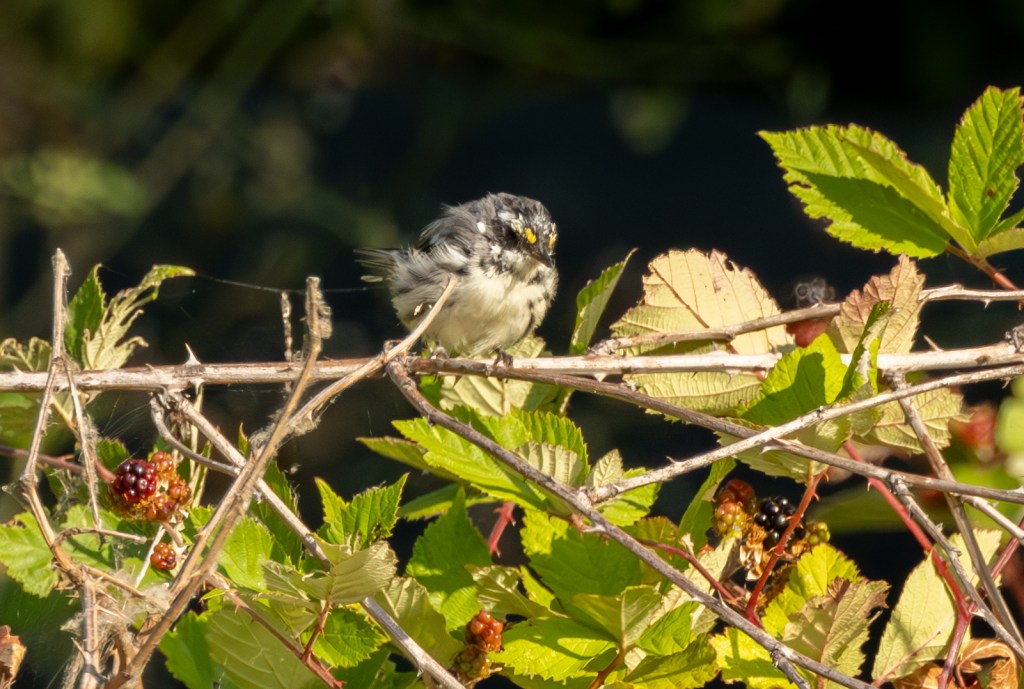
Wood Ducklings, South Fork of the EelSpotted Towhee transitioning into its adult plumage. The eye color will become a rich red.The grey head gives this Scrub Jay away as a juvenile. It is learning to enjoy the abundant blackberries of July.Here a parent and juvenile Song Sparrow are shown, the bigger juvenile on the right awaiting a meal to be delivered by mom.Common Merganser duckling beginning to get some adult feathers.One of several flycatchers that come here to breed, this Western Wood Pewee shows a brightly colored “gape” at the outer corners of its beak. On a tiny nestling, the gape helps the parent guide meals into the mouth. Many birds retain the gape for awhile once fledged from the nest.Some fledglings, like this Swainson’s Thrush just have kind of an unfinished look, with downy feathers sticking out as mature feathers continue to replace them. You can see this bird’s gape as well.Anna’s Hummingbird. This species is a year-round Humboldt resident.Another year round resident, the Black Phoebe shows light brownish wingbars as a juvenile. The mature bird has an overall blackish appearance on the wings.Juvenile Belted Kingfishers show some rust-colored feathers in the “belt” for which they are named. Later that belt will turn the same color as the blue-gray color on the bird’s back. This bird is a female, which is told by the bright rufous belt and flank feathers below the other belt.This young Great Blue Heron will eventually get the lush beautiful plumes on its breast for which the adults are known, and the scalloped-edged feathers on its wings will fill in with a more solid blue.I’ve always thought juvenile American Robins were more beautiful than their parents. One of my favorite summer visitors, the Black-headed Grosbeak juvenile will transition slowly to its adult plumage, with a Black head and brilliant dark orange breast on the males while females keep this head pattern but get a light streaking on the breast.Another summer visitor of the flycatcher family, this juvenile Ash-throated Flycatcher eagerly approaches its parent from the right in anticipation of a delicious grasshopper.One of our most abundant and beautiful summer visitors, the Western Tanager mother is seen here feeding her fledgling.Black-crowned Night Heron juvenile (above) and adult (below). this species seems to be making a comeback on the South Fork of the EelThis immature Red-shouldered Hawk might actually be from the Class of ’23 as they retain their immature feathers for over a year.Another summer visitor, the Lazuli Bunting juvenile looks nothing like its striking sky-blue father, but you can see a bit of blue in the tail.The Red-breasted Sapsucker’s head, nape, and upper breast will eventually fill in with a rich rosy red and the belly will lighten a bit in color.Black-throated Gray Warbler with that unfinished look.Yellow-breasted Chats are amusing vocalists who make a wide variety of sounds that aren’t particularly musical and always make me smile. Once their young fledge they get pretty quiet except for a soft whispering buzz they seem to use as they guide their young around showing them how to forage for food. It looks like this youngster has been eating berries.Wood Duckling leaping completely out of the water for the perfect tender blade of grass.
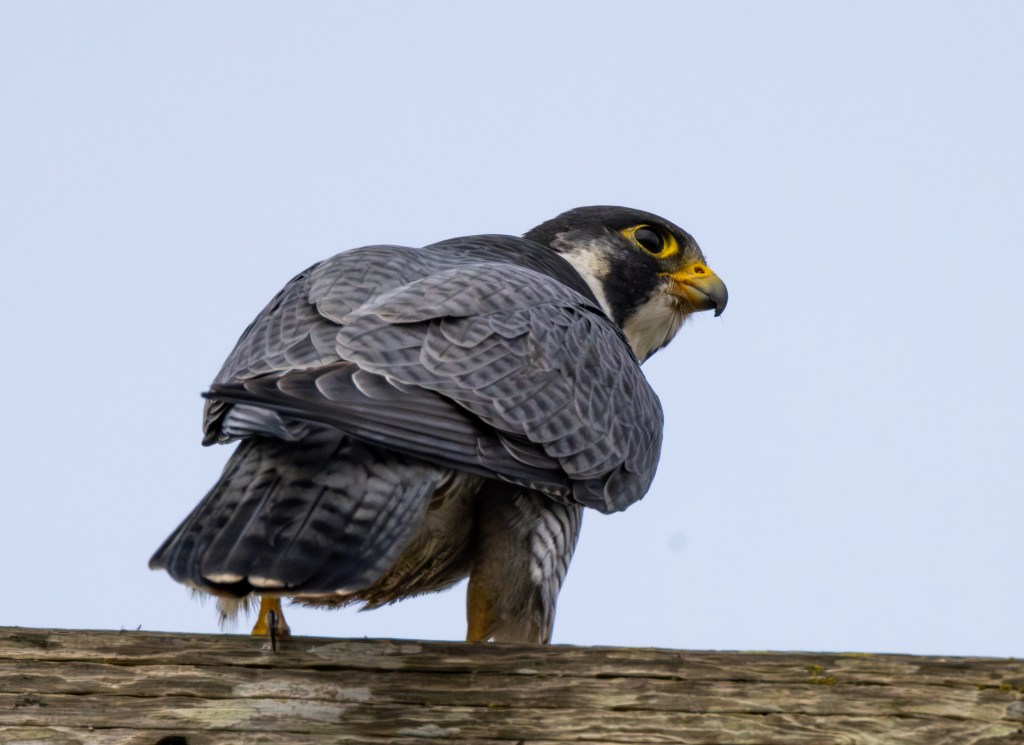
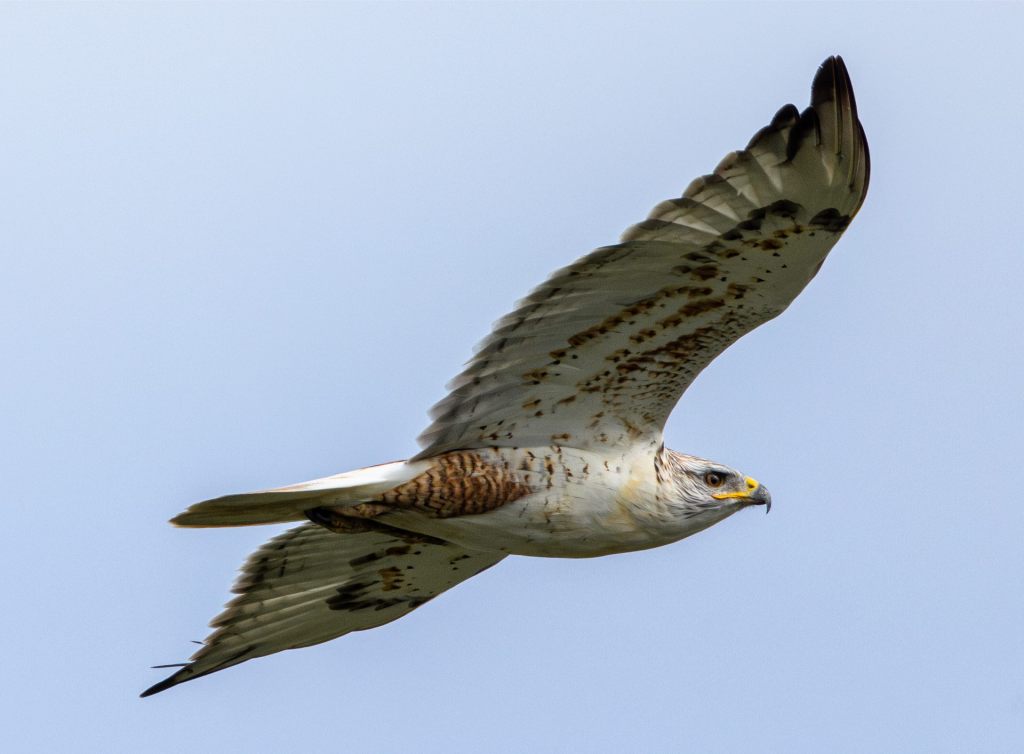
Many juvenile birds are easy to watch because they haven’t learned to fear us yet. I suppose that makes them an easy meal for anyone above them on the food chain, and indeed every year I watch ravens, hawks, and falcons carrying tiny nestlings, most likely to their own nests where their own offspring await nourishment.
What a fun education! I qualify as an old fart and can truthfully say that one of the things that keeps me going is the anticipation of another Spring full of such treasures.
Your collection of baby bird photos is so sweet/heartwarming. It’s incredible to see the variety of species you captured. The descriptions you’ve provided for each one, from the emerging red eyes of the Spotted Towhee to the fluffy down of the Swainson’s Thrush are so cool!
I especially loved the photo of the Wood Duckling leaping out of the water! It’s bittersweet, like you said, knowing that not all will make it to adulthood, but it’s a joy to witness these early stages of their live. Jerry’s right, one of the things that keep us older folks going is just the anticipation of seeing all the new life (for me its the new flowers but you make me appreciate the birds too) that is coming.





 Free Range Photography
Leave a reply to Ann Constantino Cancel reply