Summer starts to get serious in June. The soundscape includes louder and more abundant insects and less ardently singing birds. Algae begins to appear in the river, as do polliwogs and tiny newly hatched fish as well as a myriad of invertebrate life forms. Grasses finish turning brown and dryness makes the ground hard underfoot. Daylight begins early and it’s best to get out and see what’s happening before the heat arrives late in the morning and sends all of us to the cool shelter of shade.
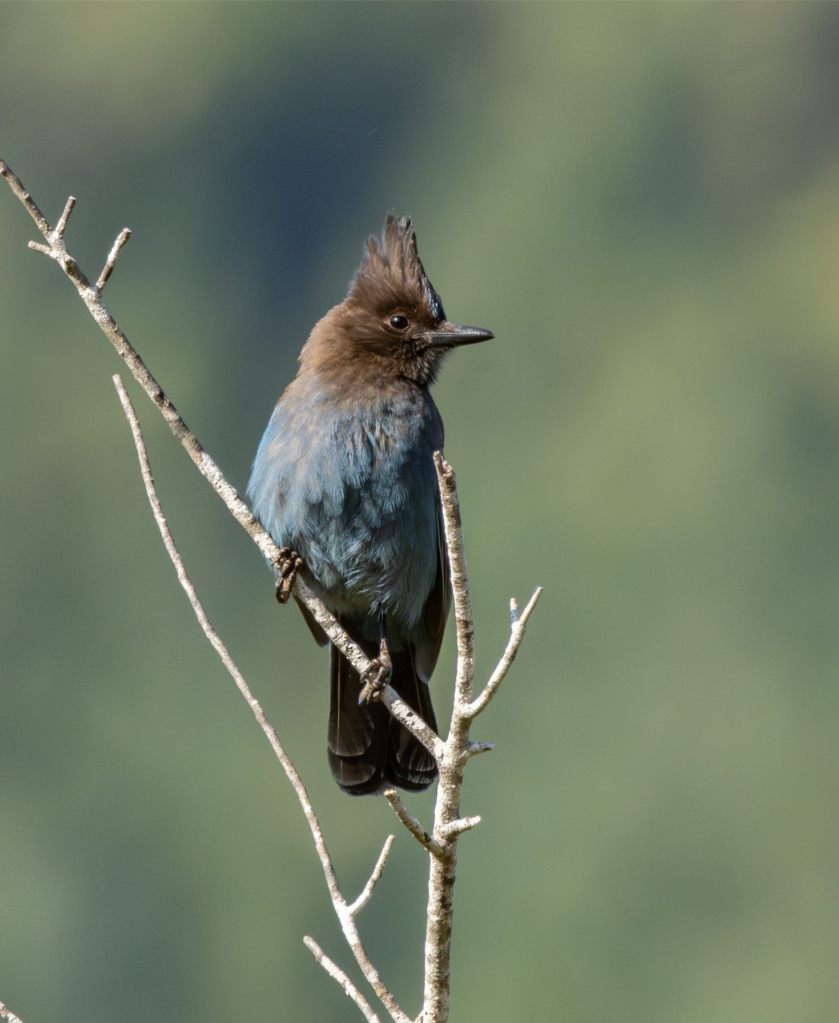
The usually feisty and assertive Steller’s Jay strikes a pensive pose in pre-dawn light.
In somewhat random order, here’s a collection of June birds and a few other creatures. (Part one was all about nesting and baby birds, these photos are not necessarily nest related.)
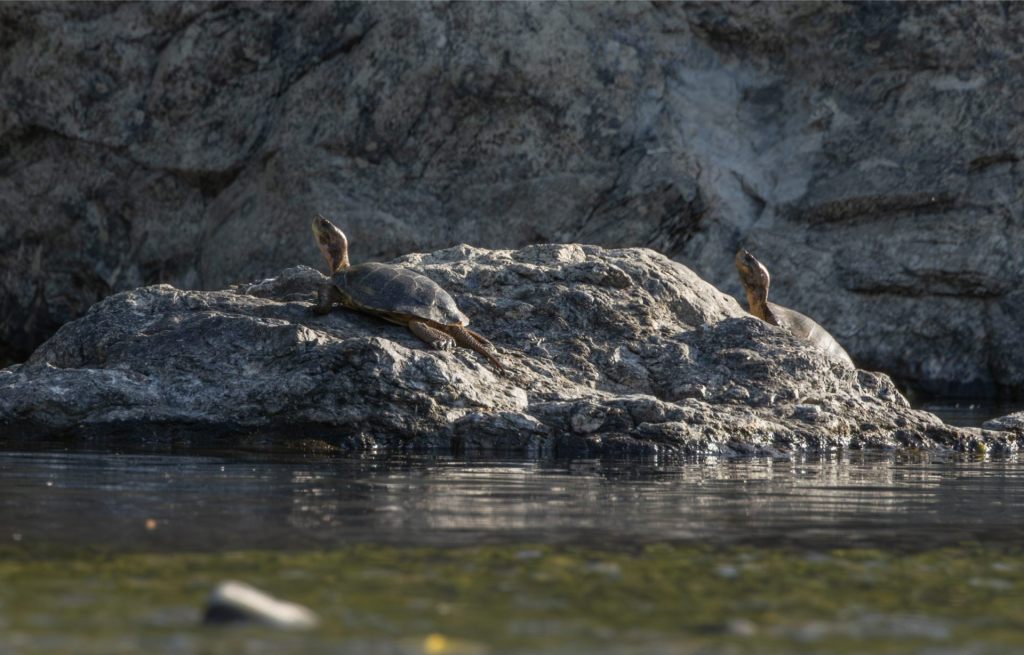
A couple of Northwestern Pond Turtles climb out of the water to bask in the early morning sun.
Nuthatches
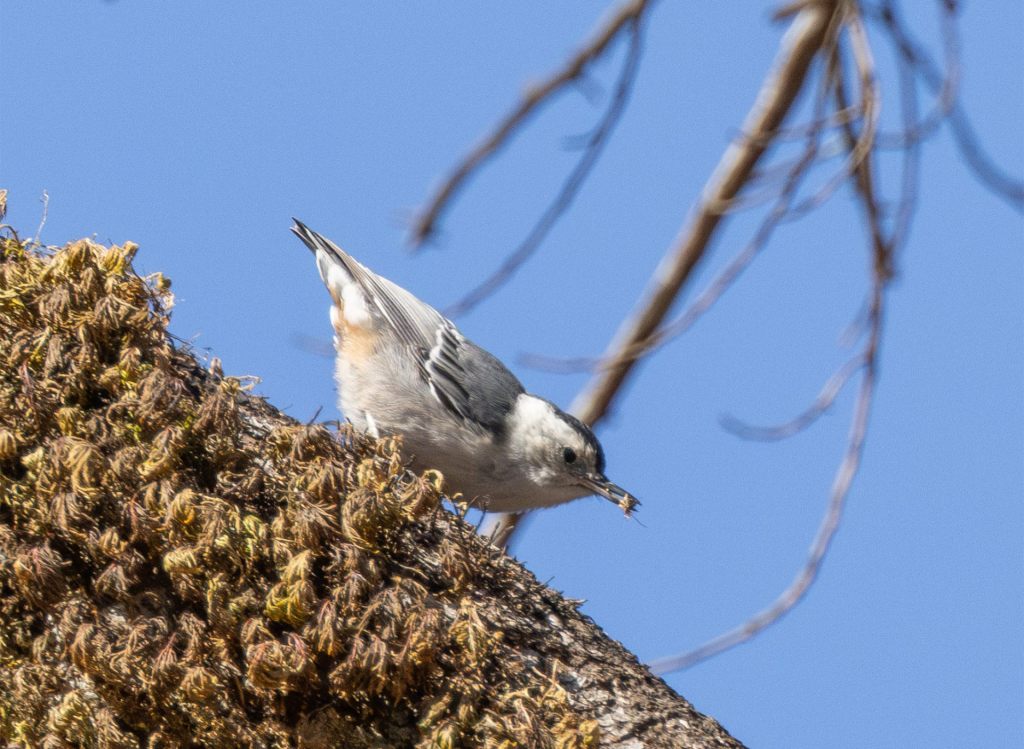
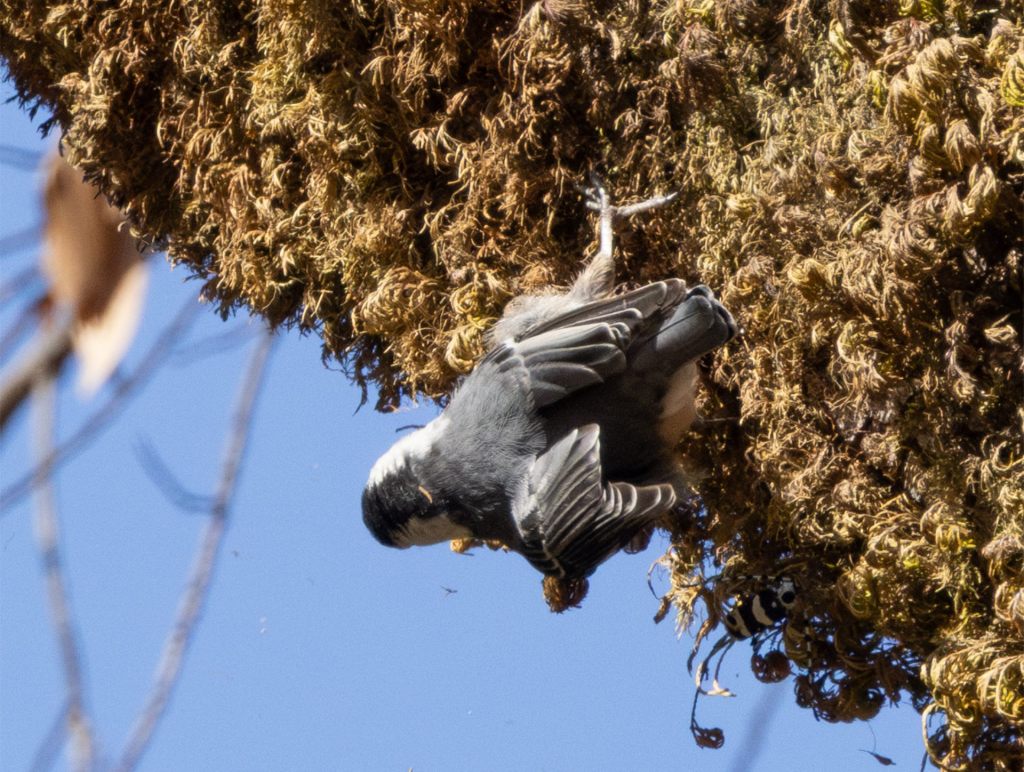
A Red-breasted Nuthatch made a brief and flighty appearance up by the eagle nest. They are often easier to hear than see, their nasal honk-honk-honk distinctive if not melodic.White-breasted Nuthatch is the Red-breasted’s cousin, and is slightly larger. Nuthatches have huge feet that they use to cling onto trunks and branches of trees as they glean bugs from within lichen growth as this one is doing here, or from cracks in the tree barkRear view of White-breasted Nuthatch as he forages in the lichen.
The word Nuthatch is derived from “nut hacker”, as the bird is known for wedging nuts into crevices in a tree and “hacking” at them with its bill. It apparently works for live prey as well as nuts, as this video shows.
Breakfast with Visitors
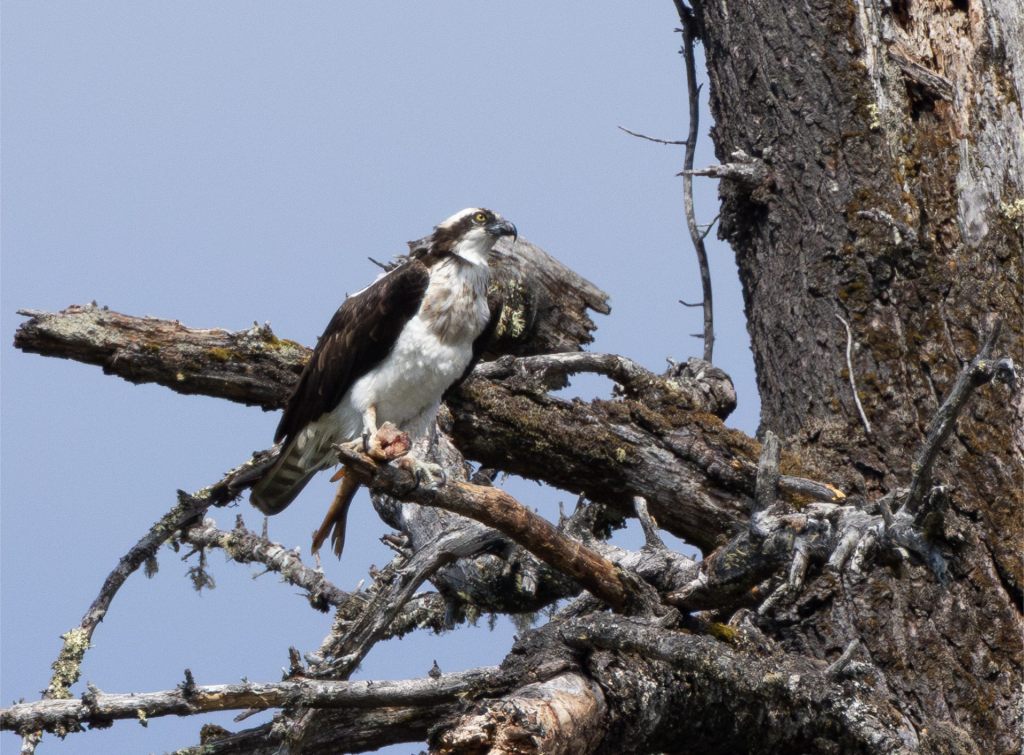
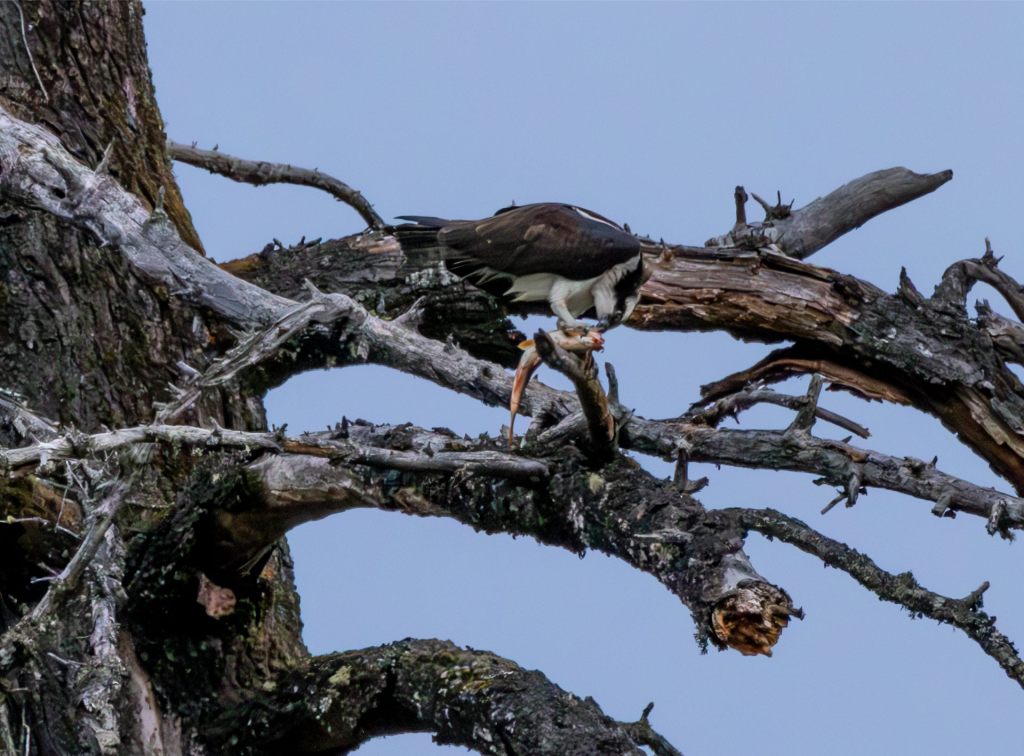
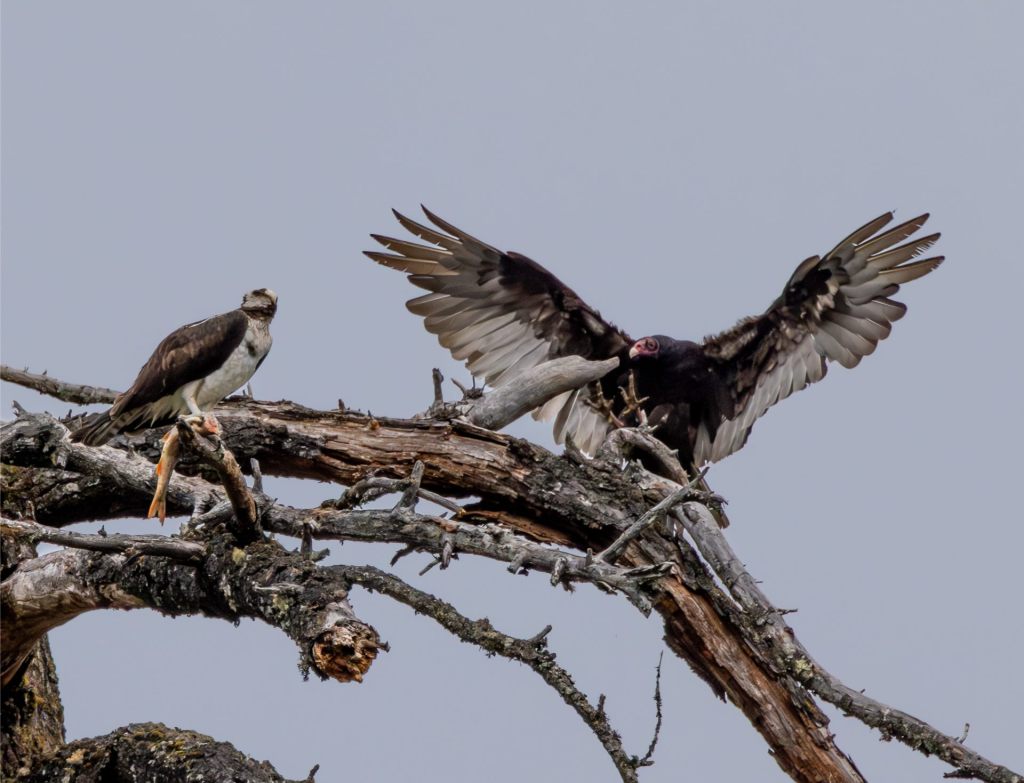
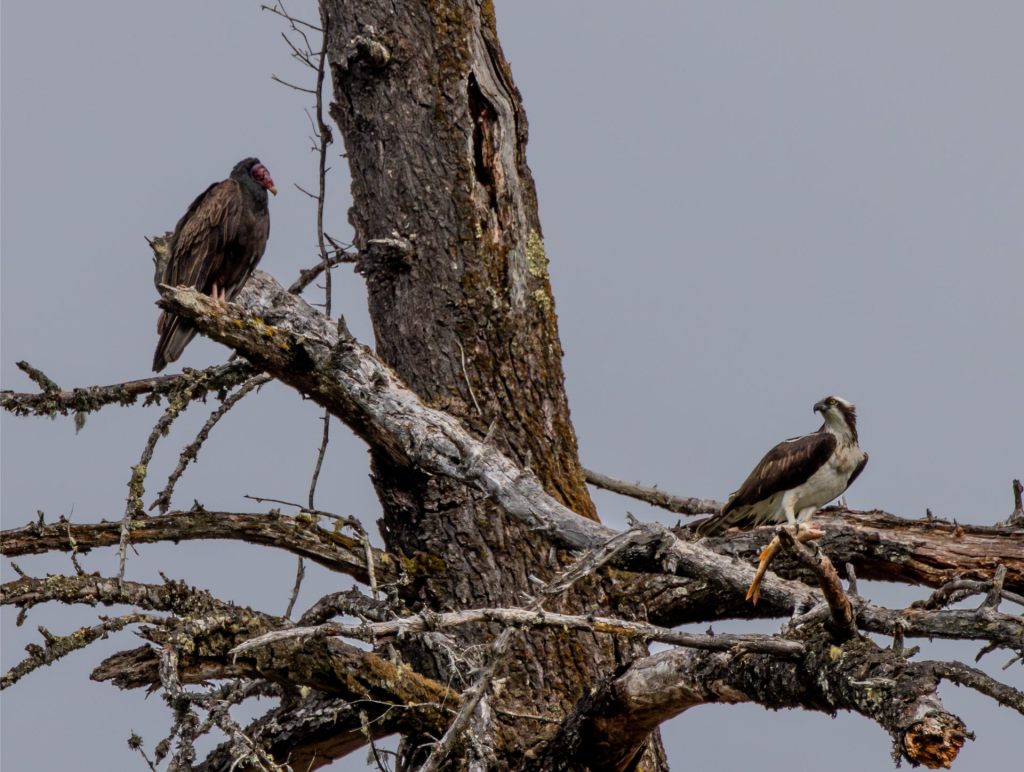
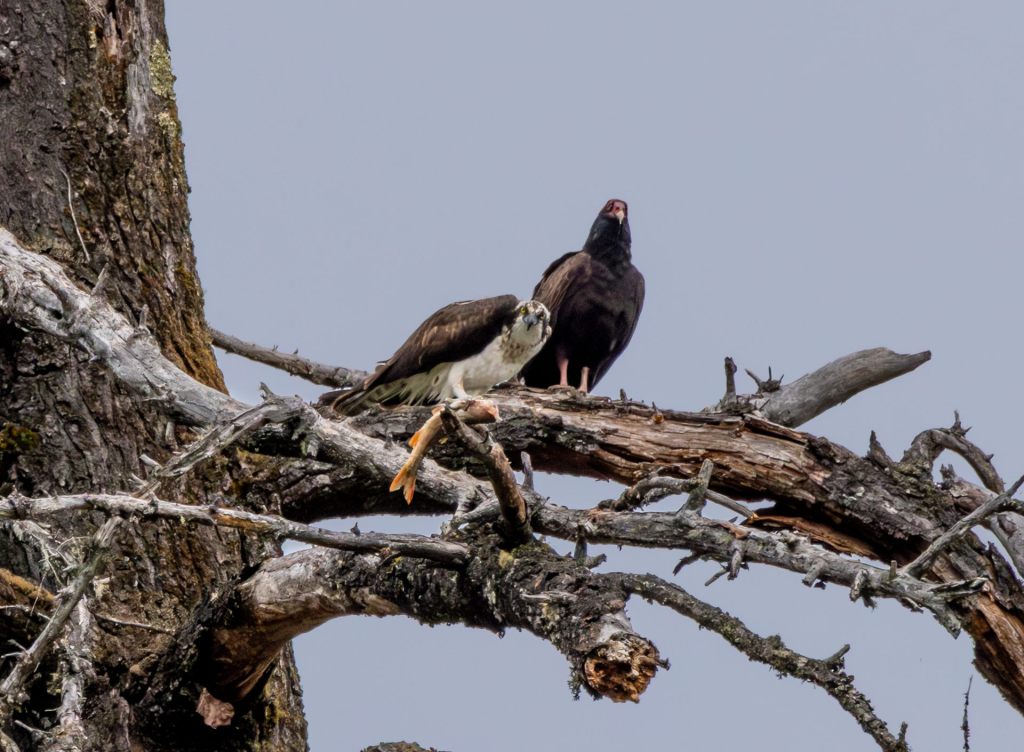
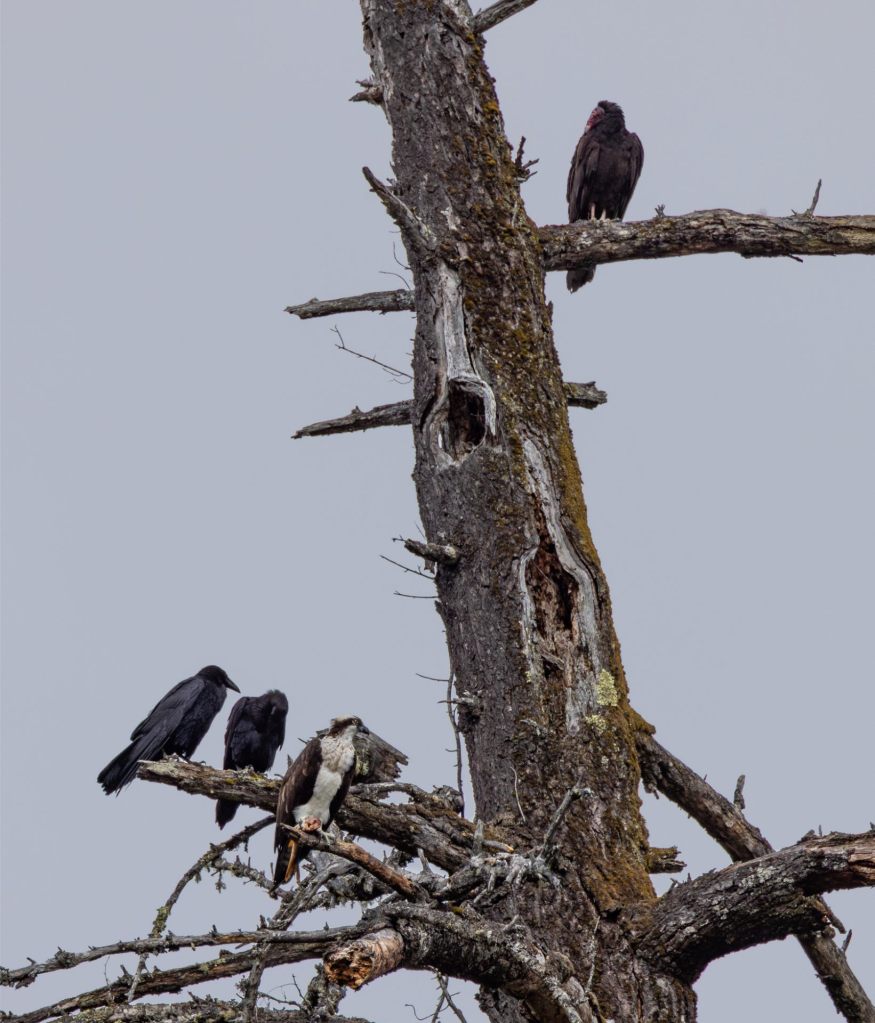
This Osprey caught a huge pikeminnow and as you can see it is almost half consumed here.The head is always eaten first. The Osprey was working on its meal deliberately, but also maintaining vigilance of its surroundings in case anyone else had designs on the meal.Sure enough, a Turkey Vulture arrived and seemed prepared to wait forever for any chance of leftovers. The Osprey did not feel threatened and continued to eat.Then another vulture appeared, but again, the Osprey was not bothered.The birds both seemed to be looking right at me here.When there was just a stub of a tail left of the fish, a pair of Ravens showed up. I expected them to harass the Osprey and cause it to fly off with or as they were likely hoping, drop the end of its breakfast, but instead, they just stood by.
This video shows more of the fascinating scene.
The Air Show
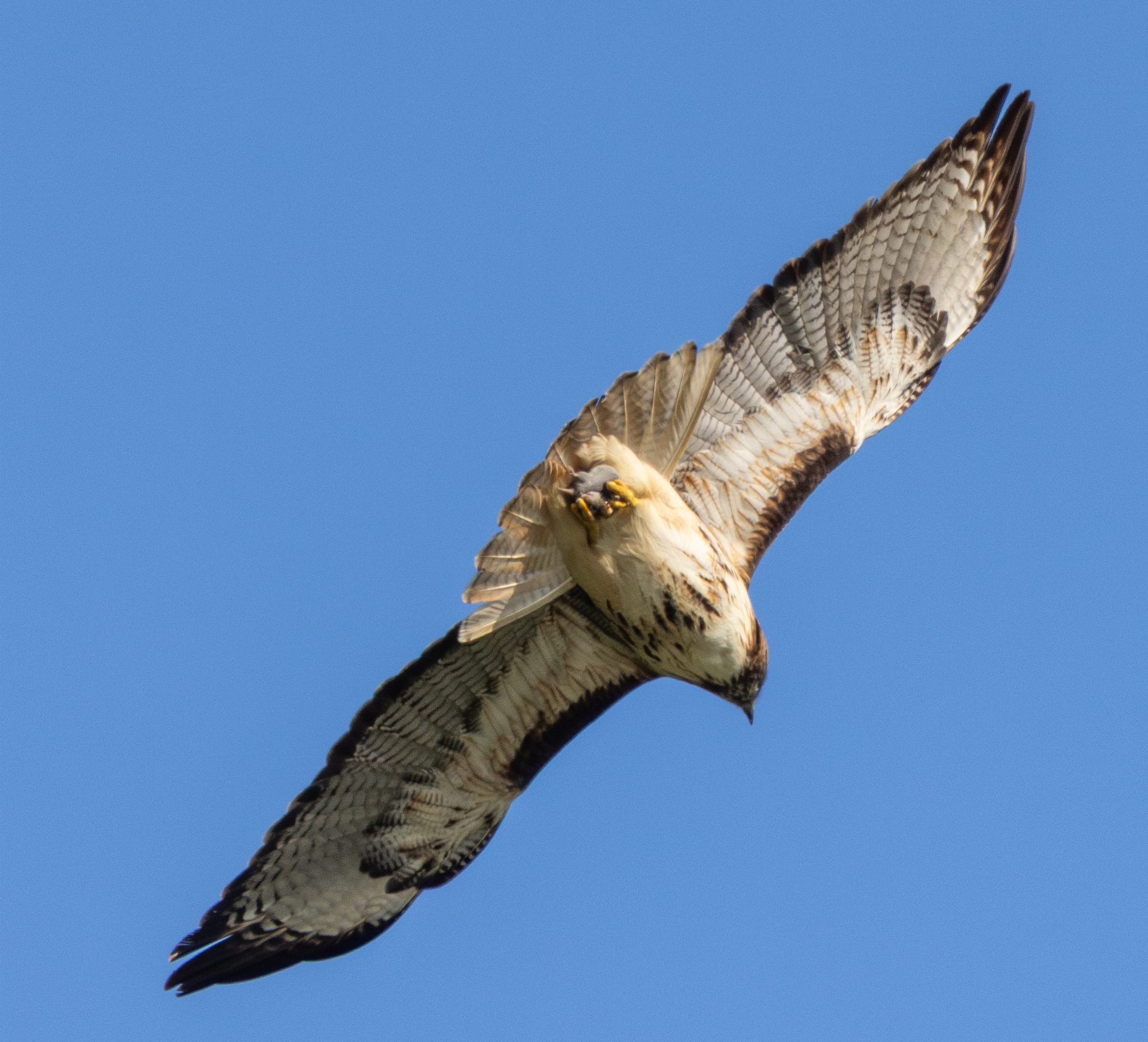
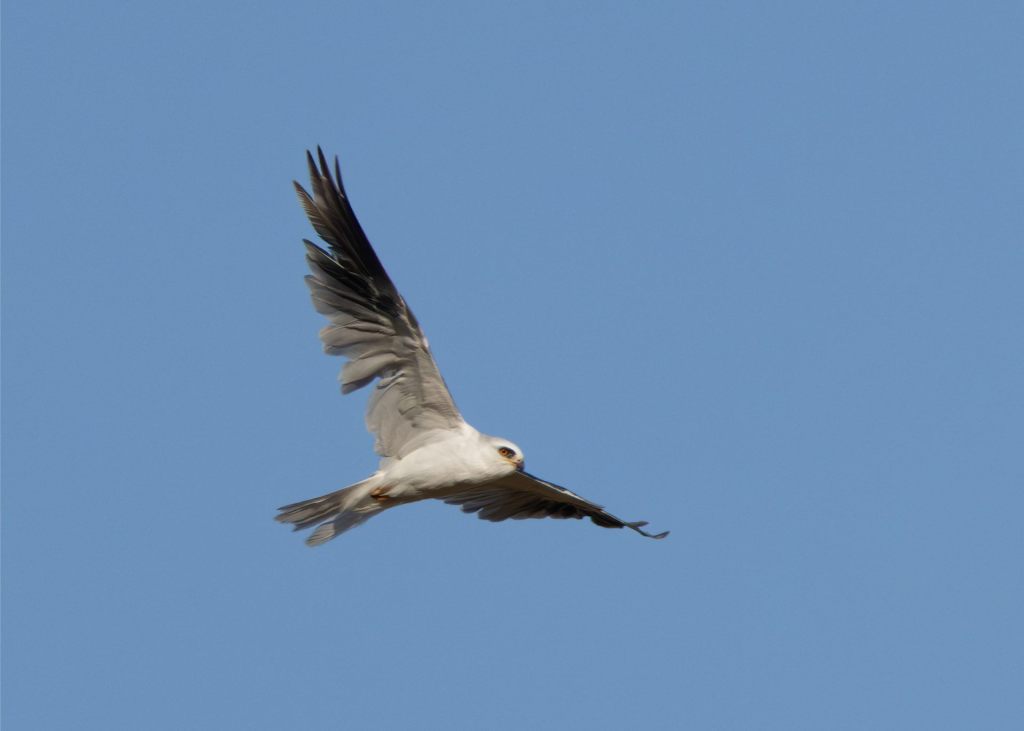
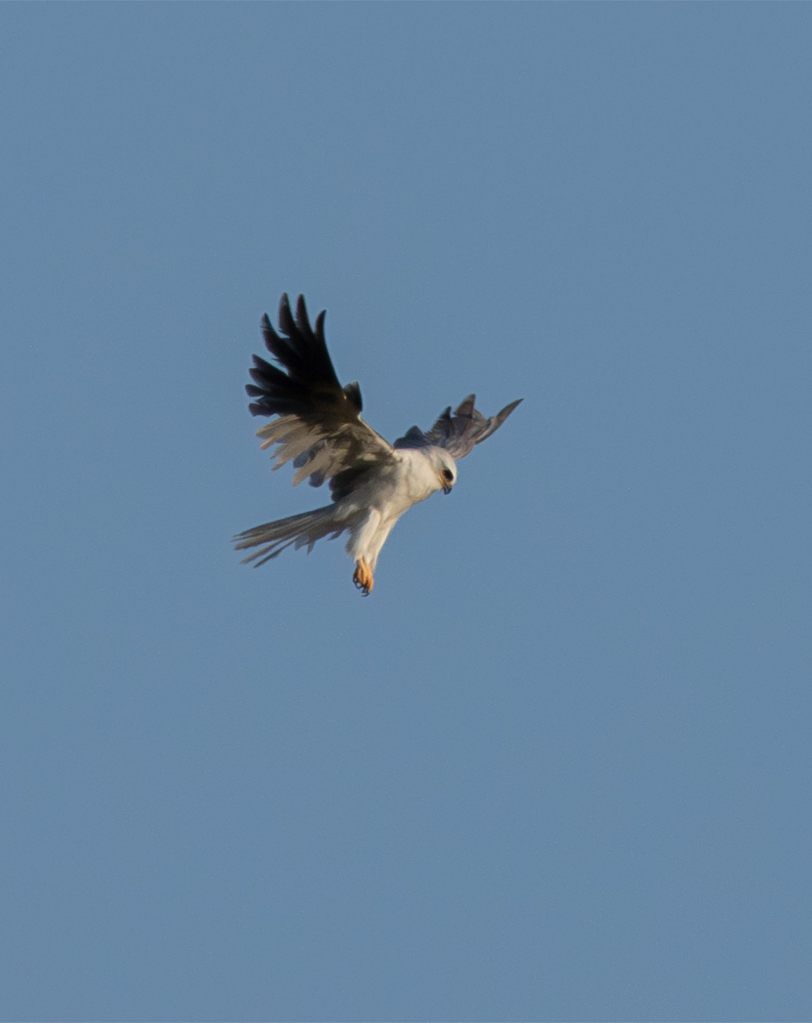
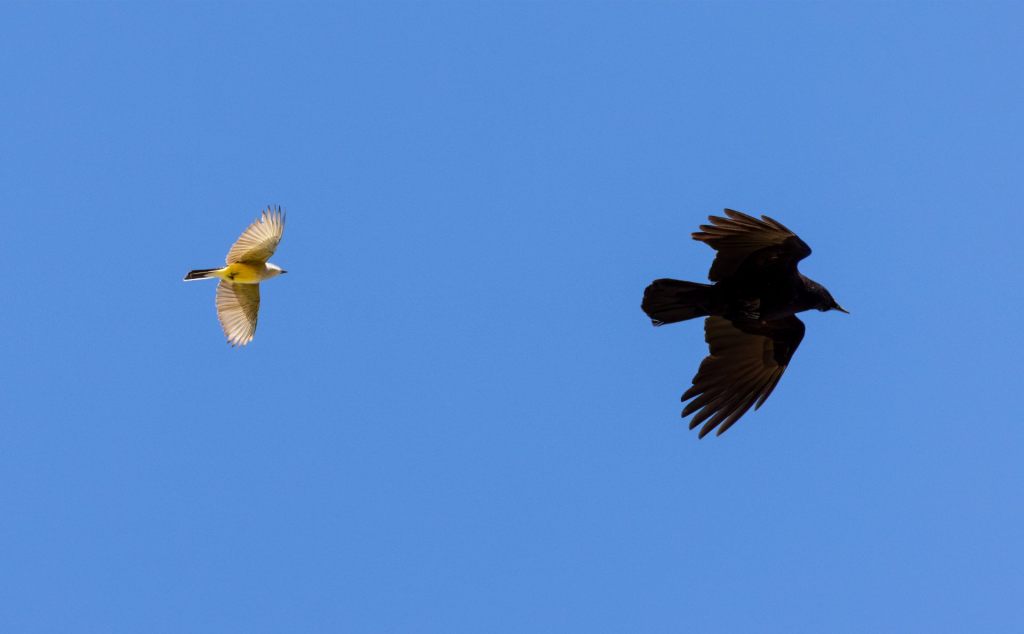
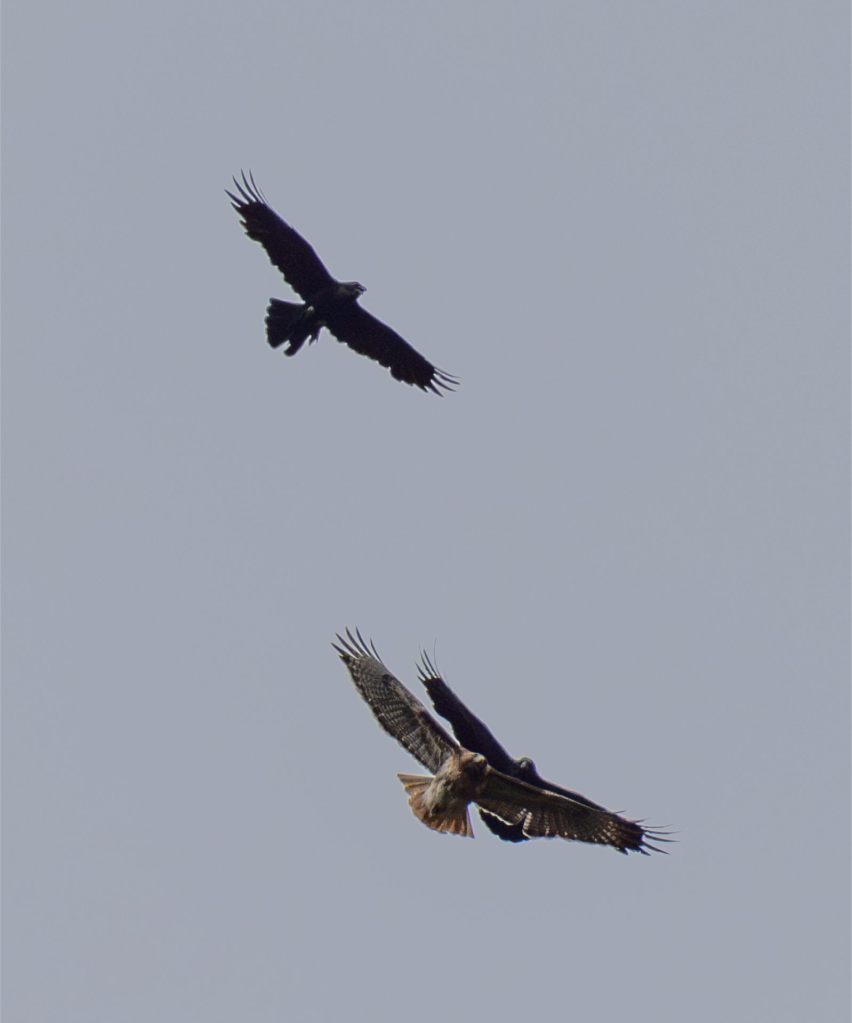
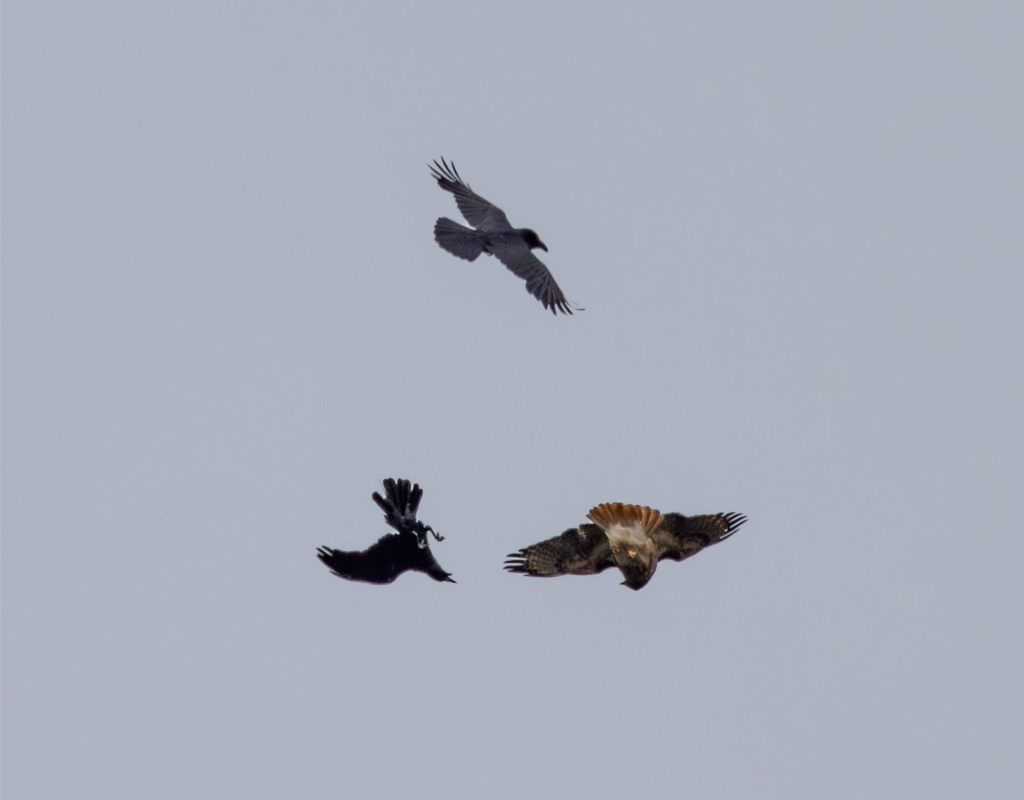
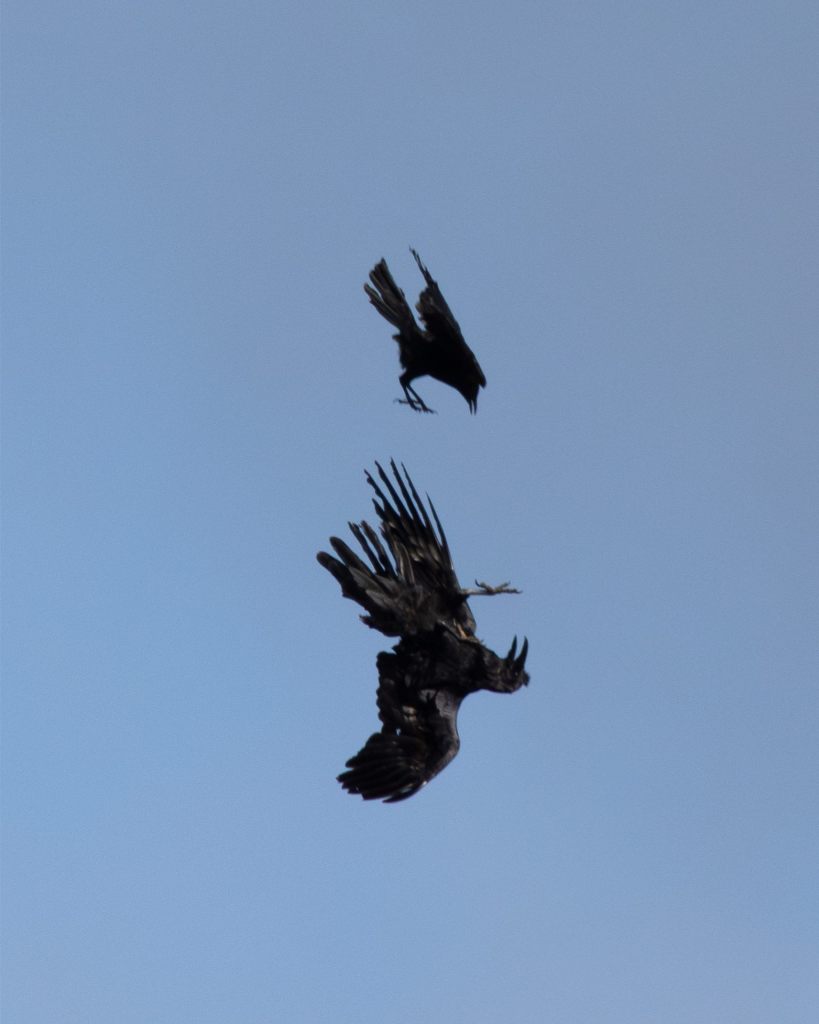
I believe this is the male of my local Red-tailed Hawk pair. He has a vole tucked under his feet, likely a meal for his young in the nest.Here you get a better look at the vole.White-tailed Kite on the huntWhite-tailed Kite hovering above prey.Western Kingbird harassing White-tailed Kite. This was far from the Kingbird’s nest, so I suspect this is just Kingbird sport.Kingbird harassing Kite silhouetteHere the Kingbird is driving a Crow away from its nest area.American Kestrel MaleRavens harassing the female of my local Red-tail pair.Aerial acrobatics of Raven shenanigansThis is an American Crow driving a Common Raven away from its nest.
At the Eagle Nest
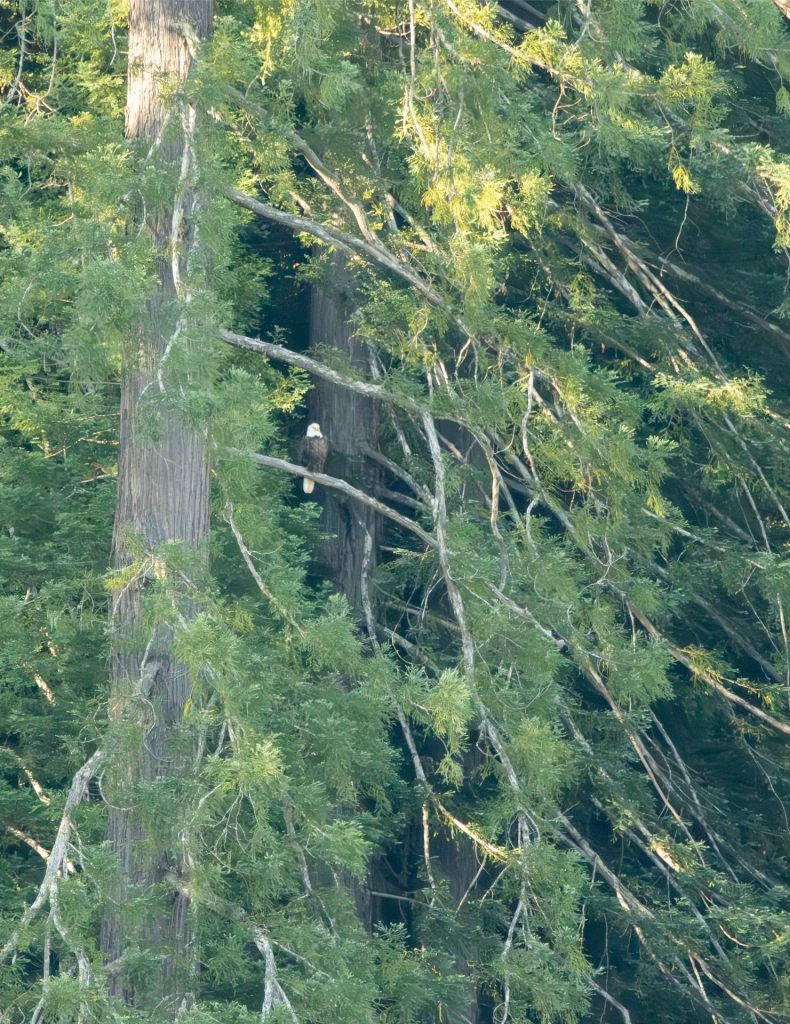
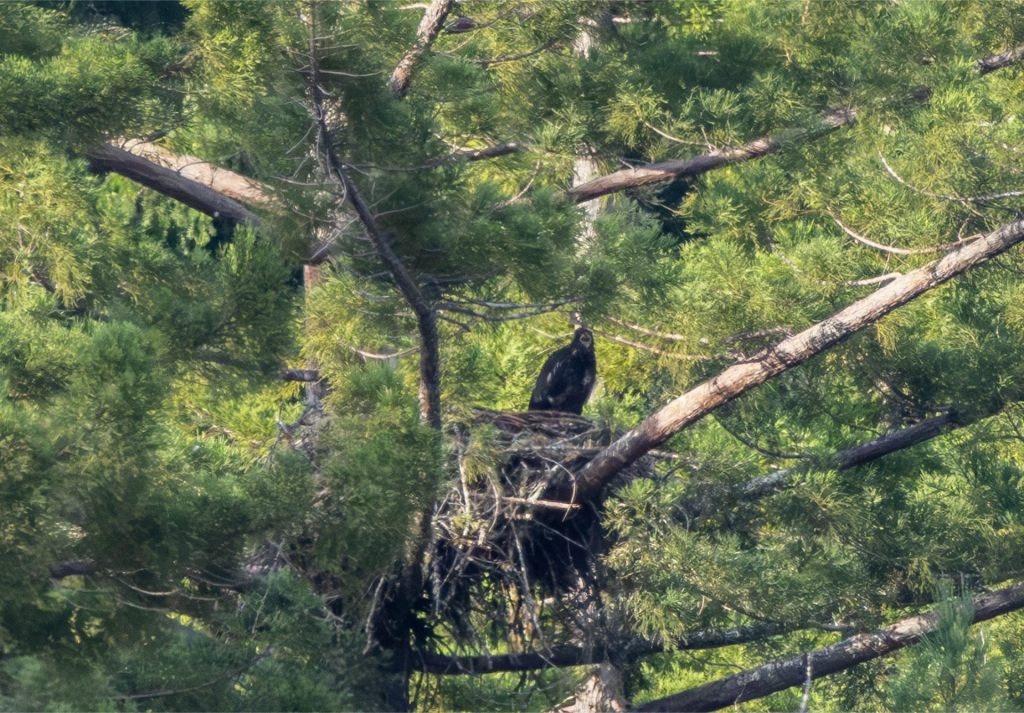
Adult Bald Eagle posted up about 25 yards from its eaglet in the nestBy the end of June this young eagle was about 11 weeks old. Left mostly alone by its parents, it still gets food delivery and is getting stronger at rudimentary flight skills. It will likely take its first flight some time in July.Parent Bald Eagle
Flycatchers
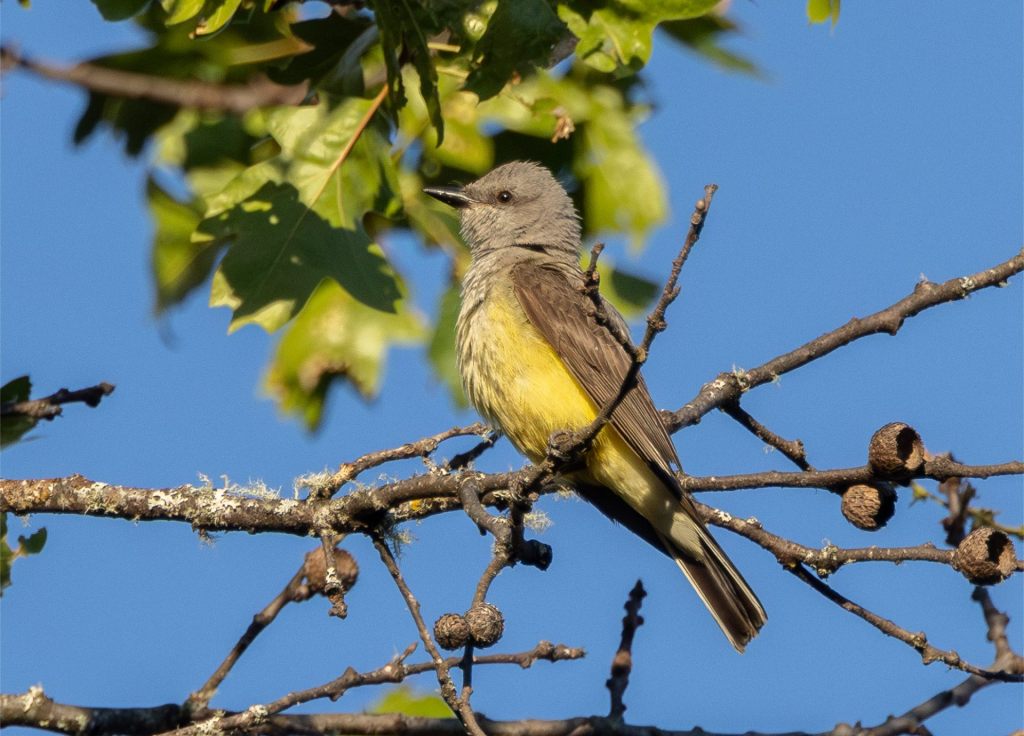
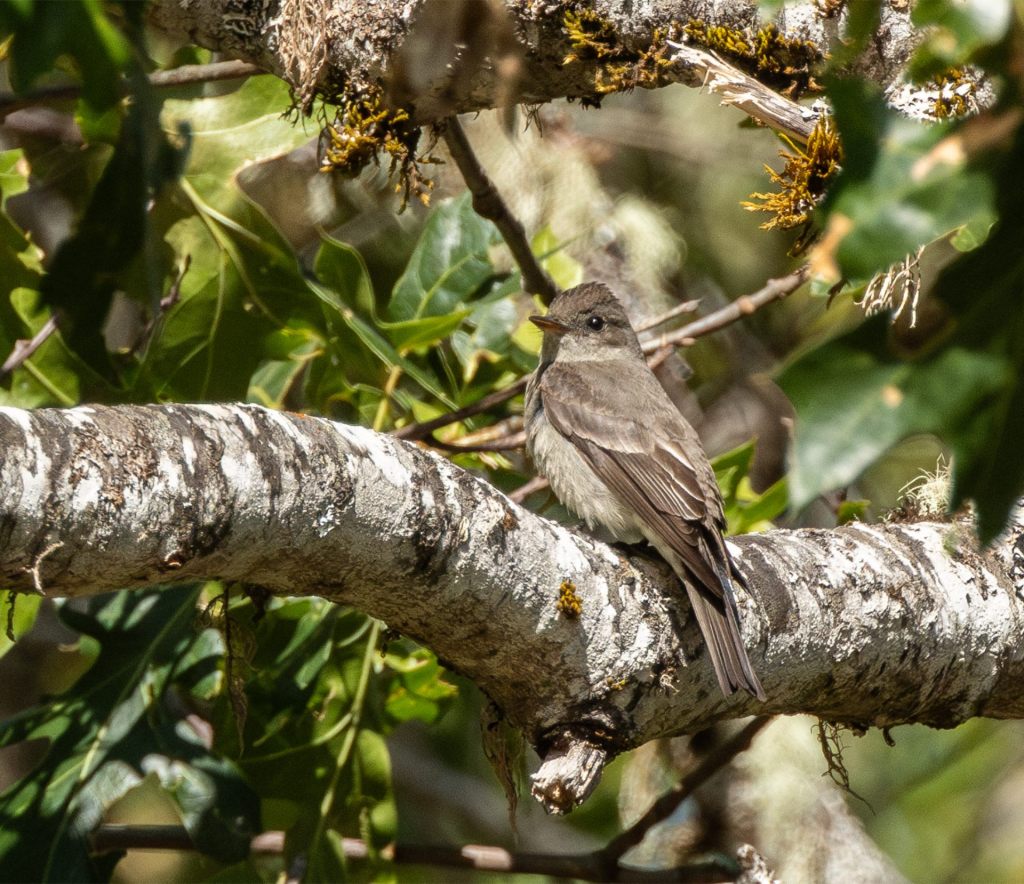
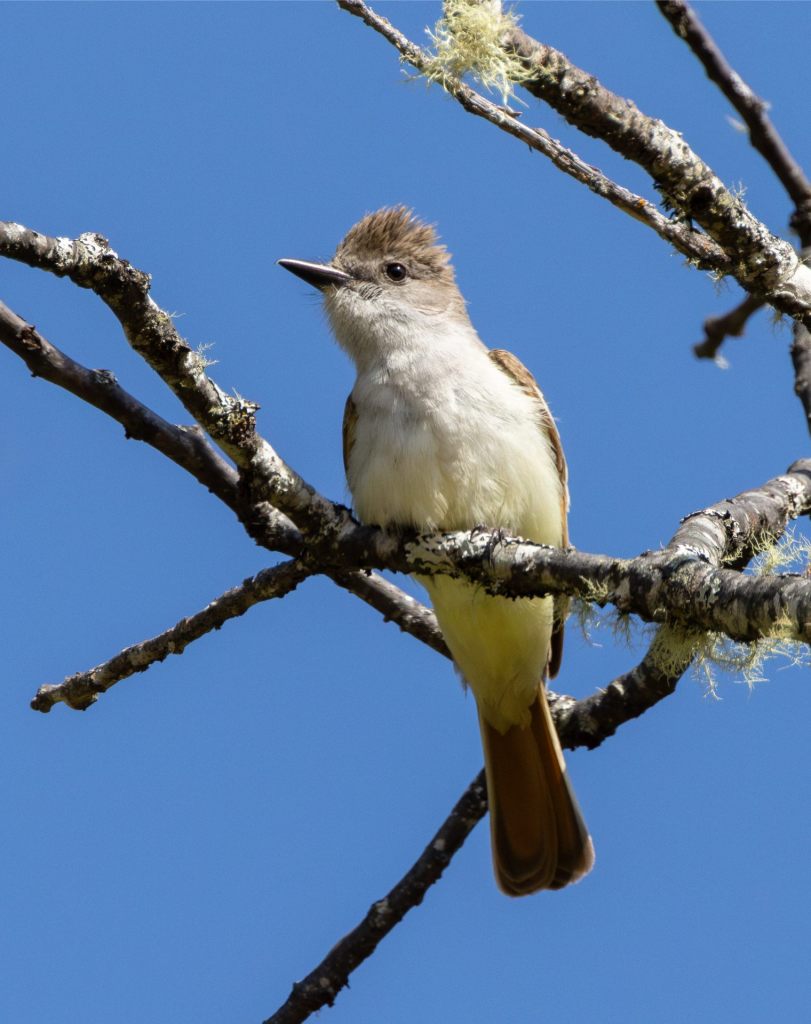
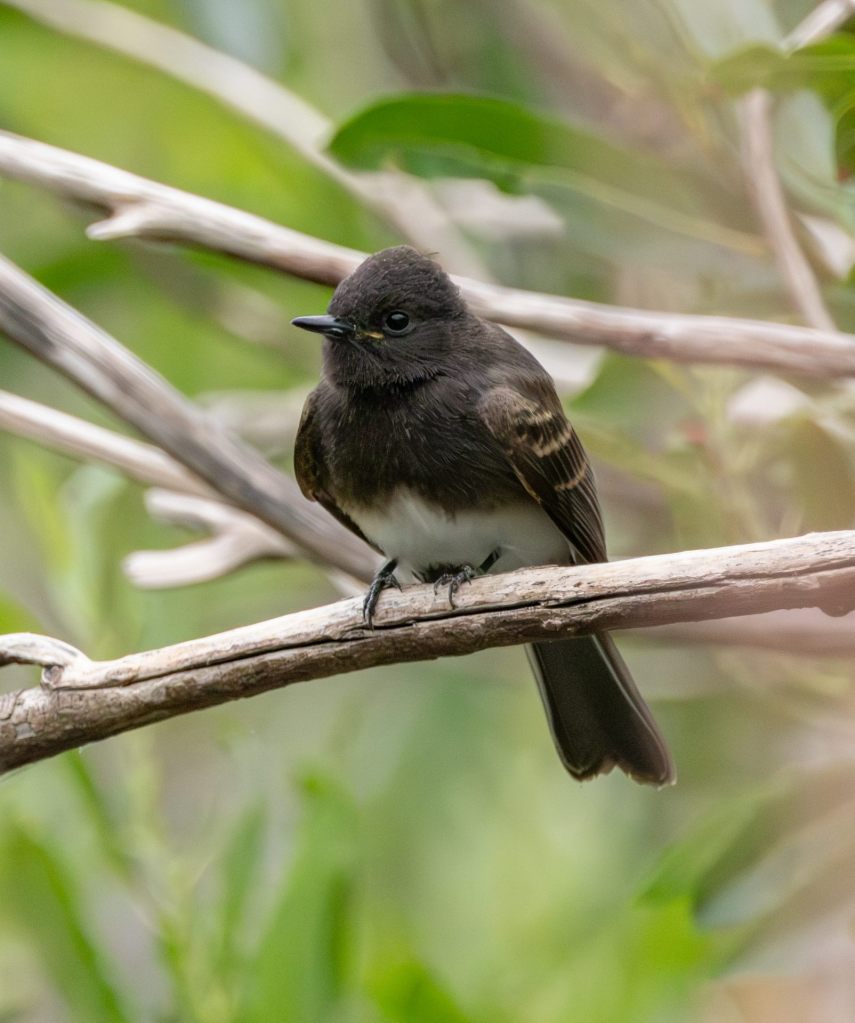
Adult Western Kingbird takes a break from nestling careThis is a Western Wood Pewee. Its song, a repeated dull, buzzy, descending note, is about as plain as its appearance. Around here it is one of the last to arrive during spring migration. It also tends to stay into early fall.This is a Western Flycatcher. It has gone through a few name changes as ornithologists have both separated it from a bird deemed to be a different species, and then lumped them together again as one species. The light is poor, but you can just about make out the distinctive eyering that makes kind of a teardrop shape at the rear of the eye.Ash-throated Flycatcher showing off its Marge Simpson hairdo.Black Phoebe juvenile. These year-round resident flycatchers are often seen at the river.
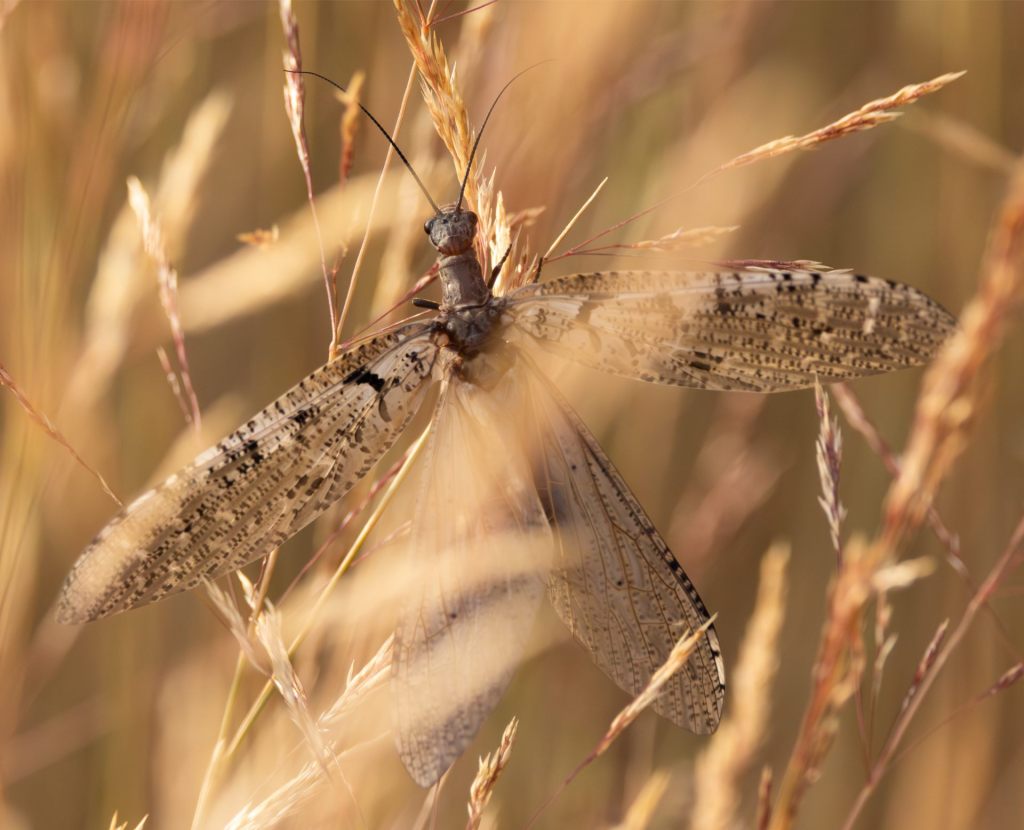
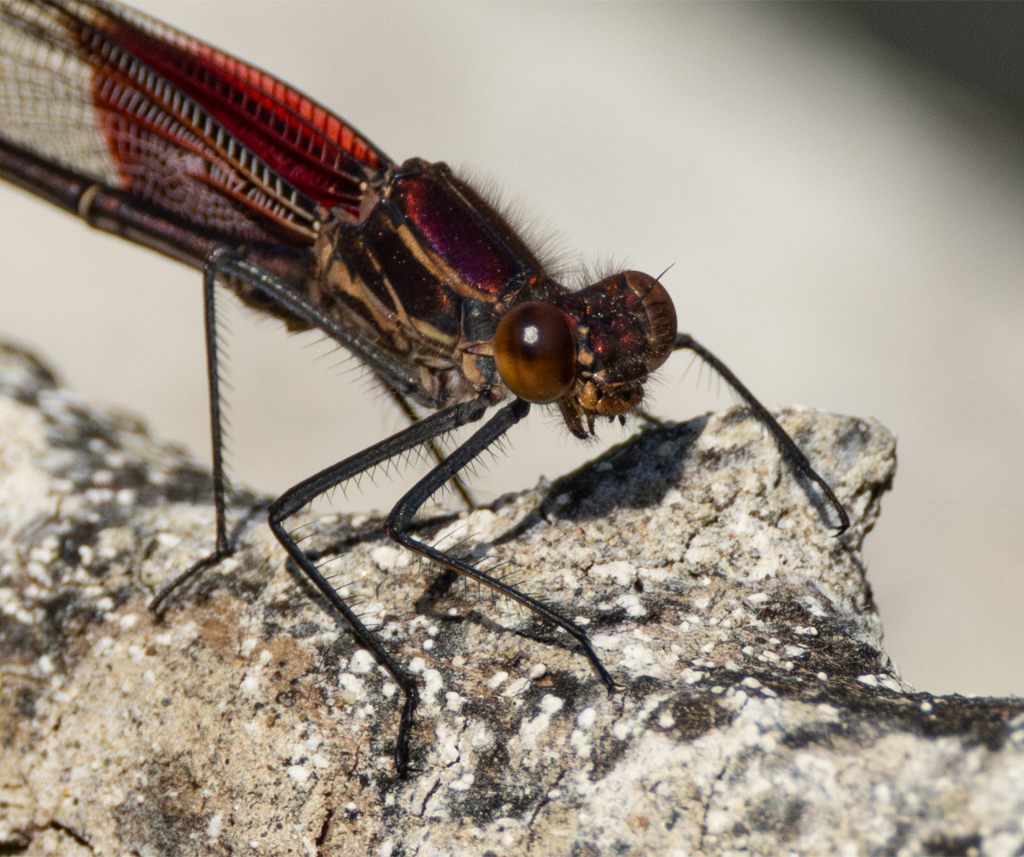
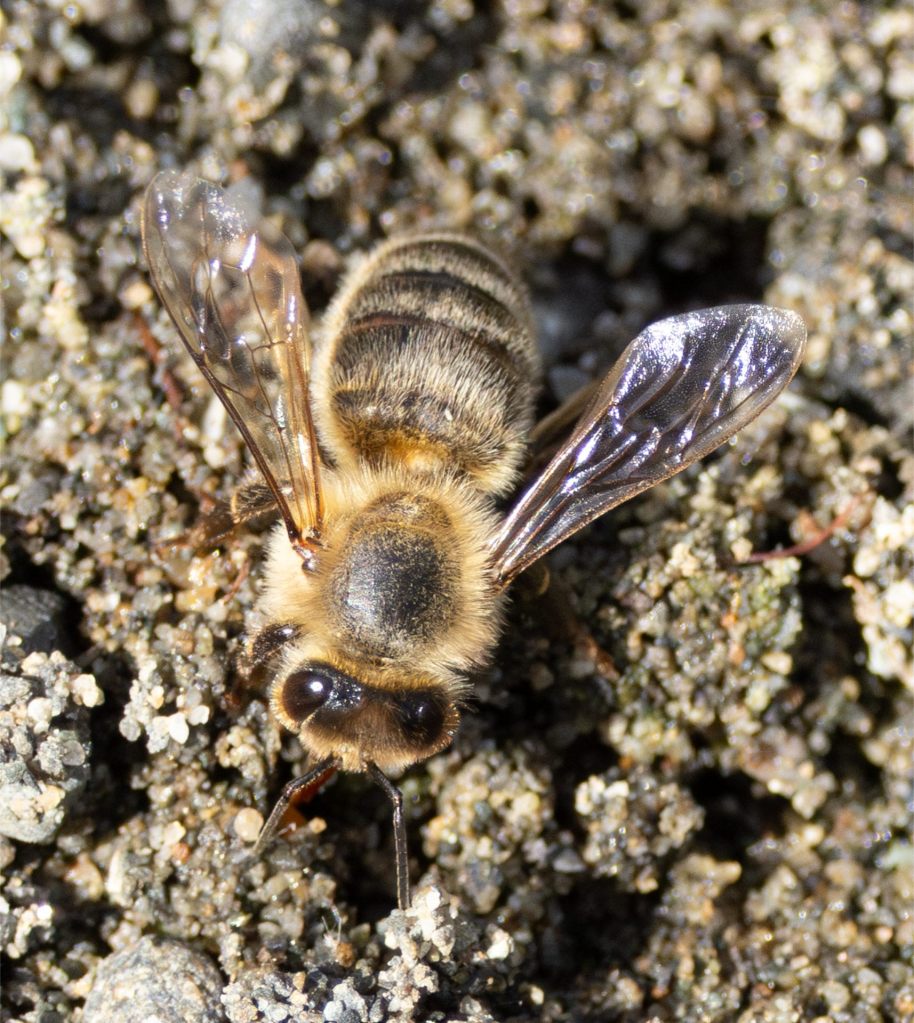
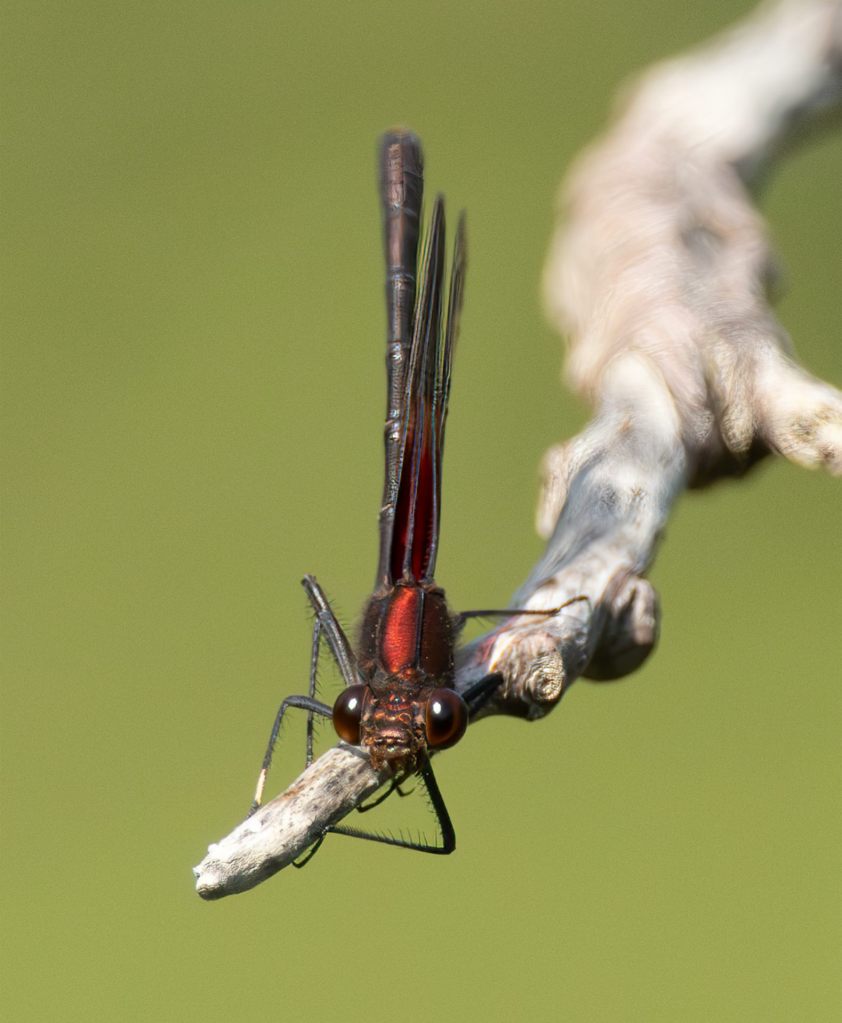
Some of the Things Flycatchers Catch
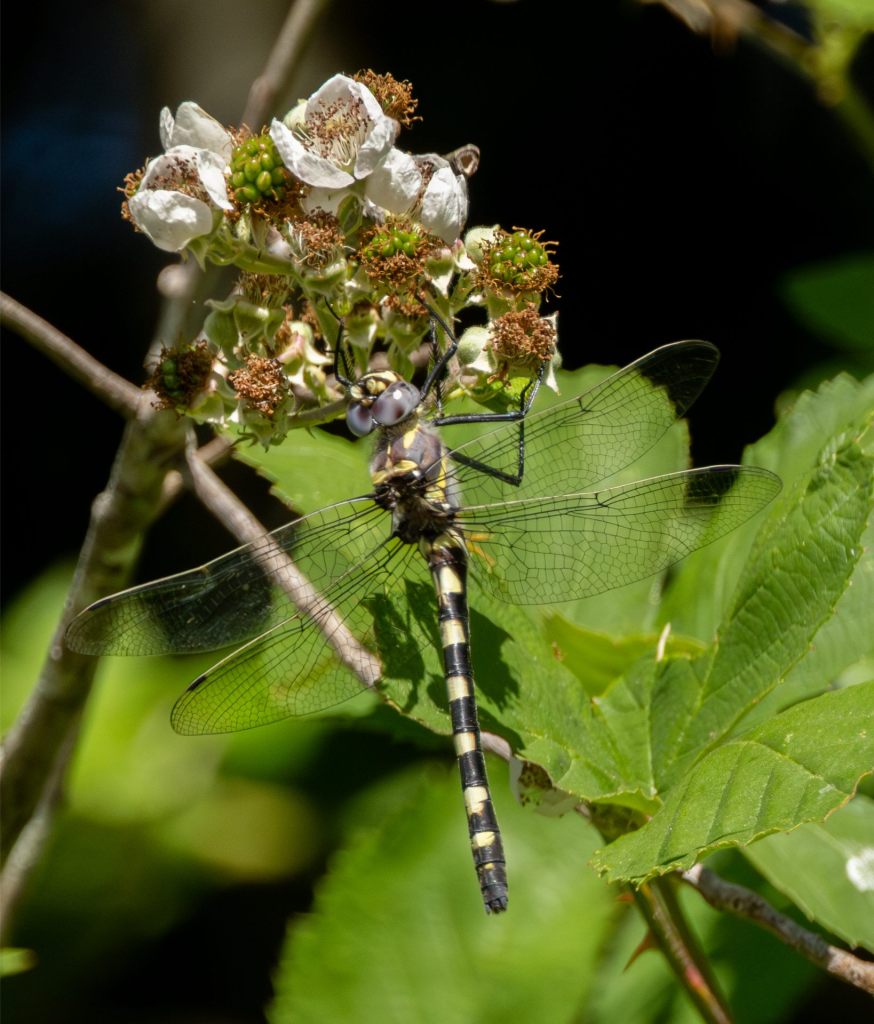
Unknown insect. Any ID help would be much appreciated.American Rubyspot DamselflyA bee of some kind.American Rubyspot damselflyWestern River Cruiser dragonfly
Neo-tropical Color
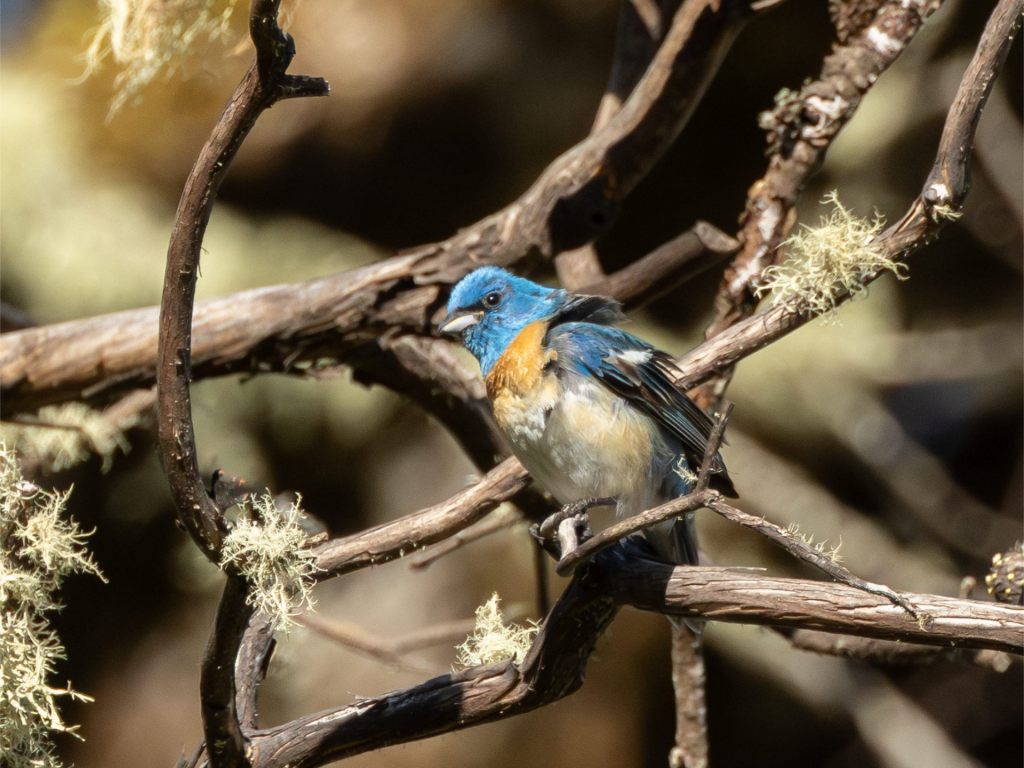
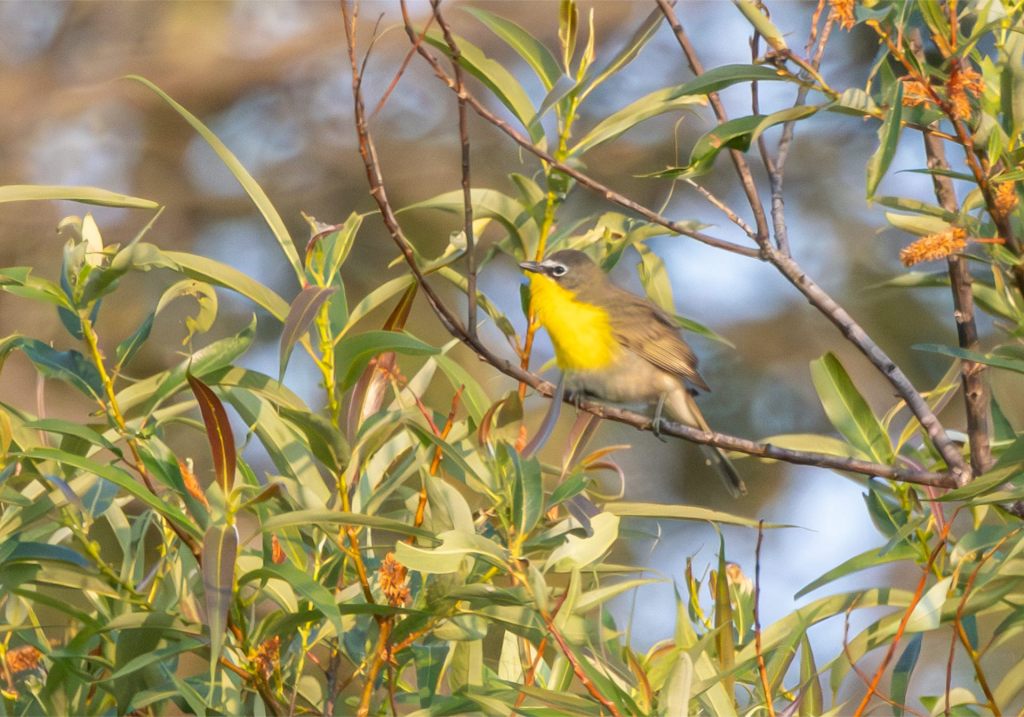
Male Lazuli BuntingMy favorite summer vocalist, the Yellow-breasted Chat.
Short video of Chat vocalizations.
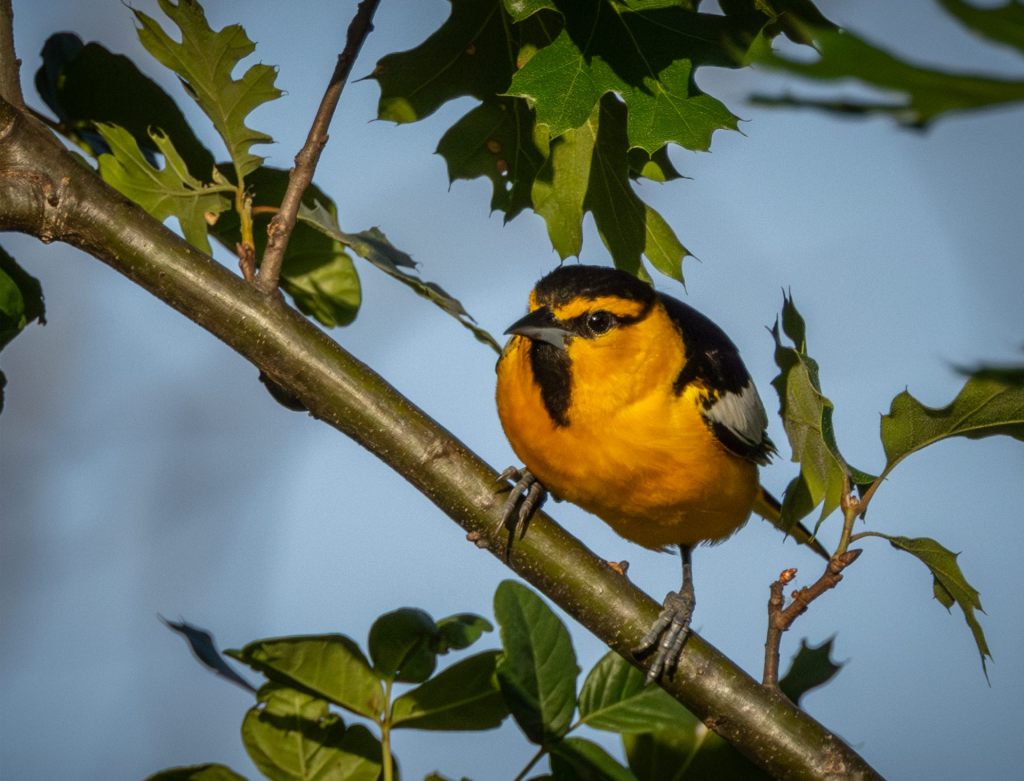
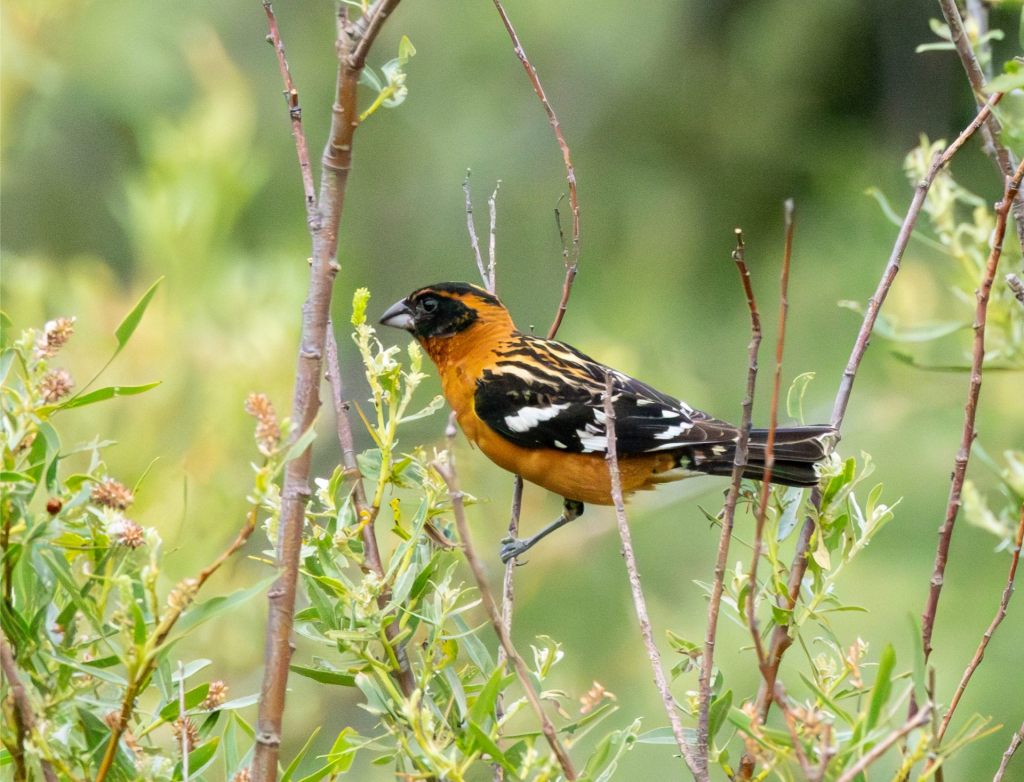
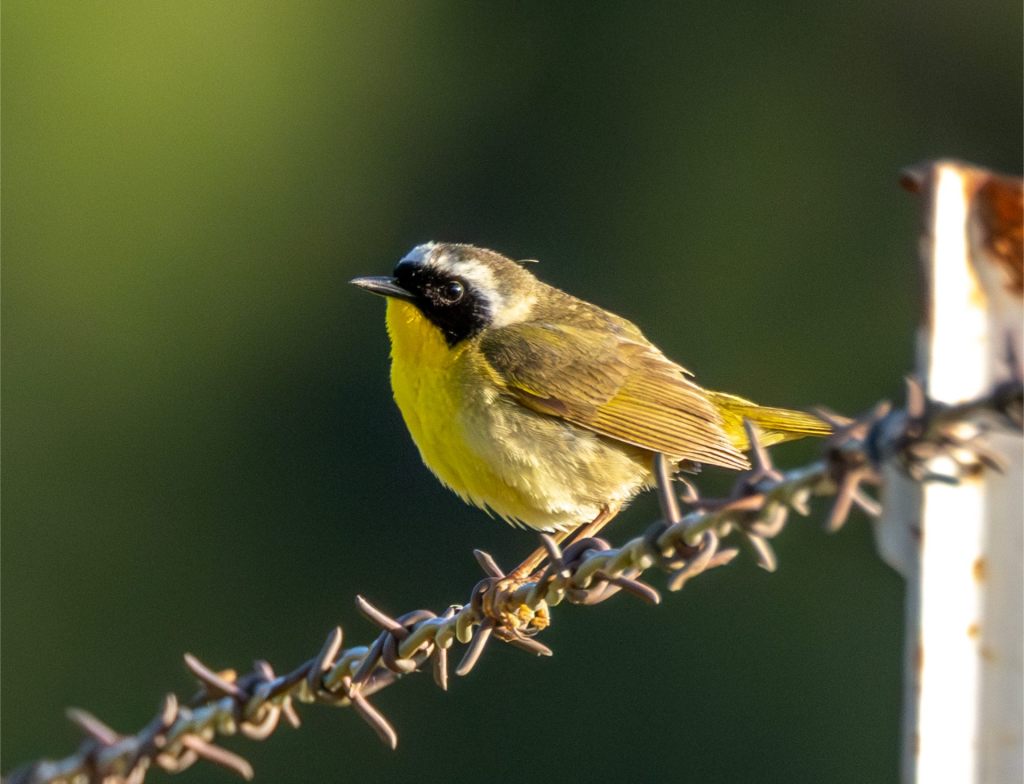
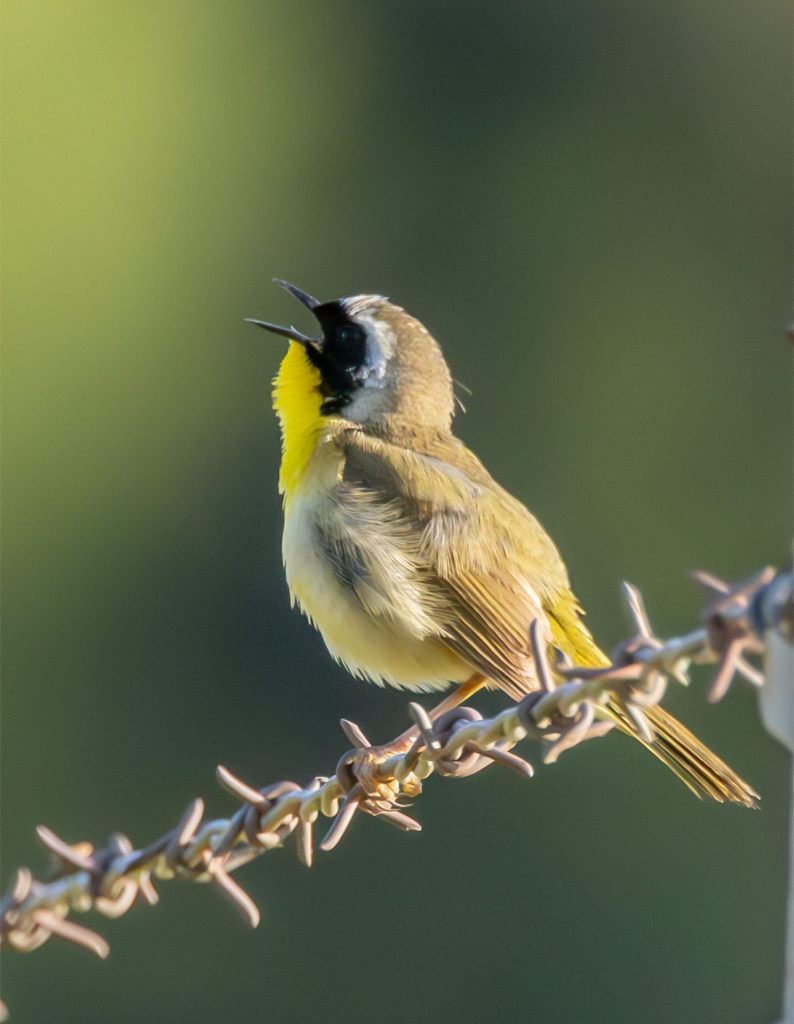
This video is from a couple Junes ago. You will hear and see Chat sounds and behavior. Toward the end you will hear the noise Chats make when guiding their young around.Male Bullock’s OrioleMale Black-headed GrosbeakMale Common YellowthroatYellowthroat singing
Odds and Ends
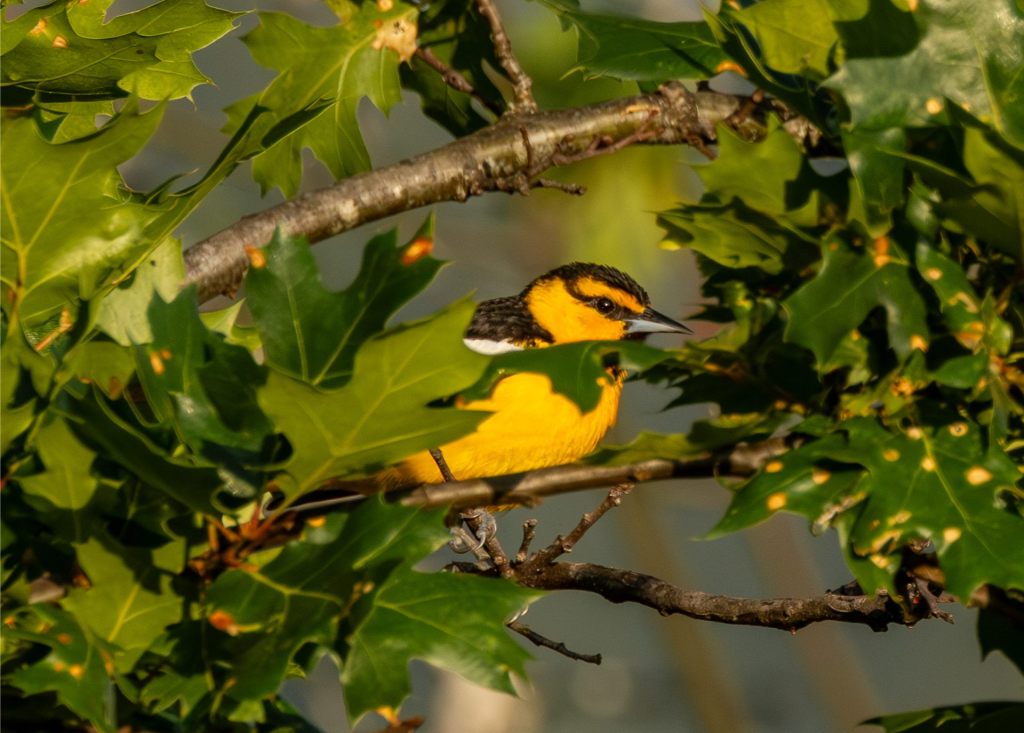
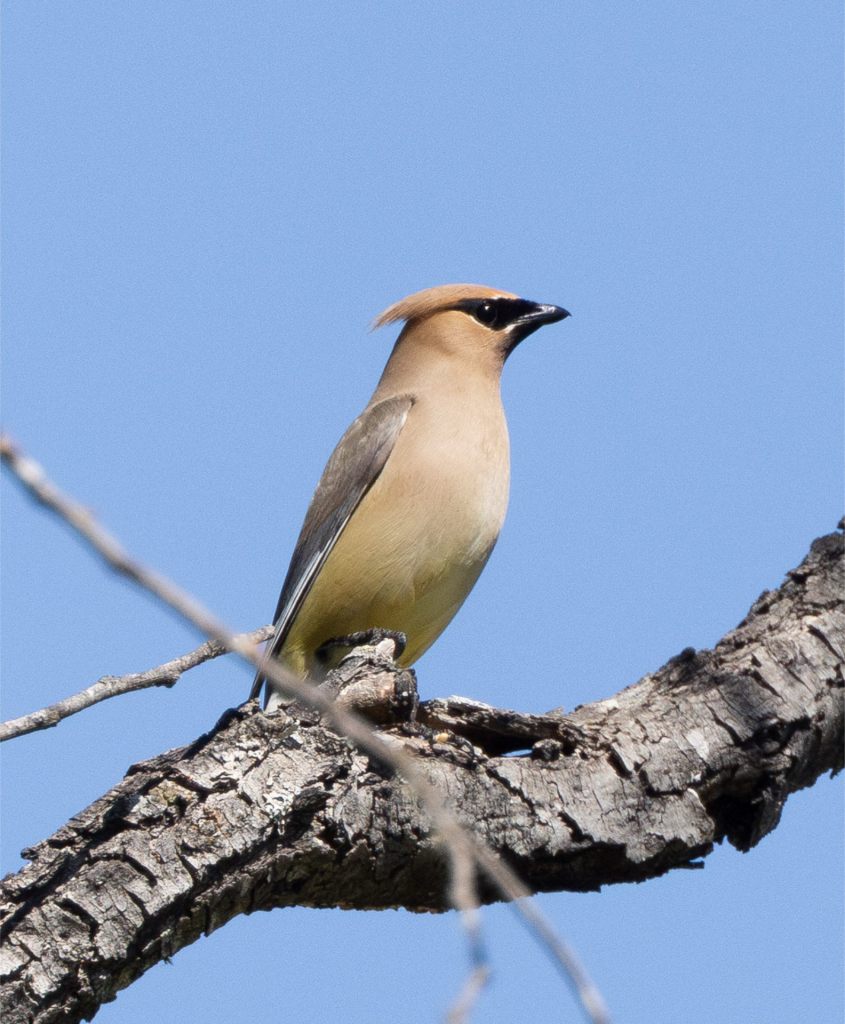
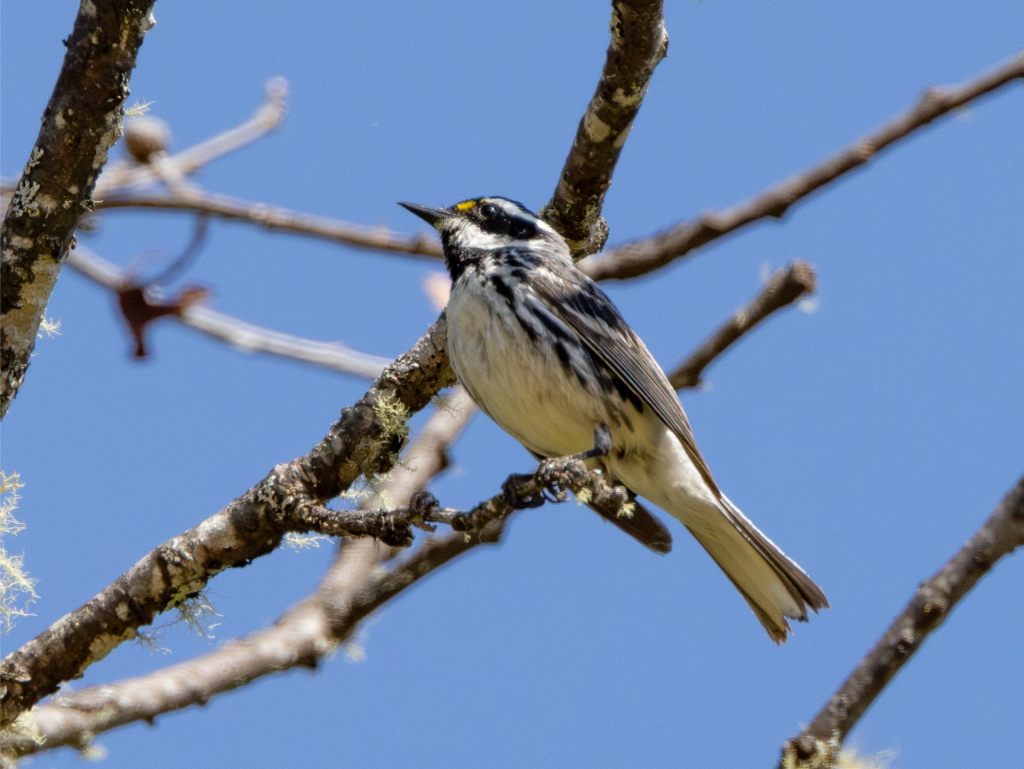
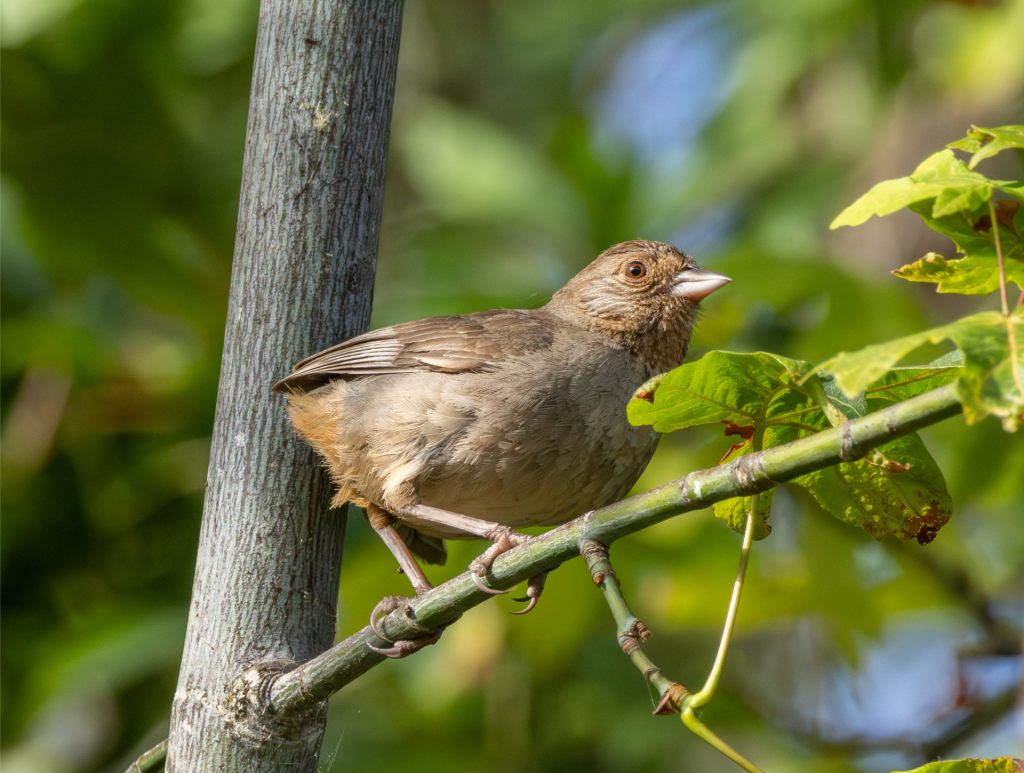
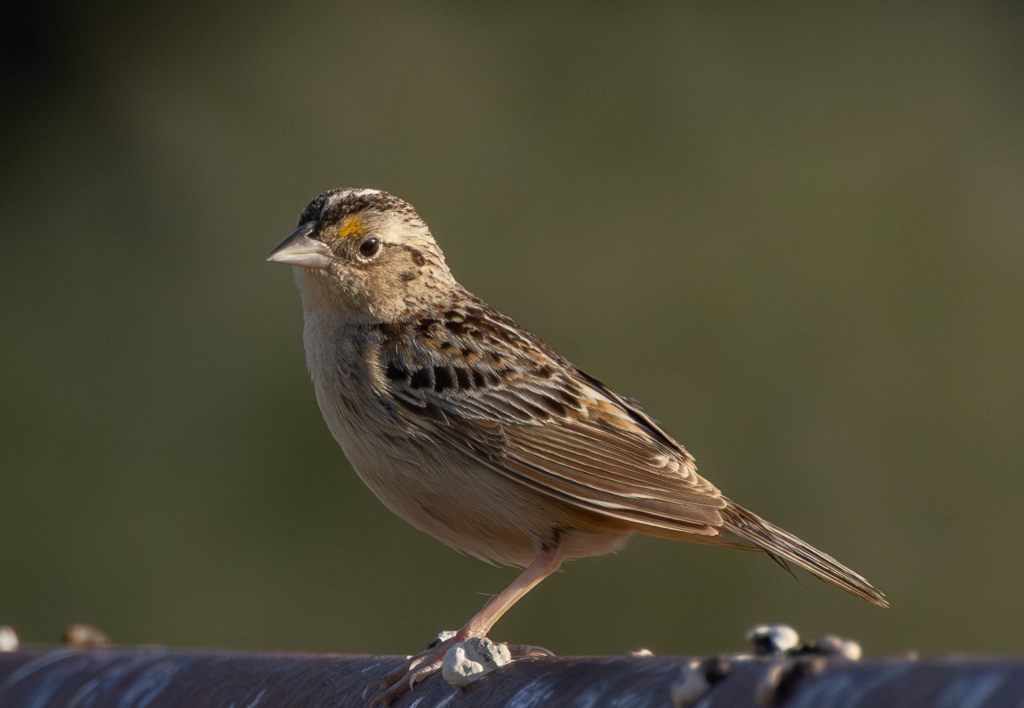
This is the much maligned Brown-headed Cowbird. It lays its eggs in other birds’ nests which often leads to a tiny sparrow (or other small songbird) feeding a huge cowbird nestling, sometimes to the detriment of the sparrows. A friend shared this Facebook post that gives an interesting perspective on the situation. https://www.facebook.com/sharon.astyk/posts/pfbid021z4C6xf851hhKQeHujfFKs6NL3HDQvPeEZrrbt9i4LrjgNQK7tHvx8o3gFGczhCRl I’m guessing you have to be on Facebook to read it, apologies if that doesn’t work for you. I couldn’t find it elsewhere online.Usually seen in large groups swarming fruit trees or catching insects, this lone Cedar Waxwing visited the river.Black-throated Gray WarblerThis apparently very lucky California Towhee is missing its long tail feathers.Grasshopper Sparrow. This tiny bird has lost much of its habitat across the US. We are very lucky to have a small population who come to our area every spring to breed.
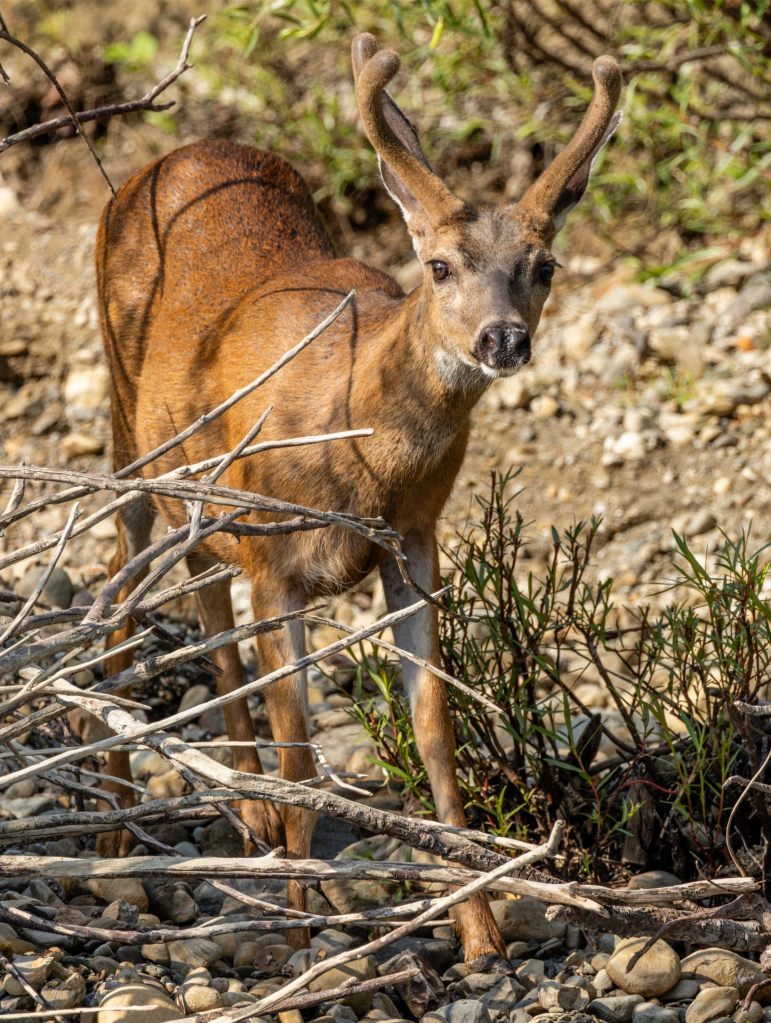
Grasshopper Sparrows make a high-pitched insect-like song. For some of us whose hearing ain’t what it used to be, they can be very difficult to hear.Black-tailed Deer buck in velvet










 Free Range Photography
Leave a comment